
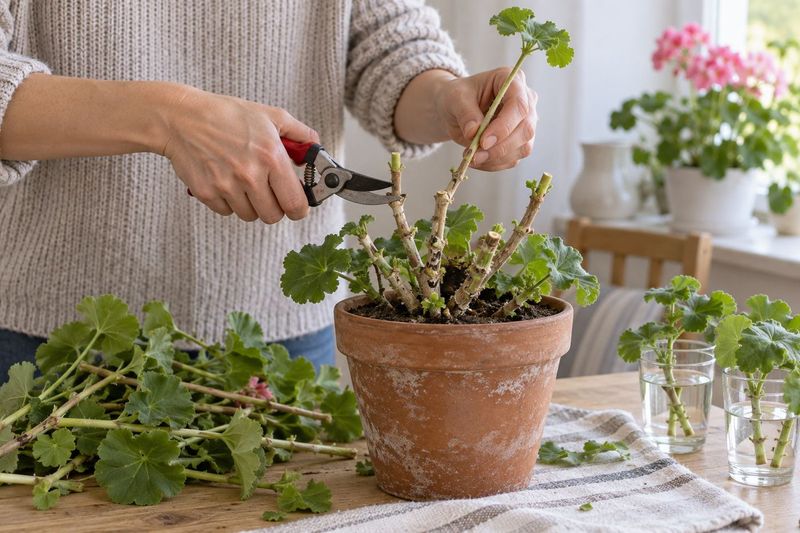
Leggy geraniums with long bare stems and only a few flowers can make any porch look tired. The good news is that most of the problem comes down to how and when you feed them.
A few smart changes this fall and winter can set your plants up for thick growth and wave after wave of blooms next spring. Here are 14 easy feeding tricks that really work.
1. Stop Feeding Heavily in Late Fall
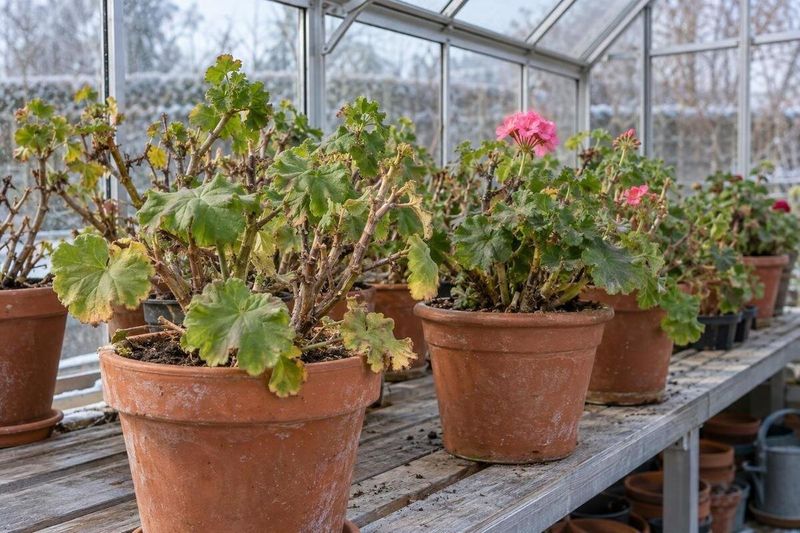
Picture a sleepy bear being handed a giant breakfast right before hibernation. That is roughly what happens when geraniums get rich fertilizer in late fall.
Their growth slows as days shorten, yet extra food pushes out weak, stretchy stems that flop by January.
Instead, taper off feeding around early October for plants you plan to overwinter. Give one last half-strength dose, then let the soil rest.
Your geraniums will shift into a calmer mode, holding energy in their roots and thick stems rather than wasting it on pale, spindly shoots reaching for weak winter light.
Gardeners who skip this step often blame low light for leggy plants. Light matters, of course, but overfeeding during dim months makes the stretching far worse.
Nitrogen tells a plant to grow fast, and fast growth without bright sun always turns thin and floppy.
So think of autumn as a quiet season. Water lightly, keep plants cool, and hold back the fertilizer bottle.
When spring arrives, you will be working with compact, sturdy stems that respond beautifully to feeding again. That pause is the foundation every other trick on this list builds on, and it costs you absolutely nothing.
2. Prune Before You Feed
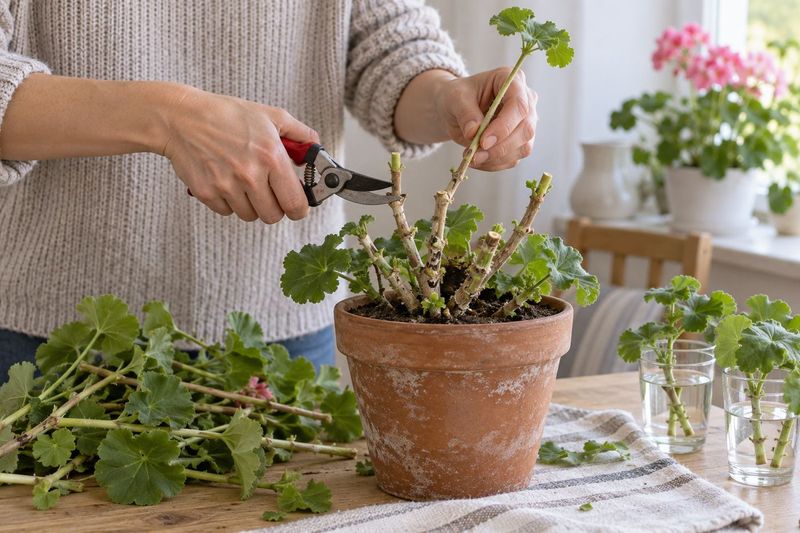
Feeding a leggy geranium without pruning first is like pouring gas into a car with flat tires. The fuel goes in, but it will not get you anywhere useful.
Cutting back long stems tells the plant where to send its next burst of energy.
In late winter, trim each stem down to about a third of its length. Always cut just above a leaf node, the small bump where leaves sprout.
New shoots will pop out from those nodes, turning one bare stick into two or three bushy branches.
Wait about a week after pruning before you offer any fertilizer. That short break lets the cuts seal and gives the plant time to wake up dormant buds.
Once you see tiny green shoots appearing, start a gentle feeding routine.
Here is a fun bonus. Those trimmed pieces can be rooted into brand new plants.
Stick them in moist potting mix, keep them bright, and you may double your geranium collection for free.
Pruning and feeding work as a team. One shapes the plant, and the other powers the fresh growth that fills it out into a full, rounded mound covered in flower clusters.
3. Choose a Bloom-Boosting Fertilizer Ratio
Three little numbers on a fertilizer box can make or break your flower show. Those digits stand for nitrogen, phosphorus, and potassium, often written as N-P-K.
Each one does a different job inside your plant.
Nitrogen builds leaves and stems. Phosphorus supports roots and flower buds, while potassium keeps the whole plant strong and healthy.
Leggy geraniums usually have plenty of leafy growth already, so they need a formula that leans toward flowers instead.
Look for a ratio like 10-15-10 or 15-30-15 once spring growth kicks in. Many gardeners also have great luck with balanced mixes such as 20-20-20 at half strength.
What you want to avoid is a lawn-style fertilizer packed with nitrogen, which turns geraniums into leafy green bushes with barely a bloom.
Did you know? Garden geraniums are not true geraniums at all.
They belong to a group called Pelargonium, native to South Africa, where poor soils taught them to bloom without heavy feeding.
That history explains a lot. Geraniums prefer modest, well-balanced meals.
Pick the right ratio, and you give them exactly what their South African roots crave without pushing them into soft, stretchy growth.
4. Use the Weakly, Weekly Method
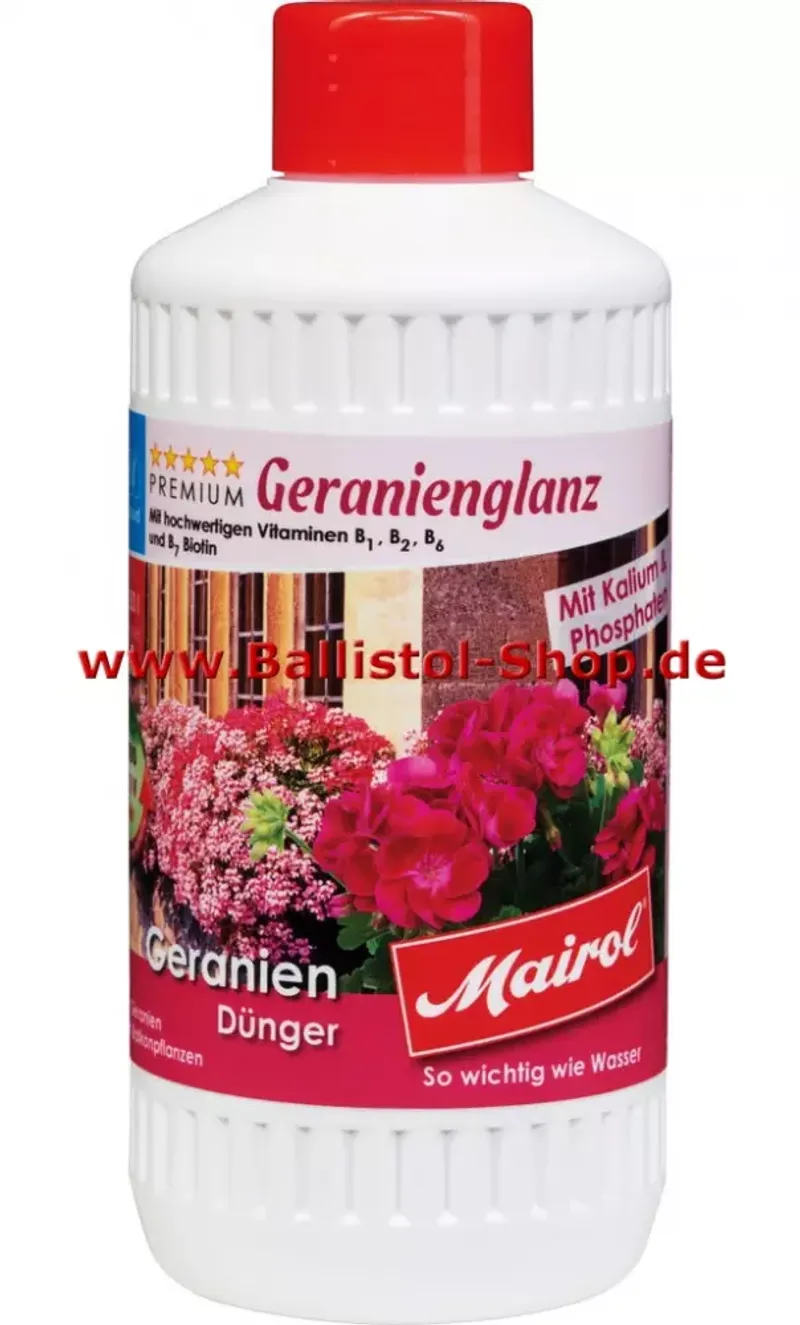
Old-time greenhouse growers swear by a simple saying: feed weakly, weekly. It sounds a little silly, but this habit has produced more blooming geraniums than nearly any other trick out there.
Rather than giving a full-strength dose every month, mix your water-soluble fertilizer at about one quarter of the label strength. Then use it every time you water during active growth.
The plant gets a steady trickle of nutrients instead of a sudden flood followed by hunger.
Why does it matter? Big doses can burn tender roots and trigger growth spurts that stretch stems.
Small, frequent meals keep growth even and compact, which is exactly what leggy plants need to fill in.
Container geraniums benefit most from this approach. Every watering washes some nutrients out of the pot, so frequent light feedings replace what drains away.
Hanging baskets and window boxes dry out quickly, which makes steady feeding even more valuable.
Start this routine in early spring when new leaves appear. Keep going through summer, and you may notice flowers popping up continually instead of in short bursts.
It takes a few seconds of mixing each time, yet the payoff lasts all season long.
5. Add Slow-Release Granules at Repotting
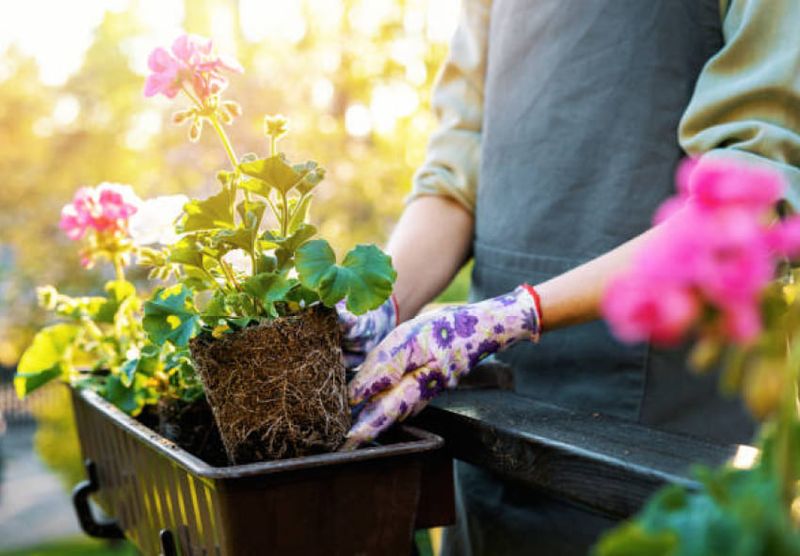
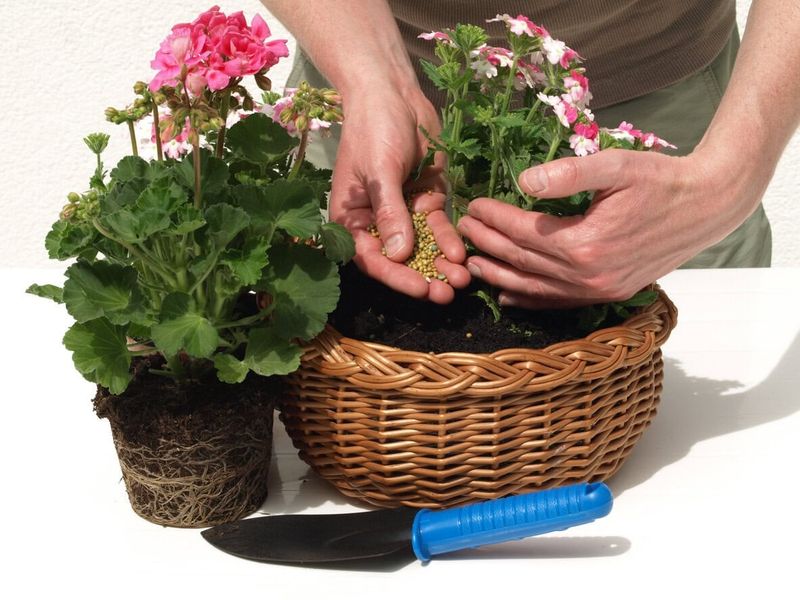
Busy gardeners, this one is for you. Slow-release granules act like a tiny lunchbox buried in the soil, handing out nutrients little by little for months.
When you repot geraniums in late winter or early spring, mix a measured scoop of coated granules into fresh potting soil. Each pellet releases food as you water and as temperatures warm.
That means steady nourishment even on weeks you forget to feed.
Follow the package directions closely, because more is not better here. Too many granules can build up salts that harm roots.
A light, even sprinkle is plenty for most standard pots.
Many gardeners combine granules with occasional liquid feeding for a two-part plan. The granules provide a reliable base, while liquid doses give a quick boost when buds start forming.
Together they cover both the long haul and the sprint.
One reminder: fresh potting mix itself often contains a starter charge of fertilizer. Check the bag before adding extra, so you do not double up by accident.
Repotting time is the perfect moment for this trick because roots are already being refreshed. Give them good soil and a gentle food source, and they will reward you with fuller, bloom-heavy growth.
6. Give a Magnesium Boost with Epsom Salt
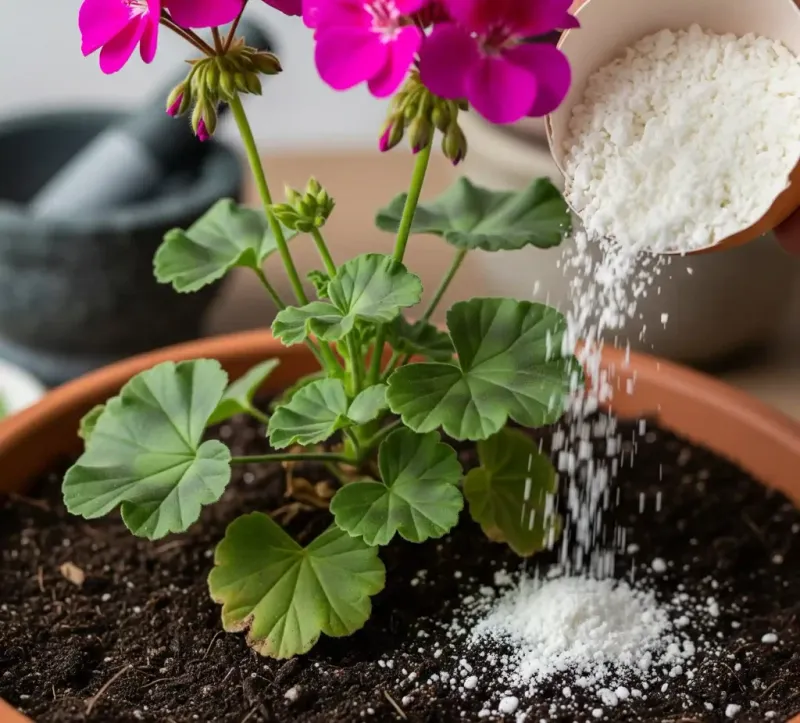
Grandma probably kept a bag of Epsom salt in the bathroom cabinet, and some of it may have ended up in her flower pots. She had a good reason.
Epsom salt contains magnesium, a nutrient plants use to build healthy green leaves.
Geraniums growing in pots for years can run low on magnesium. Signs include yellowing between leaf veins on older leaves while the veins stay green.
When leaves weaken, the plant has less energy left over for flowers.
Mix one teaspoon of Epsom salt into a gallon of water. Use it about once a month during spring and summer in place of a regular watering.
Keep doses modest, since too much can upset the balance of other nutrients.
This trick is not a replacement for fertilizer. Think of it as a vitamin rather than a full meal.
If your soil already has enough magnesium, you may not notice much difference at all.
Still, many gardeners report richer leaf color and stronger plants after a few treatments. Healthy leaves capture more sunlight, and more sunlight turns into more energy for blooms.
It is an inexpensive, low-risk addition to your geranium routine.
7. Feed Only After Watering
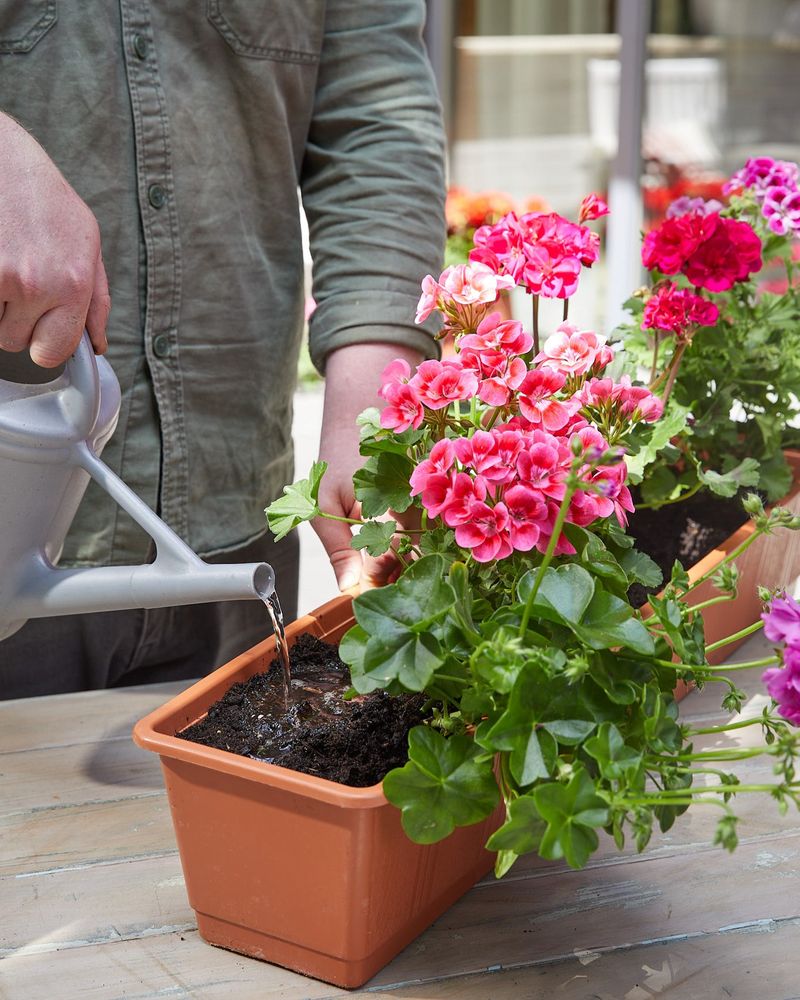
Ever poured fertilizer onto bone-dry soil? Plenty of us have, and our geraniums quietly paid the price with brown leaf edges and stalled growth.
Dry roots soak up liquid quickly, including concentrated salts from fertilizer. That sudden rush can scorch fine root hairs, the tiny parts that do most of the drinking.
Damaged roots then struggle to feed the plant, which leads to weak, stretched-out stems.
The fix is easy. Water your geraniums with plain water first, wait about thirty minutes, and then apply your fertilizer mix.
Moist soil spreads nutrients evenly and protects delicate roots from burning.
Hot summer afternoons make this step even more important. Pots heat up fast in the sun, and stressed plants are extra sensitive.
Early morning feeding after a light watering keeps everything calm and comfortable.
Some gardeners simply combine the two by using very diluted fertilizer as their regular water. That works too, as long as the soil is not completely parched to start.
It is a small change in timing, yet it protects the root system that powers every flower. Healthy roots mean steady growth, compact stems, and bloom clusters that keep coming through the warm months.
8. Try a Banana Peel Potassium Tea
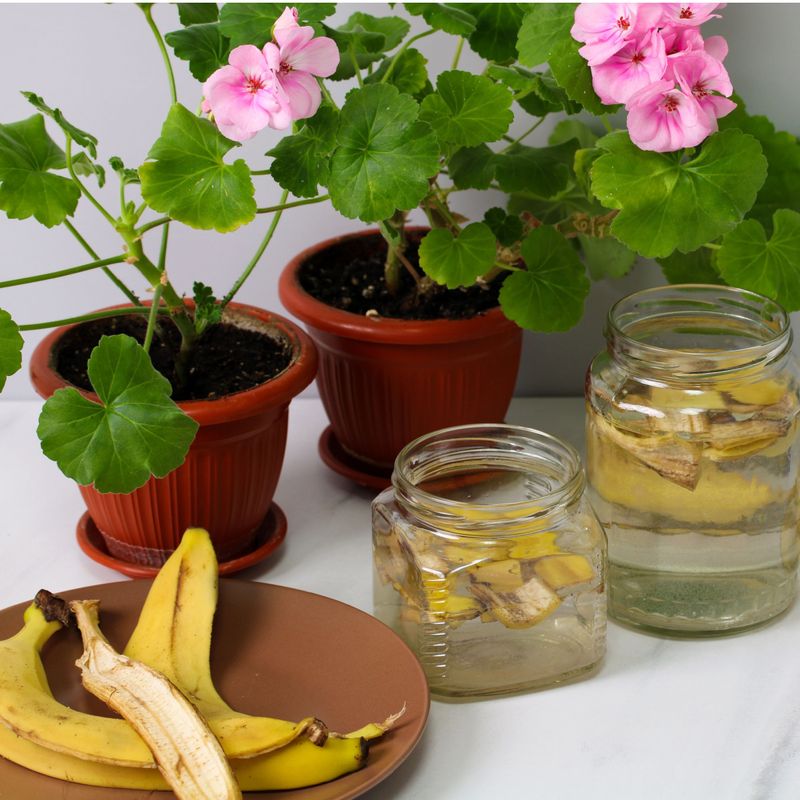
Your morning banana might just help your geraniums flower better. Banana peels hold a good amount of potassium, the nutrient tied to strong stems and plentiful blossoms.
To make a simple tea, place two or three peels in a jar of water. Let them soak for two days, then strain out the peels.
Pour the liquid around the base of your plants every couple of weeks.
Be realistic about this homemade boost. Banana tea is mild and does not contain much nitrogen or phosphorus, so it works best alongside a regular fertilizer.
Consider it a friendly side dish instead of the main course.
Many people enjoy this trick because it uses kitchen scraps that would otherwise go in the trash. Kids especially love helping, since mixing a plant drink feels a bit like a science project.
Avoid burying whole peels on top of pot soil. They can attract fruit flies, gnats, and even mold in containers.
The strained liquid is much cleaner and easier to manage indoors or on a porch.
Used in moderation, banana tea adds a gentle potassium lift that supports sturdy growth and colorful clusters through spring.
9. Flush the Soil Every Month
White crust on the rim of a clay pot is a quiet warning sign. That crust is leftover fertilizer salt, and it can slowly choke your geraniums even while you feed them faithfully.
Salts build up whenever fertilizer and tap water evaporate from the soil. Over time, they make it harder for roots to absorb water and nutrients.
Plants then look hungry, so gardeners feed more, and the cycle gets worse.
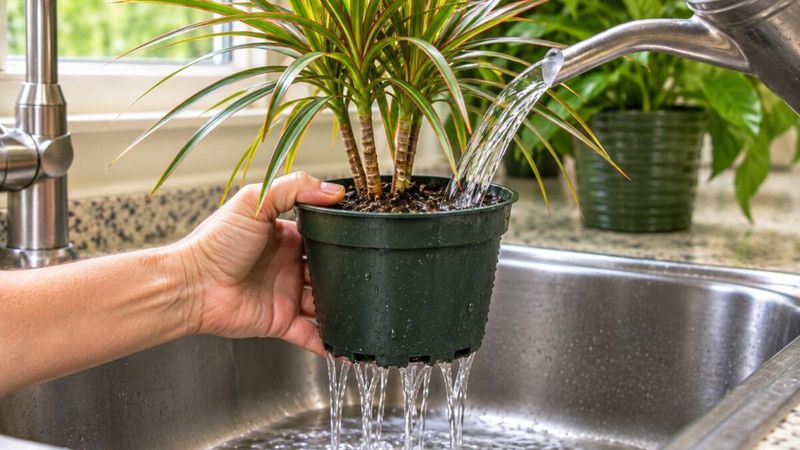
Once a month, take your pots to a sink or outdoor spot. Run plain water slowly through the soil until it drains freely from the bottom for a minute or two.
This rinse washes away extra salts and gives roots a fresh start.
Let the pot drain completely afterward. Geraniums hate soggy feet, and sitting water can lead to root rot quickly.
After flushing, wait a few days before your next feeding. The cleaner soil will absorb nutrients more efficiently, so every dose works harder.
Think of this as cleaning the dinner plate before serving a new meal. It is one of the most overlooked habits in container gardening, and it often turns a struggling plant around within weeks.
10. Mix in Compost for Steady Nutrition
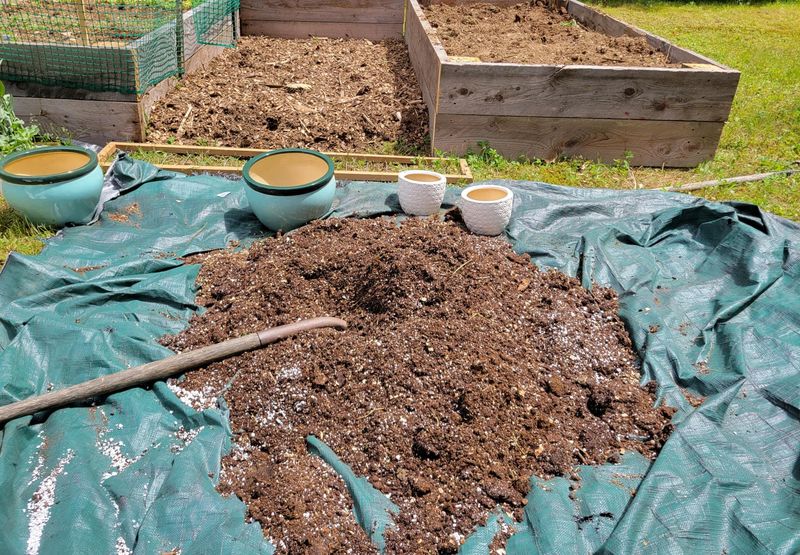
Compost is the slow cooker of the garden world. It releases nutrients gently, feeds helpful soil life, and improves how potting mix holds water.
When refreshing containers in spring, blend about one part compost into three or four parts quality potting soil. For geraniums planted in garden beds, spread a thin layer around the base and work it lightly into the top inch.
Keep the amount modest. Geraniums dislike overly rich, heavy soil that stays wet.
Too much compost can hold moisture and encourage soft, floppy growth, the very thing you are trying to fix.
The magic of compost goes beyond nutrients. It supports tiny microbes and fungi that help roots grab food from the soil.
Healthier roots lead to stronger stems and more reliable flowering.
Homemade compost from leaves and kitchen scraps works wonderfully. Bagged compost from the garden center is a fine choice too, especially for small porch containers.
Many experienced growers pair compost with a weak liquid fertilizer during peak bloom season. The compost builds a steady foundation, while the liquid feeding provides quick energy when buds form.
Together they create balanced, sturdy plants that fill out instead of stretching thin.
11. Match Feeding to Sunlight
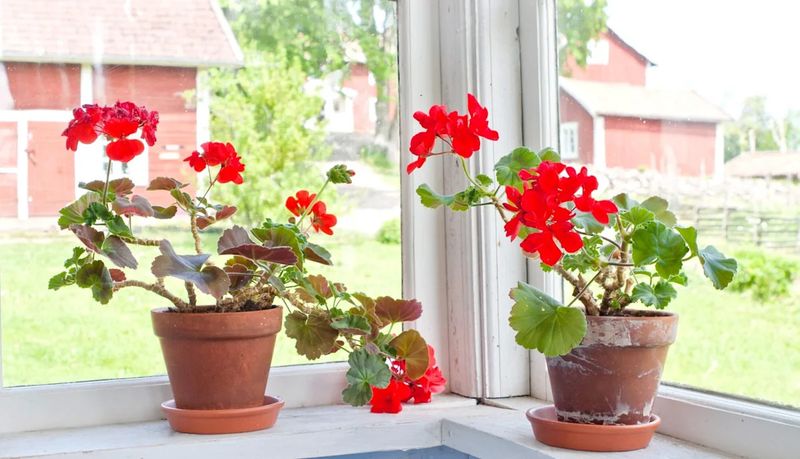
Here is a truth many gardeners learn the hard way: fertilizer cannot replace sunshine. A geranium in a dim corner will stretch no matter how much you feed it.
Plants use light to turn nutrients into growth. Without enough sun, extra fertilizer simply fuels long, pale stems searching for brightness.
With plenty of sun, those same nutrients build tight, branching growth topped with flowers.
Geraniums love six or more hours of direct sun each day. If yours get less, reduce feeding to match.
A plant in partial shade might only need fertilizer every two or three weeks at quarter strength.
Indoors during late winter, place pots in your sunniest south-facing window. A simple grow light can help too, running about twelve to fourteen hours a day.
Only increase feeding once light levels improve.
In spring, move plants outside gradually so leaves can adjust without scorching. As they soak up stronger sunlight, ramp feeding back up to your normal routine.
Balancing light and food is the secret behind those famous European window boxes overflowing with color. Those geraniums bask in strong sun and receive steady, moderate meals, a winning combination you can easily copy at home.
12. Pinch Tips Right After Feeding Starts
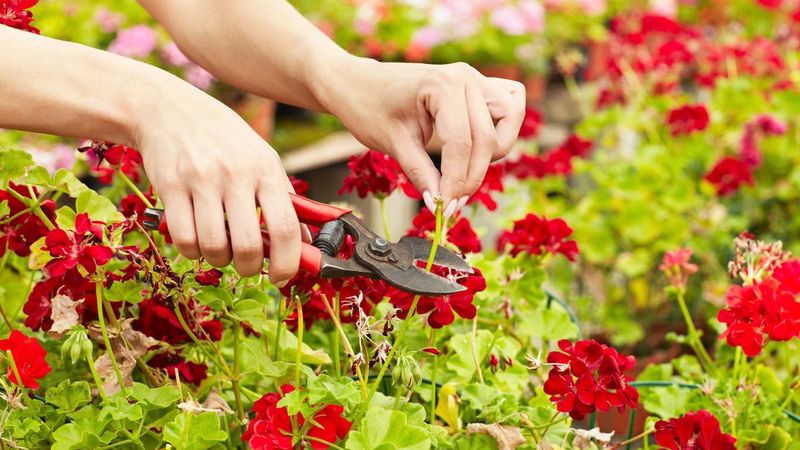
Once spring feeding begins, your geraniums will push out new shoots with real enthusiasm. That burst of energy is your cue to grab a little control.
Pinching means using your fingers to snap off the soft tip of each growing stem. Remove just the top half inch or so, right above a set of leaves.
The plant responds by sending out side branches, building a thicker, fuller shape.
Timing makes this trick powerful. Fertilizer gives plants the fuel to branch, and pinching tells them where to put it.
Without pinching, that fresh energy often goes into one long stem racing upward.
Repeat every few weeks through early spring. Stop pinching about six weeks before you want heavy blooms, since flowers form at stem tips.
Then let the plant go and enjoy the show.
Commercial growers use this exact method to produce those perfectly round garden center geraniums. It feels strange to remove healthy growth, but the results speak for themselves.
Spend a few minutes pinching while you water or feed. It quickly becomes a relaxing habit, and you will see your once-leggy plant transform into a compact, flower-packed mound.
13. Deadhead to Redirect Nutrients
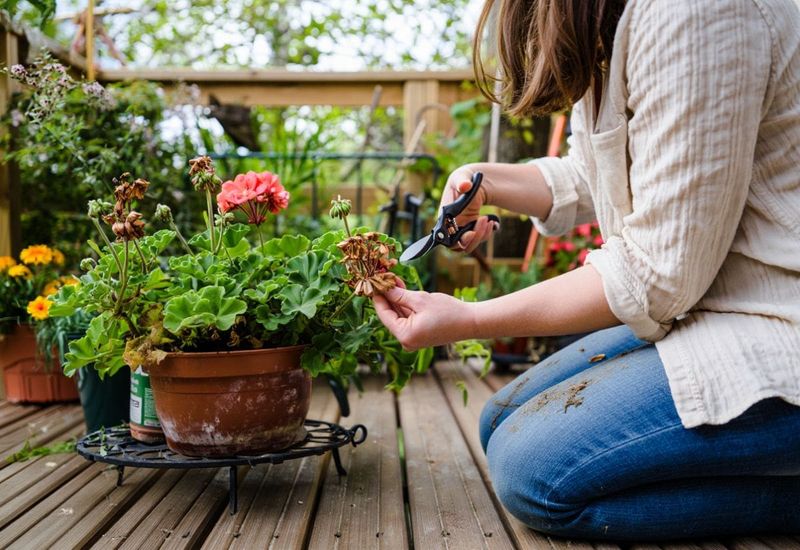
Faded flowers are sneaky nutrient thieves. Once a bloom cluster fades, the geranium starts putting energy into making seeds instead of fresh blossoms.
Deadheading stops that process. Follow the spent flower stalk down to where it meets the main stem, then snap or snip it off cleanly.
Removing just the dead petals leaves a bare stalk behind, which looks untidy and still drains energy.
When you combine regular deadheading with steady feeding, the plant redirects nutrients into new buds. Many gardeners notice fresh flower clusters appearing within a week or two.
Make it part of your weekly routine. A quick walk past your pots with a small basket for clippings is all it takes.
Your porch stays tidy, and plants stay focused on blooming.
Fun fact: geranium stems usually break off easily with a gentle downward snap. Many seasoned growers never bother with scissors at all.
Deadheading also helps prevent disease. Old petals can trap moisture and invite gray mold, especially during damp spring weather.
Clearing them away keeps air moving and leaves healthy.
Every fertilizer dose works harder when the plant is not wasting it on seeds. That simple shift keeps color coming from spring straight into fall.
14. Ease Off Feeding During Heat Waves
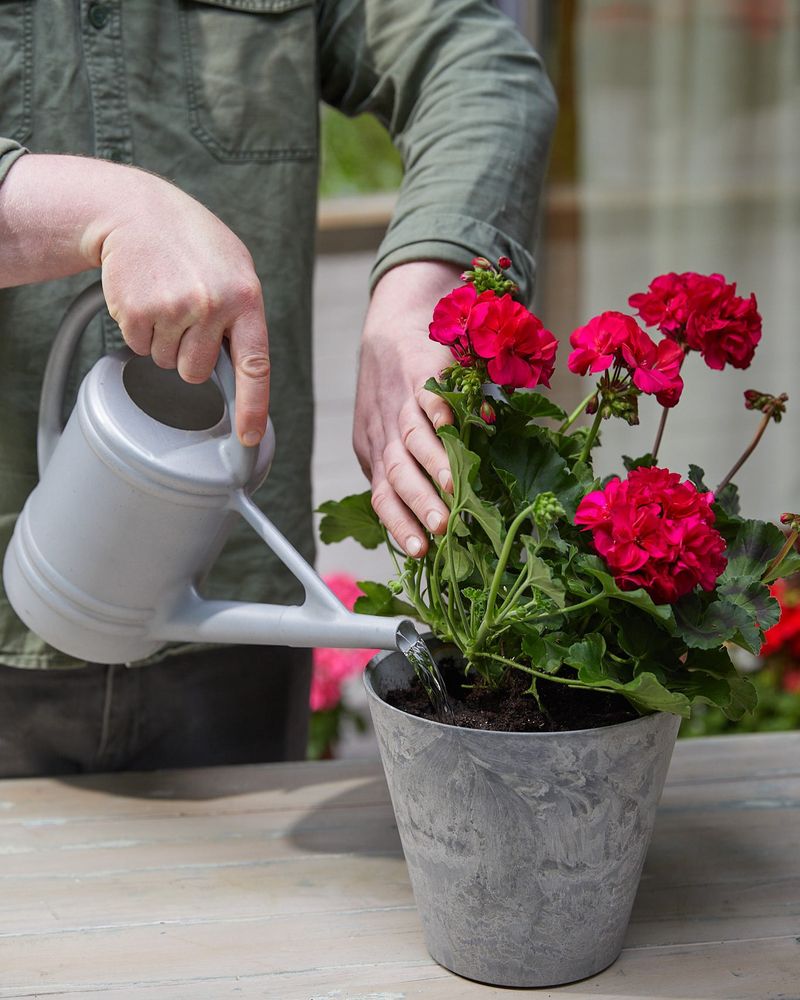
Midsummer heat can turn even the toughest geranium sluggish. When temperatures climb above ninety degrees, plants slow down to protect themselves, and pushing fertilizer during that stress backfires.
Hot soil and heavy feeding can burn roots and cause leaves to yellow or crisp. Flower production may stall while the plant simply tries to survive.
Feeding at this time is like serving a large meal to someone running a fever.
Cut back to half your usual dose, or skip a week or two during extreme heat. Focus on consistent watering early in the morning instead.
Moving pots into light afternoon shade also helps them stay comfortable.
Once temperatures cool, resume your regular routine. Geraniums bounce back quickly, often producing a fresh wave of blooms in late summer and early fall.
Paying attention to weather keeps your plants strong for the long haul. Healthy summer growth means sturdier stems to overwinter, and sturdier stems become the bushy, bloom-loaded plants you want next spring.
Think of it as feeding with the seasons rather than the calendar. Watch your plants, read the weather, and adjust.
That flexible approach is what separates frustrated gardeners from those with nonstop color year after year.