
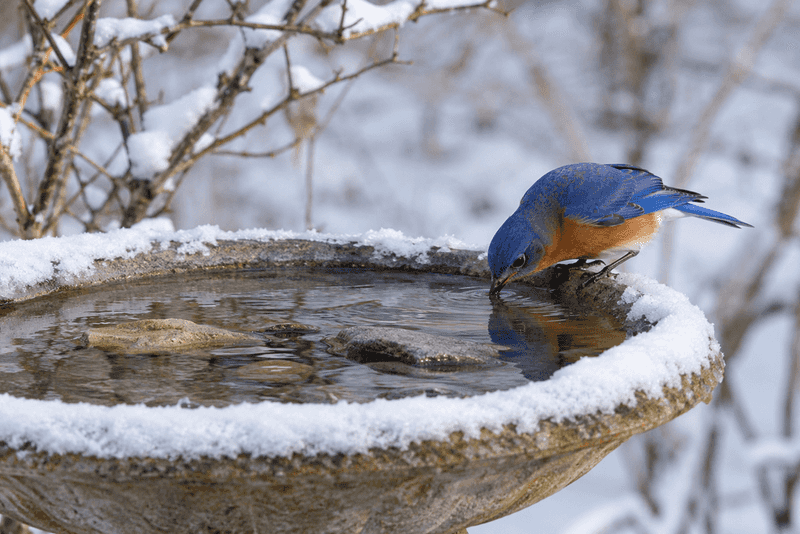
Plenty of Eastern Bluebirds never leave North Carolina when the weather turns cold. They stay put in Piedmont neighborhoods, mountain valleys, and coastal plain fields all winter long.
A single night in the teens can drain a small bird fast, especially when ice locks up its usual food. With a few simple things in your yard, you can help these bright blue neighbors make it through the next freeze.
1. Mealworms Offered Every Morning
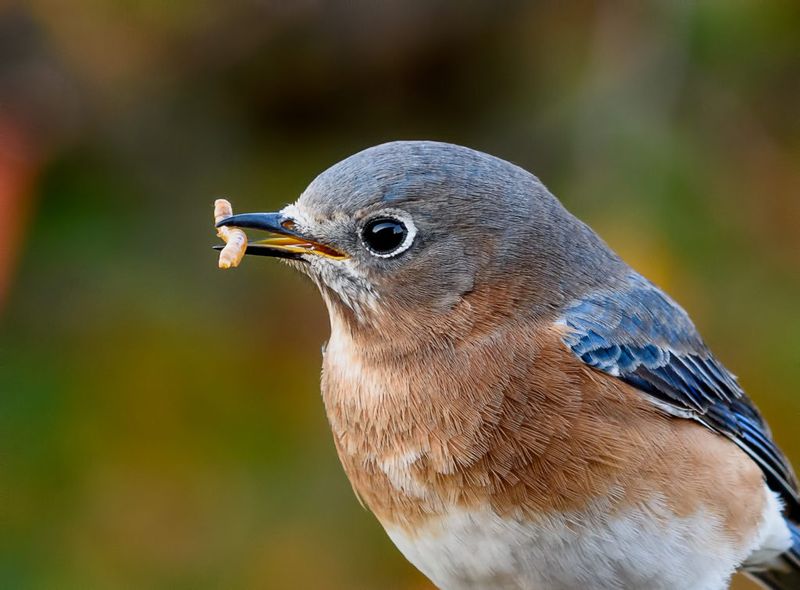
Picture a bluebird at sunrise after a 19-degree night in Greensboro. It has burned through much of its fat reserve just staying warm, and the bugs it normally hunts are hiding deep in the frozen ground.
A small dish of mealworms can be the difference between a good day and a bad one.
Bluebirds rarely touch regular birdseed because they are mainly insect eaters. Dried or live mealworms give them the protein and fat they crave.
Live worms are the gold standard, but soaked dried worms work well too.
Put the food out early, ideally within an hour of sunrise. That is when hunger hits hardest.
A shallow tray or a hopper-style bluebird feeder keeps bigger birds like starlings from hogging the meal.
2. Native Berry Shrubs and Trees
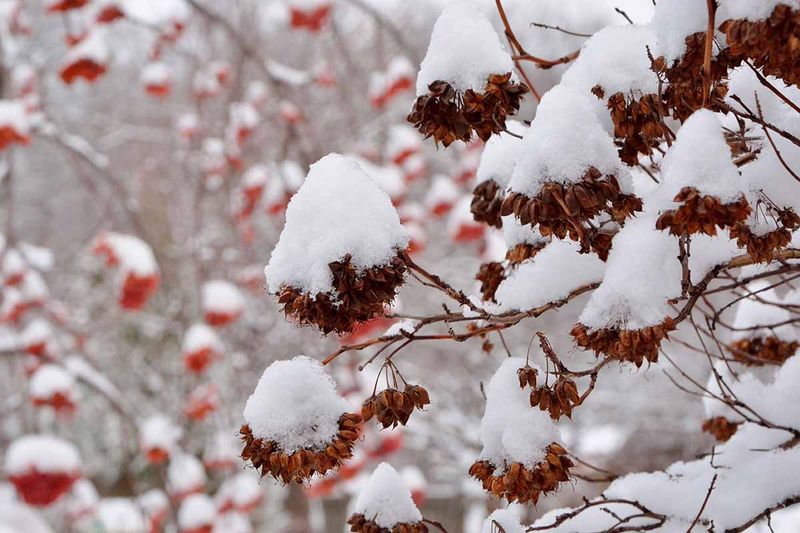
Long before anyone sold suet cakes, bluebirds survived Carolina winters on berries. When insects vanish, their diet shifts heavily to fruit.
Your landscaping can become a living pantry.
American holly, yaupon holly, eastern red cedar, flowering dogwood, and winterberry all hold fruit into the cold months. Wax myrtle is a smart pick along the coast, since its waxy berries are packed with energy.
Sumac and Virginia creeper are also bluebird favorites.
Here is the bonus. Swapping a short-lived ornamental for a native holly means you plant it once and enjoy it for decades.
Skip invasive nandina, whose berries can actually harm birds.
3. Open Water That Will Not Freeze
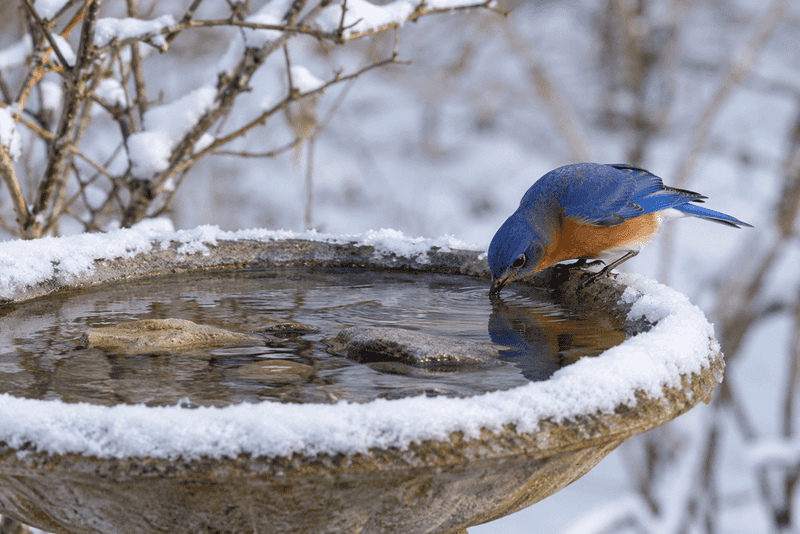
Ever watched a bluebird peck at a frozen birdbath? It is a little heartbreaking.
Birds need water for drinking and for keeping feathers clean, and clean feathers trap heat far better than dirty, matted ones.
A heated birdbath solves the problem with almost no effort. Most models use very little power and only switch on when temperatures drop near freezing.
Keep the water shallow, about one to two inches deep.
No heater? Swap in warm water each morning, or set a dark-colored dish in a sunny spot.
Never add antifreeze or salt, since both can poison birds.
4. A Roost Box for Group Sleepovers
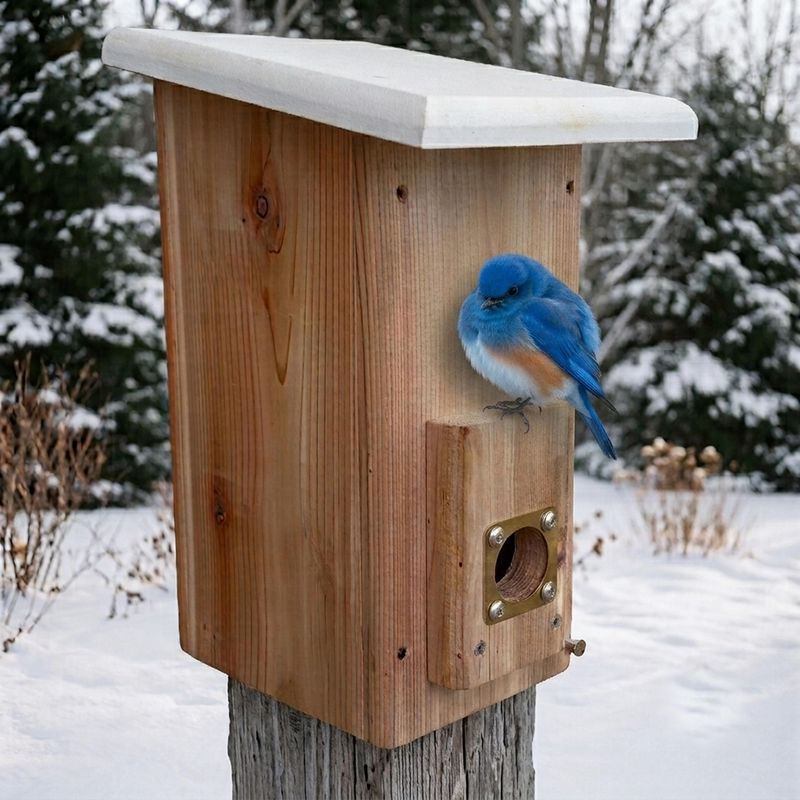
Bluebirds get surprisingly cozy in winter. Naturalists have found more than a dozen of them packed into one box on brutal nights, sharing body heat like a pile of puppies.
A roost box is built differently from a nesting box. Its entrance sits near the bottom so warm air rises and stays trapped inside.
Inside perches let several birds stack up together.
You can also winterize an existing nest box. Clean out old nesting material, plug ventilation gaps with weatherstripping, and face the opening away from cold north winds.
Mount it on a pole with a baffle to keep snakes and raccoons out.
5. High-Energy Suet and Bluebird Nuggets
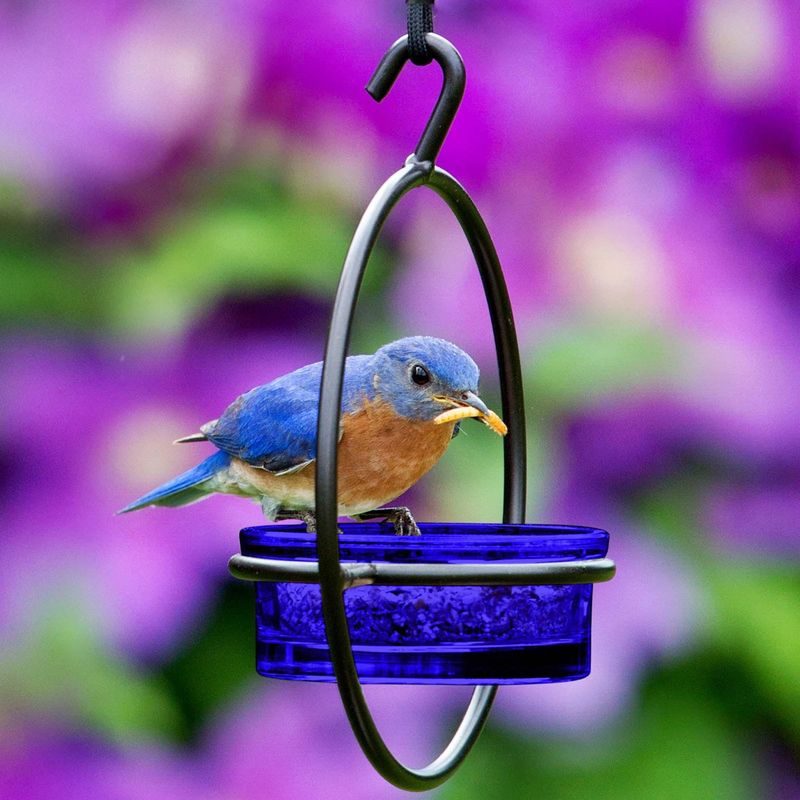
Fat is fuel, plain and simple. A bluebird can lose a big chunk of its body weight overnight in a hard freeze, and it needs to refill fast once daylight returns.
Suet nuggets or crumbled suet mixed with dried fruit and insects are easy for bluebirds to eat. Big hanging suet cakes work better for woodpeckers, so offer small bites in a tray instead.
Look for blends labeled for bluebirds.
Fun fact: bluebirds learn feeding spots quickly and remember them. Once your family flock finds the buffet, they may come back every winter.
6. Dense Evergreen Shelter
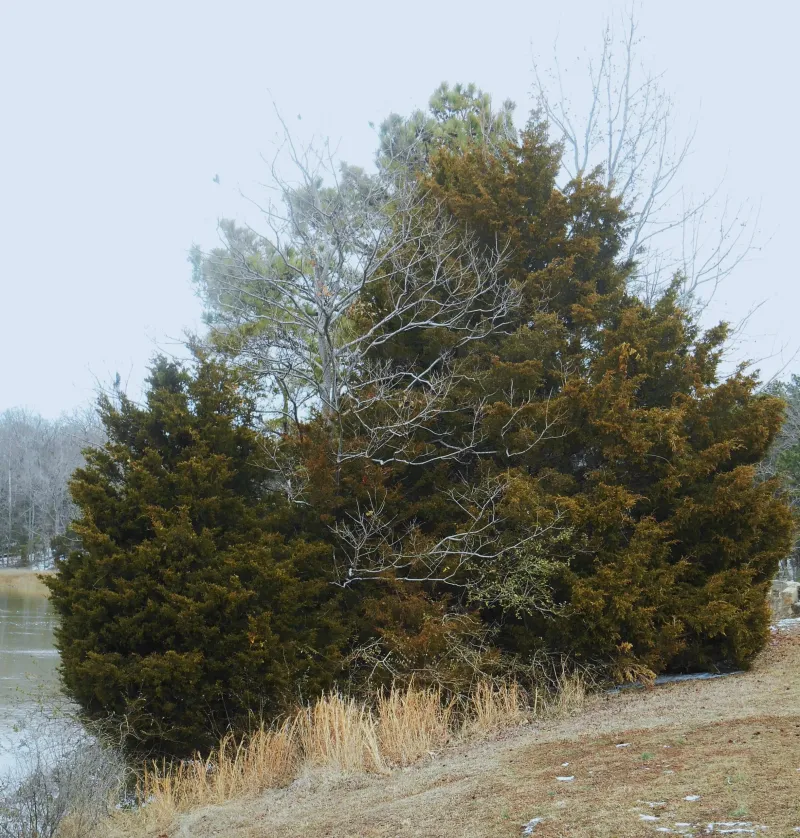
Wind is a sneaky killer. A 30-degree day with a stiff breeze can feel far colder to a tiny bird than a calm 20-degree one.
Thick evergreens give bluebirds a place to duck out of the wind and sleet. Eastern red cedar, southern magnolia, loblolly pine, and native hollies all make excellent windbreaks.
Even a brush pile in a back corner offers quick cover.
Plant evergreens on the north and west sides of your yard where winter winds hit hardest. Your birds get shelter, and your house might get a little less draft too.
7. A Yard Left a Little Messy
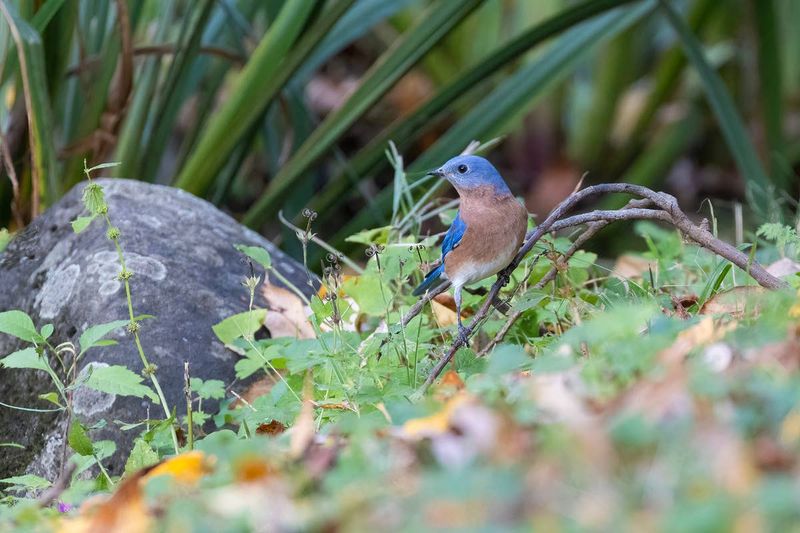
Good news for anyone tired of raking. A tidy yard looks nice, but a slightly wild one feeds far more birds.
Leaf litter and standing perennial stems hide beetles, spiders, and caterpillars. On warmer winter afternoons, bluebirds drop from fence posts to snag them.
Skip pesticides, which wipe out the insects they depend on.
A quick safety note for families: move leaf piles away from doors and play areas, since copperheads also like to hide there. Keep the messy zone in a back corner, and both your kids and your bluebirds stay happy.