
Owning your yard does not mean you own every creature living in it. In California, some animals that nest in eaves, burrow under lawns, or hide in garden beds are protected by state or federal law.
Removing them, or even destroying their nests, can lead to fines and real legal trouble. Here are eight backyard residents you should leave alone, plus what you can legally do instead.
1. Native Bats
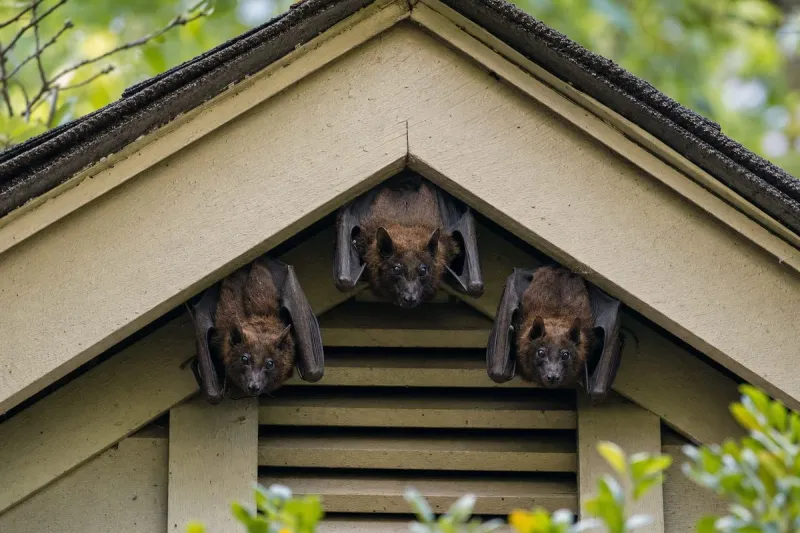
A few dark specks streaming out of your attic vent at sunset might seem alarming. Those little fliers are probably Mexican free-tailed bats or big brown bats, and California protects them under Fish and Game Code rules for nongame mammals.
Killing bats or sealing them inside a roost is illegal. During the maternity season, roughly April through August, even a legal exclusion can trap flightless pups, so wildlife experts advise waiting until fall.
The good news is that one bat can eat hundreds of mosquitoes and moths in a night. If you want them out of the house, hire a licensed exclusion pro to install one-way devices, then hang a bat box nearby so your free pest control stays in the neighborhood.
2. Burrowing Owl
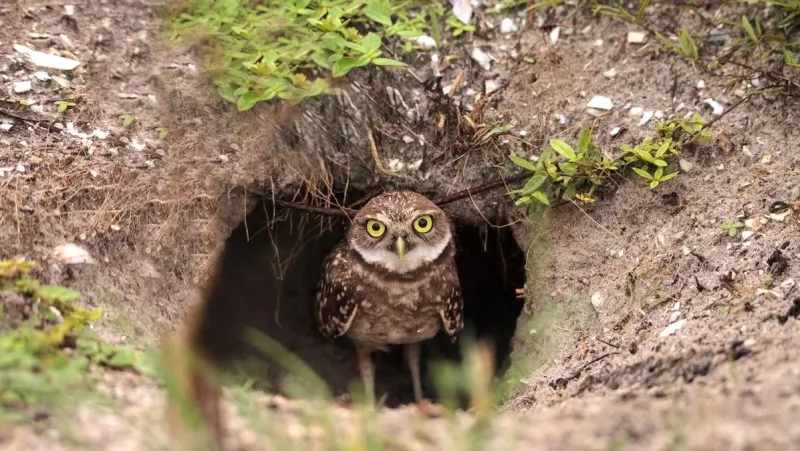
Picture a tiny owl with long legs standing guard at a hole in the ground, bobbing its head at you like a nervous neighbor. That is the western burrowing owl, a California Species of Special Concern that was recently advanced toward possible listing under the state Endangered Species Act.
These owls usually move into old ground squirrel burrows on vacant lots, field edges, and large rural properties. Filling or collapsing an occupied burrow can violate both the federal Migratory Bird Treaty Act and state law.
If you spot one, call your regional California Department of Fish and Wildlife office before grading, disking, or poisoning squirrels. Rodenticides are a major threat to these birds, so skipping the bait is a simple way to help.
3. Nesting Songbirds
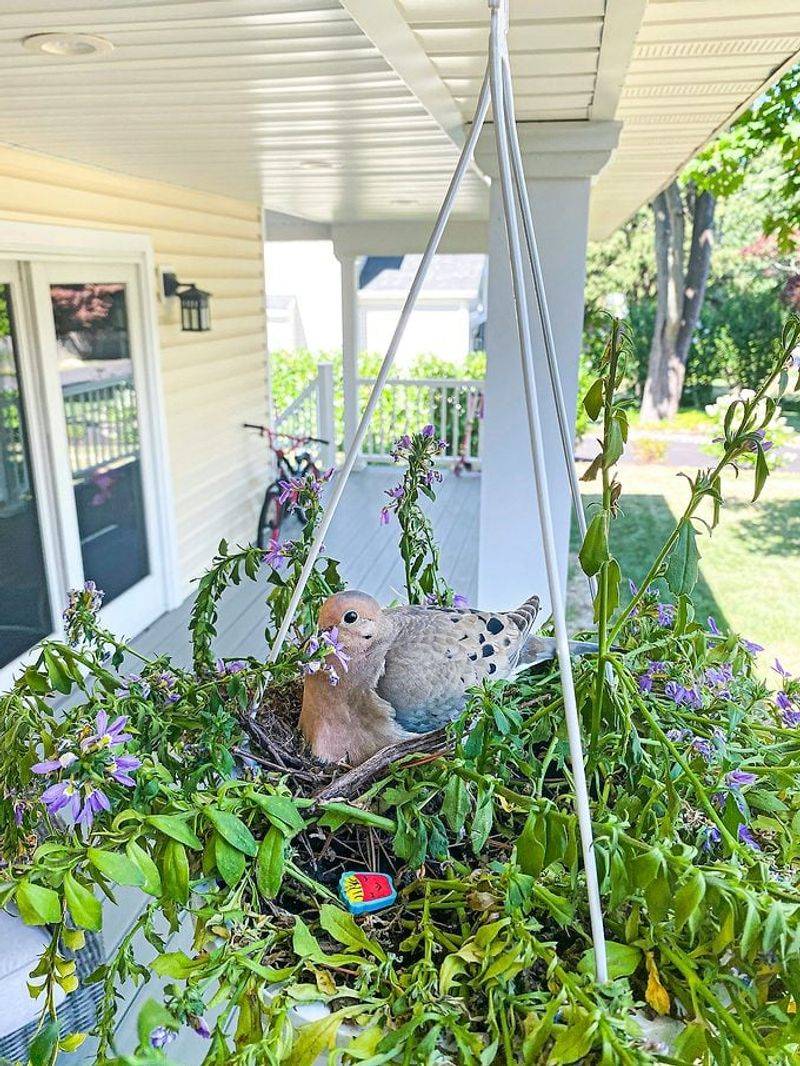
Every spring, someone discovers a house finch nest in a hanging fern and wonders if they can just toss it. Legally, the answer is no.
Nearly all native birds, including finches, phoebes, mockingbirds, and hummingbirds, are covered by the Migratory Bird Treaty Act. California Fish and Game Code Section 3503 adds another layer by making it unlawful to destroy any active bird nest or eggs.
Patience is your best tool here. Most songbird nests are empty within three to four weeks, and you can remove the old nest once the fledglings leave.
Planning big hedge trimming for fall instead of spring keeps you safely out of trouble.
4. Anna’s Hummingbird
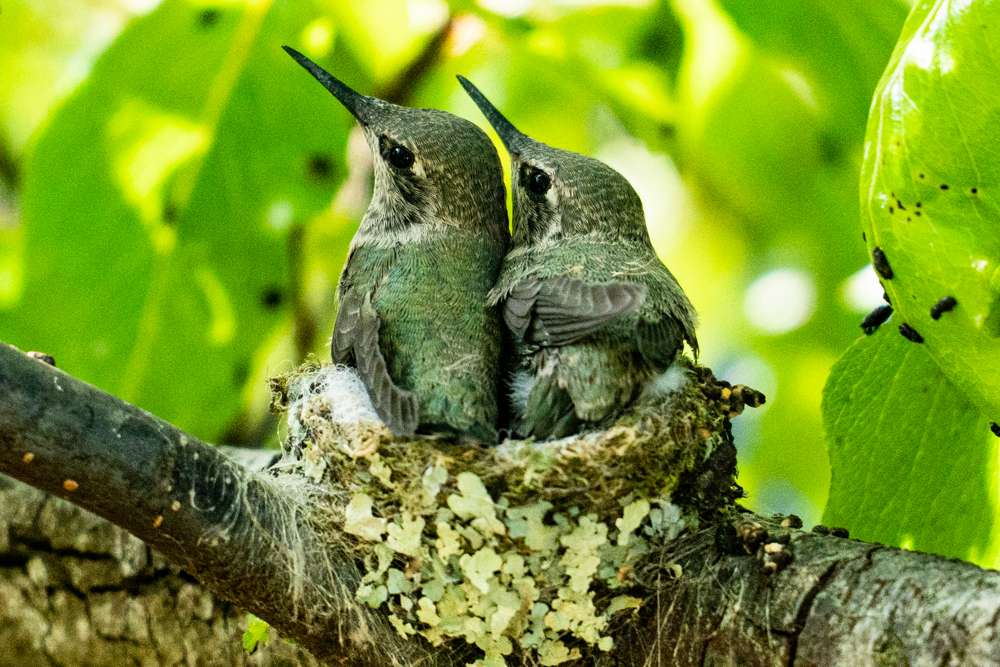
Did you know Anna’s hummingbirds build nests about the size of a walnut, glued together with spider silk? They stretch as the babies grow, which is pretty clever engineering.
Unlike many birds, Anna’s often nest in winter, sometimes as early as December. That catches homeowners off guard when they prune citrus or bougainvillea during the cool months and find a tiny cup with two jellybean-sized eggs.
Like other native birds, they are federally protected, so the nest must stay put until the young fly off. Planting salvia, California fuchsia, and manzanita gives them food year-round and makes your yard a place they are happy to share.
5. Coast Horned Lizard
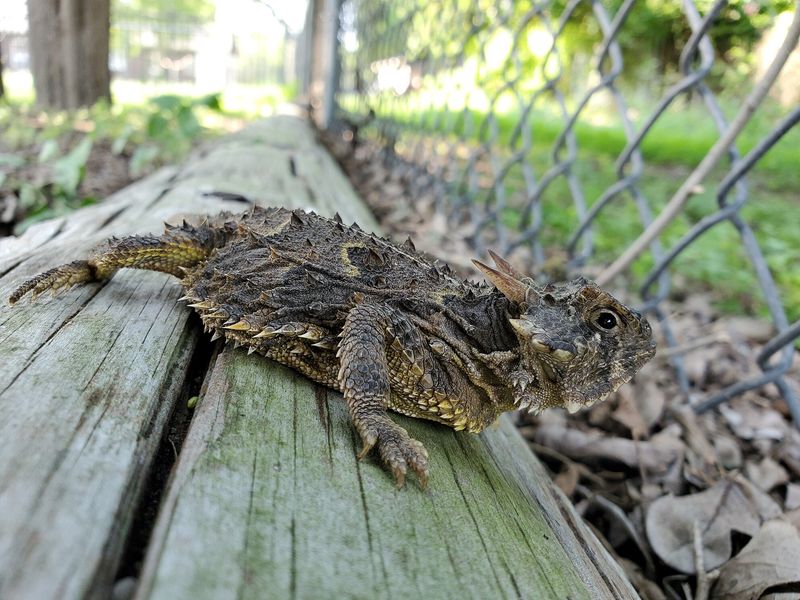
Kids who grew up in Southern California decades ago often remember catching horny toads. Today, that childhood hobby is a no-go.
The coast horned lizard is a Species of Special Concern, and California regulations prohibit collecting or harming it. Its numbers dropped as sandy habitat turned into neighborhoods and invasive Argentine ants pushed out the native harvester ants it eats.
If one shows up near your property in the foothills or inland valleys, consider it a compliment. Keep some bare sandy patches, avoid broad ant poisons, and plant native shrubs for shade.
6. California Red-Legged Frog
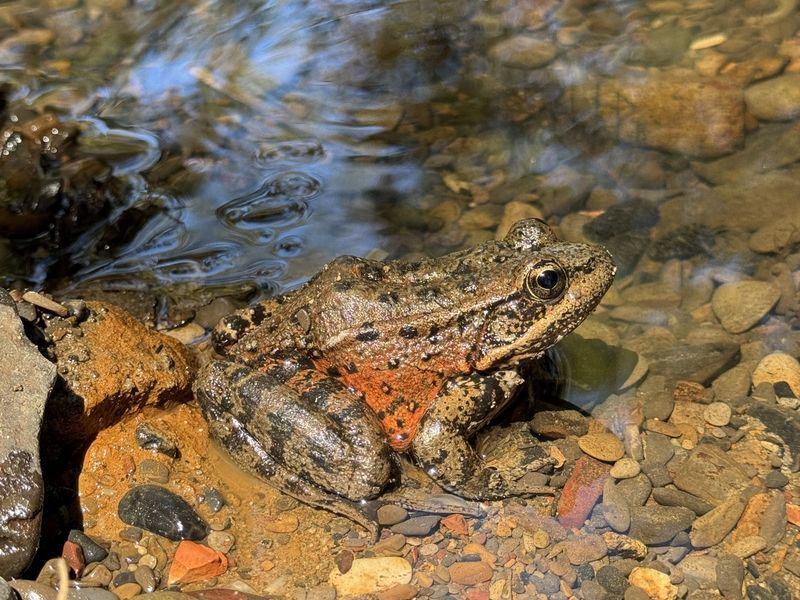
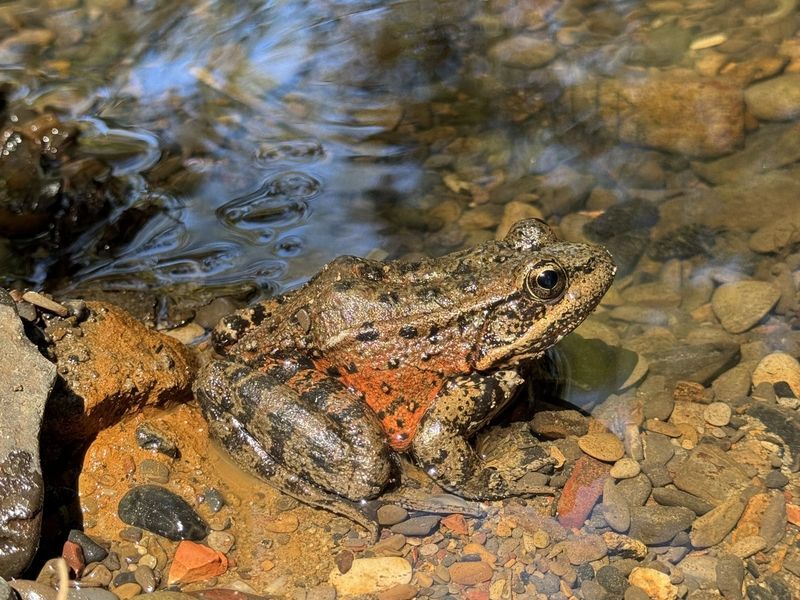
Made famous by Mark Twain’s jumping frog story, the California red-legged frog is now a federally threatened species. It is the largest native frog in the state, with reddish underside legs that give it its name.
Homeowners near creeks, stock ponds, or wetlands in the Bay Area, Central Coast, and Sierra foothills sometimes find these frogs in garden ponds. Draining that pond, filling a drainage, or relocating the frogs could break federal law under the Endangered Species Act.
Not sure what you have? Snap a photo and contact your local wildlife office.
Removing nonnative bullfrogs, which eat red-legged frogs, can help, but get the identification confirmed first.
7. Monarch Butterfly Overwintering Clusters
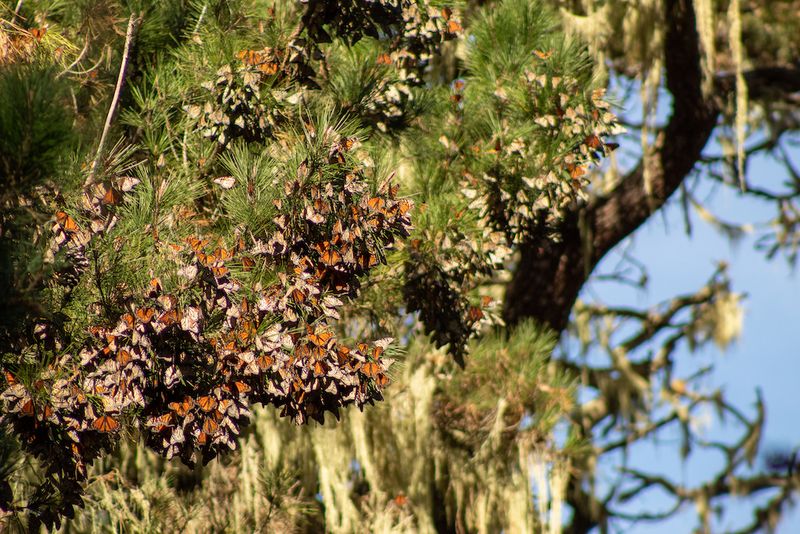
Few sights stop people in their tracks like hundreds of orange monarchs clinging to a single tree in December. Along the California coast, some lucky homeowners host these winter clusters in their own eucalyptus, pine, or cypress trees.
Monarchs were proposed for federal threatened status in 2024, and many coastal cities already protect overwintering sites with local rules. Cutting down or heavily trimming a roost tree can bring penalties and draw serious attention from your city.
Check with your local planning office before any tree work near a known roost. In summer, planting native narrowleaf milkweed inland supports breeding monarchs without confusing their migration.
8. Desert Tortoise
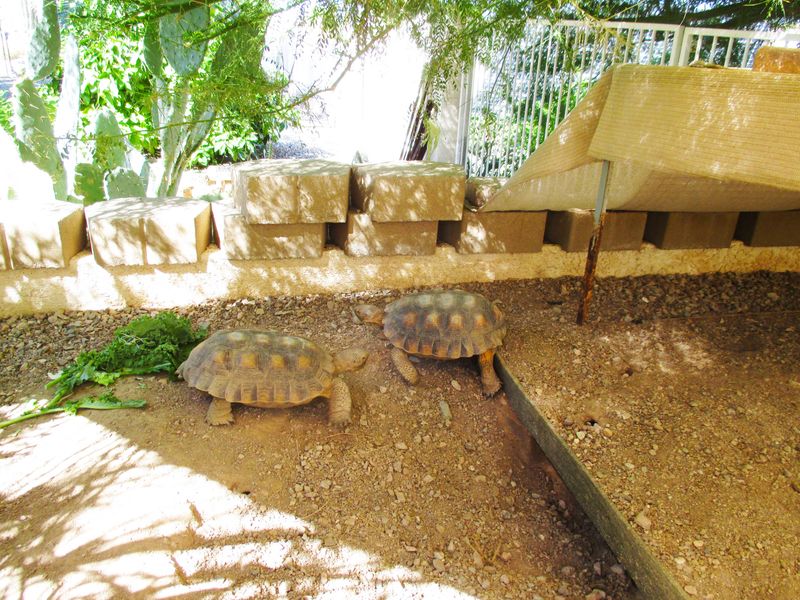
Live in the high desert near Lancaster, Barstow, or Twentynine Palms? A slow, dome-shelled visitor may wander across your lot someday.
The Mojave desert tortoise is listed as threatened under federal law and endangered under California law. Picking one up, moving it, or keeping it is illegal, and handling can stress it into releasing its stored water, which may be fatal.
Leave it alone and keep dogs away. If one is in danger on a road or construction site, call CDFW or a local tortoise rescue for help.