
Winter does not have to mean store-bought greens that wilt in two days. With a basic shop light from the hardware store, a few trays, and some potting mix, you can grow fresh food right in your kitchen or basement.
The plants on this list grow fast, stay small, and do not need fancy grow lights to thrive. Sow them now, and you could be snipping salads, herbs, and crunchy roots well before February ends.
1. Microgreen Radish
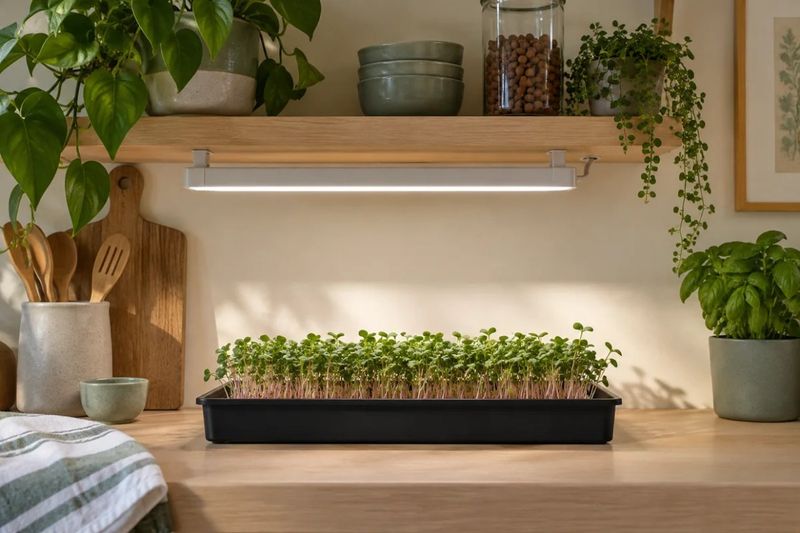
Ready in about ten days, radish microgreens are the speed champions of indoor winter growing. You can sow a tray on a Sunday and toss peppery shoots on a sandwich the following week.
Few crops reward impatience quite so well.
Spread seeds thickly over a shallow tray of moist potting mix, press them down, and cover the tray with another tray for two or three days. That dark stretch helps the seeds sprout evenly.
Once the little loops push up, uncover them and slide the tray under your shop light.
Keep the light just 2 to 4 inches above the greens. Cheap LED shop lights are not super strong, so closer is better.
Leave them on for 14 to 16 hours a day, and a plug-in timer makes that painless.
Varieties like China Rose or Rambo add pretty pink and purple stems. Water from the bottom so the soil stays moist without soaking the leaves.
Harvest with scissors right above the soil when the first true leaves appear.
Because each tray is done so quickly, you can start a new one every week. That simple rotation keeps a steady supply of spicy crunch coming all the way to spring.
2. Loose-Leaf Lettuce
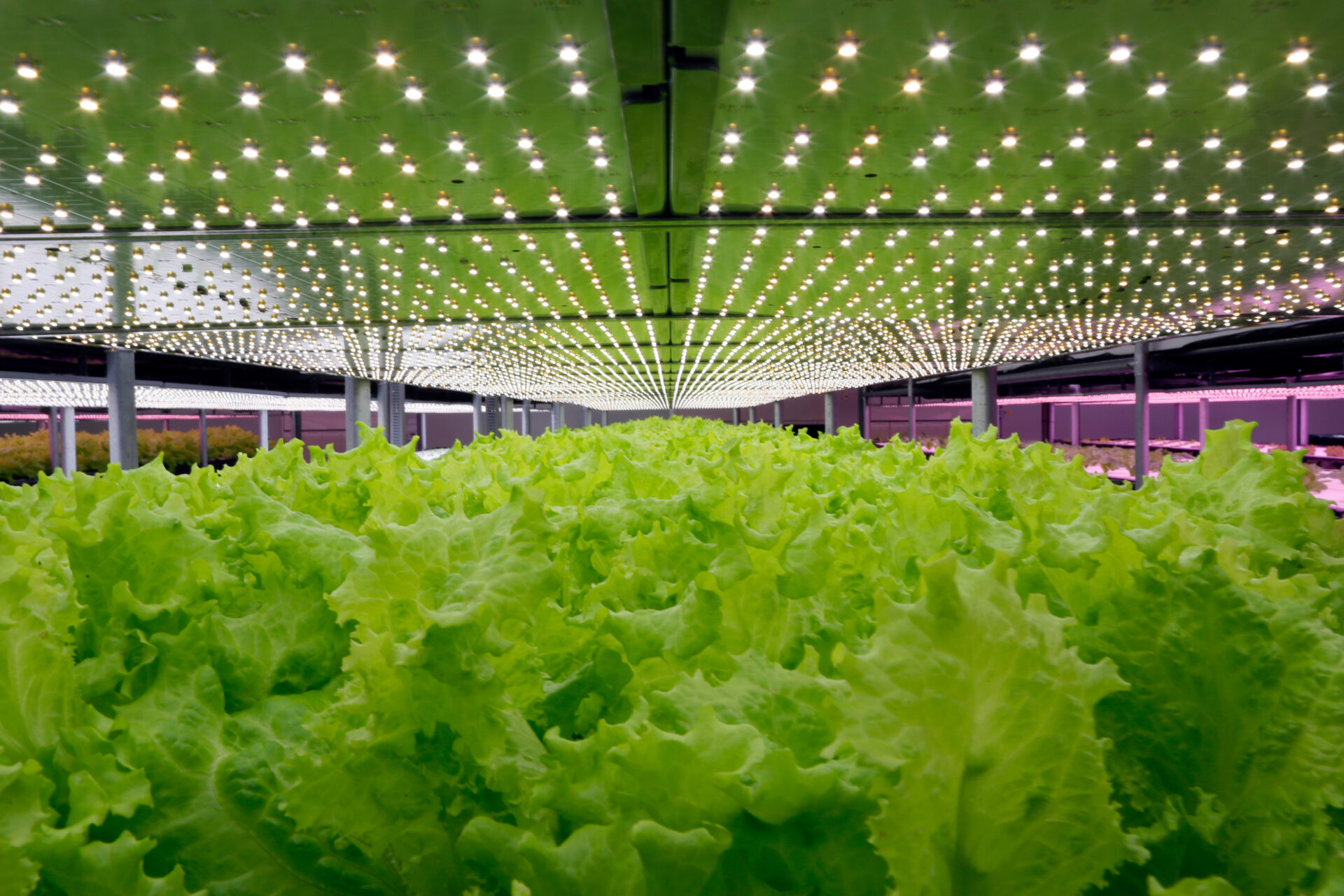
Picture a January salad picked five minutes before dinner, still cool and crisp. Loose-leaf lettuce makes that possible, and it handles the modest glow of a shop light better than almost any other leafy crop.
Skip head lettuces like iceberg, which take too long. Instead, look for cut-and-come-again types such as Black Seeded Simpson, Salad Bowl, or Red Sails.
They grow quick, open leaves you can harvest a few at a time.
Sow seeds on the surface of moist mix, since lettuce needs light to sprout. A gentle mist keeps them from washing around.
Expect tiny seedlings in under a week.
Lettuce actually likes cooler rooms, so a chilly basement around 60 degrees is perfect. Warm spots can make leaves bitter or cause plants to bolt.
Hang the light a few inches above the tops and raise it as they grow.
Start picking outer leaves when plants reach about four inches tall, usually around four weeks in. Leave the center alone so it keeps producing.
A single storage tote cut down into a planter can feed a small family several side salads each week.
3. Pea Shoots
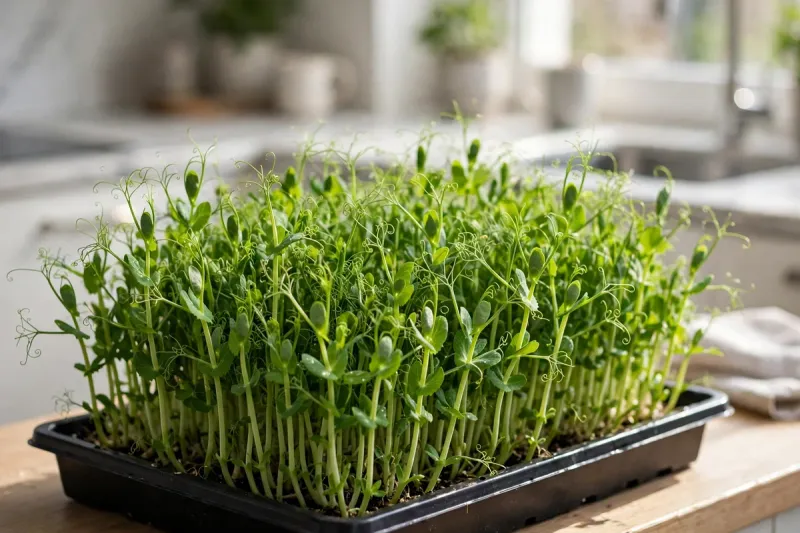
Ever tasted a fresh garden pea in the middle of winter? Pea shoots deliver that same sweet, green flavor without waiting months for pods.
The tender stems and curly tendrils taste like spring itself.
Soak the seeds overnight in a bowl of water. In the morning, they will look plump and ready.
Spread them in a single layer across a tray of potting mix, nearly touching, and cover lightly.
Any cheap bag of dried soup peas from the grocery store often works, which makes this one of the thriftiest crops around. Seed catalogs also sell varieties like Dwarf Grey Sugar that were bred for tasty shoots.
Under a shop light, shoots reach harvest height of 4 to 6 inches in about two to three weeks. Snip them just above the lowest leaf, and many will send up a second, smaller flush.
Here is a fun bit of history. Chinese cooks have been stir-frying pea tips, called dou miao, for centuries, long before microgreens became trendy.
Try them tossed in a hot pan with garlic for one minute, or pile them raw onto soup for a bright, fresh crunch.
4. Baby Spinach
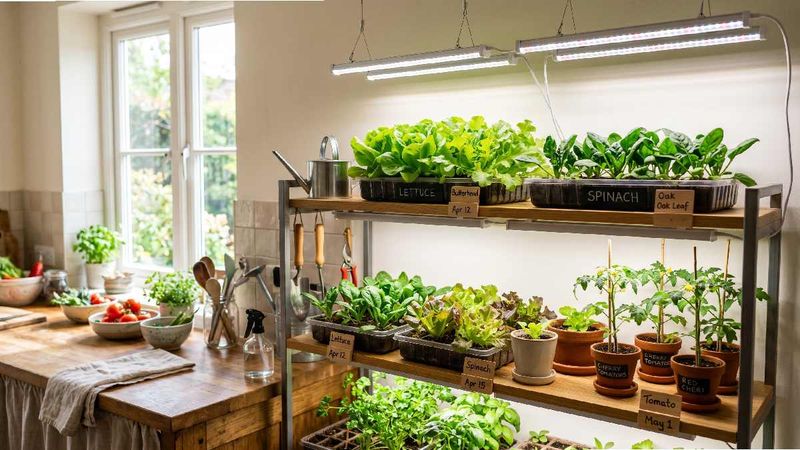
Spinach is a cold-weather lover that sulks in summer heat. That fussy streak makes it a surprisingly good fit for winter indoors, where cool rooms keep it happy and growing steady.
Seeds can be slow to germinate, so give them a head start. Soak them for a few hours, then sow about half an inch deep in containers at least four inches deep.
Spinach has a taproot and appreciates the extra room.
Keep the soil evenly damp but never soggy. Fungus gnats love wet potting mix, and soggy roots can rot.
A small fan nearby helps air move and strengthens stems.
Varieties like Bloomsdale or Space handle indoor life well. Your shop light should stay close, around 3 inches above the leaves, running 14 hours daily.
Plants raised under weak light can stretch and flop, so watch for long, pale stems and lower the fixture if you see them.
Plan on picking baby leaves in four to six weeks. Grab the biggest outer leaves and let the rest keep going.
Fresh baby spinach tucked into a February omelet tastes so much richer than the bagged kind from the store.
5. Scallions
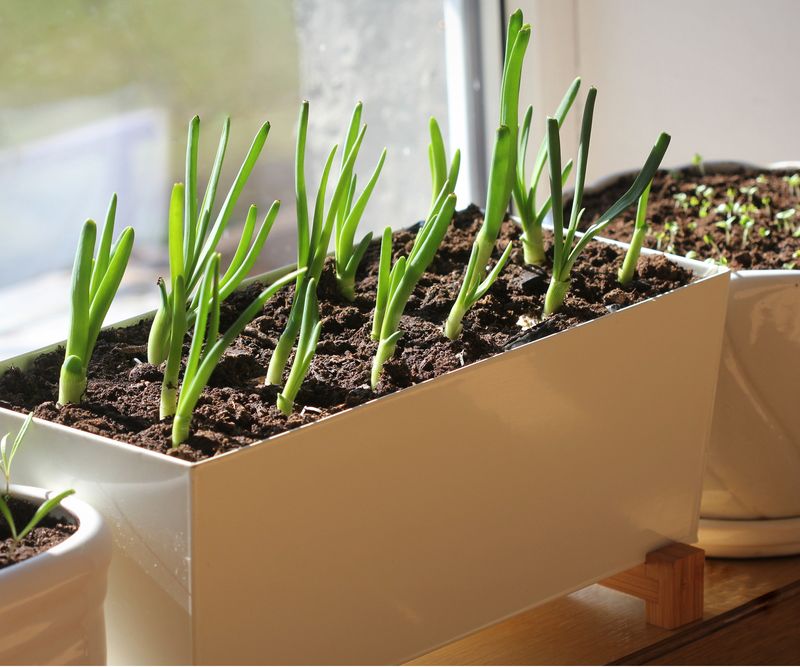
Some crops are flashy, and some just quietly show up every time you need them. Scallions belong firmly in the second group, and that reliability is exactly why they earn a spot here.
You have two ways to start. Sow seeds of a bunching onion like Evergreen Hardy White about a quarter inch deep, or cheat a little by replanting the white root ends from store-bought scallions.
The leftover roots will sprout new green tops within days.
Seed-grown scallions take around eight weeks to reach a usable size, which lands right in February if you start now. Thin them so they sit about half an inch apart.
Onions need plenty of light, so keep the shop light snug above the tops and leave it on for 16 hours. They are not picky about temperature, growing well anywhere from 55 to 75 degrees.
When you harvest, cut the greens an inch above the soil instead of pulling the whole plant. They will grow back two or three times.
A single pot by the stove can top baked potatoes, soups, and fried rice all winter long, with zero trips to the store.
6. Cilantro
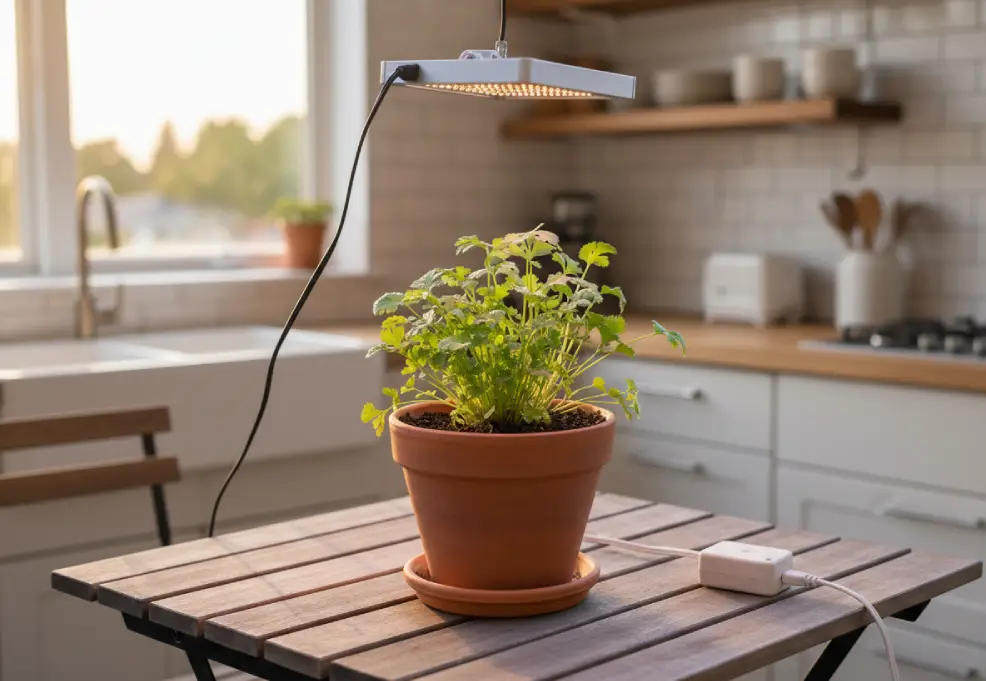
Gardeners who try cilantro outdoors in summer often watch it bolt to seed almost overnight. Winter flips the script, since cooler indoor temperatures help this herb stay leafy much longer.
Each round seed is actually a husk holding two seeds. Gently crack them with the bottom of a glass before planting to speed up sprouting.
Sow them a quarter inch deep in a pot at least six inches deep, since cilantro dislikes having its roots disturbed.
Look for slow-bolt varieties such as Calypso or Santo. They were bred to delay flowering and give you more leaves for your effort.
Expect sprouts in seven to ten days, then a harvest about four weeks later. Clip the outer stems first and leave the center to keep pushing new growth.
Your shop light should run 14 to 16 hours a day.
Fun fact: about one in ten people carry a gene that makes cilantro taste like soap. If that is you, no worries, just pass this one along to a friend.
For everyone else, homegrown leaves bring bright flavor to winter tacos, curries, and salsa that store bunches rarely match.
7. Basil
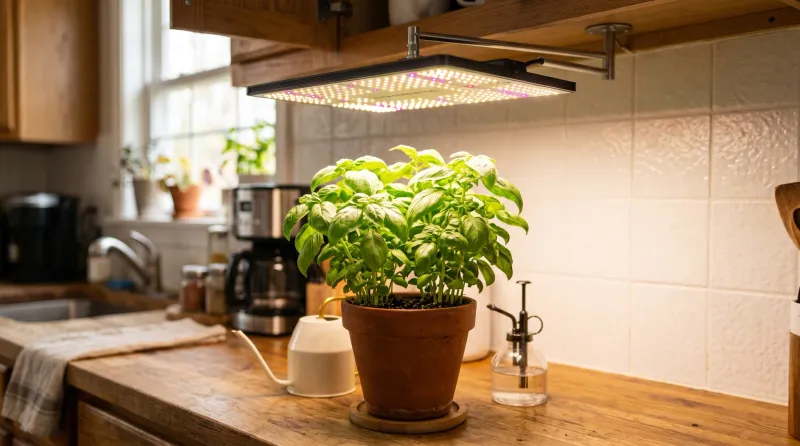
Let us be honest up front. Basil is the diva of this list, a warm-weather herb that pouts when temperatures dip.
So why include it? Because a fresh basil leaf in February feels like a tiny summer vacation.
The secret is warmth. Set your pots on a seedling heat mat or keep them in the warmest room of your home, ideally above 65 degrees.
Avoid drafty windowsills, which can blacken the leaves overnight.
Sow seeds an eighth of an inch deep and keep them moist. They usually sprout in about a week.
Compact types like Spicy Globe or Dwarf Greek stay bushy under shop lights and will not outgrow your setup.
Give basil the full 16 hours of light, with the fixture just a few inches above the leaves. Water only when the top of the soil feels dry.
Once plants have three or four sets of leaves, pinch off the top pair just above a leaf node. That trick forces the stem to split into two branches.
Keep pinching, and you will end up with a sturdy little bush ready for pesto, pizza, and pasta night.
8. Baby Kale
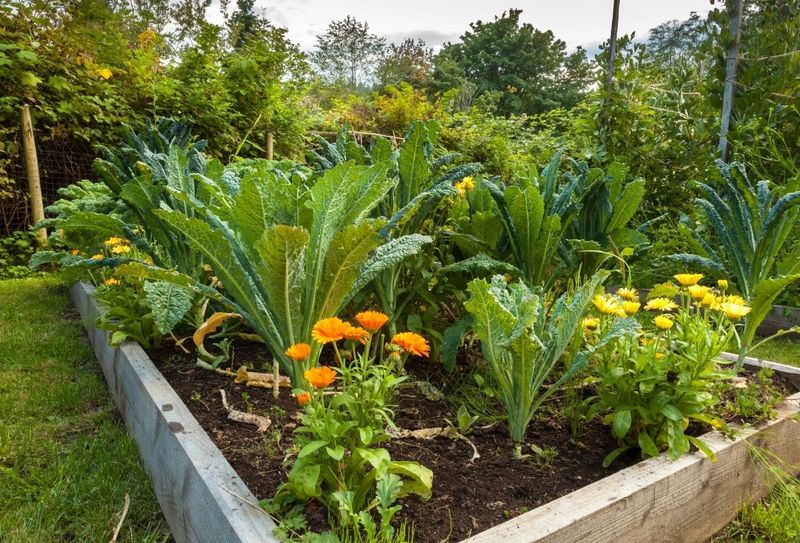
Tough, forgiving, and packed with nutrients, kale is the crop to try if your past indoor gardens fizzled. It shrugs off slightly dim light and chilly rooms that would stall more delicate greens.
For indoor growing, aim for baby leaves rather than full-size plants. Sow seeds about an inch apart in a tray or wide container.
Varieties like Red Russian, Dwarf Blue Curled, and Lacinato all perform well when picked small.
Seeds pop up within a week, often faster in a warm room. After that, a cooler spot around 60 degrees keeps leaves sweet and tender.
Hang the shop light close and run it for 14 to 16 hours.
You can start snipping tender leaves in about four weeks. Baby kale is milder and softer than the big bunches at the market, so even picky eaters may give it a chance.
A quirky tidbit: Lacinato is also called dinosaur kale because its bumpy leaves look a bit like reptile skin. Kids love that name.
Toss the baby leaves raw into salads, blend them into smoothies, or bake them with olive oil and salt for quick homemade kale chips.
9. Chives
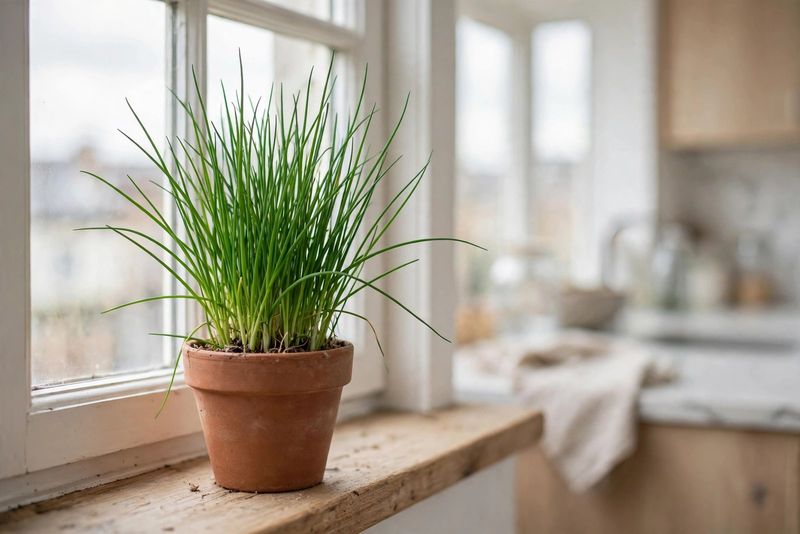
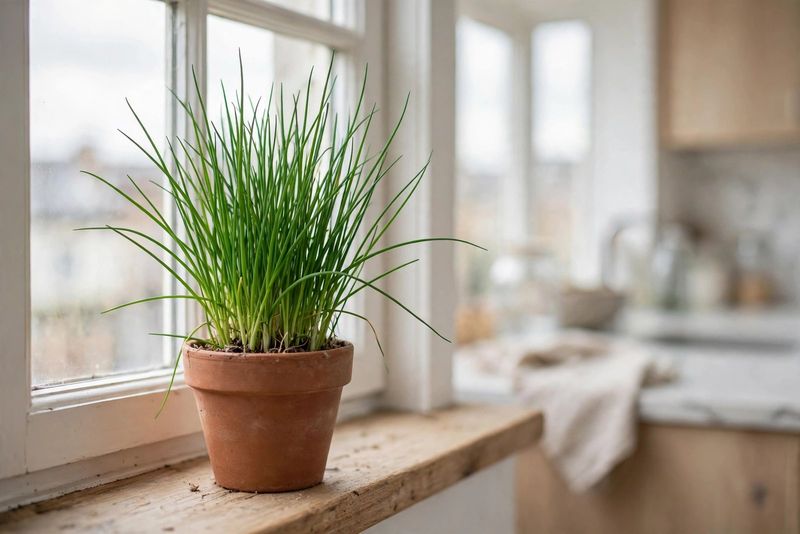
My grandmother kept a pot of chives on her counter every single winter, and she snipped from it almost daily. Those slender green spears are one of the easiest perennial herbs to keep going indoors.
Chives grow slower from seed than most crops here, taking about two weeks to sprout. Sow them thickly in clumps, about a quarter inch deep.
A cluster of 10 to 15 seeds in one spot creates that classic grassy tuft.
If you want faster results, dig up a small clump from an outdoor garden before the ground freezes, or buy a nursery plant. A transplanted clump will start producing new growth within days under your shop light.
Chives tolerate cool rooms and less than perfect light, though they grow thicker with 14 hours of steady brightness. Keep the soil lightly moist and feed them with a diluted liquid fertilizer once a month.
Harvest by cutting whole stems about an inch above the soil rather than trimming tips. Fresh growth replaces them quickly.
Sprinkle the mild onion flavor over scrambled eggs, baked potatoes, or creamy soups, and you will see why so many kitchens kept a pot handy.
10. Baby Carrots
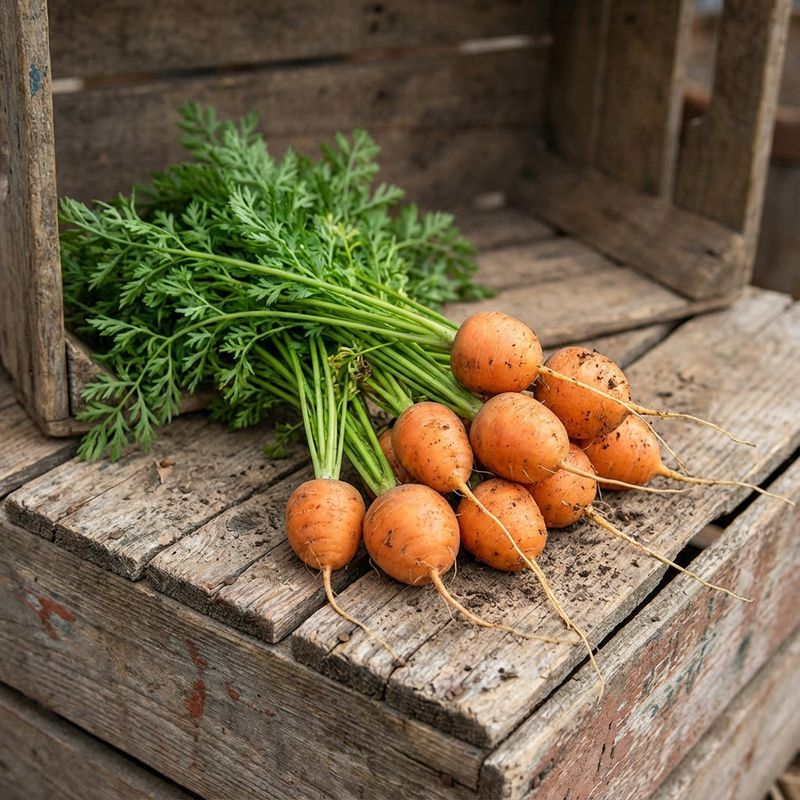
Pulling a real carrot out of a pot in your living room feels a bit like a magic trick. Most root crops are tricky indoors, but small round varieties make it surprisingly doable.
Choose short types such as Paris Market, Little Finger, or Atlas. They form stubby or ball-shaped roots that do not need deep soil.
A container about eight inches deep works fine, and a cut-down storage bin can hold dozens.
Use a light, fluffy potting mix without rocks or clumps, since anything hard can make roots fork. Sow seeds on the surface, cover with a thin dusting of mix, and keep it consistently moist.
Carrots can take up to three weeks to sprout, so patience pays off.
Thin the seedlings to about an inch apart once they are a few inches tall. Crowded carrots stay tiny and twisted.
Keep the shop light close and running 16 hours.
Round carrots are ready in roughly 50 to 60 days, so a December sowing should give you sweet little roots by late February. Kids especially love checking on them.
Rinse, crunch, and enjoy the proof that winter gardening goes far beyond leafy greens.