
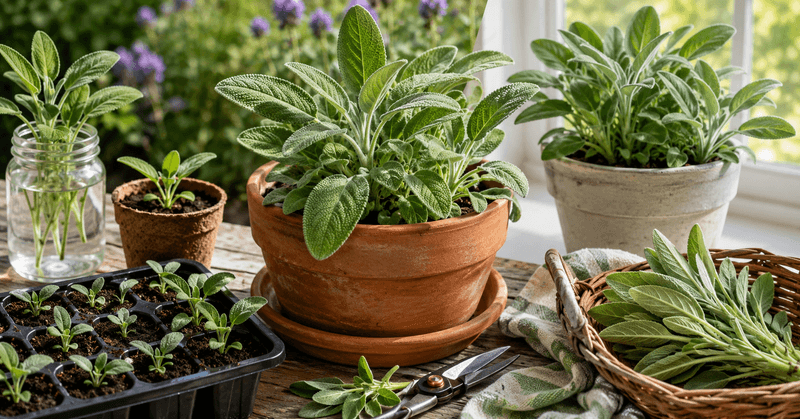
A chilly window does not have to mean a winter without fresh herbs. Plenty of tough little plants actually like cool air, as long as they get some light and a bit of care.
Growing them indoors saves money, brightens gray days, and puts real flavor on your plate when the garden outside is frozen. Here are eleven herbs that shrug off a cold sill and keep giving all season long.
1. Parsley
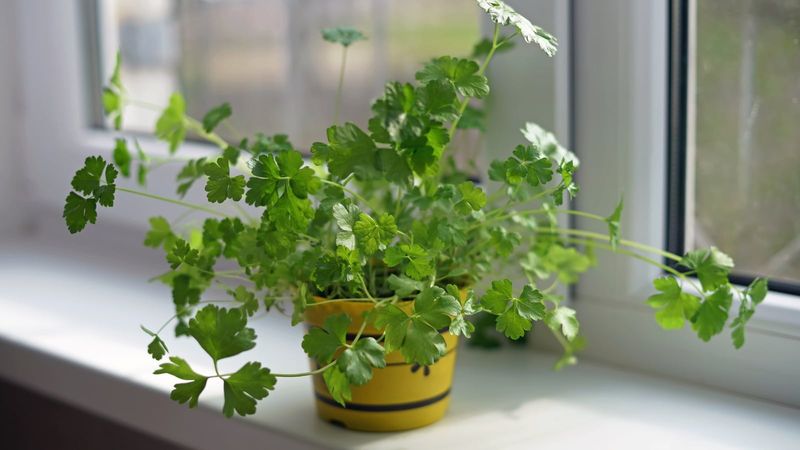
Grandmothers have tucked parsley pots into drafty kitchen windows for generations, and for good reason. A biennial by nature, it is built to survive a winter outdoors, so a cool sill at 50 to 60 degrees feels downright cozy to it.
Flat-leaf types bring a brighter, stronger taste, while curly parsley holds up better as a garnish and looks charming in a pot. Either kind sends down a long taproot, so pick a container at least eight inches deep.
Shallow pots lead to stunted, yellow plants by January.
Give it the brightest window you have, ideally facing south. Water when the top inch of soil feels dry, and turn the pot every few days so the stems grow straight rather than leaning toward the glass.
Harvest from the outside of the clump, snipping whole stems near the base. New growth always comes from the center, so leaving that heart alone keeps the plant producing for months.
A single healthy pot can easily season soups, eggs, and potatoes until spring.
Fun fact: ancient Greeks wove parsley into wreaths for athletes long before anyone thought to sprinkle it on dinner.
2. Chives
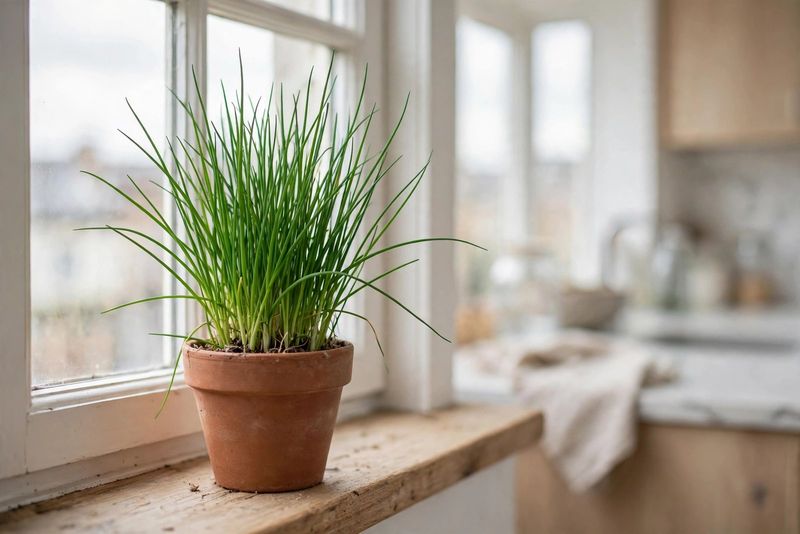
Snip, snip, and dinner suddenly tastes like spring. Chives might be the most forgiving herb you can bring indoors, and they actually appreciate cooler temperatures that would make basil sulk.
Here is a trick experienced growers use. Dig up a clump from the garden in late fall, leave the pot outside for a few weeks of real cold, then bring it in.
That chill tells the plant winter has happened, and it responds with a flush of fresh green spears on your sill.
Store-bought seedlings or divisions work too. Plant them in regular potting mix in a container with good drainage, and keep them in four or more hours of direct sun if you can manage it.
When harvesting, cut whole spears about an inch above the soil instead of trimming the tips. Ragged tips turn brown, while a clean cut encourages brand-new growth.
A happy pot can be cut back every three or four weeks.
Chives bring a mild onion bite to baked potatoes, scrambled eggs, and cream cheese. Their gentle flavor also makes them a smart pick for picky eaters who find regular onions too strong.
3. Thyme
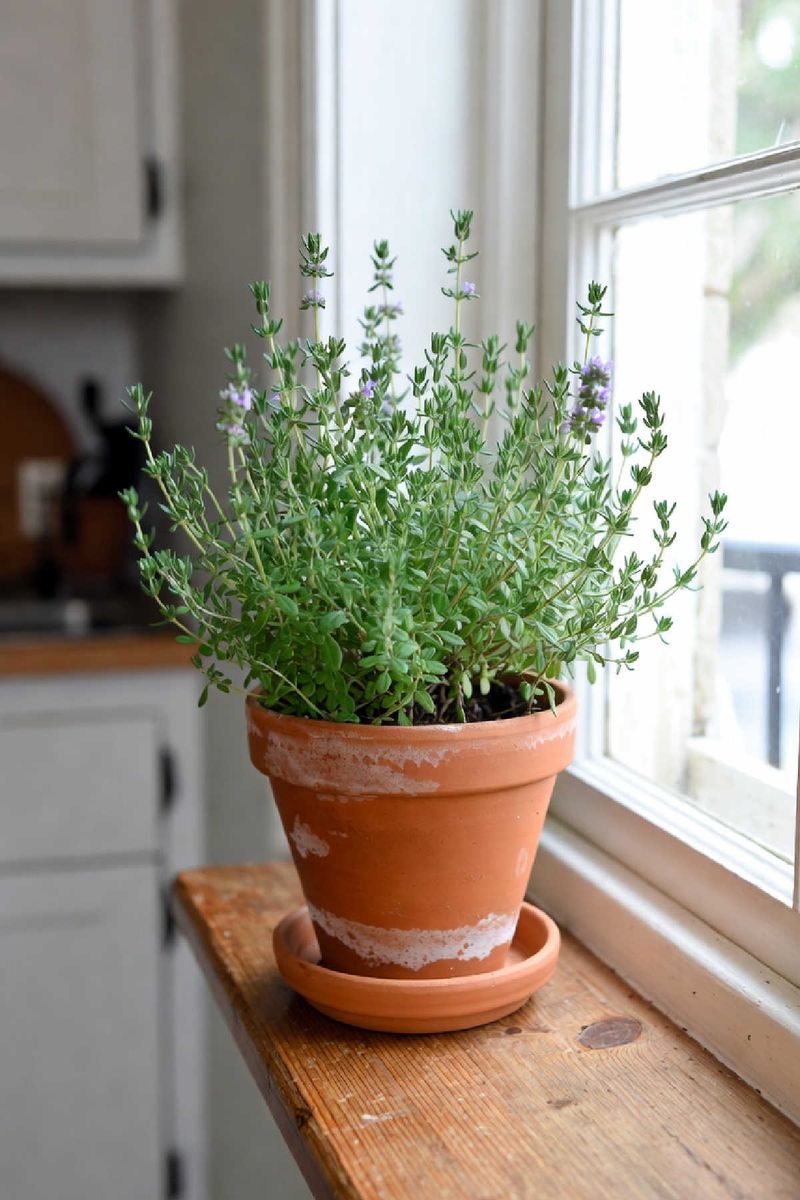
Tiny leaves, huge attitude. Thyme grows wild on rocky Mediterranean hillsides where winters are cool and the soil stays lean, so a chilly windowsill feels surprisingly familiar to it.
The biggest mistake people make with indoor thyme is kindness. Too much water and rich soil will rot its roots faster than any cold snap ever could.
Use a clay pot, mix some sand or perlite into the potting soil, and let it dry out between drinks.
Light is the other key. Thyme wants as much sun as winter allows, so park it right up against the glass.
If the stems get thin and stretched, a small grow light for a few hours a day makes a real difference.
Trim sprigs often, but never cut into the woody brown part of the stem. Green growth bounces back quickly, while old wood rarely sprouts again.
A few sprigs transform roasted chicken, bean soups, and winter root vegetables. Lemon thyme is worth trying too, since its citrusy scent can make a gray February afternoon feel a little sunnier.
Roman soldiers once bathed in thyme water, believing it gave them courage.
4. Rosemary
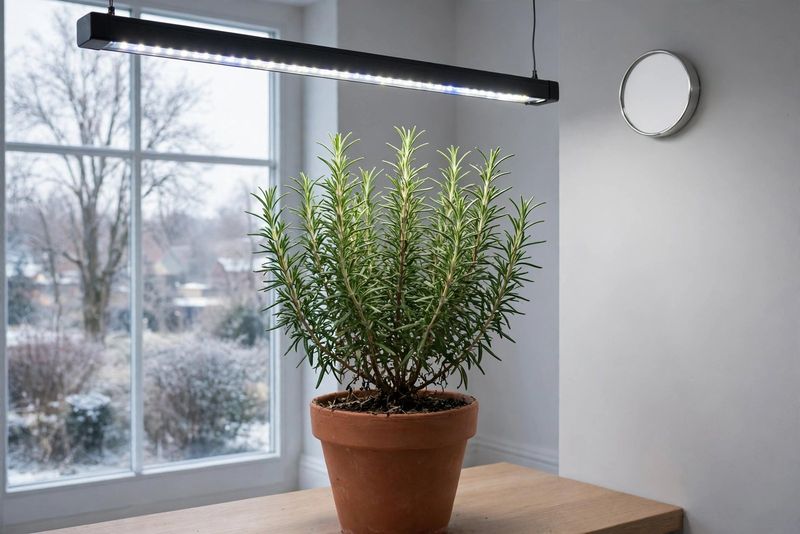
Ask anyone who has lost a rosemary indoors, and they will probably blame the cold. Truthfully, cool air is the plant’s friend.
Warm, dry, stuffy rooms are what usually do it in.
Rosemary actually prefers a winter room between 45 and 60 degrees, which makes an unheated porch window or a chilly back bedroom ideal. Bright light matters more than warmth, so give it your sunniest spot.
Watering takes a careful balance. Let the top of the soil dry, but never let the root ball go bone dry, because rosemary rarely recovers from a full wilt.
Sticking a finger into the soil every few days is the simplest test.
Watch for white powdery spots on the leaves. Good airflow from a small fan or a cracked door helps prevent that mildew from settling in.
Snip sprigs from the tips to keep the shape tidy. The piney flavor shines in roast potatoes, homemade bread, and slow-cooked stews.
Bringing your outdoor rosemary in before the first hard freeze can save a plant you have nurtured for years. Come spring, set it back outside and it will carry right on growing.
5. Sage
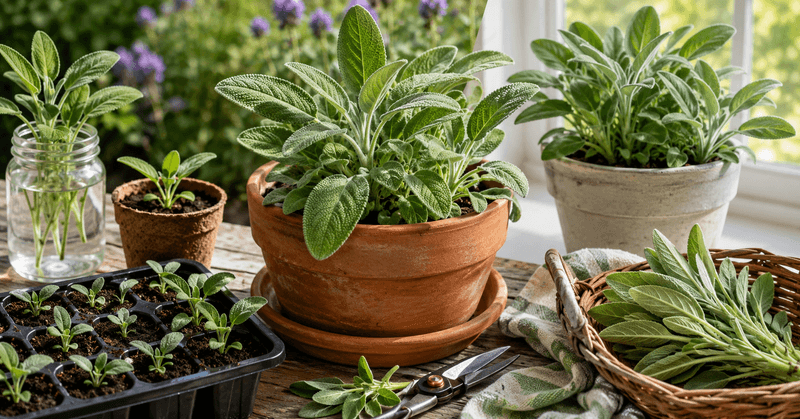
Velvety, silver-green, and smelling faintly of holiday stuffing, sage is a comfort plant in every sense. Its fuzzy leaves are designed to handle harsh conditions, so a cold sill barely bothers it.
Like most woody herbs, sage hates soggy feet. Choose a pot with plenty of drainage holes and a gritty soil mix.
Water deeply, then wait until the soil is mostly dry before watering again.
Common garden sage is the toughest choice, though purple and golden varieties look lovely in a row of pots. Keep in mind that the colorful types grow a bit slower indoors.
Pick leaves individually rather than chopping whole stems, especially in midwinter when growth is slow. Taking no more than a third of the plant at once keeps it strong.
Brown butter and sage poured over pasta might be the best reason to grow it. Fried sage leaves make a crispy topping for squash soup, and a few fresh leaves tucked under chicken skin before roasting are hard to beat.
Fun fact: the name comes from the Latin word salvare, meaning to save or heal, because people once trusted sage as a remedy for nearly everything.
6. Oregano
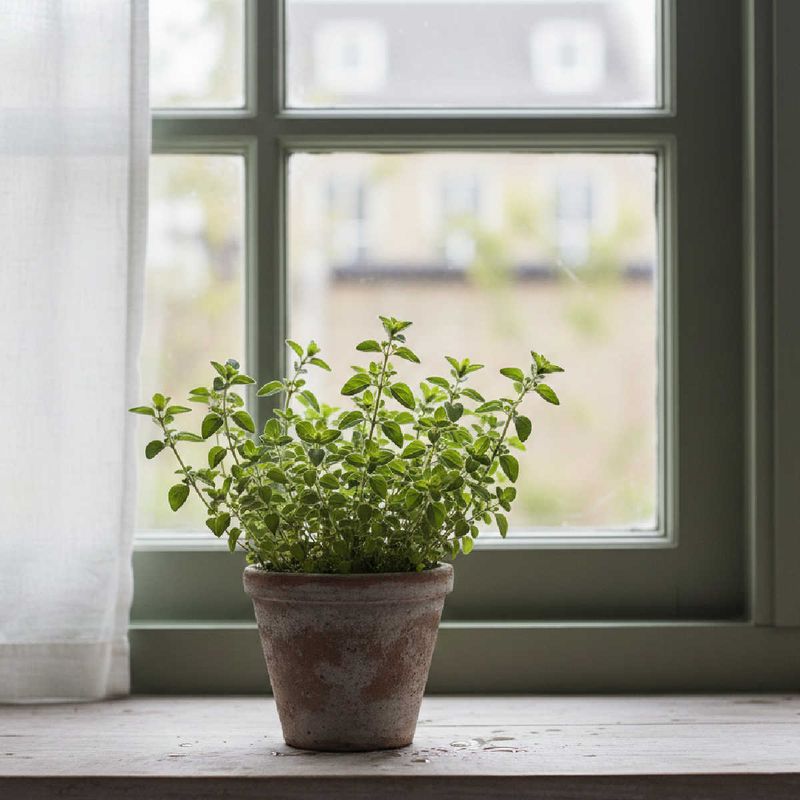
Pizza night just got an upgrade. Fresh oregano from a windowsill tastes greener and more lively than the dried flakes in a jar, and the plant is remarkably easygoing about chilly rooms.
Greek oregano offers the boldest, spiciest flavor, so look for it by name at the nursery. Many plants simply labeled oregano are mild ornamental kinds that look pretty but taste a little flat.
Oregano spreads sideways, so a wide, shallow pot suits it better than a tall one. Over time the stems may trail over the edge, which honestly looks charming in a kitchen window.
Give it at least five hours of sun and let the soil dry out between waterings. If the plant gets leggy, cut it back by half.
It will answer with bushy new shoots within a couple of weeks.
A quick tip for flavor lovers: the leaves taste strongest right before the plant flowers, though indoors in winter it rarely blooms at all. That means steady, punchy leaves all season.
Toss fresh leaves into tomato sauce at the end of cooking, sprinkle them on roasted vegetables, or crush a few into a simple vinaigrette.
7. Mint
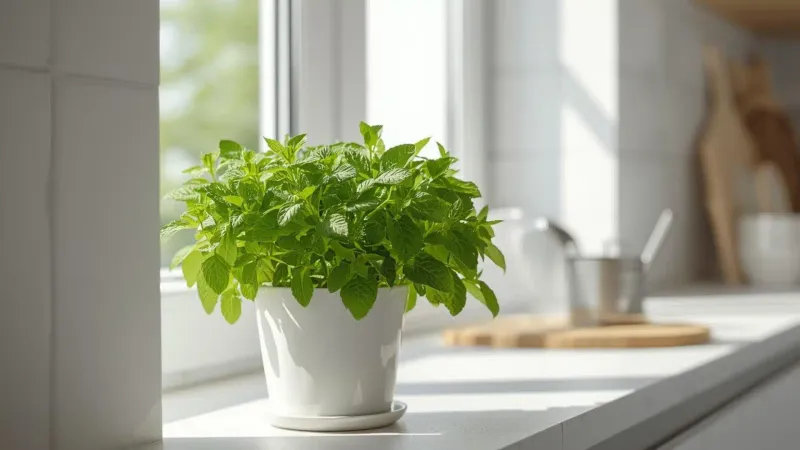
Anyone who has grown mint outside knows it can take over a whole garden bed. Bring a piece indoors, and that same wild energy becomes a gift on a cold windowsill.
Mint is one of the few herbs that tolerates less light than the others. An east-facing window works fine, and the plant shrugs off temperatures down into the 40s without complaint.
Unlike the Mediterranean herbs on this list, mint enjoys steady moisture. Keep the soil lightly damp, like a wrung-out sponge, and never let it dry completely.
A saucer of pebbles with water underneath adds humidity in dry, heated homes.
Spearmint is the best all-purpose choice for cooking. Peppermint packs more punch for tea, and fun varieties like chocolate mint or apple mint make great conversation starters.
Pinch the top pair of leaves often. Every pinch makes the stem split into two, so the plant grows fuller instead of taller.
A few sprigs steeped in hot water make a soothing evening tea. Fresh mint also brightens peas, fruit salad, and hot cocoa.
Fun fact: one easy way to start a pot is rooting a grocery store sprig in a glass of water.
8. Cilantro
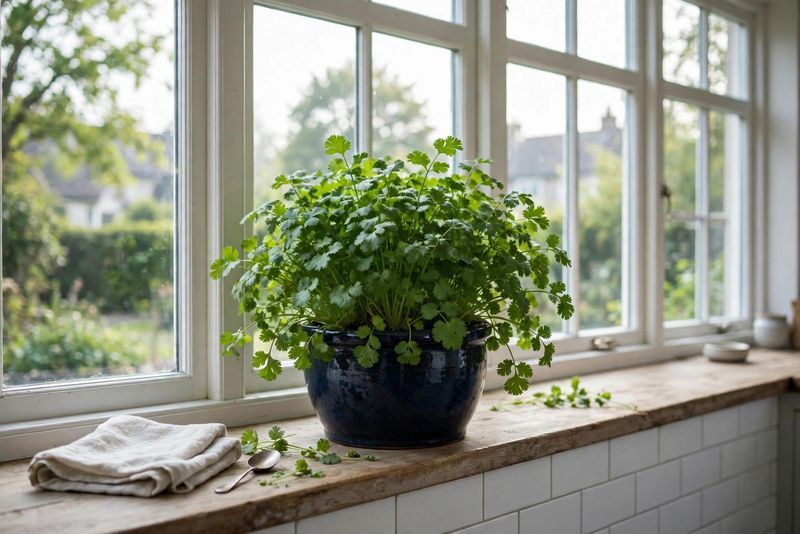
Summer is actually cilantro’s worst enemy. Heat makes it bolt to seed in a hurry, which is why a cool winter window is one of the best places on earth to grow it.
Think of cilantro as a short-term crop rather than a forever plant. Sow seeds directly in a pot or long planter, since the roots dislike being moved.
Seedlings appear in about a week and are ready to snip in roughly a month.
Here is the secret to a nonstop supply: plant a new small batch every three weeks. While one pot is being harvested, the next is coming along behind it.
Keep the soil evenly moist and give the plants bright light. Rooms that stay between 50 and 65 degrees keep the leaves tender and slow down flowering.
Cut the outer stems first and leave the center to keep growing. If the plant does start sending up tall, feathery stalks, let it go and collect the seeds, which are the spice called coriander.
Fresh cilantro turns winter chili, tacos, and black bean soup into something special. Few things beat that bright, grassy flavor in January.
9. Winter Savory
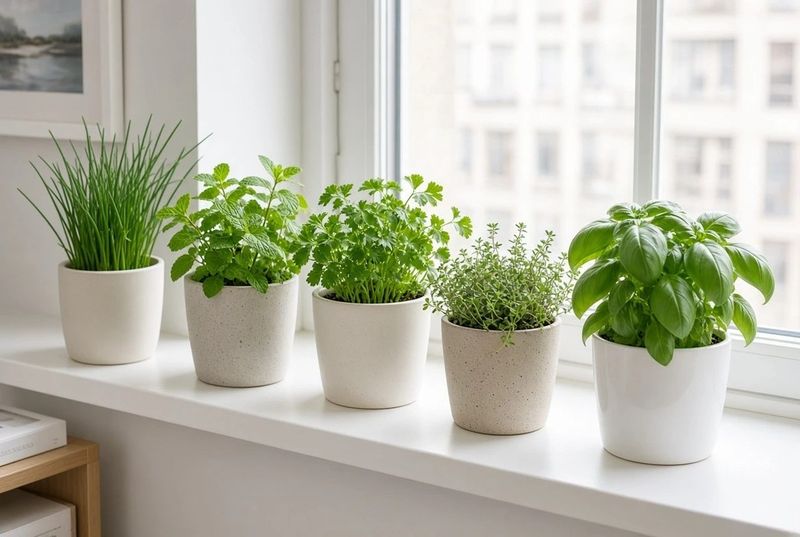
Few home gardeners have heard of winter savory, and that is a shame. The name says it all.
Few herbs on this list handle cold with as much grace.
Winter savory is a low, evergreen shrub with narrow, glossy leaves and a peppery, thyme-like taste. In Europe it earned the nickname the bean herb, because cooks traditionally added it to beans, peas, and lentils to boost flavor.
Indoors, treat it much like thyme. A sandy, fast-draining mix, a clay pot, and the sunniest window in the house keep it happy.
Water sparingly and let the soil dry between drinks.
Its compact size makes it perfect for narrow sills where bigger herbs would crowd. A single plant rarely grows more than a foot tall.
Harvest by snipping sprigs from the tips, which also keeps the plant tidy and dense. The flavor is strong, so a little goes a long way.
Start with a pinch in soups, stuffing, or a pot of white beans.
If you enjoy experimenting, winter savory is a delightful surprise. Guests will ask what that mystery seasoning is, and you can proudly point to your windowsill.
10. Bay Laurel

Imagine plucking your own bay leaves for a pot of beef stew. A young bay laurel tree makes that easy, and it brings a touch of elegance to any chilly room.
Bay grows slowly, which is good news indoors. One plant can live in a container for many years, and it handles cool rooms down into the 40s without trouble.
Many gardeners keep it outside in summer and move it in before frost.
Give it bright light and let the top couple of inches of soil dry before watering. Too much water causes yellow leaves, while too little makes them crispy at the edges.
Check the undersides of leaves now and then for scale insects, which look like tiny brown bumps. Wiping them off with a cotton ball dipped in rubbing alcohol usually solves the problem.
Fresh bay leaves have a softer, more floral flavor than dried ones. Pick only what you need, and drop one or two into soups, rice, or tomato sauce.
Fun fact: ancient Greeks crowned winners and poets with bay laurel wreaths, which is where the word laureate comes from.
11. Lemon Balm
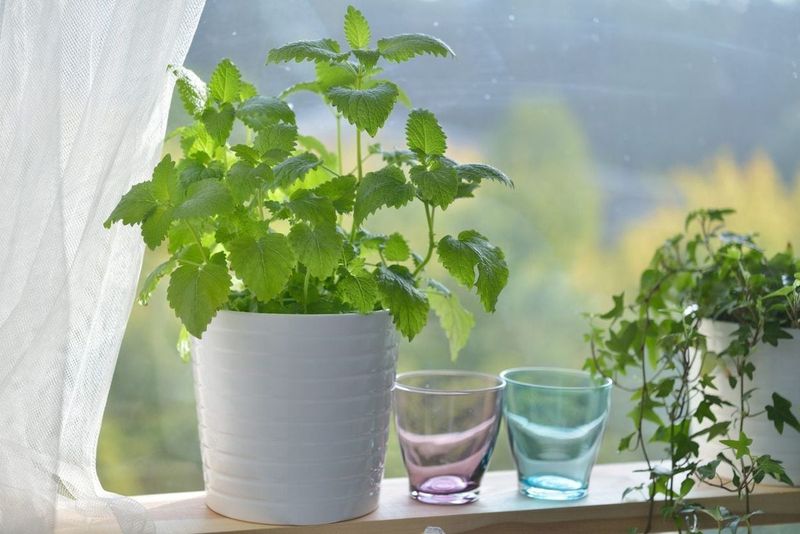
Brush your hand across lemon balm and the whole room smells like fresh lemonade. On a dark winter afternoon, that little burst of sunshine feels almost magical.
A member of the mint family, lemon balm shares mint’s toughness. It survives cold winters outdoors in most of the country, so a cool windowsill poses no threat at all.
It also tolerates moderate light better than many herbs.
Keep the soil lightly moist but not soggy. A regular potting mix works well, and a medium pot gives the roots room to spread.
Pinch back the tips regularly to keep the plant compact. Left alone, it gets floppy and sparse, especially when daylight is short.
The leaves make a calming, lemony tea, which people have enjoyed since the Middle Ages to ease stress and help with sleep. Chop fresh leaves into fruit salads, stir them into honey, or float a few in a glass of water.
For a fun kitchen project, steep lemon balm with a little sugar to make a simple syrup for drinks. Kids especially love smelling the leaves, which makes it a wonderful herb for young gardeners learning to grow indoors.