
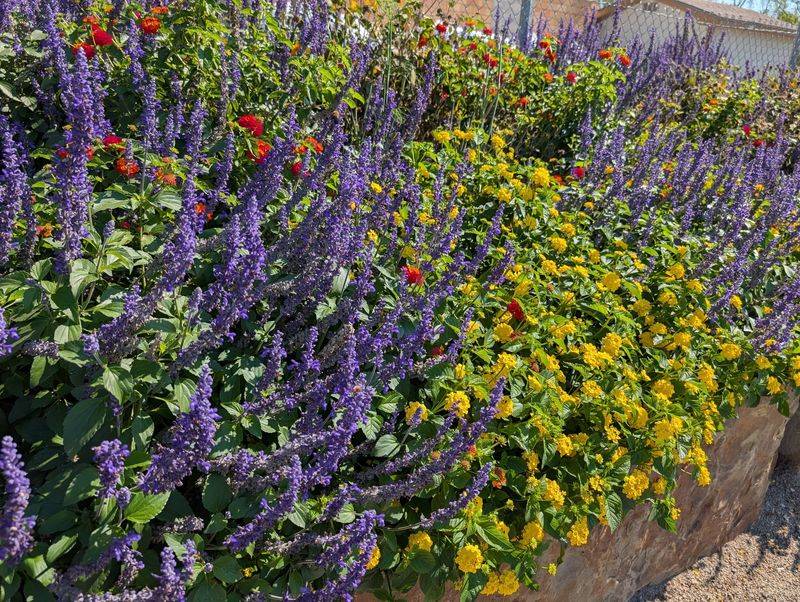
Your lantana and salvias turned brown after the first hard freeze, and now the neighbors are out with pruning shears. Should you cut them down or leave them alone?
A popular claim says early pruning makes the next freeze hit the roots harder, but that is not what the research shows. Here is what standing stems really do, and how to pick your pruning time.
What standing growth can—and cannot—protect
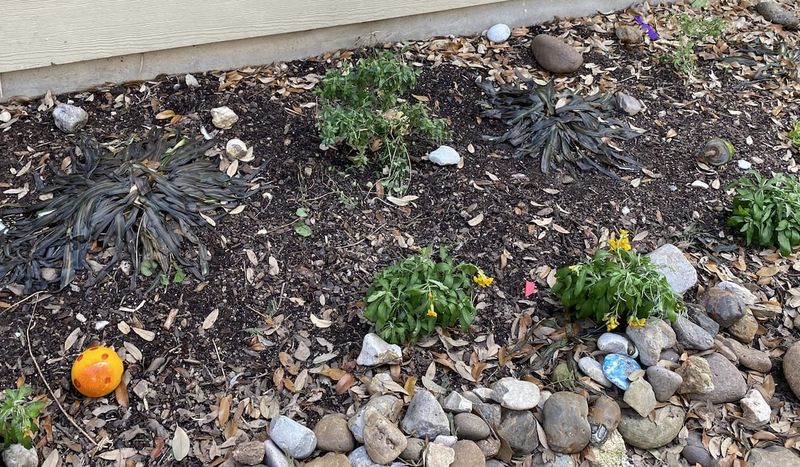
Here is the straight answer: nobody has shown that cutting off brown stems makes roots suffer more in a later freeze. That claim in the headline goes further than the evidence.
What Texas A&M AgriLife guidance on freeze protection says is more modest, and more useful.
Dead top growth can act like a loose blanket for the lower parts of the plant. It may slow the heat that escapes into the sky on a clear, cold night.
That is a small benefit for the tissues close to the ground, such as the base of the stems.
It is not the same as insulating the soil or the crown, and it is not a guarantee. A hard freeze can still hurt a plant with every stem left standing.
Think of standing growth as a possible bonus, not a rescue plan.
Waiting also keeps you from cutting off stems that may still be alive underneath the brown. So the choice is not about saving the roots from your shears.
It is about timing, plant condition, and what kind of plant you have.
Standing stems are not root insulation
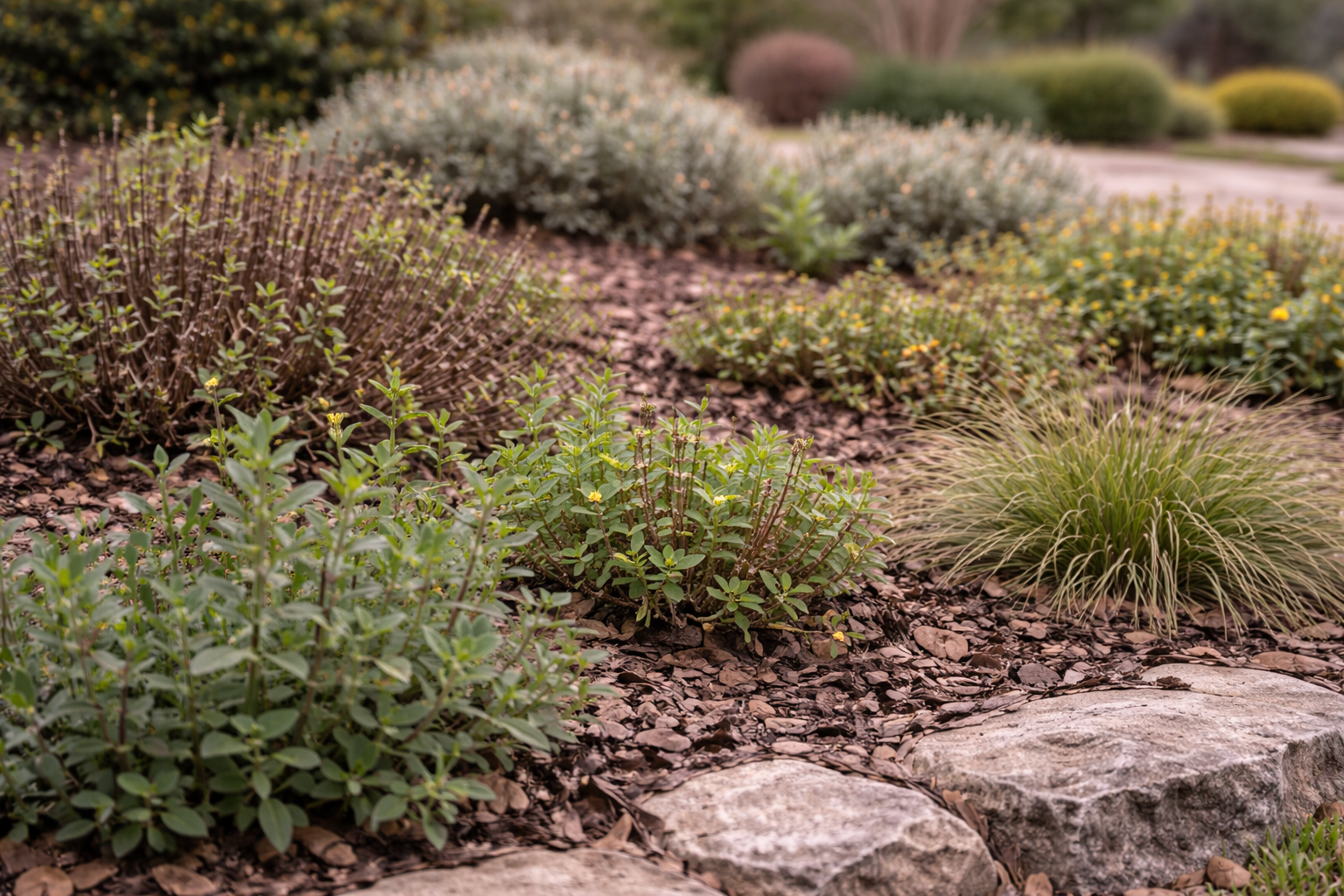
Picture two layers of protection. One is the dead growth above ground.
The other is a blanket of mulch over the soil. Texas A&M treats them as different jobs.
According to the same A&M freeze guide, dead top growth may reduce nighttime heat loss around the lower parts of a plant. Mulch is what insulates the soil, crowns, and roots.
If you want to protect what sits under the ground, mulch is the tool the experts point to.
The guide also warns that pruning can prompt new growth. That fresh, tender growth is vulnerable if another freeze arrives.
So cutting too early carries a real risk, but the risk is to the new shoots, not proof that roots will be hit harder.
Neither effect is large enough to promise anything. Plants with tall brown stems still die in severe cold, and plants cut to the ground often come back fine after a mild winter.
A&M itself notes that protective steps have limits.
So use standing stems for what they are: a little shelter and a handy marker of where the plant sits. Then lean on mulch when the real goal is crown and root protection.
Mixing the two ideas up is how the headline myth got started.
Use freeze risk, not a fixed date, to time pruning
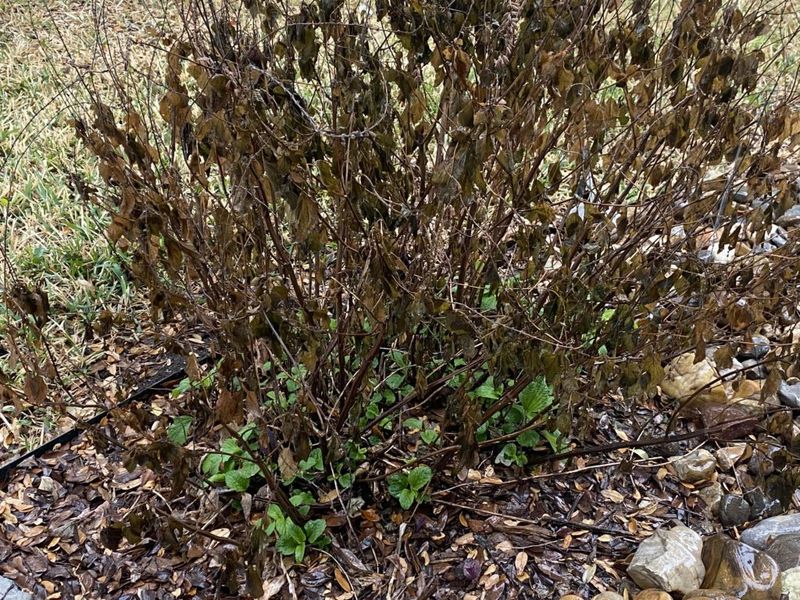
Calendars make poor garden bosses in Central Texas. February can bring a week of 75-degree afternoons, then a hard freeze two nights later.
A date on the wall cannot tell you which one is coming.
Texas A&M AgriLife in Travis County points out that warm days followed by a cold snap can cause serious injury. That is exactly when tender new growth gets caught.
It also notes that some plants die back to the ground but have hardy roots that regrow once the cold passes.
A flexible rule works better than a date. Wait until the chance of more freezes has dropped, and until you can tell living growth from dead.
Check the local forecast, not just how nice the weather feels this week.
That timing helps in two ways. You avoid cutting stems that are still alive, and you avoid pushing out soft new shoots before another freeze.
Broader A&M freeze guidance also suggests delaying pruning until freeze risk has passed.
A simple clue: if buds are swelling on the lower stems but the forecast still shows a dip near freezing, give it a bit more time.
Assess lantana by type and winter damage
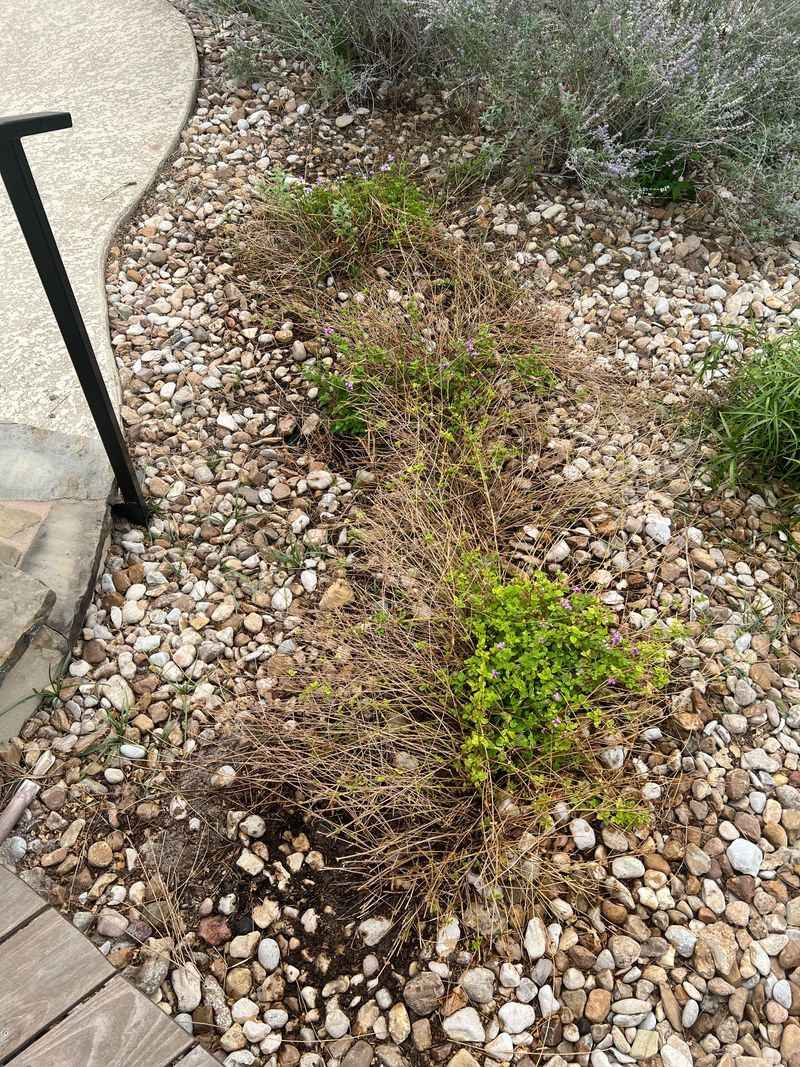
Lantana does not come with one rule. Central Texas Gardener says lantanas can be cut back in winter, but they can also be left standing, especially if they are still flowering.
Both choices are fine in the right situation.
Trailing lantana has its own advice. A Texas A&M Travis County page on Texas Superstar trailing lantana says to inspect stems in spring, after freeze danger passes.
After a mild winter, stems may still produce growth. After a hard freeze, the author cuts limbs to about 8 inches from the main stem.
That 8 inches is one grower’s example for trailing lantana, not a number for every lantana. The same page notes that winter limbs give insects a place to shelter, which is a nice reason to wait.
For comparison, a Travis County Master Gardener reply suggests cutting freeze-browned lantana to 6 to 12 inches. That range differs from the trailing lantana example, and neither is a mandatory height.
Try a quick test. Scratch a stem with your thumbnail.
Green underneath means it is alive. Dry and brittle all the way down means you can cut it back to where you find green, or to a height that suits your yard.
Prune salvias according to species
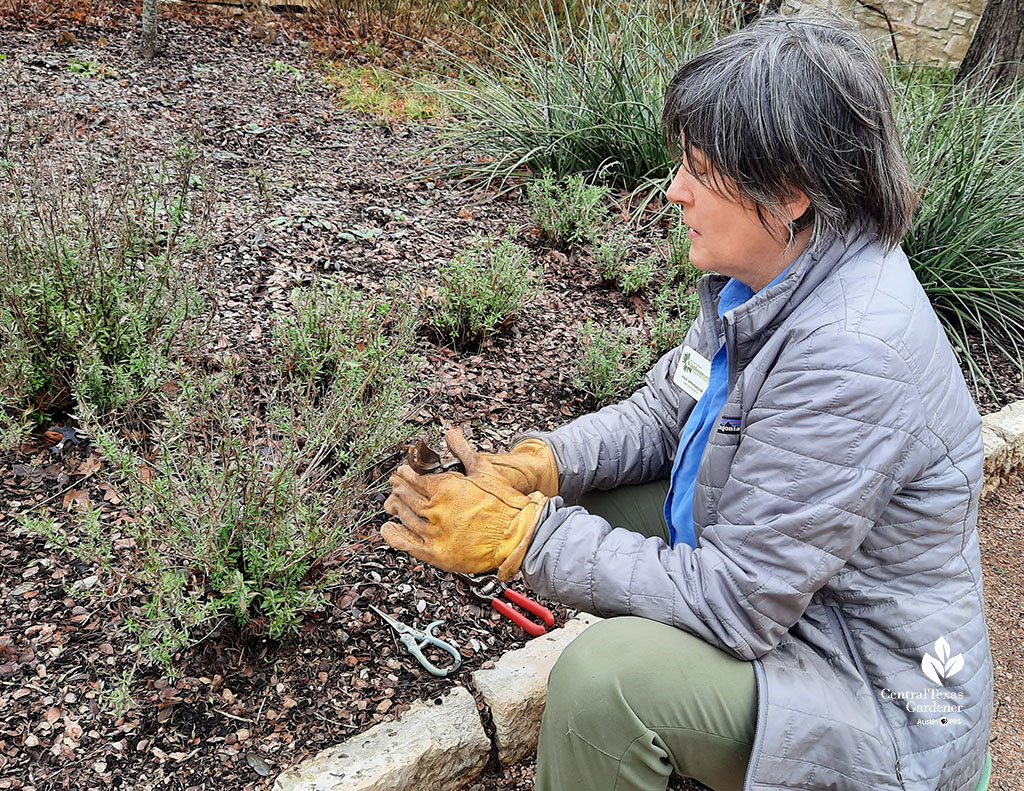
Calling every plant a “salvia” hides big differences. Some are woody shrubs, some die back like perennials, and some do not live through the winter at all.
Each needs its own approach.
For Salvia greggii, also called autumn sage, Central Texas Gardener gives a late-winter example of cutting to 8 to 12 inches and removing dead growth. That advice belongs to this plant.
Herbaceous salvias are treated separately on the same page, so do not copy the greggii cut onto them.
Then there is Salvia coccinea, the red or tropical sage. Central Texas Gardener describes it as an annual in Central Texas.
If yours disappears after a freeze, it may simply be finished, though seedlings often show up later.
Start by reading the plant tag or your own notes. If you are not sure which salvia you have, wait until growth starts in spring.
New leaves will show you where the plant is alive, and you can prune from there.
A woody greggii with brown tips needs a different cut than a soft herbaceous salvia that dies to the ground. Matching the cut to the plant is the whole trick.
Protect crowns with mulch and handle lantana carefully
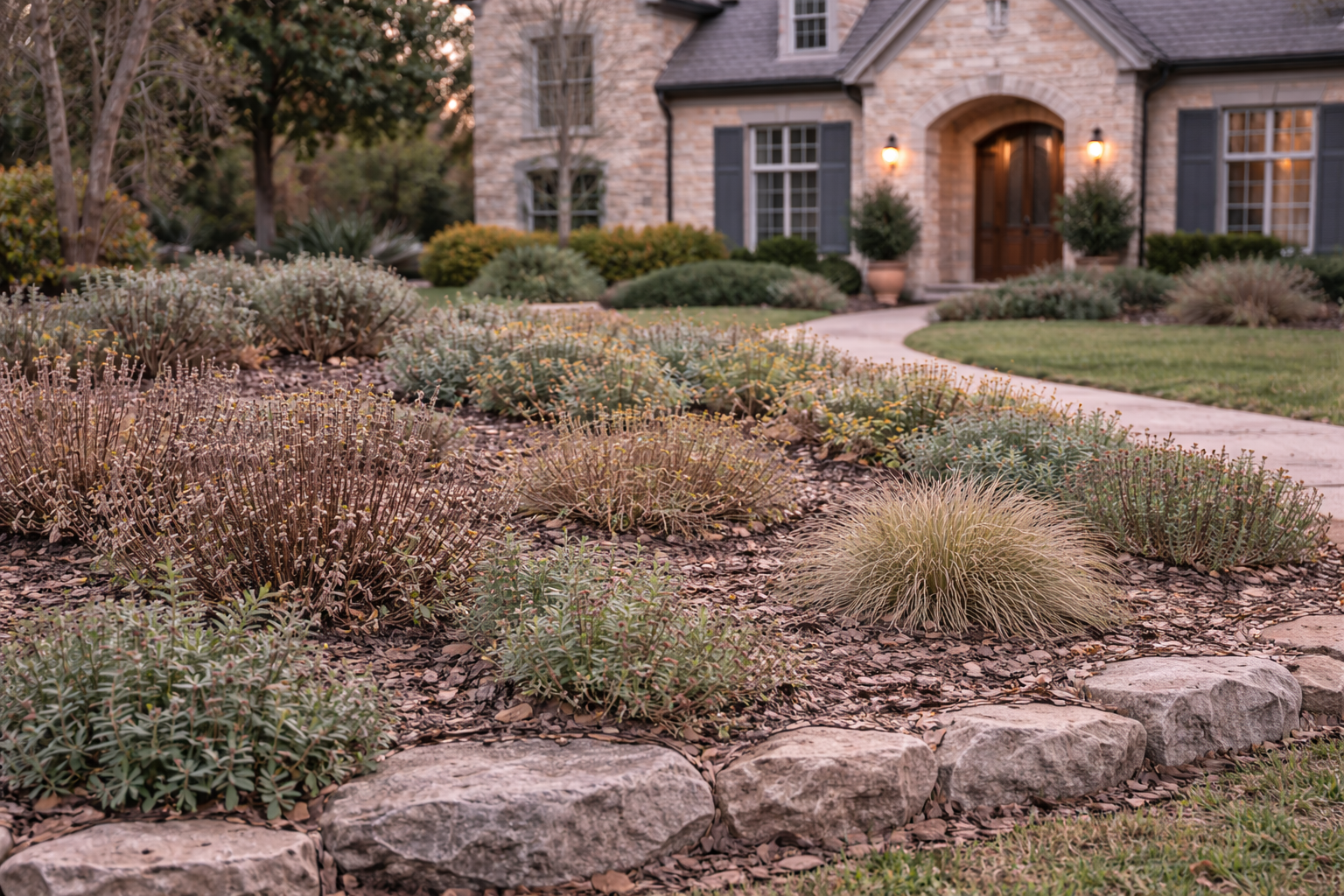
If you want to look after the roots, put your effort into the soil. Texas A&M recommends mulch over the soil after perennials die back to insulate crowns and roots.
Shredded leaves, bark, or compost all work.
Mulch helps, but it does not guarantee survival through a very hard freeze. It is simply the best-supported way to give the lower plant a buffer.
Keep it loose, and pull it back a little from the stems so it does not stay soggy.
A quick safety note about lantana. NC State Extension reports that the leaves may cause dermatitis in sensitive people and that the plant is poisonous if eaten.
People with sensitive skin may want gloves when pruning or clearing it. Keep clippings away from children and pets, and bag them rather than leaving piles on the lawn.
For most gardeners, pruning lantana is routine work.
Make the final cut after checking the plant
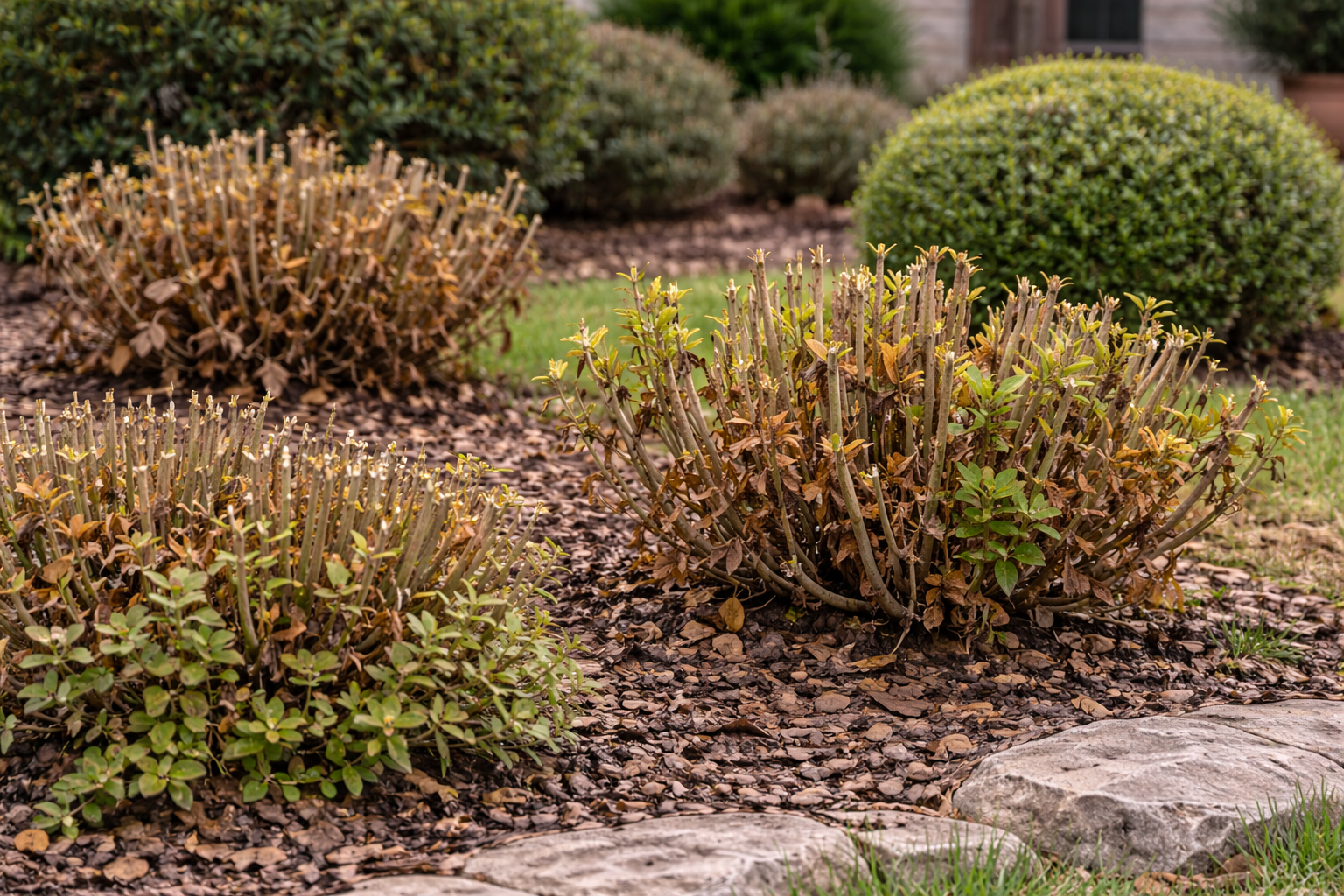
Run through four quick checks. How likely is another freeze?
Is there green growth under the brown? Which lantana or salvia is this?
And do you want the tidy look now, or the shelter for insects and a bit of cover until later?
Your answers decide whether to cut or wait. Local guidance from Central Texas Gardener supports both approaches, and Texas A&M favors patience while freeze risk remains.
Standing stems may offer a little shelter, but they never make roots invulnerable. The plant will tell you when it is ready, and your thumbnail will read it first.