
A rustle in your palm after sunset might be more than the wind. Roof rats, skilled climbers found across Florida, can use palms for food and shelter before exploring nearby roofs.
A palm tree does not guarantee a rat problem, but a few everyday yard habits can make yours more inviting. Here are eight things to check before those nighttime visitors find a way indoors.
1. Ripe Palm Fruit Left Within Easy Reach
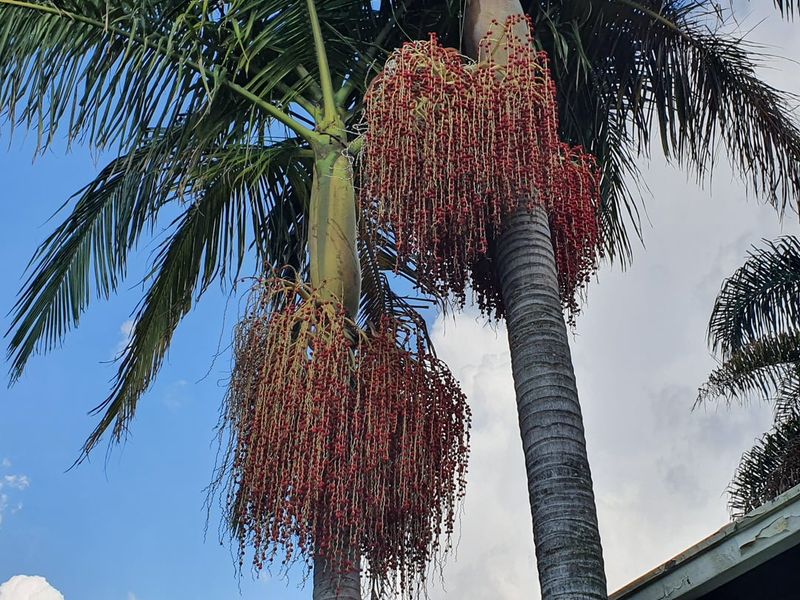
Dinner may be hanging right above your driveway. Fruiting palms can offer roof rats a steady food supply, especially when ripe fruit stays on the tree or piles up below it.
Queen palms and other fruit-bearing landscape palms can contribute to the buffet, although rats also eat many foods beyond palm fruit. A nearby mango, citrus, or avocado tree can keep the same animals returning even after the palm’s fruit is gone.
Pick up fallen fruit regularly during heavy drops, and check behind pots or along fence lines where it collects. Harvest edible fruit promptly rather than letting damaged or overripe pieces sit overnight.
For fruit clusters high in the canopy, ask a qualified palm-care professional whether removal makes sense for that species and location. Do not climb a ladder with a pole saw just to beat the rats to breakfast.
The goal is not a spotless yard every minute. It is to stop a dependable food source from making your palm a regular nighttime stop.
2. Thick Skirts of Dead Fronds

Behind that shaggy brown skirt, a small animal can disappear from view. A dense layer of hanging dead fronds may give roof rats protected places to rest or nest above ground.
Some palm species naturally hold old leaves, so a skirt is not proof of an infestation. Still, droppings below the canopy, repeated nighttime movement, or nesting material caught among the fronds deserve a closer look from the ground.
Have a qualified professional assess crowded dead growth and remove it where appropriate. Dead fronds can fall, and hidden animals, sharp leaf bases, and overhead wires make this a poor do-it-yourself ladder job.
Keep healthy green fronds unless there is a specific safety or maintenance reason to remove them. Severe hurricane cuts do not make palms storm-proof and can weaken the tree.
Check for active wildlife nests before work begins, since palms shelter birds and other animals too. Thoughtful maintenance reduces hiding places without turning a healthy palm into a bare pole.
3. Fronds and Branches That Reach the Roof

A leafy bridge can turn a comfortable palm perch into a shortcut to your house. When fronds or nearby branches touch the roof, rats have an easy route toward gutters, vents, and gaps along the eaves.
Roof rats are strong climbers and can jump, so breaking direct contact helps without creating a perfect barrier. Fences, trellises, and utility lines may provide other routes that are easy to miss when you only look at the palm.
Walk around the house and look upward from several angles. Notice where wind pushes fronds against shingles or where a neighboring tree connects the palm canopy to the roof.
Ask a qualified arborist about practical clearance that protects both the building and the trees. If a palm needs repeated removal of healthy fronds to fit its space, a longer-term landscape change may be better than constant cutting.
Have damaged soffits, loose vent screens, and other entry points repaired as well. Where rats may already be inside, arrange an inspection before sealing openings so animals are not trapped indoors.
4. Dense Groundcover Around Palm Trunks

At ground level, a crowded planting bed can hide a whole nighttime commute. Thick shrubs, tangled vines, and piles of yard debris let rats move toward palm trunks with less exposure.
The problem is not every leafy garden bed. Trouble grows when plants become so crowded that you cannot see accumulated fruit, burrow openings, droppings, or discarded food underneath them.
Thin overgrown shrubs according to each plant’s needs, remove abandoned pots, and clear piles of cut branches. Keep vines from climbing palm trunks, where they can add cover and make inspections harder.
A modest, well-kept mulch layer is different from a deep heap of leaves and storm debris. Avoid piling material against trunks, and leave enough access to check the base of each palm without crawling through vegetation.
You can still keep a lush Florida landscape. Aim for planting beds you can inspect and maintain, rather than clearing everything to bare sand or stripping away useful habitat across the yard.
5. Pet Food Left Outside After Dark
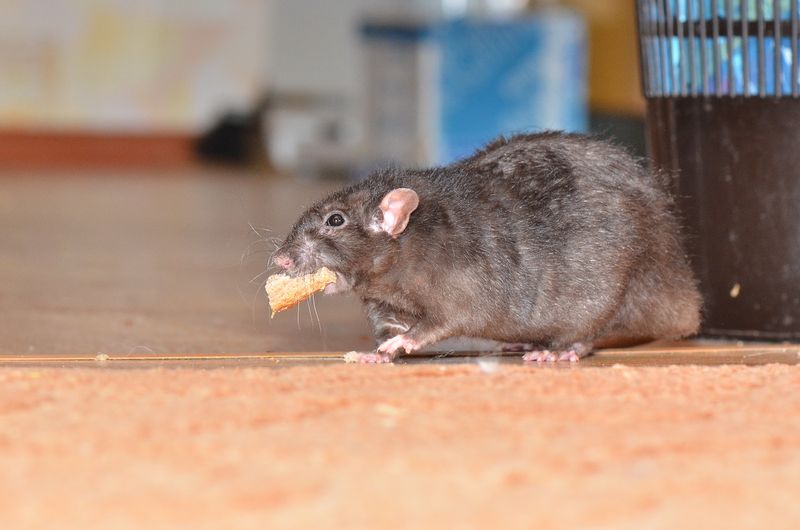
Your dog’s unfinished supper does not stop being dinner when the dog goes inside. Dry kibble, canned food, and feeding spills can draw rats close to a patio, with nearby palms offering a convenient place to retreat.
Leaving a bowl out all night creates a predictable reward. Feeding near a palm, fence, or thick hedge puts that reward close to a covered travel route.
Offer pets measured meals and bring leftovers indoors promptly. Sweep up crumbs, wash food dishes, and store pet food in sturdy containers with tight-fitting lids rather than leaving an open bag in the carport.
For outdoor cats or managed community-cat feeding, use scheduled feeding times and remove uneaten food afterward. Coordinate changes with the animals’ caregiver instead of abruptly removing a food source without a plan.
A porch camera may reveal who visits after bedtime, but you do not need video proof to improve food storage. Removing the overnight buffet is useful even when raccoons, opossums, or ants turn out to be the first guests.
6. Birdseed Spilled Beneath Feeders
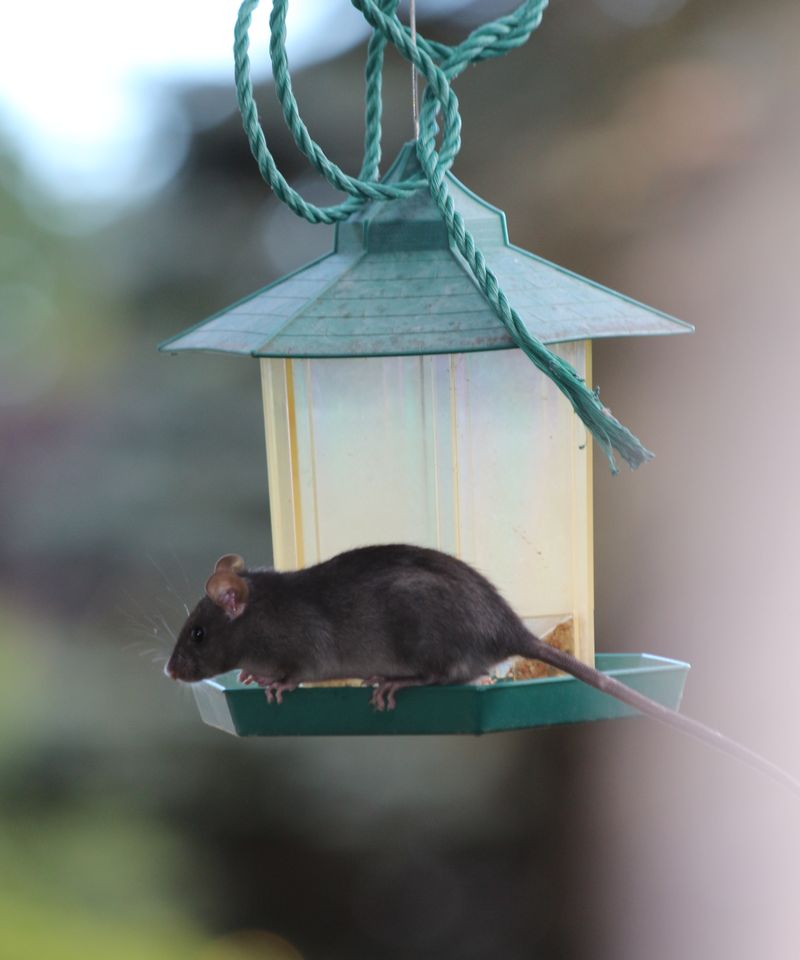
A busy bird feeder can feed more than the birds you meant to invite. Seed tossed onto the ground gives rats an easy meal, while a nearby palm supplies climbing space and possible shelter.
Watch what lands below the feeder, not just how quickly the tube empties. Birds sort through seed mixes, and piles of rejected grain can remain hidden in grass or mulch long after the visitors leave.
Use a catch tray where practical, offer smaller amounts, and clean the feeding area often. Store seed indoors or in a durable, tightly closed container that rodents cannot easily chew through.
If you see rat activity, pause supplemental feeding while you address the problem. Moving a feeder a few feet rarely helps much when spilled seed remains available in the same yard.
For longer-term bird interest, consider suitable native plants that provide seasonal food and cover without a concentrated daily seed pile. Keep those plantings maintained too, especially where they sit close to palm trunks or the house.
7. Loose Trash and Exposed Compost Scraps
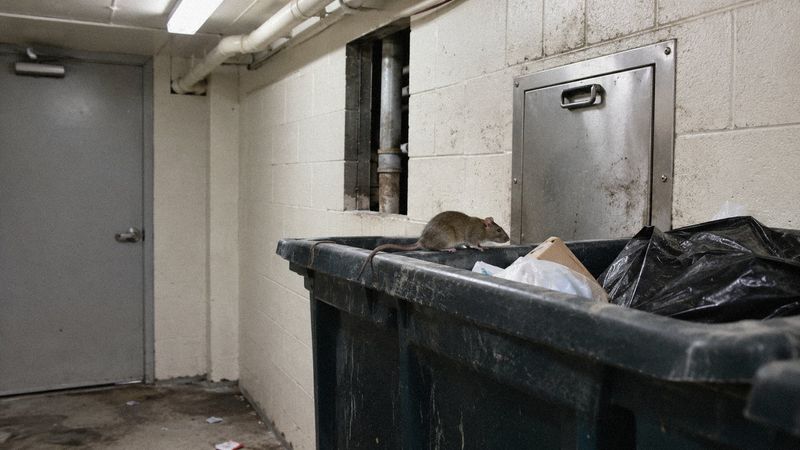
The lid that almost closes is often the weak spot. An overfilled trash cart, greasy food packaging, or exposed kitchen scraps can keep rats fed within a short climb of your palms.
Florida’s heat makes regular waste handling especially worthwhile. Rinse food residue from recyclables as local rules allow, bag household waste securely, and keep cart lids fully shut.
Inspect plastic bins for gnawed corners and damaged lids. A heavy object placed on top is not a lasting repair if rats can still enter through a hole near the bottom.
Compost needs its own checkup. Avoid meat, dairy, and oily leftovers in an ordinary backyard pile, and use a well-managed, rodent-resistant system for acceptable scraps rather than leaving food exposed on top.
If a pile is already attracting rats, stop adding food scraps and reassess the setup. Clearing this food source will not remove every nearby rat, but it makes the yard less rewarding and supports any trapping or exclusion work a pest professional recommends.
8. Leaking Irrigation and Reliable Water Sources
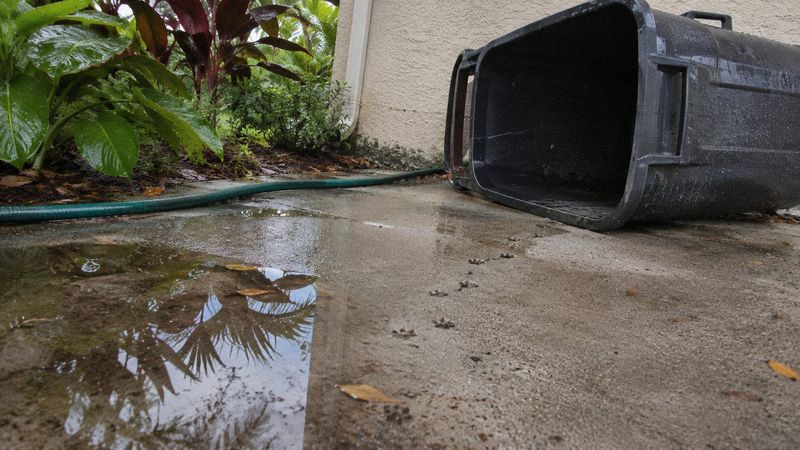
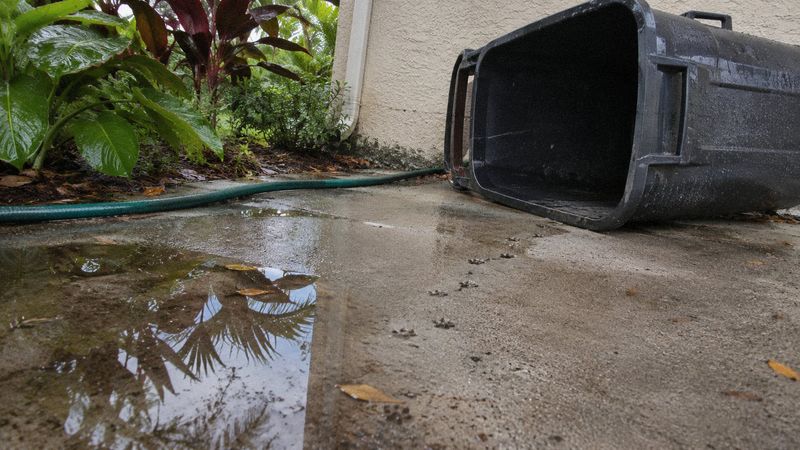
That small puddle beside the palm may be doing more than wasting water. Leaking irrigation, dripping outdoor faucets, and standing water can make a yard more useful to rats, particularly during dry spells.
Water alone does not explain an infestation, and roof rats can get some moisture from food. Still, a dependable drink beside food and sheltered climbing routes gives them another reason to linger.
Run your irrigation system during daylight once in a while so you can spot broken heads and leaking connections. Fix drips, correct needless overwatering, and empty forgotten saucers or containers that collect rain.
Keep necessary drinking water available for pets while they are outdoors, then clean and store unused bowls. Maintain birdbaths with frequent cleaning and fresh water rather than allowing them to become stagnant.
If rats keep appearing, pair these yard changes with a licensed pest professional’s inspection of the palms and roofline. Avoid loose poison bait in trees, and never sweep or vacuum dry droppings; follow public-health cleanup guidance to avoid stirring contaminated dust into the air.