
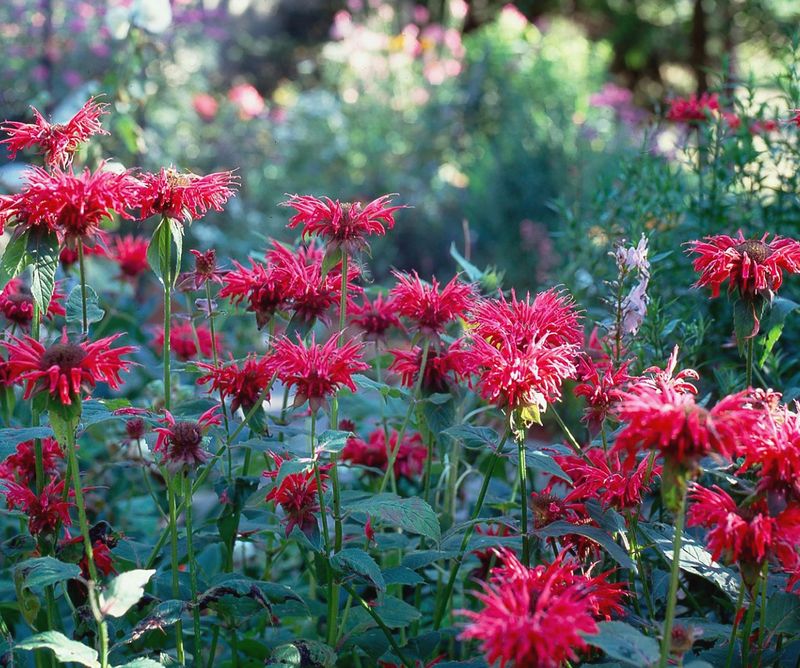
That neat, tidy fall cleanup might feel good, but it can leave wildlife hungry and homeless all winter. Many common garden plants hold seeds for birds and hollow stems where native bees sleep until spring.
When we chop them down, we take away food and shelter right when animals need it most. Here are 10 plants worth leaving alone a little longer, and why your backyard visitors will thank you.
1. Purple Coneflower
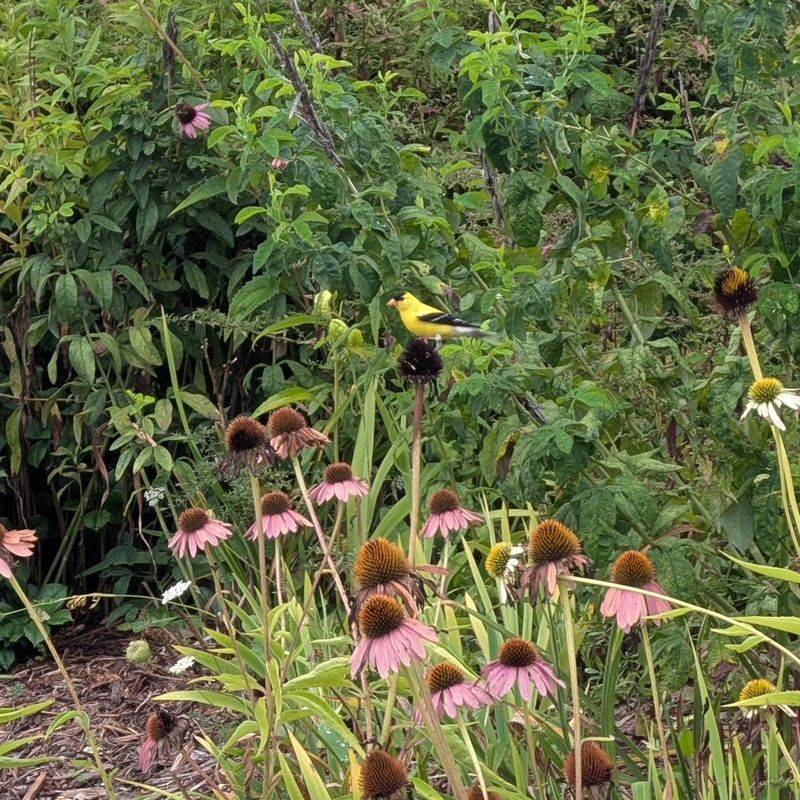
Picture a bright yellow goldfinch swinging on a brown, spiky seed head in November. That little acrobat is eating dinner, and the table is your old coneflower patch.
Once the purple petals drop, the cone left behind is packed with seeds that finches, chickadees, and juncos love.
Many gardeners snip these stalks the moment they turn brown because they look messy. The trouble is, that is exactly when the seeds ripen.
Cutting them early is like clearing the buffet before the guests arrive.
Leaving the plants up also helps tiny insects that tuck themselves into the dense cones and leaf litter at the base. Those insects become protein for birds later in winter.
Plus, the dark seed heads look striking poking through a light snowfall.
Here is a fun bit of history. Native Americans used coneflower roots as medicine long before it became a garden favorite, and it is still sold as the herbal remedy echinacea today.
Wait until early spring to cut stems back to a few inches above the ground. By then the birds have picked the cones clean, and fresh green growth is just starting to peek out underneath.
You may even find a few volunteer seedlings popping up nearby.
2. Black-Eyed Susan
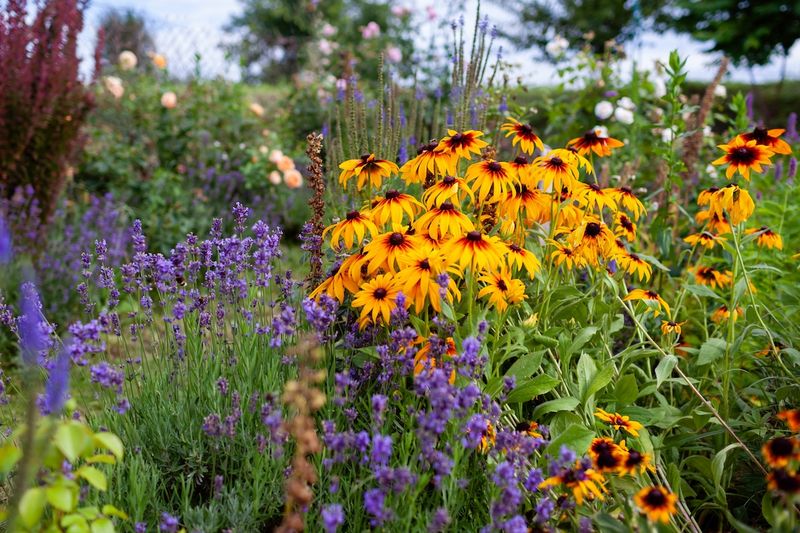
Cheerful all summer, black-eyed Susans have a second act that most people never see. When the golden petals fade, those dark button centers turn into tiny seed pantries.
Sparrows, finches, and cardinals will happily pick at them for weeks.
Gardeners often pull or mow these plants down because the leftover stems look tired. Yet those stiff stalks do real work.
They catch falling leaves and snow, creating cozy pockets where beetles, spiders, and other small creatures spend the winter.
Native bees benefit too. Some ground-nesting species rely on the undisturbed soil around clumps like these, and stomping around for cleanup can disturb their nests.
Leaving the patch alone gives everyone a quieter season.
Did you know black-eyed Susan is the state flower of Maryland? It is also one of the easiest native plants to grow almost anywhere in the country, handling heat, drought, and poor soil like a champ.
Want a tidy look without hurting wildlife? Trim only the stems along a walkway edge and let the rest stand in the back.
Come spring, cut everything down and toss the stems in a corner pile, where any late sleepers can still crawl out safely when the weather warms.
3. Sunflowers
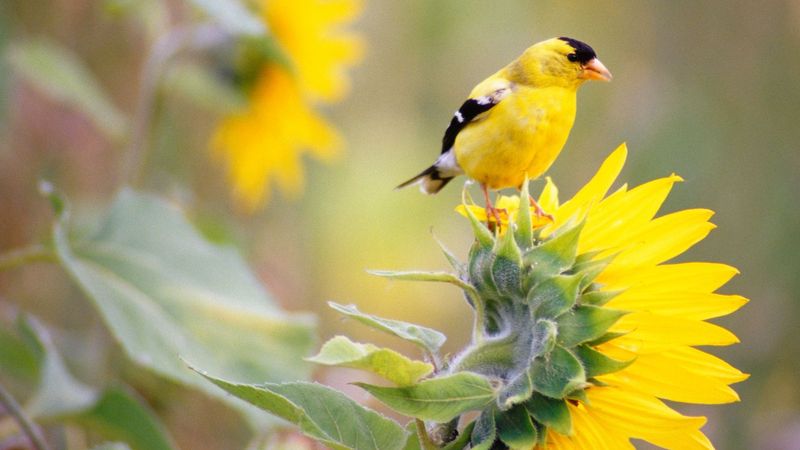
Nothing says birdfeeder quite like a giant sunflower bowing its heavy head in October. You grew it, so why not let it feed the neighborhood?
A single big head can hold well over a thousand seeds.
Plenty of people yank sunflowers out as soon as they droop, figuring the show is over. In truth, the best part is just getting started.
Blue jays, chickadees, nuthatches, and titmice will hammer away at those seeds, and squirrels will try their luck too.
If squirrels are winning too often, you can slip a mesh bag over a few heads and leave the rest open. That way you share the harvest fairly.
Some gardeners cut a couple of heads and save them to set out later in deep winter when food is scarce.
Here is a cool fact. Young sunflowers actually follow the sun across the sky each day, a habit called heliotropism.
Once they mature, most heads settle into facing east.
The thick, sturdy stalks also make handy perches for birds scanning the yard. When spring arrives, pull the old stalks and chop them up for the compost pile, or leave a few standing as natural bird stakes.
4. Native Bee Balm
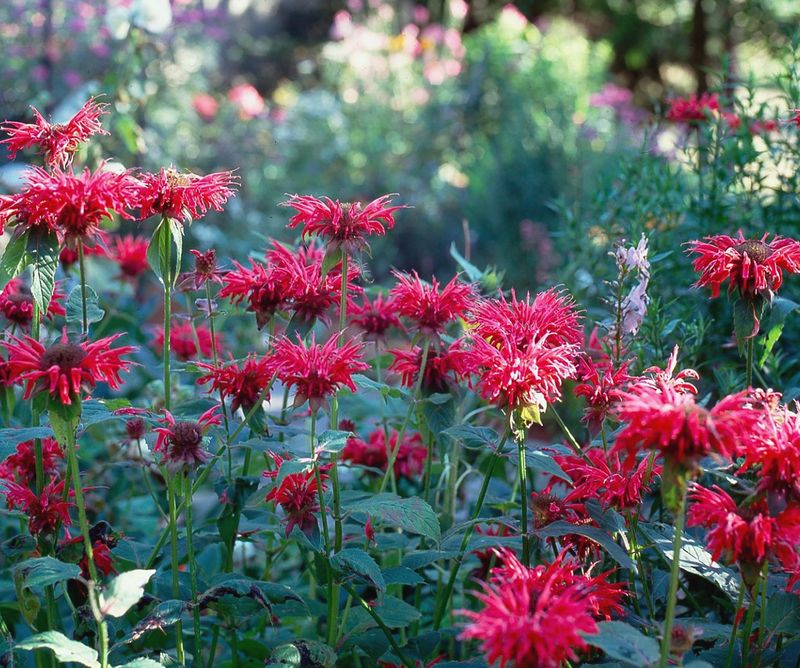
Ever wonder where bees go in winter? Many native bees, like small carpenter bees and mason bees, curl up inside hollow or pithy plant stems.
Bee balm, also called monarda, offers exactly the kind of upright stems they look for.
During summer this plant is a buzzing hotspot for bumblebees, hummingbirds, and butterflies. Cutting it to the ground in fall erases a winter shelter that pollinators may already be scouting.
Some bees even lay eggs inside stems so the next generation can hatch in spring.
The round seed heads add another perk. Small birds pick at them through the cold months, and they look like little brown pompoms against the snow.
The dried leaves still smell minty if you crush them.
A smart trick many wildlife gardeners use is called the stem stubble method. In spring, cut stems to about 12 to 18 inches tall instead of all the way down.
New leaves will quickly hide the stubs, and bees can nest in the hollow ends the following year.
That small change turns your flower bed into a living bee hotel. It costs nothing, takes less work than a full cleanup, and helps the very insects that pollinate your vegetables.
5. Ornamental Grasses
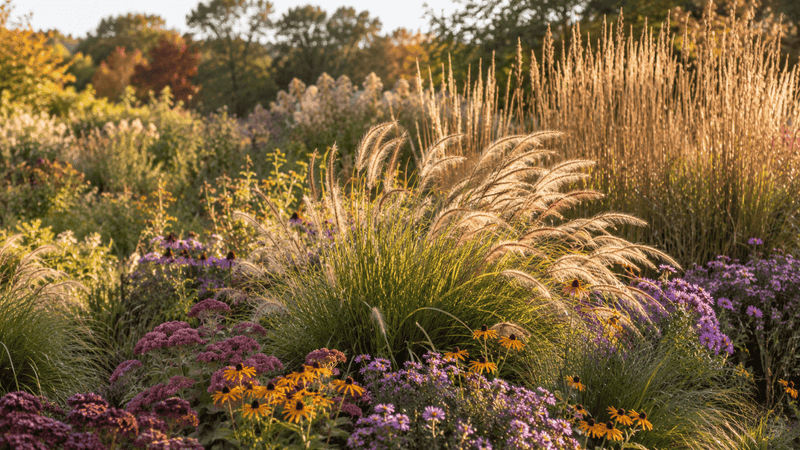
Swishing in the wind, golden and tan, ornamental grasses may be the prettiest thing in a winter yard. They also happen to be a five-star hotel for wildlife.
Switchgrass, little bluestem, and prairie dropseed are especially valuable.
Those dense clumps act like a windbreak. Ground-feeding birds such as juncos and sparrows duck inside to escape cold blasts and sneaky hawks.
Ladybugs and other helpful insects often hide deep in the base, waiting out the freeze.
The seed plumes count as food as well. Many native grasses drop seeds slowly through winter, giving birds a steady snack long after flowers are gone.
Cutting grasses in fall leaves bare stubs that can collect water, freeze, and sometimes damage the crown. Leaving the foliage up actually protects the plant itself.
So you are helping your grass and your wildlife at the same time.
Plan your cut for late winter or very early spring, before new green blades appear. A quick trick is to wrap the clump with a bungee cord or twine, then cut below it.
The whole bundle comes off in one neat piece, and cleanup takes just minutes instead of an afternoon of raking loose blades.
6. Goldenrod
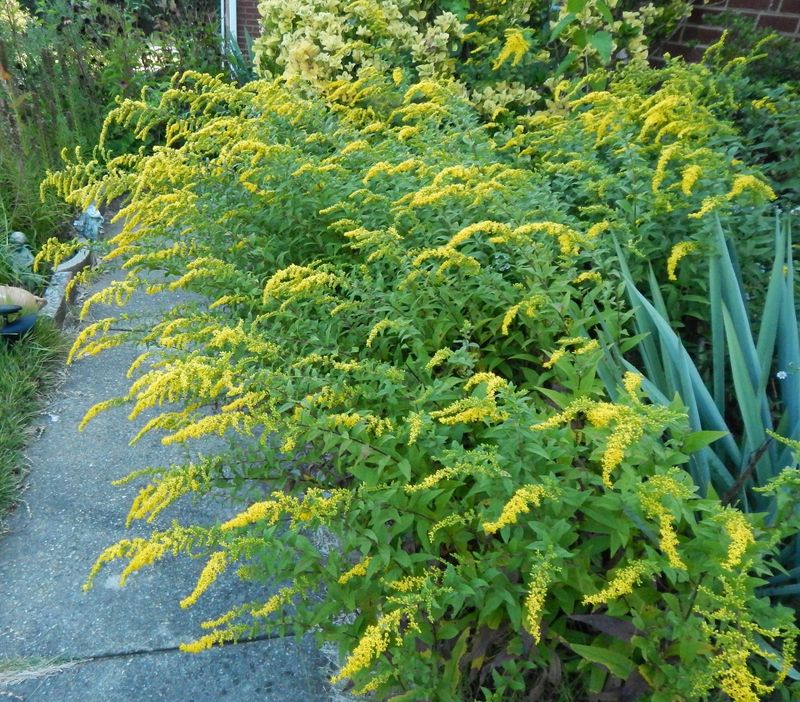
Poor goldenrod gets blamed for fall allergies, but ragweed is the real sneeze culprit. Goldenrod pollen is heavy and sticky, carried by insects rather than wind.
Once you know that, it is easy to appreciate this late bloomer.
In early fall, goldenrod is a lifeline for bees and migrating monarchs fueling up for the long trip. After flowering, the fluffy seed plumes feed small birds well into winter.
That alone earns it a spot on this list.
Look closely at the stems and you may spot round swellings called galls. Inside each one, a tiny fly larva spends the winter.
Downy woodpeckers and chickadees have learned to peck into these balls for a warm, protein-rich meal on frigid days.
If you cut goldenrod back in fall, every one of those little treats goes straight into the yard waste bin. Watching a woodpecker work over a gall in January is a pretty fun reward for doing less.
Leave the stems standing all season, then trim them in spring once temperatures stay above about 50 degrees. Goldenrod spreads, so this is also a good time to pull extra shoots and keep it from taking over your bed.
7. Sedum Autumn Joy
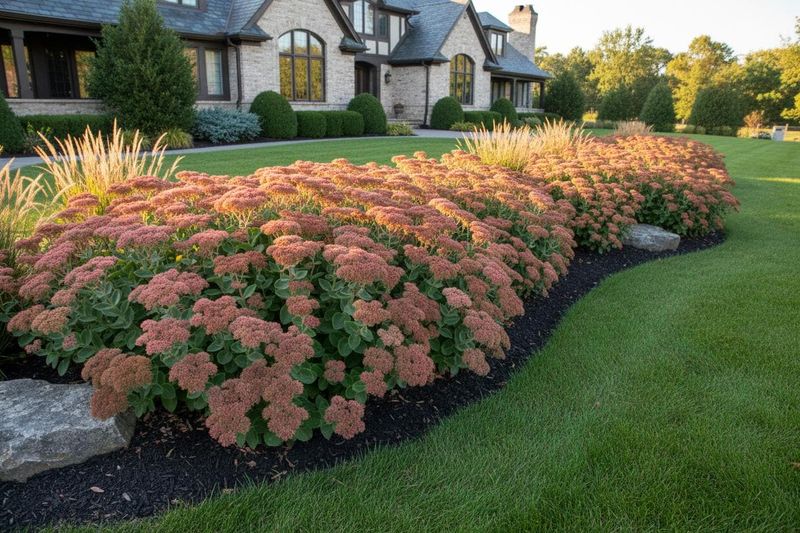
Some plants just look better with a hat of snow on top. Sedum Autumn Joy is one of them.
Its flat, broccoli-like flower heads dry to a rusty bronze and hold their shape all winter long.
In late summer and early fall, sedum is mobbed by honeybees, bumblebees, and butterflies. It blooms at a time when few other flowers are open, so pollinators depend on it to stock up before cold weather.
That timing makes it a quiet hero.
After the blooms fade, the sturdy stems stay upright and provide perches and small hiding spots. Tiny seeds feed a few birds, and insects shelter among the tight clusters.
The plant basically never looks messy, which makes skipping cleanup an easy choice.
Here is a gardener’s secret. Old stems protect the new growth buds forming at the base, shielding them from hard freezes.
Many growers say their sedum comes back stronger when left uncut.
In spring, you will spot small rosettes of fresh gray-green leaves pushing up. That is your cue to snap off the old dry stems by hand.
They usually break right off, no pruners needed, and the plant is ready for another season.
8. Joe Pye Weed
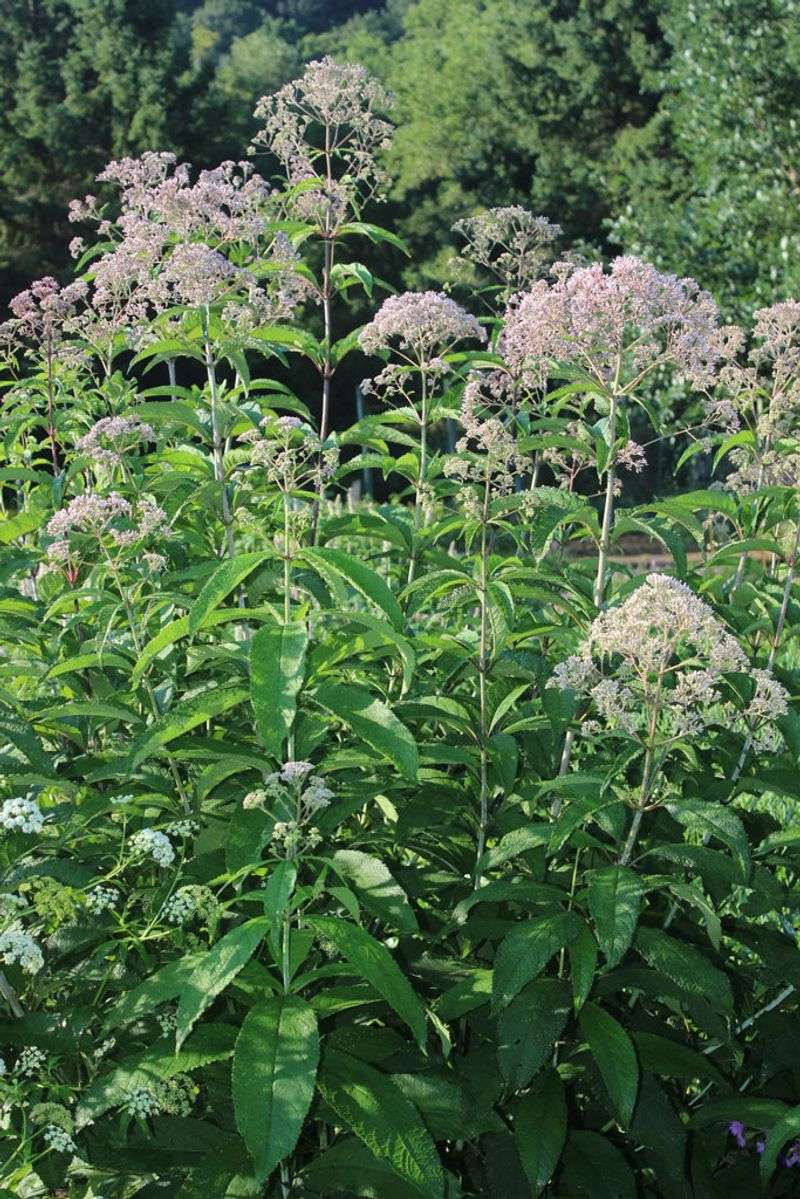
Towering up to seven feet tall, Joe Pye weed is the giant of the pollinator garden. In summer, its dusty pink flower domes draw swallowtails and bumblebees by the dozen.
Folks who grow it know how lively it gets.
Come fall, though, many people take one look at those tall brown stalks and grab the loppers. Hold off.
The stems are hollow, which makes them prime real estate for small native bees looking for a place to nest or overwinter.
The fluffy seed heads are a bonus for finches and sparrows. They also add height and texture to a winter garden that might otherwise look flat and empty.
Tall stalks give birds a lookout point too.
According to folklore, the plant is named after a healer called Joe Pye who used it to treat fevers in colonial New England. Whether the story is fully true is debated, but the name has stuck for centuries.
If the plants flop over in heavy snow, that is fine. Bent stems still shelter insects.
In spring, cut stalks to around 15 inches so bees can use the open tubes, and new growth will quickly surround them.
9. Asters
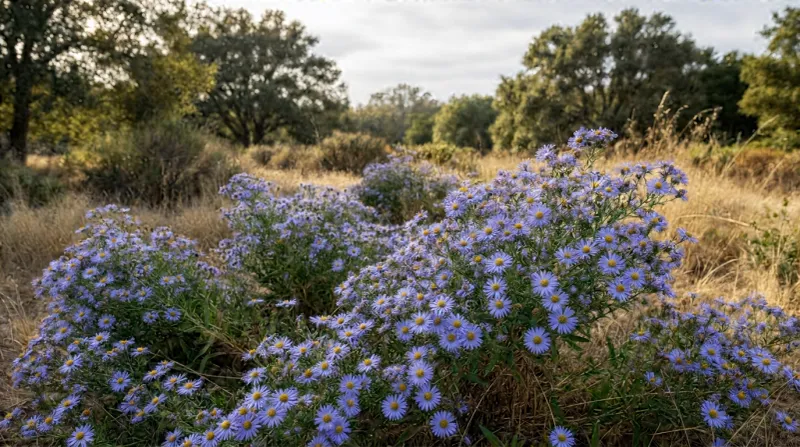
Late October, and almost everything has stopped blooming. Then there are asters, still covered in purple and blue daisies, buzzing with the last bees of the year.
They are often the final fuel stop before winter.
New England and aromatic asters are especially loved by pollinators. Bumblebee queens getting ready to hibernate need a big nectar meal, and asters deliver.
Cutting them back as soon as they fade cuts off that late food supply.
Once the flowers finish, small fluffy seeds form. Juncos, chickadees, and goldfinches pick through them.
The dense, twiggy stems also catch leaves, building a cozy layer of mulch at the plant’s base where insects and their eggs rest safely.
Fun fact: the name aster comes from the Greek word for star, thanks to the starry shape of each bloom. Some gardeners call them Michaelmas daisies because they flower near that late September holiday.
To keep plants compact next year, try pinching new shoots back in early summer instead of cutting in fall. You will get bushier plants and more flowers.
Save the full trim for spring, when fresh green growth begins to appear at the base.
10. Raspberry and Elderberry Canes
Fruit growers love a clean berry patch. But those old canes you prune in fall might be holding tiny tenants.
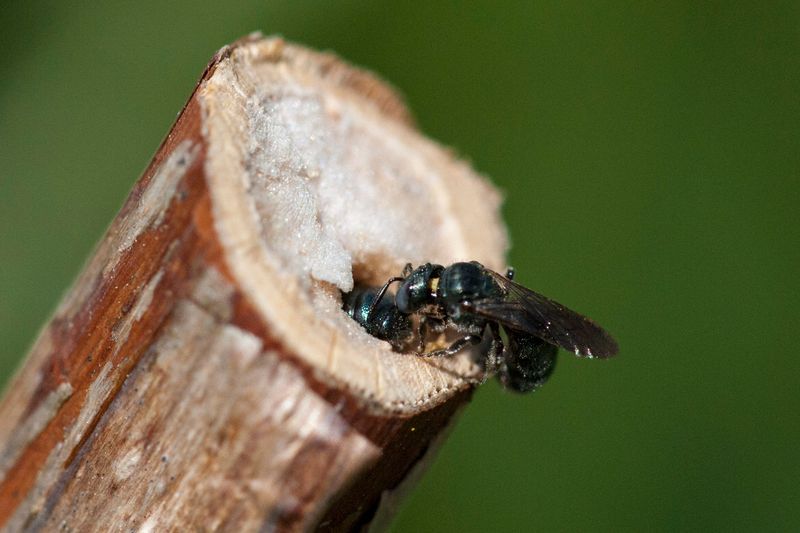
Raspberry, blackberry, and elderberry stems are filled with soft pith that small carpenter bees hollow out for nests.
These bees are smaller than a grain of rice and totally harmless. They do not damage healthy plants, and they help pollinate fruit and flowers.
By leaving a few older canes standing, or saving the cut pieces, you give them a safe winter home.
Elderberry also offers berries that birds strip quickly, and any dried clusters left behind still attract curious visitors. Thorny raspberry thickets give songbirds protection from predators and cats.
You do not have to give up on tidy pruning. Cut out the old canes as normal, then bundle the pieces and lean them upright against a fence or tuck them in a quiet corner.
Bees inside can still emerge in spring.
Another easy option is cutting canes at different heights, leaving stubs 8 to 24 inches tall. That exposes fresh pith, inviting new nesters.
It is a simple, free way to support bees that work hard in your garden every single summer.