
When the first chilly nights roll into California, your bird feeder suddenly gets a lot busier. Some birds fly down from the mountains, while others travel all the way from Alaska and Canada to spend the winter in our mild yards.
Knowing who shows up first helps you stock the right seeds and enjoy a front-row seat to one of nature’s best seasonal shows. Here are the seven early arrivals worth watching for.
1. White-crowned Sparrow
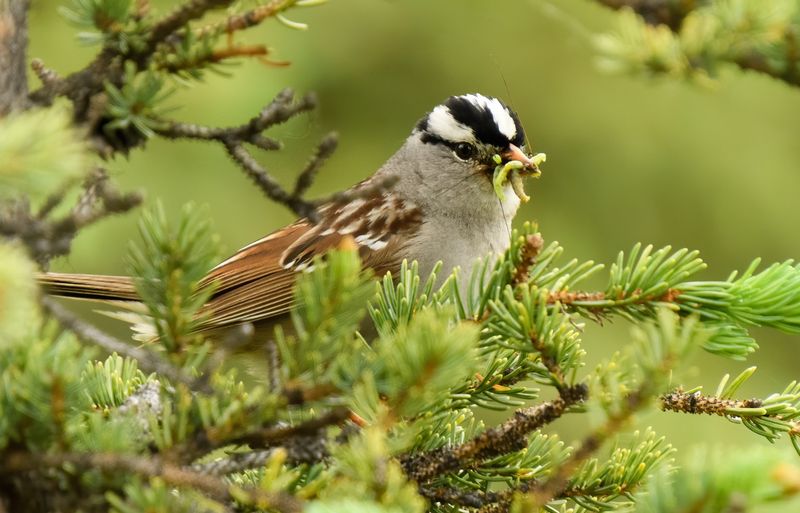
Listen for a clear, whistled song on a foggy October morning, and you may hear the first winter guest before you see it. White-crowned Sparrows arrive in huge numbers from northern breeding grounds, and many return to the exact same yard year after year.
Their striped black-and-white caps make them easy to spot, even for beginners. They prefer to feed on the ground, so they will happily clean up millet and seed that spills from your hanging feeders.
Want to keep them around? Leave a brushy shrub or a pile of trimmed branches nearby where they can dash for cover.
Native plants like coyote brush or California sagebrush give them a safe hideout between snacks.
2. Dark-eyed Junco
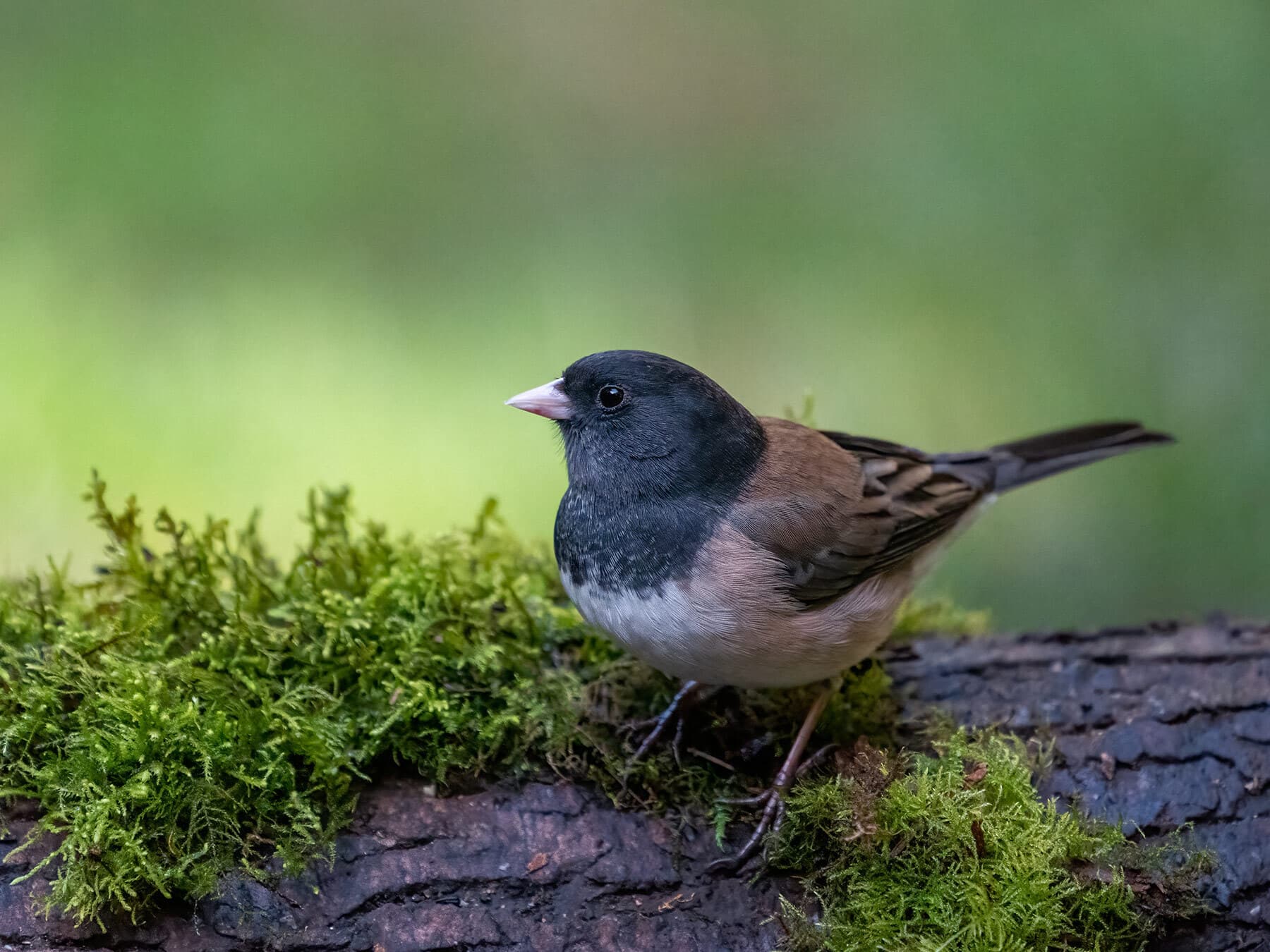
Folks in the Sierra foothills sometimes call them snowbirds, and for good reason. Once mountain nights turn icy, Dark-eyed Juncos drift downhill into towns and suburbs, often in friendly little flocks.
The California version usually wears a dark gray or black hood with a rusty back and a pale pink bill. Watch for the flash of white outer tail feathers when one flies off.
It looks like a tiny magic trick.
Juncos love low platform feeders or seed scattered on a flat rock. Hulled sunflower chips and white millet are favorites.
Because they hop and scratch like small chickens, a tidy patch of mulch under your feeder gives them the perfect dining room.
3. Golden-crowned Sparrow
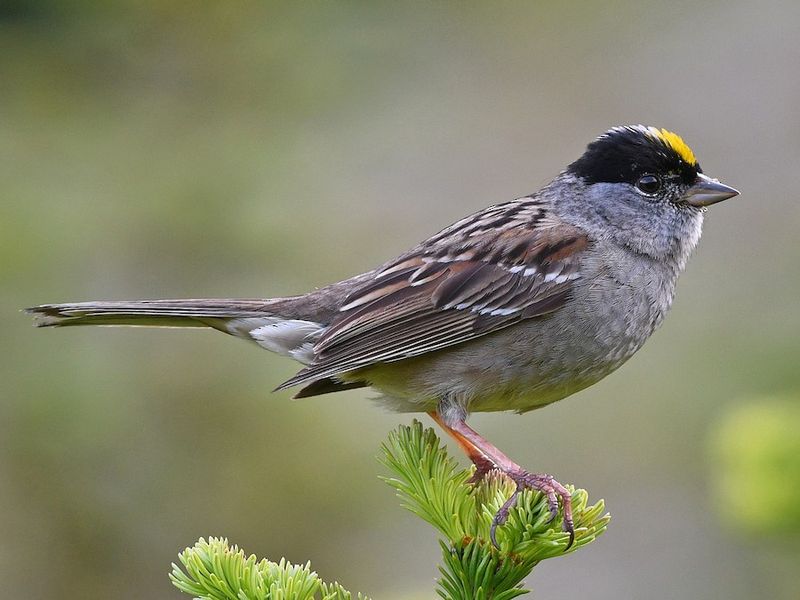
Three sad, falling notes that sound like someone singing ‘oh dear me’ are the calling card of the Golden-crowned Sparrow. Many Californians say that song is how they know winter has truly started.
Fun fact: this bird spends its summers in Alaska and western Canada, then flies south to the West Coast almost exclusively. That means it is a special treat that most of the country never sees at its feeders.
Golden-crowns are a bit shy and like to stay close to thick bushes. Plant toyon or coffeeberry near your feeding area, and you will give them both shelter and winter berries.
They also nibble on tender new garden sprouts, so protect your seedlings with a little netting.
4. Yellow-rumped Warbler
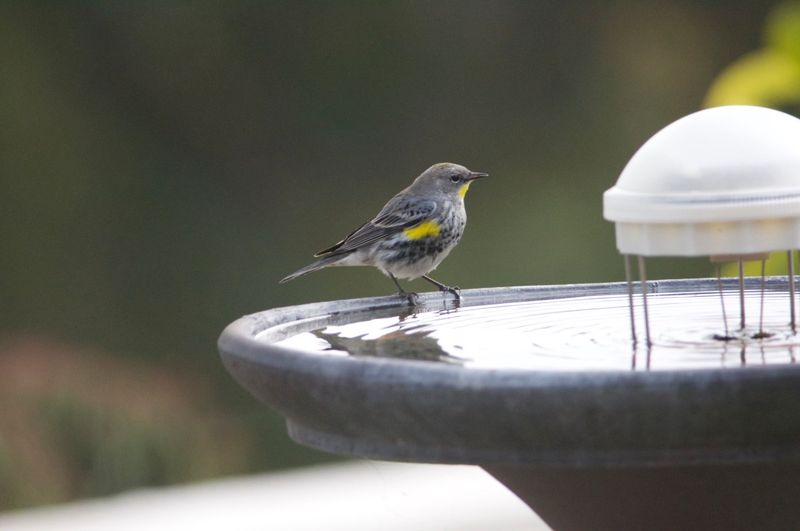
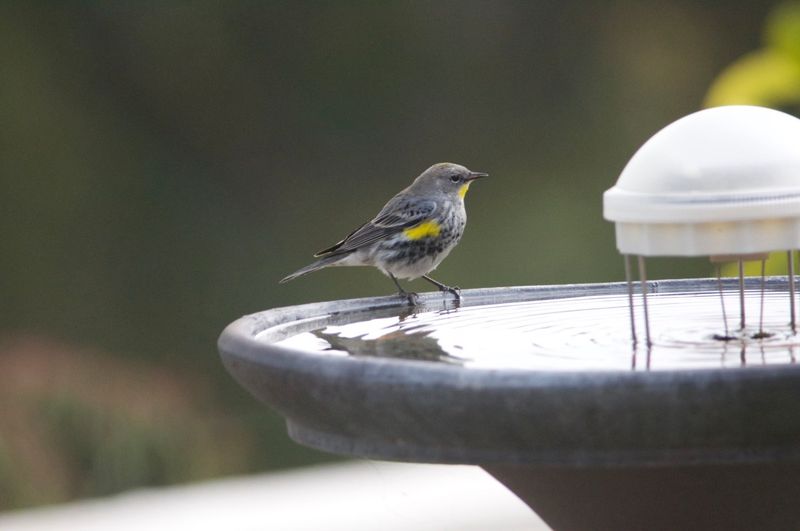
Birders affectionately nickname this one the ‘butter-butt,’ and once you see that bright yellow patch on its rear, you will understand why. Yellow-rumped Warblers pour into California each fall and become one of the most common winter birds around.
Most warblers only eat insects, but these clever birds can also digest waxy berries. That skill lets them survive cold months when bugs are scarce.
So what draws them to a feeder? Suet cakes and mealworms work best.
They will also visit a shallow birdbath, especially on dry winter days between rainstorms.
5. Ruby-crowned Kinglet
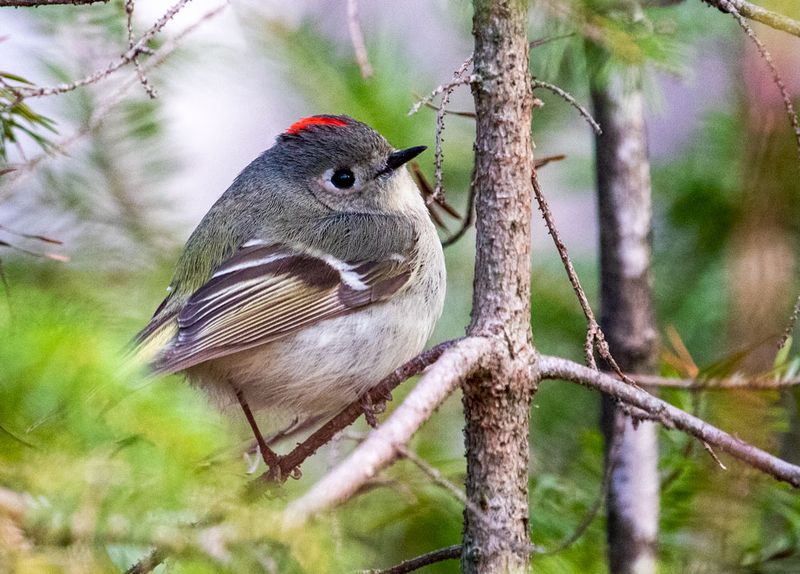
Blink and you might miss it. The Ruby-crowned Kinglet weighs about as much as two pennies, and it almost never sits still.
This tiny olive-green bird flicks its wings constantly as it hunts through leaves for insects and spider eggs. The ruby crown is usually hidden, but when a kinglet gets excited or annoyed, a bright red patch pops up on its head like a little warning flag.
Kinglets are not big seed eaters. You will have better luck with suet, a heated or fresh water dish, and plenty of native trees like coast live oak, which hosts loads of the tiny insects they need.
Think of them as bonus visitors who stop by to check your garden’s health.
6. Hermit Thrush
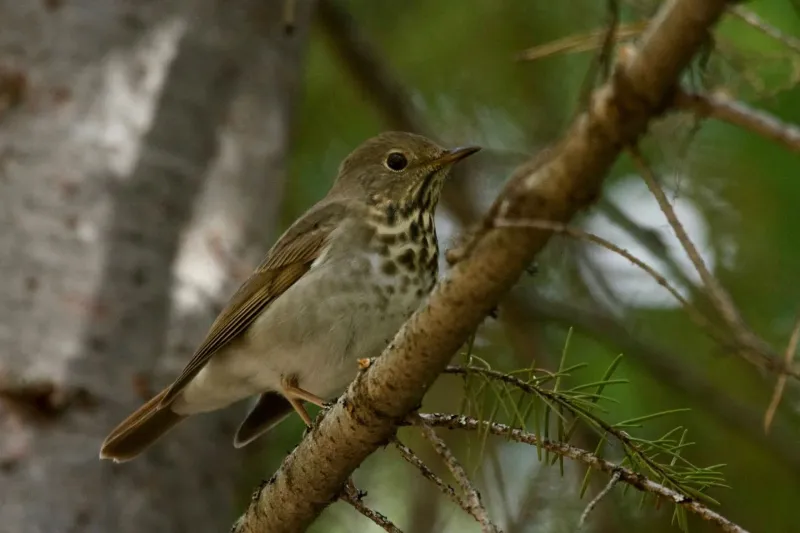
Quiet, polite, and a little mysterious, the Hermit Thrush slips into shady California gardens when temperatures drop. It often stands still, then slowly raises and lowers its reddish tail, as if thinking things over.
Its spotted chest makes it look a bit like a small robin’s cousin, and in fact the two are related. In summer it sings one of the most beautiful songs in North America, though in winter you will mostly hear a soft ‘chuck’ call.
Hermit Thrushes rarely land on hanging feeders. Instead, offer mealworms in a low dish and leave fallen leaves under your shrubs so they can flip them over for bugs.
Berry-producing natives like California holly grape make your yard even more inviting.
7. Pine Siskin
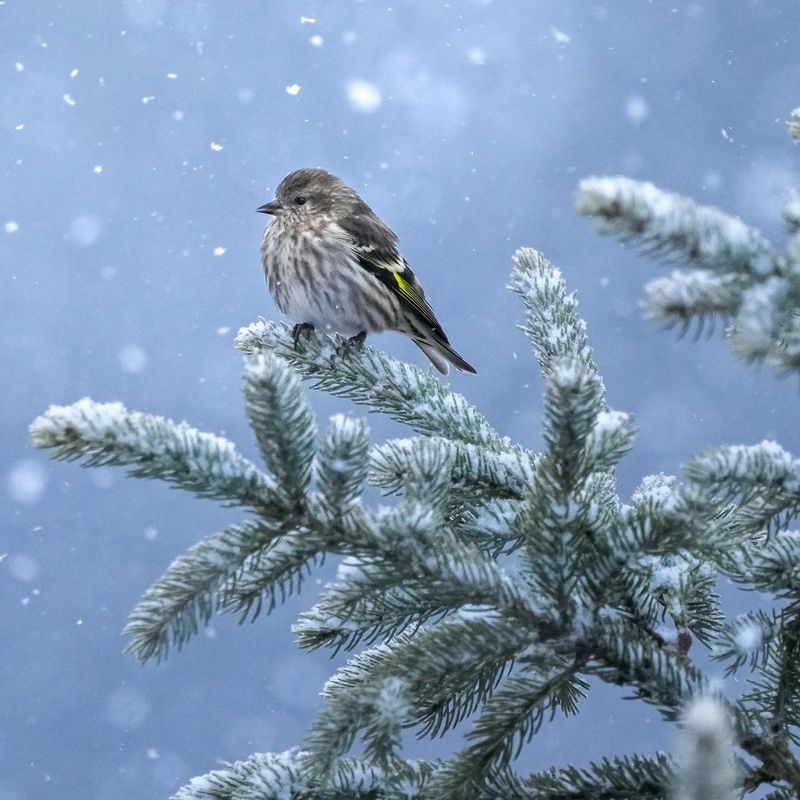
Some winters you get none. Other winters, dozens of Pine Siskins suddenly swarm your thistle feeder all at once, chattering and squabbling like a rowdy school bus.
These streaky little finches are known as irruptive birds. That means they wander wherever seed crops are good, so their arrival is never guaranteed, which makes spotting them feel like winning a small prize.
Fill a tube feeder with nyjer seed or sunflower hearts to catch their attention. Because siskins gather in tight crowds, clean your feeders every couple of weeks to stop diseases like salmonella from spreading.
A quick scrub with a mild bleach solution keeps the whole flock healthy.
Once the cold nights arrive, these seven visitors turn an ordinary California yard into a lively winter hangout. A few smart seed choices and some native shrubs are all it takes to roll out the welcome mat.