
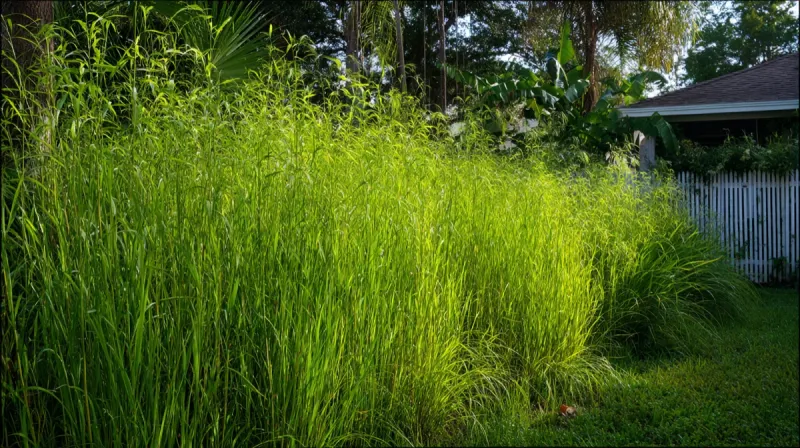
Torpedograss can take over a Florida flower bed because the part you see is only a small piece of the plant. Underneath the soil, tough rhizomes keep living even after you pull or spray the green shoots.
Casual pulling often leaves those rhizomes behind, and the grass comes right back. Knowing what you are fighting, and what each tool can and cannot do, helps you avoid wasted effort and damaged flowers.
Is that torpedograss?
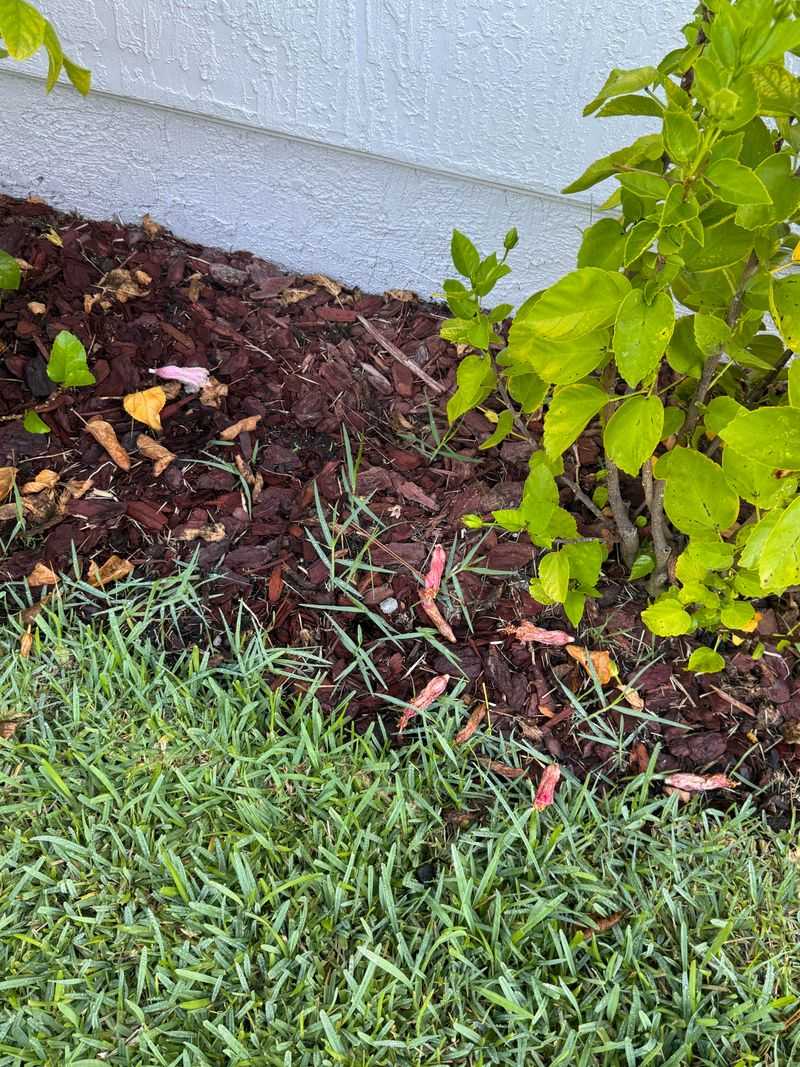
Before you pull or spray anything, make sure you know what is growing in the bed. Torpedograss is a perennial grass that spreads by creeping rhizomes and sometimes by stolons that run along the soil surface.
Those underground stems are the key clue, and they are far tougher than the blades above ground.
Look closely at the rhizomes if you can dig one up. According to UF/IFAS guidance on torpedograss in landscape beds, the pointed, torpedo-shaped rhizome tips help separate it from maidencane, a similar-looking native grass that lacks those rhizomes.
Lookalikes are a real problem, since treating the wrong grass wastes product and effort. If you are not sure, take clear photos and a sample to your local extension office.
The University of Florida Herbarium also offers plant identification help for tricky cases. Get a firm answer first, then decide how to act.
The visible grass is only part of the problem
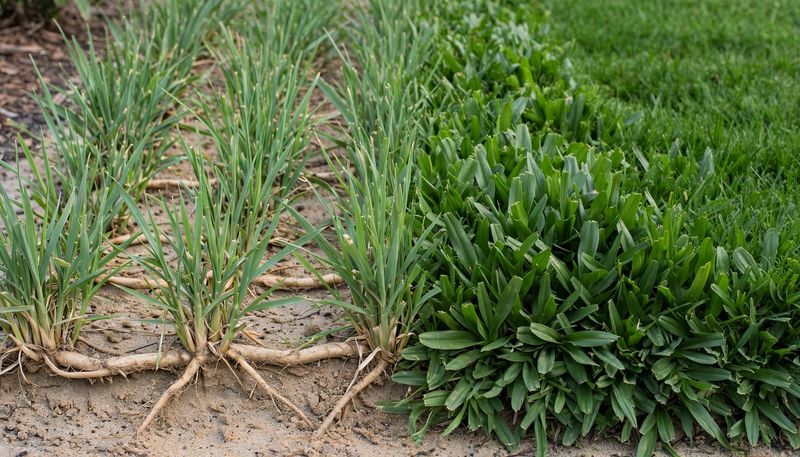
Think of torpedograss like an iceberg. The leaves you mow, snip, or yank are the small part, while a web of rhizomes stays hidden in the soil.
Those rhizomes carry buds, and each bud can send up a fresh shoot.
That is why a bed can look clean for a few weeks and then fill in again. As UF/IFAS explains, cutting or pulling only the visible shoots often leaves the rhizomes behind.
Disturbing the soil can also break rhizomes into pieces, and viable fragments can regrow.
The U.S. Forest Service species review of torpedo grass also describes regrowth from surviving underground parts as a common pattern.
Regrowth after a first attempt does not mean you did something silly. It is simply how this grass behaves.
Understanding this changes the goal. You are not just removing leaves.
You are trying to deal with the underground network without scattering it around the bed.
Pulling is not always wrong—but casual pulling is unreliable
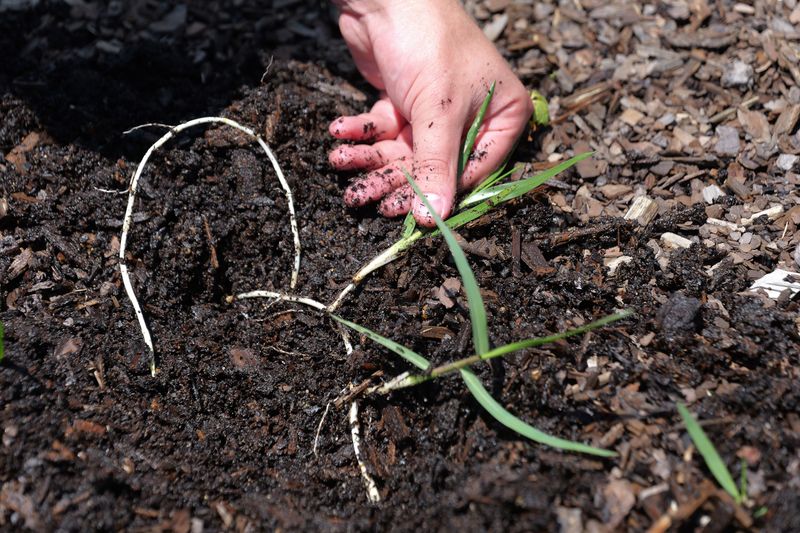
Tugging on the green blades, or running a hoe lightly across the surface, tends to leave rhizomes in the ground. It can also chop them into fragments that spread through the bed.
Used as a control plan, these quick methods are unreliable.
Careful digging is a different story. UF/IFAS says hand weeding is generally ineffective, but digging out all of the rhizomes may work in a very small, confined patch.
The catch is the word all. Rhizomes snake under roots, edging, and rocks, and a small broken piece may be enough to start again.
Digging near flowers and shrubs also tears up their roots.
If your patch is the size of a dinner plate and sits away from plant roots, a slow, thorough dig may be worth trying. Bag everything you remove and keep it out of the compost.
If the grass is tangled through a larger bed, digging is not a dependable plan.
Choose treatment around the plants in the bed
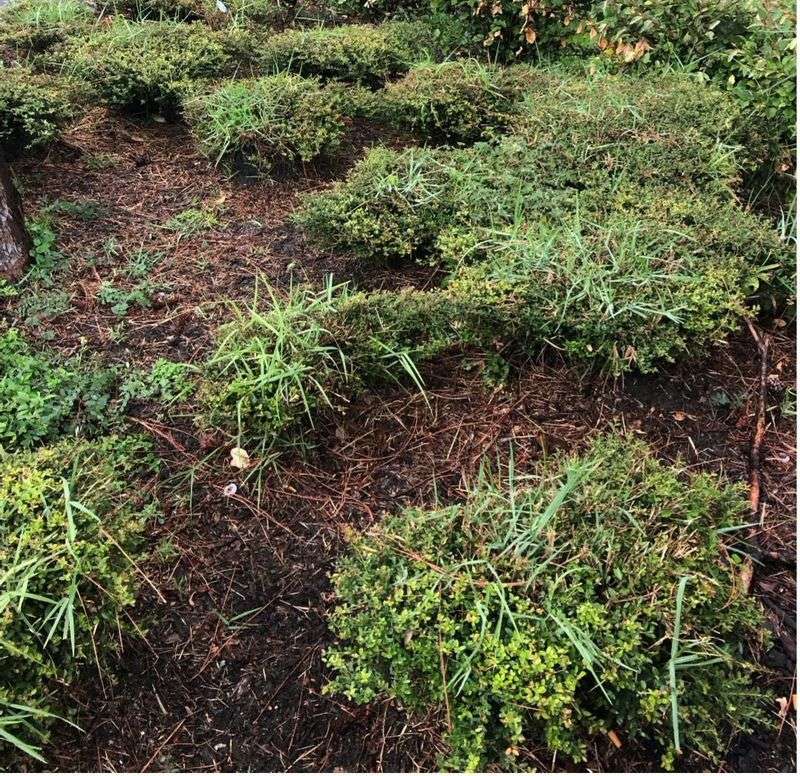
The best treatment depends on where the grass is growing. Start by sorting your bed into two situations: grass you can reach without touching your flowers, and grass woven through the canopy of a shrub.
For the first case, UF/IFAS describes a directed postemergence application of glyphosate as an option. Directed means the product lands only on the grass.
Glyphosate can injure many desirable plants, so use it only when you can truly keep it off them. Repeat applications are often needed.
For the second case, UF/IFAS identifies fluazifop-P-butyl or sethoxydim as possible over-the-top options for certain broadleaf ornamentals. They are not safe for every flower or shrub, and the UF/IFAS guide to postemergent herbicides for ornamentals is a good place to see how choices differ by plant type.
These approaches also differ in results. Control with the grass-selective products is typically slower or less complete, and repeat treatments may be needed.
Before buying anything, read the exact product label. Confirm that your specific ornamental and your site are listed, then follow the label on method, protective equipment, and repeat treatment.
A generic weed spray is not a control plan
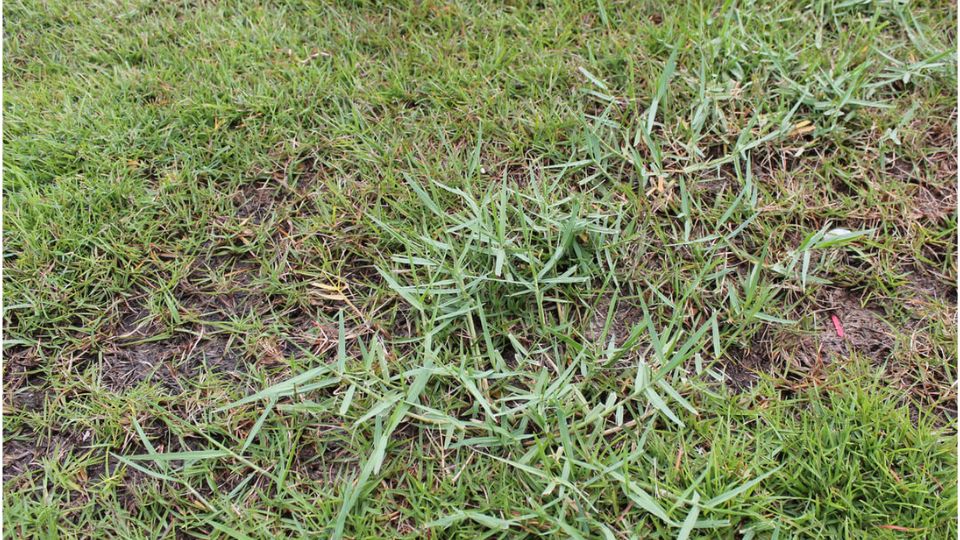
Walk down a garden center aisle and the bottles all promise to kill weeds. They are not interchangeable.
A quick-burning contact herbicide damages the leaves it touches, but UF/IFAS notes that contact products do not move throughout the plant and often need follow-up. Against a grass with rhizomes, that can mean the tops burn off while the roots survive.
Products also differ in what they target, where they are allowed, and how much harm they can do to ornamentals.
Keep aquatic and natural-area advice out of your flower bed. Those uses require products labeled for those sites, as covered in the UF/IFAS natural areas management guide.
Along the same lines, the ornamental-bed guidance from UF/IFAS says imazapyr is not labeled for landscape use and can severely injure or kill ornamentals, so do not use it in a home bed.
The label is your rulebook. As the EPA explains, pesticide labels give product-specific directions that are legally enforceable.
Rates, permitted sites, and precautions differ by formulation, so no single dilution works for everything.
Plan to check for regrowth
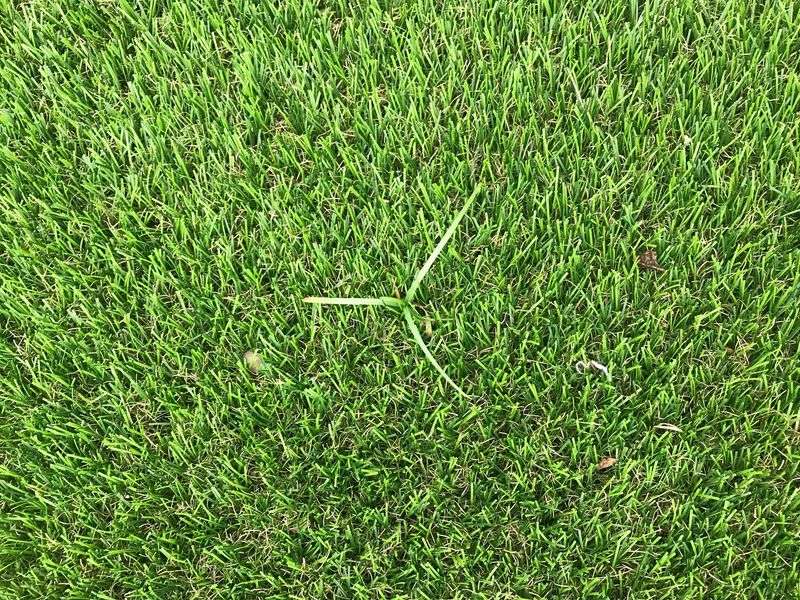
Even a well-planned treatment may not finish the job. Rhizomes that survive can push up new shoots, which is frustrating but common.
UF/IFAS notes that repeated applications are often needed.
The U.S. Forest Service species review likewise reports regrowth after control efforts, so long-term success is never assured.
No one can promise how many rounds your bed will take.
A simple habit helps. Walk the bed on a regular schedule, perhaps every couple of weeks while the grass is actively growing, and look for pale green blades poking through mulch or along edges.
Mark trouble spots with small flags so you can find them again.
When new shoots appear, treat them only as the product label permits. Labels set limits on how often and how soon you can reapply, and following them protects your flowers, your soil, and you.
Patience and notes about what you did and when will serve you better than another rushed spray.
Keep fragments and new infestations out
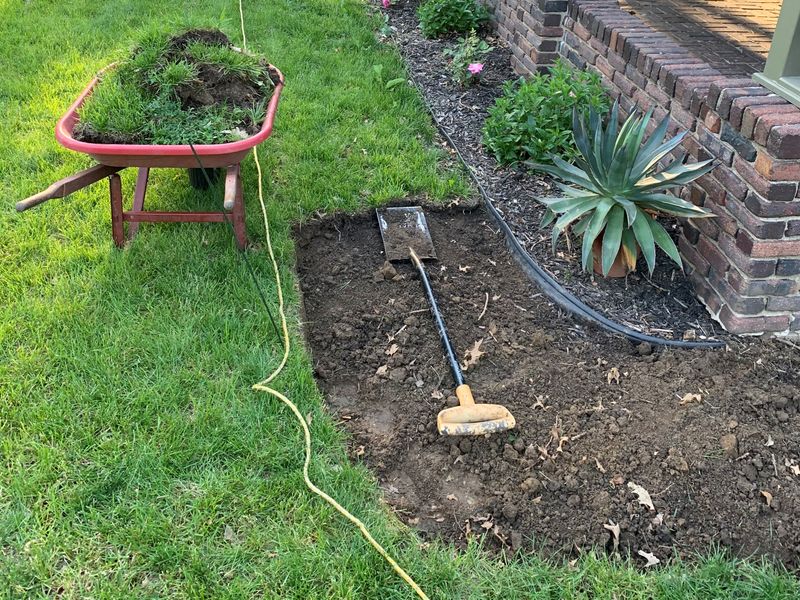
Once you have the patch under control, the next job is making sure it does not travel. Fragments hitch rides on shovels, mower decks, boots, and wheelbarrows.
Rinse and clean tools before moving from an infested area to a clean one.
Be careful with what you move, too. Avoid carrying infested soil or plant debris into clean parts of the yard, and bag clippings and dug-up rhizomes rather than tossing them near beds.
If a neighboring yard or roadside has torpedograss, UF/IFAS advises limiting spread from nearby infestations. It also recommends using reliable sources for soil, mulch, and hay.
Ask suppliers where their material comes from, and check new loads for pale, pointed rhizomes before spreading them.
The U.S. Forest Service review also describes how the plant spreads from pieces.
Prevention is separate from treating established plants. These steps cut down chances for reintroduction, but they do not promise the grass will never return.
Spend effort on an approach that fits the bed
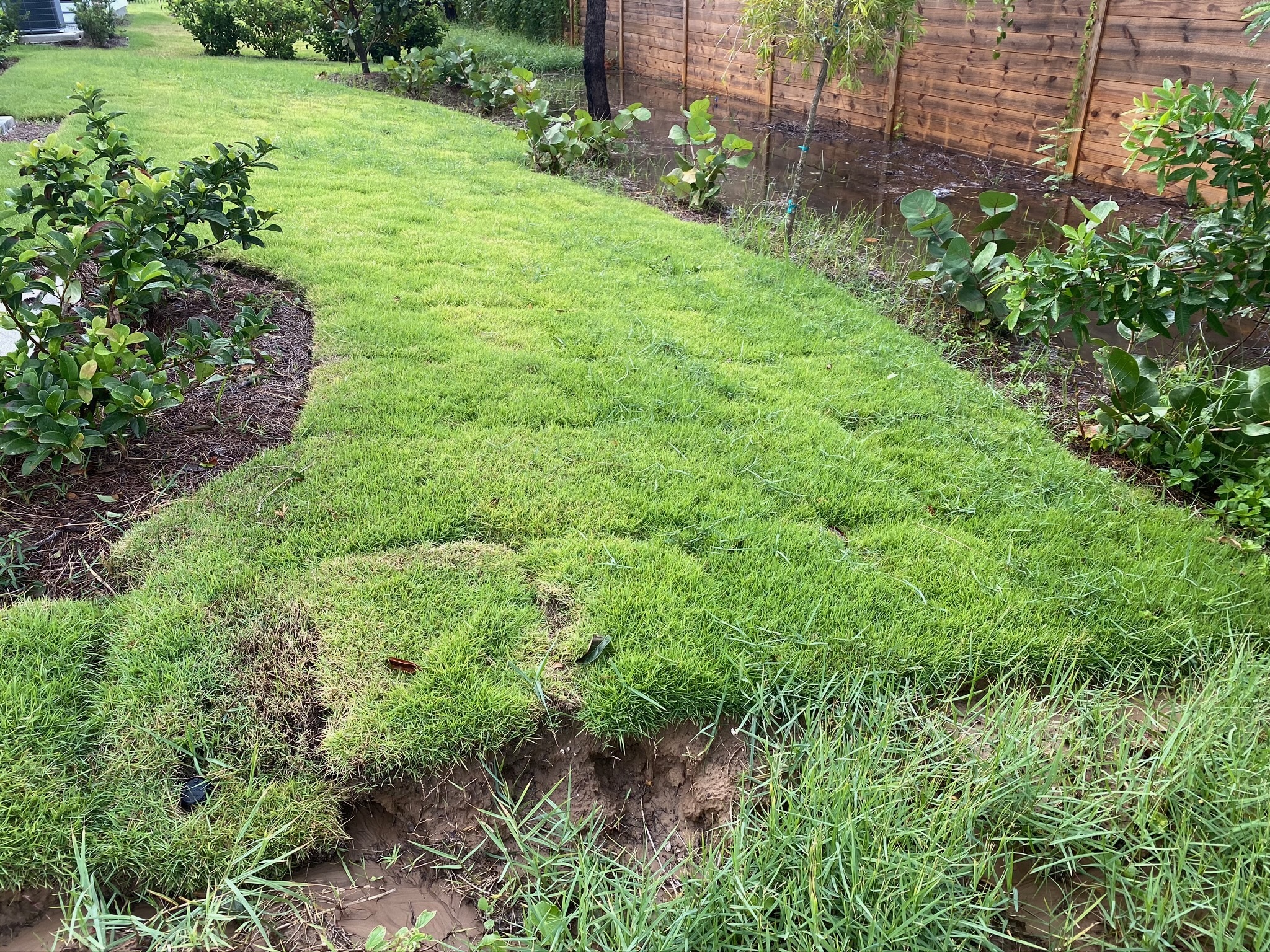
Start by confirming the plant, using extension help if the grass might be maidencane. Keep thorough digging for a tiny, confined patch where you can remove every rhizome.
For anything bigger, match a labeled herbicide to your bed and nearby plants, and follow the label exactly.
Then watch for regrowth and keep fragments from moving around. These steps help you avoid unsuitable or ineffective attempts, though the sources do not show which method is cheapest.
UF/IFAS guidance backs this careful approach.
Torpedograss rewards patience, not shortcuts.