
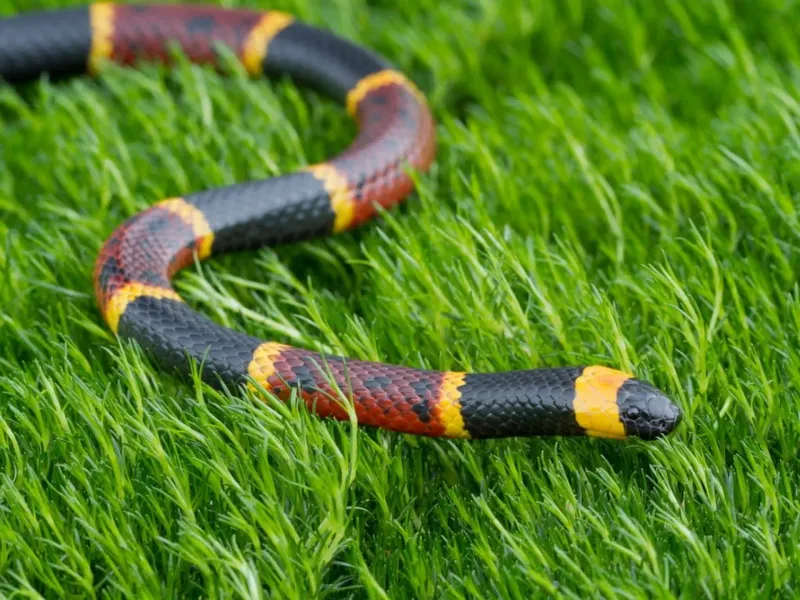
A coral snake bite can feel like almost nothing at first, and that is exactly what makes it dangerous. You might be raking leaves in your Florida yard, feel a small pinch, and see a wound that looks like a scratch.
The venom works on the nervous system, and trouble can show up hours later. Knowing what to do in the first few minutes can protect you and the people who share your home.
A coral snake bite can leave little to see
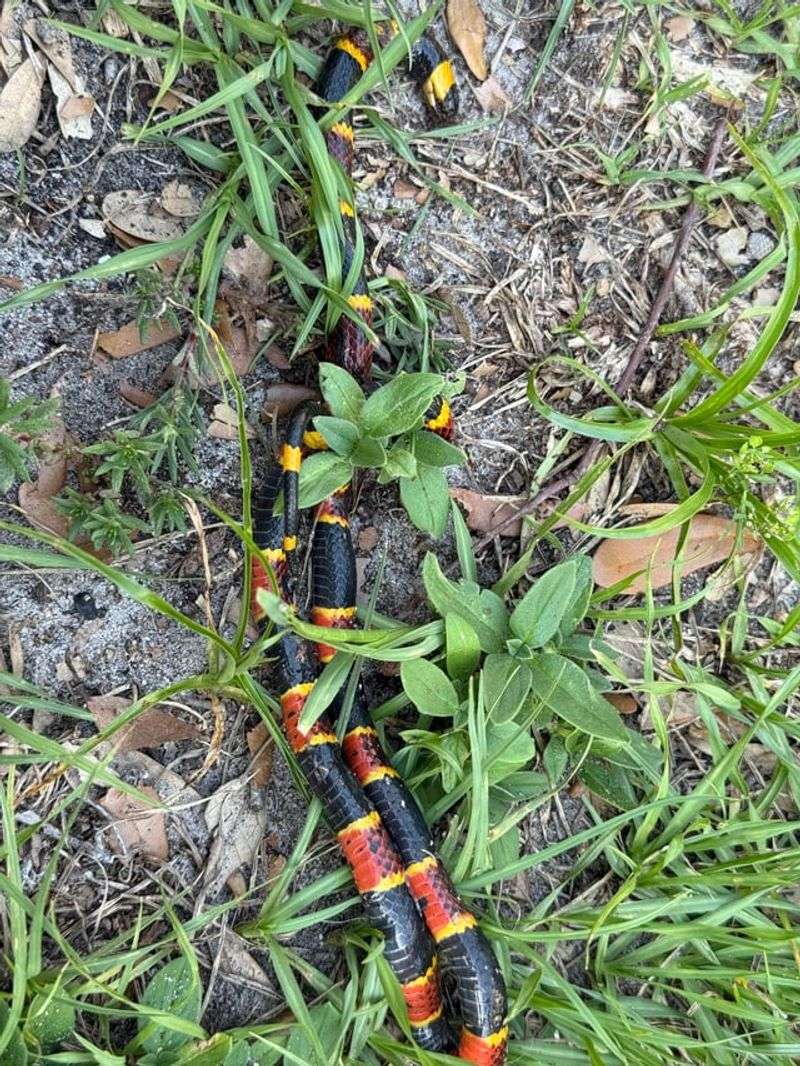
Picture a quiet Saturday of yard cleanup. You push a rake through a pile of oak leaves, feel a quick nip on your hand or ankle, and look down at a mark that seems too small to worry about.
That is how some people end up shrugging off a coral snake bite.
According to the NCBI Bookshelf review of coral snake toxicity, local effects can be minimal, and bite experiences vary from person to person. Some people may feel little pain or see little swelling.
That does not mean every bite is painless, but it does mean a calm-looking wound proves nothing.
Coral snakes have small fangs and tend to hold on and chew rather than strike and release, so the punctures can be hard to spot. CDC and NIOSH worker safety guidance notes that visible fang marks may be absent.
A bite that leaves almost nothing to see can still be a serious one.
The rule is simple. No swelling, no pain, no weakness, and no obvious fang marks cannot rule out a dangerous bite.
Florida Poison Control advises immediate emergency department care for a suspected coral snake bite, even when you feel fine. If you think you were bitten, treat it as real until professionals say otherwise.
The venom can affect the nervous system after a delay
Coral snake venom is mainly neurotoxic, which means it targets nerves rather than damaging tissue around the bite. That is why the skin can look fine while the trouble builds inside the body.
The NCBI Bookshelf review describes symptoms that may appear well after the bite.
Warning signs include drooping eyelids, blurred or double vision, slurred speech, trouble swallowing, and growing weakness. In severe cases the venom can cause paralysis and respiratory failure, which is when the muscles that power breathing stop working properly.
The American Heart Association and Red Cross first aid guidelines also list these nerve-related effects.
Timing is the tricky part. Symptoms may be delayed, and onset has been reported as late as 12 to 13 hours.
Treat that number as an upper-range report, not a safe waiting period and not a prediction. Some people may have symptoms sooner, and some may never develop them.
That uncertainty is the whole reason waiting is a bad plan. Nobody can tell from the first hour whether the next hour will be quiet or not.
Feeling well right after a bite is not the same as being cleared by a doctor.
What should you do before symptoms appear?
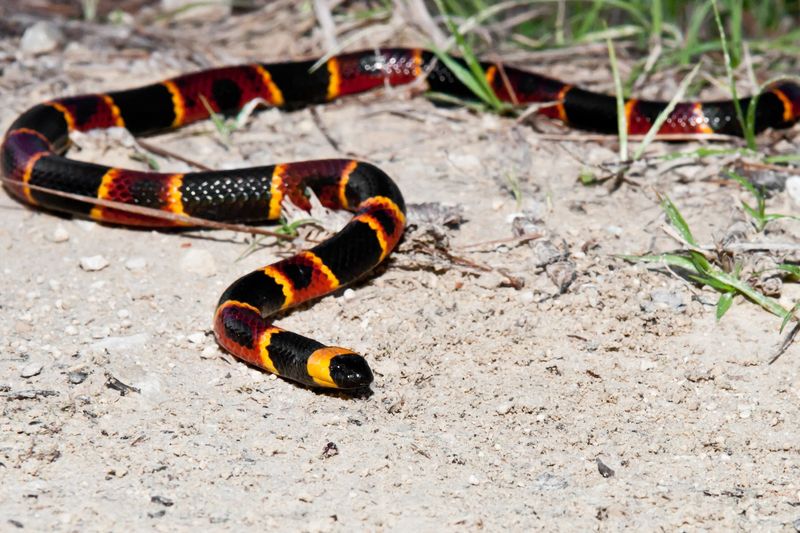
Call emergency services right away for any suspected venomous or possibly venomous snakebite. Do this before pain, swelling, weakness, or breathing trouble shows up, because those signs may arrive late or not at all in the early hours.
The 2024 AHA and Red Cross first aid guidelines say to get prompt hospital care rather than wait and see.
Florida readers have a second resource. Florida Poison Control specifically advises emergency department care right away for a suspected coral snake bite.
You can also reach poison specialists for guidance, but that call should never replace getting the person to a hospital.
Say what happened in plain words when you call: a possible coral snake bite, where on the body, and what time it happened. If you saw the snake, describe it from memory without going near it.
The dispatcher will decide how to get help moving.
It is tempting to play detective at home by checking the skin, watching for weakness, or deciding the bite was probably dry. Do not.
Emergency staff can monitor nerve function, breathing, and other signs that a person at home cannot judge. Their assessment, not a home guess, decides what happens next.
Keep the person still and make the trip safer
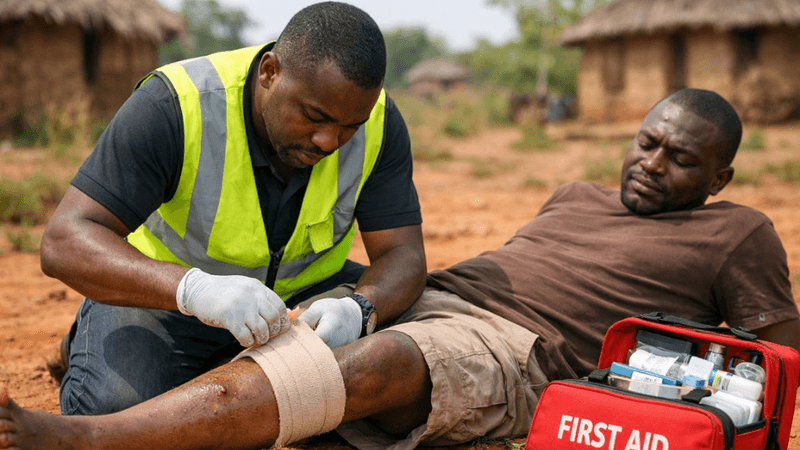
While you wait for an ambulance or arrange a ride, the goal is to keep things steady. Have the person sit or lie down, stay as calm as possible, and move as little as they can.
The AHA and Red Cross guidelines describe limiting movement without delaying care.
Take off rings, watches, bracelets, or anklets near the bite. If swelling does develop, tight items can become a problem fast.
If the wound can be washed and covered with a clean, dry dressing without losing time, do that too.
Here is the catch: every one of these steps is optional if it slows you down. If the choice is between removing a ring and getting in the ambulance, get in the ambulance.
None of this replaces or postpones emergency care.
Do not drive yourself after a snakebite. CDC guidance on reptiles and amphibians says to get to the hospital as soon as possible and not to drive after a bite.
Vision or muscle trouble can start without much warning, and a car is a poor place to find that out. Ask someone else to drive, or better, call for an ambulance.
Cutting, sucking, icing, and tourniquets waste time
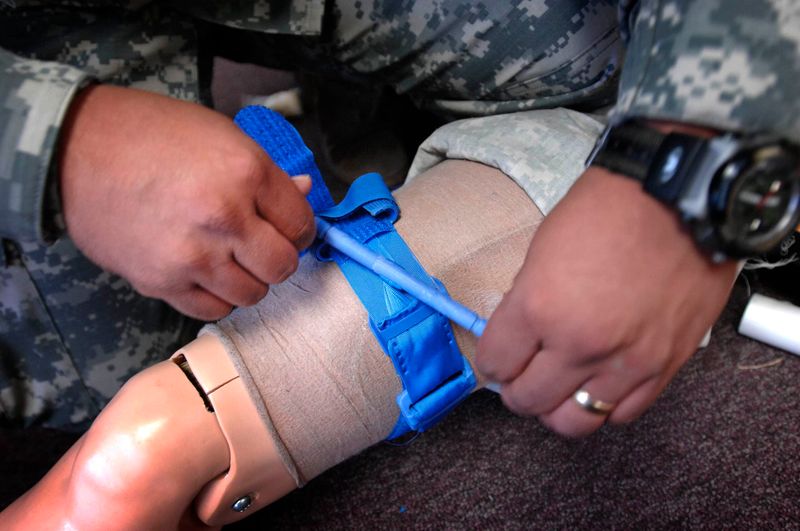
Old movie scenes have taught people some bad habits. Do not cut the wound, do not try to suck out venom, do not put ice on it, do not use a tourniquet, and never use electric shock.
The AHA and Red Cross guidelines and Florida Poison Control both steer people away from these methods.
Each one carries its own harm. Cutting can damage tissue and cause bleeding, ice can injure skin, and a tourniquet can hurt the limb.
None of them has a proven benefit, and all of them burn minutes you could spend getting care.
Pressure-immobilization bandaging is a separate question. That is a wrap applied over the bitten limb and a splint, and it is used in some other parts of the world.
The AHA and Red Cross say it is not currently recommended for snakebites in North America, so do not improvise one in your yard.
If your hands want something to do, put them to work calling for help, gathering a phone and ID, and keeping the person calm. A bite handled with no home treatment at all is far better than one handled with the wrong one.
Leave the snake alone; a safe photo is enough
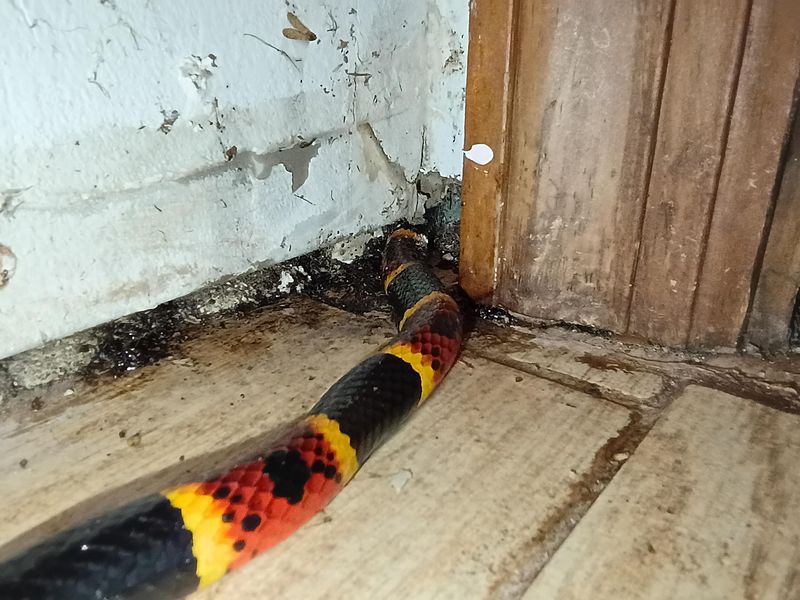
Florida has harmless snakes that look a lot like coral snakes, which is why the old color rhyme is a poor guide. Do not use it to decide whether a bite needs care.
Florida Poison Control warns about lookalikes, and a bite from any snake you cannot clearly identify deserves a medical check.
Never pick up, trap, or kill the snake to prove what it was. CDC guidance advises against handling it, and a second bite is a real risk.
Even a dead snake can still be dangerous.
A photo can help doctors, but only if someone can take it safely from a distance. If that means stepping closer, skip it.
Hospital teams can work without a picture.
One more trap: do not look for fang marks and relax if you find none. CDC and NIOSH note that coral snake fangs are small, so marks may be hard to see.
Missing marks do not mean there was no bite.
Let clinicians assess the bite and choose treatment
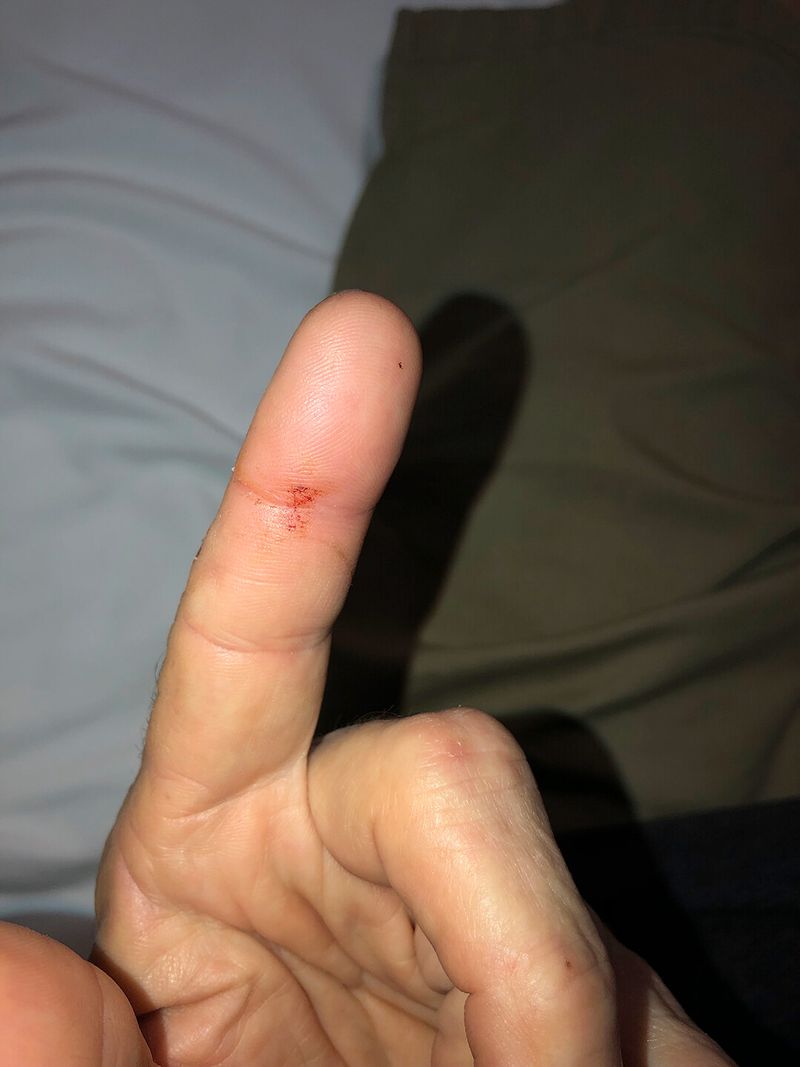
A suspected bite is not the same as confirmed venom injection. Some bites may be dry, meaning no venom was delivered.
But a person cannot safely sort that out from how the wound looks or how they feel early on, which is why hospital assessment matters, as Florida Poison Control describes.
Doctors watch for nerve and breathing changes over time and decide on antivenom as a clinical call. It is not always needed, and it is not never needed.
A retrospective Florida study compared empiric antivenom with expectant treatment, but because it only looked back at past cases, it does not prove one approach is better.
That leaves the plan unchanged, as the NCBI Bookshelf review also implies: get evaluated promptly.
A quiet bite is still a bite worth a hospital visit.