
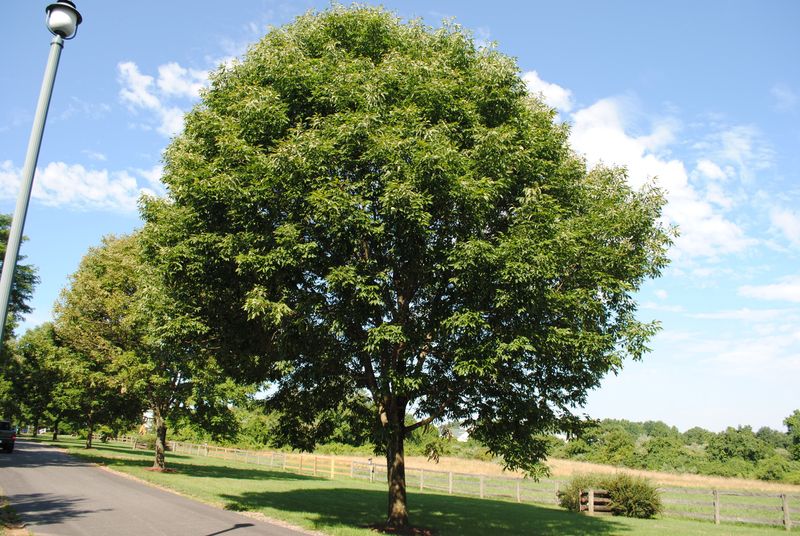
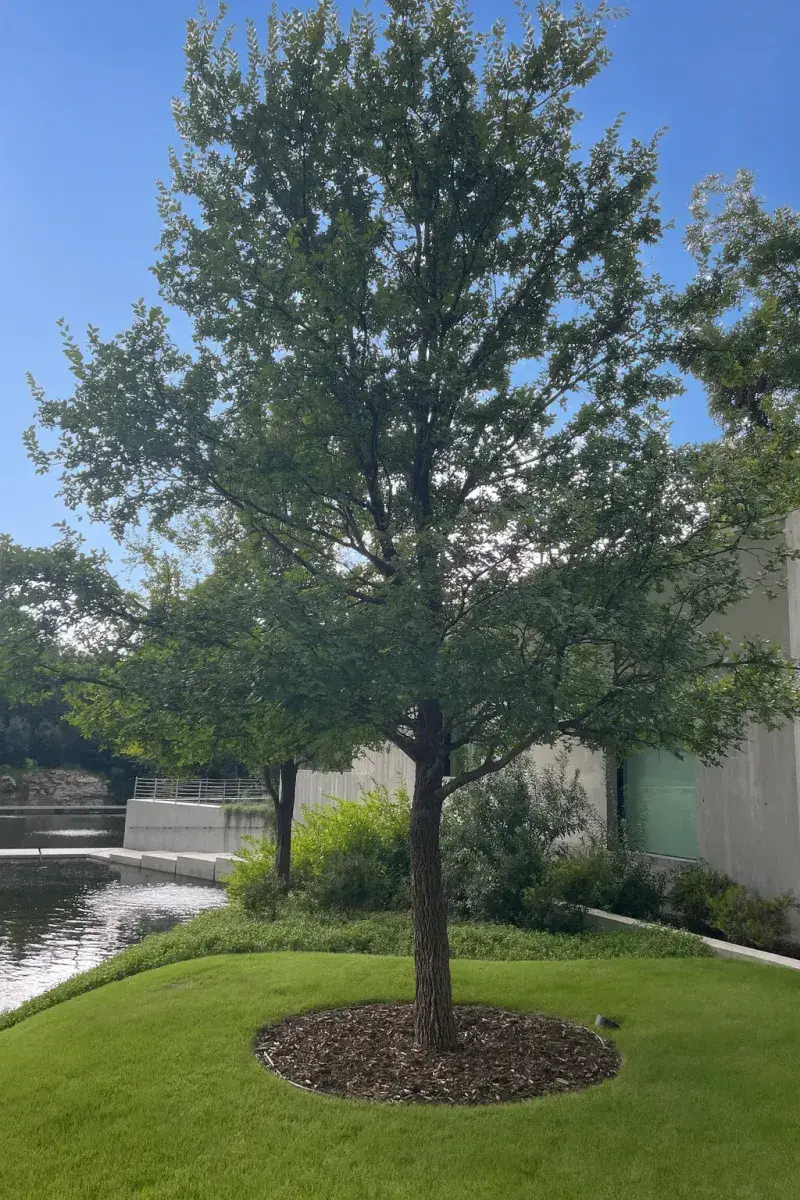
The tree is Texas ash, a native shade tree with a rounded crown that gives Central Texas yards real relief from summer sun. University of Florida researchers rate its leaves and fruit as not a litter problem, which is the kind of news that makes a rake-weary homeowner perk up.
It is still a deciduous tree, so there are a few practical details to know before you buy one. Here is how to tell whether it fits your yard.
Meet Texas ash
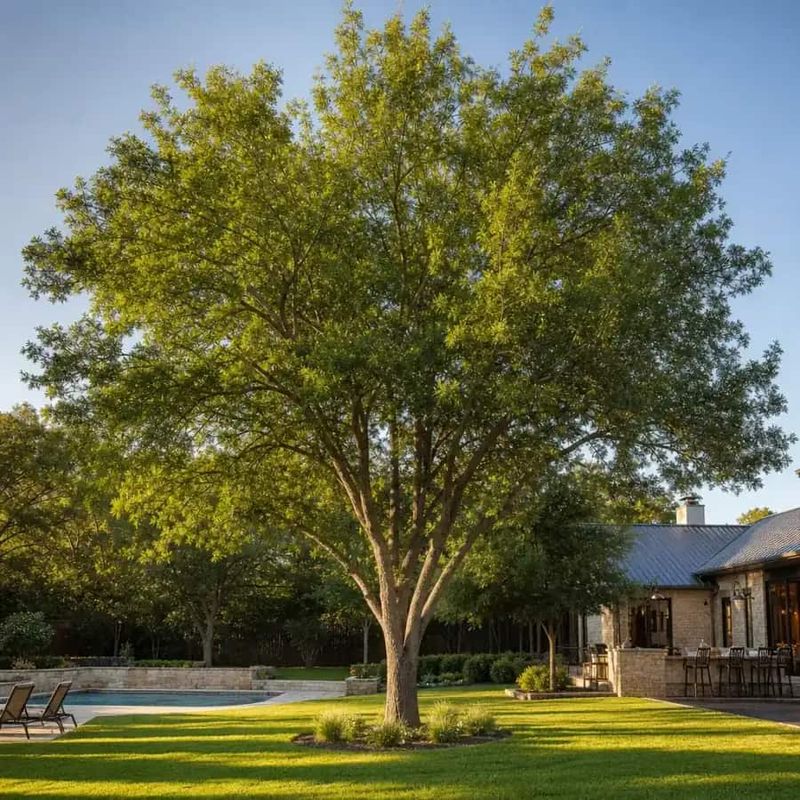
Picture a backyard where the afternoon sun hits a patio at its worst. A tree with a rounded crown can change that, and Texas ash (Fraxinus texensis) is one that Central Texas homeowners often overlook.
According to Texas A&M Forest Service, it is a deciduous native that reaches about 45 feet and carries an oval crown. That makes it a medium-sized shade tree rather than a giant, which suits many suburban lots.
Austin’s plant guide, which you can read at the City of Austin plant guide, lists a mature height and spread of 40 to 50 feet. Those numbers are approximate, and a tree growing in rocky soil may not match them.
Why consider it at all? Texas ash is a native tree that grows in the Dallas area and Central Texas, and it offers a tidy, rounded form with seasonal color.
It also has a reputation as a relatively easy tree to live with, though that reputation comes with limits we will cover.
Before you shop, four questions deserve honest answers. How much shade will the canopy actually give?
What does seasonal leaf and seed drop look like? Does your yard sit in the region where this tree belongs?
And what should you know about emerald ash borer, a pest that threatens every ash?
The sections below take those questions one at a time, so you can judge the tree against your own site instead of a sales pitch.
How much shade its crown can provide
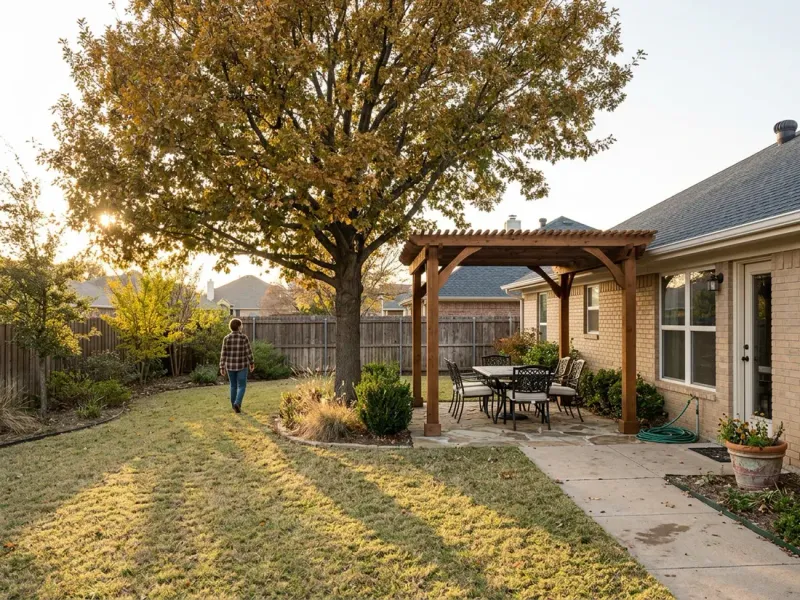
Published size numbers do not all agree, and that is useful to know. Texas A&M Forest Service reports a height of up to about 45 feet, while Austin lists a mature height and spread of 40 to 50 feet.
A UF/IFAS profile of Texas ash gives a narrower spread of 25 to 35 feet and describes the shade as medium. Medium shade means filtered, not dense, cover.
So what does that mean for your lawn? A canopy of 25 to 35 feet across covers a circle, not a whole yard.
A 50-foot spread would shade more, but nobody can promise that outcome.
Think of the tree as a strong shade anchor for one zone, such as a patio, a west-facing window, or a play area. Rocky soil, drought, and pruning choices all shape how wide the crown gets.
A simple check helps. Stand where you want shade at 3 p.m. in July and note where the sun comes from.
Then picture a circle 25 to 35 feet wide centered on the planting spot, and see what it would and would not cover.
If you need shade across a very large area, plan on more than one tree or add a shade structure. A single Texas ash is better treated as one good piece of the plan.
What “not a litter problem” means
The phrase comes straight from UF/IFAS. Its profile rates the tree’s leaves and fruit as “not a litter problem”, a qualitative rating rather than a measured comparison with other trees.
That rating does not mean a litter-free lawn. Texas ash is deciduous, so it sheds its leaves each year, and even a male tree will do that.
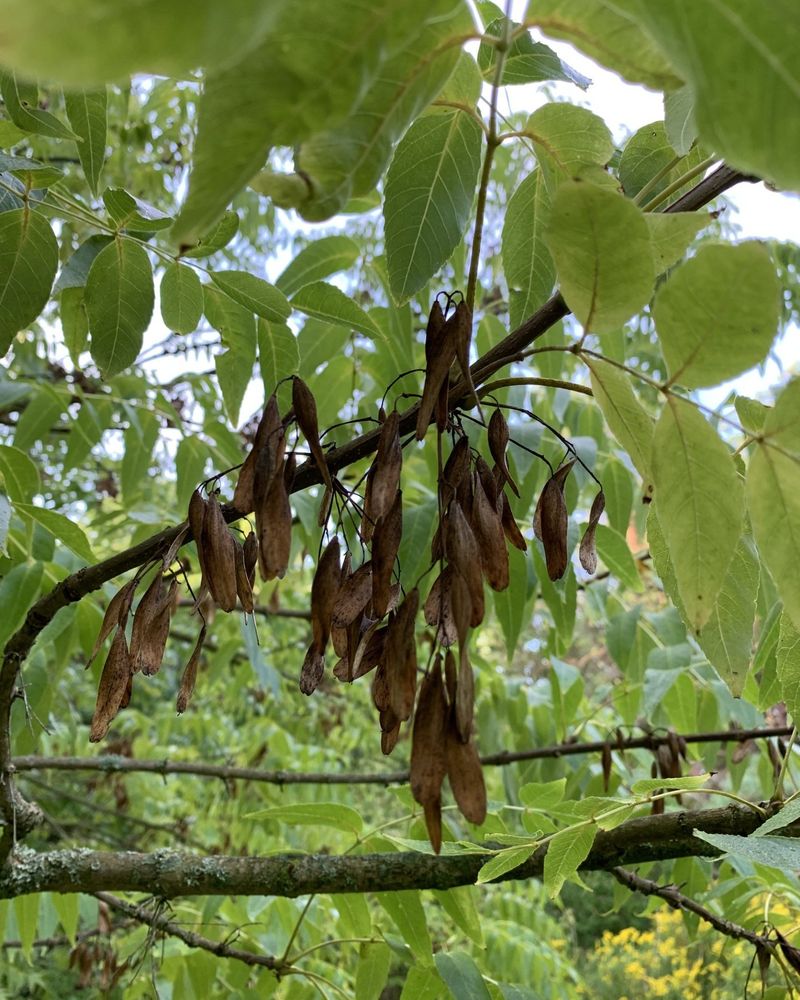
Seeds are the other piece. Texas A&M Forest Service notes the tree is deciduous, and female trees produce winged seeds called samaras.
The Texas A&M Tree Selector describes male trees as seedless. Nursery tags rarely list sex, so ask before you buy.
Limbs are a separate worry. UF/IFAS describes the tree as breakage-resistant, but it also says pruning is needed to build strong structure.
In practice, that means having young trees pruned for a clear central leader and well-spaced branches. Even then, no one can promise a limb will never fall, especially after storms.
Expect a fall leaf cleanup like any deciduous tree, and possibly some seeds. The UF/IFAS rating suggests the mess is manageable, not absent.
Where Texas ash grows naturally
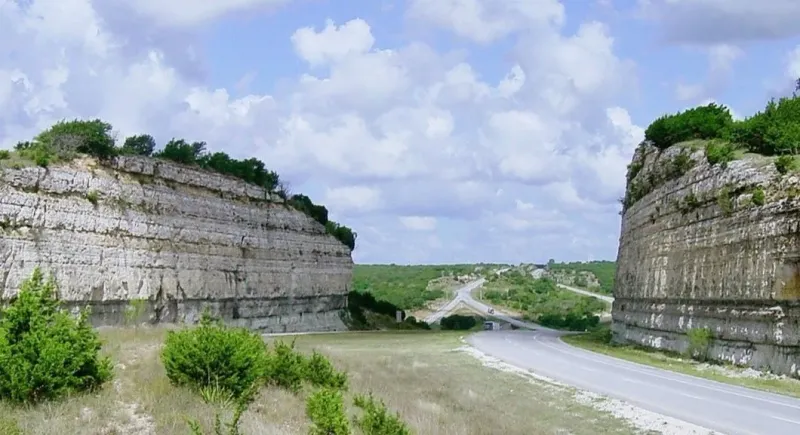
Native does not mean native everywhere. Texas A&M Forest Service places the documented range of Texas ash from the Dallas area through Central Texas and west to the Edwards Plateau.
Within that band, the tree often grows on rocky limestone sites. That detail matters for a homeowner in Austin, San Antonio’s northern edge, or Fort Worth, where shallow, alkaline, rocky soil is common.
Still, a range map is not a guarantee for your lot. A yard in Dallas with deep clay, a lot with compacted builder fill, or a low spot that stays wet can all behave differently from a limestone hillside.
Outside the documented range, such as the Gulf Coast or the Panhandle, you should not assume the tree will do well. Native to Texas is not the same as suited to all of Texas.
A practical test is to look around your neighborhood. Mature ash trees in nearby yards, parks, or greenbelts are a good sign.
Also note how your soil drains after a heavy rain, and dig a test hole to see how deep it goes before hitting rock.
If your yard fits the region and drains well, Texas ash deserves a spot on your short list.
Choose the planting spot before you buy
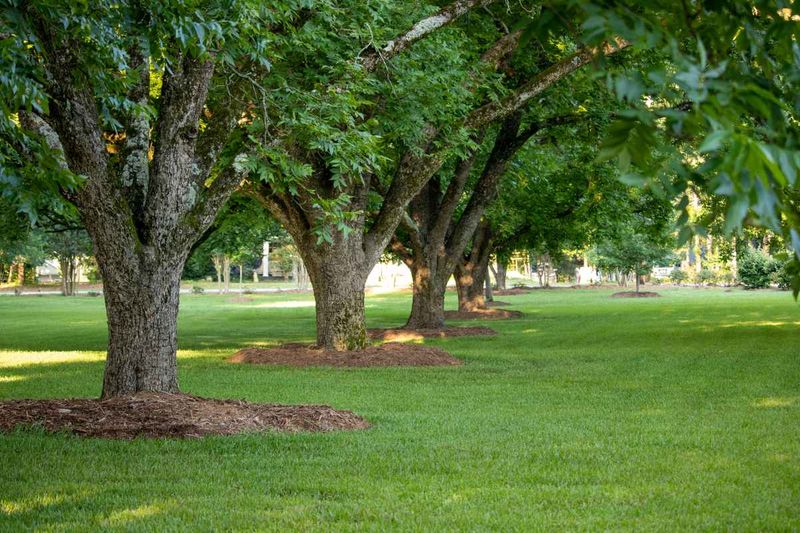
Size is the first filter. Texas A&M Forest Service advises weighing available room, soil, utilities, and safety before you choose any tree.
With a mature height near 45 feet and a spread that may reach 25 to 50 feet, Texas ash needs space away from houses, fences, and overhead lines. Look up as well as around, and check where underground lines run.
Timing is local. Austin’s guidance recommends planting from fall through March in Central Texas, and that window should not be assumed for the rest of Texas.
Check with a local nursery or extension office if you live elsewhere.
The City of Austin’s tree-planting steps are a solid checklist. Call 8-1-1 before digging so buried utilities are marked.
Dig the hole no deeper than the root ball, and find the root flare, where the trunk widens at the base. The flare should sit at or just above ground level.
After planting, add mulch but keep it off the trunk. Water regularly while the tree establishes, since young trees cannot handle Texas summers on their own.
The Austin plant guide is also worth a look for site notes. Spend an afternoon marking the spot with a hose or stakes before you buy, and the tree will be easier to live with for decades.
Check the emerald ash borer risk
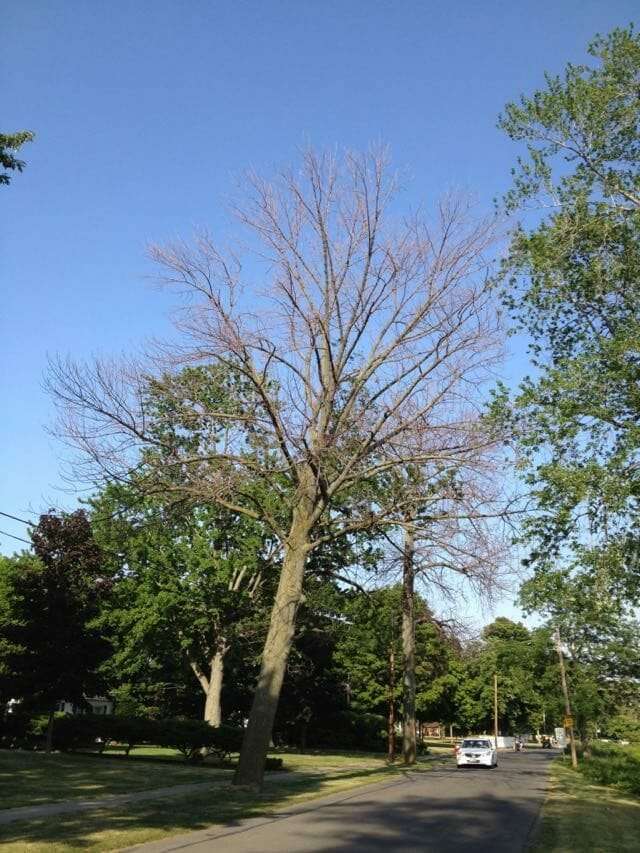
Any honest recommendation of an ash tree has to include a pest. The Texas Department of Agriculture says all ash species are vulnerable to emerald ash borer, and that includes Texas natives.
Emerald ash borer is a small metallic green beetle whose larvae feed under the bark and can eventually kill a tree. Because it threatens every ash, a native label offers no protection.
The state keeps a page listing quarantined Texas counties. That page changes, so check it for current status and rules rather than relying on an article or a neighbor.
Do not guess your county’s situation from general statewide news. A county may be listed now or added later, and the rules can affect how ash wood is handled.
That matters most if you plan to move ash wood. Firewood, logs, and branches from an ash can carry the beetle, so check the quarantine rules before hauling any of it.
Practical steps help. Look at the state page before you buy, ask your nursery where the tree came from, and watch for warning signs such as thinning upper branches, D-shaped exit holes, or woodpecker damage on the bark.
If you see them, call a certified arborist or your county extension office.
Decide whether Texas ash fits your yard
Run a four-part test. Do you have room for a canopy that varies in size, and do you live within the documented Dallas-to-Edwards Plateau range?
Can you accept seasonal leaves and possible seeds, and are you ready to weigh emerald ash borer risk?
If the answers are yes, you get useful medium shade and a tree UF/IFAS rates as not a litter problem. It will not cover every inch of lawn.
Think of it as a good patio tree that happens to be kind to the rake.