
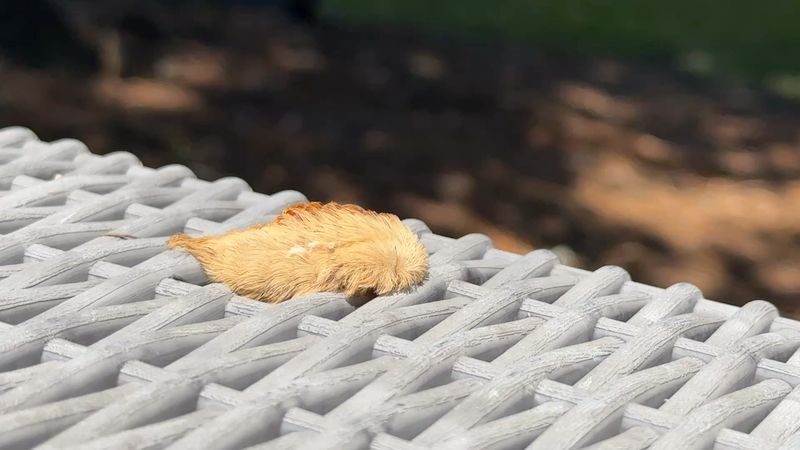
Leave that fuzzy thing alone. A soft, furry bug can look like a tiny pet, but some fuzzy caterpillars carry spines that sting.
The puss caterpillar is one real North Carolina example, though your winter find could be something else entirely. Here is what to know, and what to do instead of grabbing it.
A North Carolina caterpillar can hide a painful sting
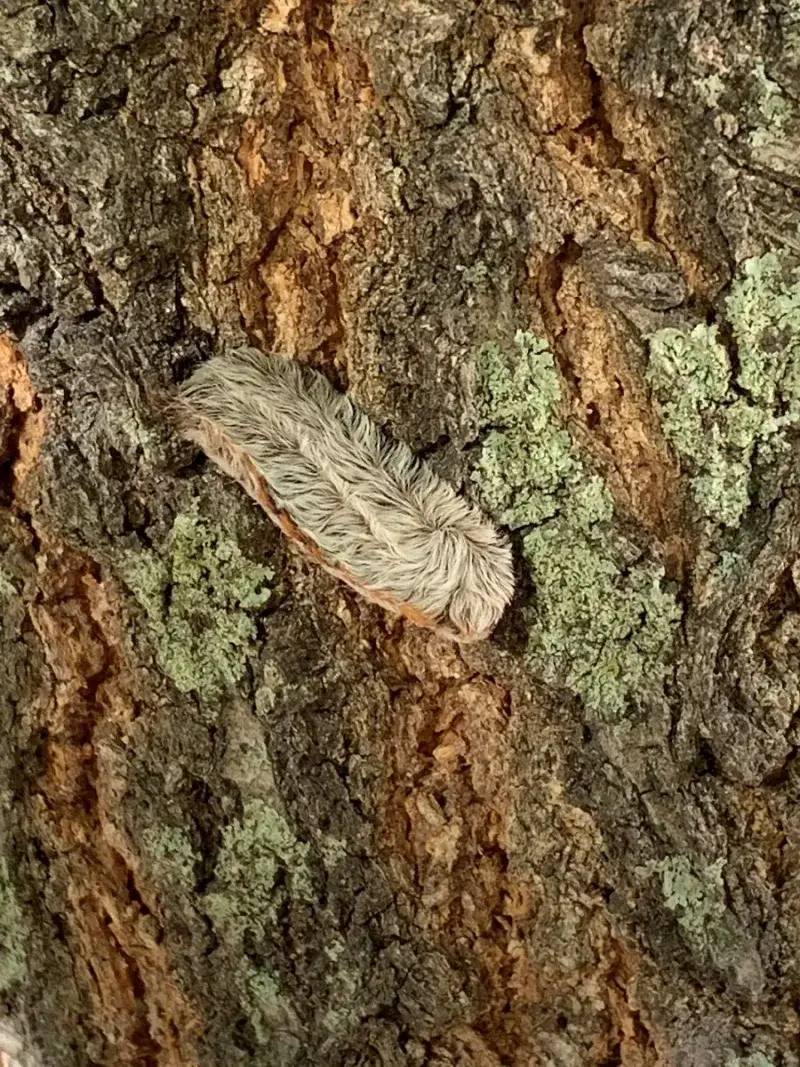
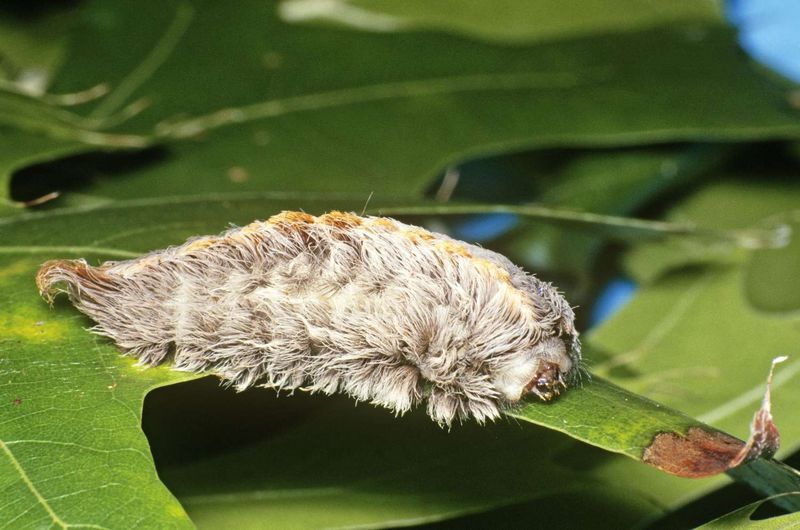
Ask a North Carolina entomologist about a fuzzy caterpillar that hurts to touch, and the puss caterpillar is a leading answer. Its scientific name is Megalopyge opercularis, and it grows up to become the southern flannel moth.
The name fits the look: a teardrop-shaped body wrapped in silky hair that seems made for petting.
The softness is deceiving. According to NC State Extension, stinging spines hide beneath the long, soft-looking hairs.
Brushing against the caterpillar can push those spines into skin and cause intense pain.
This is a local species, not an exotic visitor. NC Parks moth records show it across much of the state, especially in the Coastal Plain and Piedmont.
The larvae feed on trees and shrubs such as maple, oak, elm, hackberry, and sycamore, so yards with those trees are plausible places to meet one.
A few cautions keep this in perspective. Finding a puss caterpillar is not an everyday event for most homeowners, and not every fuzzy creature you come across is this one.
Think of the puss caterpillar as a plausible candidate worth respecting, not a label to stick on anything furry that turns up near your door.
The rest of this article looks at what a winter find might actually be, and how to stay safe either way.
A winter find may be a cocoon, not a caterpillar
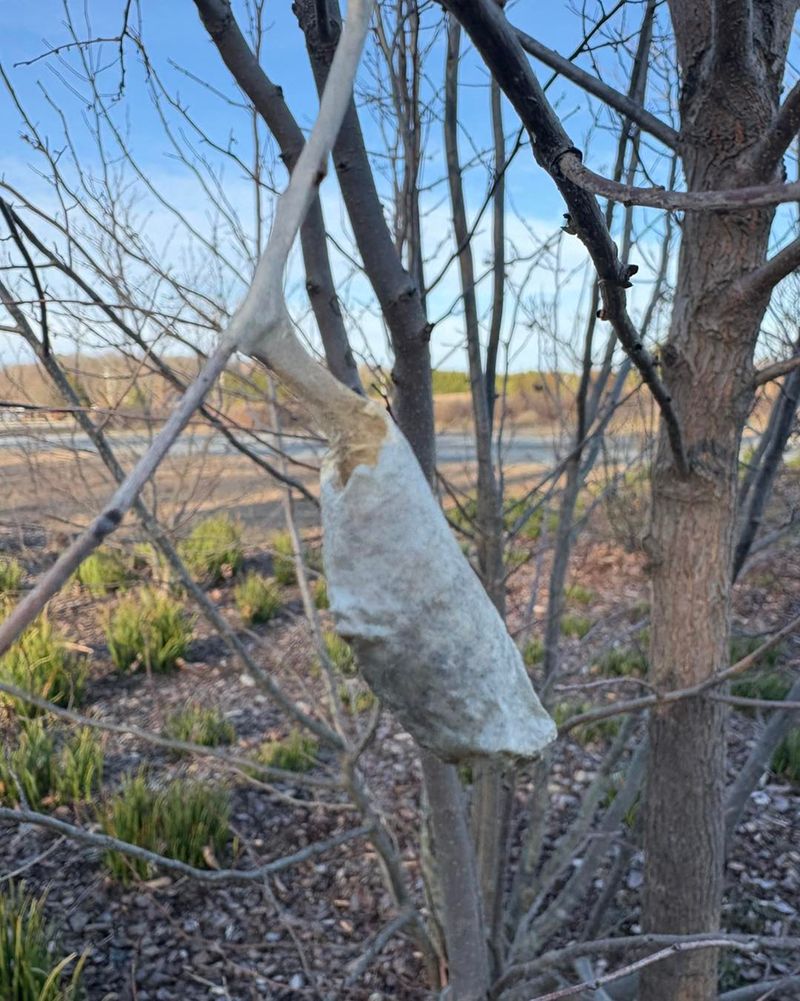
Winter changes the picture. NC State Extension describes the late-season generation of puss caterpillars spinning a cocoon on its host plant to spend the cold months.
That points to a cocoon on a tree or shrub, not an active caterpillar crawling across your porch.
The cocoon still deserves care. A USDA Forest Service guide reports that this species builds finely barbed hairs into its cocoon.
That does not mean every cocoon causes the same reaction as a live caterpillar. It simply gives you one more reason not to handle an unknown fuzzy object.
Here is what remains unknown. The sources do not show that puss caterpillars or their cocoons are commonly found on porches or in firewood.
A cocoon on a log could belong to another species, and a fuzzy lump could be something else entirely, such as a bit of debris or a different insect.
North Carolina sources also describe the life cycle a bit differently. The NC State factsheet reports two peaks of caterpillars, in July and October.
A recent NC Parks draft describes one generation a year, based on adult moth records from early May through late September.
Because those accounts measure different things, treat any statewide calendar as unsettled.
Fuzz alone cannot tell you what you have found
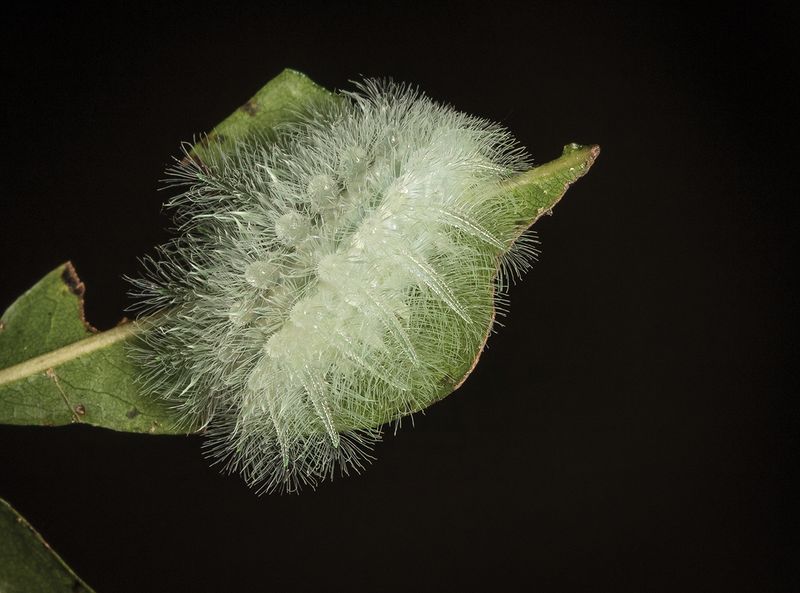
Plenty of caterpillars look fuzzy, and most of them will never hurt you. Others can.
Hair is simply not a reliable way to tell the two groups apart, so a furry look cannot tell you whether something is safe.
The puss caterpillar is the cautionary case. Its spines sit beneath the soft hair and can cause intense pain, according to NC State Extension.
Reactions vary from person to person, though, and not every contact leads to a severe one.
North Carolina also has other caterpillars with hairs or spines that irritate or sting, as Forsyth County Cooperative Extension explains. Meanwhile, many hairy species are harmless.
Poison Control advises against picking up an unfamiliar hairy or spiny caterpillar for that reason.
Spines and cocoon hairs are not the same thing either. The live caterpillar carries stinging spines, while the Forest Service describes barbed hairs worked into the cocoon, as covered in the USDA guide.
Different structures, but both are reasons for caution.
Do not poke, flick, or pinch an object to see what it is. Touching is the very thing that sets off a sting.
A clear photo taken from a distance is a far better way to get help with identification.
Keep your distance instead of picking it up
You do not need to know what it is to respond well. When you spot an unidentified fuzzy or spiny object, simply stop and step back.
The safest move costs nothing.
Keep children and pets away from the spot. Curious kids and noses tend to go straight to anything that looks soft.
Call them back, and mark the area in your mind so no one wanders over later.
Do not touch it with bare hands. Poison Control recommends avoiding hands on hairy or spiny caterpillars.
If one has landed on skin and must come off, use a tool instead of your fingers.
Skip the swatting and brushing, which can press spines into skin. A single sighting is also no reason to spray pesticide.
NC State Extension notes that puss caterpillars are usually not abundant enough to be noticed, and it discusses pesticide in the context of outbreaks.
Taking a photo from a safe distance is a good extra step. Caution works whether the object turns out to be a puss caterpillar, a cocoon, or nothing dangerous at all.
After contact, remove hairs and watch for serious symptoms
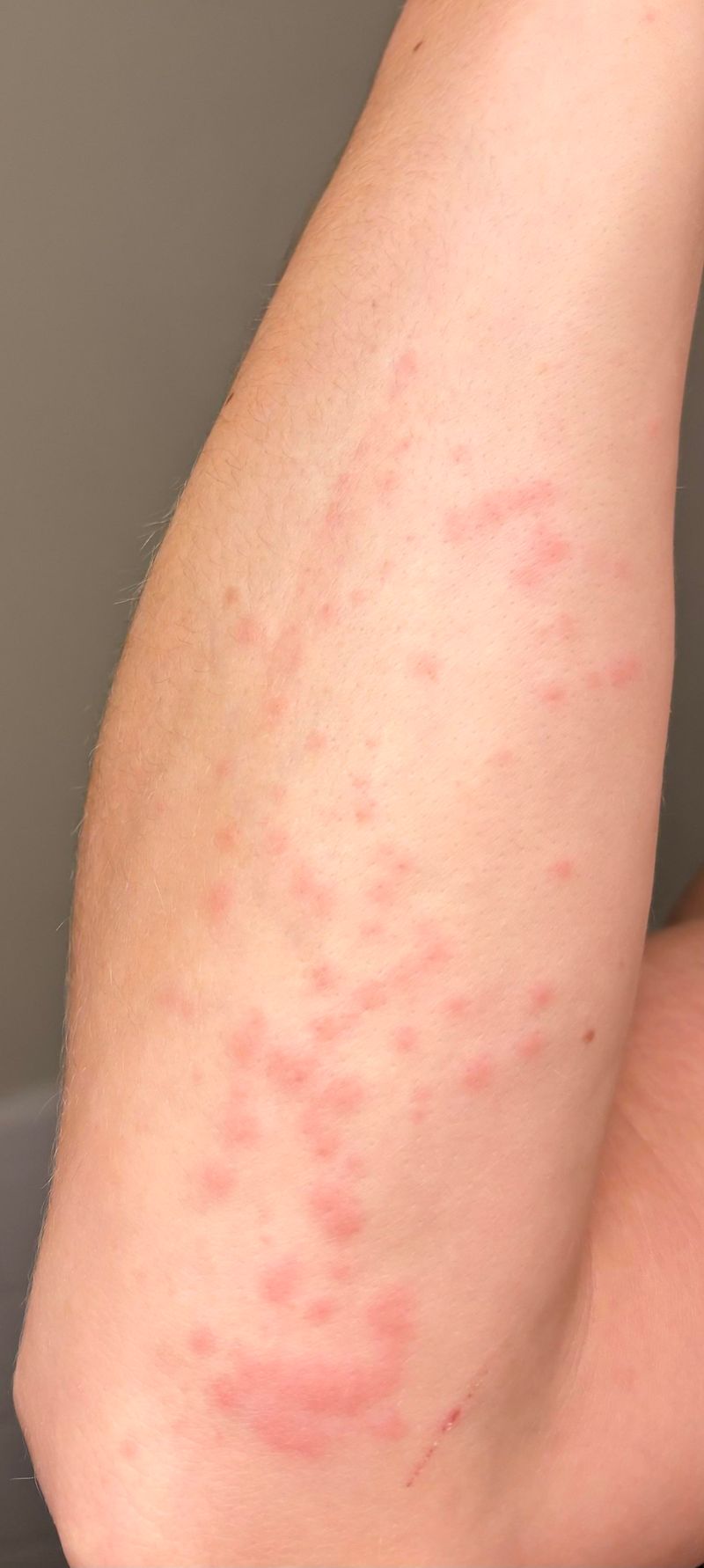
If skin does touch an unknown fuzzy caterpillar, act quickly and stay calm. Poison Control gives a simple order of steps.
Follow them as written.
First, place tape sticky-side down over the affected skin. Pull it away to lift out hairs or spines.
Second, gently wash the area with soap and water.
For advice about your specific case, use Poison Control’s online service or call 1-800-222-1222. The line is a good choice for questions about children, pets, or a reaction that seems unusual.
Know which symptoms call for emergency help. Call 911 for difficulty breathing, fainting, or swelling of the lips, face, or tongue.
Those can signal a serious allergic reaction.
Other problems need medical advice but are not always an emergency. Contact a doctor or nurse line for blistering, a suspected localized allergy, or eye irritation that does not go away.
Remember that reactions vary. Some people have mild irritation, while others feel much more pain.
Watching how things develop over the next hours is part of the plan, so do not shrug off new symptoms.
Choose caution when you cannot identify it
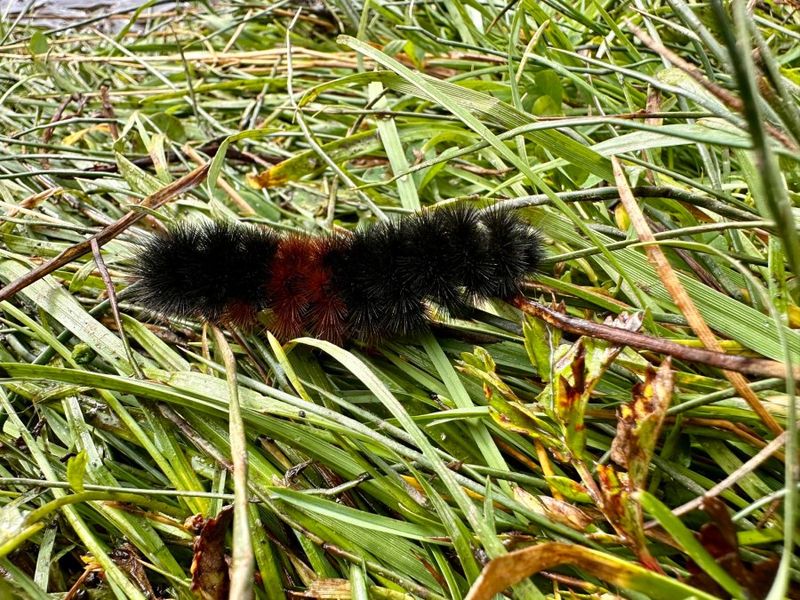
A fuzzy object on your porch is not proof of a puss caterpillar. Not knowing what it is, however, is plenty of reason to leave it alone.
Keep people and pets back, skip bare-handed contact, and reach for tape, soap, and water if skin is touched.
Poison Control at 1-800-222-1222 can guide you after exposure, and 911 covers emergencies, as their guidance explains.
Soft looks can hide a sharp surprise, so let your eyes do the investigating.