
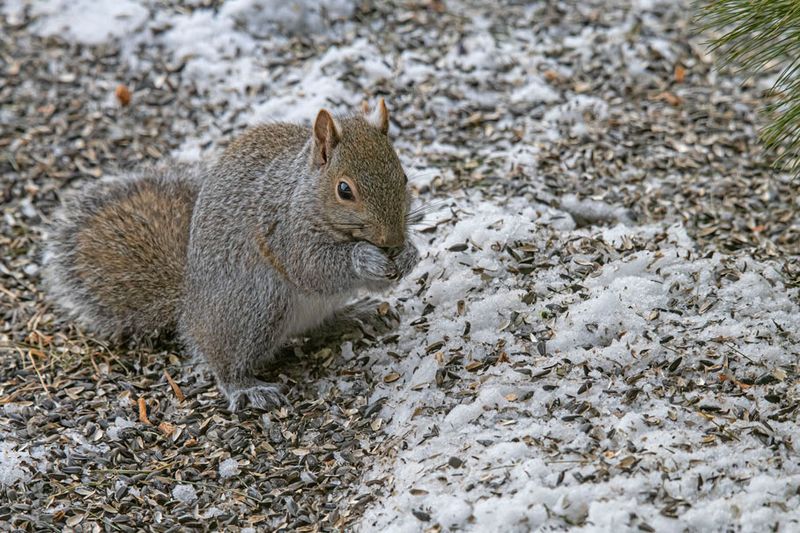
Most gardeners see a squirrel digging in the lawn and reach for a broom. But those bushy-tailed busybodies are quietly doing real work out there while your garden sleeps.
From planting trees to loosening packed soil, squirrels help shape a healthier yard by the time spring rolls around. Here are eleven winter habits that might change how you feel about your furry neighbors.
1. Planting Future Oak Trees
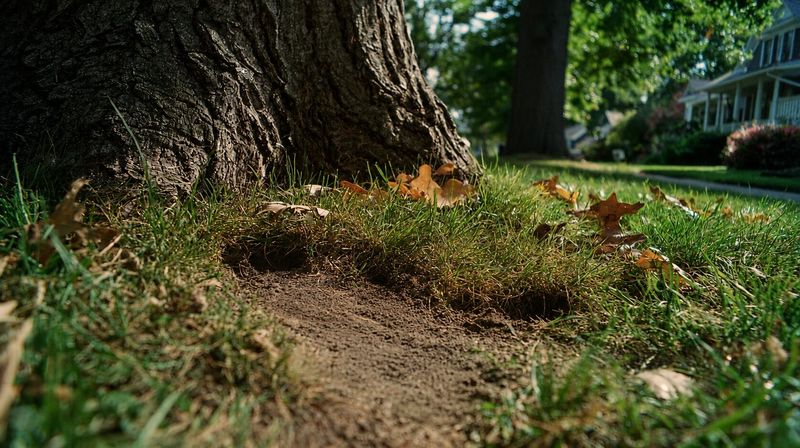
Picture a squirrel in October, burying acorn after acorn like it is preparing for the end of the world. Come spring, it will have forgotten a good chunk of them.
Those lost snacks are how countless oak trees across America got their start.
Researchers have found that gray squirrels fail to recover a large share of the nuts they hide. Some estimates put the number of forgotten seeds high enough that squirrels rank among the most important tree planters in North America.
Oaks, hickories, walnuts, and beeches all depend on these absent-minded gardeners.
For your yard, that means free seedlings and a steady supply of native trees for the neighborhood. Not every sprout belongs in your flower bed, of course.
Pull the ones popping up in awkward spots, but consider potting a few and moving them to a corner where shade would be welcome someday.
Native oaks support hundreds of species of caterpillars, which in turn feed nesting songbirds. So every acorn a squirrel misplaces could eventually become a mini ecosystem.
Not bad for an animal with a memory that fails it more often than yours does when looking for car keys.
2. Aerating Compacted Soil
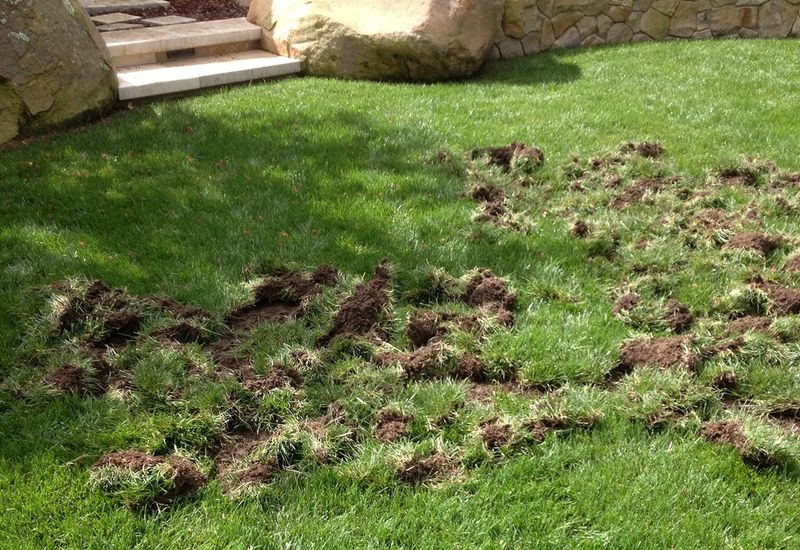
Those little holes dotting your lawn after a thaw? Annoying at first glance, sure.
Yet each one works a lot like the aeration you might pay a lawn service to do.
Soil gets packed tight over a year of foot traffic, mowing, and heavy rain. When it hardens, water runs off instead of soaking in, and grass roots struggle to breathe.
Squirrels poking around for buried treasure break up that crust in hundreds of tiny spots.
Every dig lets oxygen slip down toward the root zone. Melting snow and early spring rain can also travel deeper rather than pooling on top.
Over time, that helps beneficial soil microbes stay active and keeps grass roots reaching downward instead of staying shallow.
Sure, a squirrel is no core aerator. The holes are random and sometimes land in the middle of your favorite tulip patch.
Still, the effect adds up, especially in yards with mature trees where squirrels spend a lot of time foraging.
If the holes bother you, just press them closed with your boot in March. The soil underneath will already be a little looser, and your lawn will thank you quietly once the green-up begins.
3. Spreading Helpful Fungi
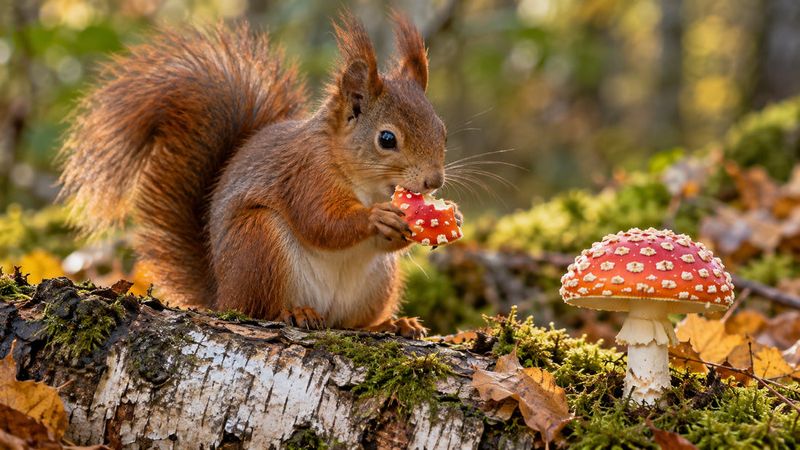
Here is a fun one most people never hear about. Squirrels love eating underground mushrooms, including truffle-like fungi, and they spread the spores everywhere they go.
Those spores pass right through a squirrel’s gut and come out in its droppings, ready to grow. Many belong to mycorrhizal fungi, the friendly kind that wrap around tree roots.
In exchange for sugars from the tree, the fungi deliver water and nutrients like phosphorus that roots struggle to reach alone.
Scientists studying forests out West have shown that squirrels and chipmunks are major spore carriers for conifers. Similar partnerships happen with oaks and other hardwoods back East.
In a backyard setting, that means your shade trees may get a healthier root network thanks to a few scampering visitors.
Healthy mycorrhizal networks help trees handle drought, resist some diseases, and recover after a hard winter. You will never see this happening, since it all plays out underground.
But it might be the most valuable service your squirrels provide.
Did you know? Some fungi rely so heavily on animals for spreading that they evolved strong smells just to get dug up and eaten.
4. Fertilizing Garden Beds
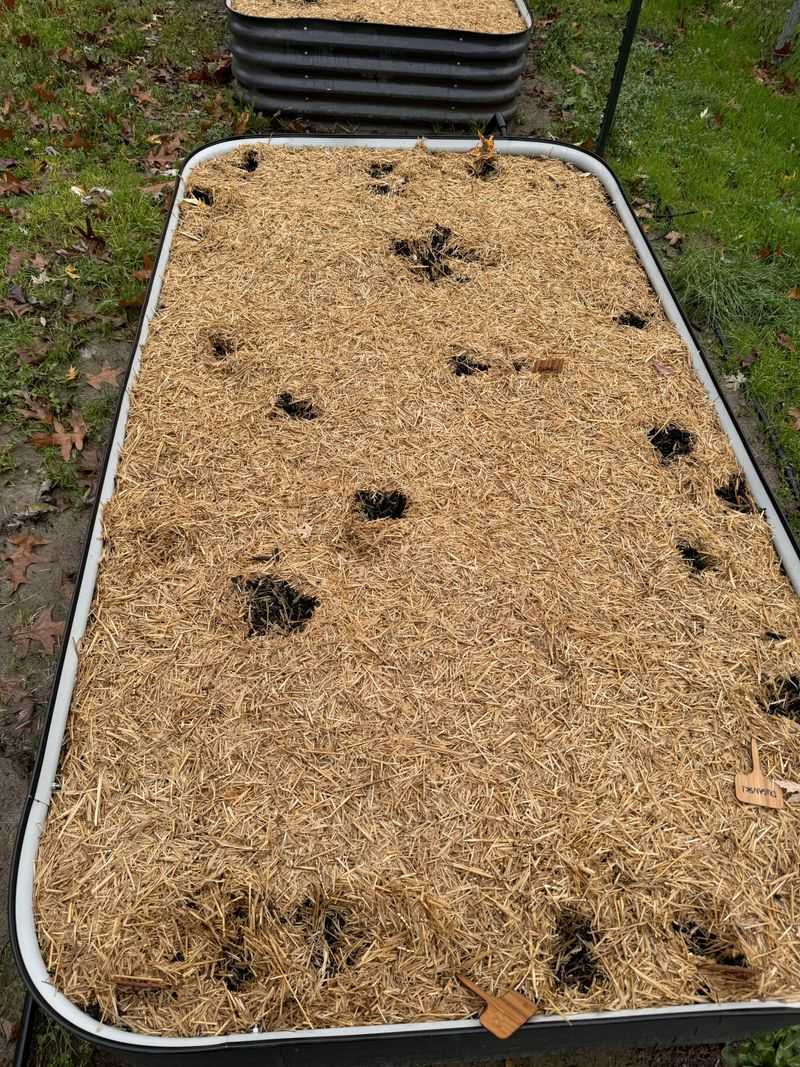
Nobody loves talking about squirrel droppings. Still, a little honesty helps here, because those tiny pellets are free fertilizer scattered across your yard all winter long.
Squirrel waste contains nitrogen, phosphorus, and organic matter from all the nuts, seeds, and buds they eat. Spread thinly across a lawn or garden bed, it breaks down slowly as freezing and thawing work through the season.
By spring, much of it has blended into the top layer of soil where earthworms and microbes finish the job.
Unlike a big dump of chemical fertilizer, the amount is small and spread out. That makes it far less likely to burn roots or wash into storm drains.
Think of it as a slow, gentle trickle of nutrients delivered by a tiny, dedicated crew.
A quick safety note: wear gloves when working in beds where wildlife hangs out, and wash your hands afterward. That goes for any outdoor gardening, really.
Beyond that, there is no need to fuss. Let nature handle the cleanup, and your perennials will wake up to slightly richer ground than they had in the fall.
5. Pruning Trees the Natural Way

Ever walked outside after a windy day and found little twig clippings scattered under your maple? Before blaming the weather, look up.
A squirrel was probably snipping branch tips for food or nest material.
In late winter, squirrels nibble on buds and tender shoots, especially on maples and elms. Some even bite into bark to lick the sweet sap.
It sounds destructive, but light clipping like this works a lot like a gardener’s pruning shears.
Removing a few tips encourages trees to send out side branches, which can create a fuller canopy over time. Clearing weak, crowded twigs also lets more light and air move through the crown.
Better airflow means fewer damp spots where fungal problems can settle in.
Of course, heavy damage on a very young tree is worth watching. A simple tree guard around a newly planted sapling solves that easily.
Mature trees, though, shrug off squirrel trimming without any trouble.
So the next time you rake up a pile of chewed twigs, think of it as free tree work. Toss the bits in your compost pile, and enjoy watching how the canopy fills in come May.
6. Cleaning Up Fallen Nuts and Seeds
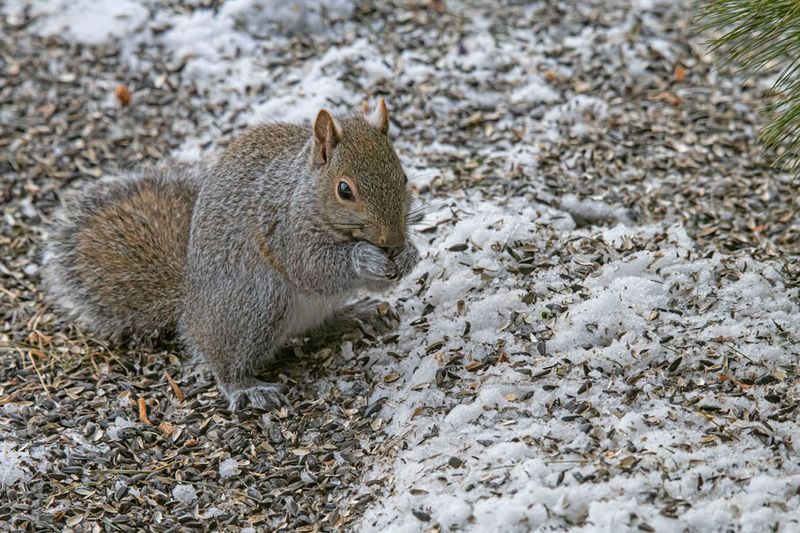
Walnuts, hickory nuts, and fallen birdseed can pile up fast under trees and feeders. Left alone, that mess turns moldy, attracts rats, and smothers the grass beneath it.
Enter the squirrel, nature’s tireless vacuum cleaner.
All winter, squirrels gather and eat what drops to the ground. They are especially good at clearing spilled sunflower seeds below feeders, which can otherwise sprout weeds or rot into a slimy patch.
Fewer leftovers mean fewer reasons for mice to move in near your house or shed.
Rotting nut hulls can also stain patios and release compounds that some plants dislike. Black walnut hulls, for example, carry juglone, a natural chemical that can stunt tomatoes and other sensitive crops.
When squirrels haul those nuts away, they lower the load sitting on your soil.
You still might want to rake a bit before spring planting. But you will likely find far less to clean up than you would if no squirrels were around.
Tip: If you feed birds, put a tray under the feeder. Squirrels will tidy it up, and your lawn will stay cleaner too.
7. Mixing Leaf Litter Into the Soil
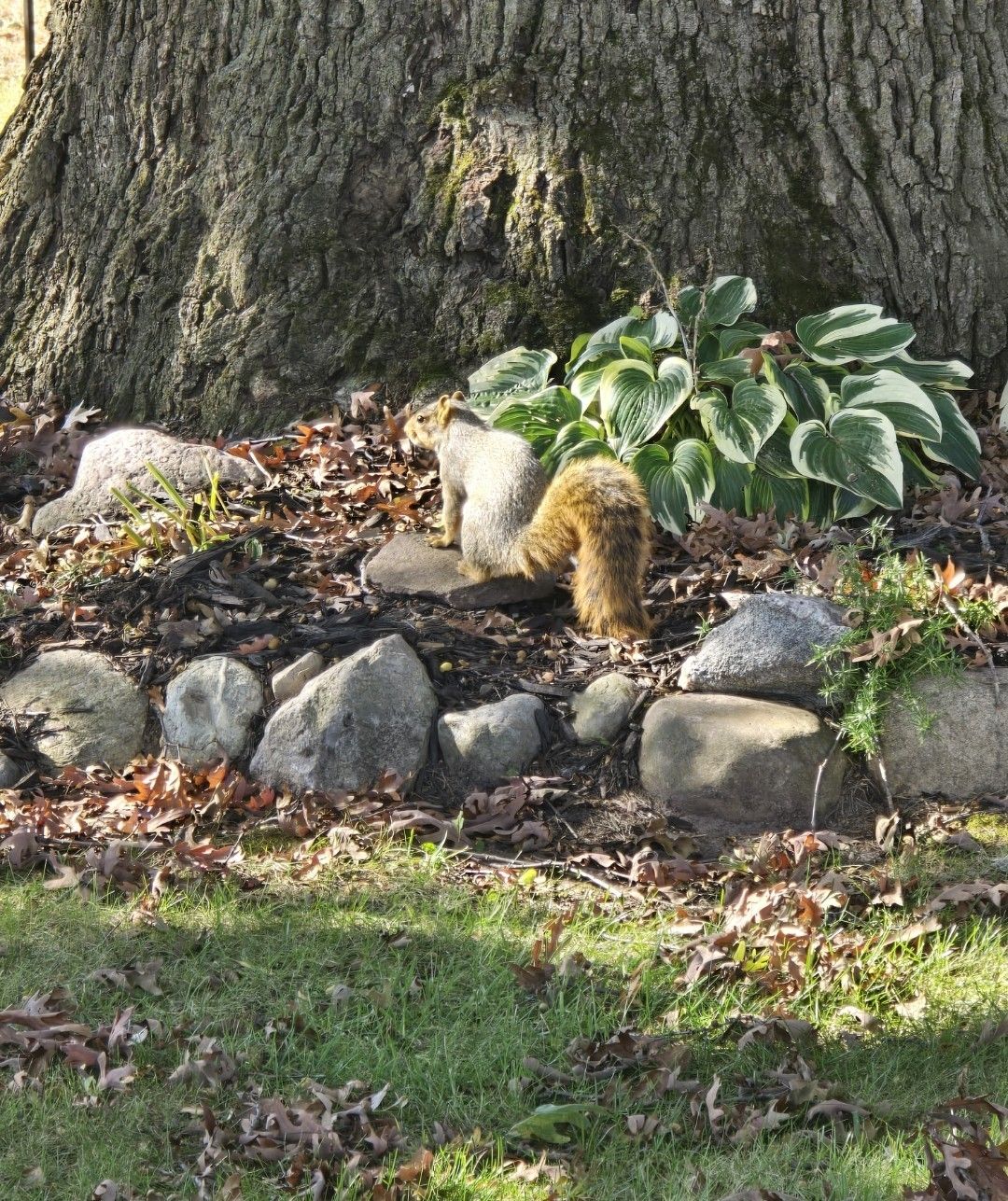
Leaving the leaves is one of the best things you can do for wildlife and soil. Squirrels take that idea one step further by stirring them up all season.
As they rummage for buried food, squirrels toss leaves around, break them into smaller pieces, and push bits into the dirt. Smaller pieces rot faster.
That means the leaf layer turns into dark, crumbly organic matter sooner than it would if it just sat flat and matted.
Matted leaves can trap moisture against lawn grass and invite snow mold. A little squirrel scuffing keeps things loose and airy.
It also exposes more surface area to fungi, bacteria, and worms that do the heavy lifting of decomposition.
By spring, beds that held a thick blanket of leaves often have a rich, spongy top layer. Your perennials push up through it easily, and the soil holds moisture better through early summer dry spells.
Gardeners sometimes spend money on compost to get that same result. Your squirrels are basically running a free composting service in the background, no turning fork required.
Pretty handy for a creature that spends half its day chasing its cousins around the oak.
8. Keeping Insect Pests in Check
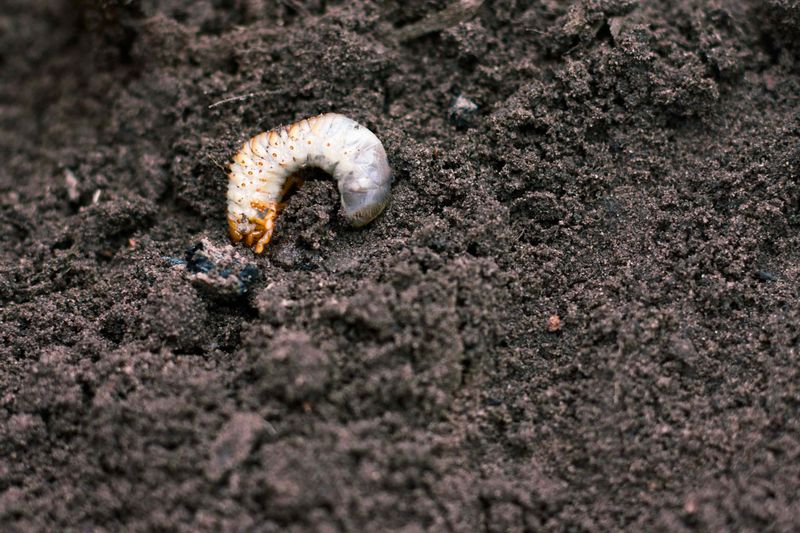
Squirrels are famous for nuts, but they are not strict vegetarians. When the chance comes, they happily snack on insects, grubs, and larvae tucked into bark or soil.
Winter is when many garden pests hide out as eggs or pupae. Some overwinter under loose bark, while others sit just below the soil surface.
A hungry squirrel digging and peeling bark can find and gobble a surprising number of them.
Lawn grubs, like the young of Japanese beetles, are a favorite treat for many critters. Every grub eaten in winter is one less beetle chewing up your roses and beans in July.
Squirrels are not as thorough as skunks or birds, but they add to the overall pressure on pest populations.
They will also eat caterpillar cocoons and egg masses when they stumble across them. That kind of natural pest control means you may need fewer sprays when the season heats up.
Fun fact: Squirrels occasionally eat bird eggs and even small creatures, which surprises many people. They are opportunists through and through.
In a garden, that flexible appetite can work in your favor during the lean, cold months.
9. Feeding Hawks and Owls
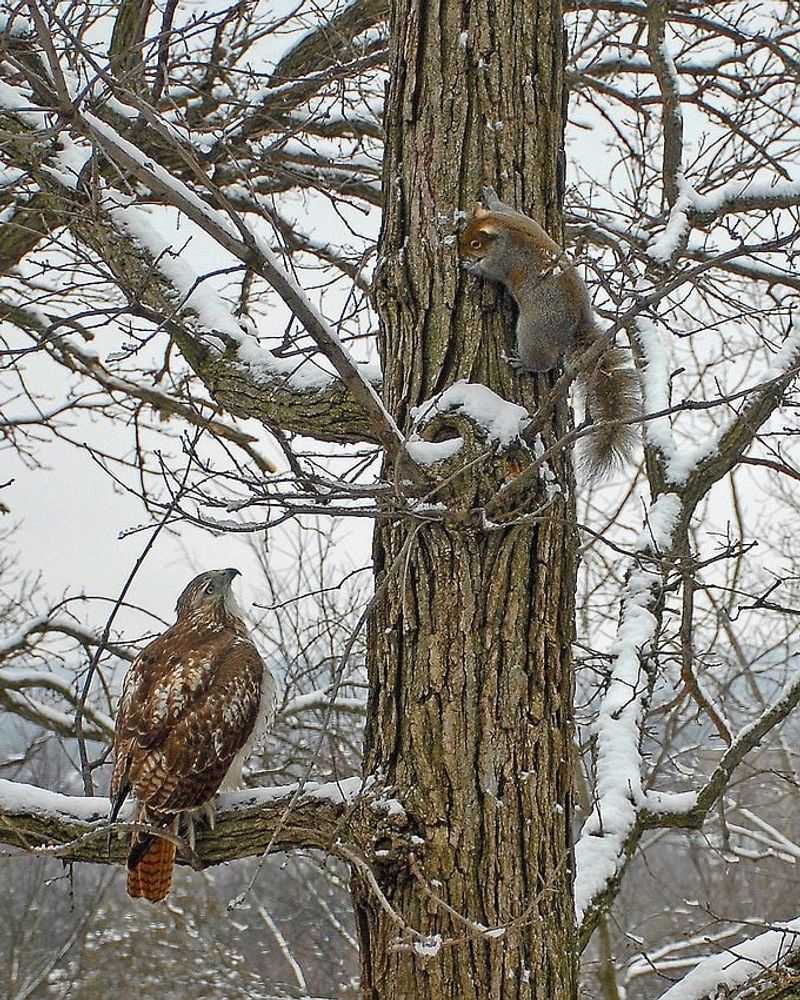
A healthy yard is more than plants. It is a full food web, and squirrels sit right in the middle of it.
Hawks, owls, foxes, and even bobcats in some areas rely on squirrels as a winter meal. Red-tailed hawks and great horned owls are especially fond of them.
When predators have plenty of squirrels around, they stick close and also hunt mice, voles, and rats that damage gardens and sneak into sheds.
Voles, in particular, can wreck lawns and chew the roots of shrubs and bulbs under the snow. A resident owl or hawk drawn to your area helps keep them under control.
So in a roundabout way, squirrels are bait that brings in your best rodent patrol.
Yes, watching a hawk swoop down on a squirrel is not for the squeamish. Still, it is a sign your yard is supporting real wildlife balance.
If you have a bird feeder, keep an eye out for Cooper’s hawks too. They often hunt songbirds at feeders, and a busy squirrel population can give them alternative targets.
Nature has a way of sorting itself out when every piece of the puzzle is present.
10. Spreading Wildflower and Berry Seeds
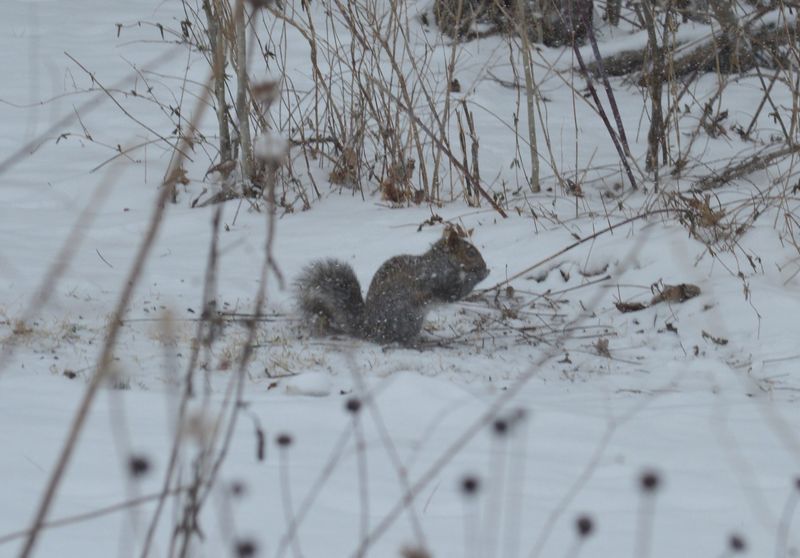
Squirrels do not just stash acorns. Throughout the cold months, they also munch on berries, rose hips, maple seeds, and the dried heads of coneflowers and sunflowers left standing in the garden.
Some seeds get chewed up, but others slip through or get dropped and carried far from the parent plant. That movement spreads native wildflowers and shrubs to new spots.
Gardeners who leave seed heads up for winter often find surprise seedlings popping up in spring, partly thanks to these sloppy eaters.
A wider spread of native plants supports pollinators like bees and butterflies once the weather warms. Diverse plantings also tend to resist pests better than a single crop.
So squirrels help your yard grow a little wilder and more resilient each year.
Not every plant they spread will be welcome, so keep an eye out for invasive species like Japanese honeysuckle. Pull those as soon as you see them.
Simple trick: Leave a few seed heads standing until late winter. Squirrels and birds will both visit, and you will get a front-row seat to some seriously entertaining acrobatics on your garden stems.
11. Warning You About Trouble
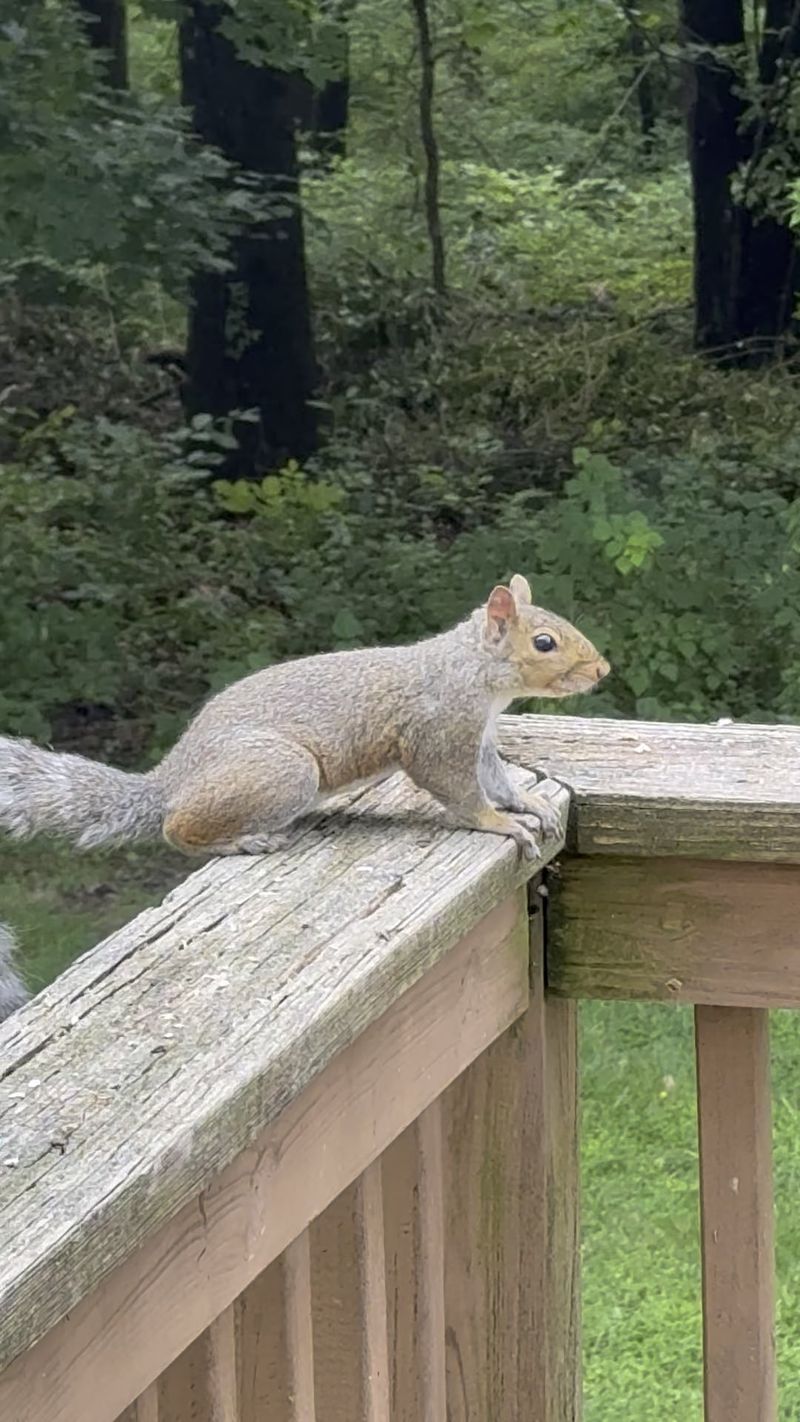
Ever heard that harsh, chattering bark coming from a tree? That is a squirrel sounding the alarm.
Paying attention to it can actually help you protect your yard.
Squirrels call out when they spot predators like hawks, cats, foxes, or snakes. Their tails flick rapidly while they chatter, and other animals, including songbirds, often react too.
If a stray cat is stalking your bird feeder or a fox has wandered into the neighborhood, the squirrels will usually let you know first.
Sudden silence matters too. If your busy squirrels vanish overnight, something new may have moved in, like a raccoon in the shed or a hawk patrolling the yard.
Noticing those changes gives you a chance to check on chickens, pets, or stored bulbs.
Researchers have even found that squirrels change their calls depending on whether danger comes from the sky or the ground. It is a surprisingly detailed warning system.
So instead of tuning out the racket, take a peek outside. Your squirrels may be pointing you straight toward a problem before it gets serious.
Think of them as tiny, fluffy security guards who work for peanuts, literally.