

Owning your land does not mean you can build anything you want on it. In California, many common yard upgrades need a permit from your city or county first.
Skip that step and you could face fines, forced teardowns, or trouble when you sell your home. Here are eight projects to check on before you pick up a shovel.
1. Retaining Walls Over Four Feet
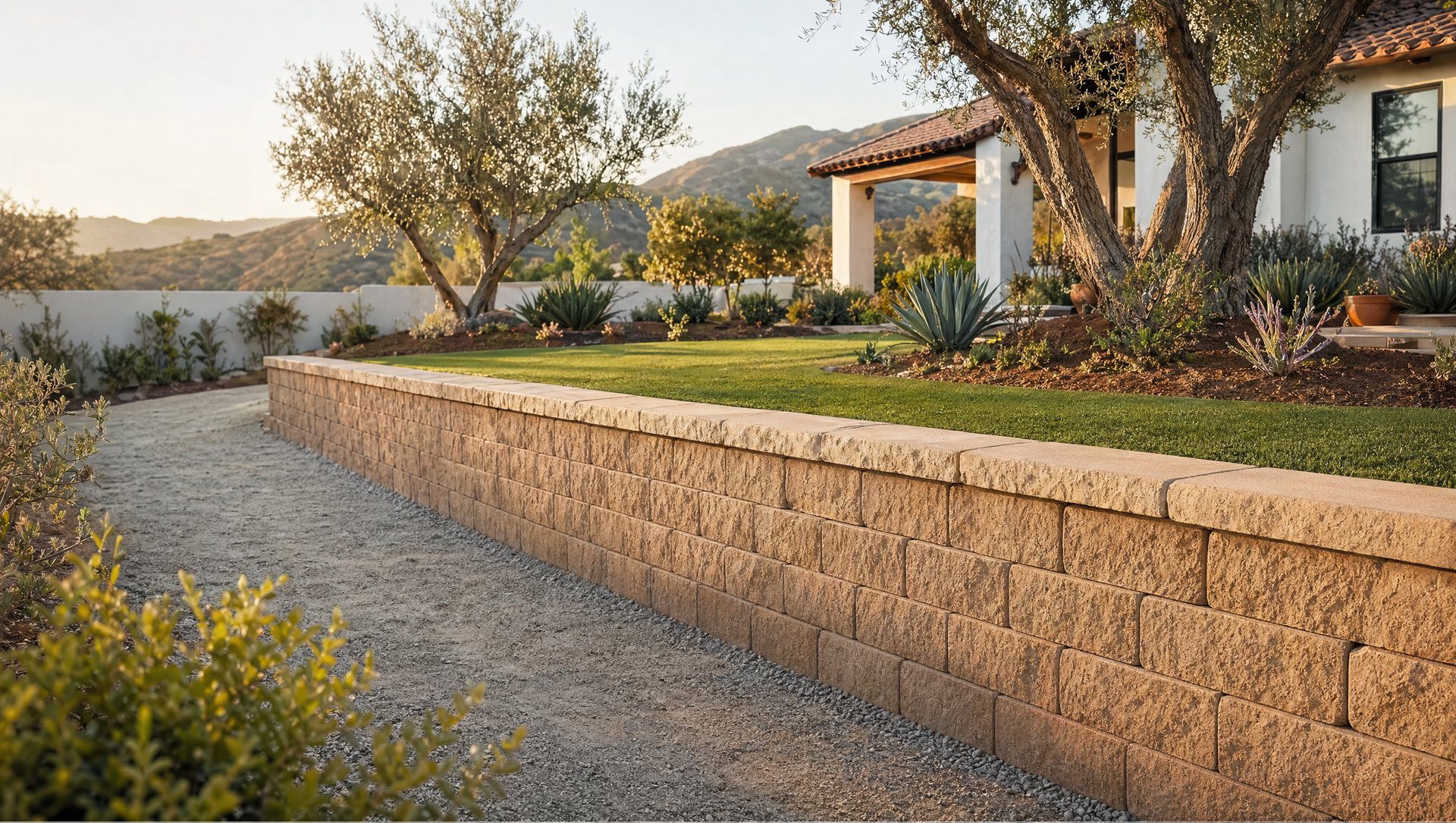
A neighbor once built a gorgeous five-foot block wall to tame his hillside, then got a stop-work notice two weeks later. His mistake was simple.
Most California cities require a permit for retaining walls over four feet tall, measured from the bottom of the footing to the top.
Even shorter walls can need approval if they hold back extra weight, called a surcharge. A driveway, a slope, or a building sitting above the wall all count.
Those loads push hard, especially when winter rains soak the soil.
Engineers often need to sign off on drainage and rebar plans. That paperwork can feel like a hassle, but a failed wall can send mud into your neighbor’s yard.
If your slope only needs a little help, native groundcovers may hold the soil without any permit at all.
2. Fences Taller Than Six or Seven Feet
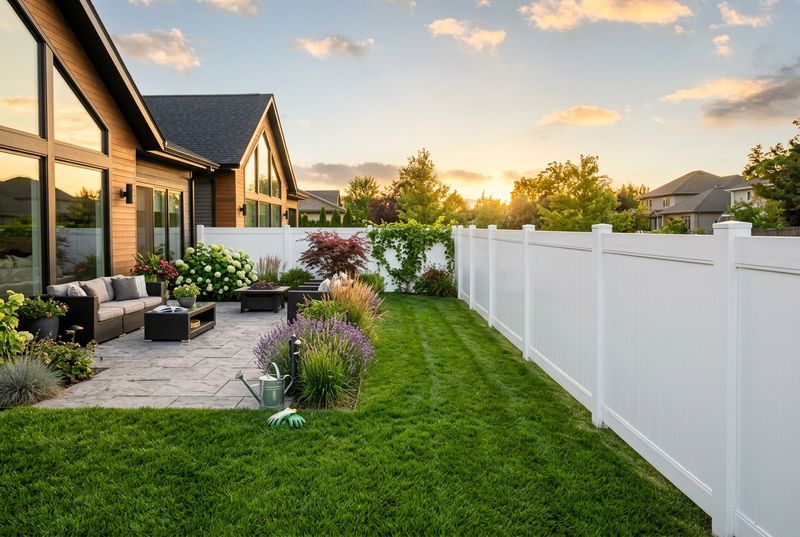
Privacy is a big deal in tight California neighborhoods. Still, that dream of a towering redwood fence can run straight into local height limits.
Many cities let you build a back or side fence up to six feet without a permit, while some allow seven. Go taller, and you will usually need a building permit.
Front yard fences are often capped much lower, sometimes around three or four feet, so drivers can see around corners.
Want more privacy without the red tape? A row of root-safe shrubs behind a legal fence can add height naturally.
Plants like toyon or coffeeberry grow tall and will not lift your patio or pool deck.
3. Pools and Spas

Nobody digs a pool on a whim, and California makes sure of that. In-ground pools always need permits, and many above-ground pools and hot tubs do too.
State law requires safety features to protect kids from drowning. You will likely need at least two barriers, such as a fence with a self-closing gate plus door alarms or a safety cover.
Inspectors check electrical work, plumbing, and drains before you can fill it.
Here is a fun fact. California passed its Swimming Pool Safety Act back in 1996, and it has been updated several times since.
Those rules exist because pool accidents happen fast and quietly.
4. Decks Raised Above 30 Inches
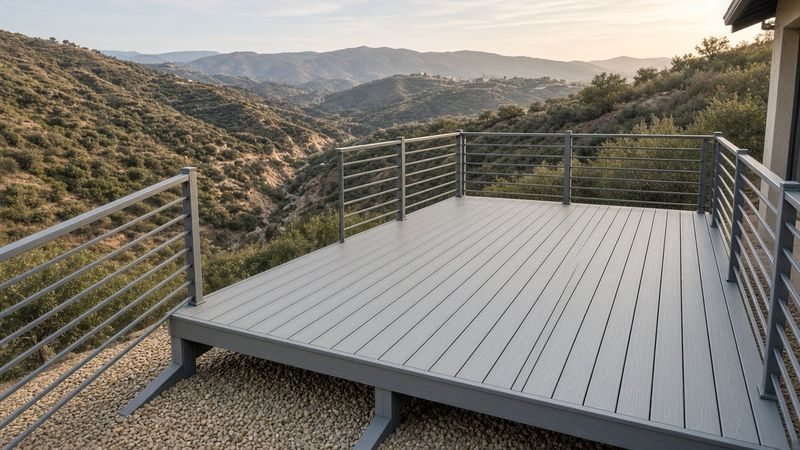
Picture sipping coffee on a raised deck with a view of the hills. Sounds lovely, right?
Just know that once your deck floor sits more than 30 inches above the ground, a permit is almost always required.
The reason is falls. Higher decks need railings, proper footings, and strong ledger connections to the house.
A deck pulling away from a wall can collapse with a crowd on it.
Attached decks often need permits even when they are low. Low, freestanding platforms are usually exempt, which makes them a smart choice for small patios.
5. Patio Covers and Pergolas

Shade feels like gold during a hot inland summer. That is exactly why so many homeowners add a patio cover, and why so many get surprised by permit rules.
Covers attached to the house usually need approval, since they tie into the roof or walls. Larger freestanding pergolas may also need one, especially those over about 120 to 200 square feet depending on your city.
Solid roofs face stricter rules than open slats.
Some areas also check fire safety. In wildfire zones, materials and distance from the home can matter a lot.
6. Sheds and Accessory Buildings
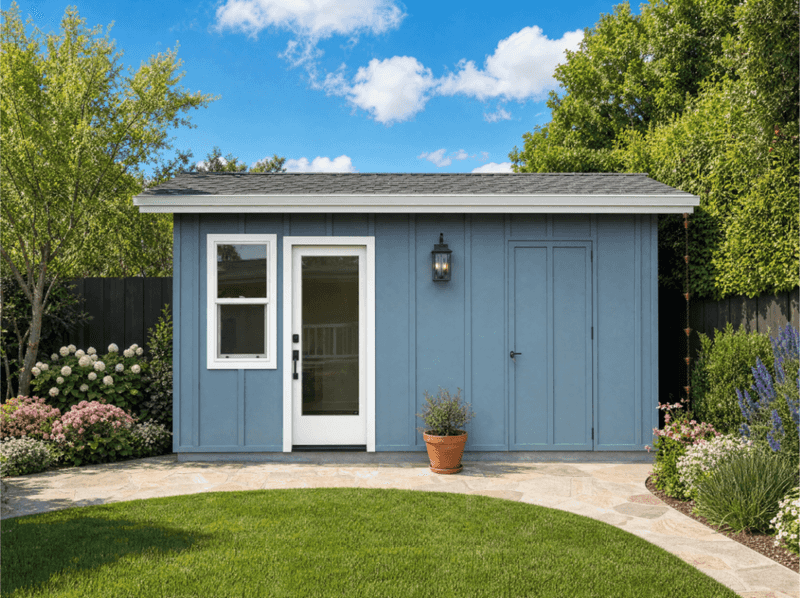
Small sheds are usually fine. Most California cities let you skip a permit for a one-story shed up to 120 square feet, but cross that line and things change.
Bigger sheds, studios, and workshops typically need full review. Add electricity or plumbing, and you will definitely need permits, even for a tiny building.
Setback rules also control how close you can build to property lines.
Thinking of turning a shed into a guest room or office later? That shifts it toward accessory dwelling unit rules, which bring a whole new set of plans and inspections.
7. Grading and Major Soil Moving
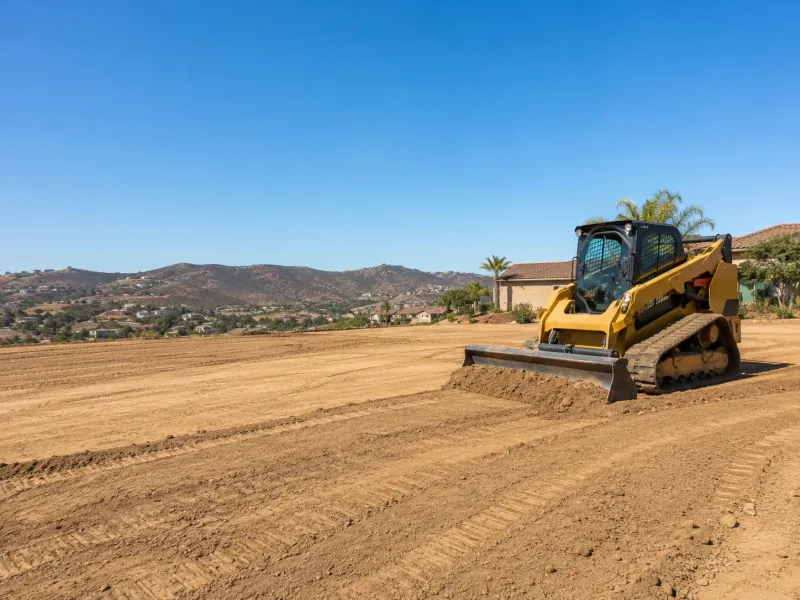
Moving dirt seems harmless until the rain shows up. Change how water flows across your lot, and you could flood your neighbor or start a mudslide.
That is why many counties require a grading permit once you move more than about 50 cubic yards of soil. Cutting into a steep slope or filling a low spot can trigger review too.
Some hillside areas are even stricter.
Planning a yard makeover on a slope? Ask your local building office first.
Planting deep-rooted natives before winter rains is often the gentler path to holding soil in place.
8. Removing Protected Trees
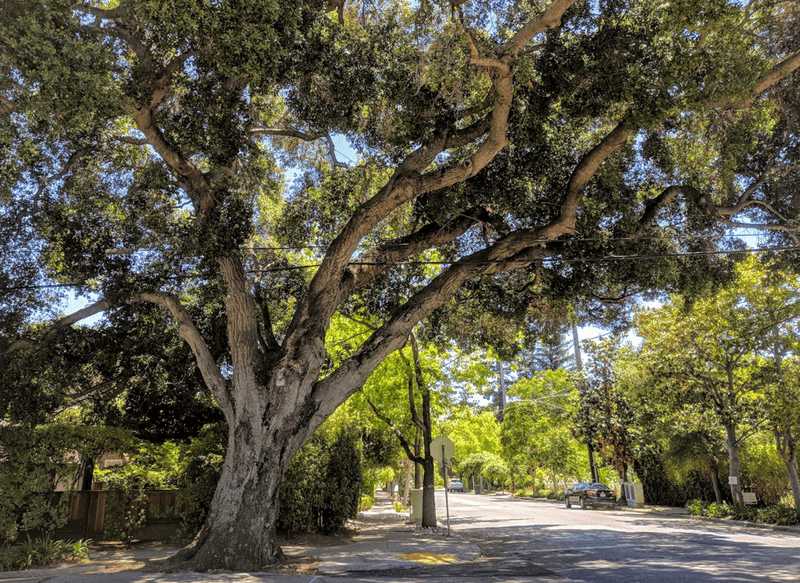
That big old oak might feel like yours. In the eyes of many California cities, though, it partly belongs to the whole community.
Places like Los Angeles, Palo Alto, and many others protect native oaks, sycamores, and other heritage trees. Cutting one down or even trimming major roots can require a permit.
Fines for illegal removal can reach thousands of dollars per tree.
Coast live oaks can live for hundreds of years, and some in California are older than the state itself. Before you call a tree crew, check your local tree ordinance.
A certified arborist can often help you find a safer option than removal.