
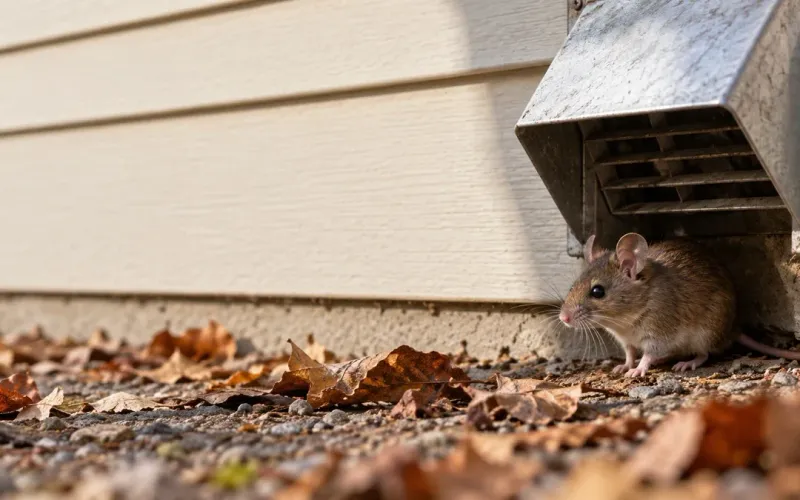
When the yard goes quiet in winter, you might think every snake has vanished until spring. The truth is that many snakes are curled up just a few feet away, tucked under sheds, porches, and stacks of firewood.
Knowing the small clues they leave behind can help you avoid a surprise when you reach for a log or move a board. Here are 12 signs that a snake may be spending the cold months closer than you think.
1. Shed Skins Near the Foundation
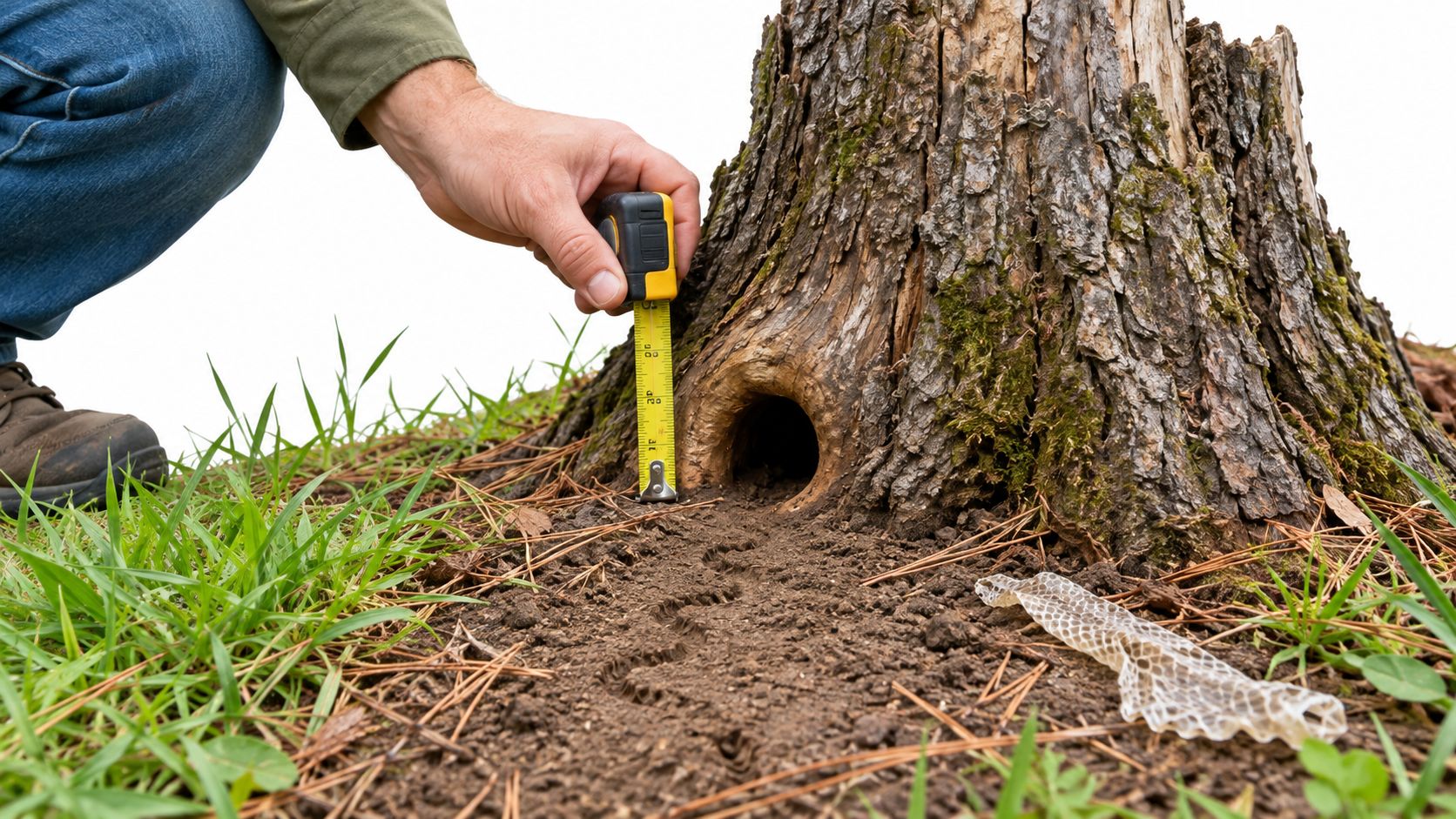
Picture yourself raking the last soggy leaves away from the shed and finding what looks like crinkled tissue paper. Look closer, and you may see a faint scale pattern stamped into it.
That ghostly tube is a shed snake skin, and it is one of the clearest calling cards a snake can leave.
Snakes usually shed before they settle in for the cold months, often rubbing against rough wood, stone, or concrete to peel the old layer free. Finding one near the base of a shed or tucked between firewood splits suggests a snake was moving through that exact spot recently.
Sometimes the skin is whole, with the eye caps still visible, and sometimes it is shredded into strips.
Fun fact: a snake turns its skin inside out as it sheds, the way you might peel off a sock. If you measure the skin, remember it stretches a bit, so the snake is usually a little shorter than its leftovers.
Wear gloves if you pick one up, since snake skins can carry salmonella. Snap a photo before tossing it, too.
A local extension office or wildlife group can often identify the species from the scale pattern alone.
2. Smooth Holes Under the Shed Floor
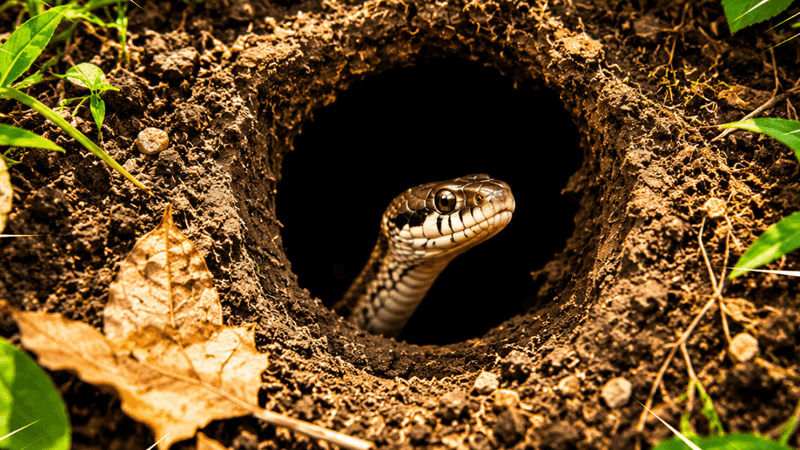
Holes are everywhere in a backyard, so how do you tell a snake doorway from a chipmunk tunnel? Shape and texture tell most of the story.
Snakes rarely dig their own burrows, but they happily borrow ones made by rodents, then polish the edges as they slide in and out.
A hole used by a snake often looks clean and smooth around the rim, almost worn, with no fresh pile of dirt next to it. Rodent holes, by contrast, tend to have loose soil kicked out in a little fan.
If the opening sits right under the shed floor or along a skirting board, it gives a snake easy access to the dry, sheltered space beneath.
You might also notice cobwebs or debris across the entrance during deep cold. That does not mean the hole is empty.
A sleeping snake barely moves, so a web stretched across the gap can stay intact for weeks.
Resist the urge to poke a stick inside. Instead, note the location and plan to seal openings in late spring, once you are sure nothing is still hiding there.
Hardware cloth with quarter-inch mesh, buried a few inches deep, works well as a long-term barrier.
3. A Busy Rodent Population
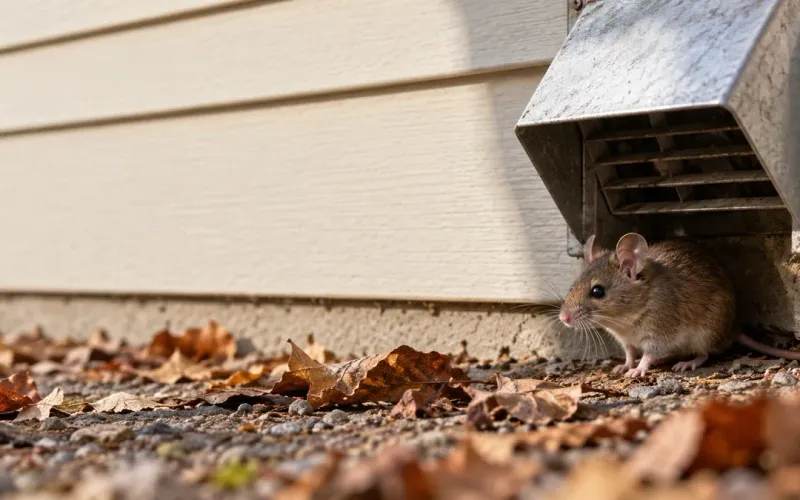
Follow the food, and you will often find the predator. If your shed has chewed seed bags, mouse droppings, or nibbled garden gloves, you have essentially opened a buffet that snakes notice well before winter sets in.
Rat snakes, corn snakes, and other rodent hunters spend fall tracking mice into the same cozy spots where they will later sleep. A shed full of nesting material and easy meals checks every box on their wish list.
Even after snakes go dormant, the rodent activity you see is a strong hint that one may have followed its dinner inside and decided to stay.
Honestly, many gardeners are relieved to learn a snake has been quietly handling their mouse problem. Still, most people would rather not share a storage space with either animal.
The fix starts with the mice. Store birdseed, grass seed, and pet food in metal bins with tight lids.
Clear out old cardboard boxes and piles of rags that make perfect nests. Set traps if needed.
When the food supply dries up, your shed becomes far less attractive to any snake scouting for a winter home next year.
4. Snake Droppings With a White Tip
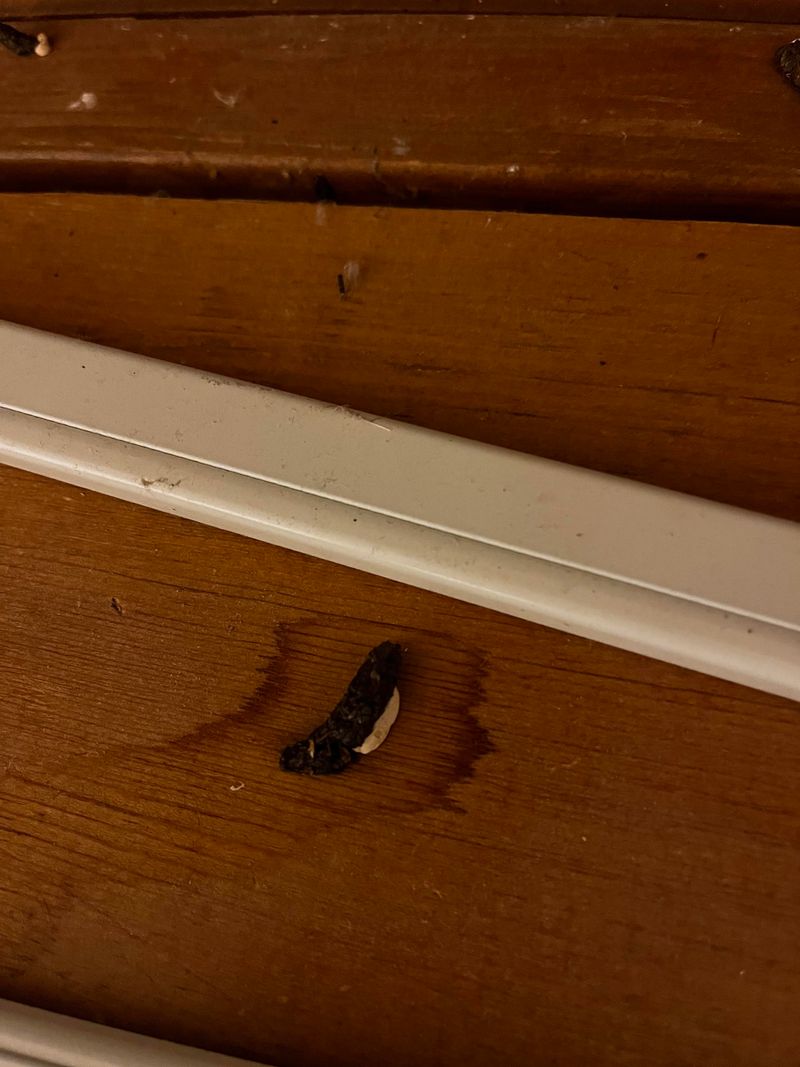
Nobody enjoys inspecting droppings, but this clue is surprisingly useful. Snake waste looks a bit like bird droppings stretched into a longer shape.
It is usually dark brown or black with a chalky white cap on one end.
That white part is uric acid, which is how snakes get rid of waste without losing much water. You may also spot bits of fur, tiny bones, or even scales mixed into the darker portion, leftovers from rodents or lizards the snake swallowed whole.
Finding these droppings on the shed floor, along a back wall, or on the top layer of a woodpile means a snake has spent time right there.
Here is a quick way to tell them apart from other critters. Mouse droppings are tiny and rice-shaped, while raccoon droppings are much larger and often found in one spot used again and again.
Snake droppings are single, irregular, and usually fewer in number.
During winter, a dormant snake eats little or nothing, so fresh droppings are uncommon. Older dried ones still count as evidence, though.
Clean them up with gloves and a disinfectant, and wash your hands well afterward to avoid any germs.
5. A Loose, Gappy Woodpile
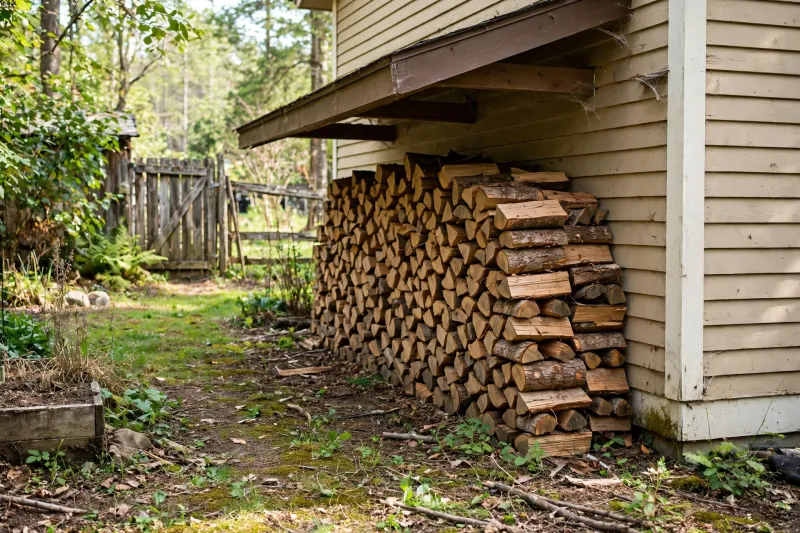
Grandpa always said a sloppy woodpile is an open invitation, and he was right. Firewood stacked directly on the ground, with lots of gaps between logs, creates a maze of hidden rooms that hold heat and stay out of the wind.
Snakes love this kind of setup. The bottom layer of logs touches moist soil, the bark offers rough surfaces to rub against, and the whole stack warms in afternoon sun.
Woodpiles that sit untouched for months, especially ones leaning against a fence or shed wall, are prime winter real estate.
You cannot see inside a pile without moving it, but you can watch for signs. Loose bark pieces scattered around the base, small trails leading in, or the occasional shed skin snagged on a log all point to activity.
Want a woodpile that snakes ignore? Stack firewood on a raised rack at least a foot off the ground.
Keep it a good distance from your house and shed, and tighten the stack so fewer gaps exist. When you gather logs in winter, wear thick gloves, take wood from the top, and never reach blindly into dark spaces near the bottom.
6. Track Marks in Dust or Light Snow
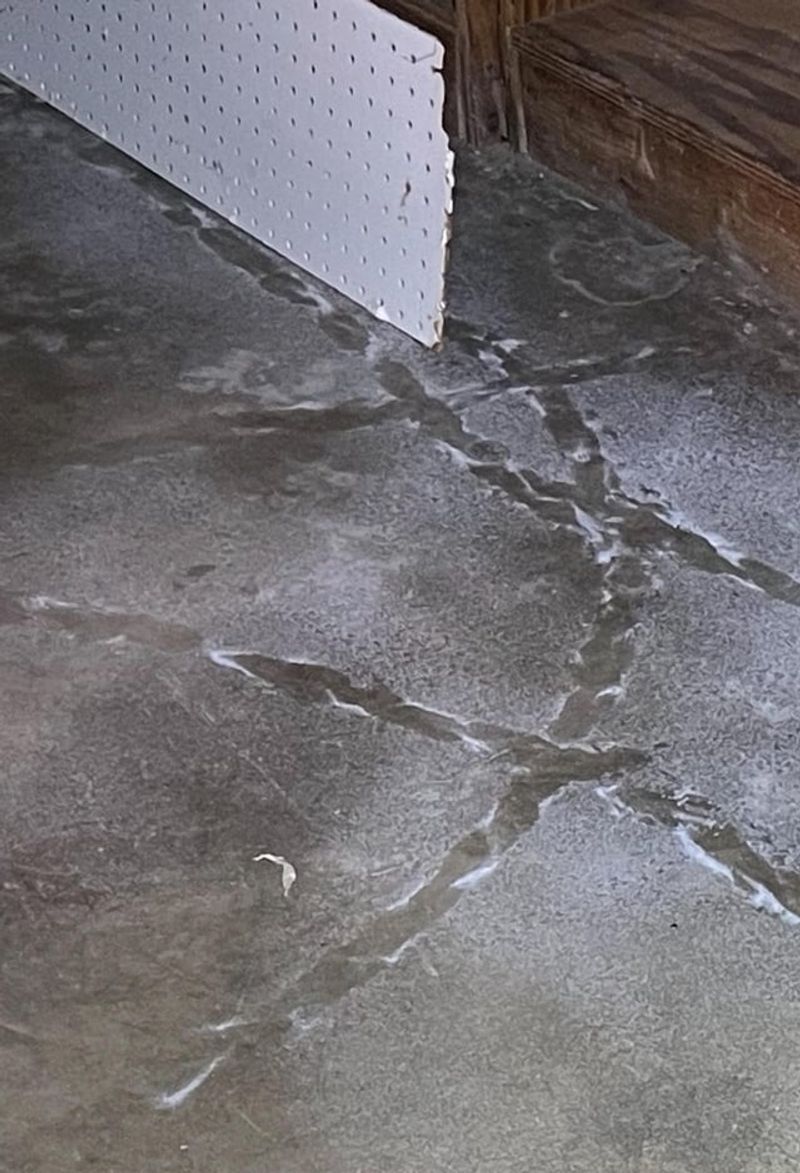
Ever noticed a wavy line drawn in the dust beside your shed and wondered what made it? Snakes leave a distinctive trail.
Instead of footprints, you will see a smooth, S-shaped groove or a straight, flattened path.
These marks show up best in dry dust under a shed overhang, in fine sand, or along the dirt floor of a crawl space. On mild winter days, when temperatures rise into the 50s or 60s, some snakes briefly wake up and move toward a sunny spot.
If a light dusting of snow is on the ground, a fresh track can be easy to spot and follow.
The curve tells you the snake was moving in a sideways wiggle, which is the most common style. A straight, wide track usually means a heavier snake inching forward using its belly scales, a bit like a caterpillar.
Following the trail can show you exactly where the snake is coming and going. Often it leads straight to a gap under the shed, a hole in the foundation, or the base of a woodpile.
Mark that spot, and you will know where to focus your sealing work once spring arrives.
7. Sunning Spots on Warm Winter Days
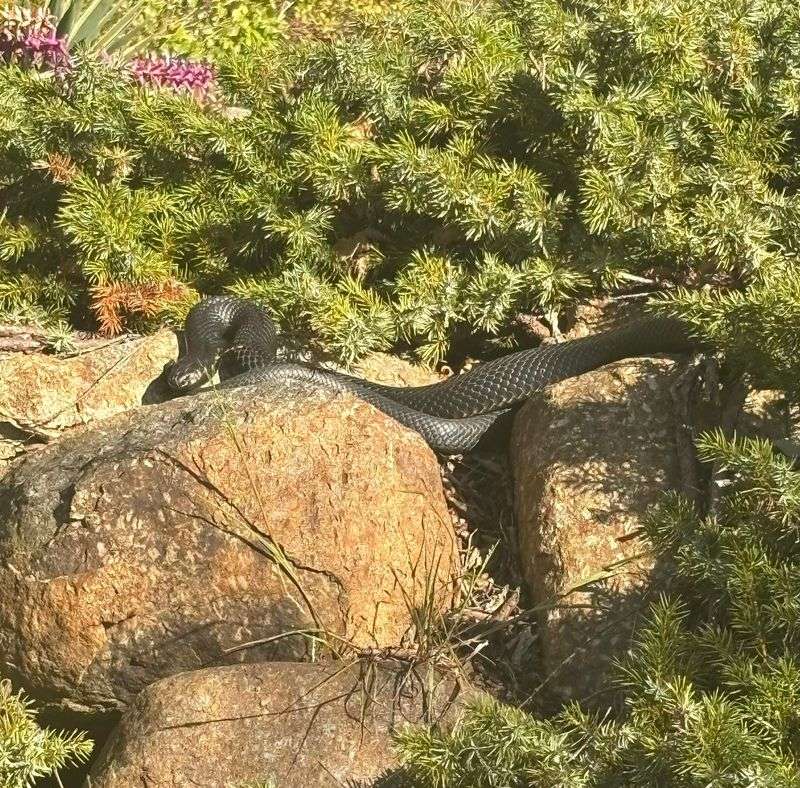
January surprises happen. A string of sunny, mild days rolls through, and suddenly a neighbor spots a snake stretched across the patio.
It sounds strange, yet it is completely normal.
Snakes are cold-blooded, which means they depend on their surroundings for warmth. During a winter warm spell, a dormant snake may crawl out to soak up sunshine, then slip back into its shelter when the air cools again.
Favorite basking spots include flat rocks, concrete slabs, south-facing walls, and the sunny side of a woodpile.
If you see a snake out on a bright winter afternoon, the odds are high that it lives very close by. Snakes rarely travel far in cold weather because getting stuck in the open could be deadly.
Its hideout is likely within a few yards of where it is basking.
Give the snake plenty of space and let it head back home on its own. Most backyard snakes are harmless and simply looking for a little warmth.
Take note of the direction it goes, though. That quick glimpse can reveal whether it is sleeping under your shed, inside the woodpile, or beneath a nearby step.
8. Gaps Around Pipes, Steps, and Skirting
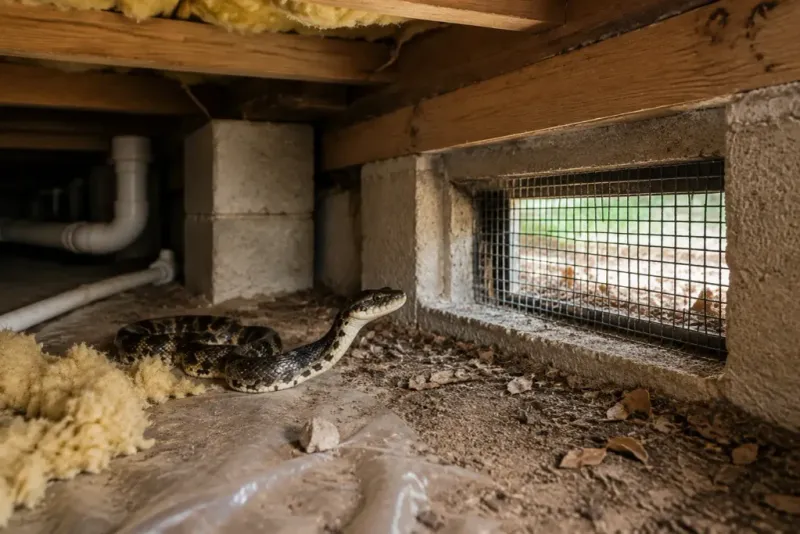
A snake can squeeze through an opening about the width of a pencil if it is young, and adults need only slightly more room. That makes every crack around your shed worth a second look.
Common entry points include gaps where water lines or electrical conduit enter a building, spaces beneath wooden steps, loose skirting around a shed base, and cracks in a concrete slab. Over time, frost heave and settling widen these openings, giving snakes a neat path to sheltered pockets underneath.
Check each gap for clues. Rubbed, slightly shiny edges can mean something has been passing through repeatedly.
A bit of shed skin caught on a rough board or nail head is an even stronger sign. Spider webs that are broken in the middle of a gap, rather than at the edges, may show recent movement too.
Think of this as your spring repair list rather than an emergency. Sealing openings in midwinter could trap a sleeping snake inside, where it might wander into a garage or basement later.
Wait until warm weather returns and the snake has left. Then use expanding foam, mortar, or hardware cloth to close every gap you found.
9. A Faint Musky Odor
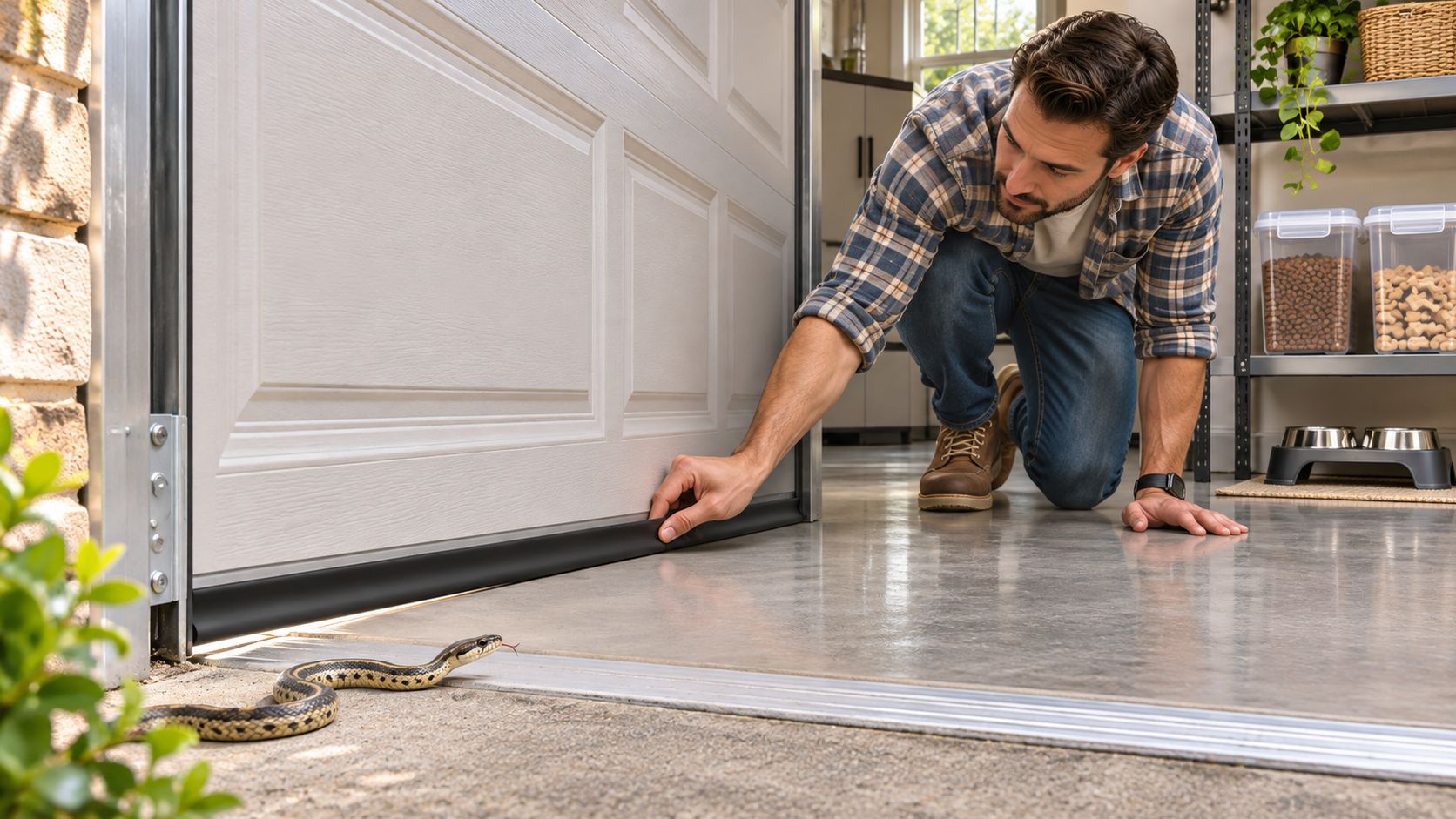
Some gardeners swear they can smell a snake before they see one, and there is real science behind the claim. Certain snakes, including garter snakes and water snakes, release a strong musk when they feel threatened.
The scent is often described as sour, earthy, or a bit like a mix of cucumber and something rotten. It tends to linger in closed, still air, such as the inside of a shed, a crawl space, or a covered woodpile.
If you open the shed door after weeks away and catch an odd smell you cannot place, a snake may be the source.
Odor alone is not proof, of course. Dead mice, damp wood, and mildew can all produce funky smells.
Treat it as a clue that pairs with others, like shed skins or droppings, to build a fuller picture.
Bonus fact: garter snakes sometimes spend winter in large groups, called hibernacula, with dozens or even hundreds of snakes packed together. A big group can create a noticeably stronger smell.
If the odor seems concentrated near one corner or gap, that might be the spot where they are bunked up for the season. Leave it alone and call a wildlife professional if needed.
10. Rock Piles and Old Building Materials Nearby
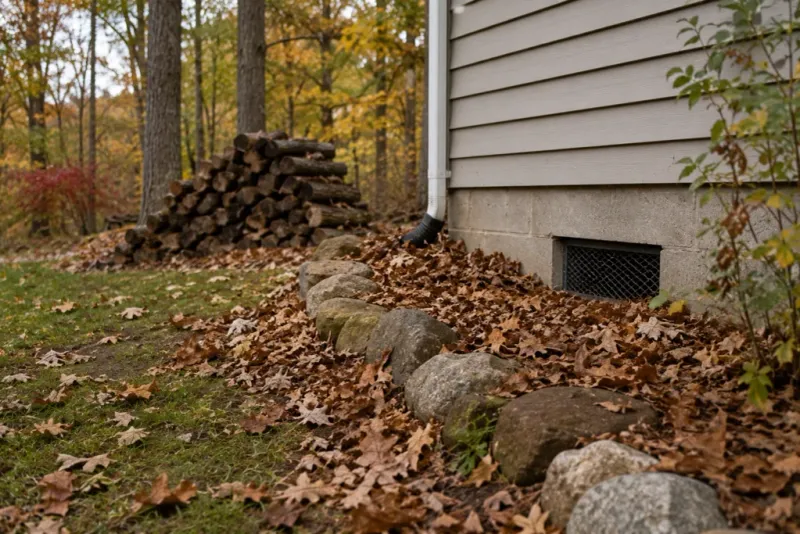
That stack of leftover bricks from a patio project looks harmless enough. To a snake searching for winter shelter, though, it might as well be a five-star hotel with heated floors.
Rock piles, scrap lumber, old pavers, sheets of metal roofing, and forgotten tarps all trap warmth and moisture underneath. When they sit right next to a shed or woodpile, they create a whole neighborhood of hiding places.
Snakes can move between them, picking the coziest spot as temperatures shift.
Watch for the same signs you would check elsewhere: smooth soil beneath the edges, shed skins, or small droppings. Lifting a piece of tin in early spring and finding a coiled snake underneath is a classic backyard moment, so many herpetologists actually use metal sheets on purpose to survey snakes.
Cleaning up these piles is one of the best long-term ways to make your yard less inviting. Plan the job for late spring, when snakes are active and can move away on their own.
Use a rake or long-handled tool to flip materials toward you, so anything underneath escapes in the other direction. Haul away what you do not need, and store the rest on racks off the ground.
11. Pets Acting Curious Around One Spot
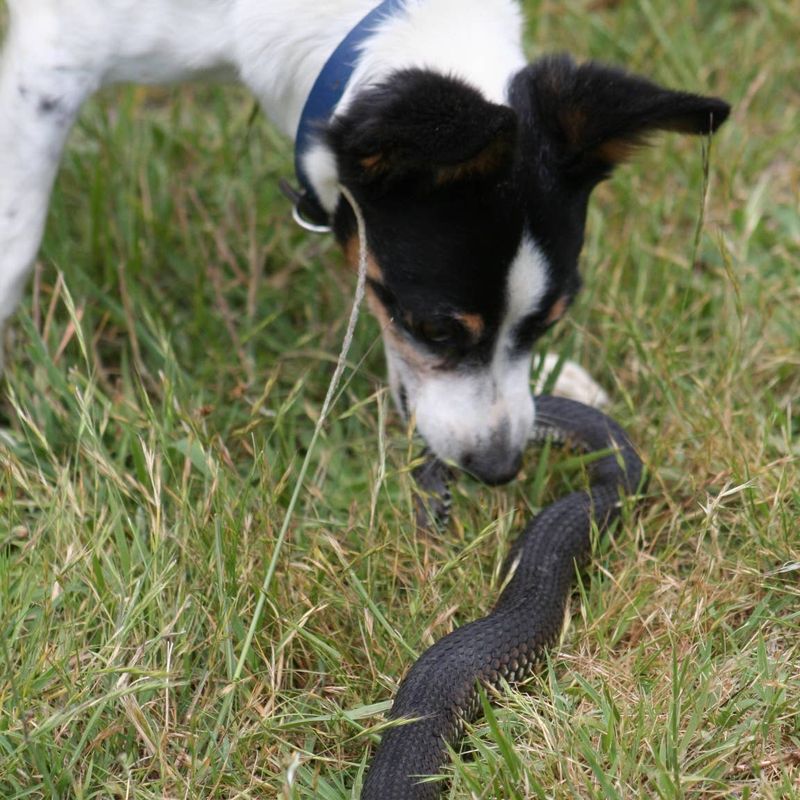
Your dog has a nose that puts yours to shame, so pay attention when it fixates on one place. A pup that keeps sniffing, pawing, or barking at the base of the shed or the same corner of the woodpile may be picking up a scent you cannot detect.
Cats are often just as revealing. A cat that sits staring at a gap under a step for long stretches, tail twitching, could be waiting on a mouse.
Then again, it might be watching a snake that followed those mice inside.
Behavior like this does not guarantee a snake is present. Rodents, chipmunks, and even toads draw the same attention.
Still, a sudden obsession with one spot is worth investigating, especially if you also notice skins, holes, or droppings nearby.
Safety matters here. In regions with venomous species like copperheads or rattlesnakes, keep pets away from the area until you know what is going on.
Use a leash during yard time, and block off the spot with a temporary barrier. A curious dog that digs into a snake den could get bitten, even in cold weather, since a disturbed snake may still defend itself.
12. Damp, Leaf-Filled Corners Behind the Shed
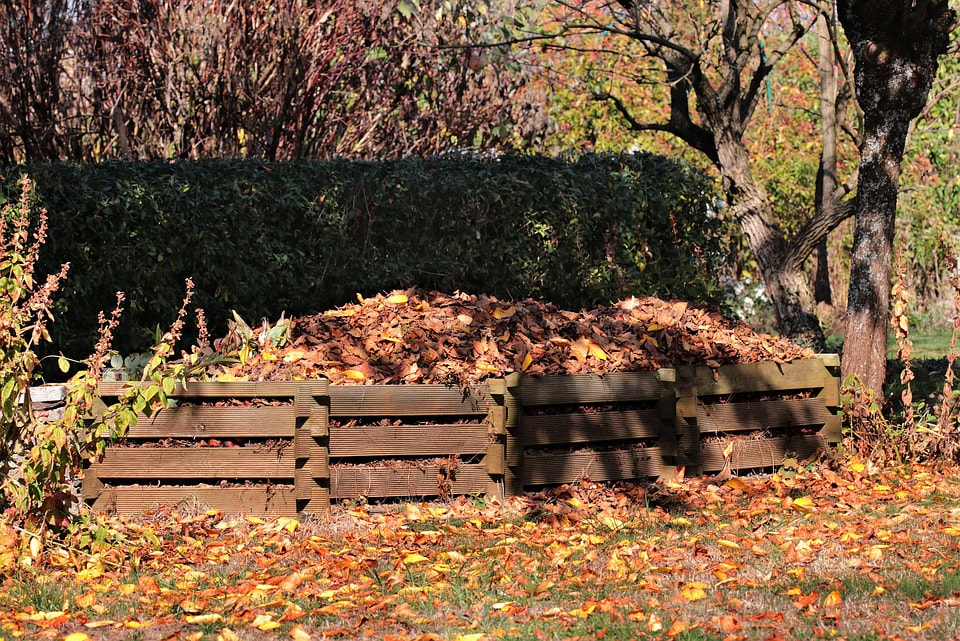
Out of sight, out of mind. That narrow strip behind the shed, where leaves pile up and nobody ever rakes, is exactly the kind of overlooked space snakes appreciate most.
Thick layers of wet leaves act like a blanket, holding moisture and buffering the ground from freezing air. When that leaf pile sits against a shed wall or fence, it often hides small openings into the space underneath.
Snakes can slip through the litter unnoticed and settle into the shelter below, protected on every side.
Look for disturbed patches in the leaves, little channels, or areas where the top layer seems pushed aside. Any of these may show where something has been traveling.
Mild days sometimes reveal a snake partly tucked into the leaves, soaking up a bit of warmth without fully leaving cover.
The takeaway is simple: tidy edges make a less welcoming yard. In spring, rake out those forgotten corners, trim tall grass along the shed, and leave a clear strip of gravel around the base if you can.
Snakes dislike crossing open ground where hawks can spot them. A few small habits will keep your shed and woodpile far less tempting next winter.