
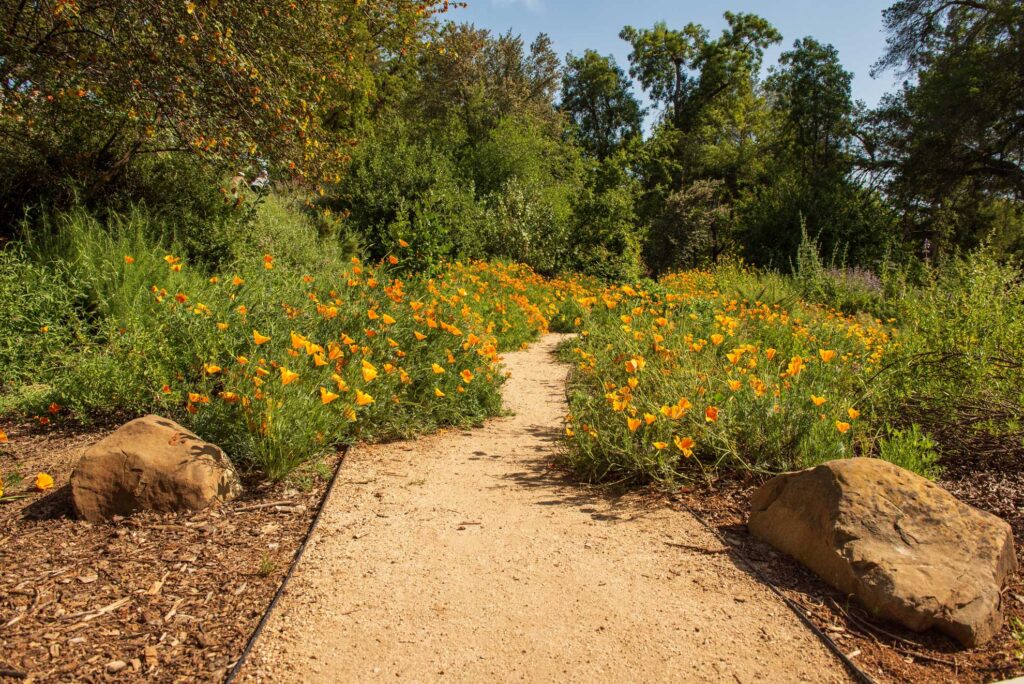
Sandy soil drains so fast that water seems to vanish before your lawn or roses can drink it. Add hot California sun, and those thirsty plants turn brown no matter how often you run the sprinklers.
The good news is that many native plants grew up in exactly these conditions and actually prefer them. Here are nine tough, beautiful natives that will turn your problem patch into the best-looking spot on the block.
1. California Buckwheat
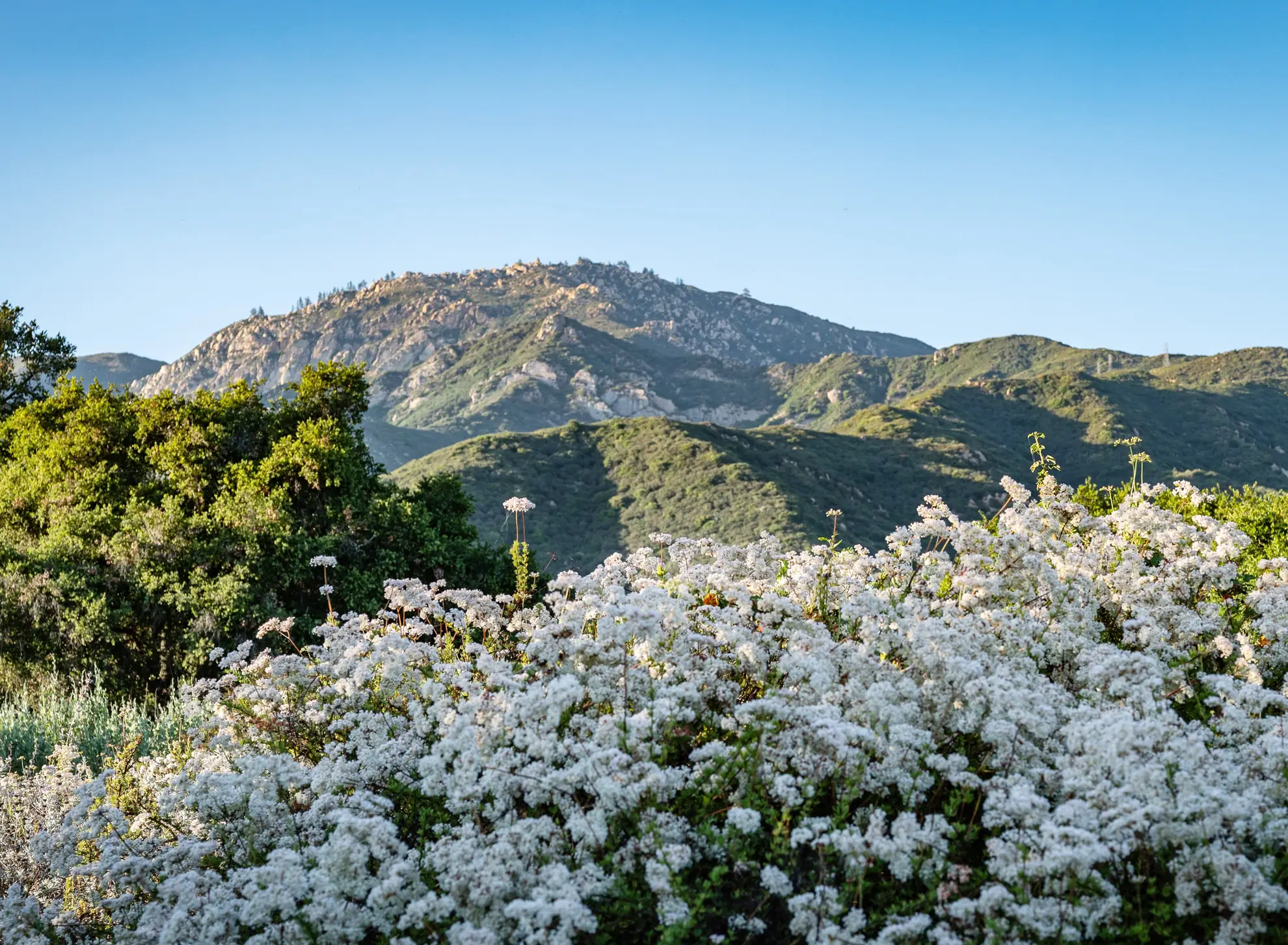
Bees go a little crazy for California buckwheat. From late spring into fall, its fuzzy cream-to-pink flower clusters hum with pollinators while the rest of your yard naps through the heat.
The plant forms a tidy mound about three feet tall and wide, with small gray-green leaves that shrug off drought. Sandy soil suits it perfectly, since its roots hate sitting in water.
Once the blooms fade, they dry to a rusty brown that many gardeners leave up for winter texture and seeds for birds. Water deeply a few times the first summer, then mostly leave it alone.
2. Cleveland Sage
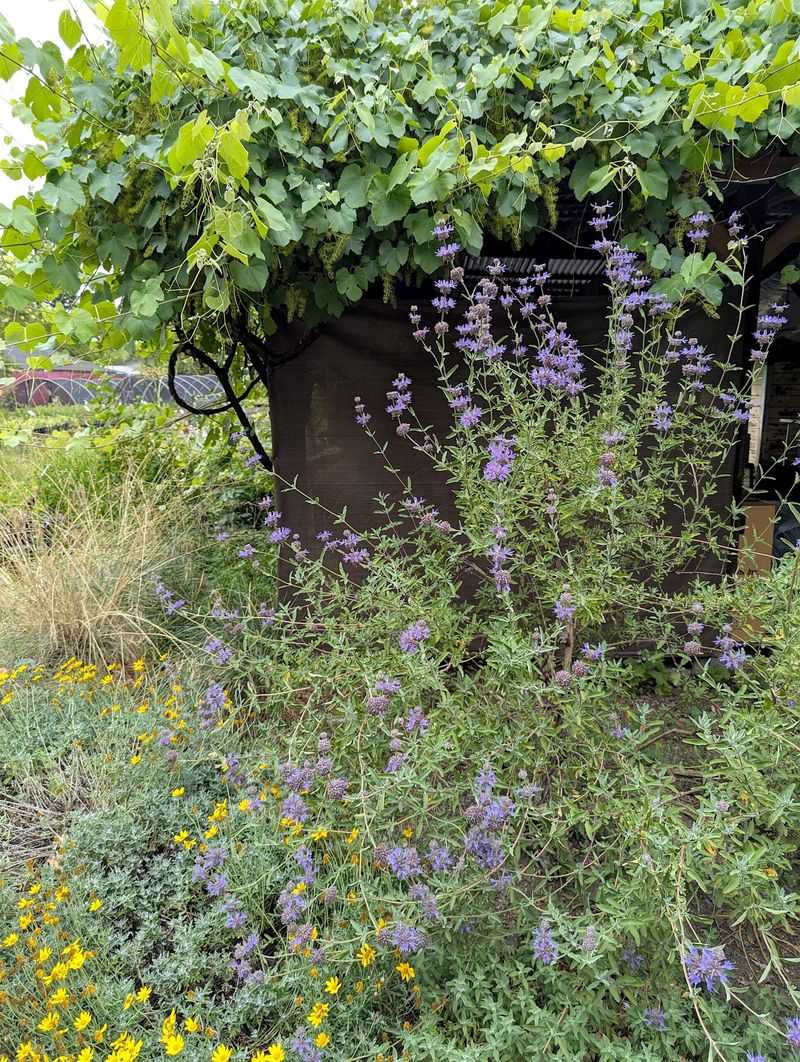
Brush past Cleveland sage on a warm evening and the whole yard smells like a hillside after a summer storm. That scent alone has converted plenty of rose lovers.
Its lavender-blue flower whorls stack up along tall stems in late spring, pulling in hummingbirds and butterflies. The gray foliage stays handsome all year with very little water.
Give it full sun and fast-draining ground, and it rewards you with a four-foot shrub that looks lush without being thirsty. Skip the fertilizer and summer watering once it settles in, since kindness can actually shorten its life.
3. Beach Strawberry
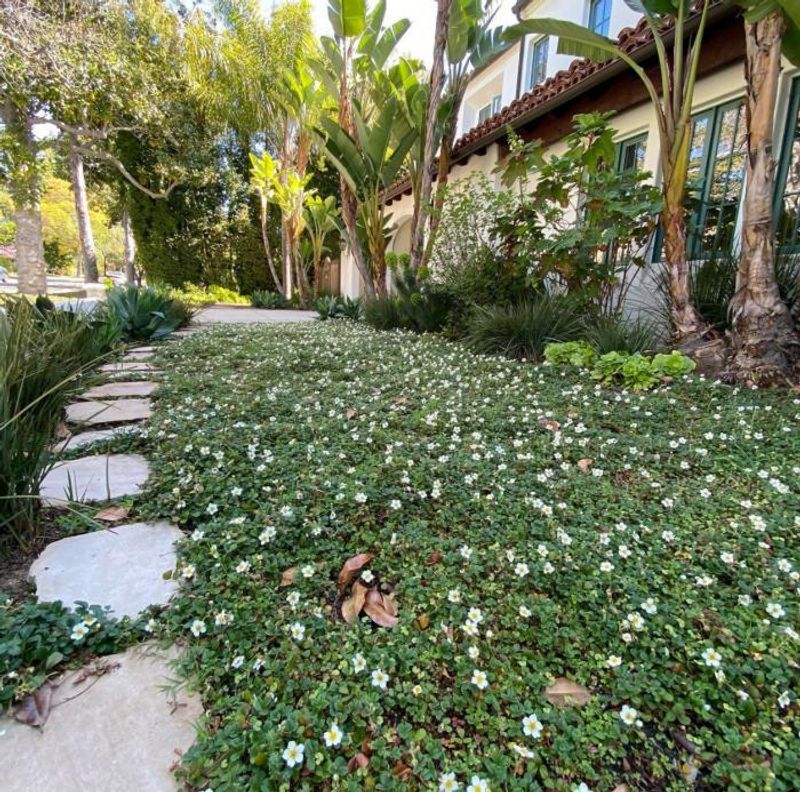
Picture a lawn replacement that stays green, needs no mowing, and blooms white in spring. Beach strawberry grows wild on California dunes, so sand is its home turf.
The glossy leaves spread by runners to knit a low carpet a few inches tall. It handles light foot traffic around pavers and stepping stones better than most groundcovers.
Inland gardens may need occasional summer water or a little afternoon shade. The small berries are edible, though birds usually find them first.
4. California Poppy

Our state flower is basically a weed that everyone loves. Scatter seeds in fall before the rains, and by spring you get a blaze of orange petals that fold shut each night.
Poppies grow a deep taproot that finds moisture far below the hot, dry surface. Rich, watered beds actually make them floppy, so poor sandy ground is a plus.
They reseed freely, filling gaps between shrubs year after year. Fun fact: early Spanish sailors reportedly called the coast the land of fire after seeing hillsides covered in these blooms.
5. Manzanita
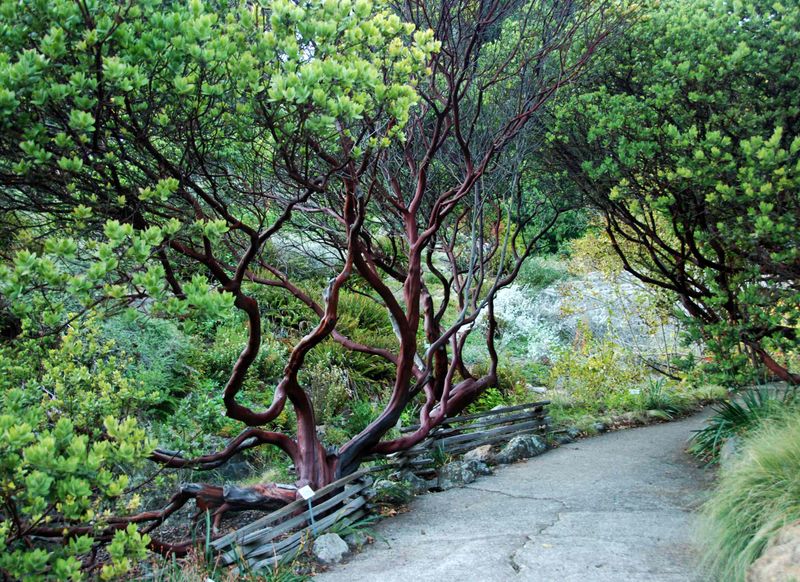
Smooth, cinnamon-red bark that looks almost polished makes manzanita the sculpture of the native garden. Few shrubs look this good with zero summer water.
Winter brings tiny pink or white bell flowers that feed early hummingbirds. Later, small berry-like fruits give the plant its name, which means little apple in Spanish.
Choose a garden-friendly type like Howard McMinn or Sunset for easier growing. Plant in fall, water through the first dry season, and never let drip lines soak the base.
Size ranges from low groundcovers to small trees, so there is one for nearly every spot.
6. Deer Grass
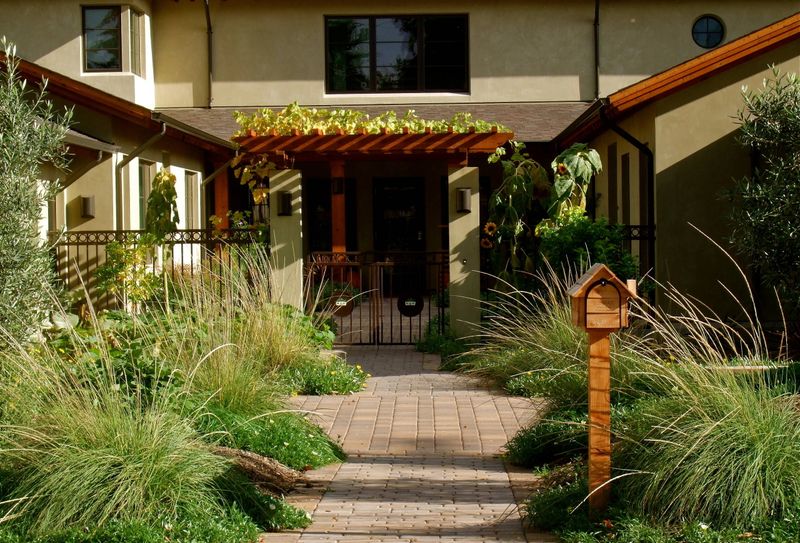
Native basket weavers once harvested deer grass stems by the thousands. Today it does a different job, filling big sunny spaces with graceful, fountain-shaped clumps.
Each plant grows about four feet tall with slender flower spikes that catch the light at sunset. It roots deeply, helping hold loose sand on slopes before winter rains arrive.
Cut it back hard every few years to refresh it. Otherwise, it asks almost nothing.
7. Coyote Brush
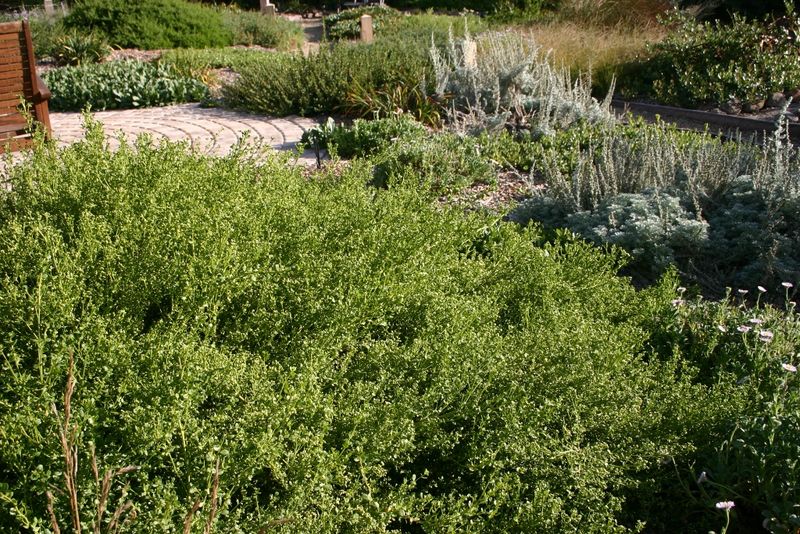
Tough as nails and twice as useful, coyote brush is the workhorse nobody brags about but everybody should plant. Low forms like Pigeon Point spread wide and stay under two feet.
Its bright green leaves stay fresh through summer heat, a nice contrast to all the silver natives. Roots grip sandy banks, making it a top pick for erosion control.
It tolerates wind, salt spray, and neglect. Trim once a year in late winter to keep it dense.
8. California Fuchsia
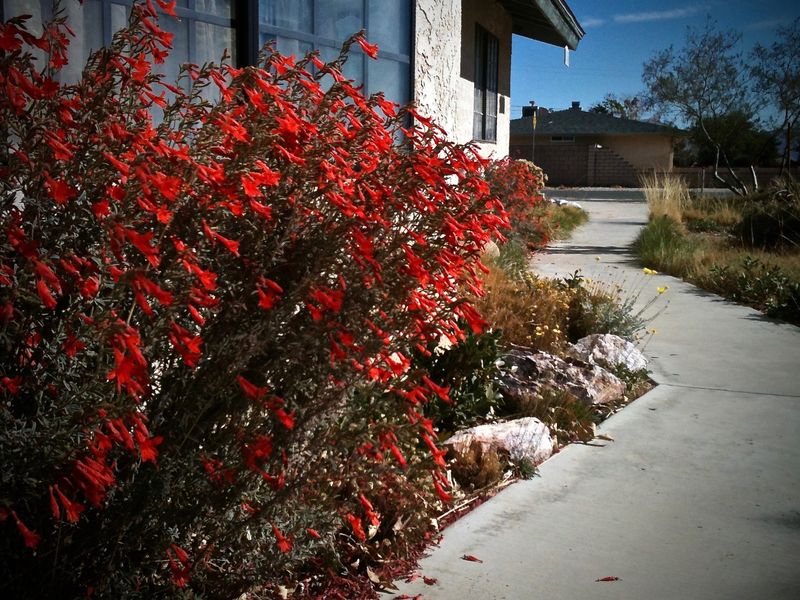
Late August is when most gardens look tired. California fuchsia waits until then to explode with scarlet tubular flowers that hummingbirds treat like a buffet.
Gray, fuzzy leaves cover a low, spreading plant that loves heat reflected off walls and walkways. It spreads underground in loose soil, so give it room or plant it where wandering is welcome.
Cut it nearly to the ground in winter. Fresh growth returns in spring, ready for another fiery show.
9. Seaside Daisy
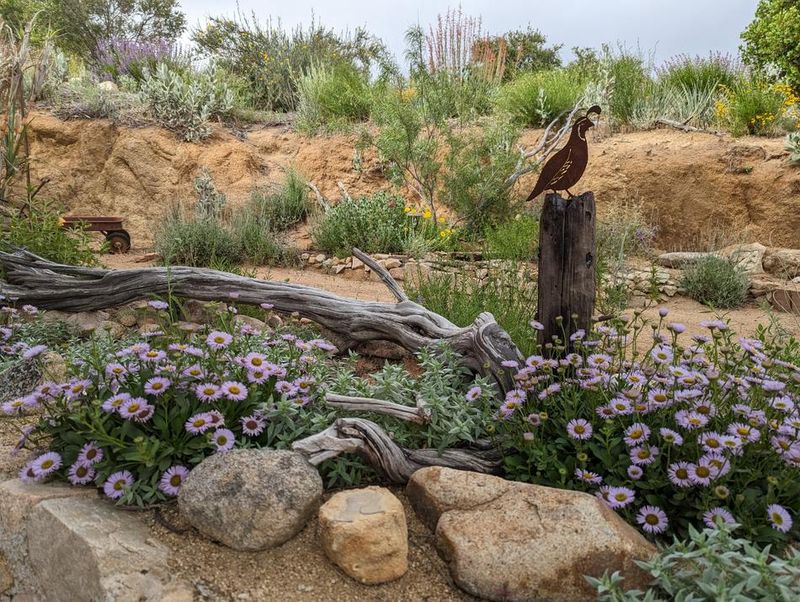
Cheerful is the only word for seaside daisy. Lavender petals around sunny yellow centers bloom from spring well into summer on low, tidy mounds.
It grows naturally on coastal bluffs, so sandy soil and ocean breezes feel familiar. Use it to edge paths or soften the front of a border where roses once sulked.
Inland, offer a bit of afternoon shade and occasional water. Snip spent flowers and more will follow.