
Voles are small, chubby rodents that chew grass roots, dig shallow runways, and leave ugly brown trails along lawn edges. Many California homeowners blame gophers, but voles do their damage right at the surface, often hidden under thick plants.
The good news is that voles rely heavily on their noses, and some plants give off scents they really dislike. Planting a strong-smelling border can help push these pests away while adding color, pollinators, and water-wise charm to your yard.
1. Rosemary
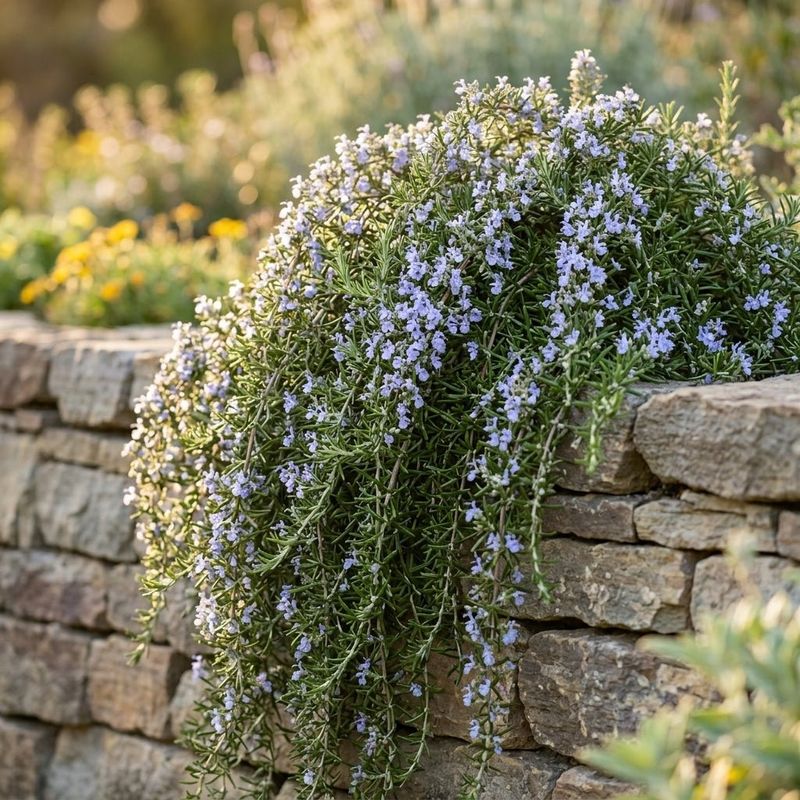
Brush past a rosemary bush and your hands smell like a kitchen for an hour. Voles get the same blast of oils, only their noses are far more sensitive than ours.
That piney, camphor-heavy aroma is one of the best natural barriers you can plant along a lawn edge.
Rosemary loves California conditions. It thrives in full sun, lean soil, and summer drought once established, which makes it a smart pick for water-wise yards.
Prostrate types like ‘Huntington Carpet’ spill neatly over borders, while upright forms such as ‘Tuscan Blue’ create a low hedge.
Plant it in a continuous line rather than spotty clumps so the scent forms a steady wall. Skip heavy mulch right at the base, since voles like hiding under thick cover.
As a bonus, bees adore the winter blooms when little else is flowering.
2. Daffodils
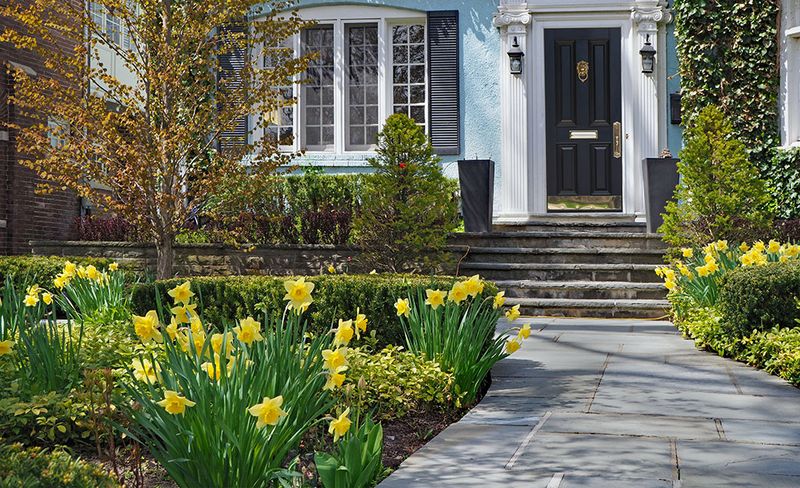
Ever notice that rodents leave daffodils alone while tulips vanish overnight? The reason is lycorine, a bitter, toxic compound found in every part of the bulb.
Voles quickly learn that daffodil territory is not worth a bite.
In California, daffodils naturalize easily because they enjoy wet winters and dry summers, which is exactly our pattern. Plant bulbs in fall, about six inches deep, in a ribbon along your lawn edge.
They return year after year with almost zero care.
Gardeners often tuck daffodils around more tempting bulbs as a protective ring. Their foliage fades by early summer, so pair them with a perennial that fills in afterward.
3. Garlic and Ornamental Alliums
Here is a plant that works double duty in the veggie bed and the flower border. Garlic, chives, and ornamental alliums all release sulfur compounds that smell sharp to us and downright offensive to voles.
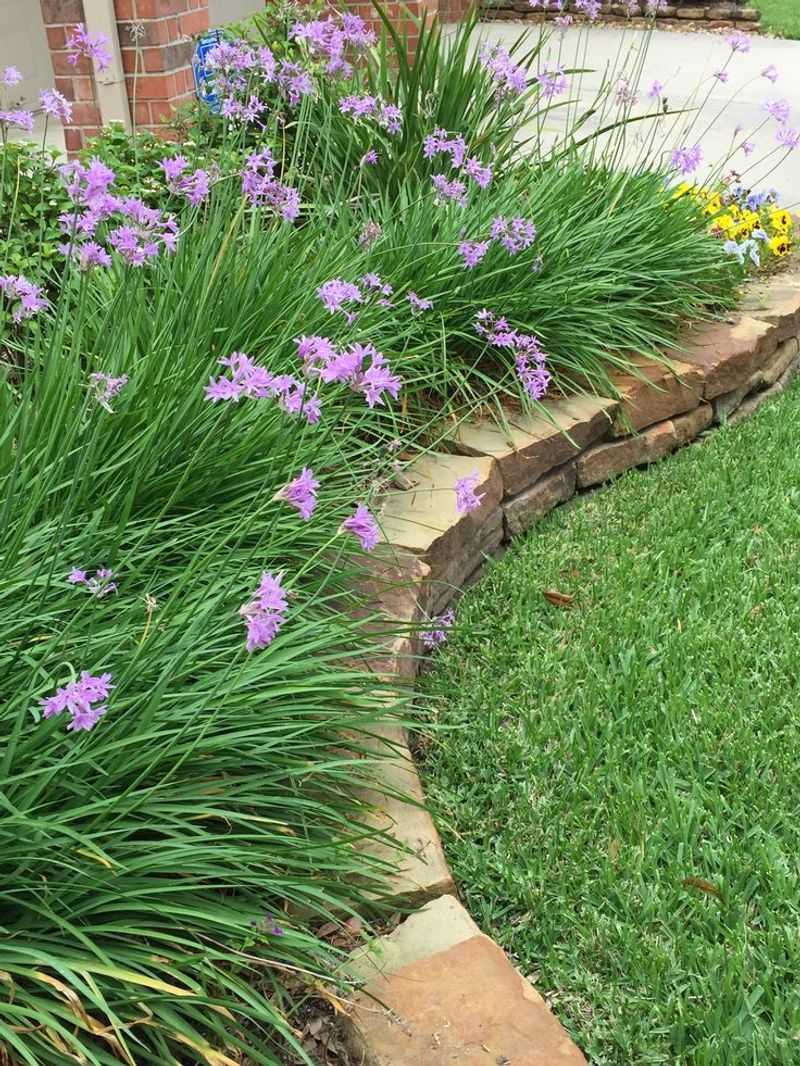
Ornamental types like ‘Globemaster’ send up purple pom-poms that look fantastic in late spring. Society garlic, a South African relative common in California landscapes, blooms for months and handles drought with ease.
Its leaves smell garlicky when crushed, which is the whole point.
Plant a dense row where your lawn meets beds or fencing. Many gardeners mix society garlic with lower groundcovers for a tidy, layered look.
4. Lavender
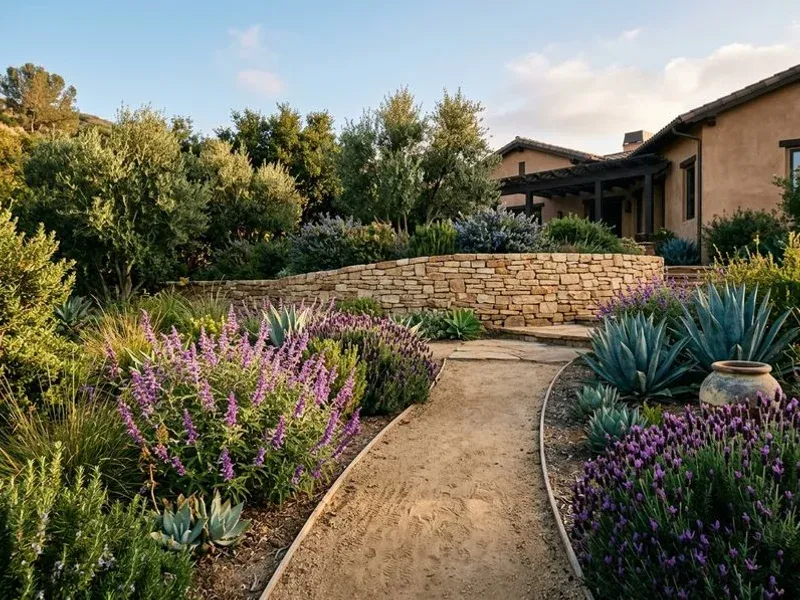
Picture a purple haze buzzing with bees right where the grass stops. Lavender delivers that postcard look while its oily, floral scent tells voles to keep moving.
Spanish and French lavenders handle coastal and inland California heat well. English lavender prefers cooler spots and excellent drainage.
All types hate soggy feet, so avoid placing them where sprinklers soak the soil daily.
Trim after flowering to keep plants compact and full. A leggy, open lavender gives voles room to sneak through, while a dense one keeps the fragrance concentrated.
5. Castor Bean Alternatives: Euphorbia
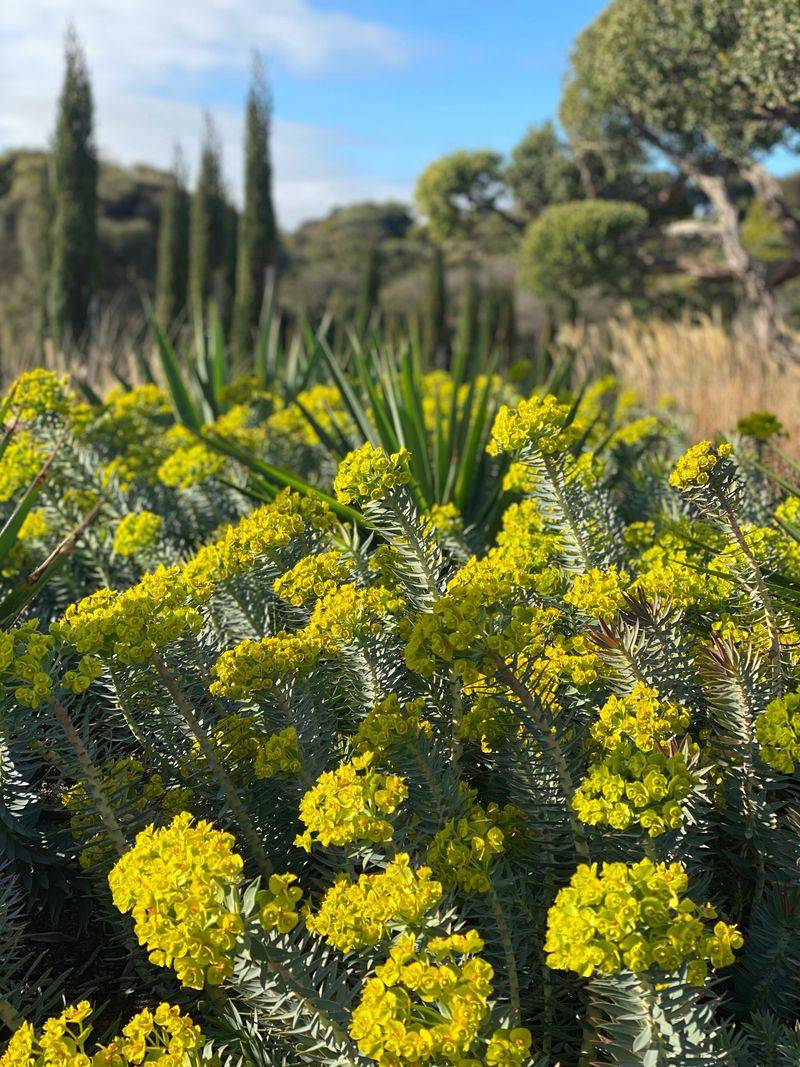
Old-timers called it gopher plant for a reason. Euphorbia lathyris and its cousins carry milky sap that rodents avoid, and many California gardeners swear by them around lawn edges.
For a tidier ornamental option, try Euphorbia rigida or Euphorbia characias. Both offer chartreuse blooms and silvery foliage that tolerate drought beautifully.
Wear gloves when pruning, because the sap irritates skin and eyes.
Keep euphorbias away from areas where small kids or pets chew on plants. Used thoughtfully, they add sculptural texture along with a quiet line of defense.
6. Cleveland Sage
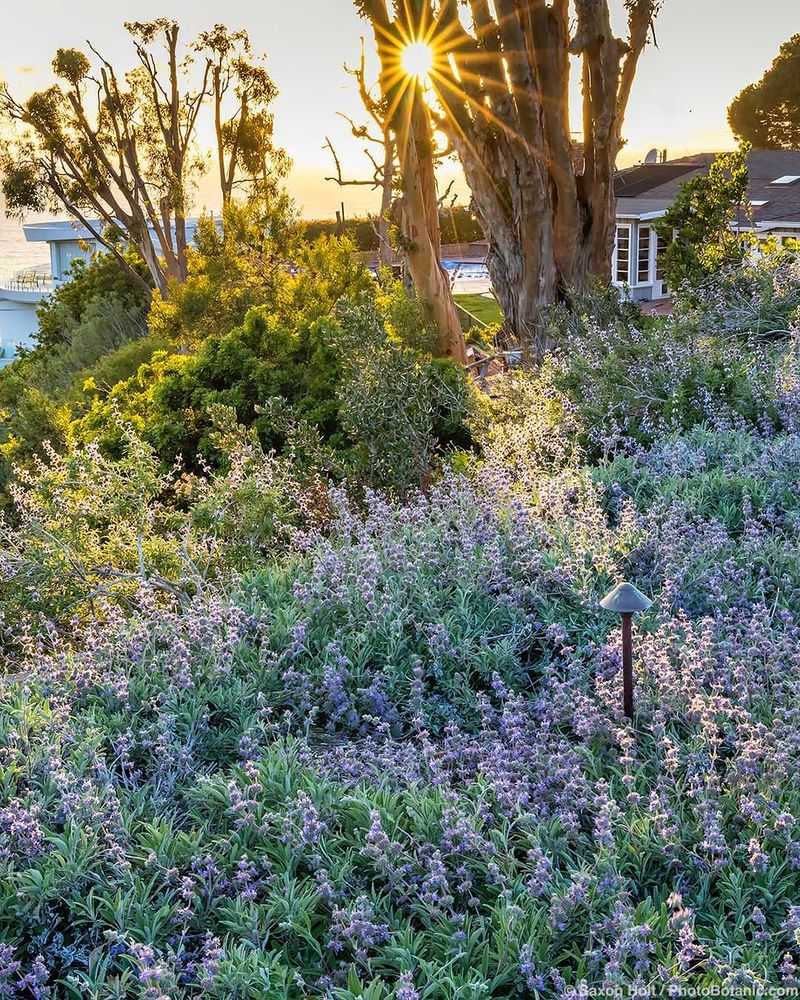
Native plant fans, this one is for you. Cleveland sage smells so intensely sweet and resinous that people stop on sidewalks to sniff it, and voles find it overwhelming.
Salvia clevelandii comes from Southern California chaparral and needs little to no summer water once settled. Blue whorls of flowers bloom in late spring, pulling in hummingbirds and native bees.
Varieties like ‘Winnifred Gilman’ stay around four feet tall.
Look for it at California Native Plant Society sales in fall, the ideal planting season. Give it room and sun, and it rewards you with years of fragrance.
7. Mint
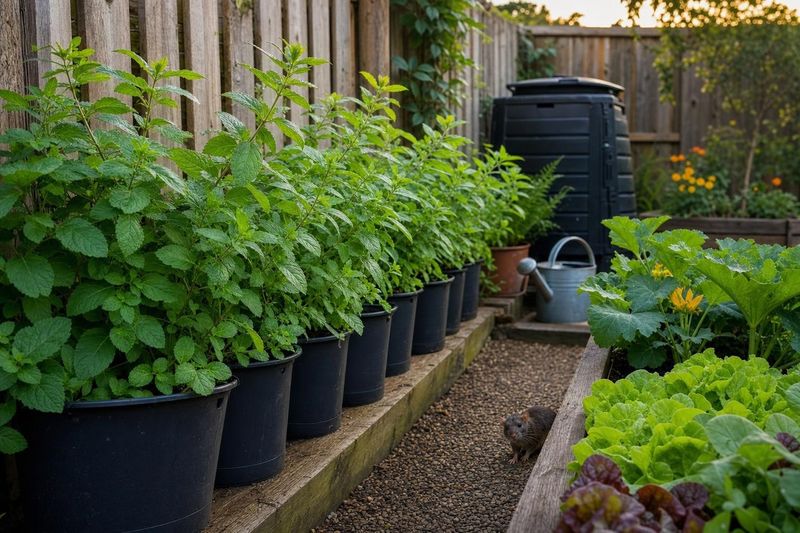
Mint is the friend who never knows when to leave. That aggressive personality is exactly why you should keep it in check, yet its menthol punch makes it a strong vole deterrent.
Plant peppermint or spearmint in buried pots with the rim above soil level. This stops runners from invading your lawn while the scent still drifts across the border.
Mint likes a bit more water, so it suits spots near existing irrigation.
Crush a few leaves now and then to release extra aroma. You also get fresh tea and mojito garnish all summer.
8. Fritillaria Imperialis
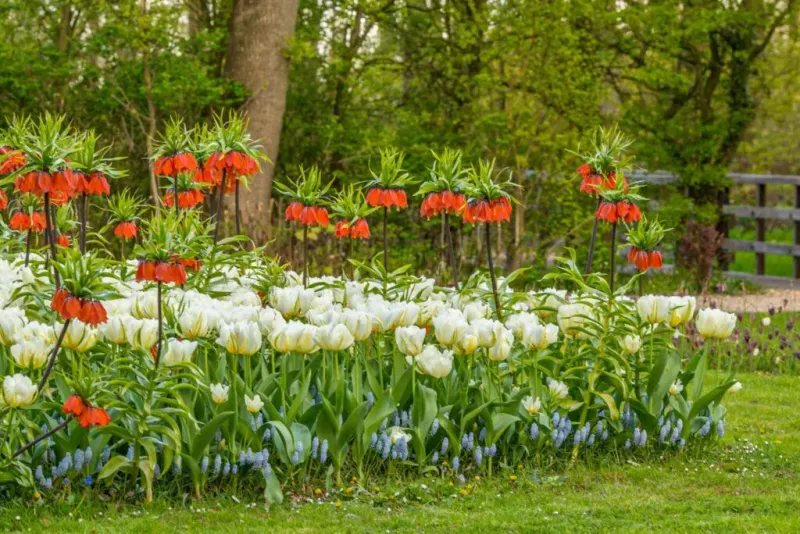
Some describe its smell as skunky. Crown imperial fritillaria produces tall stalks of orange or yellow bells with a musky odor that rodents seem to despise.
It grows best in Northern California and higher elevations with chilly winters. Plant bulbs on their sides in well-drained soil to prevent rot.
Blooms appear in spring and make a dramatic statement.
Fun fact: legend says the flower hangs its head in sorrow. Pair it with daffodils for a powerful scented barrier.