
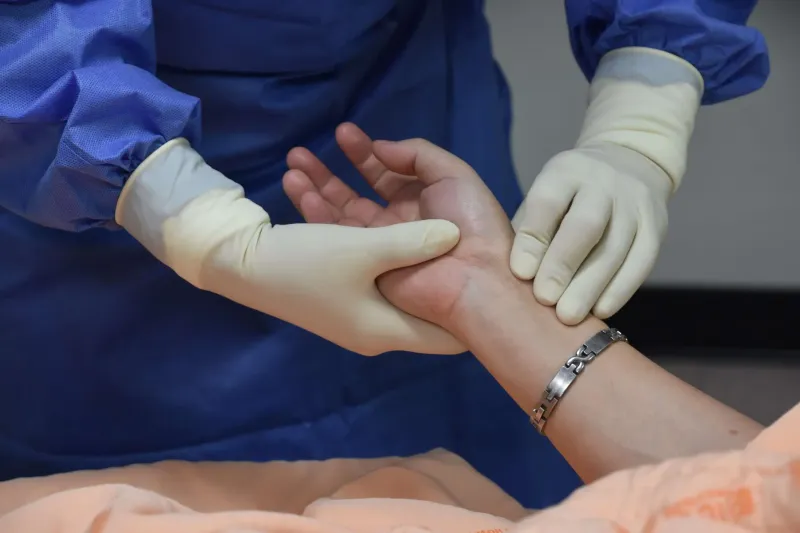
One second you are pulling weeds or moving a pile of firewood, and the next you feel a sharp sting on your hand or ankle. Copperheads bite more people in the US than any other venomous snake, and many of those bites happen in ordinary backyards.
The good news is that deaths are very rare, especially when people stay calm and do the right things fast. Here are the eight steps that matter most in the minutes before help arrives.
1. Move Away From the Snake
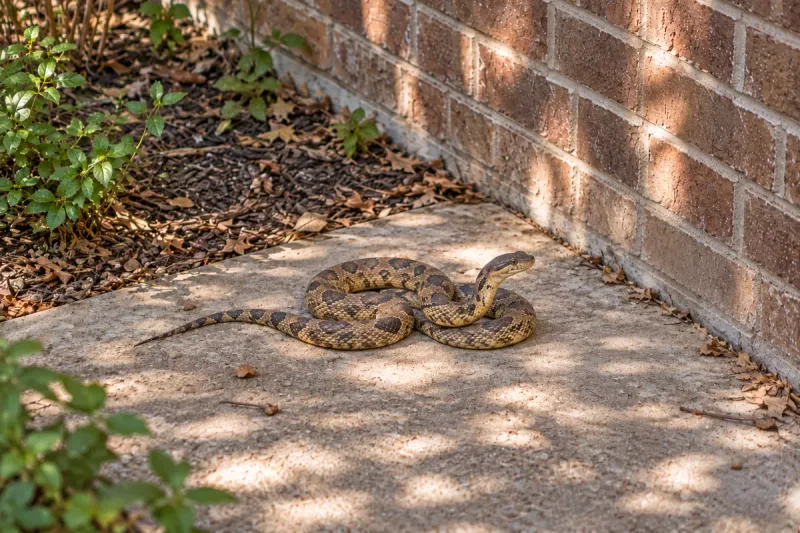
Copperheads rarely chase anyone, but a snake that just bit you is still alert and ready to defend itself. Your first job is simple: put distance between you and those copper-banded coils.
Back away slowly, about two body lengths or more, so a second strike is off the table.
Resist the urge to grab a shovel and finish the snake off. Plenty of people get bitten a second time trying exactly that, and even a freshly killed snake can still bite by reflex for a while afterward.
Your hero moment can wait.
If kids or pets are nearby, call them inside or away from the spot right now. Make sure nobody else wanders over to take a look while you are dealing with the bite.
You also do not need to capture the snake to get proper treatment. Doctors treat pit viper bites based on your symptoms, not on seeing the culprit in a bucket.
If you can safely snap a quick photo from a distance, great, but skip it if it means getting close again.
Once you are safely away, take a breath. You have just handled the most important part of stopping things from getting worse, and the rest of these steps build on it.
2. Call 911 Right Away
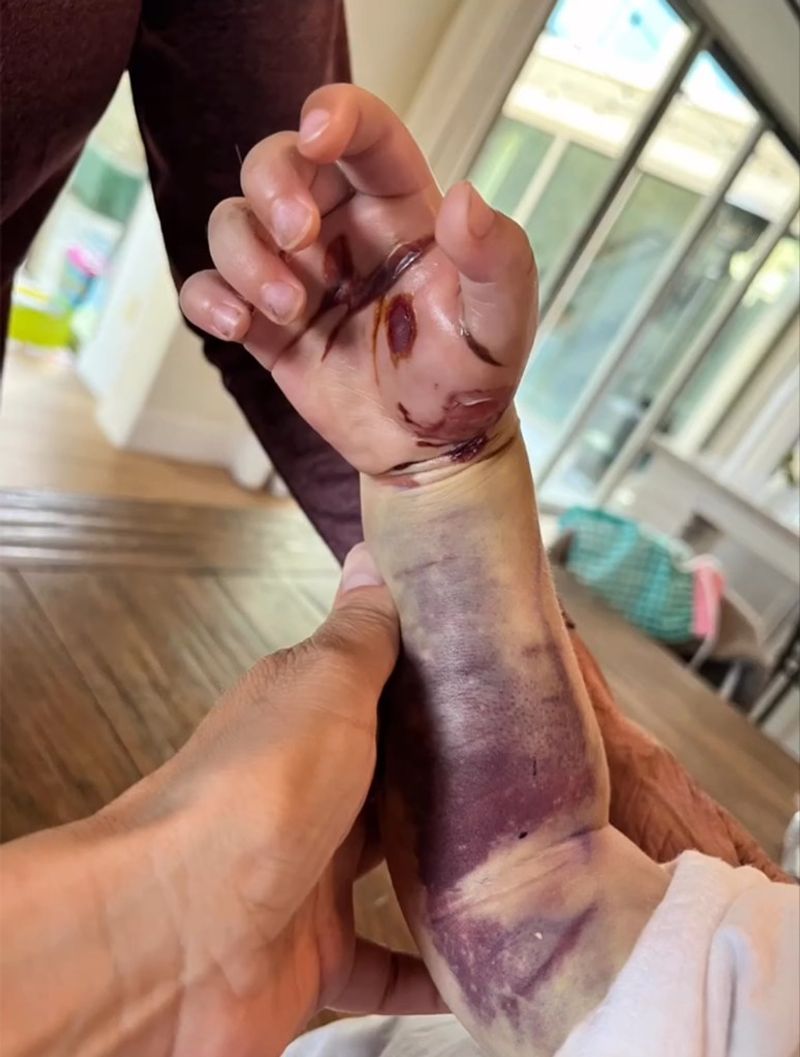
Picture this: you feel mostly fine, the bite looks small, and part of you thinks you can just wash it and finish mowing. That thought is exactly why so many people delay care.
Every copperhead bite deserves a call to 911 or a fast trip to the nearest emergency room.
Swelling and pain from venom can build over several hours. Some people get what is called a dry bite with no venom at all, but there is no way to tell that at home.
Only a medical team watching you over time can know for sure.
When you call, share a few key facts. Tell them you were bitten by a snake you believe is a copperhead, where on your body the bite is, and what time it happened.
Mention any medicines you take or allergies you have.
Poison Control is another helpful resource at 1-800-222-1222. They can guide you and even give the hospital advice on treatment.
Save that number in your phone today, before you ever need it.
Driving yourself is a bad idea. If dizziness or nausea hits on the road, you could crash.
Let a neighbor, family member, or ambulance do the driving.
3. Stay as Calm and Still as Possible
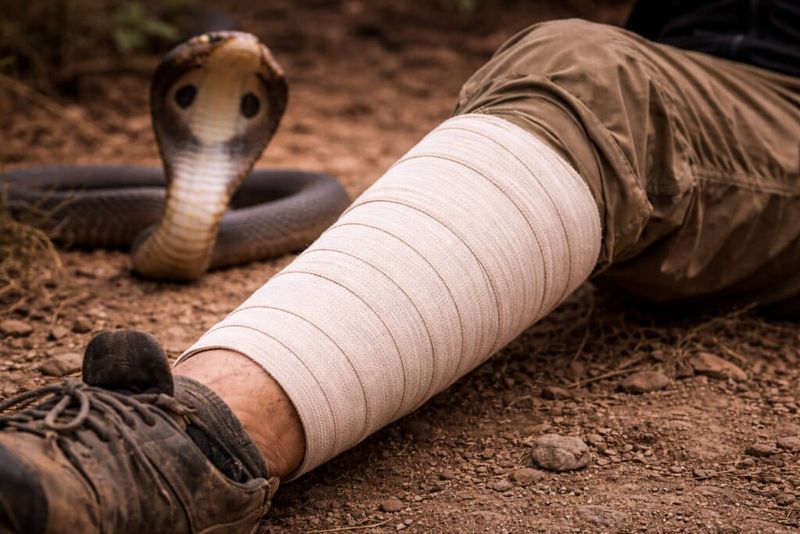
Easier said than done, right? Your heart is pounding and your mind is racing through worst-case scenarios.
Still, keeping calm is one of the most useful things you can do for your body right now.
Moving around a lot and panicking can make your blood pump faster. Rushing, running, or pacing the yard will not help the bite at all.
Instead, find a comfortable spot in the shade and sit or lie down while you wait.
Try slow breathing to settle your nerves. Breathe in for a count of four, hold for a moment, then breathe out for a count of six.
Repeat it a few times, and you may notice your hands stop shaking.
Here is a reassuring fact to hold onto. Copperhead venom is the mildest of the North American pit vipers, and deaths are extremely uncommon.
Most people recover fully, though the bite can be very painful and swollen for a while.
If someone is with you, ask them to stay close and keep talking with you. A steady, friendly voice goes a long way.
Let them handle the errands like grabbing your wallet and phone charger so you can stay put.
4. Take Off Rings, Watches, and Tight Clothing
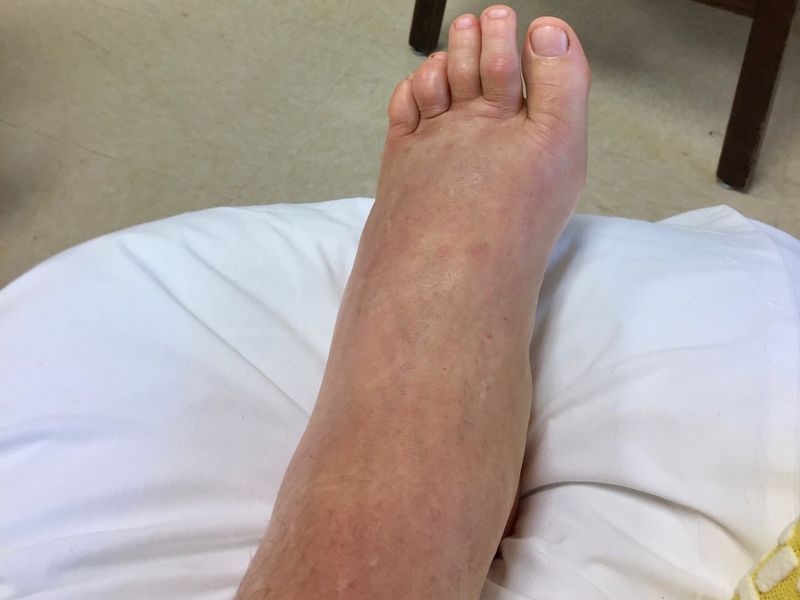
Swelling sneaks up fast. A ring that slides off easily now might be stuck tight within an hour, cutting off blood flow and forcing a doctor to cut it off your finger.
That is why jewelry should come off immediately.
Look at the whole limb that was bitten. Take off rings, bracelets, watches, and anklets.
If the bite is on your leg or foot, remove your shoe and sock before the area puffs up.
Tight clothing counts too. Roll up or loosen sleeves, unbuckle anything snug, and pull off gardening gloves gently if the bite is on your hand.
Anything that squeezes could become a problem later.
Put everything in a pocket or hand it to a helper so nothing gets lost in the shuffle. Your favorite watch will be waiting for you once the swelling goes back down.
A handy trick for later: once you are in a safe spot, use a pen to mark the edge of the swelling and write the time next to it. Doing this every 15 to 30 minutes shows doctors how fast the venom is spreading.
That simple line on your skin can help them decide on treatment.
5. Keep the Bite Near Heart Level
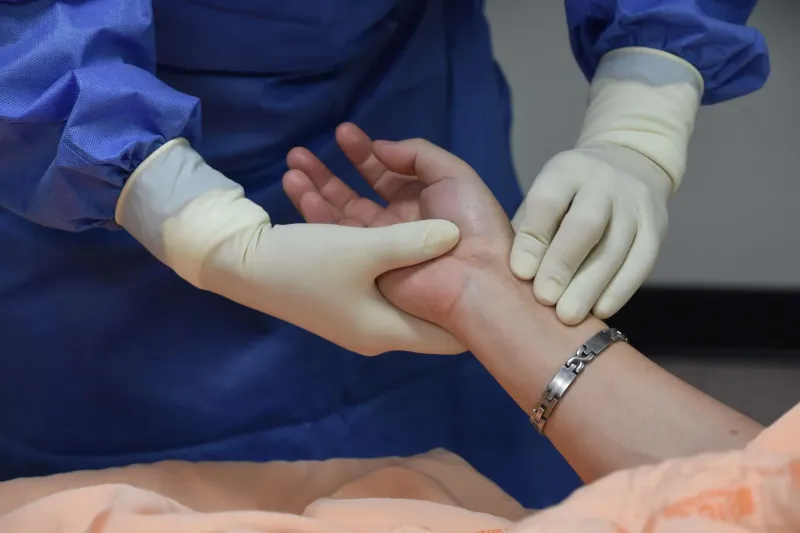
Old advice said to keep a bitten limb way down low, while other folks swear by propping it high in the air. Current guidance from experts lands right in the middle.
Keep the bitten area at roughly the same height as your heart, or just slightly above it.
Why the middle ground? Holding it too low may let fluid pool and worsen swelling.
Raising it too high is uncomfortable and not proven to help much. A relaxed, neutral position is the sweet spot.
For a hand or arm bite, rest your arm on a pillow or a folded towel while you sit. For a foot or leg bite, lie back and settle the leg on a low cushion so it stays level with your chest.
Keep the limb as still as you can, almost like it is in a loose sling. If you have a clean towel or soft cloth, you can use it to support the arm without wrapping it tightly.
Comfort matters here too. A calm, supported limb lets you rest instead of fidgeting.
When the ambulance crew arrives, they will take it from there and may adjust the position based on how you are doing.
6. Gently Wash and Cover the Wound
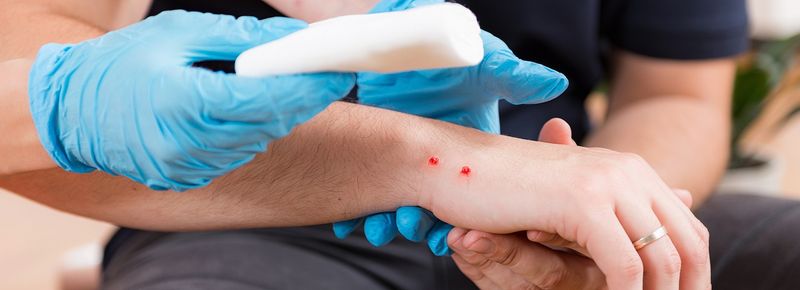
Two tiny puncture marks might be all you see, but dirt and bacteria from your yard can easily slip in. A gentle cleaning lowers the chance of infection, which is a real worry with any animal bite.
Use mild soap and plain, clean water. Let the water run over the area and pat it dry with a clean cloth.
Skip the scrubbing, since rubbing hard can irritate the skin and is not needed.
Afterward, lay a loose, clean, dry bandage or gauze over the bite. The goal is just to keep it clean, not to squeeze it.
A bandage that is too tight works against you as swelling grows.
Leave out rubbing alcohol, peroxide, and home remedies like baking soda pastes. They do nothing against venom and can make the skin harder for doctors to check.
Fun fact for the curious: copperheads are pit vipers, named for heat-sensing pits between their eyes and nostrils. Those pits help them find warm prey at night, which is one reason gardeners working at dusk sometimes get surprised.
Keep that in mind when you plan future evening yard chores.
7. Skip the Myths: No Tourniquets, Cutting, or Ice
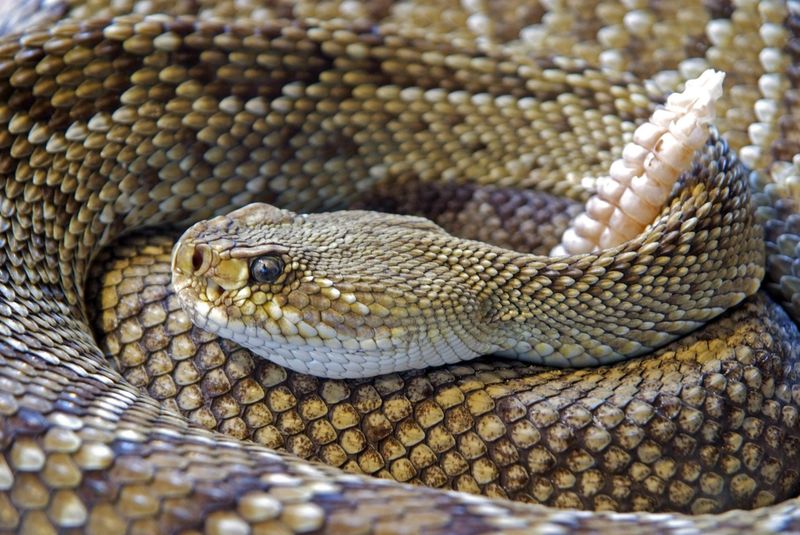
Grandpa may have told stories about cutting an X over the bite and sucking out the poison. Westerns made it look heroic.
Sadly, those old tricks cause far more harm than good, and doctors want you to avoid every one of them.
Tourniquets trap venom in one spot and can badly damage tissue, sometimes leading to serious injury. Cutting the skin adds a fresh wound, raises infection risk, and does not remove venom.
Sucking with your mouth simply does not work.
Store-bought suction kits have been tested and found useless. Ice packs or soaking the limb in ice water can hurt the tissue too.
Even an electric shock was once suggested, and yes, that is a terrible idea as well.
Skip alcohol and caffeine, since they can change your heart rate and how your body reacts. Hold off on pain pills like ibuprofen or aspirin unless a doctor says otherwise, because they may affect bleeding.
Honestly, the best tools you have are patience and a phone. Doing less, but doing it right, beats doing a lot of the wrong things.
Leave the treatment to the pros with antivenom.
8. Watch for Warning Signs Until Help Arrives
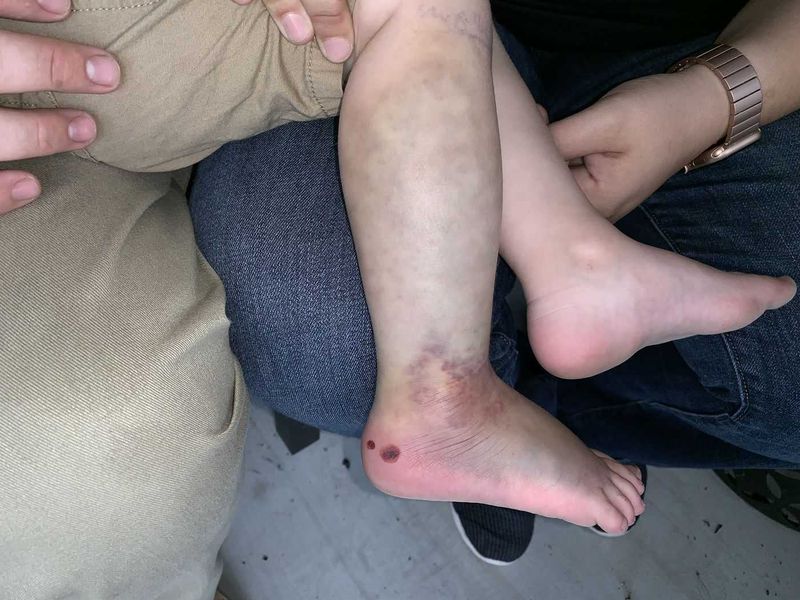
Think of yourself as a detective for the next little while. Noticing how your body changes gives medical teams valuable clues when they arrive.
Ask a helper to jot notes on a phone or scrap of paper.
Common signs after a copperhead bite include burning pain, growing swelling, bruising, and tingling near the bite. Some people get a metallic or rubbery taste in their mouth, which is an odd but known clue that venom is at work.
Watch closely for more serious trouble. Trouble breathing, swelling of the face or throat, fainting, a racing heart, vomiting, or confusion all need urgent attention.
Tell the 911 dispatcher right away if any of these appear, and call back if things change.
Children, older adults, and people with health conditions may react more strongly, so give them extra care. Pets bitten in the yard also need a vet quickly.
Once you are home and healing, take a few steps to make your yard less inviting. Clear brush piles, keep grass short, wear thick gloves and boots, and use a flashlight on evening walks.
A little prevention keeps your garden a place you love working in.