
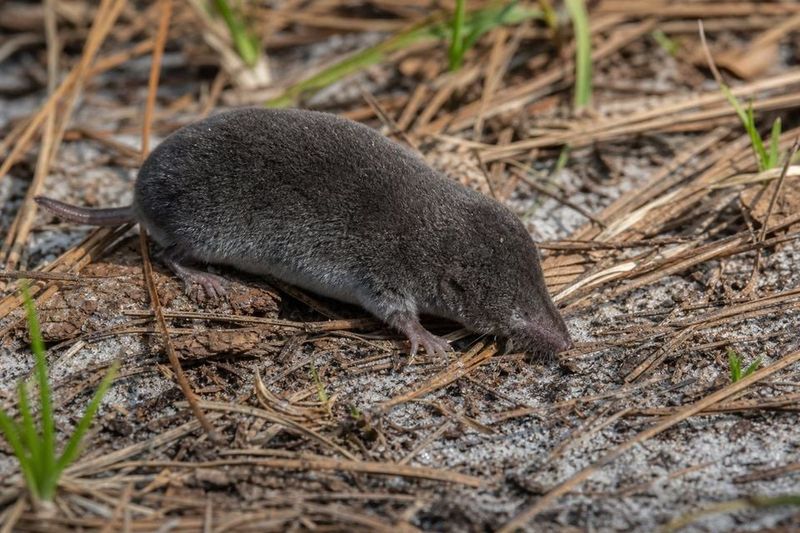
Florida has tiny, mouse-sized mammals called short-tailed shrews, and a close relative is famous for a venomous bite. They hunt small creatures in the soil, and some of those creatures are ones gardeners dislike.
Here is what is known about these animals, what is still a question, and how to act if you cross paths with one.
Florida has more than one short-tailed shrew name
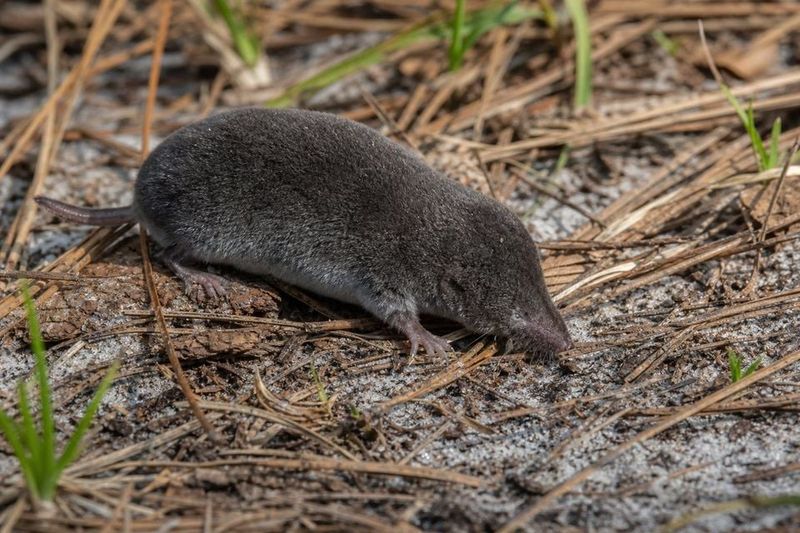
Ask three Florida sources about short-tailed shrews and you may get three different names. The American Society of Mammalogists lists the southern short-tailed shrew, Blarina carolinensis, as reaching as far south as central Florida.
That means it is not one clear statewide backyard animal.
Farther south, the Integrated Taxonomic Information System recognizes Blarina peninsulae as the Everglades short-tailed shrew. So the label depends on where you live and which source you read.
Then there is Sherman’s short-tailed shrew. The Florida Fish and Wildlife Conservation Commission (FWC) profile uses the older name Blarina carolinensis shermani, while FWC’s conservation guidelines use Blarina shermani.
Sources simply do not agree on the naming.
FWC reports Sherman’s shrew in Lee and Collier counties. It is tiny, reaching about 4 inches including the tail and weighing about 0.4 ounces.
It is a shrew, not a mouse, with a pointed snout and very small eyes.
Because the species look alike and the names overlap, a quick glimpse in the yard will not tell you which one you saw. Treat any identification from a casual sighting as a guess.
The studied toxin comes from a different shrew
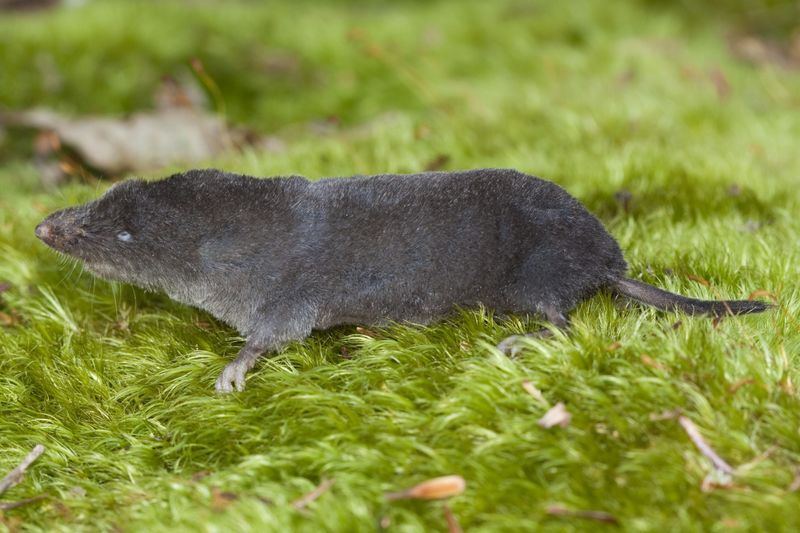
The famous venom story starts with a different animal. Researchers isolated and characterized a toxin in the northern short-tailed shrew, Blarina brevicauda, and described it in a PNAS study of Blarina toxin.
That work did not look at Florida’s shrews.
The southern short-tailed shrew, Blarina carolinensis, is a close relative, so the question is natural. A review of venom in eulipotyphlans treats venom in B. carolinensis as possible but not experimentally tested.
The Animal Diversity Web account tells a similar story for the species.
So the honest picture has three parts. A toxin is documented in the northern species.
Venom in the southern species is a reasonable suspicion without lab testing. For Sherman’s and Everglades short-tailed shrews, there is no test result to point to.
That leaves two shortcuts to avoid. Calling a Florida shrew bite harmless is not backed up, and neither is calling it medically dangerous.
The truth is that nobody has tested it, so the sensible plan is simply to keep your hands off.
Their diet includes invertebrates gardeners may dislike
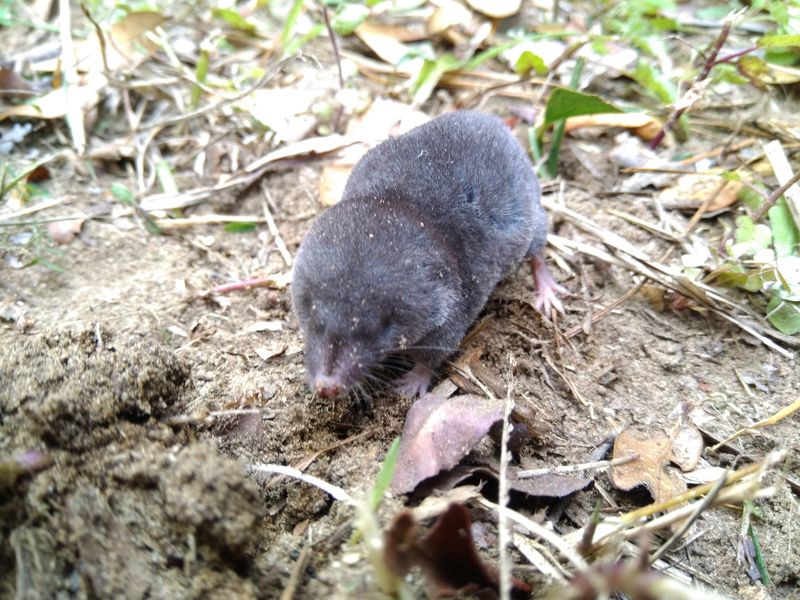
Shrews live fast and eat often, and their menu is mostly small soil animals. FWC’s profile says Sherman’s short-tailed shrew eats ants, beetle larvae, and butterflies.
For the southern short-tailed shrew, a peer-reviewed species account lists slugs, snails, beetle larvae, earthworms, and other invertebrates. Those studies were done outside Florida.
Some of those items, like slugs and beetle grubs, are on many gardeners’ dislike list. Earthworms, on the other hand, are ones most gardeners welcome.
Here is the catch. Lists of foods from different places and different species show what shrews can eat.
They do not show what a shrew eats in your yard on a given week.
Nobody has measured how many pests a Florida shrew removes from a garden, so no one can promise a real benefit. If you want to protect your plants, treat a shrew as an interesting bonus at most, not a pest-control plan.
Suitable habitat does not prove a flower-bed visit
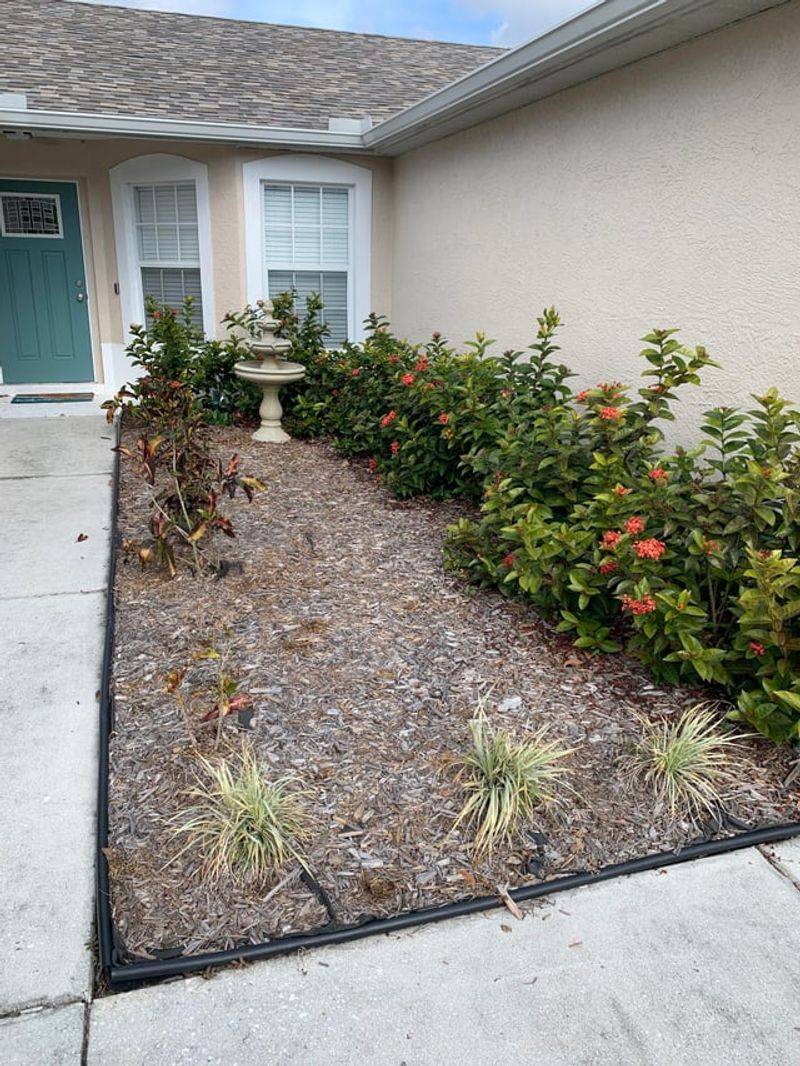
The headline claim says a shrew is probably hunting under your flowers. That is the part the sources do not back up.
FWC describes Sherman’s short-tailed shrew habitat as dense herbaceous cover, moist forests, ditches, and disturbed or transitional habitat. A thick, damp, covered flower bed has some of those features, so it is compatible with what the shrew likes.
Compatible is not the same as present. A shrew’s habitat description tells you where it could live, not where it usually does.
The conservation guidelines from FWC are written around surveying and protecting habitat, not around home landscaping.
The reviewed sources do not show that Florida mulch or home gardens are a usual place to find a shrew. They also do not establish that a shrew is probably living or hunting beneath any particular flower bed.
Also remember the range. Sherman’s shrew is reported only in Lee and Collier counties, and the other species have their own areas.
Where you live matters a great deal.
Avoid handling a shrew, and treat a bite as an animal bite
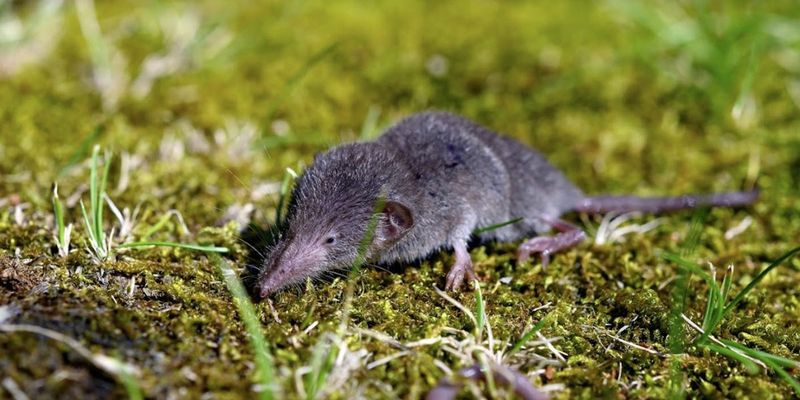
If you spot a tiny, pointy-nosed animal in the garden, the best move is to watch from a distance. Do not pick it up, and do not set a trap just to learn what it is.
There is a legal reason as well. Sherman’s short-tailed shrew is state-threatened in Florida.
FWC’s conservation guidelines say intentional take is prohibited without authorization, and that it may not be taken for human safety. Since a casual sighting cannot tell the species apart, trapping or capturing any shrew near Lee or Collier counties risks breaking that rule.
Handling any wild mammal also invites a bite. FWC’s species profile is a good place to read about the animal if you want to learn more without touching one.
If a bite does happen, follow CDC guidance for animal bites: wash the wound promptly with soap and running water, then contact a healthcare professional for advice.
That advice covers animal bites in general. It is not a shrew-specific risk rating, because none exists for these Florida species.
What the evidence means for a Florida garden
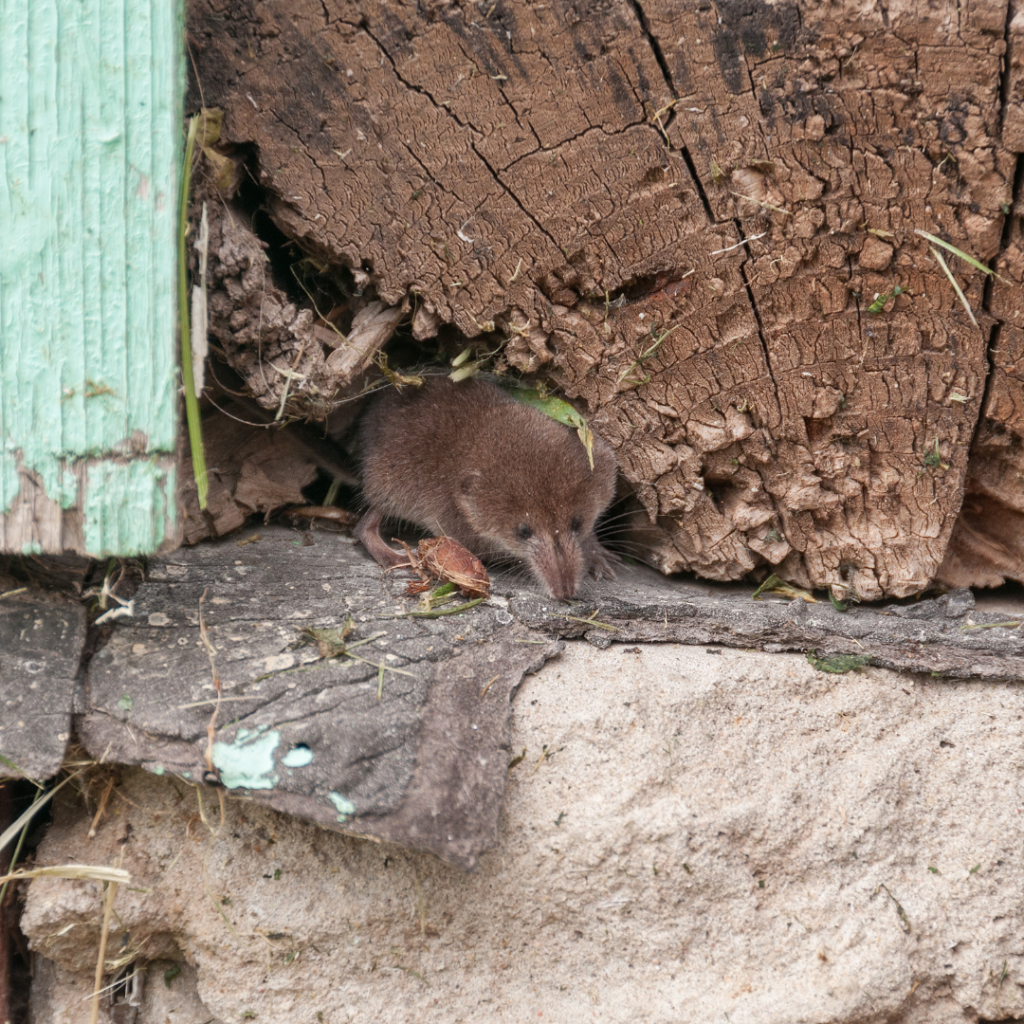
Short-tailed shrews eat invertebrates, and diet records include some that gardeners dislike. Beyond that, the picture stays open.
Venom in the southern species is untested, flower-bed visits are unproven, and garden pest control is unmeasured.
If you meet an unknown animal, leave it alone. After any bite, follow CDC bite guidance and ask a healthcare professional.
Some mysteries are best enjoyed from a distance.