
When a big winter storm rolls in, a bare hillside can slide right into your driveway, your patio, or your neighbor’s yard. The best fix is hiding underground, where certain plants weave their roots together like a fishing net that grips the soil.
Many of the toughest net-builders are California natives that already know how to handle dry summers and soaking winters. Plant a few of these before the rains arrive, and your slope gets stronger every year instead of washing away.
1. Creeping Sage (Salvia sonomensis)
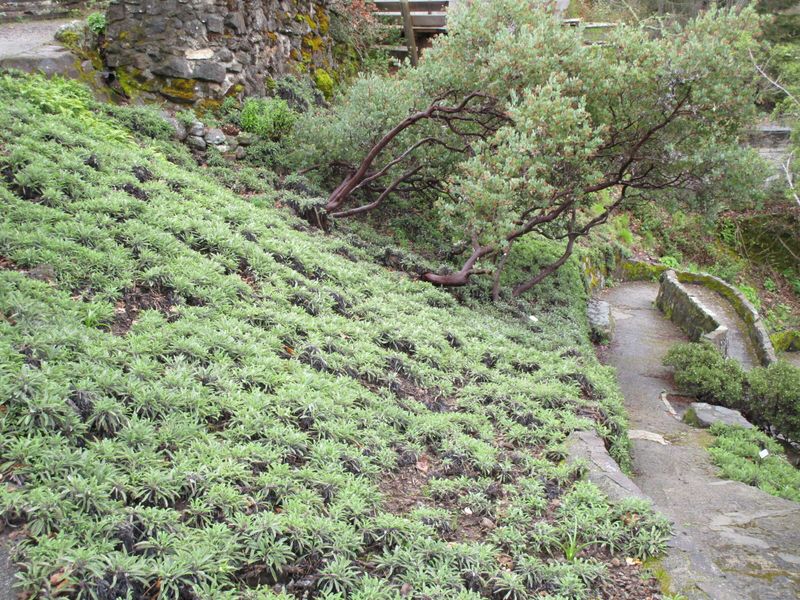
Picture a silvery carpet that smells like a herb shop every time you brush past it. Creeping sage hugs the ground at under a foot tall, and each stem that touches soil sends down new roots.
Over a couple of seasons, those rooting stems turn into a dense web that locks the top layer of dirt in place. Rain hits the leaves first, slows down, and soaks in gently instead of carving gullies.
Give it full sun to light shade and fast-draining soil. Once established, it wants almost no summer water, and bees will thank you each spring when the blue flower spikes appear.
2. California Lilac ‘Yankee Point’ (Ceanothus griseus horizontalis)
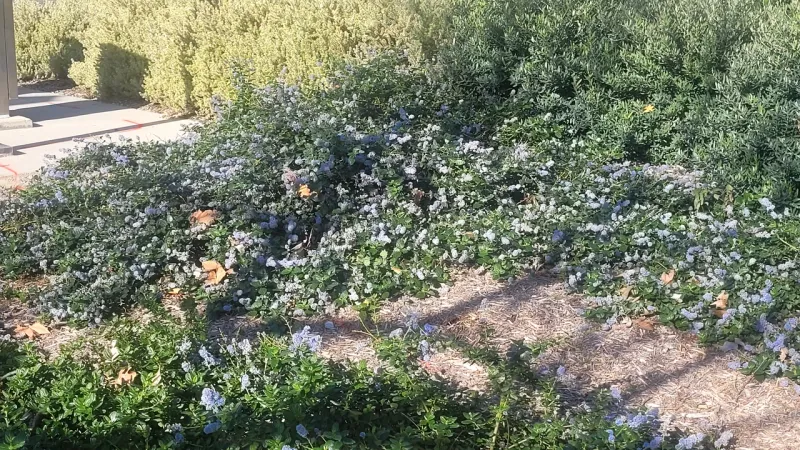
Few things beat the sight of a hillside going electric blue in March. ‘Yankee Point’ spreads 8 to 10 feet wide while staying around 3 feet tall, so one plant covers a surprising chunk of slope.
Here is the bonus most people miss. Ceanothus roots partner with soil bacteria that pull nitrogen from the air, so it actually feeds the ground it is holding together.
Plant it in fall, water through its first summer, then back off. Too much summer irrigation shortens its life, so treat it like the tough coastal native it is.
3. Coyote Brush ‘Pigeon Point’ (Baccharis pilularis)
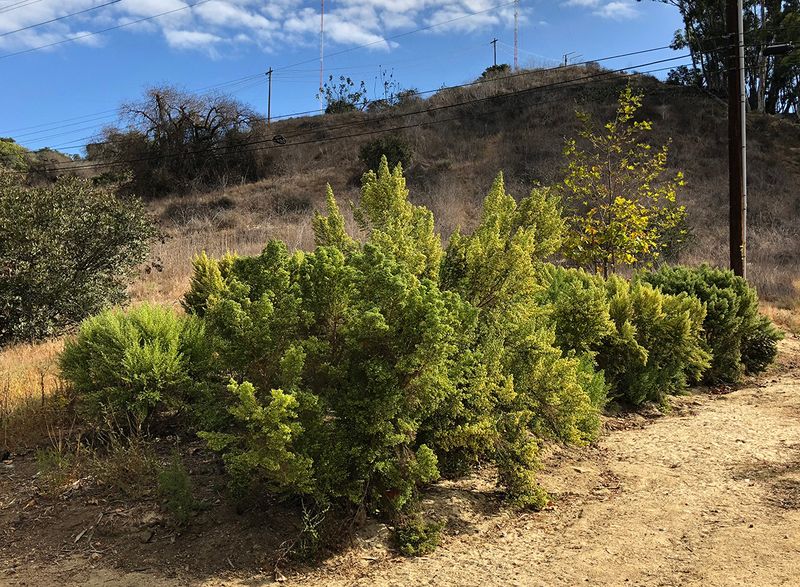
Caltrans has trusted this plant on freeway embankments for decades, and that tells you plenty. Coyote brush is about as unfussy as a shrub gets.
Its roots dig deep while the low branches spread into a thick green mat several feet across. That combo anchors soil at two levels: the surface stays covered and the deeper layers stay pinned.
It handles clay, sand, wind, and salty coastal air. A light trim every few years keeps it fresh and green.
4. Manzanita ‘Emerald Carpet’ (Arctostaphylos)
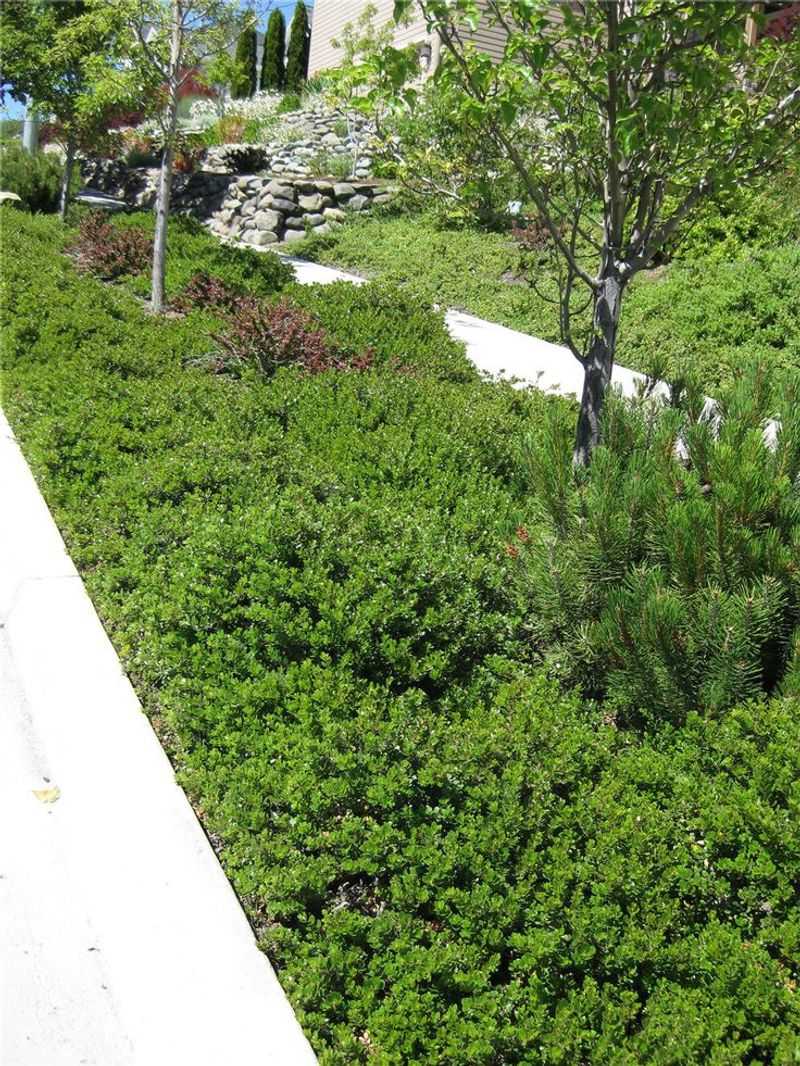
Shiny, tidy, and almost lawn-like from a distance, ‘Emerald Carpet’ is the polished cousin of the wild manzanitas you see on hiking trails. It stays under a foot tall and forms a tight, even mat.
Roots form along the spreading branches, building a fine mesh just below the surface. That mesh is exactly what stops sheet erosion on gentle to moderate slopes.
It prefers a bit of afternoon shade inland and good drainage everywhere. Tiny pink bell flowers show up in late winter, right when hummingbirds are hunting for food.
5. California Fescue (Festuca californica)
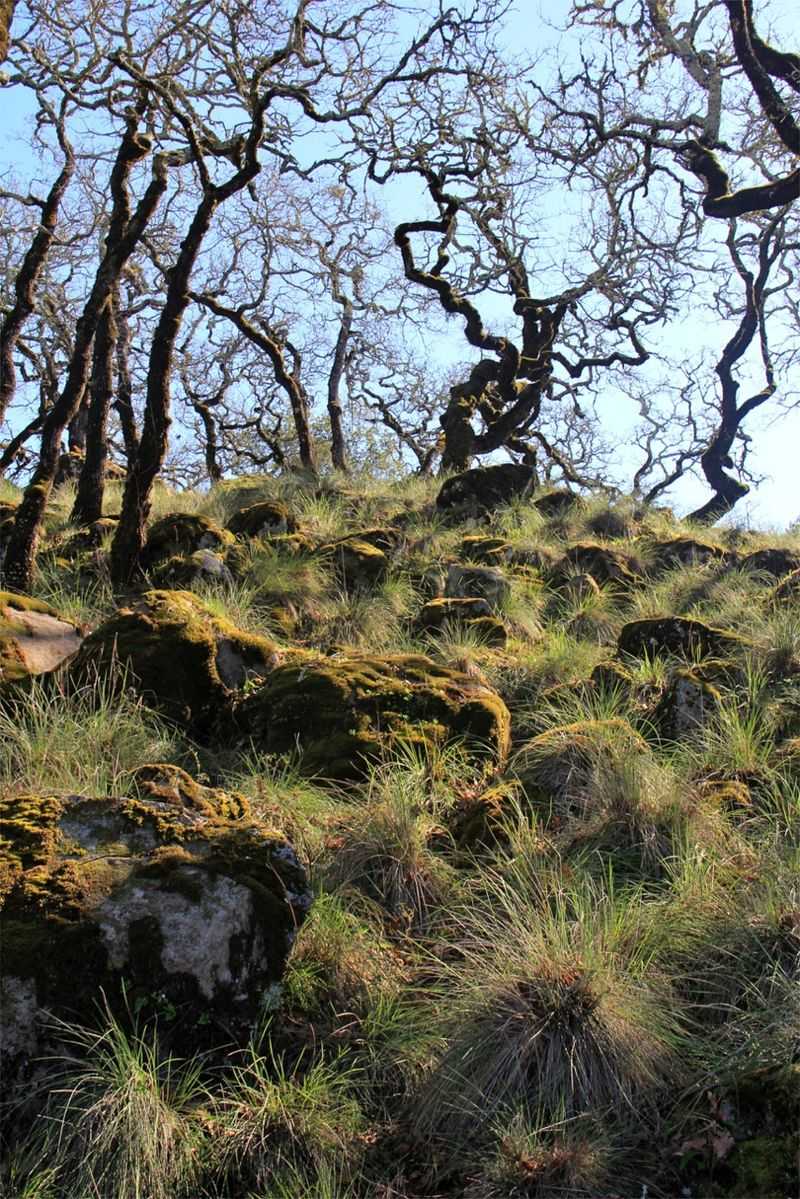
Grass roots are the original underground netting. California fescue sends fibrous roots several feet down, threading through soil like thousands of tiny ropes.
Each clump grows into a soft, blue-green fountain about two feet tall. Plant them 18 to 24 inches apart and the roots of neighboring clumps will meet and overlap underneath.
It loves dappled shade under oaks, which makes it a smart pick for slopes where sun-lovers struggle. Cut it back lightly in late fall to tidy it up.
6. Deer Grass (Muhlenbergia rigens)
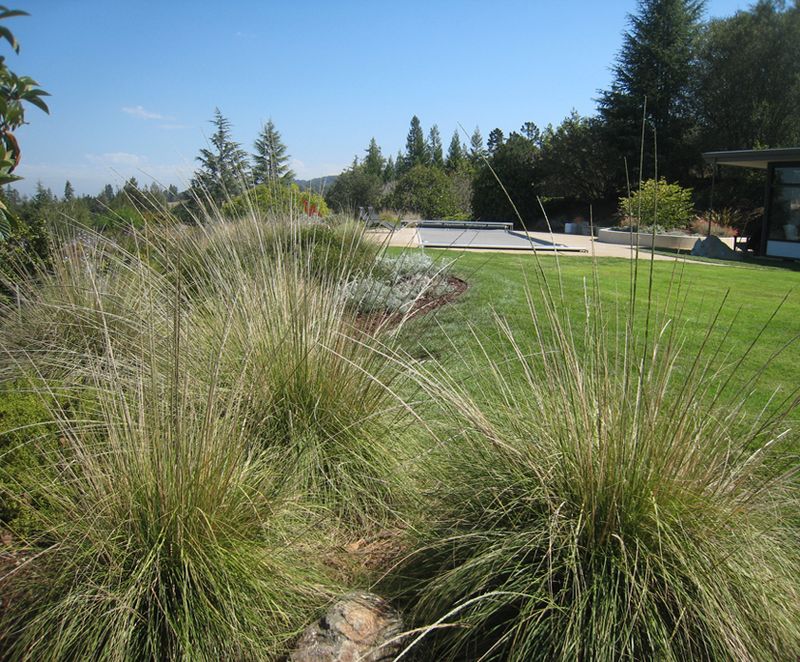
California Native peoples used deer grass stalks for basket weaving, and the plant’s roots do some weaving of their own. A mature clump can push roots down more than six feet.
That depth matters on steeper banks, where shallow roots alone can’t hold heavy, waterlogged soil. Deer grass acts more like a stake than a carpet.
Space the big clumps about four feet apart and fill gaps with a lower groundcover. It takes heat, drought, and even occasional flooding without complaint.
7. California Buckwheat (Eriogonum fasciculatum)
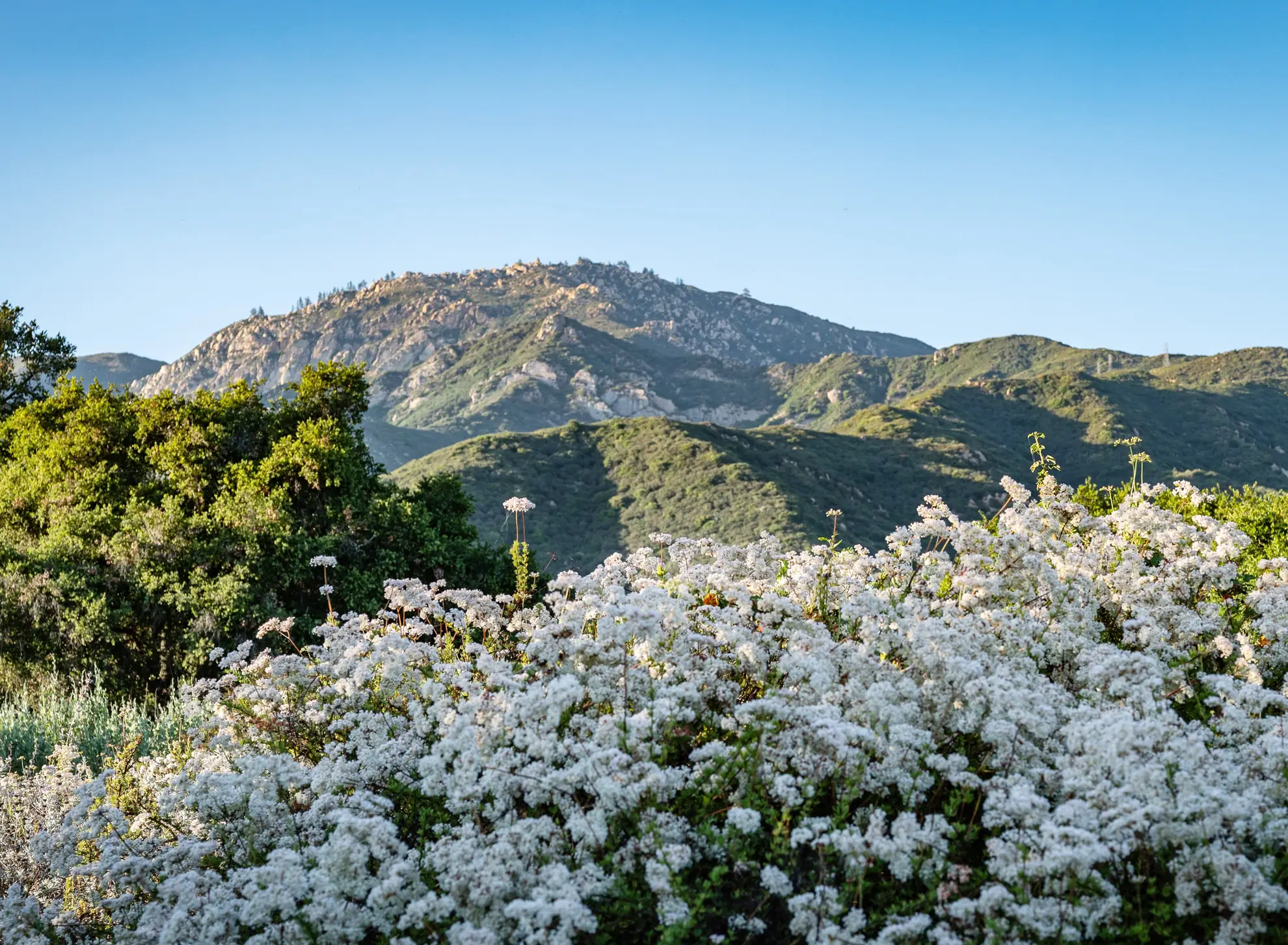
Ask any native bee expert to name one must-have plant and buckwheat comes up fast. Its pale flower clusters feed pollinators for months, then fade to a rusty brown that birds pick at all fall.
Underground, buckwheat builds a branching woody root system that grips rocky, thin soil where many plants give up. It shines on hot, south-facing slopes.
Skip summer water once it is established. Too much kindness will kill it faster than any drought.
8. Douglas Iris (Iris douglasiana)
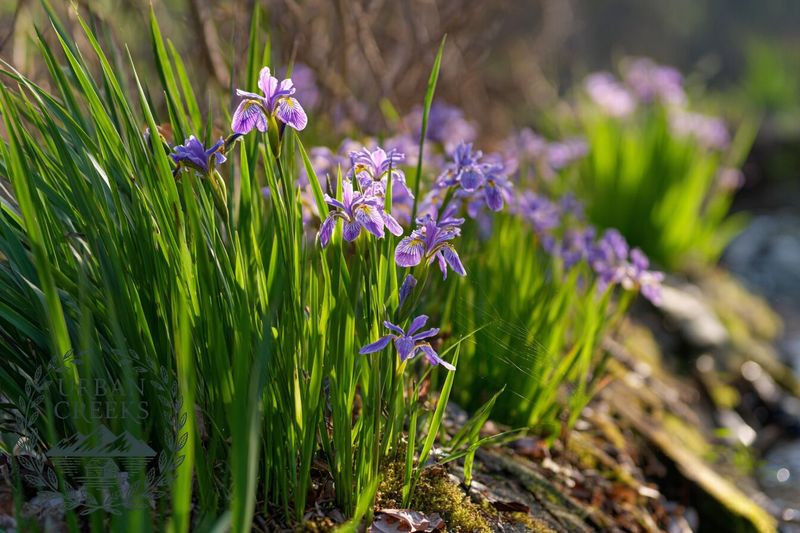
Spring on the North Coast often means purple irises poking out of road cuts. Those wild patches are holding the bank together while looking pretty.
Douglas iris spreads by short rhizomes that crisscross just under the surface. Over time a few plants turn into a matted colony that resists runoff.
It does best in part shade, especially inland. Pair it with fescue for a slope that looks like a native meadow.
9. Yerba Buena (Clinopodium douglasii)
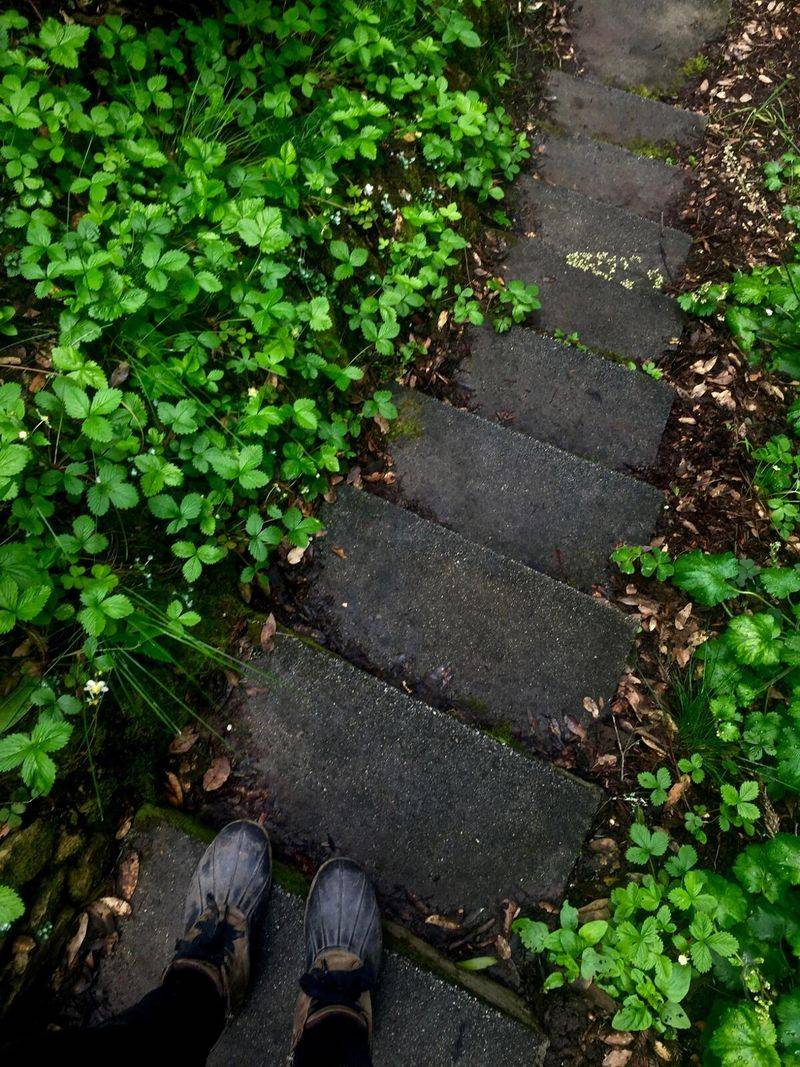
San Francisco was once named after this little minty vine. Rub a leaf and you will see why early visitors liked it so much.
Yerba buena trails along the ground and roots at its nodes, stitching together a thin living blanket. It is perfect for shady, gentle slopes under trees where soil tends to stay bare.
It likes a little summer water. In return, you get a fragrant cover and a free tea leaf supply.
10. Toyon (Heteromeles arbutifolia)
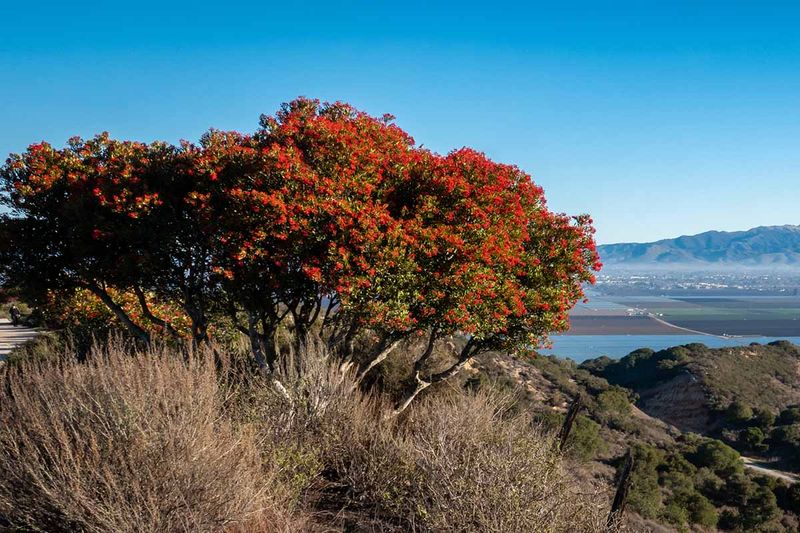
Hollywood may have taken its name from this shrub, nicknamed California holly. Its red winter berries are a holiday treat for robins and cedar waxwings.
Toyon grows into a large shrub with deep, wide-reaching roots. On big slopes it works as an anchor plant, holding the deep soil while groundcovers handle the surface.
It is drought tolerant and fairly fire resistant when kept watered occasionally. Plant one or two near the top of a slope for extra strength.
11. California Sagebrush (Artemisia californica)
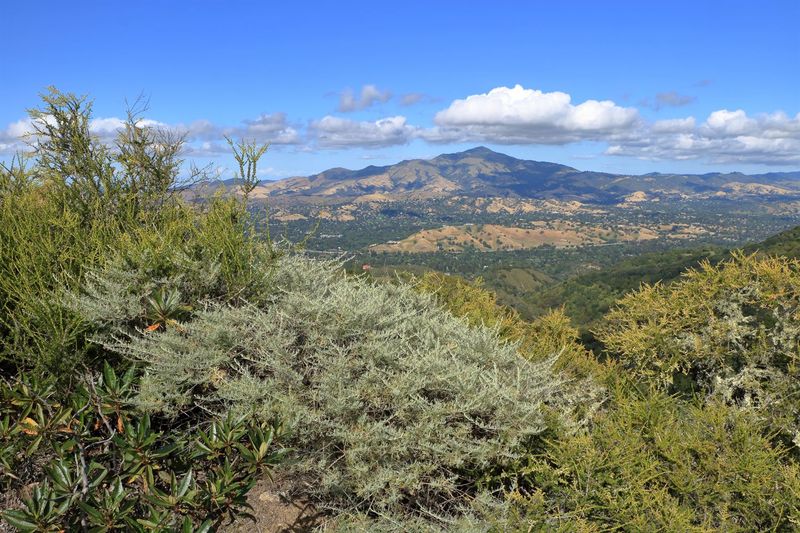
Walk any coastal trail after rain and you will smell it first. That spicy scent comes from California sagebrush, a backbone of coastal sage scrub.
Its fine, fibrous roots spread wide near the surface, grabbing loose sandy soils that wash away easily. It grows fast, which makes it handy for quick cover on freshly cleared ground.
Plant in full sun and leave it dry in summer. It may look tired by August, but it bounces back once rain returns.
12. Creeping Wild Rye (Elymus triticoides)
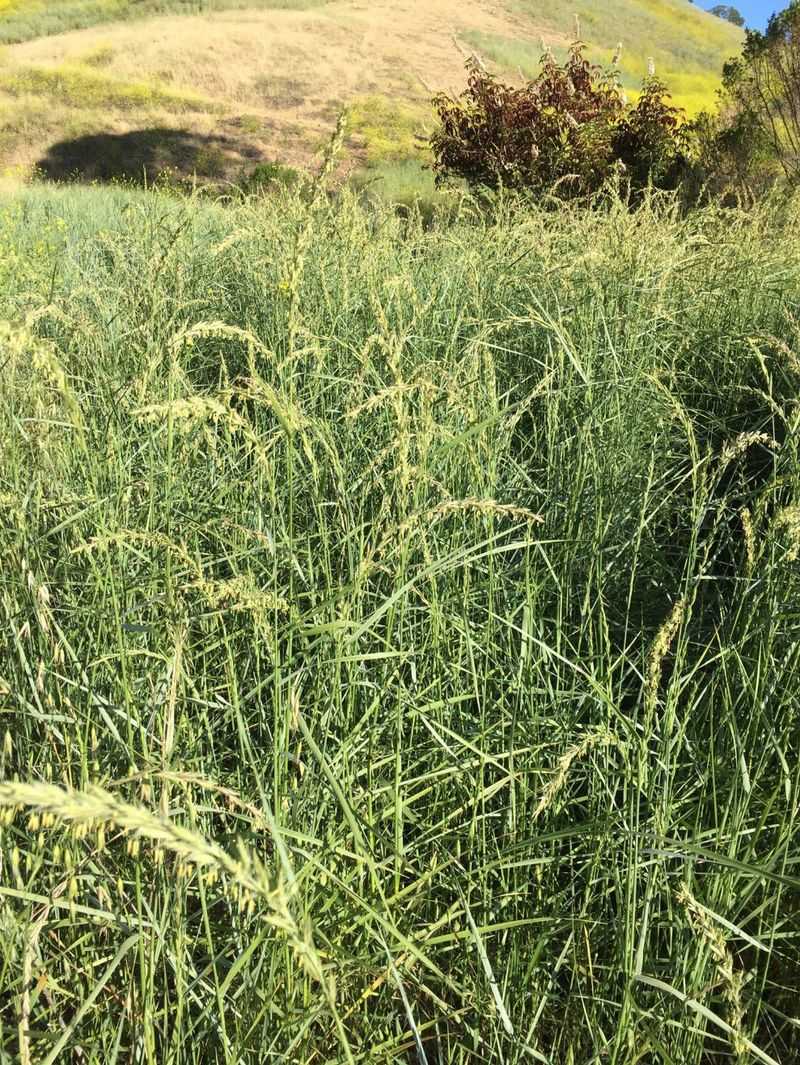
Some plants spread politely. Creeping wild rye races outward on underground runners, forming a dense sod faster than almost any native grass.
That aggressive streak is exactly why it is great at the bottom of slopes and in drainage swales where water collects. The runner network keeps soil locked even when it floods.
Keep it away from flower beds unless you want it everywhere. Mow it once a year if you prefer a lawn look.