
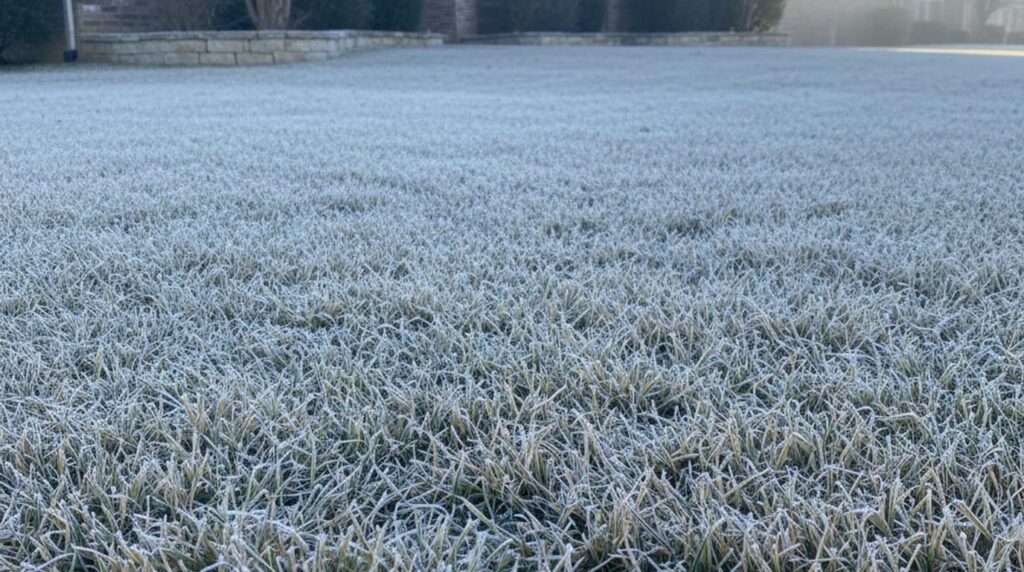
Your lawn may slow down in winter, but trouble does not take the season off. A few dry weeks, a dull mower blade, or fertilizer at the wrong time can leave St. Augustine grass struggling when warm weather returns.
Florida winters also vary widely, so a yard in Jacksonville needs different care than one in Miami. These ten steps help protect your grass now and give it a stronger start in spring.
1. Let Your Region Set the Winter Routine
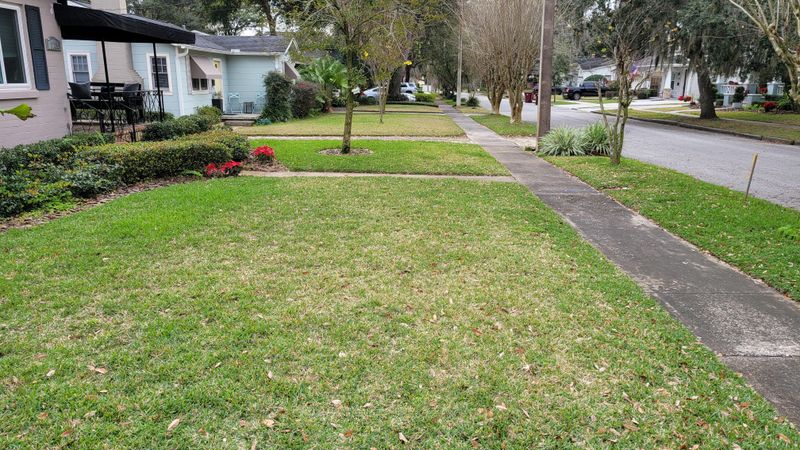
A January lawn in Miami and one in Tallahassee are living through very different seasons. St. Augustine is a warm-season grass, so its growth slows as temperatures drop, and cold weather can turn its blades brown without killing the plant.
In North Florida, plan for longer stretches of dormancy and possible freezes. Central Florida lawns may alternate between slow growth and brief bursts of activity, while South Florida grass can keep growing during warm spells.
Watch the lawn instead of following a summer calendar with fewer chores penciled in. Note whether the grass is actually getting taller, whether the soil stays damp, and whether a cold front is on the way.
Take a few photos from the same spot every couple of weeks. Broad, even fading after cold weather may be seasonal, but expanding circles, sharply defined dead spots, or damage limited to sprinkler gaps deserve a closer look.
The goal is healthy grass that can recover when warmth returns, not forced winter color. Your county UF/IFAS Extension office can help you match that goal to local conditions.
2. Water When the Grass Asks for It
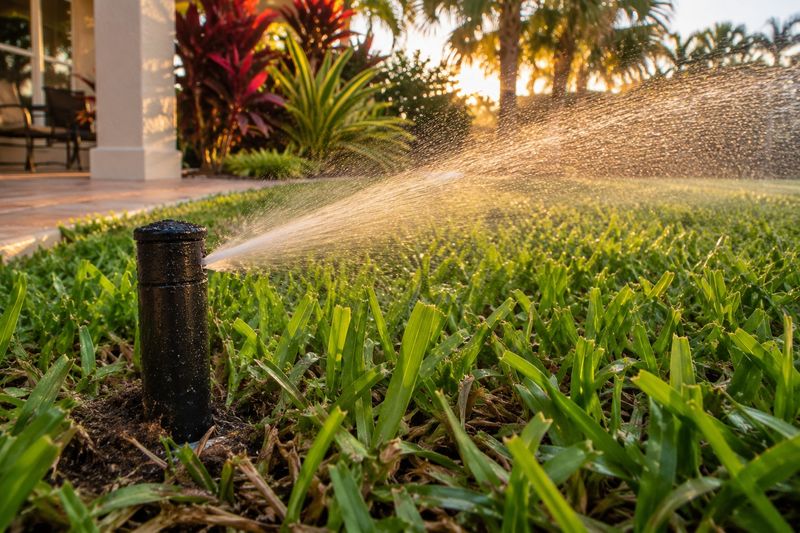
Footprints that linger after you cross the yard can be a better watering reminder than your phone. Along with folded blades and a bluish-gray cast, they can signal that actively growing St. Augustine needs moisture.
Cooler weather usually means slower water use. Leaving irrigation on its summer schedule can keep roots too wet, waste water, and favor lawn disease, especially in shaded areas.
Water when a substantial part of the lawn shows drought stress, while following local watering restrictions. For many established Florida lawns, about one-half to three-quarters of an inch per irrigation event is a useful guideline, but soil, roots, rainfall, and site conditions matter.
Check soil moisture before watering brown, dormant turf because its color will not tell you much. Dormant grass still needs protection from prolonged drought, but watering will not make cold-dormant blades green again.
Choose an allowed early-morning watering window rather than evening when possible. After rain, skip unnecessary cycles and reassess the soil instead of assuming the timer knows what happened outside.
3. Give the Sprinklers a Quick Checkup
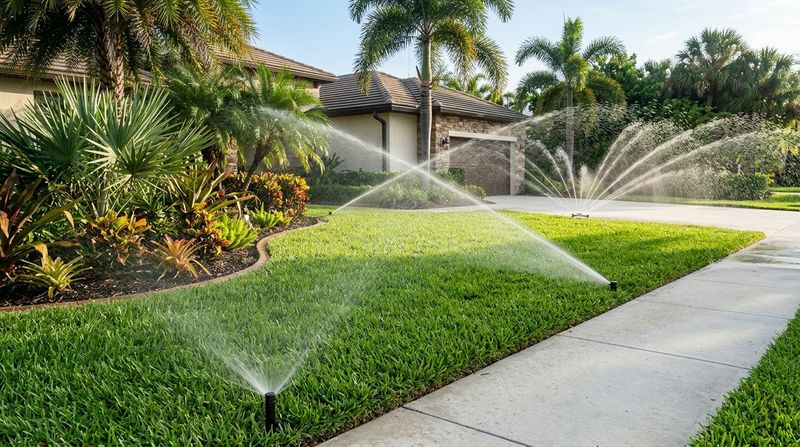
One thirsty strip beside the driveway can hide inside an otherwise overwatered yard. Before adding more irrigation time, find out whether the sprinklers are putting water where the grass can use it.
Run each zone briefly and look for clogged nozzles, broken heads, leaks, and spray blocked by shrubs. Adjust heads that water pavement, walls, or the street instead of the lawn.
Next, place several identical, straight-sided containers around a zone and run it for a measured period. Compare the collected water to see both the average application and how evenly that zone covers the grass.
A nearly empty container beside a full one points to a coverage problem, not a reason to soak the entire area longer. Repairing that difference helps prevent dry patches without leaving other roots sitting in wet soil.
Check the rain shutoff device or soil-moisture controller, too, if your system has one. Once repairs are complete, adjust each zone for its conditions and keep the schedule within your local watering rules.
4. Keep the Mower High and the Blade Sharp
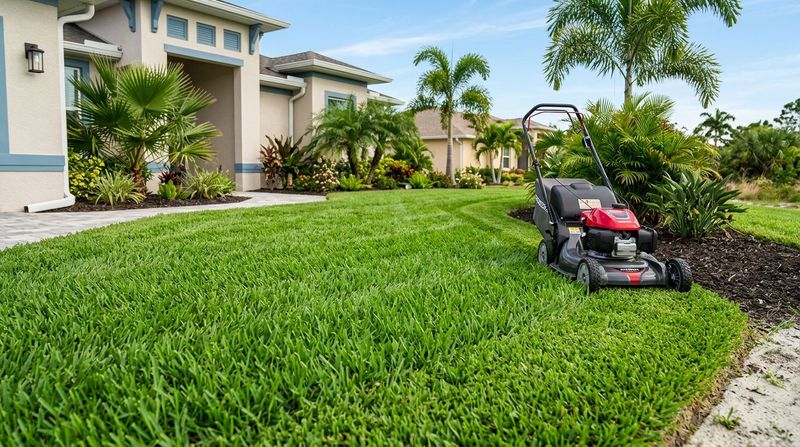
A close winter haircut will not help St. Augustine wake up stronger. Cutting too low removes useful leaf area and leaves the lawn less able to handle cold, shade, weeds, and everyday wear.
Match mowing height to your cultivar. Many standard St. Augustine varieties do best around 3.5 to 4 inches, while some dwarf types have lower recommended ranges, so check your variety before changing the mower setting.
Mow only when growth calls for it, removing no more than one-third of the leaf blade at a time. A South Florida lawn may still need regular cuts, while a dormant North Florida yard may need none for a stretch.
Sharp blades matter because torn leaf tips can make the whole lawn look pale or ragged. Service the mower safely, following its manual and disconnecting power before working near the blade.
Leave short, evenly spread clippings on the lawn when practical, but break up heavy clumps. Never mow frost-covered grass, and avoid cutting when wet soil would let the wheels leave ruts.
5. Put Winter Fertilizer on Pause When Growth Stops
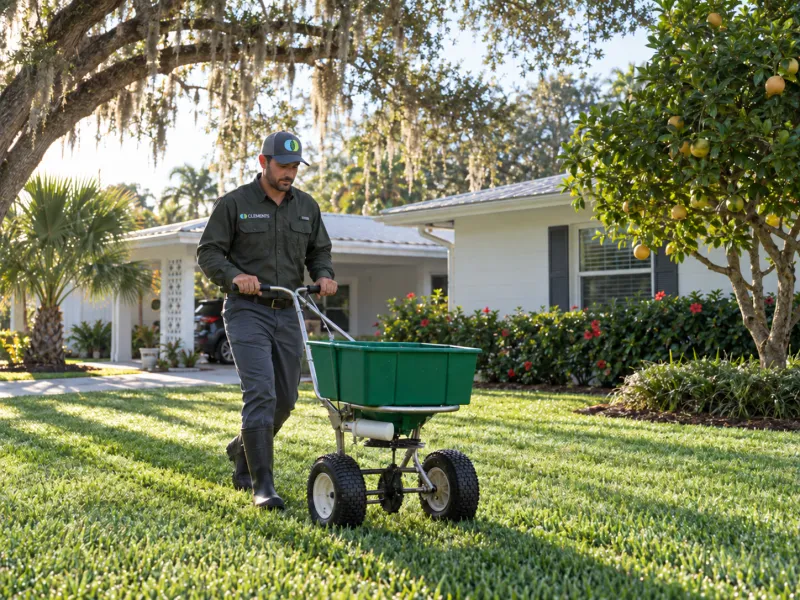
A bag promising fast green-up can be tempting when the yard looks tired. But nitrogen fertilizer cannot fix cold dormancy, and feeding grass that is not actively growing can waste money and increase nutrient losses.
In North and much of Central Florida, routine nitrogen feeding generally pauses during the cool season. South Florida lawns may have different needs because growth can continue, so use local UF/IFAS guidance rather than a statewide winter feeding rule.
Skip the assumption that every lawn needs a winterizer. Extra potassium is not automatically helpful, and phosphorus should not be added without a demonstrated need and compliance with applicable rules.
A soil test can help identify pH problems and guide certain nutrient decisions. It is more useful than choosing a product simply because the package shows bright green turf.
Check county and municipal fertilizer ordinances before any application. When spring arrives, wait for sustained active growth and locally recommended timing rather than feeding at the first hint of warmth.
6. Catch Large Patch Before It Spreads
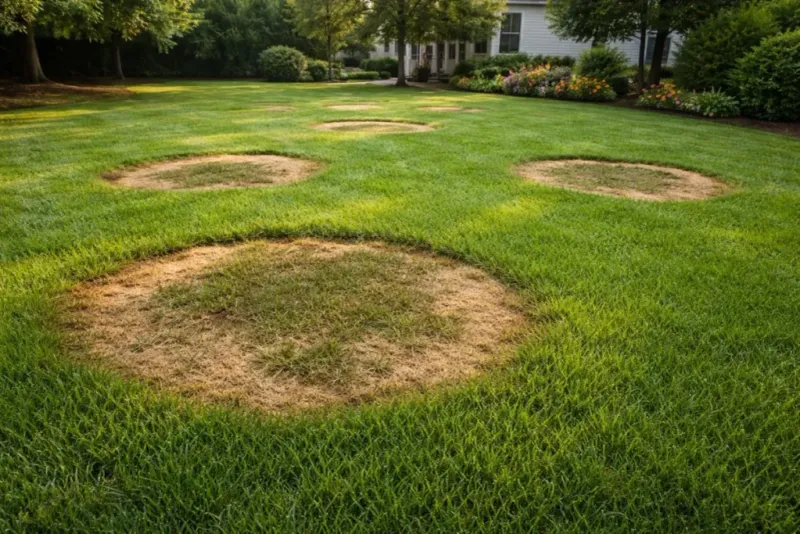
An orange-edged circle that keeps getting wider deserves more than another sprinkler cycle. Large patch, a fungal disease of warm-season turf, often becomes noticeable during Florida’s cooler, wet weather.
Affected areas may turn yellow, reddish brown, or brown, sometimes forming rings or irregular patches. Diseased leaf blades can pull loose from their sheaths near the base, but similar-looking damage has other causes, so appearance alone is not a firm diagnosis.
Start by reducing conditions that favor disease. Avoid unnecessary irrigation, improve drainage where possible, and do not push tender growth with excess nitrogen.
Photograph the patch and mark its edge discreetly so you can see whether it expands. Contact your county Extension office or a turf diagnostic service for sampling instructions if the cause is unclear.
When a fungicide is warranted, use a product labeled for the lawn and disease, following every direction. Treatment will not instantly repair injured grass, and brown areas may remain visible until growing conditions improve and healthy turf fills back in.
7. Identify Weeds Before Reaching for a Spray
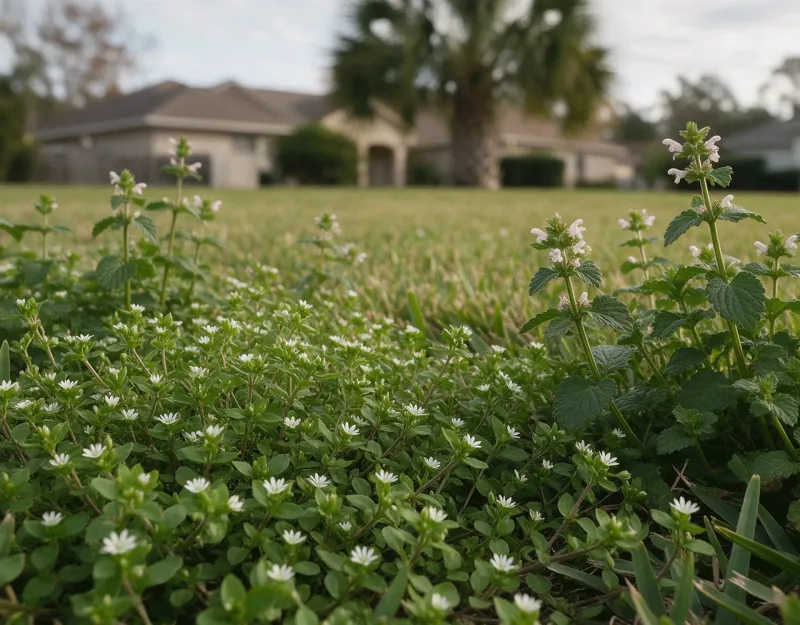
Winter weeds love the extra room that thinning grass leaves behind. Chickweed, henbit, and annual bluegrass can become noticeable while St. Augustine slows down, but they do not all respond to the same treatment.
Identify the weed first, using clear photos of its leaves, stems, and flowers when available. A county Extension office can help distinguish grassy weeds from broadleaf weeds and suggest suitable control options.
For a few scattered plants, hand-pulling before they set seed may be enough. Work when the soil is slightly moist so roots release more easily, and avoid tearing up nearby grass runners.
If you choose an herbicide, the label must allow use on St. Augustine and list the target weed. Check cultivar restrictions, temperature limits, application rates, and precautions for stressed turf or nearby landscape plants.
Preemergence products prevent certain weeds from establishing; they do not erase mature plants already growing. Their timing depends on the weed and local weather, so plan ahead instead of treating every winter weed with the same bottle.
8. Clear Leaves Without Stripping the Lawn
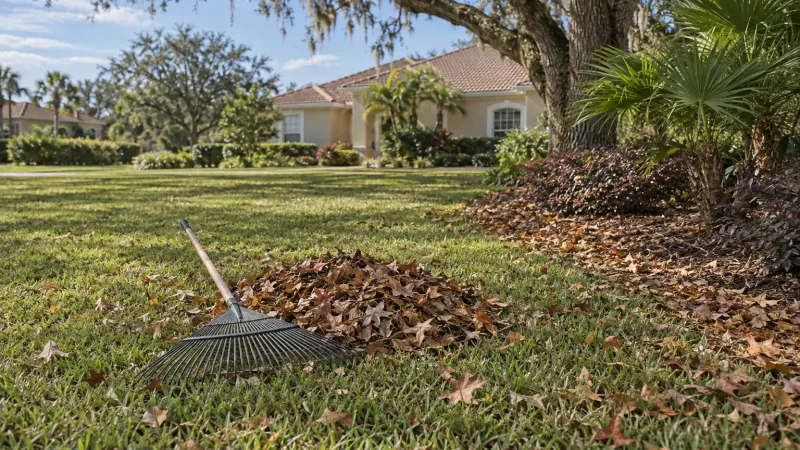
That pretty blanket of oak leaves can turn into a heavy lid after rain. St. Augustine still needs light and airflow during winter, even when it grows slowly.
Remove thick leaf cover before it mats down and hides the grass for long periods. A light rake or carefully directed blower can clear the surface without ripping up runners or exposing soil.
Small amounts of dry leaves can sometimes be chopped finely with a mulching mower if the pieces settle between the blades. Stop if the chopped material still blankets the turf, and do not lower the mower just to grind leaves more aggressively.
Collect excess leaves for compost or suitable landscape beds rather than blowing them into streets or storm drains. Keep piled leaves off the lawn while you finish the rest of the cleanup.
Pay special attention under trees, where limited winter sunlight already slows recovery. If the same shaded area stays thin year after year, consider expanding a mulched bed instead of asking grass to grow where it cannot get enough light.
9. Keep Feet and Equipment Off Frosty Turf
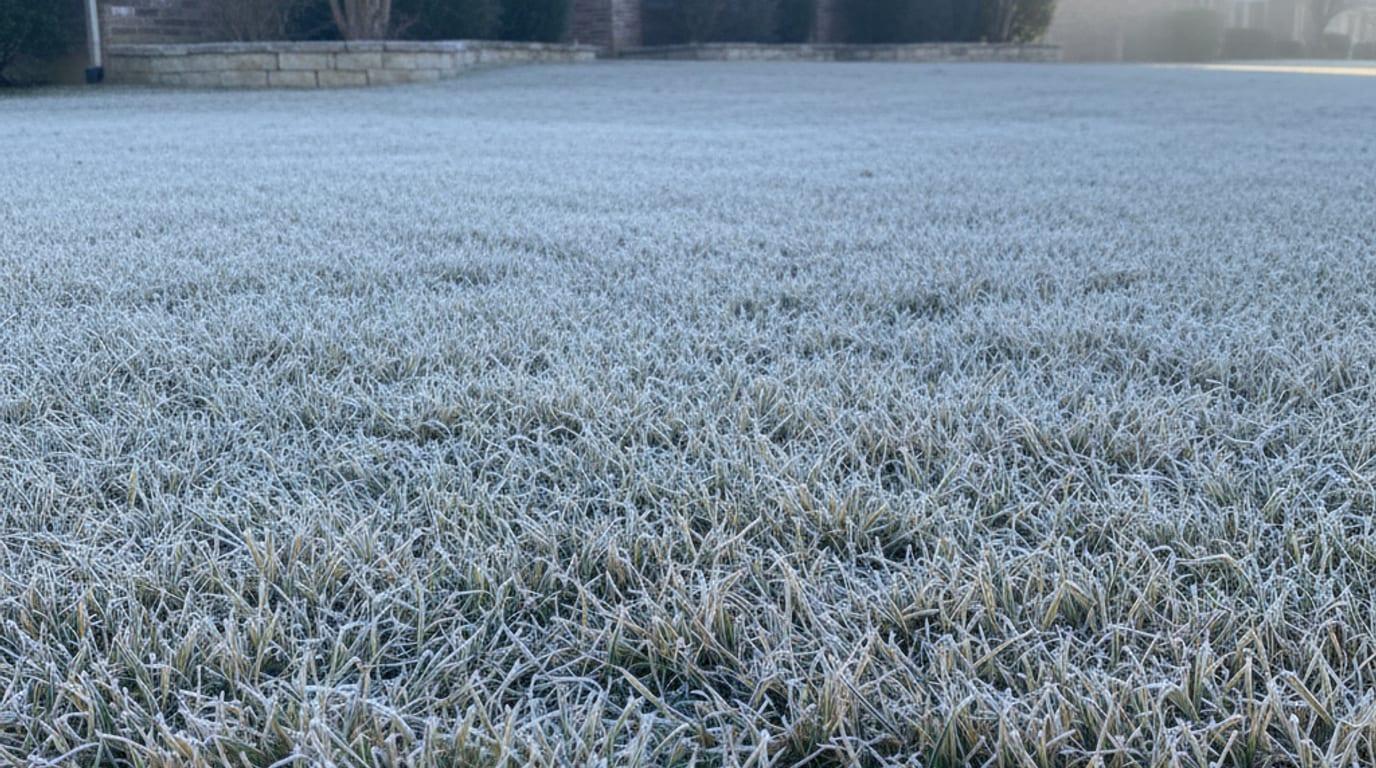
Crunchy grass is your cue to take the sidewalk. Frost-covered blades are vulnerable to traffic, and repeated walking or driving across them can leave damage that stays visible long after the cold morning ends.
Keep pets, delivery carts, mowers, and parked vehicles off frosty turf until it has thawed. Avoid heavy traffic on saturated soil as well, because compaction and ruts are hard for slow-growing grass to repair.
Before a forecast freeze, check soil moisture rather than automatically running the sprinklers. If the root zone is dry, watering ahead of the cold can help moisten the soil, but do not improvise an overnight freeze-protection system for the lawn.
Once cold injury appears, resist the urge to scalp away every brown blade. Leave the lawn at its proper height and wait for warmer conditions to reveal what is recovering.
Protect frequently traveled routes with an existing walkway or a practical temporary detour. Winter is also a good time to decide whether a permanent stepping-stone path would save that worn strip beside the driveway.
10. Save Major Repairs for Active Spring Growth
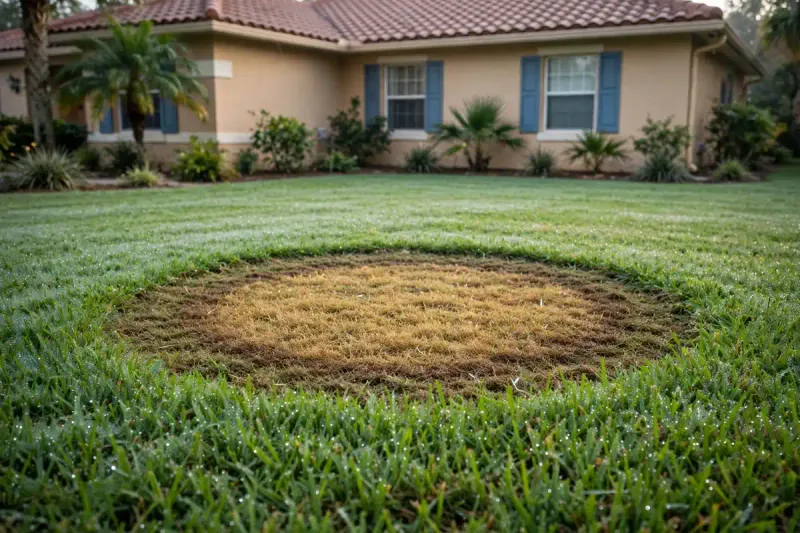
A bare spot can make a weekend repair project feel urgent. Yet winter is often better for finding the cause than for expecting new St. Augustine to spread quickly.
Check whether the area suffers from shade, poor sprinkler coverage, standing water, pests, disease, or foot traffic. New sod or plugs can fail in the same place if the original problem stays put.
St. Augustine is normally established with sod, plugs, or sprigs rather than ordinary lawn seed. For most homeowners, repairs establish more reliably during warm, active growth when roots and runners can develop quickly.
Delay disruptive work such as aggressive dethatching or core aeration until the lawn is actively growing and conditions suit recovery. Not every yard needs either treatment, so confirm a real thatch or compaction problem first.
Use the quieter season to arrange a soil test, sharpen tools, and map trouble spots. When consistent warmth returns, reassess which areas recovered naturally, then repair what remains with the right cultivar and a clear establishment plan.