

Raccoons get bold in the fall, tipping over trash cans and poking around porches as they hunt for food and a warm place to spend the winter. Once they move in under a deck or into a shed, getting them out becomes a real headache.
The good news is that raccoons have a super sensitive nose, and certain smells make them want to leave fast. Here are nine scents you can use right now to keep these masked bandits moving along.
1. Hot Pepper and Cayenne
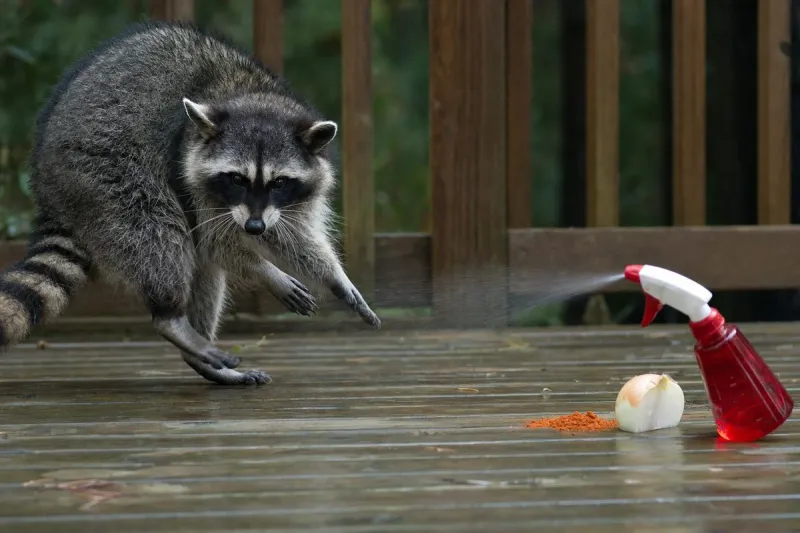
Ever rubbed your eyes after chopping a jalapeno? Now imagine having a nose many times stronger than yours.
That burning feeling is exactly what capsaicin, the compound in hot peppers, does to a raccoon poking around your bins.
Making a pepper spray is cheap and easy. Mix two tablespoons of cayenne powder or a few chopped hot peppers into a quart of water, add a teaspoon of dish soap so it sticks, and let it sit overnight.
Strain it and spray around trash can lids, porch steps, and any spot where you have seen tracks.
The soap helps the mixture cling to surfaces, but rain will still wash it away. Plan to reapply every few days and after every storm.
Wear gloves and keep the spray away from your face, since it stings people just as much as wildlife.
One bonus is that pepper does not harm raccoons. It simply makes your yard an unpleasant stop, so they move on to easier pickings.
Many gardeners also like that it keeps squirrels off bird feeders and bulbs. Just skip spraying edible plants right before harvest unless you enjoy spicy lettuce.
2. Ammonia
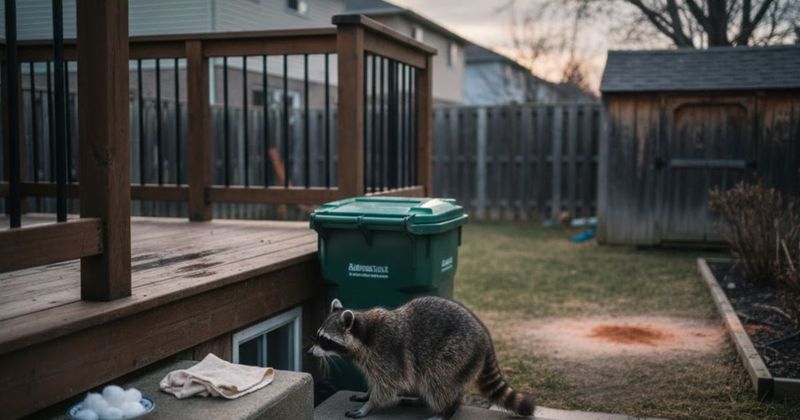
Raccoons read the world through scent, and few signals scream danger louder than the sharp sting of ammonia. To a wild animal, that smell resembles the urine of a large predator, which is a clear sign to stay away.
Soak a few old rags in household ammonia and tuck them into an open coffee can or a plastic container with holes punched in the lid. Set these near crawl spaces, under decks, or beside the garbage area.
The container keeps pets and kids from touching the rags directly.
Some homeowners also pour a splash of ammonia into the bottom of the trash can bag before tying it up. That way, the first sniff a raccoon takes is a nasty surprise instead of a dinner invitation.
Safety matters with this one. Never mix ammonia with bleach, because the combination releases toxic fumes.
Use it outdoors only, and refresh the rags every week or so as the scent fades.
Ammonia works especially well when you suspect a raccoon is scouting a denning spot. Making the area smell occupied by something bigger and meaner often convinces it to keep looking elsewhere before the cold sets in.
3. Peppermint Oil

Here is a repellent that actually makes your porch smell nicer. Peppermint oil has a crisp, cooling scent that people tend to love, but raccoons find it overwhelming and irritating.
The trick is using enough of it. Put 15 to 20 drops of pure peppermint essential oil on cotton balls and set them in shallow dishes around entry points, porch corners, and beside trash cans.
You can also mix about 20 drops into a cup of water for a quick spray.
Essential oils fade quickly outdoors, especially in sun and wind. Expect to refresh the cotton balls every three or four days to keep the scent strong.
Cheap fragrance oils usually do not work, so look for 100 percent pure peppermint.
Gardeners have a fun side benefit here. Peppermint also tends to bother mice and spiders, which are both looking for warm hiding spots as temperatures drop.
One small bottle can pull triple duty around your home.
Keep the oil away from cats and dogs, since concentrated essential oils can upset their stomachs. Placing the cotton balls up high on railings or ledges solves that problem nicely.
4. Garlic
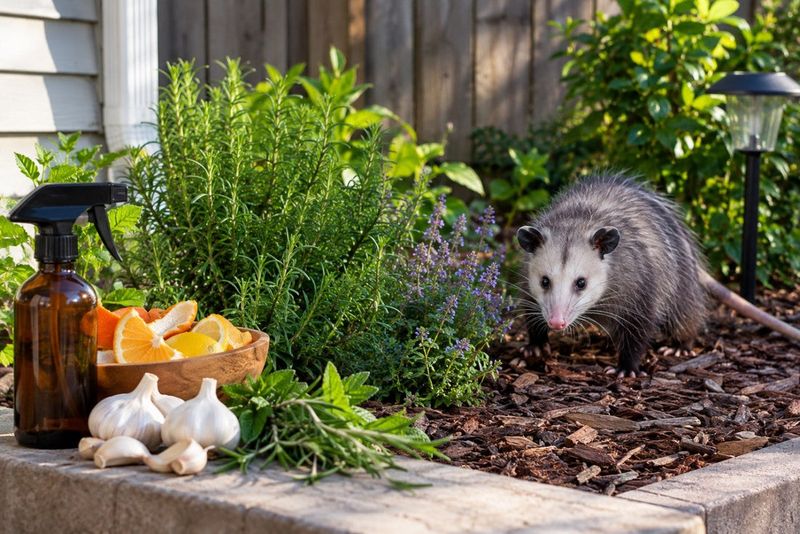
Grandma swore garlic kept vampires away, and it turns out she was onto something with masked night visitors too. Raccoons dislike the pungent sulfur compounds that make garlic so strong.
Crush a whole bulb of garlic and steep it in a quart of water for a day or two. Strain out the pieces, add a little dish soap, and spray it along fence lines, garbage can lids, and the edges of your vegetable beds.
The smell is potent at first but fades for human noses within a few hours.
You can also combine garlic with hot pepper for a double-strength blend. Many gardeners swear this combo works better than either ingredient alone, since raccoons get hit with both a stink and a sting.
Planting garlic is another clever approach. Tuck cloves into your beds in fall, and they will grow through winter while adding a scent barrier around the garden.
Come summer, you get a harvest out of the deal.
Like other homemade sprays, garlic needs regular reapplication. A quick refresh after rain keeps it working through the busy autumn scavenging season.
5. Vinegar
Think about what pulls a raccoon to your trash in the first place. It is the lingering smell of last night’s chicken bones and leftover pizza.
Vinegar tackles that problem from two sides.
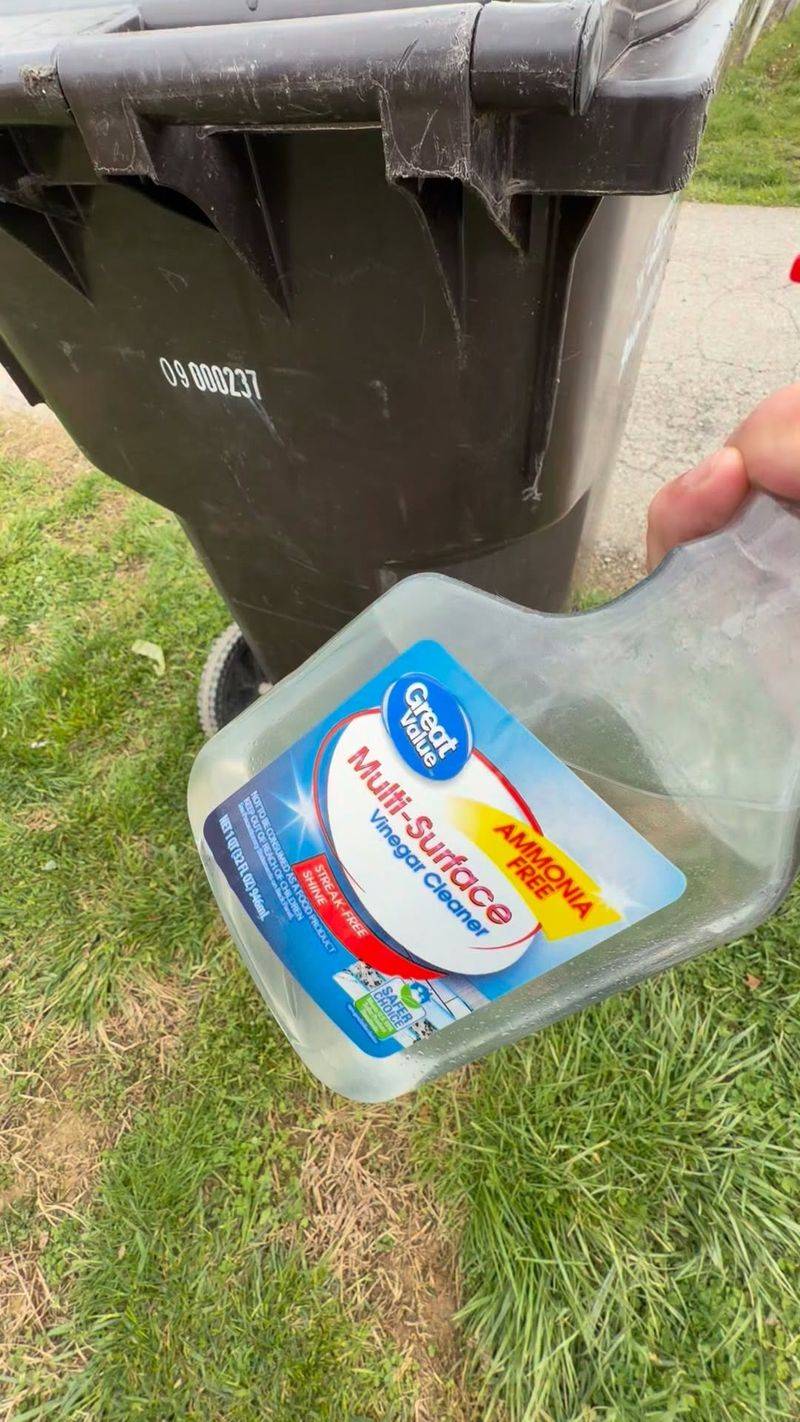
First, it scrubs away food odors. Wash out your garbage cans with a mix of equal parts white vinegar and water, then let them dry in the sun.
A clean can is far less tempting than one coated in old drips and residue.
Second, raccoons simply do not like the sour, acidic smell. Spray straight vinegar around the base of bins and along porch steps.
Some people soak rags in apple cider vinegar and leave them in containers near problem spots for a stronger effect.
Vinegar is cheap, safe around kids, and probably already in your pantry. That makes it a great first step before trying stronger options.
A word of caution for plant lovers, though. Vinegar can burn foliage and kill grass, so keep it on hard surfaces and away from your overwintering geraniums or potted mums.
Reapply every couple of days, especially after a rainy stretch.
6. Epsom Salt
Not every smell needs to be loud to work. Epsom salt has a faint, mineral scent that humans barely notice, yet many gardeners report raccoons steer clear of areas where it is sprinkled.
Scatter a light layer around trash cans, along garden borders, and near the steps leading up to your porch. Raccoons tend to sniff and taste as they explore, and the bitter, salty combination seems to send them on their way.
What makes Epsom salt special on this list is its garden bonus. It contains magnesium and sulfur, two nutrients that plants like tomatoes and peppers enjoy.
So while you are guarding your yard, you are also giving the soil a small boost.
Results can vary, and it works best paired with a stronger scent like ammonia or pepper. Think of it as a supporting player rather than the star of the show.
Rain dissolves Epsom salt quickly, so sprinkle a fresh batch after storms. Use a light hand around plants, since too much salt in the soil over time is never a good idea.
A thin dusting is plenty to get the job done.
7. Predator Urine
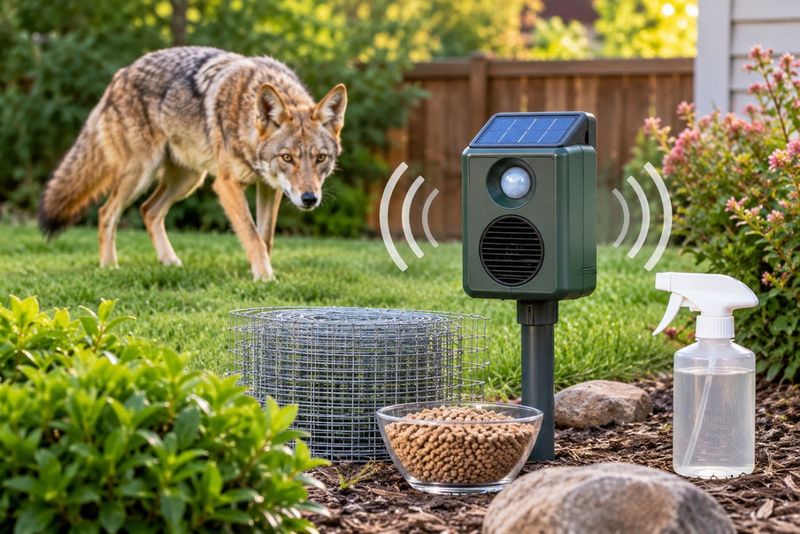
Nature already has the perfect raccoon alarm system. When a raccoon catches a whiff of coyote, fox, or wolf urine, its survival instincts kick in and tell it this neighborhood is dangerous.
Garden centers and hardware stores sell bottled predator urine made just for this purpose. Coyote urine is the most popular choice for raccoons.
You can pour it onto cotton balls or use the small scent tags many brands include, hanging them on fences, shed doors, and posts near the garbage area.
Here is a fun fact: coyotes are one of the few animals that regularly hunt raccoons. That is why the smell carries so much weight.
It is not just unpleasant, it is a warning sign written in the language raccoons understand best.
The downside is the odor. Predator urine smells strong to people too, so keep it away from patios and open windows where you relax.
Refresh it about once a week or after heavy rain. Some homeowners rotate between predator urine and other scents so raccoons never get too comfortable.
Mixing things up keeps their guard high and your trash safe.
8. Onion

Chopping onions might make you cry, but it makes raccoons turn tail. The same sharp compounds that sting your eyes hit a raccoon’s nose even harder.
To make an onion repellent, chop one onion and one jalapeno and toss them into a pot with two quarts of water. Bring it to a boil, let it simmer for about 20 minutes, then cool and strain the liquid into a spray bottle.
Spray it around the porch, along walkways, and on the outside of trash bins.
Onion pairs nicely with garlic, its close cousin, if you want an extra-strength brew. Some gardeners add a spoonful of cayenne for good measure.
The result is a kitchen-made potion that smells awful to wildlife and costs pennies.
A handy shortcut is saving onion scraps. Peels and ends that would normally hit the compost can go straight into your next batch instead.
Store any leftover spray in the fridge and label it clearly so nobody mistakes it for soup. Reapply every few days, and you will likely notice fewer tipped lids and muddy paw prints on the porch.
9. Irish Spring Soap
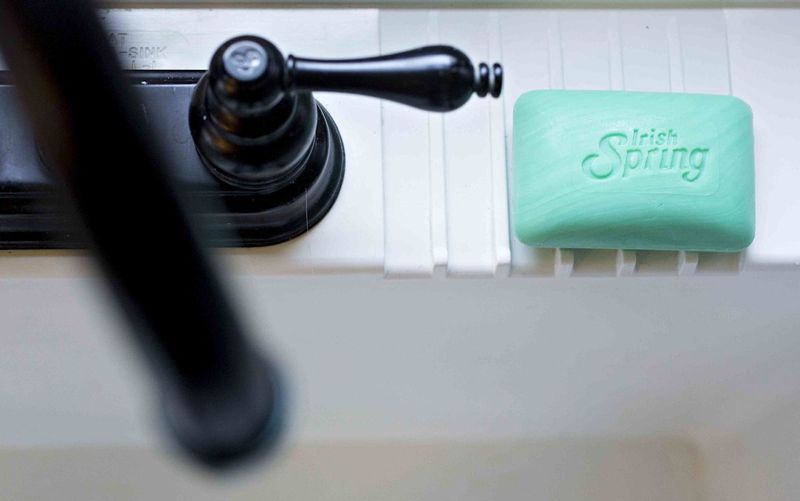
Walk down any garden forum, and you will find someone swearing by a bar of Irish Spring. It sounds like an old wives’ tale, but plenty of homeowners say it works surprisingly well.
The heavy, perfumed scent seems to confuse and annoy raccoons. They rely on their nose to find food, and a cloud of strong soap fragrance masks the tasty smells coming from your trash.
It also signals that humans are close by.
Using it is easy. Grate a bar or cut it into chunks, then place the pieces in mesh bags or old pantyhose.
Hang them from deck railings, near garbage bins, or on stakes around your garden beds. You can also scatter shavings directly along borders.
Unlike sprays, soap holds up well in rain and can last several weeks before it needs replacing. That makes it a favorite for busy people who do not want to reapply something every other day.
Keep soap pieces away from fish ponds and spots where dogs like to chew. For the best results, combine it with a secure trash lid, and your porch will be far less inviting all winter.