
Bringing plants indoors for winter feels like a rescue mission, but a warm, sunny window can quietly turn into a buffet for spider mites. These tiny pests love dry indoor air, and they go after certain plants long before they touch others.
If you know which plants are most at risk, you can catch trouble early and save your favorites. Here are the eight that usually get hit first, plus simple ways to protect each one.
1. Hibiscus
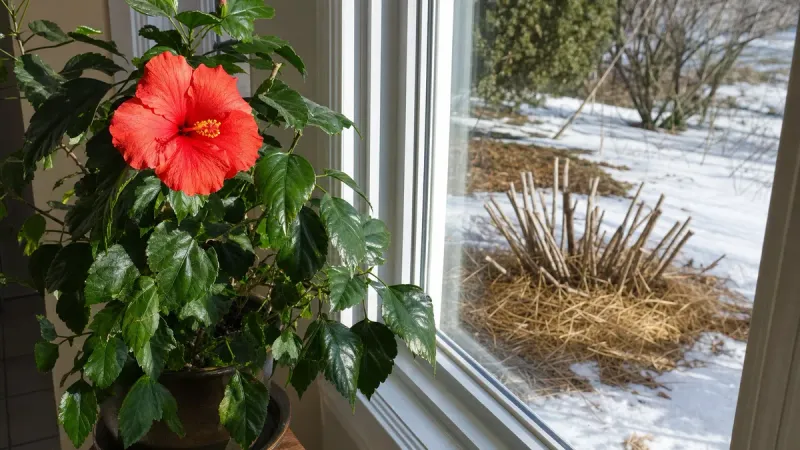
Ask anyone who has carried a potted hibiscus inside each fall, and they will probably tell you the same story. By January, the leaves look dusty, speckled, and a little tired.
That dull look is often the first sign of spider mites, not just winter blues.
Hibiscus leaves are soft, thin, and full of sap, which makes them easy for mites to pierce and drain. Add warm glass, a nearby heat vent, and air that feels as dry as a desert, and you have the perfect setup for a fast-growing colony.
A single female can lay around 100 eggs in a few weeks.
Check the undersides of leaves every week with a flashlight. Look for tiny moving dots, pale stippling, or fine silk near the stems.
Holding a white sheet of paper under a branch and tapping it can reveal mites as little specks that crawl.
To fight back, rinse the whole plant in the shower with lukewarm water every week or two. Raising humidity with a pebble tray or a small humidifier helps a lot.
For stubborn cases, insecticidal soap sprayed on both leaf sides every five to seven days usually breaks the cycle.
2. Geraniums
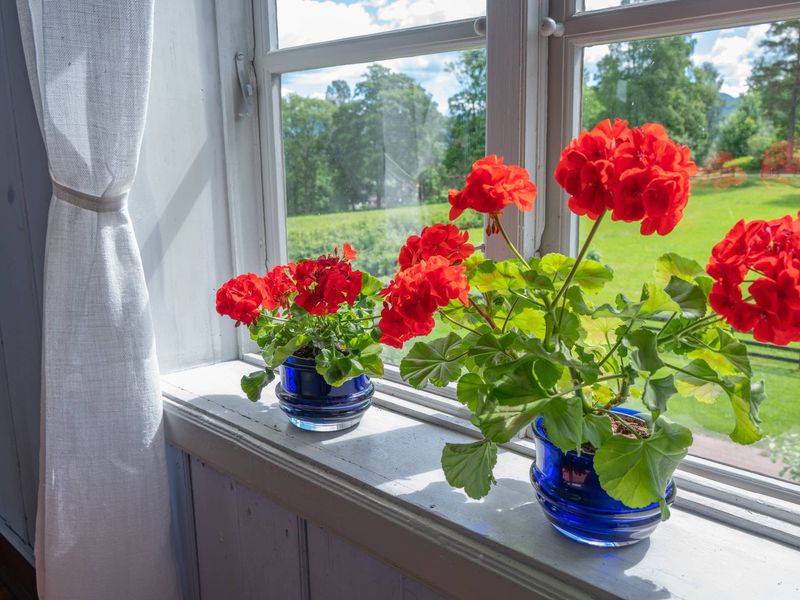
Few porch plants earn as much loyalty as a good old geranium. Many gardeners keep the same ones going for years, rotating them from summer steps to a south window every autumn.
Sadly, that sunny ledge is right where mites love to set up shop.
Geraniums are tough in many ways, but their fuzzy, thick leaves can hide mites very well. The tiny pests tuck into the soft hairs and feed quietly.
By the time you notice yellow, freckled leaves, the population may already be large.
Here is a smart habit before bringing them indoors. Hose the plants off firmly outside, then let them dry and inspect a few leaves closely.
Pinching back leggy growth also removes hiding spots and keeps the plant compact.
Once inside, avoid crowding geraniums tightly together, since mites walk easily from leaf to leaf. Give them space, and turn the pots now and then so you can see every side.
If one plant looks speckled, move it to a different room right away.
A gentle wipe with a damp cloth helps, and neem oil works well on fuzzy foliage. Keep the soil slightly dry, since geraniums dislike soggy roots in winter.
3. Rosemary
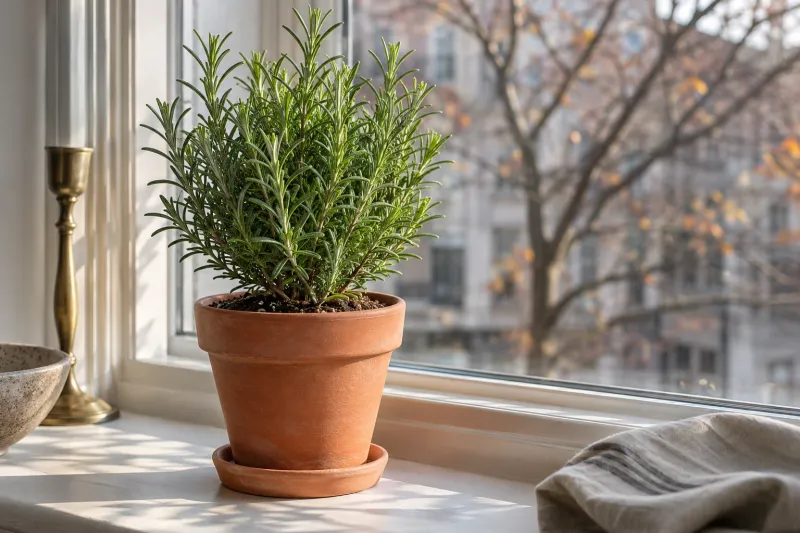
Nothing smells quite like brushing past a rosemary plant on a cold day. That piney scent makes it a favorite to rescue from the garden before frost.
Spider mites, though, seem to love it just as much as cooks do.
Rosemary comes from the Mediterranean, where breezes are steady and nights are cool. Inside a heated home, it often sits in still, dry air right against warm glass.
Stress makes the plant weaker, and weak plants attract mites quickly.
The damage can be tricky to spot because the needles are so narrow. Watch for a grayish or bronze tint, needles that drop when touched, and thin webbing at the branch tips.
A magnifying glass makes the culprits much easier to see.
Fun fact: rosemary actually prefers a cooler spot, around 50 to 60 degrees, during winter. Moving it to a bright but chilly room, like an enclosed porch, can slow mites down dramatically.
A small fan running nearby for a few hours a day also helps.
Mist the plant often and give it a good rinse every couple of weeks. Since you may eat it, choose food-safe options like plain water sprays or insecticidal soap labeled for herbs.
4. Citrus Trees
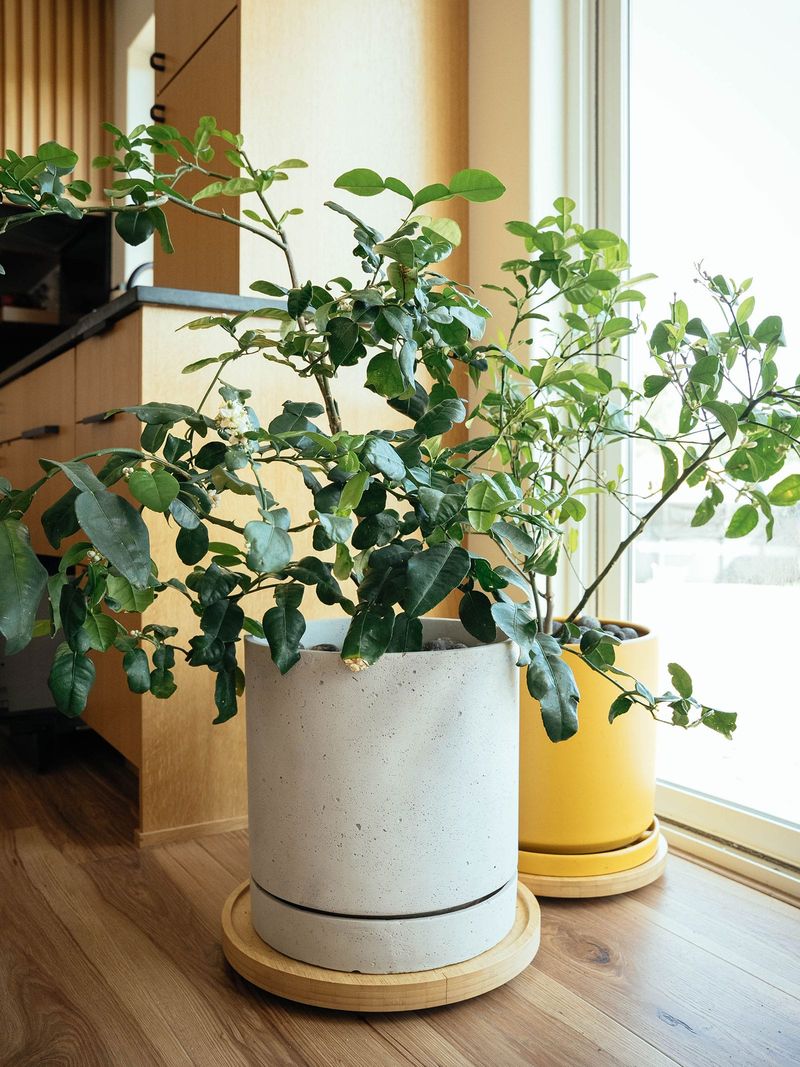
Picture a little Meyer lemon tree glowing with yellow fruit in the middle of February. It is a dream for many indoor gardeners, and it is a dream for spider mites too.
Citrus ranks among their very top targets indoors.
The glossy leaves look sturdy, yet mites happily feed on them and leave behind tiny pale dots. Over time, the leaves may turn dull, curl, and drop.
Fruit can also shrink or fall early when the tree is under attack.
Citrus trees need lots of light, so they almost always end up in the sunniest, warmest window in the house. That same spot often has the driest air.
It is a tough trade-off, but you can balance it.
Group your citrus with other plants to raise moisture around it, or set the pot on a tray of wet gravel. Wipe both sides of the leaves with a soft, damp cloth every week or so.
Horticultural oil is a strong choice for citrus and is commonly used by growers.
Keep an eye on new growth, because mites prefer tender leaves. Catching them early means you can still enjoy homegrown lemonade before spring arrives.
5. Mandevilla
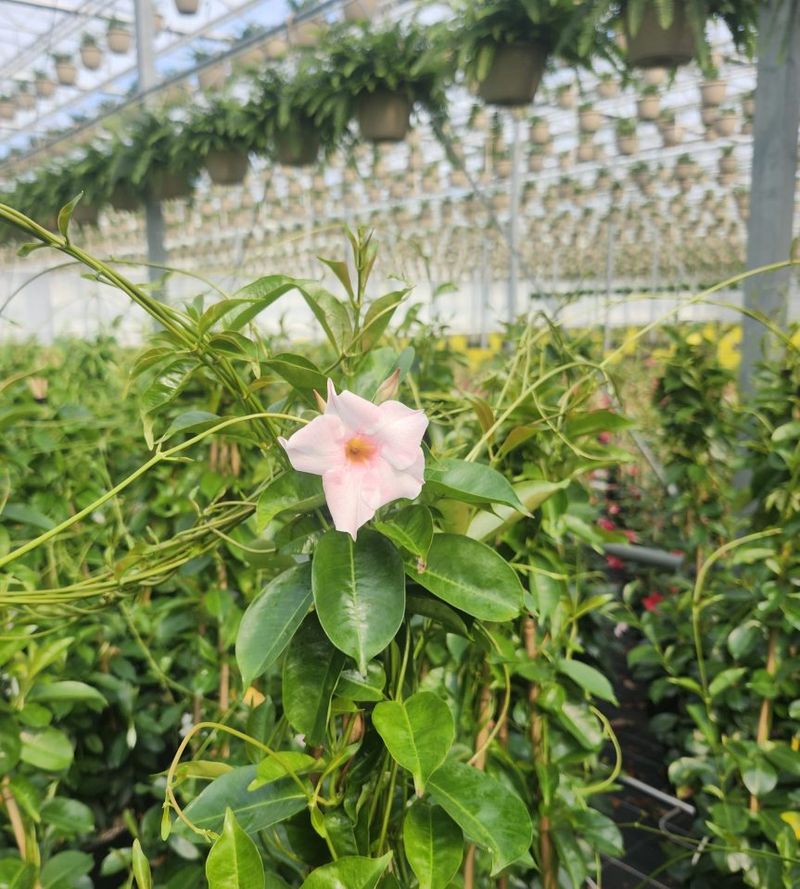
Summer patios across the country glow with mandevilla’s big pink and red trumpets. Saving one over winter feels like a small victory against the cold.
Then, almost overnight, the vine can start looking pale and webbed.
Mandevilla is famous among gardeners for being a mite magnet indoors. Its long, twining stems and smooth leaves give mites plenty of room to spread.
Once a colony gets going, webbing can stretch between leaves like tiny hammocks.
One helpful trick is to cut the vine back by about a third before bringing it inside. Less foliage means fewer places for pests to hide and easier inspections.
The plant will grow back fresh in spring.
Indoors, give it bright light but keep it away from heaters. Water when the top inch of soil feels dry, and do not let it sit in standing water.
Inspect along the stems, not just the leaves, since mites travel up and down the vine. If you spot webbing, take the whole plant to a sink or tub and spray it thoroughly.
Follow up with insecticidal soap every week for about a month to catch hatching eggs.
6. Fiddle Leaf Fig
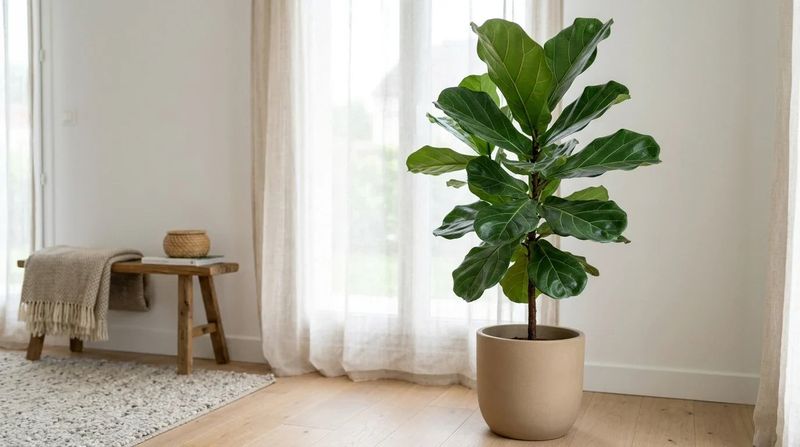
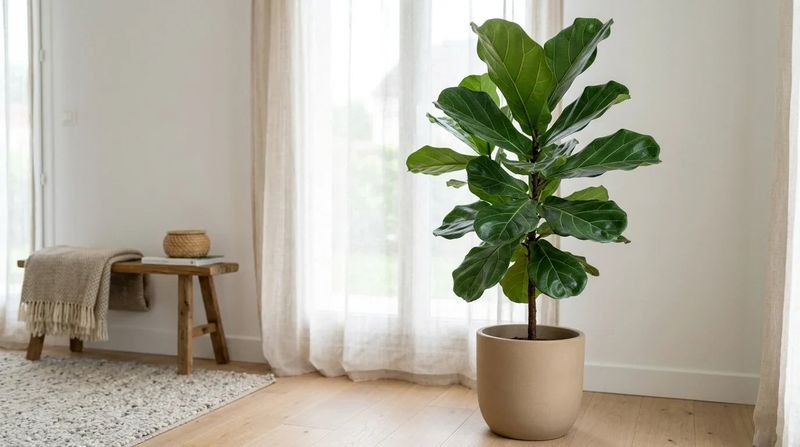
Big, bold, and a little dramatic, the fiddle leaf fig is the diva of the houseplant world. Owners already worry about it dropping leaves, so spider mites are the last thing anyone wants.
Unfortunately, winter by a sunny window puts it right in harm’s way.
Those huge leaves collect dust easily, and dust actually helps mites thrive. A dusty surface blocks light, stresses the plant, and gives pests a cozy layer to hide under.
Clean leaves are your first line of defense.
Every couple of weeks, wipe each leaf with a soft cloth dipped in lukewarm water. While you are at it, flip the leaf over and look closely.
Tiny brown or yellow specks, especially near the veins, can point to an early problem.
Fiddle leaf figs hate being moved, so try not to shuffle them around too much. Instead, raise humidity with a humidifier placed nearby.
Aim for around 40 to 50 percent if you can.
For an active infestation, spray neem oil or insecticidal soap on both sides of every leaf. Repeat weekly.
With patience, your leafy diva can keep its glamorous look all winter long.
7. Croton
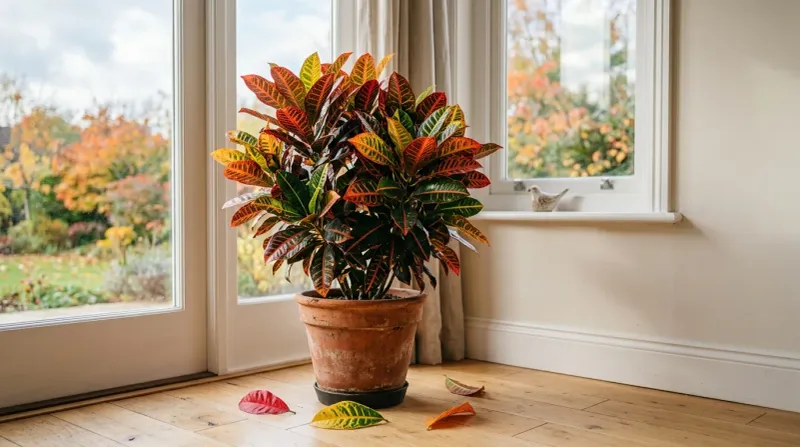
Crotons are basically living fireworks, with leaves splashed in red, orange, yellow, and green. They need strong light to keep those colors bright, which is why they land in the sunniest window.
That bright, dry spot is also spider mite heaven.
Here is the sneaky part. Mite damage can blend right into croton’s busy patterns, so many people miss the warning signs.
If the colors start fading or leaves look washed out and dusty, take a closer look.
Crotons also sulk in dry air. When humidity drops, the plant gets stressed, drops leaves, and becomes an easier target.
Keeping moisture up solves two problems at once.
Try placing a humidifier nearby or grouping the croton with other tropical plants. A weekly shower in the tub helps knock off mites before they multiply.
Let the leaves dry in a warm room so the plant does not catch a chill.
Watch for drafts, too, since crotons dislike cold glass touching their leaves. Pull the pot back a few inches on frosty nights.
If mites persist, insecticidal soap is safe and effective, and those fiery colors should return as new leaves grow.
8. Alocasia
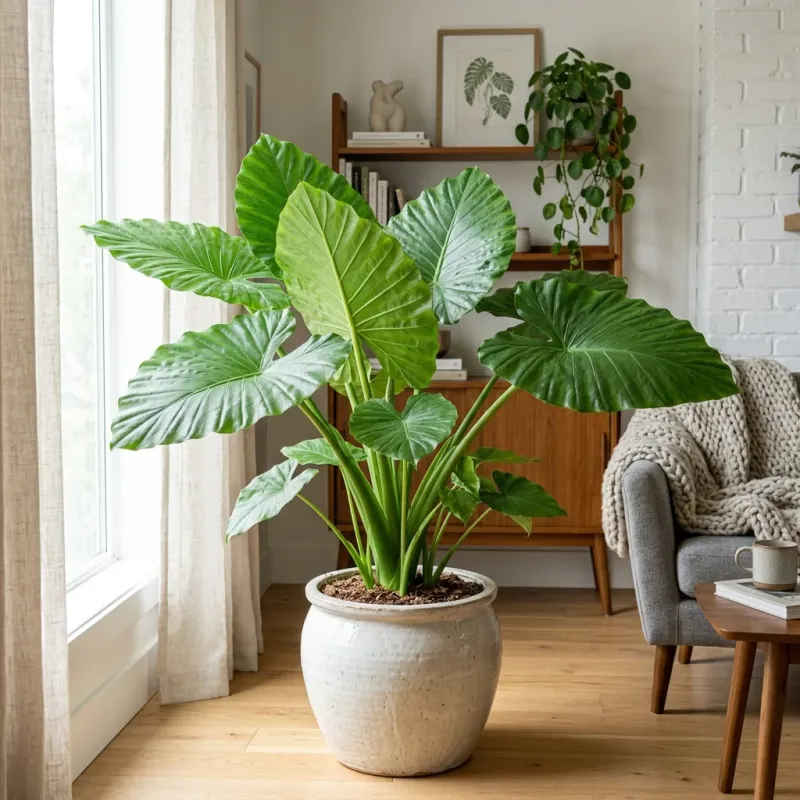
Shoppers fall hard for alocasia, with its arrow-shaped leaves and striking veins. Gardeners who grow elephant ears outdoors often bring them inside to survive the cold.
Sadly, alocasias are one of the plants spider mites find almost irresistible.
These tropical beauties come from steamy rainforest floors. A dry living room in January is a big shock, and the plant often weakens.
Mites notice right away and move in on the undersides of the leaves.
Signs include pale freckles, yellowing edges, and dull leaves that lose their shine. You may also see very fine webbing where the leaf meets the stem.
Because alocasias grow only a few leaves at a time, losing even one hurts.
Some growers wipe the leaves every single week as a habit, and it really pays off. Use a damp cloth or a little mild soapy water, then rinse.
Keep humidity above 50 percent if possible.
Also, alocasias sometimes slow down or go partly dormant in winter. Water less during this time, but do not skip the leaf checks.
A quick look each week can save the whole plant and keep those dramatic leaves healthy until spring returns.