
Transforming your garden into an edimental paradise has never been easier. By integrating herbs into your flowerbeds, you not only elevate the aesthetic appeal of your garden but also enhance its functionality.
These herbs bring color, fragrance, and often culinary benefits, making your garden a feast for the senses. From the calming scent of lavender to the striking blue flowers of borage, each herb offers unique qualities that can turn your garden into a vibrant and lively oasis.
Discover how these ten stunning herbs can transform your flowerbeds into an enchanting retreat.
1. Lavender (Lavandula)
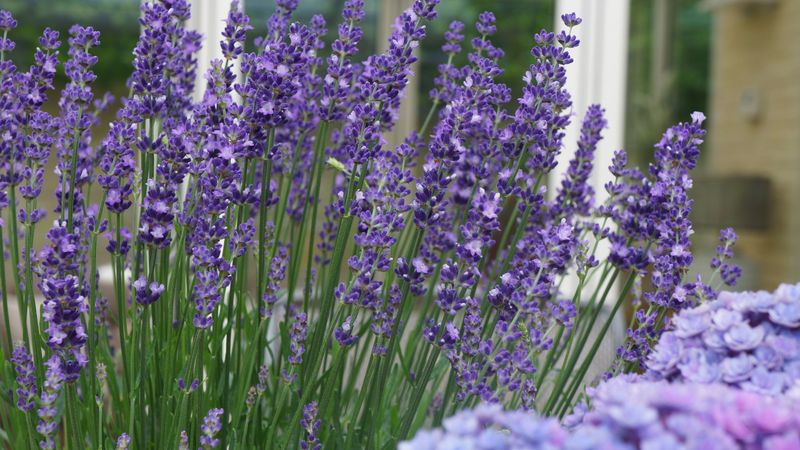
Lavender, with its fragrant purple blooms, is a quintessential addition to any garden. Known for attracting pollinators, this herb not only enhances the visual appeal of your flowerbeds but also contributes to the ecological balance. Its calming scent is perfect for creating a relaxing garden atmosphere. Lavender thrives in well-drained soil and full sun, making it an easy-to-care-for choice that rewards you with its beauty and aroma. Consider planting it along pathways or borders to release its scent with every step you take. A must-have for gardeners seeking tranquility and charm.
2. Chives (Allium schoenoprasum)
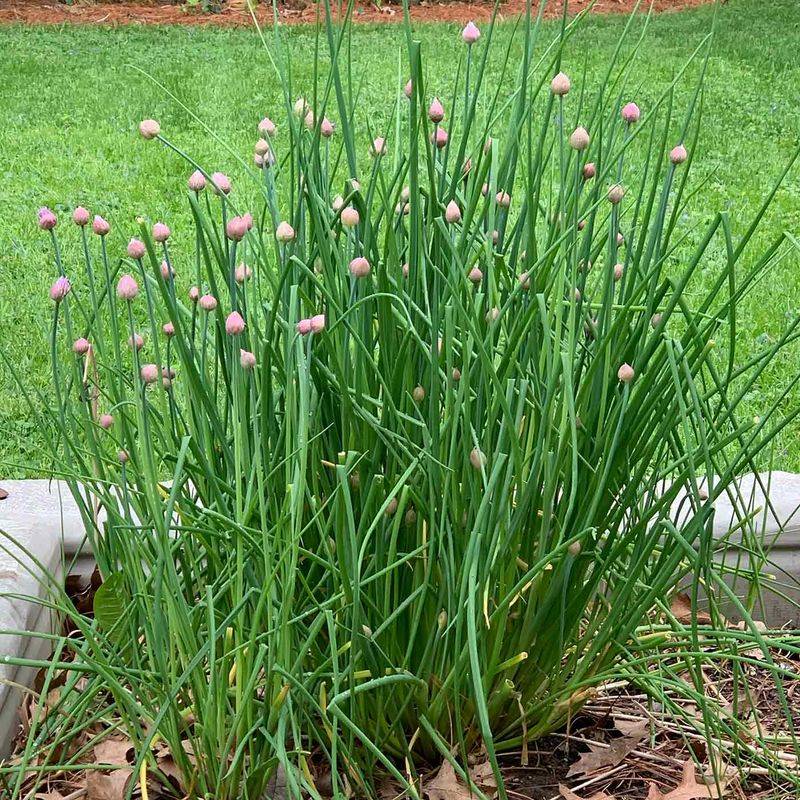
Chives are a delightful dual-purpose herb, offering both visual appeal and culinary use. Their delicate purple flowers add a splash of color to your garden, while the onion-flavored leaves are a favorite in the kitchen. This hardy perennial is easy to grow, thriving in sunny spots with well-drained soil. In addition to their beauty, chives are excellent for edging flowerbeds due to their upright growth habit. You can snip the leaves as needed for salads or garnishes without disturbing the plant’s overall look. Chives bring flavor and flair to any garden setting.
3. Thyme (Thymus vulgaris)
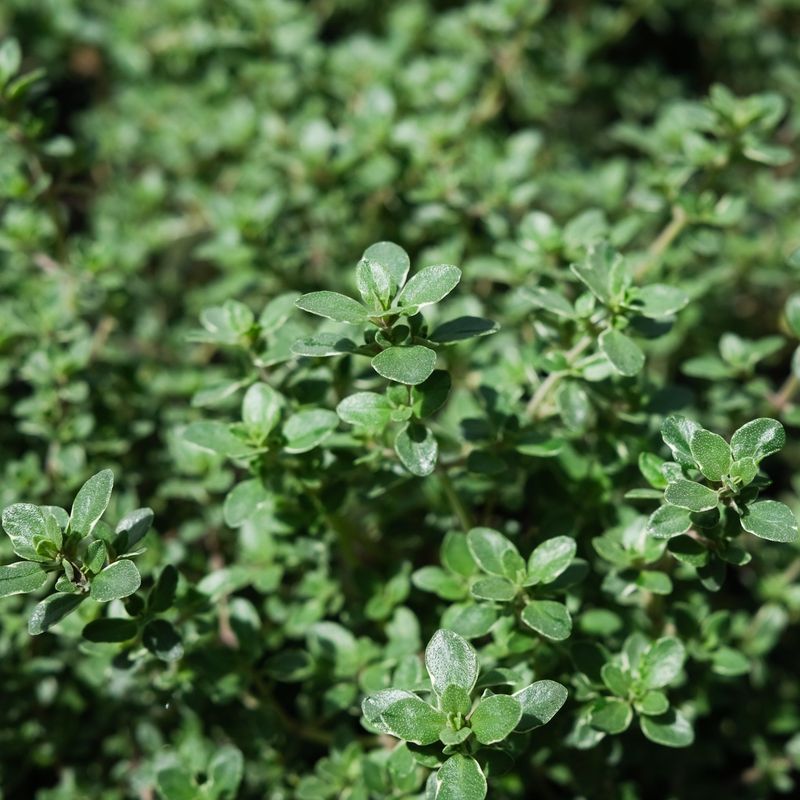
Thyme is a versatile herb that adds charm to any flowerbed. Its low-growing nature and tiny flowers make it a perfect choice for borders. Known for its earthy aroma and flavor, thyme is as practical in the kitchen as it is beautiful in the garden. This herb enjoys sunny spots and well-drained soil, often thriving in rock gardens or alongside pathways. Thyme’s resilience makes it suitable for various garden styles, from rustic to modern. Regular trimming encourages dense growth, ensuring it remains a vibrant part of your garden year-round. Thyme is both charming and useful.
4. Rosemary (Rosmarinus officinalis)
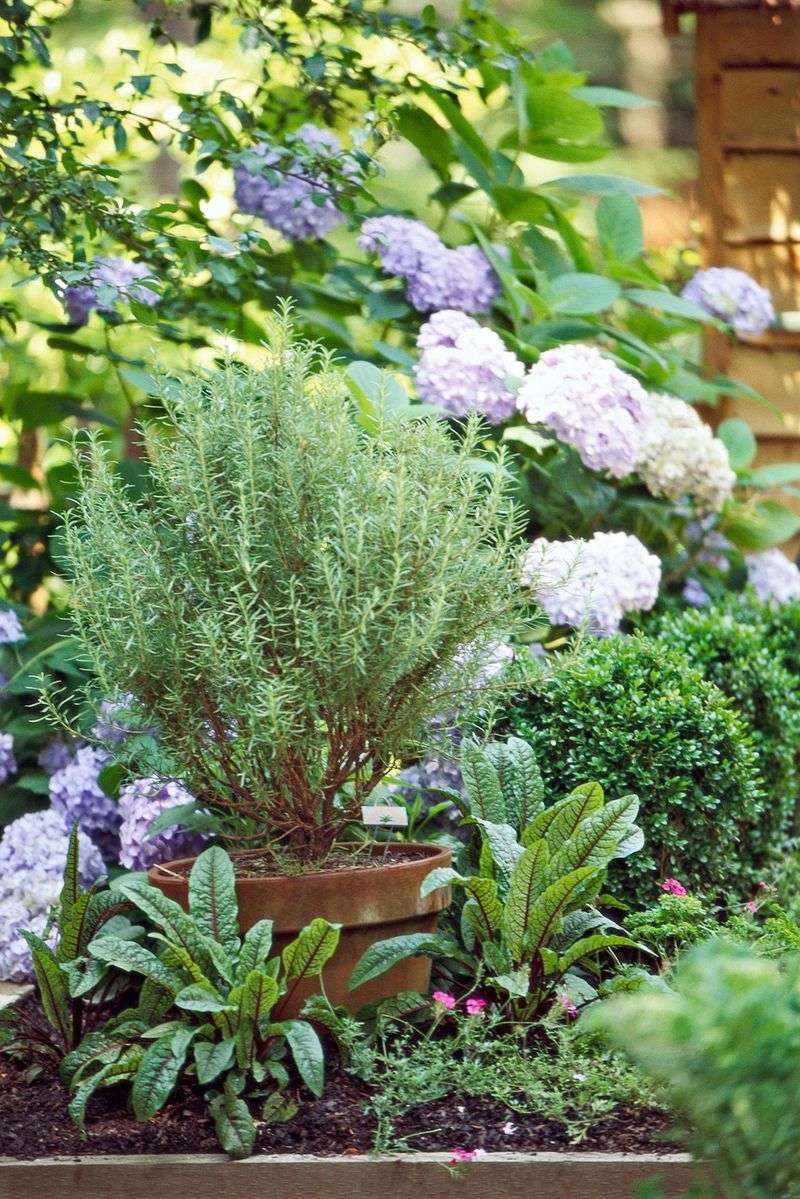
Rosemary is an evergreen beauty that brings structure and aroma to any garden. Its blue flowers are a magnet for pollinators, enhancing the biodiversity of your garden. Known for its culinary uses, rosemary’s aroma is both refreshing and invigorating. This herb prefers full sun and well-drained soil, flourishing in Mediterranean-like conditions. Its woody stems can be pruned into shapes, adding architectural interest. Rosemary is ideal for containers or as a focal point in flowerbeds, bringing year-round greenery and fragrance. It’s an essential herb for both novice and experienced gardeners alike.
5. Borage (Borago officinalis)
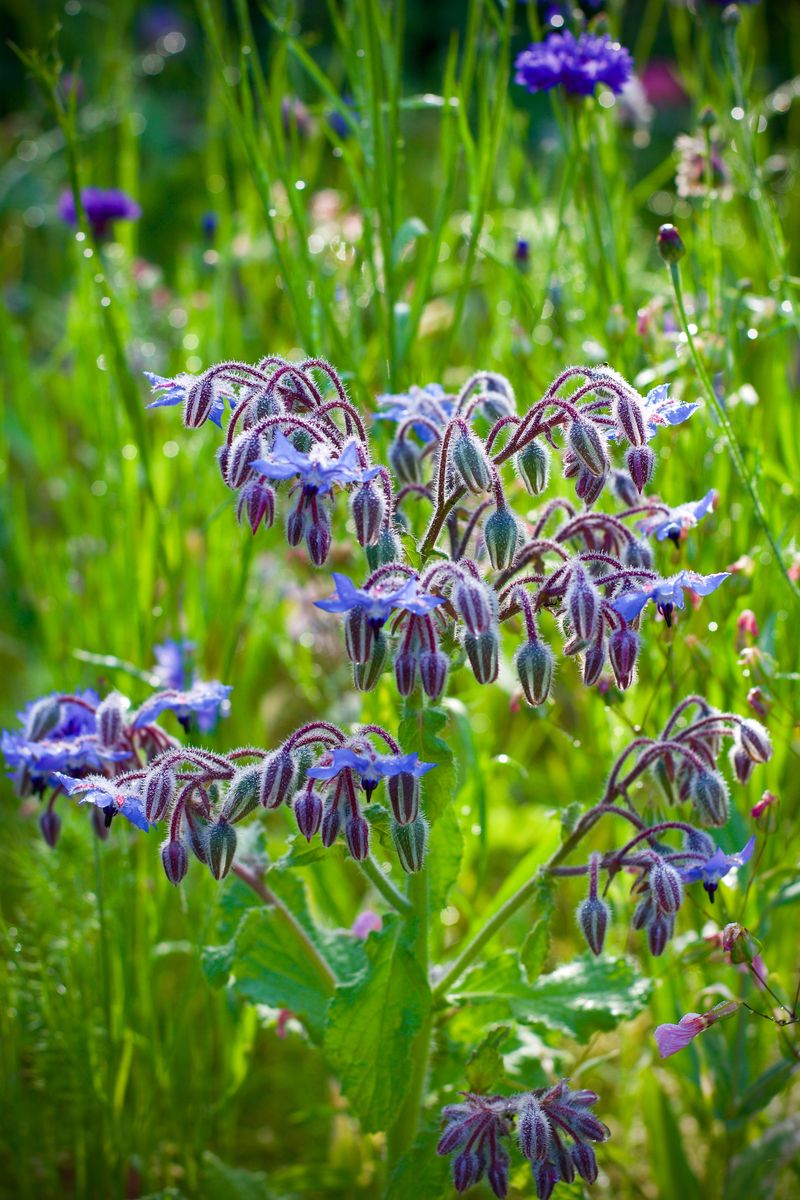
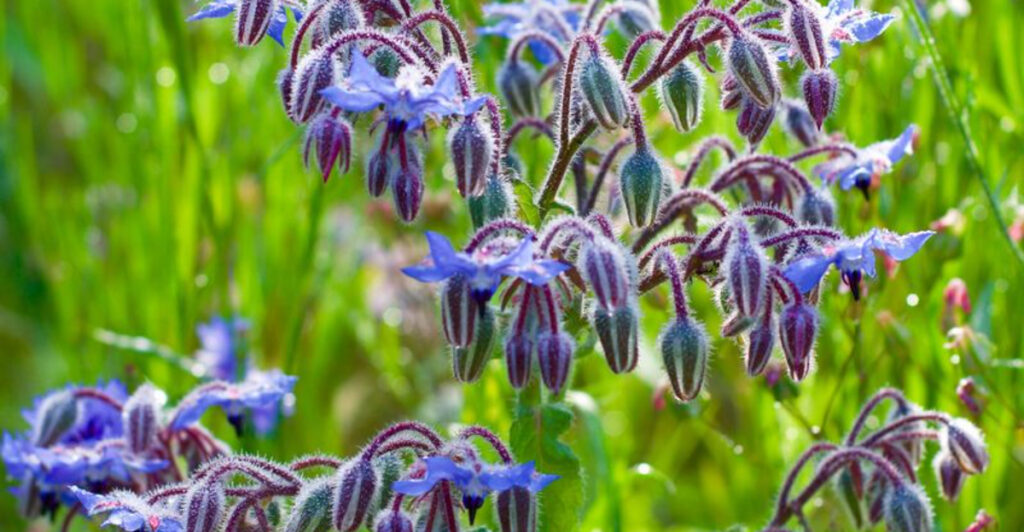
Borage stands out with its stunning blue, star-shaped flowers that are a favorite among bees. This herb adds a splash of color and movement to any flowerbed, while its edible leaves offer a refreshing cucumber-like flavor. Borage thrives in sunny locations and can grow in various soil types, making it a versatile choice for gardeners. Its rapid growth and self-seeding nature allow it to fill spaces quickly, providing ground cover and visual interest. Consider using borage in informal garden settings to create a lively and dynamic look. It’s as delightful to the eye as it is beneficial to your garden’s ecosystem.
6. Sage (Salvia officinalis)
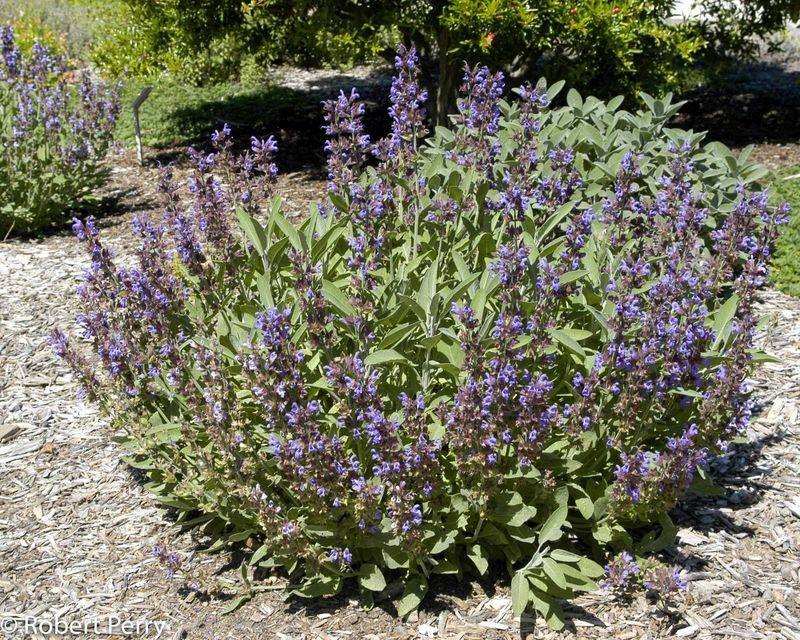
Sage is a wonderful addition to any garden, known for its velvety leaves and vibrant flowers. With hues of purple or pink, its blossoms attract both pollinators and garden enthusiasts alike. Sage is not only beautiful but also a staple in culinary dishes, offering a rich flavor. This herb thrives in sunny to partly shaded areas with well-drained soil. Sage’s evergreen nature provides year-round interest, and regular pruning keeps it bushy and productive. Ideal for borders or mixed herb gardens, sage adds depth and texture to your flowerbeds. It offers both aesthetic and practical benefits.
7. Calendula (Calendula officinalis)
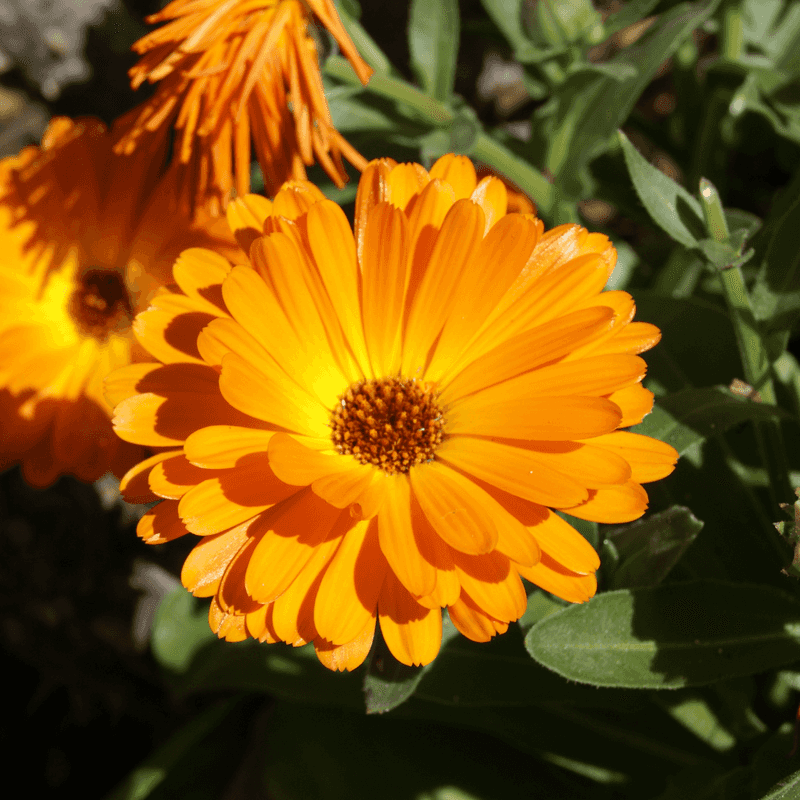
Calendula, often referred to as pot marigold, is celebrated for its bright orange and yellow blooms. These flowers are not only visually pleasing but also edible, adding a splash of color to salads and desserts. Known for its medicinal properties, calendula thrives in sunny spots with well-drained soil. It’s a prolific bloomer, ensuring your garden is filled with vibrant color throughout the growing season. Calendula’s cheerful flowers are perfect for cottage gardens, bringing a touch of sunshine to any landscape. Easy to grow and maintain, this herb is a gardener’s delight with multiple uses.
8. Fennel (Foeniculum vulgare)
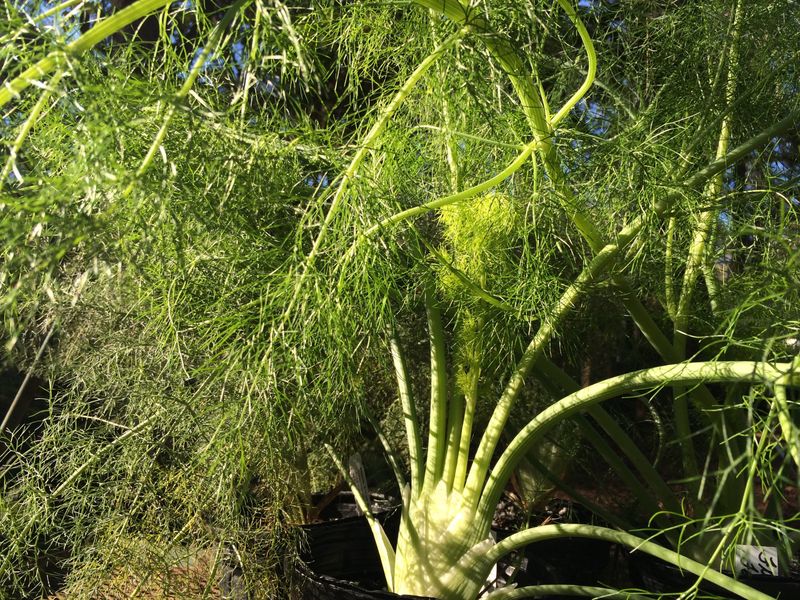
Fennel is an intriguing herb with feathery, aromatic foliage and striking golden flower umbels. Its towering height and fragrant presence make it a standout feature in any flowerbed. Known for attracting beneficial insects, fennel plays a vital role in garden biodiversity. This herb prefers full sun and well-drained soil, thriving in both ornamental and vegetable gardens. Its anise-flavored seeds and bulb are culinary treasures, offering versatility in the kitchen. Use fennel as a backdrop plant to add height and movement to your garden. Its combination of beauty and utility makes it a valuable addition to any garden.
9. Oregano (Origanum vulgare)
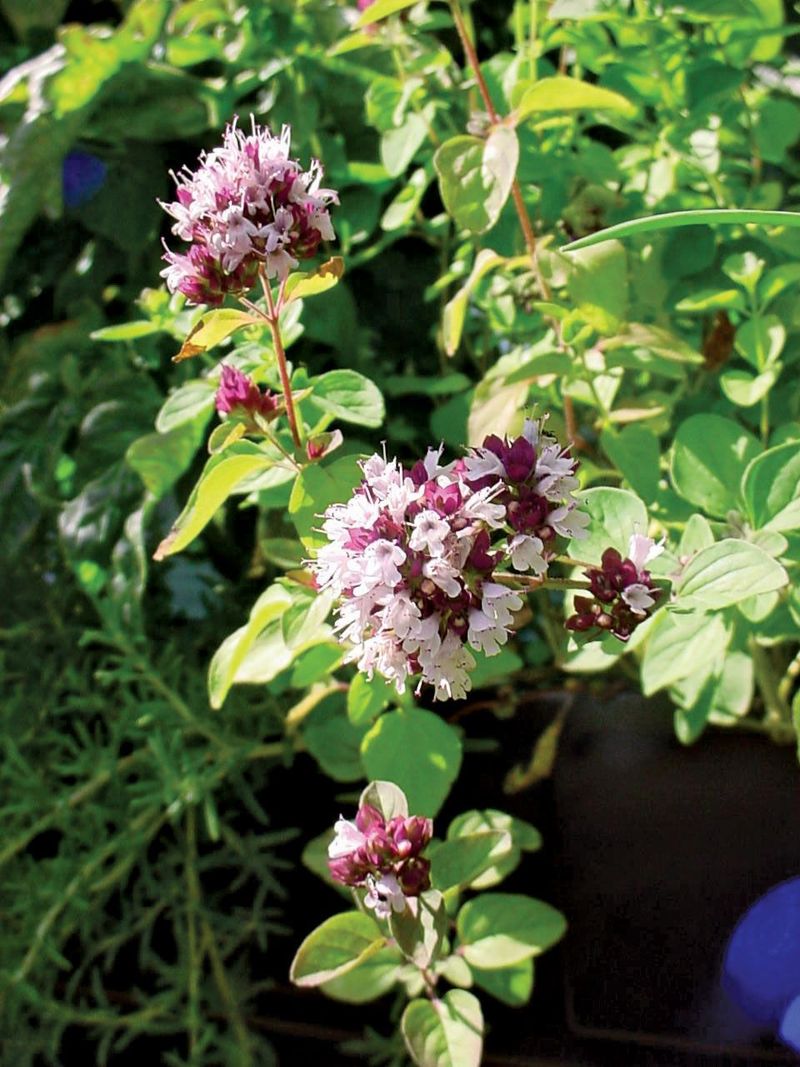
Oregano is a charming herb with tiny purple flowers and aromatic leaves, perfect for adding flavor and beauty to your garden. This creeping perennial is ideal for ground cover, bringing a lush, green carpet to your flowerbeds. Thriving in full sun and well-drained soil, oregano is low maintenance, requiring minimal care once established. Its robust flavor is a kitchen staple, enhancing a variety of dishes. Use oregano to fill gaps between stones or along pathways, creating a seamless transition between garden elements. Its simple beauty and practicality make it a garden favorite.
10. Lemon Balm (Melissa officinalis)
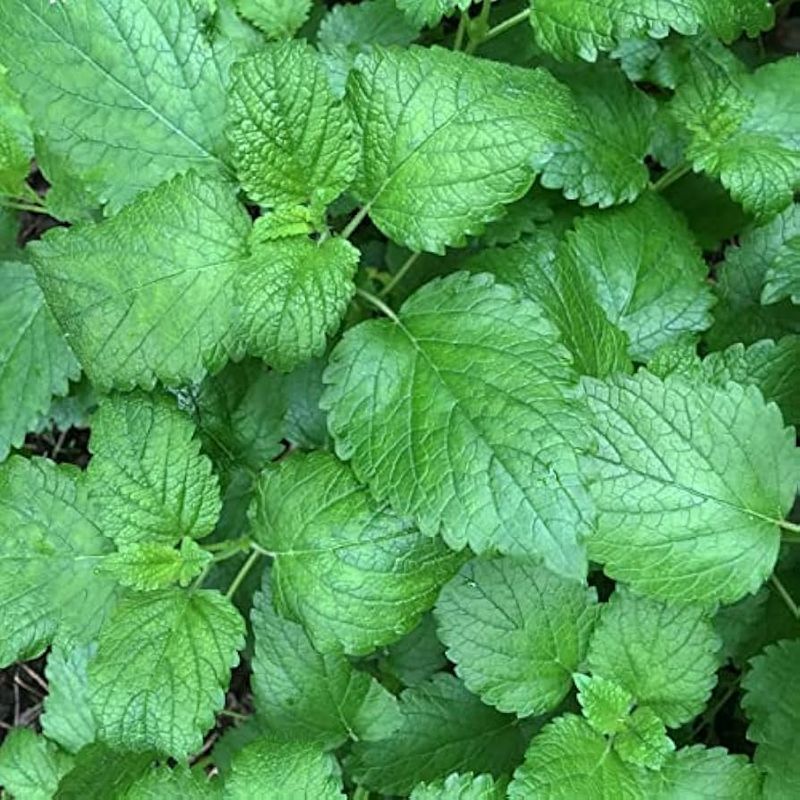
Lemon Balm is a delightful herb with lush green foliage and a refreshing lemony scent. Its delicate white flowers add subtle beauty to any flowerbed, while its fragrance invigorates the senses. This herb thrives in partial shade and well-drained soil, making it a versatile addition to various garden settings. Lemon Balm is known for its calming properties, often used in herbal teas and remedies. Consider planting it near seating areas to enjoy its aroma. With its combination of beauty, fragrance, and utility, Lemon Balm is a must-have for a harmonious garden.