
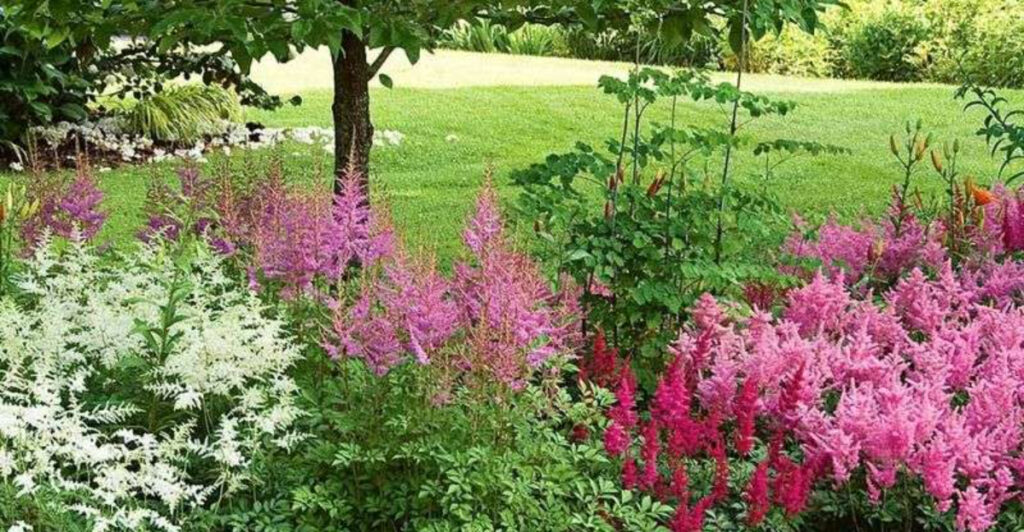
Astilbe plants are a gardener’s dream come true, especially for those tricky, shaded areas in your garden.
With their beautiful plumes and vivid colors, they offer aesthetic appeal without demanding too much attention.
These perennials are perfect for anyone looking to add beauty and structure to their garden with minimal effort.
1. Thrives in Shade
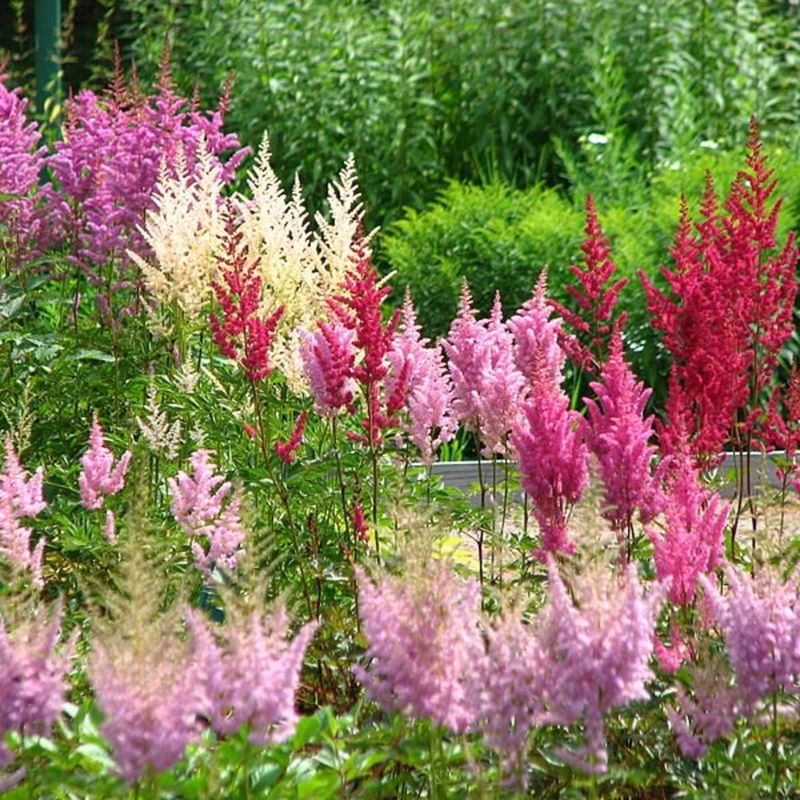
Astilbe plants are the unsung heroes of shady gardens. They thrive in dappled or full shade, making them perfect for those tricky spots where sunlight barely reaches.
Imagine a woodland garden, cool and serene, where the air is crisp, and the bright plumes of Astilbe sway gently in the breeze. In such environments, these plants come to life, their colors popping against the muted greens of the forest floor.
Their preference for shade gives them an edge over many other flowering plants that struggle without direct sunlight, offering a lush, vibrant garden with minimal sun.
2. Moisture-Loving & Hardy
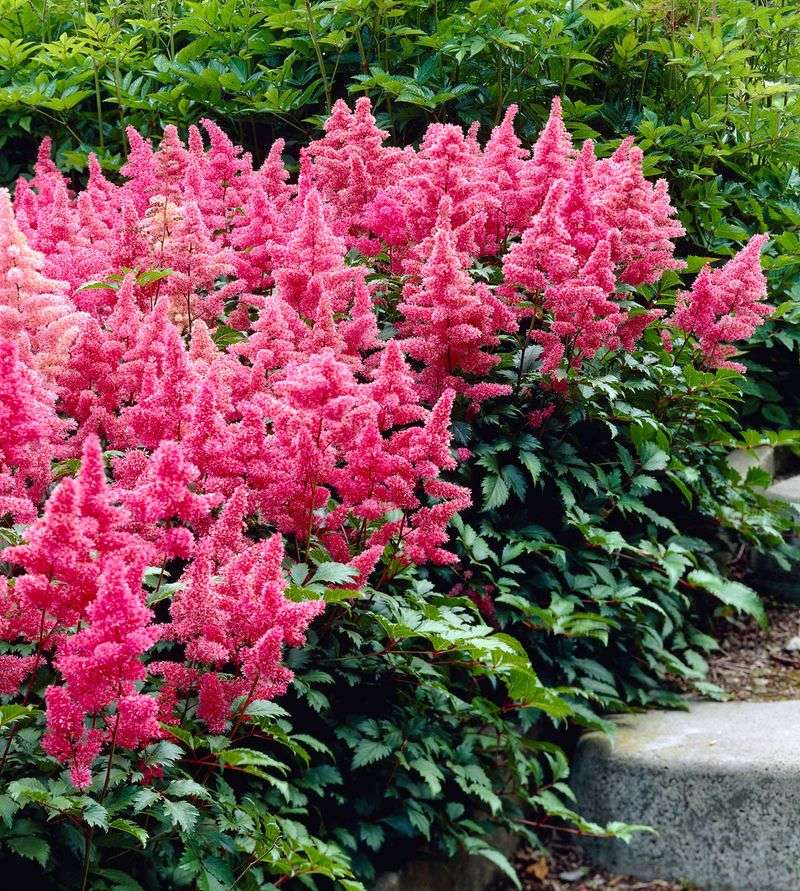
Astilbes are not just shade lovers; they have a penchant for moisture too. Picture a garden with a gentle stream or a serene pond, where Astilbes line the edges, their roots comfortably nestled in the damp soil.
These plants are hardy companions, able to withstand chilly winds and thrive in consistently moist conditions. The gentle gurgle of water provides a soothing backdrop as these plants stand tall, their feathery blooms reflecting in the water.
Moisture is their ally, making them ideal for areas where the soil retains dampness, adding a splash of color and life to wet spots.
3. Pollinator-Friendly
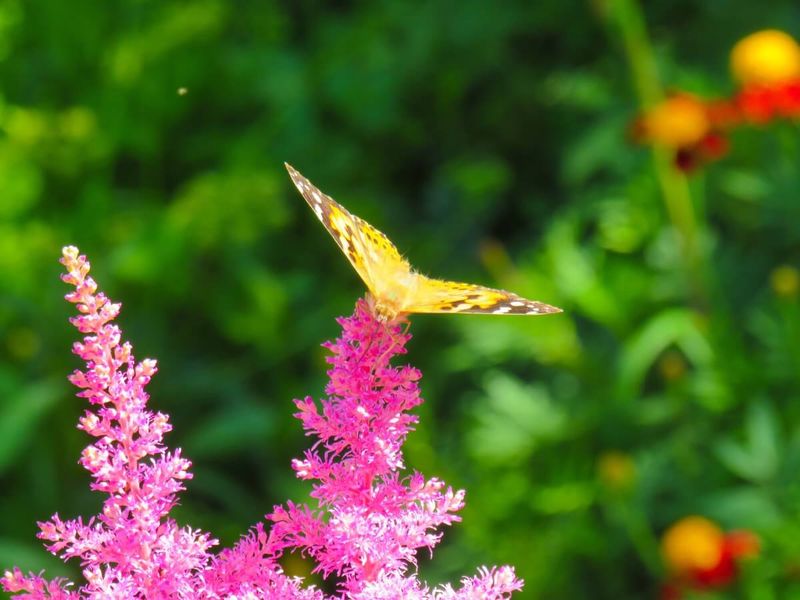
Astilbes do more than beautify your garden; they invite nature in. Bees and butterflies are frequent visitors, drawn like magnets to the nectar-rich plumes of the Astilbe.
Envision a sunny afternoon when these busy pollinators dance around the flowers, their vibrant wings fluttering in harmony with the breeze. The garden becomes a lively, buzzing orchestra where every note is a reminder of nature’s interconnectedness.
This pollinator-friendly trait not only supports biodiversity but also ensures that your garden remains lively and dynamic. Welcome bees and butterflies by adding Astilbes to your plant collection.
4. Comes in a Rainbow of Colors
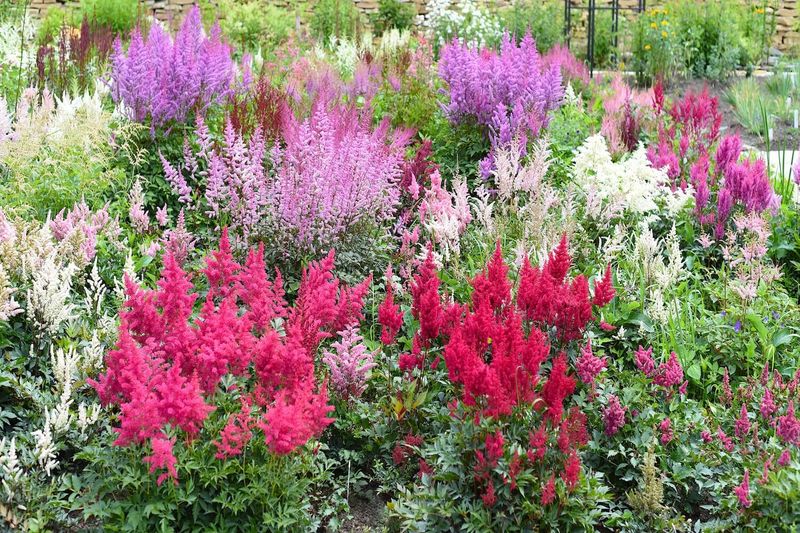
Astilbes are a painter’s palette in the garden. With hues ranging from soft pinks and purples to bold reds and creamy whites, they provide an elegant splash of color.
Imagine walking through a garden where every turn reveals a new shade, each more stunning than the last. These colors don’t just blend into the garden; they add drama and contrast, creating focal points that draw the eye.
The sheer variety allows for creativity in garden design, making Astilbes a versatile choice for gardeners looking to experiment with color themes.
5. Feathery Texture Adds Garden Drama
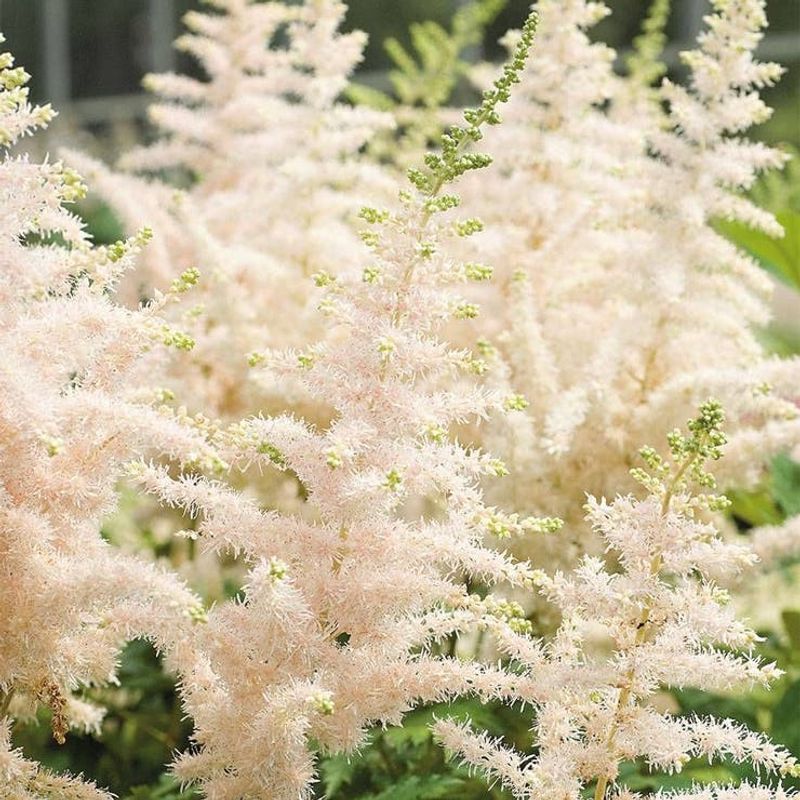
The feathery texture of Astilbe plants adds a soft, elegant drama to any garden. Picture a garden path lined with these plume-like flowers, their lacy foliage creating a delicate contrast against bold, leafy plants and hardscape elements.
The texture is not just visually appealing; it adds a tactile quality to the garden, inviting touch and exploration. As the wind rustles through their feathery plumes, the garden comes alive with movement and sound, offering a sensory experience that enhances the overall aesthetic.
Astilbes provide both visual and textural interest, making them a gardener’s favorite.
6. Low Maintenance Once Established
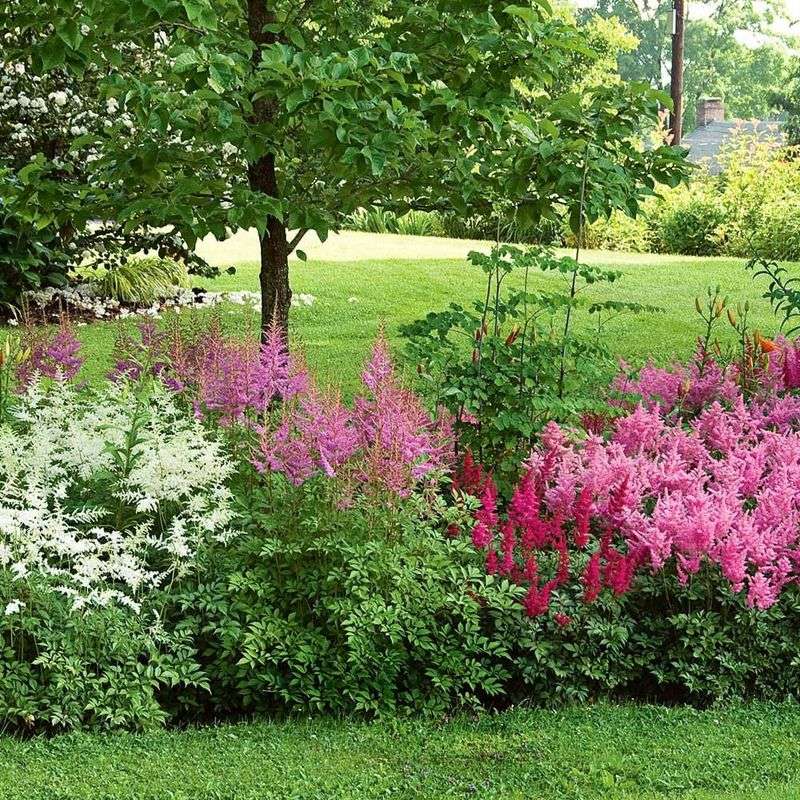
Astilbes are the definition of low-maintenance elegance. Once established, these plants require minimal attention, making them ideal for busy gardeners.
Envision a garden that’s almost self-sustaining, where the vibrant Astilbe blooms thrive with little more than regular watering and occasional trimming. Their resilient nature means even novice gardeners can achieve a lush, beautiful landscape without constant effort.
The simplicity of caring for Astilbes adds to their charm, allowing gardeners to enjoy the beauty of their garden without being tied down by laborious tasks. They offer tranquility and beauty with minimal upkeep.
7. Cold-Hardy and Reliable
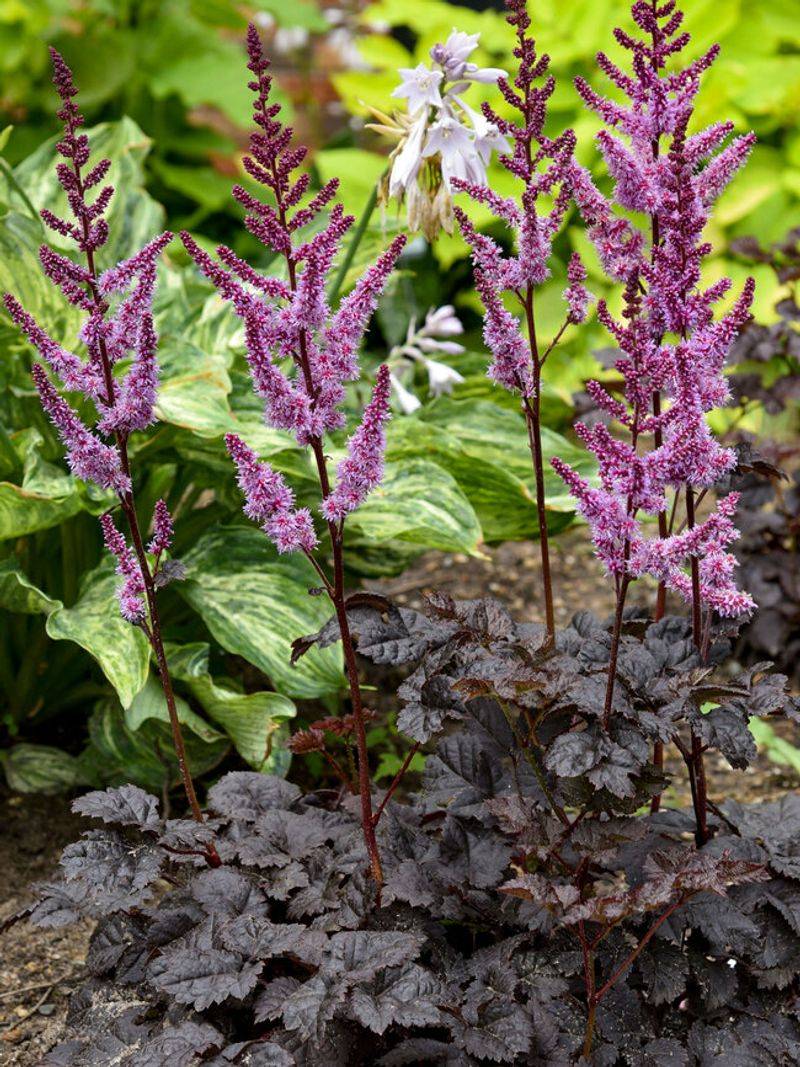
Astilbes are robust perennials that don’t wilt under winter’s chill. Imagine a garden in the heart of winter, where most plants are dormant, yet the hardy Astilbe stands resilient, its structure hinting at the lush growth to come.
Their ability to endure cold temperatures and return each year makes Astilbes a reliable choice for gardens in USDA Zones 3–8. As spring breathes life back into the garden, these plants burst forth with renewed vigor, ensuring that your garden remains a vibrant, living tapestry year after year.
They are a testament to nature’s persistence.
8. Great for Containers and Borders
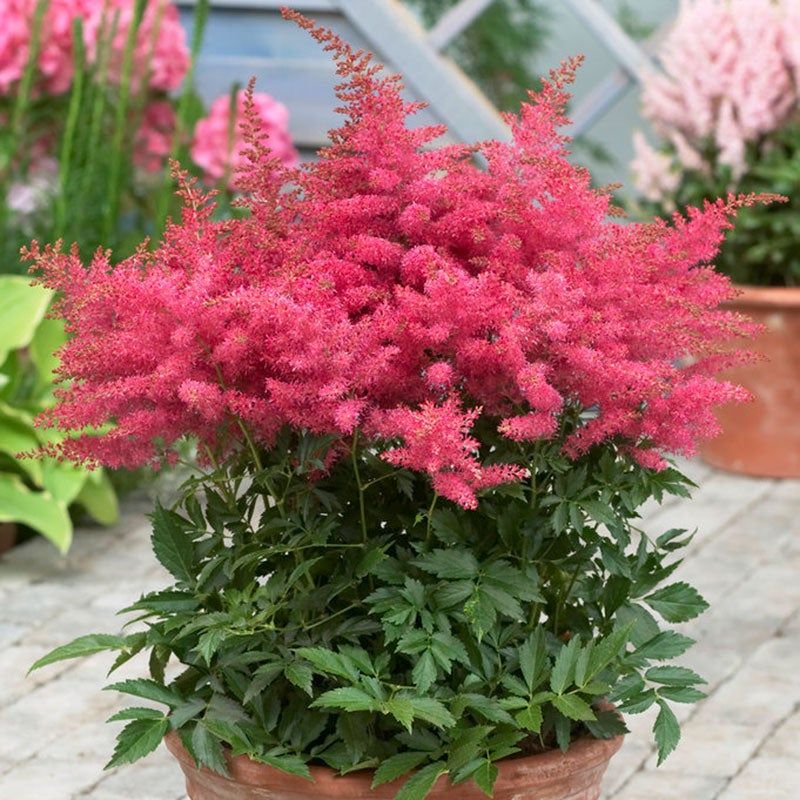
Astilbes adapt beautifully to both containers and garden borders. Visualize a shaded patio adorned with pots filled with compact Astilbe varieties, their blooms cascading over the edges like gentle waterfalls.
Along garden paths, these plants create vibrant borders that guide the eye and define the space. Their ability to thrive in various settings makes them an invaluable tool for gardeners looking to enhance both small and large spaces.
Whether in pots or lining garden paths, Astilbes bring color and structure, proving their versatility and enhancing the aesthetic of any garden layout.
9. Deer and Rabbit Resistant
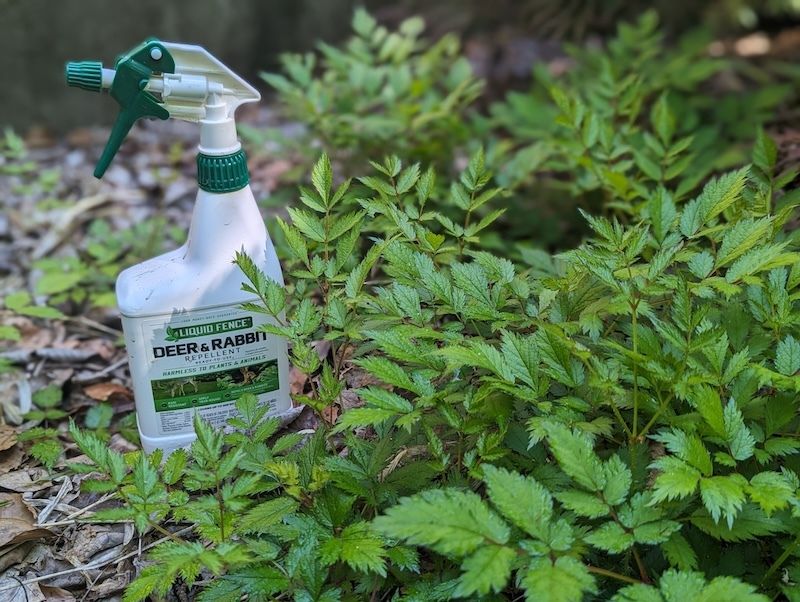
In areas where wildlife is abundant, Astilbes offer a sigh of relief. Picture a garden near a woodland area, where deer and rabbits are frequent visitors but leave the Astilbes untouched.
These plants are naturally resistant to these common garden pests, making them ideal for rural or woodland gardens where plant-eating critters often roam.
Their resistance doesn’t compromise their beauty, and gardeners can enjoy lush, vibrant blooms without the constant worry of their plants being nibbled away. Astilbes stand tall and beautiful, providing peace of mind in pest-prone areas.
10. Easy to Divide for More Plants
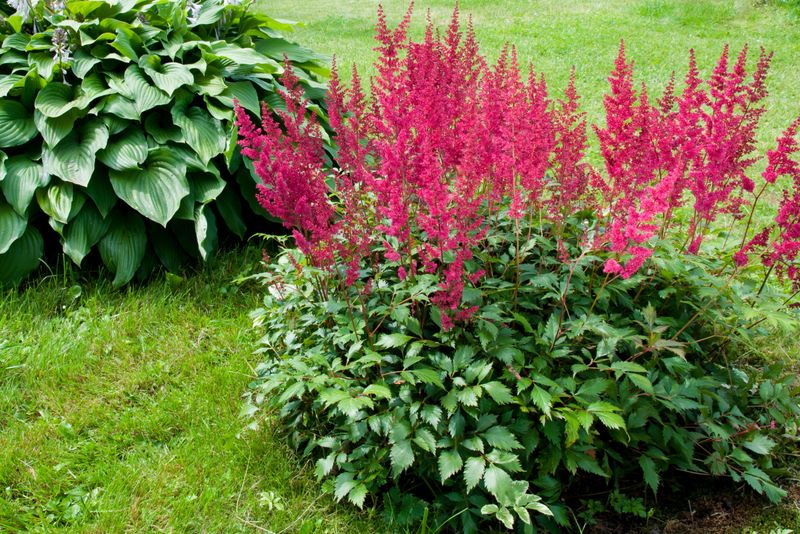
Astilbes are generous plants, offering more beauty with each passing year. Envision a gardener gently lifting a clump of these perennials, carefully dividing them to create new plants.
This simple process of division not only multiplies the Astilbe’s presence but also invigorates the original plant, promoting healthier growth. It’s a cost-effective way to fill your garden with lush, colorful blooms.
As you divide and replant, each Astilbe clump becomes a promise of more vibrant gardens in the future, allowing gardeners to share their love for these plants with others.