
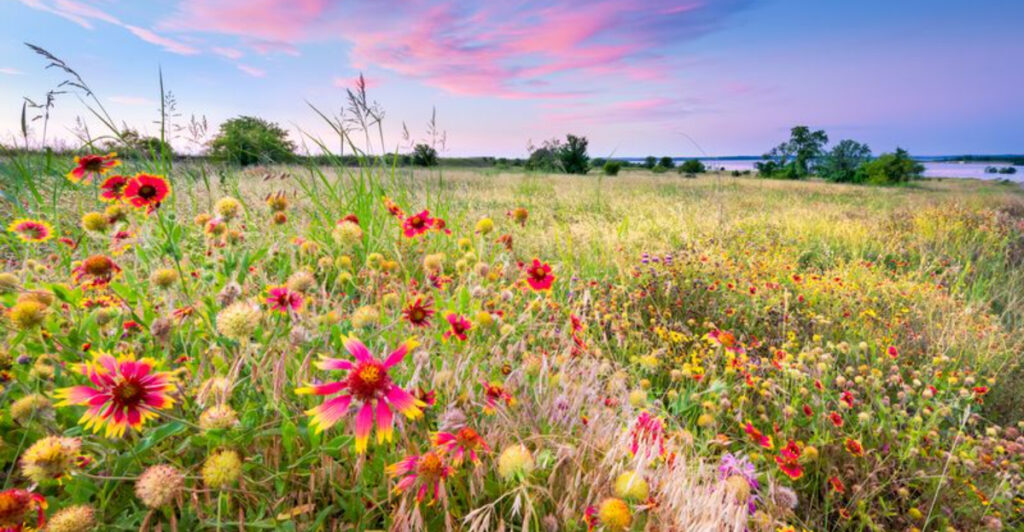
Gardening with wildflowers can be a delightful and rewarding experience, but there are some key insights seasoned gardeners wish they had known beforehand.
From timing and climate considerations to soil preparation and moisture needs, these tips can make all the difference.
This guide will explore six essential things every gardener should know before embarking on their wildflower planting journey.
1. Fall Is Often Better Than Spring
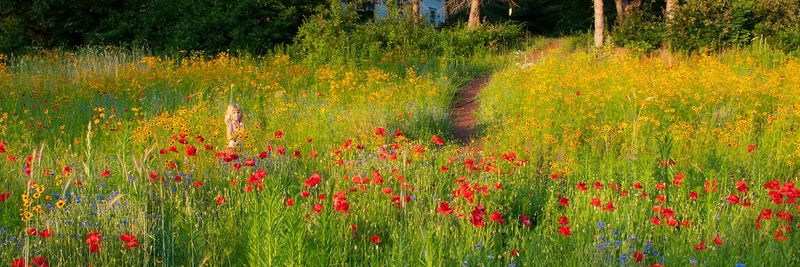
Autumn can be a perfect time to plant wildflowers. The soil is still warm, and frequent rains provide the necessary moisture for seeds. Planting in fall allows seeds to naturally stratify over winter, leading to early germination in spring.
This timing provides wildflowers a head start before summer. For many gardeners, the beauty of watching these blooms emerge is an annual highlight. Embrace this cycle with thoughtful planning.
2. Early Spring Still Works—If You Act Fast
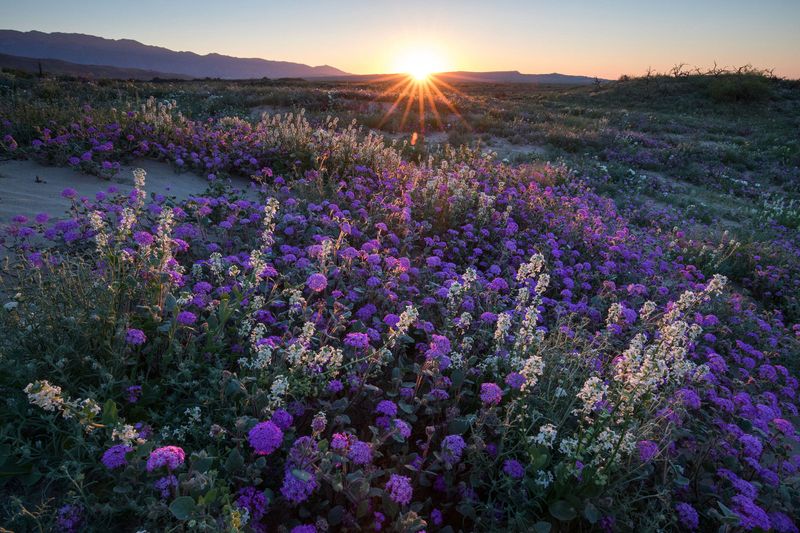
In early spring, the window for planting wildflowers is narrow. As soon as the soil is workable, it’s time to sow those seeds.
Wildflowers need time to establish roots before the summer heat arrives. Quick action during this period can lead to a flourishing garden.
This urgency can be thrilling, as new life bursts forth with the spring rains. Capturing this moment can be the essence of a gardener’s joy.
3. Know Your Climate Zone
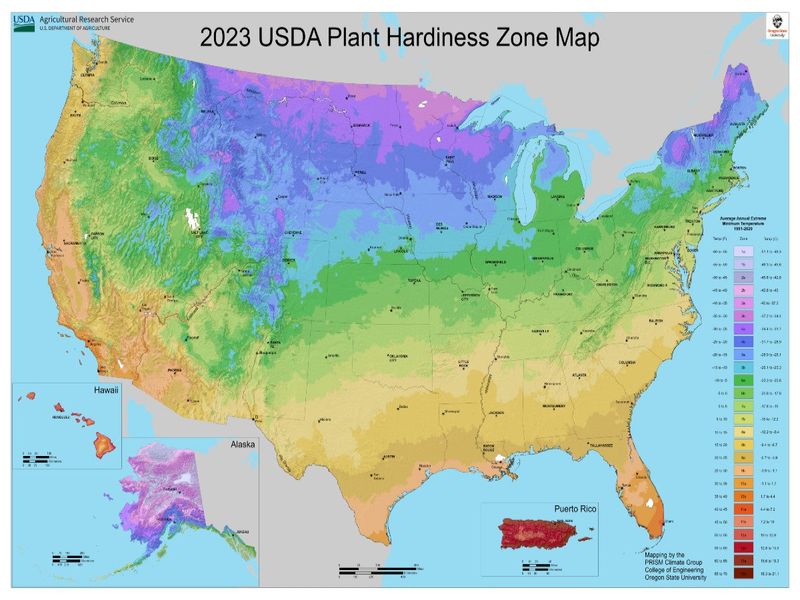
Understanding your climate zone is crucial for wildflower planting success. In milder and southern zones, late fall to early winter might be ideal.
Colder climates may require planting after the first frost but before the ground freezes. This knowledge helps in selecting the right planting time and flower species.
Adapting to local climate ensures vibrant blooms and a sustainable garden. Knowledge here is not just power; it’s beauty in full bloom.
4. Soil Prep Is Key—No Matter the Season
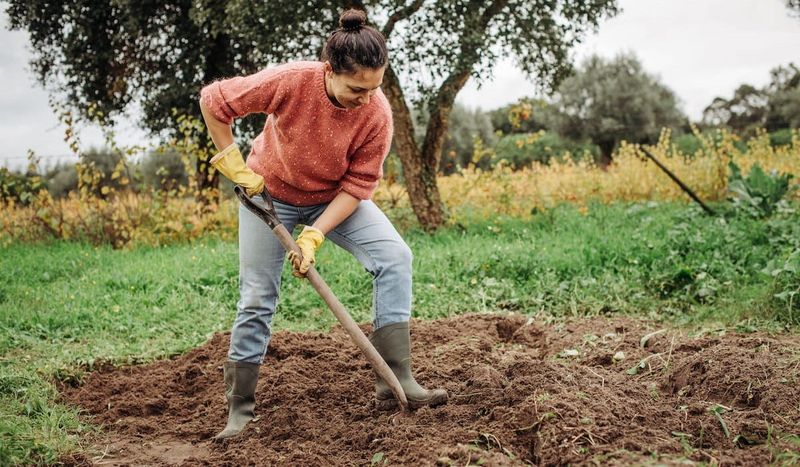
Proper soil preparation is essential for wildflower success. Remove weeds, loosen the topsoil, and gently rake in seeds.
Wildflowers thrive in bare, lightly disturbed ground with good sun exposure. Regardless of the season, this preparation sets the stage for robust growth.
Crafting the right soil environment is akin to setting the canvas for nature’s masterpiece. The effort here pays off in lush, vivid blooms.
5. Moisture Matters More Than Heat
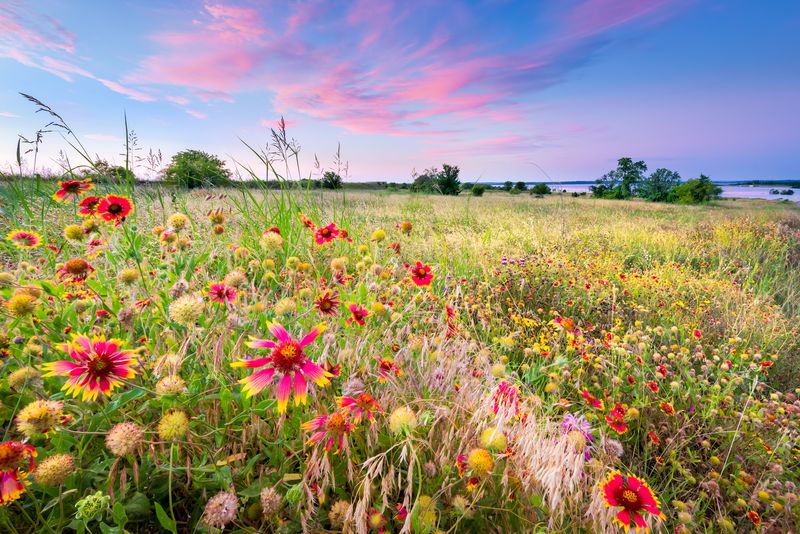
Consistent moisture is more vital than heat for germinating wildflower seeds. Planting ahead of seasonal rains or watering lightly until sprouts appear can ensure success.
Wildflowers respond to moisture with lush growth, even in cooler conditions. This understanding can transform a garden into a thriving oasis.
The dance between water and seed is a gardener’s symphony, where patience and timing compose the melody.
6. Annual vs. Perennial Timing May Differ
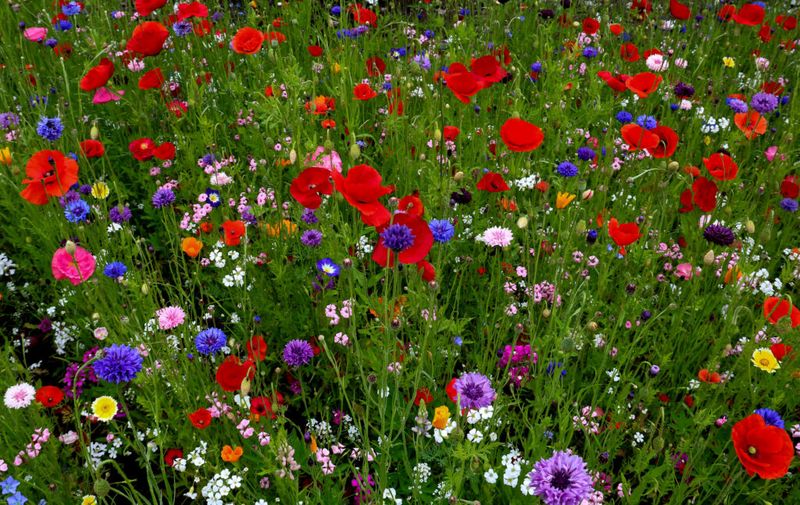
Distinguishing between annual and perennial wildflowers is fundamental. Annuals often prefer spring planting for quick color, while perennials benefit from fall planting and overwintering for stronger blooms next year.
This timing difference can shape a garden’s seasonal look, allowing for continuous beauty and variety.
A gardener’s wisdom lies in understanding these cycles, orchestrating each bloom’s entrance like a seasoned conductor.