
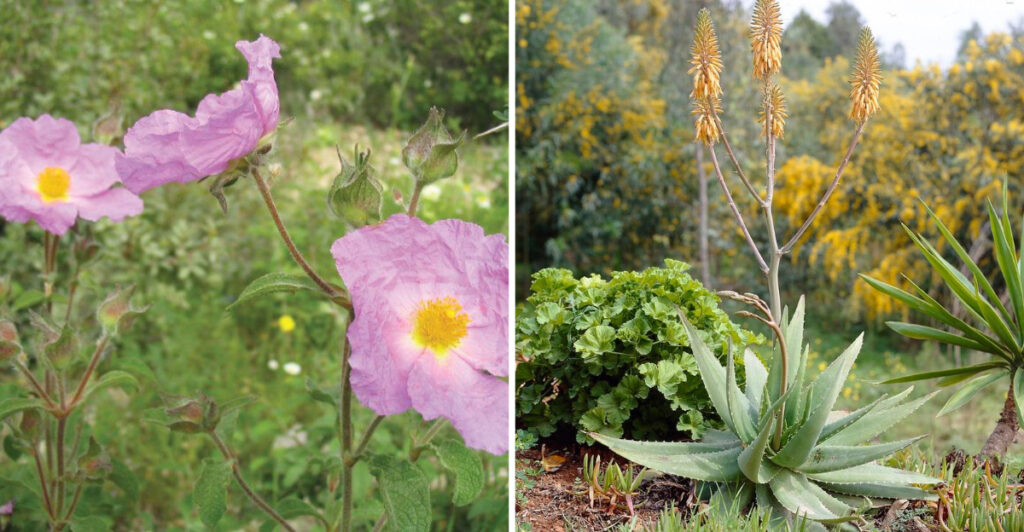
The Mediterranean climate, characterized by hot, dry summers and mild, wet winters, is home to a variety of plants that thrive in such conditions. These plants are not only drought-resistant but also bring a touch of elegance and vibrancy to gardens. Whether you’re looking to create a lush oasis in a desert-like environment or simply want to add some heat-tolerant beauty to your garden, these Mediterranean plants offer a perfect solution.
1. Lavender
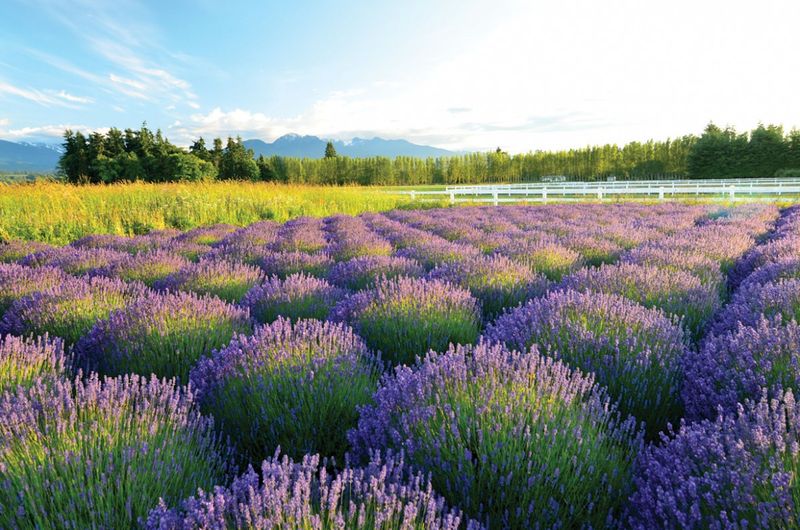
Lavender, with its stunning purple blooms and calming fragrance, is a favorite in hot, dry gardens. This resilient plant thrives in well-drained soil and full sun, making it ideal for Mediterranean climates. Its aromatic oil has been used for centuries in perfumes and natural remedies.
Lavender bushes create a beautiful border and attract pollinators like bees and butterflies. The plant’s low water needs make it a sustainable choice for water-conscious gardeners. Additionally, lavender’s ability to repel pests naturally adds to its appeal. Perfect for adding a touch of Provence to any garden.
2. Olive Tree
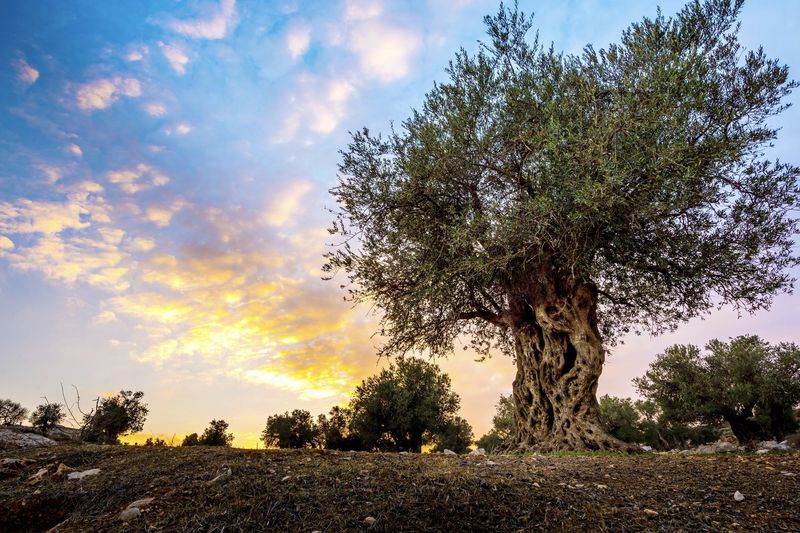
The olive tree is a symbol of peace and prosperity, deeply rooted in Mediterranean culture. With its gnarled trunks and silvery leaves, this tree adds a touch of elegance to any landscape. Olive trees are incredibly drought-tolerant, making them ideal for hot, dry climates.
These trees not only provide shade but also produce olives, which can be harvested for oil or culinary delights. Their longevity and historical significance make them a unique addition to gardens. Requiring minimal water and maintenance, olive trees are both practical and aesthetically pleasing.
3. Rosemary
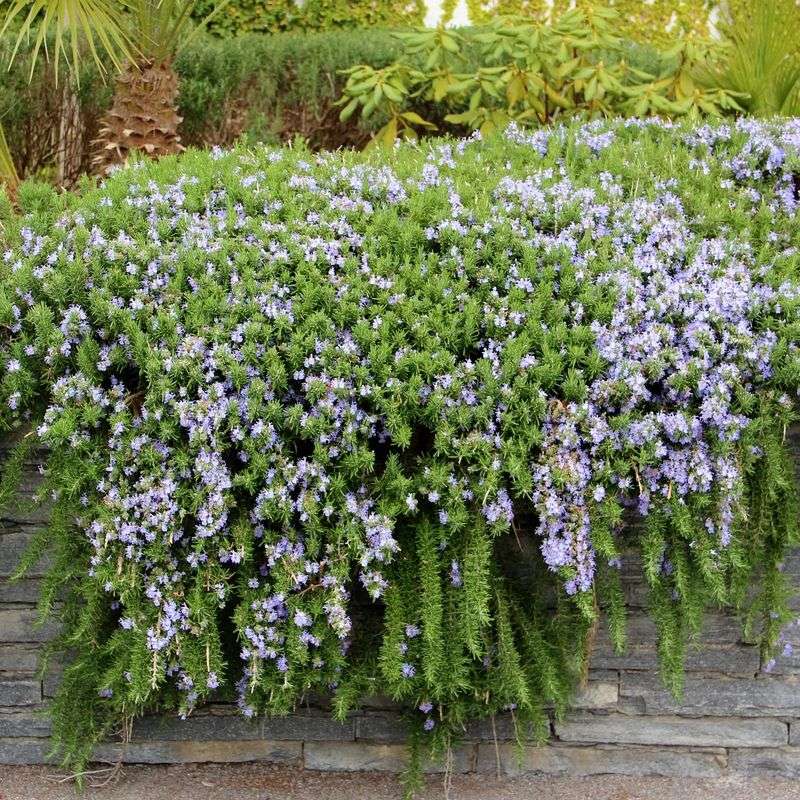
Rosemary is more than just a culinary herb; it’s a robust plant perfect for Mediterranean gardens. Its needle-like leaves and delicate blue flowers create an aromatic presence that is both visually appealing and practical. Known for its drought resistance, rosemary thrives in sunny, well-drained soils.
This versatile plant can be used in cooking, landscaping, and even as a natural insect deterrent. Rosemary’s ability to withstand the harshest of dry spells makes it a reliable choice for gardeners seeking low-maintenance beauty and utility.
4. Bougainvillea
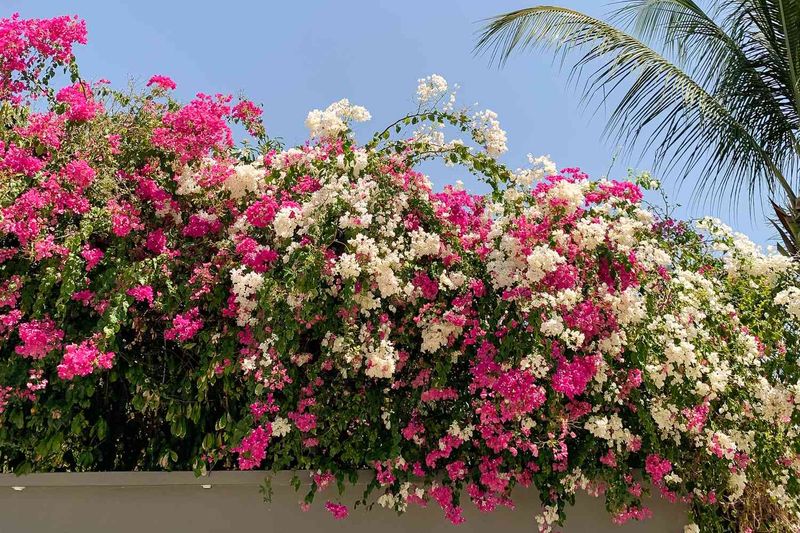
Bougainvillea, with its brilliant, colorful bracts, transforms any garden into a tropical paradise. This vigorous climber can reach impressive heights, making it ideal for covering walls, fences, or trellises. Bougainvilleas thrive in full sun and are highly drought-tolerant.
Their vibrant hues of magenta, orange, or white add a splash of color to hot, dry landscapes. With minimal water requirements and a long blooming season, bougainvilleas are a favorite among gardeners looking for low-maintenance yet striking plants. Their resilience and beauty make them a garden standout.
5. Sage
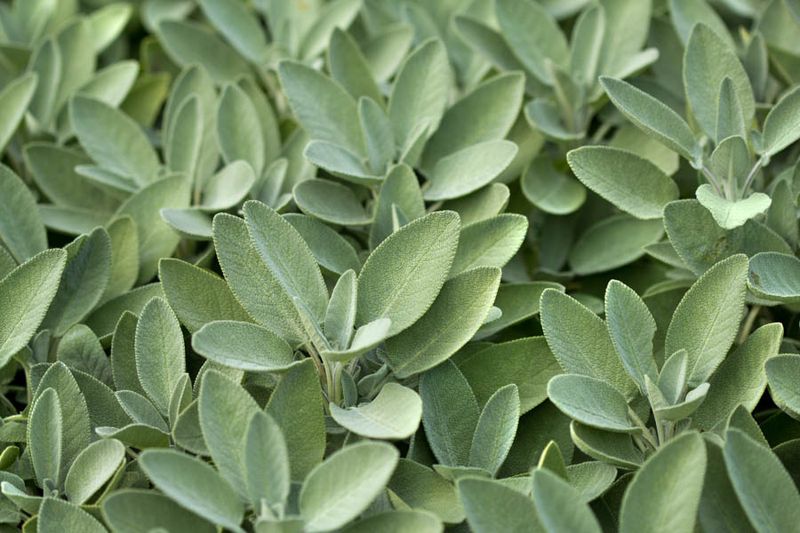
Sage, known for its aromatic leaves and culinary uses, is an excellent choice for dry gardens. Its soft, grey-green foliage and purple-blue flowers offer both beauty and function. Sage thrives in well-drained soil and full sun, making it perfect for Mediterranean climates.
This hardy perennial is not only attractive but also low-maintenance, with minimal water needs. Sage’s pest-repelling properties add to its garden value, providing a natural solution to common garden problems. Whether used in cooking or as an ornamental plant, sage enriches any garden environment.
6. Cistus (Rock Rose)
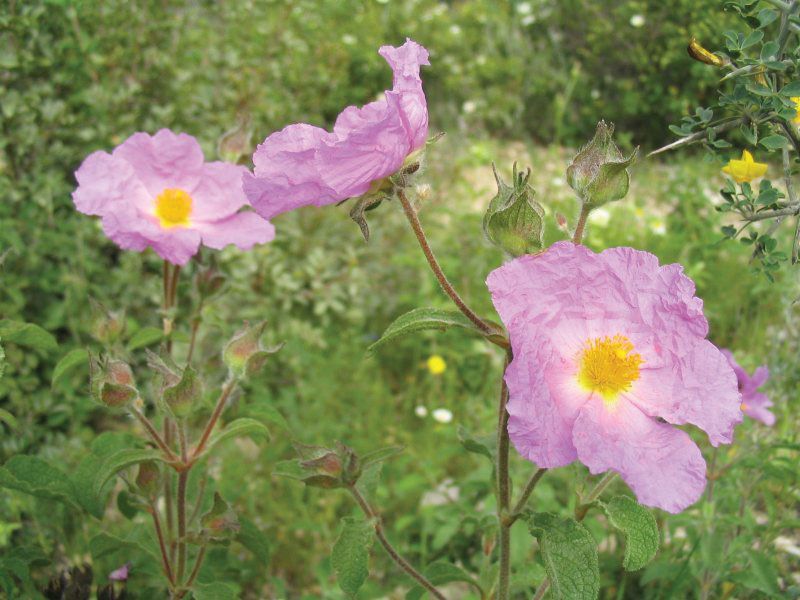
Cistus, commonly known as rock rose, is celebrated for its papery, colorful blooms and ability to thrive in rocky, dry soils. This evergreen shrub is ideal for Mediterranean gardens, offering an explosion of pink, white, or purple flowers throughout the spring and summer.
Rock roses are drought-resistant and require little maintenance once established. Their ability to attract pollinators and resist pests makes them a valuable addition to any garden. The plant’s unique appearance and resilience make it a favorite for gardeners seeking both beauty and functionality.
7. Thyme
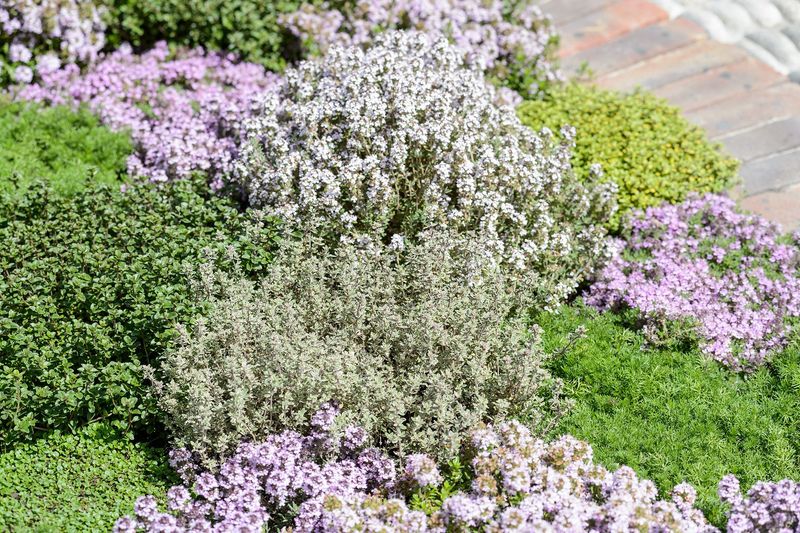
Thyme is a versatile herb that brings flavor and fragrance to Mediterranean gardens. Its tiny, aromatic leaves and pink or purple flowers create a lush groundcover that thrives in sunny, dry conditions. Known for its drought resistance, thyme is perfect for water-conscious landscapes.
This hardy herb is not only a culinary staple but also attracts beneficial insects like bees. Thyme’s resilience and low-maintenance nature make it an ideal choice for gardeners seeking both beauty and practicality. Used fresh or dried, thyme enhances both gardens and kitchens alike.
8. Aloe Vera
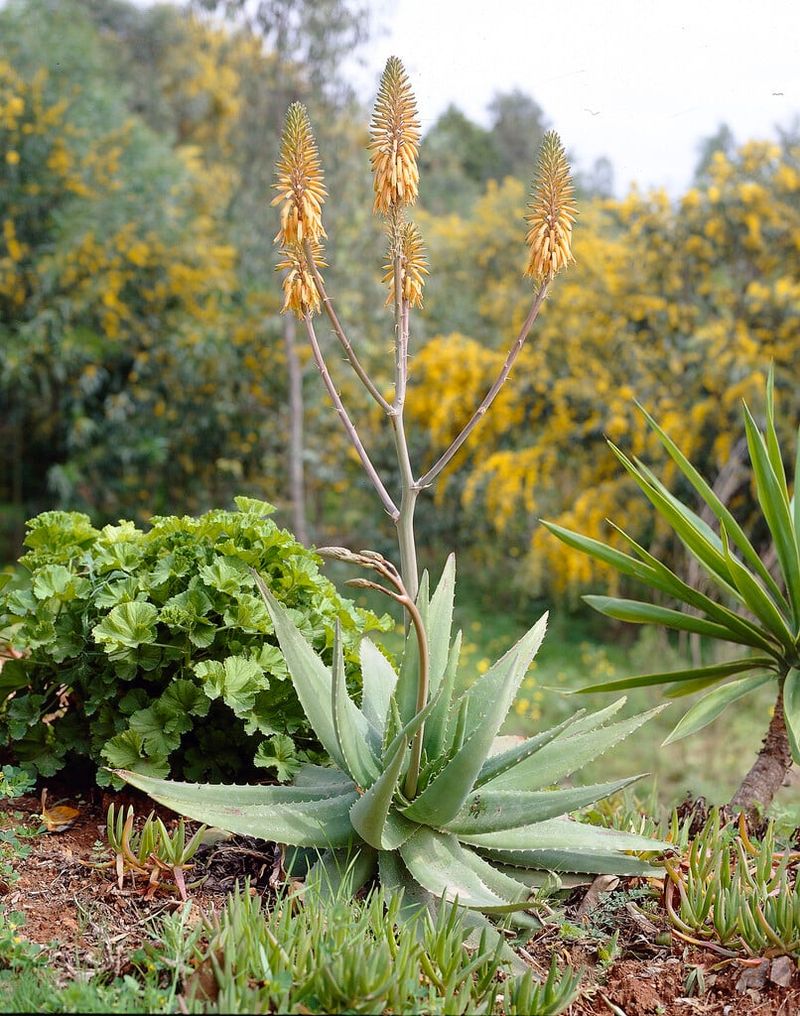
Aloe vera, known for its medicinal properties, is a striking succulent that thrives in hot, dry climates. Its thick, fleshy leaves store water, making it highly drought-tolerant. Ideal for Mediterranean gardens, aloe vera requires minimal maintenance and adds a unique visual element.
This plant is not only easy to care for but also offers soothing gel for burns and skin irritations. Aloe vera’s natural resilience and health benefits make it a popular choice for both decorative and practical purposes. Its sculptural form adds architectural interest to any garden setting.
9. Jasmine
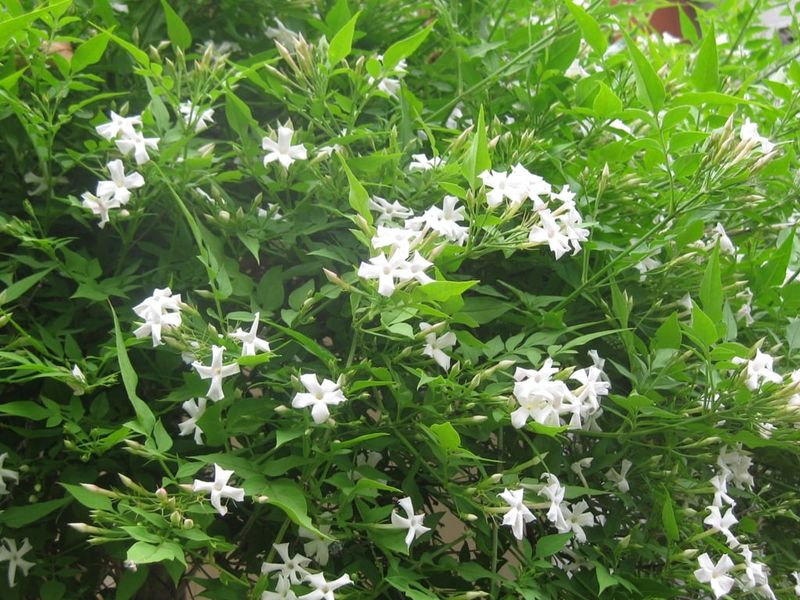
Jasmine, renowned for its sweet scent, brings a touch of romance to Mediterranean gardens. This climbing vine blooms profusely, filling the air with its intoxicating fragrance during the warmer months. Jasmine thrives in full sun and well-drained soil, making it ideal for hot, dry climates.
Its elegant white flowers and glossy green leaves provide visual and aromatic appeal. Whether draped over a trellis or wall, jasmine’s fragrant blooms make it a garden favorite. Requiring moderate watering, jasmine is both beautiful and easy to maintain.
10. Agave
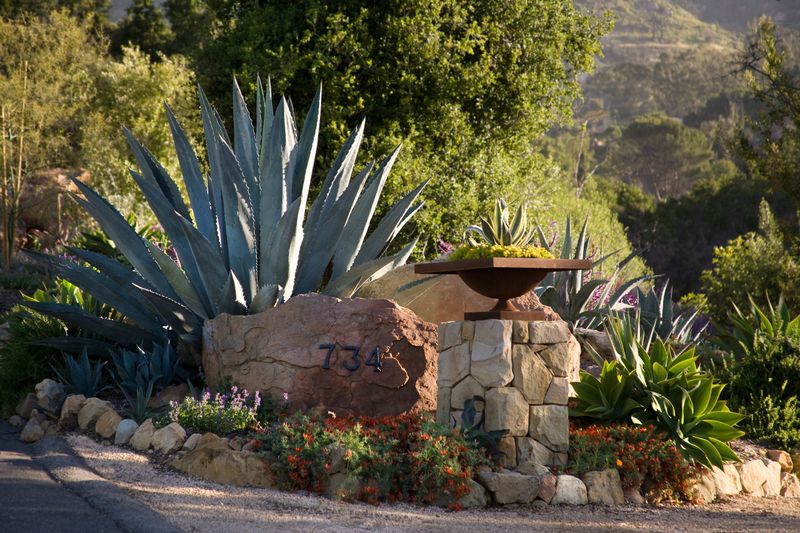
Agave, with its bold, architectural form, is a standout in any Mediterranean garden. Known for its spiky, blue-green leaves, this succulent is both striking and functional. Agaves are incredibly drought-tolerant, thriving in rocky, well-drained soils typical of hot, dry climates.
These plants require little water and maintenance, making them ideal for sustainable gardening. Agave’s unique appearance and resilience to harsh conditions add an exotic touch to gardens. Their long lifespan and structural beauty make agaves a favorite among landscape designers.
11. Geranium

Geraniums, with their vibrant blooms and lush foliage, are a staple in Mediterranean gardens. These hardy plants thrive in sunny, dry conditions and are known for their long blooming season. Geraniums come in various colors, including red, pink, and white, adding a splash of color to any garden.
Their drought-tolerant nature and ability to flourish with minimal care make them a popular choice for gardeners. Geraniums also attract butterflies and bees, enhancing the ecological value of your garden. Their cheerful blooms and easy-going nature make them a garden favorite.
12. Euphorbia
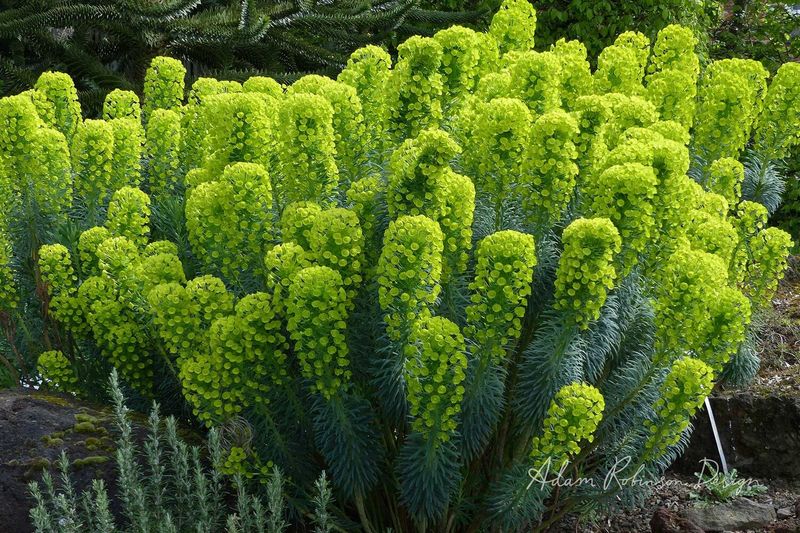
Euphorbia, with its unique architectural form and vibrant green foliage, is a striking choice for Mediterranean gardens. Known for their resilience, these plants thrive in rocky, dry conditions typical of Mediterranean climates. Euphorbias are drought-tolerant and require minimal care.
Their spiky leaves and small, yellow flowers add texture and interest to any landscape. Euphorbia’s ability to deter pests naturally enhances its appeal. This plant’s distinct appearance and robustness make it a must-have for gardeners looking to add structure and sustainability to their gardens.
13. Lavatera
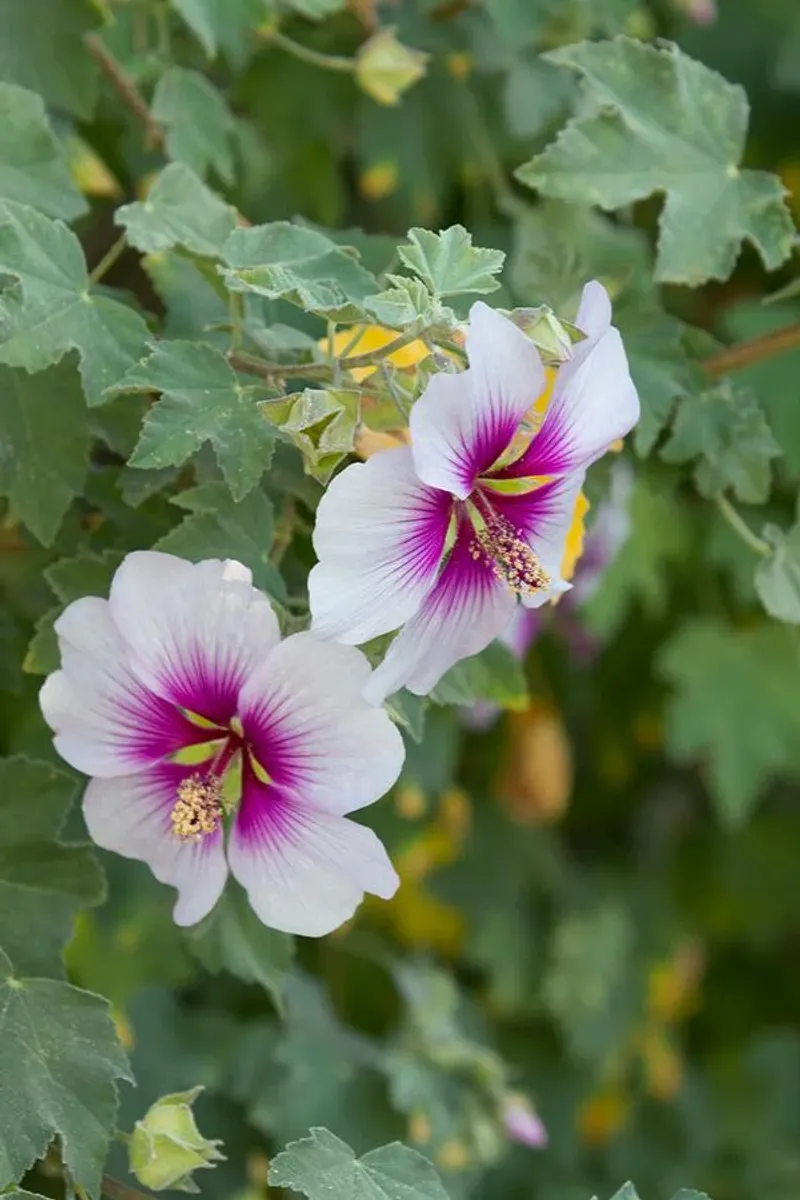
Lavatera, with its vibrant pink and purple blooms, is a showstopper in any garden. This plant thrives in poor soil conditions, making it perfect for hot, dry climates. Its fast-growing nature provides quick cover and color.
The flowers attract bees and other pollinators, adding life to your garden. Additionally, Lavatera requires minimal maintenance, making it ideal for busy gardeners. Its woody stems and lush foliage add texture and depth to garden landscapes.
Did you know? Lavatera is often called “Tree Mallow” due to its impressive height and bushy appearance, reminiscent of a small tree.
14. Echium
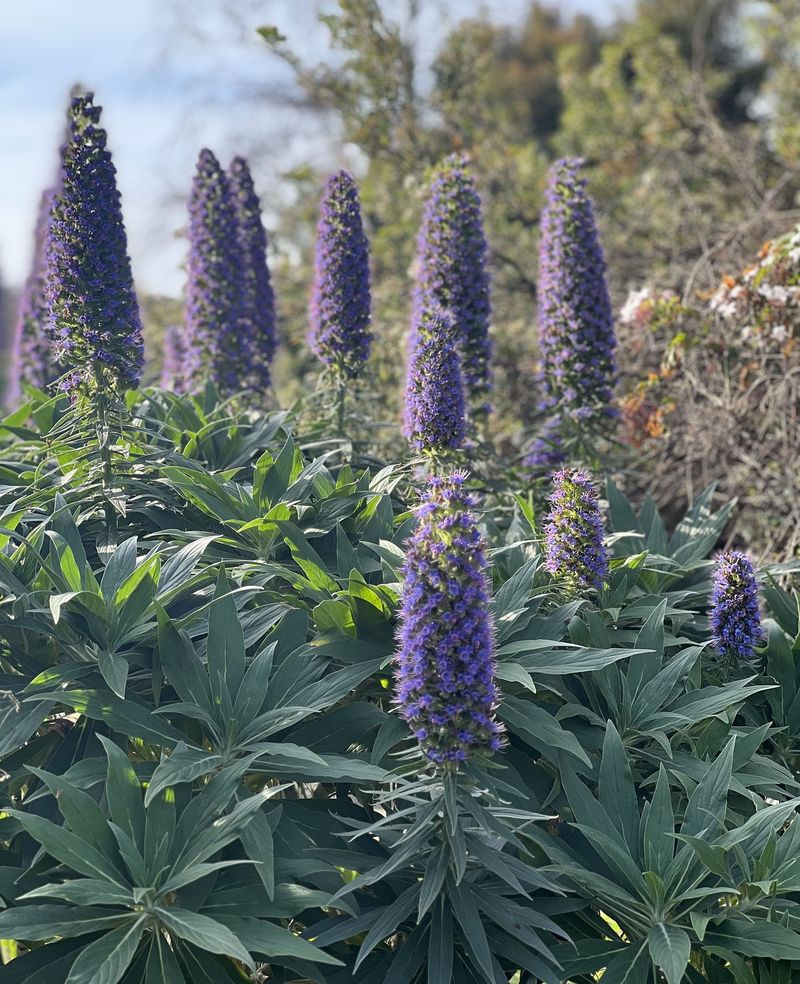
Echium, often known as “Viper’s Bugloss,” captivates with its striking blue flower spikes. Perfect for dry gardens, it grows well in rocky, well-drained soil. Its towering presence adds vertical interest.
Butterflies adore Echium, flocking to its nectar-rich blooms. This plant’s resilience to drought makes it a garden staple in hot climates. Its silvery-green foliage provides a subtle contrast to the vibrant flowers.
Fun fact: The name “Viper’s Bugloss” comes from the plant’s seed, which resembles a viper’s head, adding a quirky touch to its botanical allure.
15. Santolina
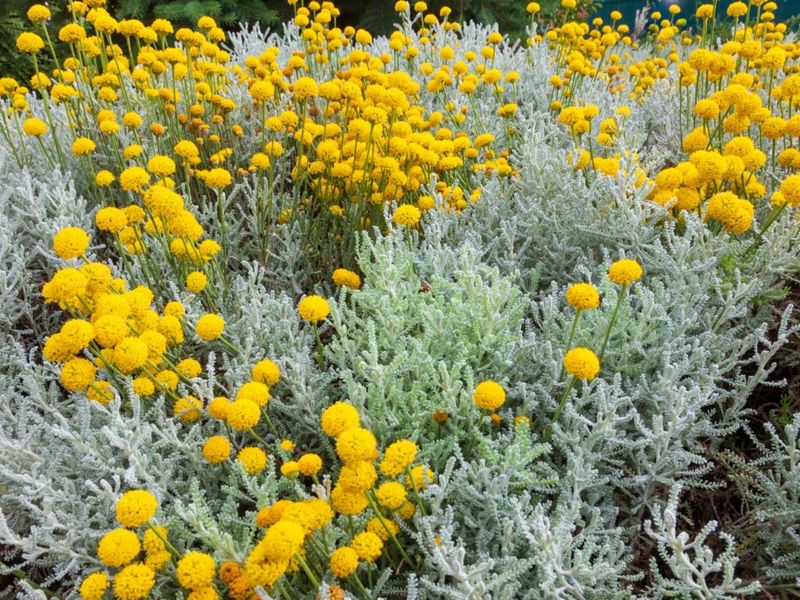
Santolina, known for its aromatic silver-grey foliage, is an excellent choice for dry gardens. Its bright yellow button flowers are a cheerful addition, blooming throughout summer.
This plant is both deer-resistant and drought-tolerant, making it a favorite among gardeners. Santolina’s compact form and fragrant leaves are perfect for borders and rock gardens.
Interestingly, Santolina was traditionally used in herbal remedies, valued for its fragrant oils and medicinal properties. Its historical uses add depth to its modern-day garden charm.
16. Phlomis
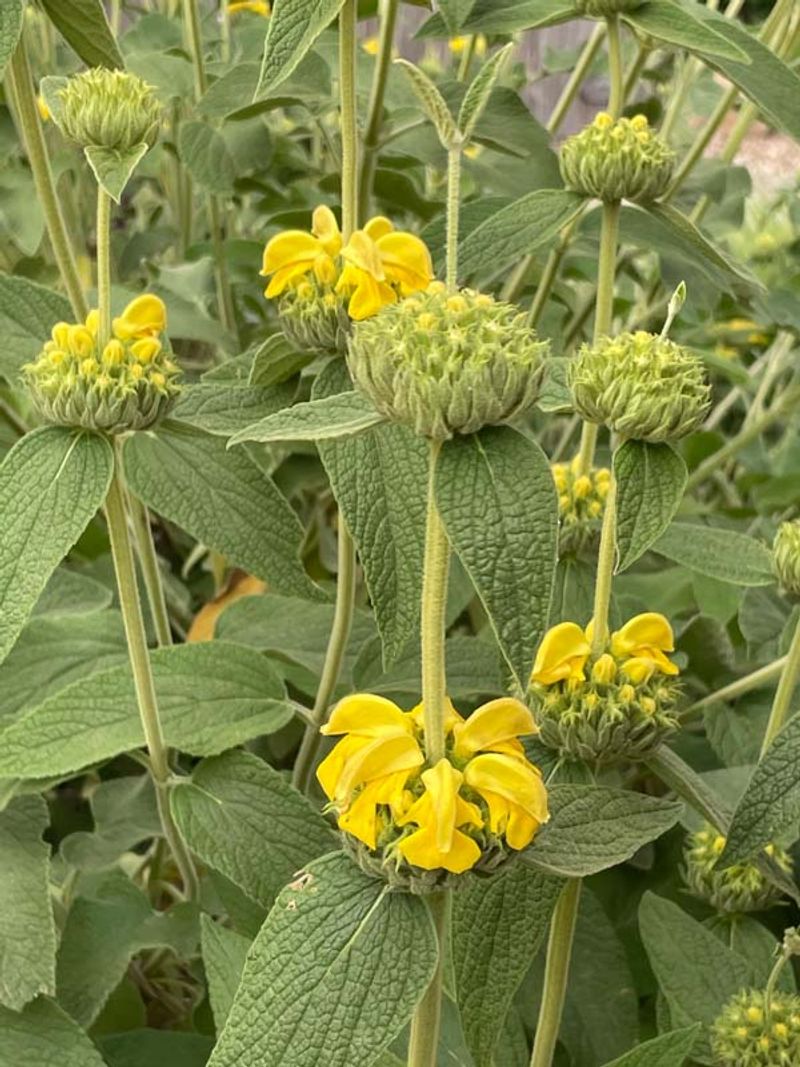
Phlomis, or “Jerusalem Sage,” stands out with its unique yellow flower whorls. Suited for dry, sunny spots, it thrives with little water and care. Its grey-green leaves add a touch of elegance.
The plant’s robust nature makes it a reliable choice for challenging garden environments. Its flowers attract hummingbirds, adding a dynamic element to your garden.
Did you know? Phlomis has historical significance in Mediterranean cultures, often used in traditional medicine and as a natural dye, highlighting its versatile and storied past.