
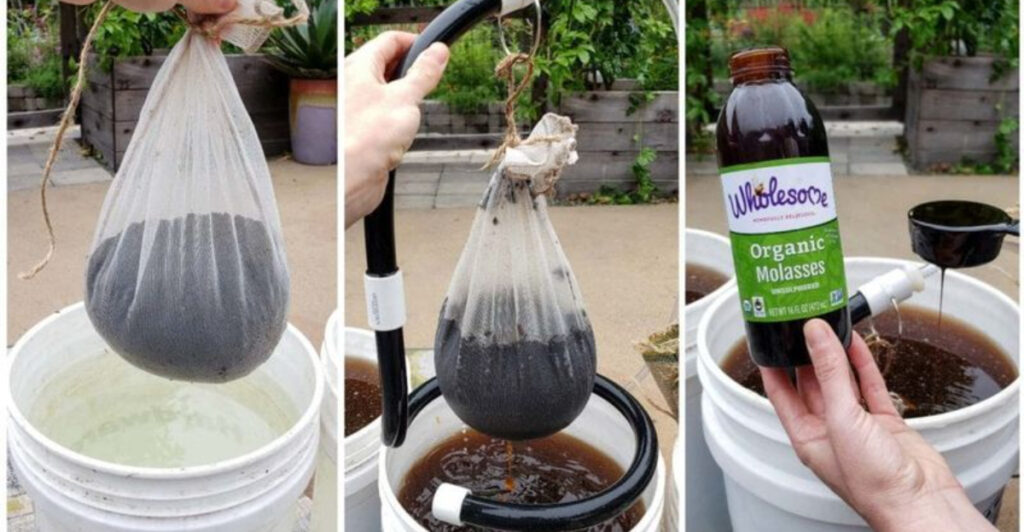
Compost tea is a powerful, liquid fertilizer that gives your plants a quick boost of nutrients and beneficial microbes. It’s an easy, cost-effective way to promote healthy plant growth, increase disease resistance, and improve soil health.
In this guide, we’ll explore 10 essential tips for making and using compost tea, ensuring your plants thrive like never before. Whether you’re a seasoned gardener or just starting out, these insights will enrich your gardening experience.
1. What Is Compost Tea?
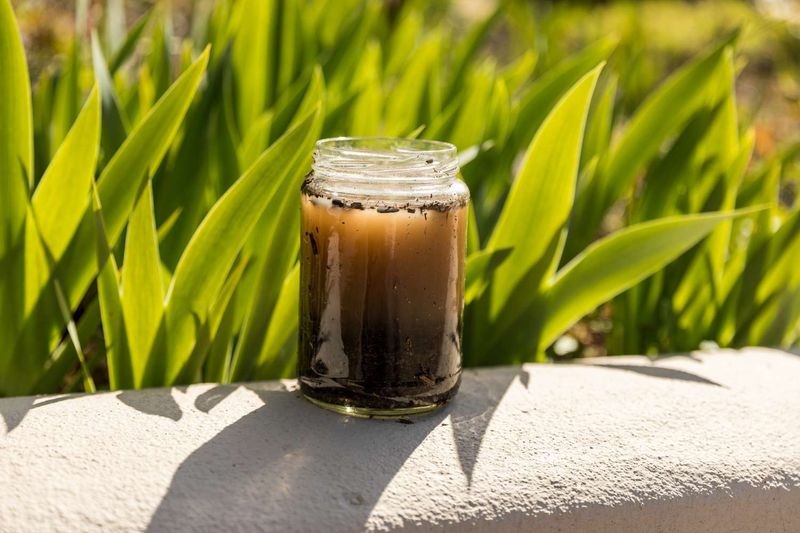
Compost tea acts as a liquid fertilizer, steeped from compost in water. It delivers essential nutrients and microorganisms directly to plants. This concoction boosts their immune systems and serves as an energy drink for growth. Unlike traditional compost, tea quickly absorbs into plants, making it an ideal choice for those seeking rapid results. Its application can lead to healthier leaves and stronger roots, showing visible improvements in days.
2. Gather Your Simple Ingredients
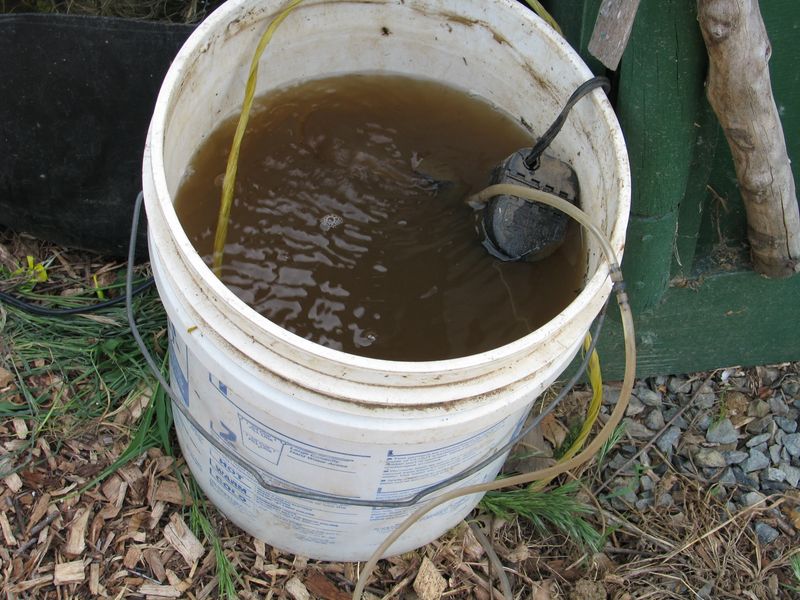
Gathering ingredients is simple and straightforward. You’ll need mature compost, water, a bucket, stirring stick, and cheesecloth. Mature compost ensures nutrient-rich tea, while rainwater aids in optimal brewing conditions. Using these basic tools, you can create a powerful brew that promotes plant health. This mixture acts as a catalyst for vibrant growth, making it an indispensable tool in any gardener’s arsenal. Ensuring your ingredients are ready makes the process seamless.
3. Steep the Compost
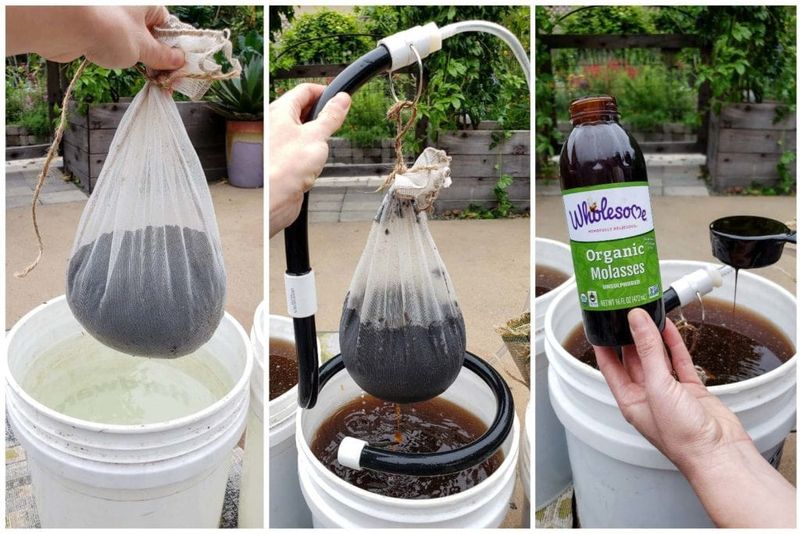
Steeping involves placing compost into water, letting it release nutrients over time. Stir the mix occasionally to introduce oxygen, encouraging microbial activity. This step, though simple, is crucial for creating a nutrient-rich tea. As it steeps for 24–48 hours, beneficial organisms multiply, enhancing the tea’s effectiveness. Placing it in shade prevents unwanted bacterial growth, ensuring your plants receive the purest nutrients.
4. Aerate for Better Results

Aerating compost tea introduces more oxygen, fostering beneficial microbes. An aquarium pump can transform your brew into a bubbling powerhouse. This oxygen-rich version is especially effective for foliar sprays. The additional aeration amplifies microbial activity, making the tea more potent. This method, while optional, can significantly enhance the tea’s effectiveness, leading to robust plant growth and improved resilience.
5. Strain and Use Immediately
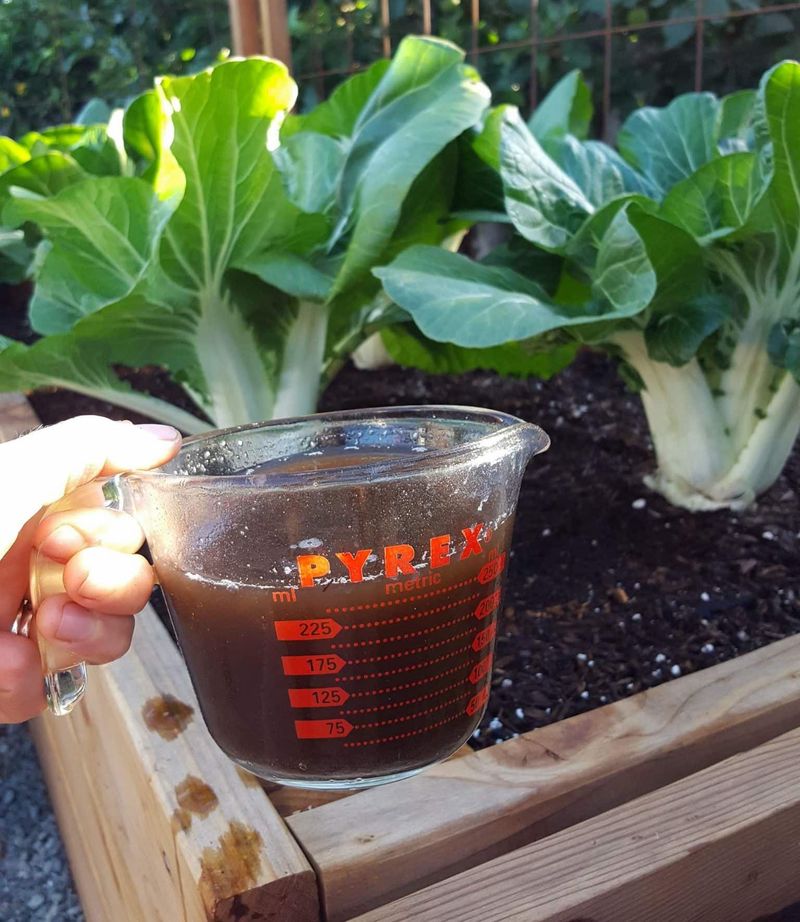
Straining the tea removes unwanted chunks, making it suitable for spray bottles. After straining, apply it right away to ensure maximum potency. Its power diminishes after 24 hours, so quick use is paramount. This urgency ensures plants receive the maximum benefits, boosting their health and resilience. Immediate application allows for efficient nutrient absorption, resulting in visible plant health improvements and vibrant growth.
6. How to Apply Compost Tea
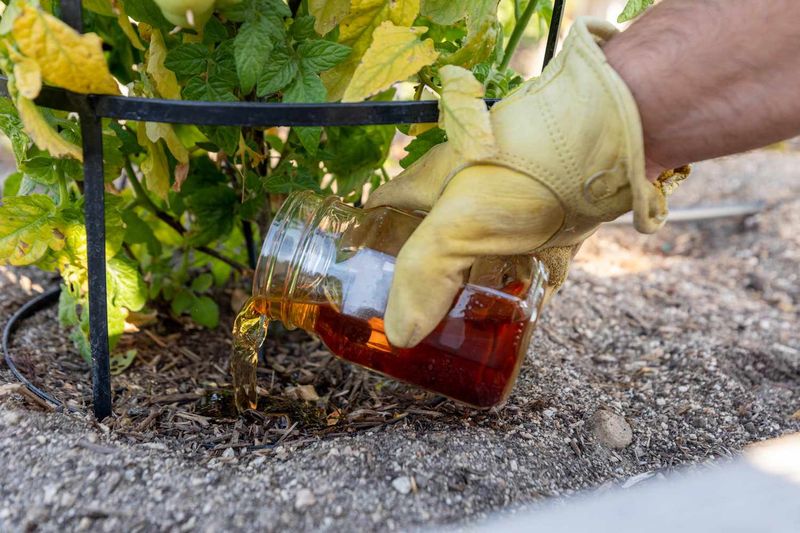
You can apply compost tea in several ways: soil drench or foliar spray. For soil, pour it around plant bases to enhance root health. For leaves, spray it for quick nutrient uptake. This versatility makes it suitable for all plant types, from vegetables to flowers. The immediate boost in nutrients and microbes promotes growth and bolsters disease resistance. Applying it regularly can transform your garden into a thriving oasis.
7. How Often Should You Use It?
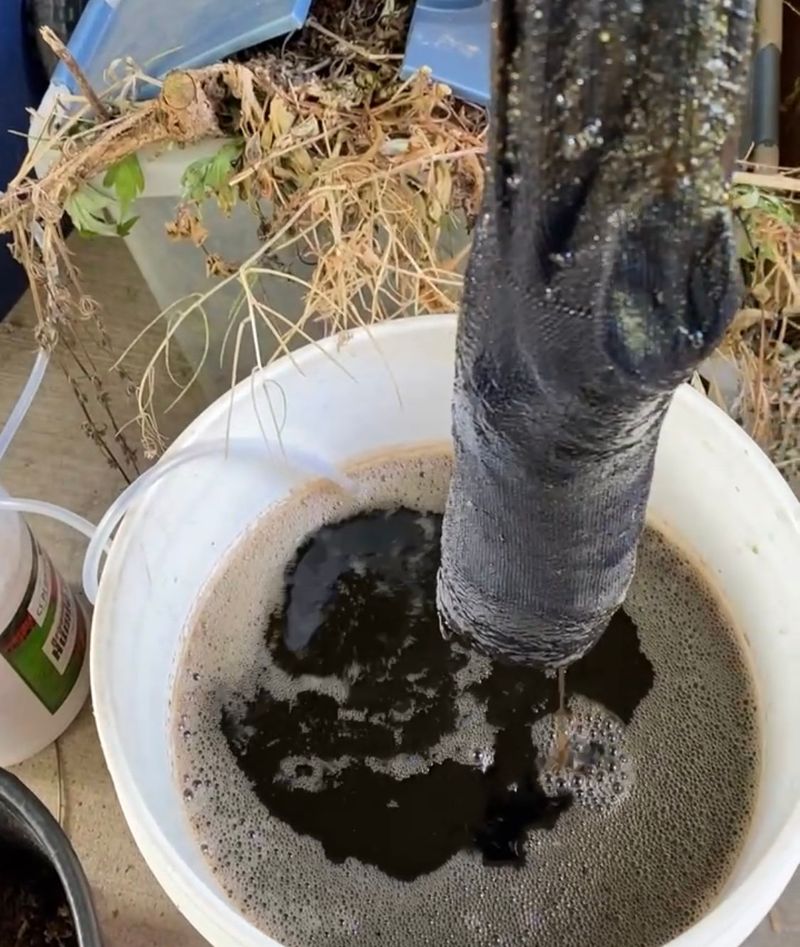
Regular use of compost tea, every 1-2 weeks, during the growing season maximizes benefits. Especially after transplanting or stressful periods, it aids recovery. This regularity fortifies plants, making them more resilient against environmental challenges. By consistently applying compost tea, you cultivate a garden that thrives under varying conditions, ensuring lush growth and robust health throughout the season.
8. Compost Tea vs. Compost
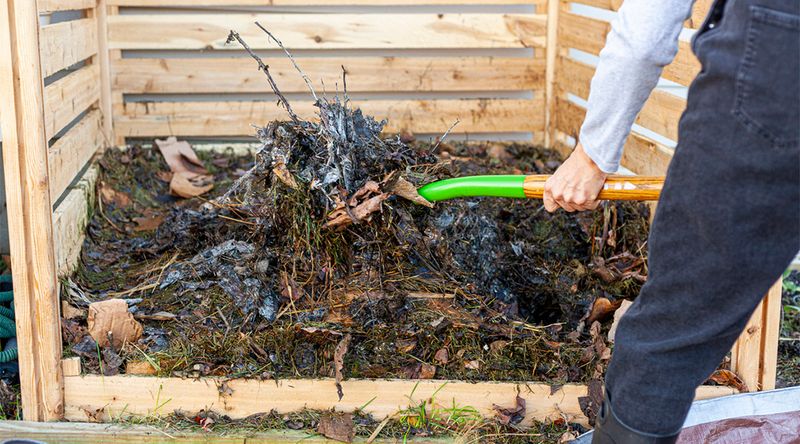
Unlike traditional compost, compost tea offers rapid nutrient delivery. While compost enriches soil over time, tea acts fast, offering nutrients in a liquid form. This speed makes it akin to an energy drink for plants. The tea’s quick action benefits plants needing an immediate nutrient boost, making it an invaluable part of any gardener’s toolkit. Both forms complement each other, ensuring long-term and immediate plant health.
9. Tips for Safe and Effective Use
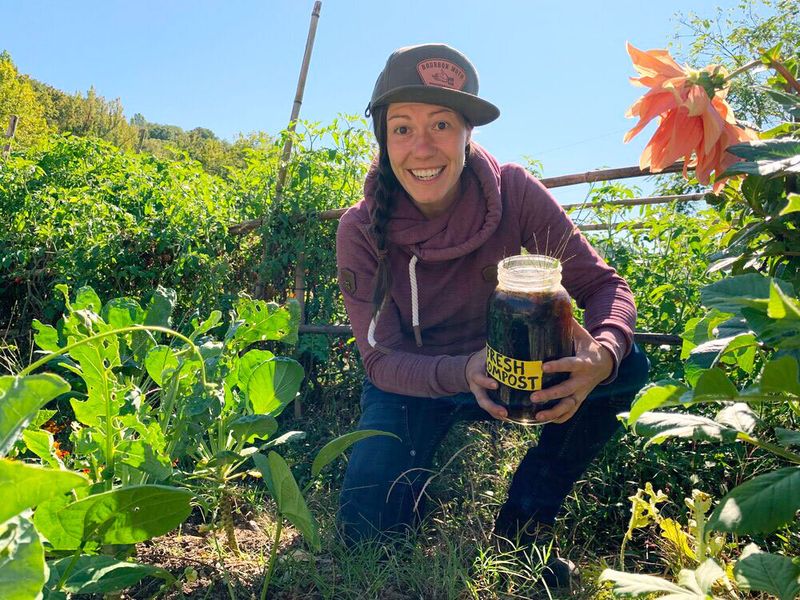
For safe use, avoid unfinished compost to prevent harmful pathogens. Clean brewing tools thoroughly after each batch. This prevents contamination and ensures the next batch is pure. Using fresh tea within 24 hours maximizes its efficacy. These precautions protect both the plants and the gardener, ensuring safety and effectiveness. By adhering to these tips, you maintain a healthy garden environment and optimal plant growth.
10. The Payoff: Healthier, Happier Plants
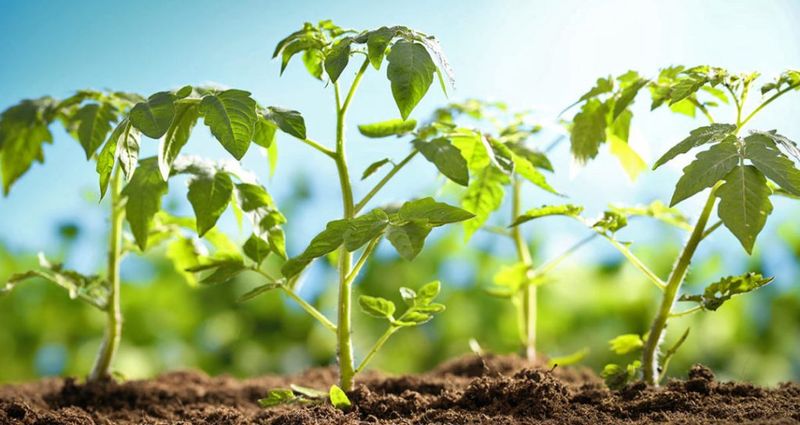
The benefits of compost tea manifest in stronger roots and greener leaves. Many gardeners notice improvements shortly after application, with plants showing increased vigor. This visible transformation sparks joy and satisfaction, knowing your efforts yield results. The blend of nutrients and microbes fortifies plants, making them more resilient against diseases. This payoff creates an enriching gardening experience, with healthier, thriving plants.