
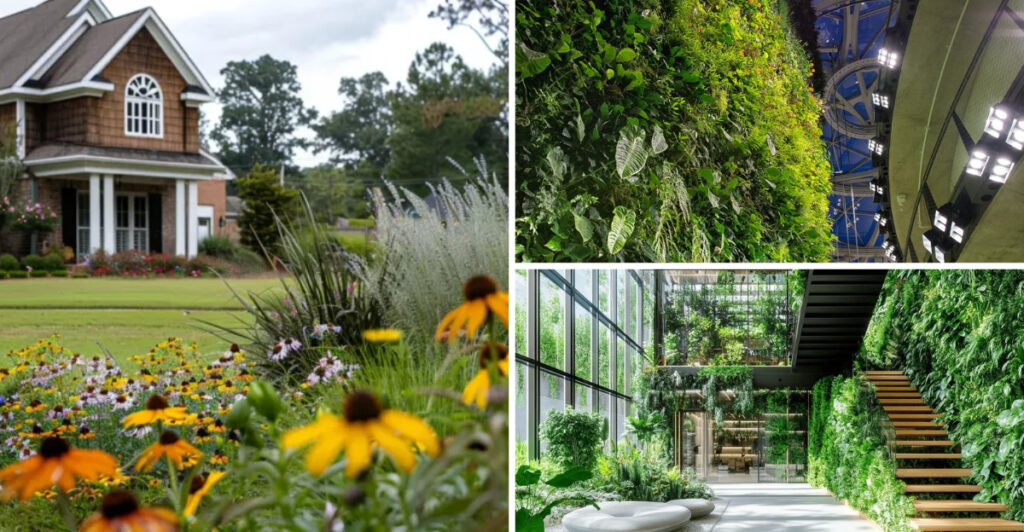
As 2026 approaches, gardening enthusiasts and experts are eagerly anticipating the trends that will reshape our outdoor spaces. From innovative planting techniques to eco-friendly designs, the garden landscape is set to evolve in exciting ways. This article explores seven groundbreaking trends predicted to surge in popularity, offering fresh inspiration for anyone looking to update their garden.
1. Vertical Gardens
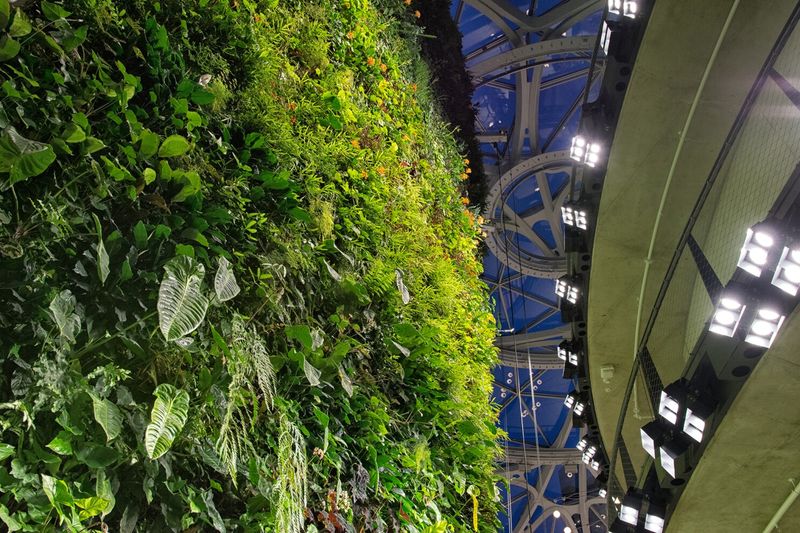
Imagine a wall covered with vibrant greens and colorful blossoms. Vertical gardens are becoming a popular choice for urban dwellers looking to maximize limited space. These gardens bring nature into small apartments, providing a mini escape from the hustle and bustle of city life.
Beyond aesthetics, they offer practical benefits like improved air quality. They also reduce stress levels, creating a serene, natural environment right at your doorstep.
Did you know? Some modern designs even integrate smart irrigation systems, making maintenance a breeze.
2. Native Plant Landscaping
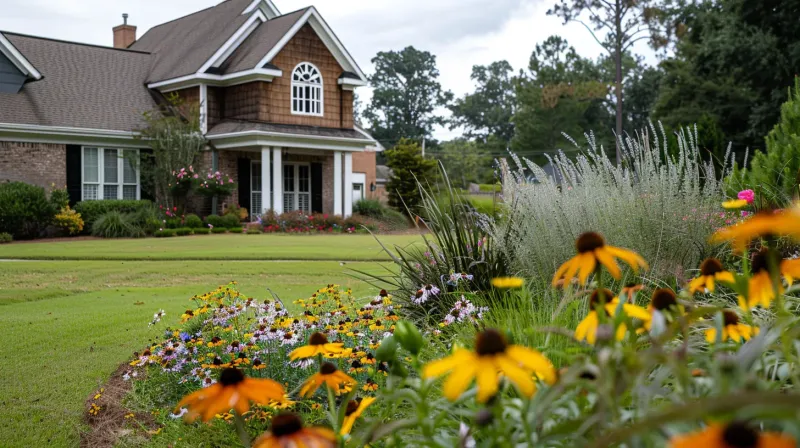
Native plants are not just a trend; they are a statement about sustainability and environmental care. By using plants that naturally thrive in your local climate, gardens become more resilient and require less maintenance.
This approach also supports local biodiversity, attracting pollinators like bees and butterflies. It’s a win-win for the environment and garden enthusiasts alike.
A fun fact: Native plant gardens often require less water and fewer fertilizers, aligning beautifully with eco-friendly gardening practices.
3. Edible Landscapes
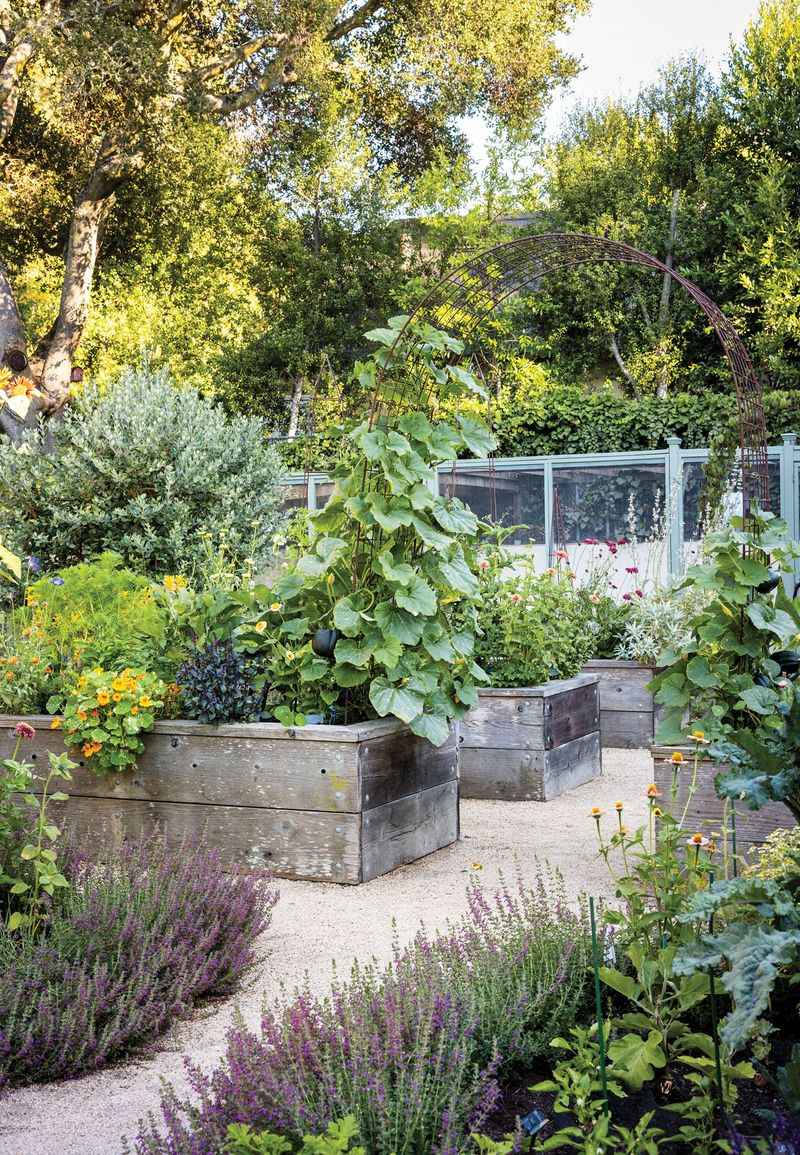
Why just admire your garden when you can also taste it? Edible landscapes are gaining traction, offering a delicious blend of aesthetics and utility. Imagine picking fresh fruits or herbs right from your backyard.
This trend supports a sustainable lifestyle, encouraging homegrown produce that reduces the carbon footprint. Plus, it’s a delightful experience for families to share in growing their own food.
Quick tip: Incorporating edible plants into traditional gardens creates a harmonious blend of beauty and functionality.
4. No-Dig Gardening
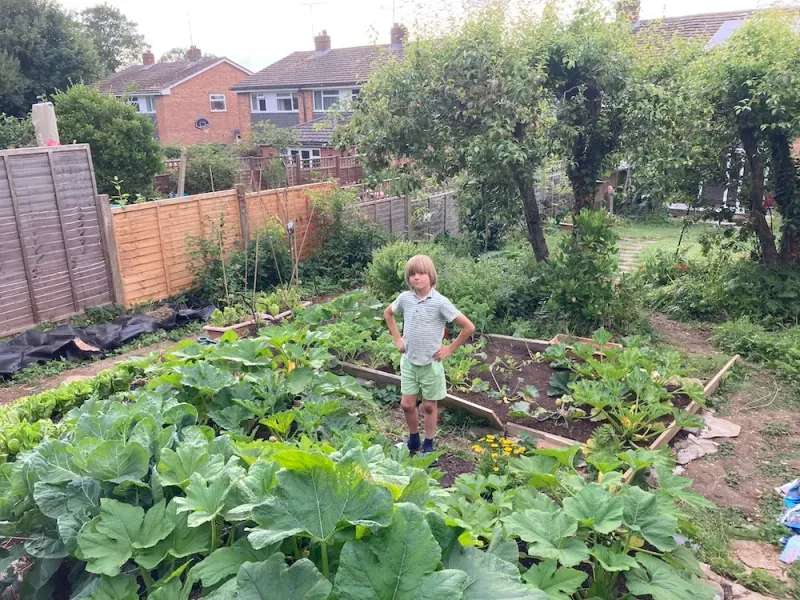
Embrace a gentler way to cultivate your garden with no-dig techniques. This method preserves soil structure and enhances fertility by layering organic matter like compost and mulch.
Gardeners will appreciate the reduced labor and improved soil health, leading to vibrant plant growth. It’s an ideal practice for those keen on low-maintenance gardening.
Did you know? No-dig gardening significantly reduces weed growth, making it a favorite among gardeners seeking a tidy and productive plot.
5. Wildlife-Friendly Gardens
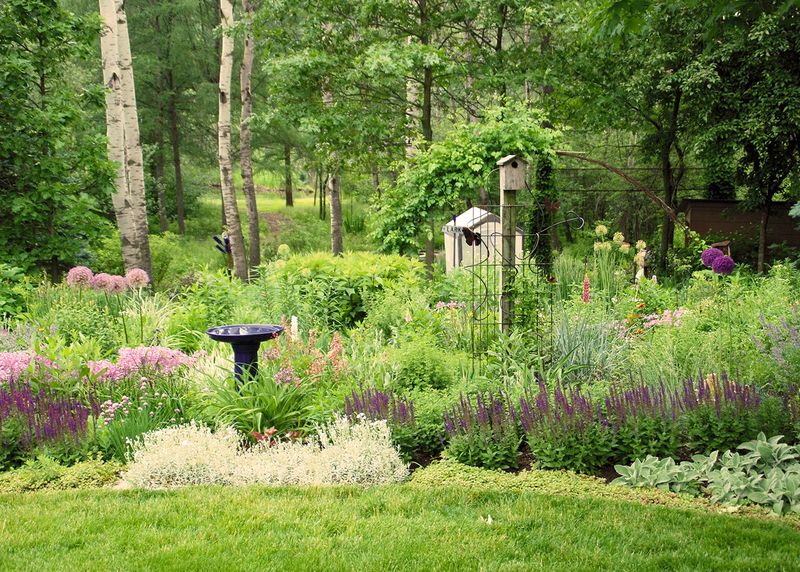
Creating a haven for local wildlife is more than just a trend; it’s a commitment to nurturing nature. Wildlife-friendly gardens offer safe spaces for birds, insects, and small mammals.
By incorporating elements like birdhouses, ponds, and native plants, these gardens become bustling ecosystems. It’s a joy to watch wildlife thrive and coexist in your own backyard.
An interesting tidbit: Such gardens not only support wildlife but also enhance the beauty and tranquility of your outdoor space.
6. Water-Wise Gardening
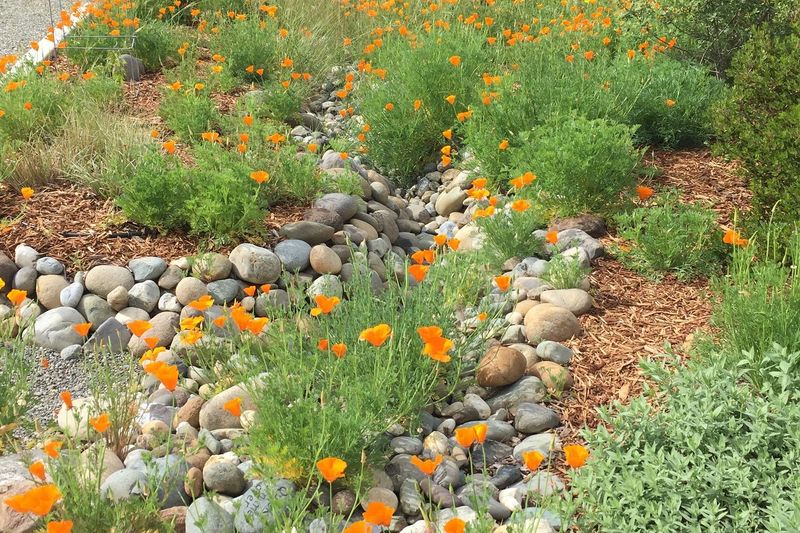
In regions facing water scarcity, water-wise gardening is a crucial adaptation. This approach emphasizes using drought-tolerant plants and efficient irrigation techniques to conserve water.
By designing gardens that require minimal watering, homeowners can save resources while enjoying lush landscapes. It’s a smart, sustainable way to garden in harmony with the environment.
Surprising fact: Water-wise gardens often incorporate stunning xeriscapes, offering beauty without the excessive water use.
7. Biophilic Design
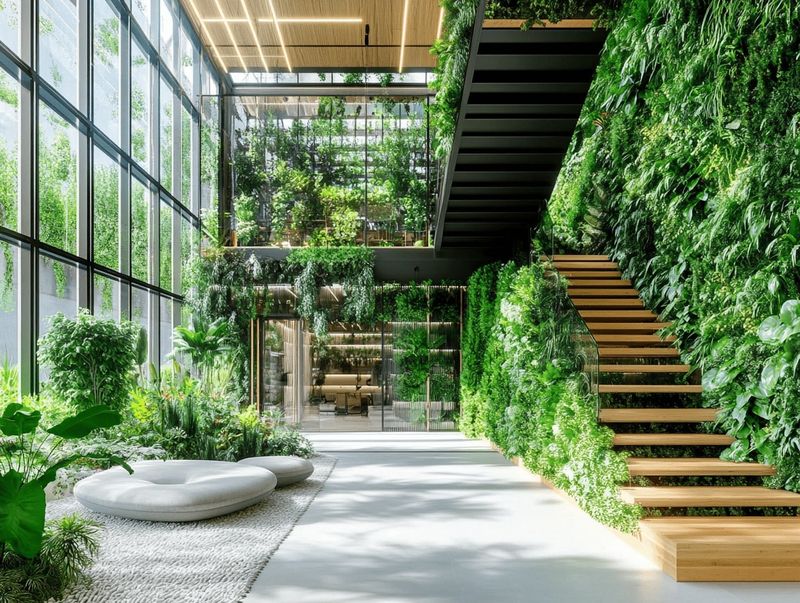
Biophilic design bridges the gap between indoor living and nature, emphasizing our innate connection to the natural world. This design philosophy incorporates natural elements into architectural spaces, fostering well-being and creativity.
Imagine a home where plants thrive indoors and large windows frame garden views. It enhances mental health and creates a peaceful ambiance.
Did you know? Biophilic designs are linked to increased productivity and reduced stress, making them perfect for home and office environments alike.
8. Smart Irrigation Systems
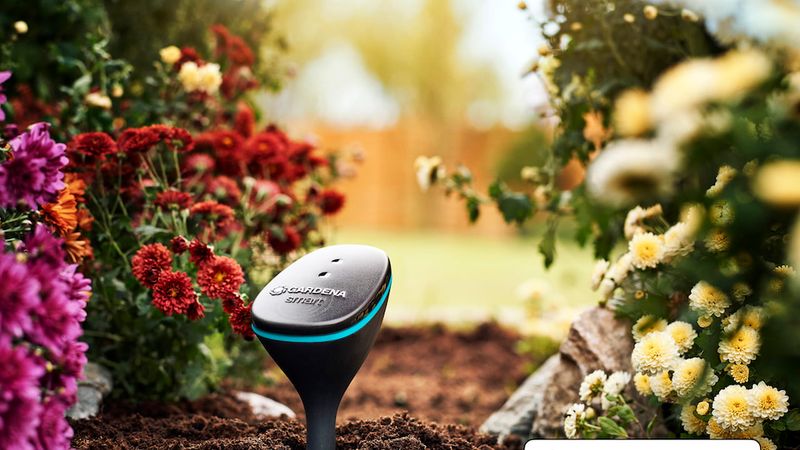
Imagine a garden that waters itself intelligently, conserving water while keeping plants hydrated. Smart irrigation systems use sensors and weather data to optimize watering schedules. They ensure plants get the right amount of water without wastage. These systems can be controlled via smartphone apps, offering convenience and efficiency. With increasing concerns about water scarcity, smart irrigation technology is gaining popularity. The ability to remotely manage irrigation aligns with sustainable gardening practices. It’s a trend that combines technology and eco-consciousness, making gardening more resource-efficient.
9. Pollinator Pathways
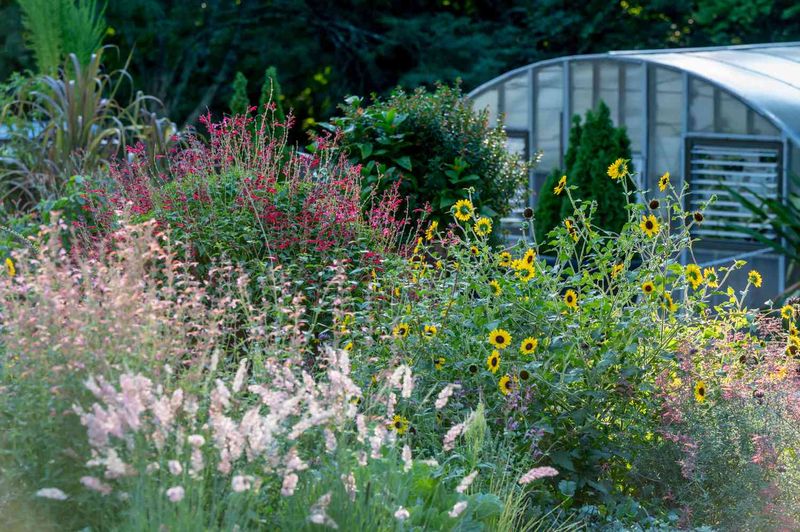
Pollinator pathways are gaining traction as gardeners aim to support biodiversity. These pathways consist of native plants that attract bees, butterflies, and other pollinators. By creating a network of pollinator-friendly gardens, individuals contribute to ecosystem health. The vibrant colors and lively activity in these pathways offer visual delight. This trend not only beautifies gardens but also plays a crucial role in conserving pollinator populations. As awareness about the importance of pollinators grows, more gardeners are embracing this colorful and impactful trend.
10. Sensory Gardens
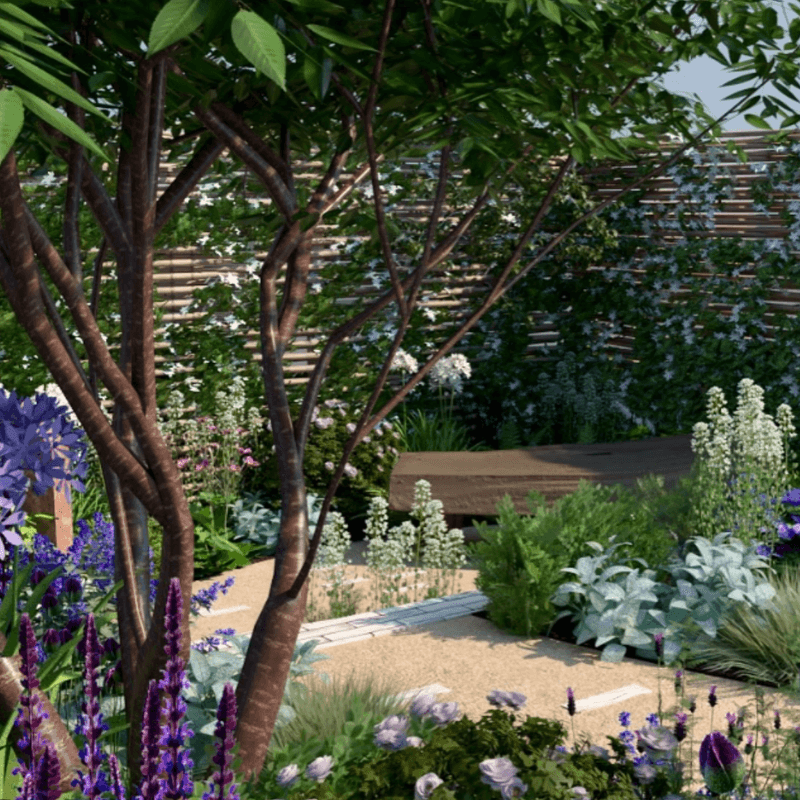
Sensory gardens invite you to experience the outdoors through touch, smell, and sound. These gardens integrate elements like textured plants, aromatic herbs, and soothing water features to engage the senses. Designed to be interactive, they offer therapeutic benefits and a tranquil escape. Sensory gardens are inclusive, catering to various needs, including those of individuals with disabilities. As people seek relaxing and mindful outdoor environments, sensory gardens provide a unique and personal way to connect with nature.
11. Regenerative Gardening
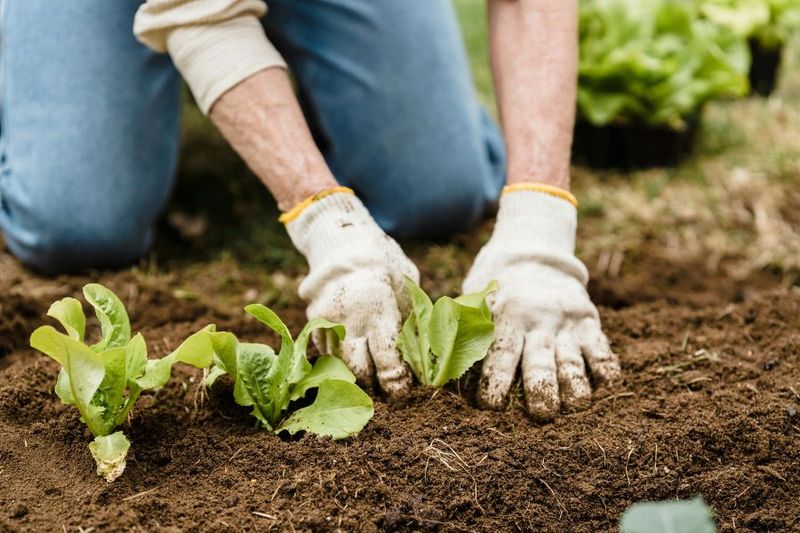
Regenerative gardening focuses on restoring and enhancing soil health. It employs techniques such as composting, mulching, and cover cropping to build soil fertility and capture carbon. This approach not only improves plant health but also contributes to climate change mitigation. Gardeners adopting regenerative practices prioritize biodiversity and ecological balance. It’s a shift towards gardens that are not just sustainable but restorative. As environmental awareness increases, regenerative gardening offers a path to nurture both the earth and vibrant gardens.
12. Garden Rooms
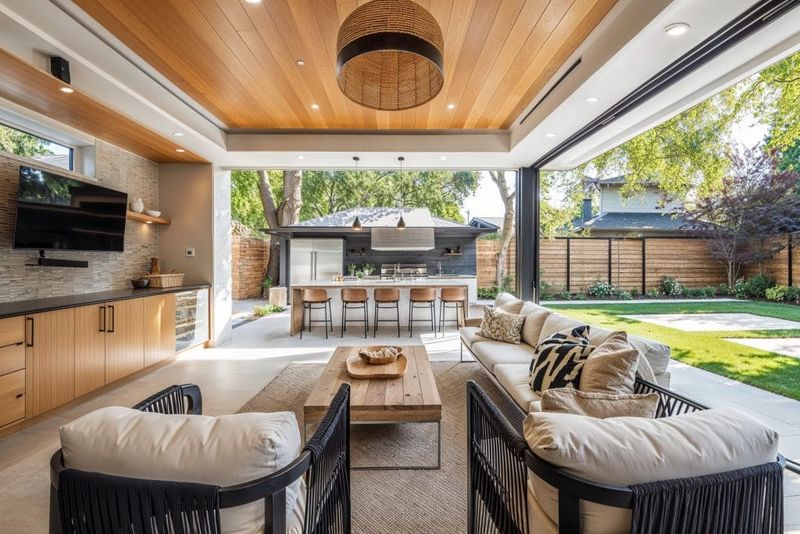
Garden rooms transform outdoor spaces into multifunctional areas. By dividing gardens into distinct zones for dining, relaxation, and play, they create versatile living environments. This trend reflects a desire to maximize outdoor enjoyment, especially in urban settings. Each garden room is tailored with furnishings, plants, and decor to suit its purpose. As outdoor living becomes more popular, garden rooms provide an innovative way to extend indoor comforts to the garden. They offer a personalized and adaptable approach to garden design.
13. Perennial Power
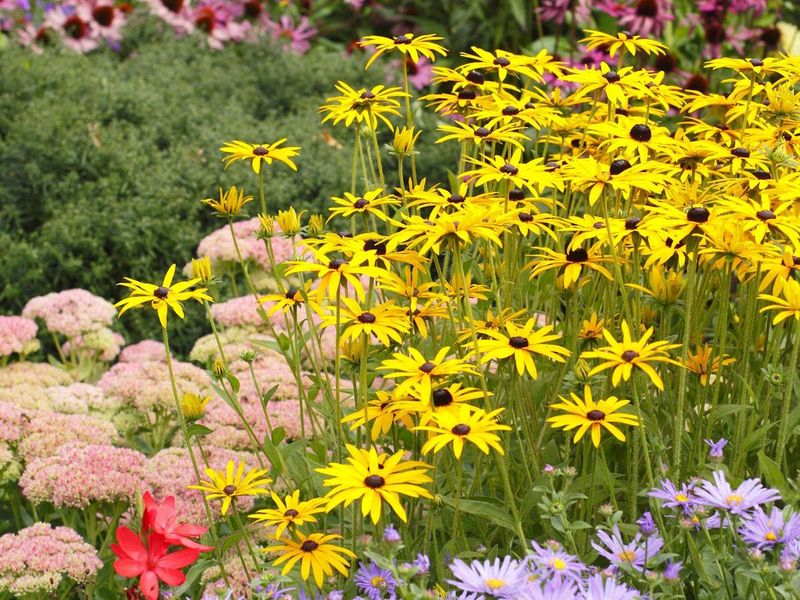
Perennial plants are experiencing a resurgence as gardeners seek low-maintenance and enduring beauty. These plants return year after year, providing consistent color and structure. By investing in perennials, gardeners enjoy a sustainable and cost-effective way to fill spaces with seasonal charm. The variety of shapes, sizes, and colors available makes them versatile choices for any garden style. Perennials are celebrated for their resilience and ability to thrive in diverse conditions. This trend highlights the timeless appeal and ecological benefits of perennial gardening.
14. Hydroponic Home Gardens
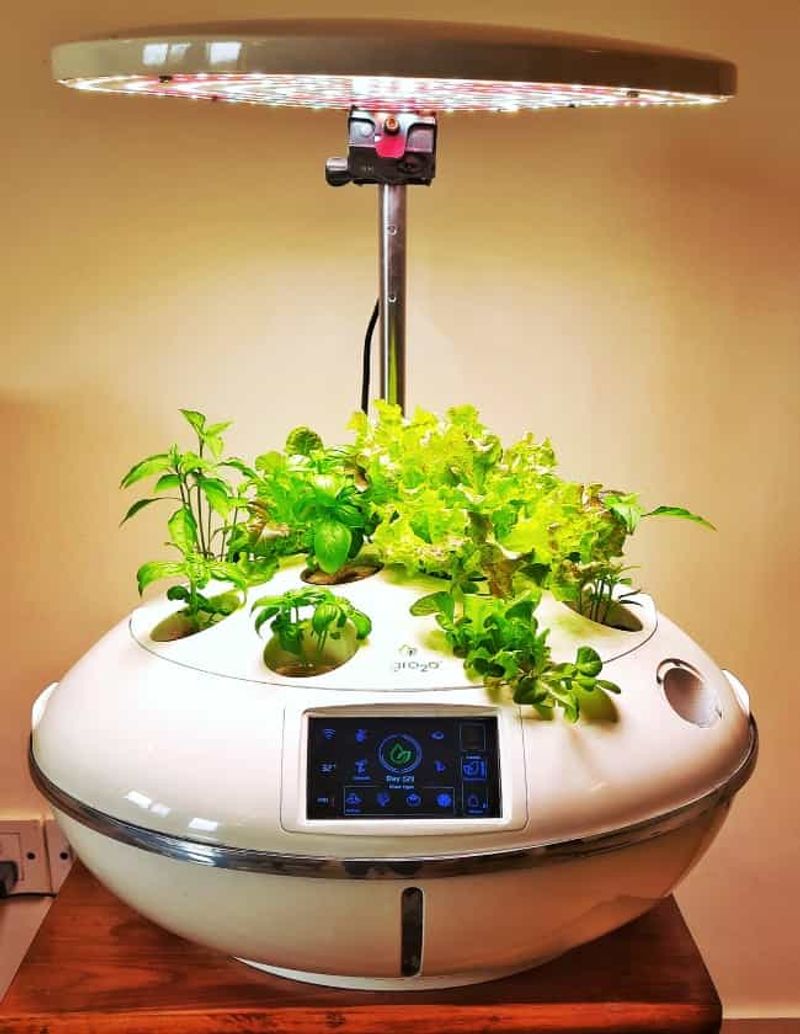
Hydroponic home gardens are revolutionizing urban gardening by enabling plant growth without soil. Using nutrient-rich water solutions, these systems are space-efficient and ideal for city dwellers. They allow for year-round cultivation of herbs, vegetables, and flowers indoors. Hydroponics reduce the need for pesticides and conserve water, aligning with sustainable practices. As urban populations grow, hydroponic gardens offer a practical solution for fresh produce and greenery. This trend is shaping the future of gardening by making it accessible and efficient for modern lifestyles.
15. Green Roof Gardens
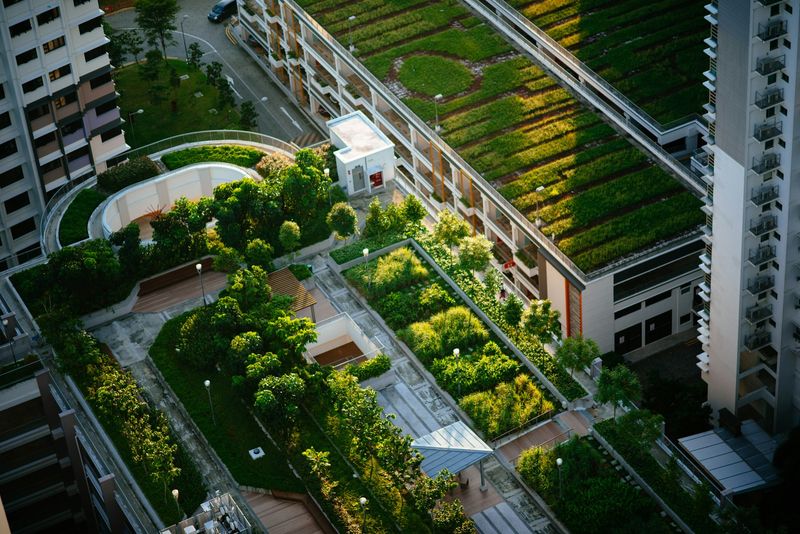
Green roof gardens turn urban rooftops into lush, living ecosystems. They provide insulation, reduce urban heat, and support biodiversity. By utilizing unused roof space, they contribute to urban greening and environmental improvement. Green roofs are versatile, supporting a variety of plants, from grasses to shrubs. As cities seek sustainable solutions to environmental challenges, rooftop gardens are gaining popularity. This trend combines architectural innovation with ecological benefits, offering a refreshing way to enhance urban living spaces.
16. Mindful Moss Gardens
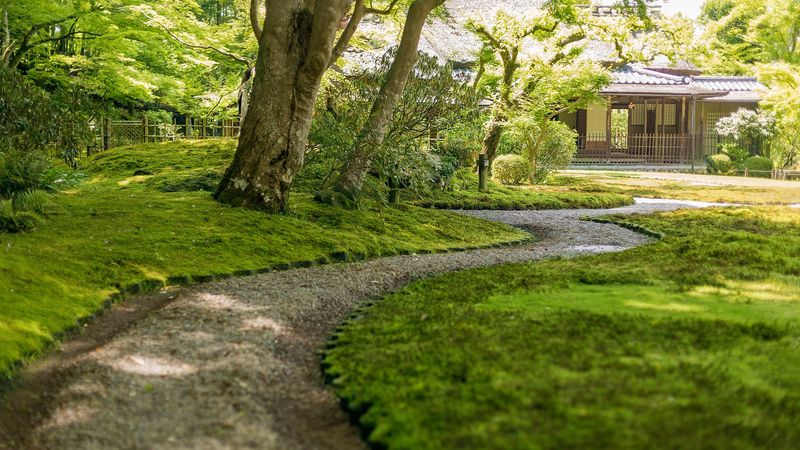
Moss gardens offer a serene escape with their minimalistic beauty and calming presence. These gardens focus on the soft texture and vibrant green of mosses, creating tranquil spaces for reflection. Ideal for shady areas, they require minimal maintenance and water. Moss gardens encourage mindfulness, inviting quiet contemplation and connection with nature. As people seek simplicity and peace, this trend resonates with those wanting a low-stress gardening experience. Moss gardens provide a unique aesthetic that celebrates subtlety and natural elegance.
17. Climate Adapted Gardens
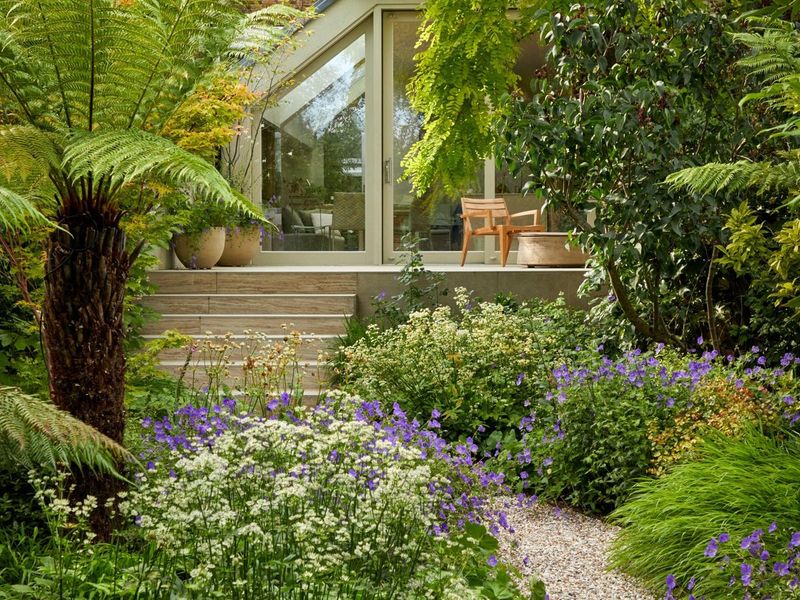
Climate adapted gardens are designed to withstand changing weather patterns. They incorporate drought-resistant plants and innovative water management techniques to thrive in challenging climates. By selecting resilient plant species and employing efficient irrigation, these gardens are sustainable and resource-wise. As climate change impacts gardening conditions, adapting to new challenges becomes essential. This trend empowers gardeners to create landscapes that endure and flourish despite environmental shifts. Climate adapted gardens combine practicality with ecological awareness, offering forward-thinking solutions for the future.
18. Artistic Topiary
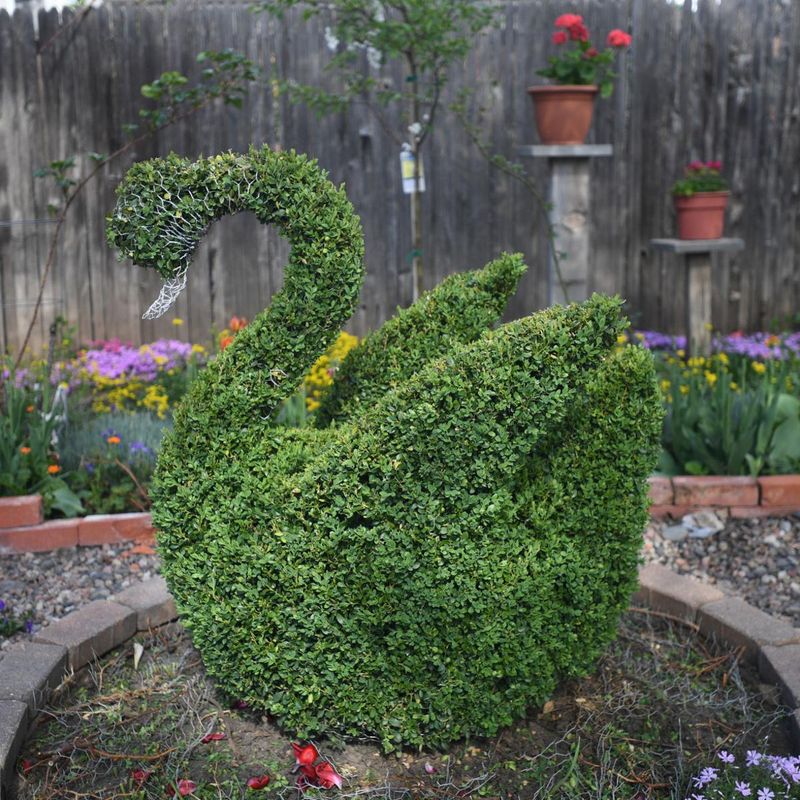
Artistic topiary is transforming ordinary hedges into living sculptures. By trimming and training plants into various shapes, topiary adds a creative element to gardens. From whimsical animals to abstract forms, topiary art reflects individual expression and craftsmanship. This trend is gaining popularity as gardeners seek unique and personalized designs. Artistic topiary offers a blend of horticulture and artistry, creating eye-catching focal points. As gardens become more than just planting spaces, topiary provides an imaginative and playful dimension to garden aesthetics.
19. Natural Swimming Ponds
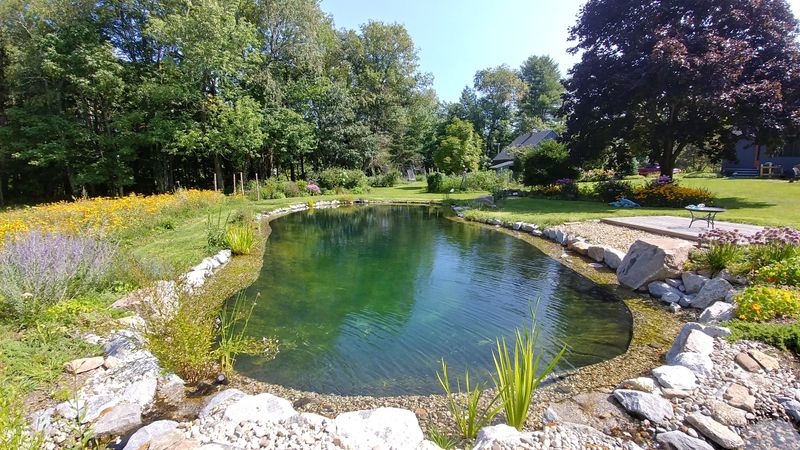
Natural swimming ponds offer a sustainable alternative to conventional pools. These ponds use aquatic plants and natural filtration systems to maintain water clarity. They blend seamlessly into garden landscapes, providing a swimming experience in harmony with nature. The appeal of chemical-free water and ecological design is driving interest in natural ponds. This trend combines leisure with environmental consciousness, enhancing outdoor living spaces. As awareness of ecological impact grows, natural swimming ponds provide a refreshing and eco-friendly way to enjoy water features.
20. Heritage Seed Saving
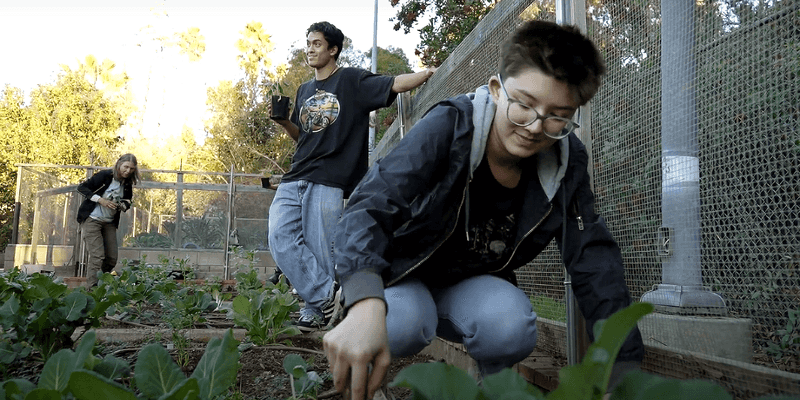
Heritage seed saving preserves plant biodiversity by cultivating heirloom varieties. Gardeners collect seeds from these plants to ensure their survival and genetic diversity. This practice connects people with agricultural history and heritage. As commercial seed variety diminishes, heritage seed saving becomes vital for maintaining diverse food sources. It empowers individuals to grow and share unique plant species. This trend is about preserving flavor, nutrition, and cultural significance, ensuring future generations can enjoy a rich and varied agricultural legacy.
21. Interactive Garden Installations
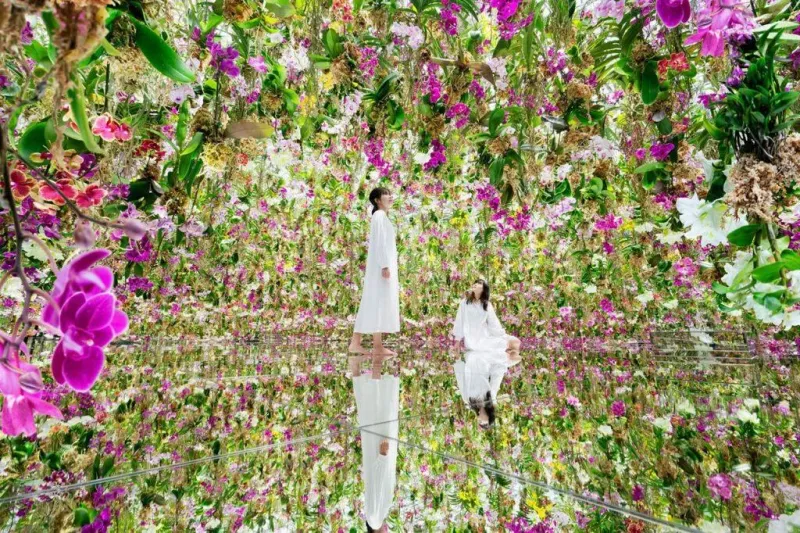
Interactive garden installations bring art and playfulness to outdoor spaces. These installations include kinetic sculptures, sound elements, and tactile features that engage visitors. They transform gardens into dynamic environments, inviting exploration and interaction. This trend appeals to families and art enthusiasts alike, offering memorable experiences. Interactive installations foster creativity and curiosity, making gardens more than just visual attractions. As people seek novel ways to enjoy the outdoors, these installations provide a blend of entertainment and artistic expression.