
A strip of loose gravel can make the side of your house look tidy, but rocks and debris can also give scorpions places to hide. Florida native plants offer a softer look without covering the ground in stones.
The key is to choose plants that fit your site and keep a clear space beside the wall. Here are seven options for turning a gravel border into a garden you can still inspect.
1. Frogfruit
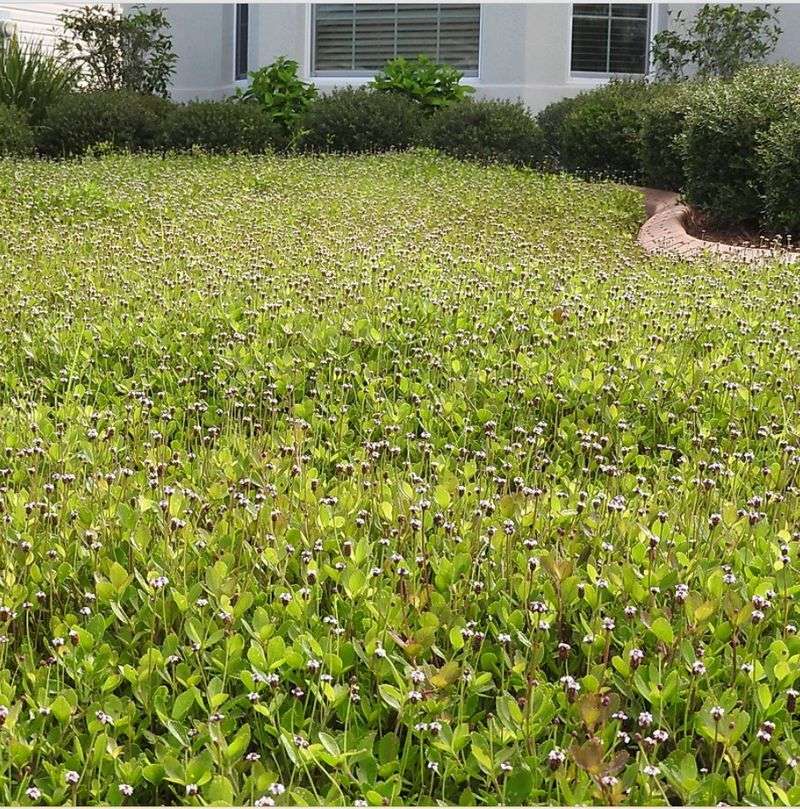
For a narrow border that needs to stay low, frogfruit is a useful place to start. Its small leaves spread across the ground, while tiny white-and-purple flowers bring in butterflies and other pollinators.
Unlike a bed of loose stones, a planted patch makes it easier to notice where leaves, boards, or other potential hiding spots have collected.
Frogfruit, also called turkey tangle fogfruit, handles Florida sun and a range of soil moisture once established. It is a good choice where runoff sometimes wets the border, though it should not sit in standing water for long periods.
Give it room to spread, and trim the edges when it reaches a path or your clear space beside the house.
Keep the planting at least 12 to 18 inches away from the foundation, or follow a wider clearance if your pest professional recommends one. Leave that strip open and easy to see rather than filling it with decorative rocks or thick mulch.
Frogfruit will not repel scorpions, but a well-kept border can help you remove the clutter and hidden gaps they use for shelter.
2. Sunshine Mimosa
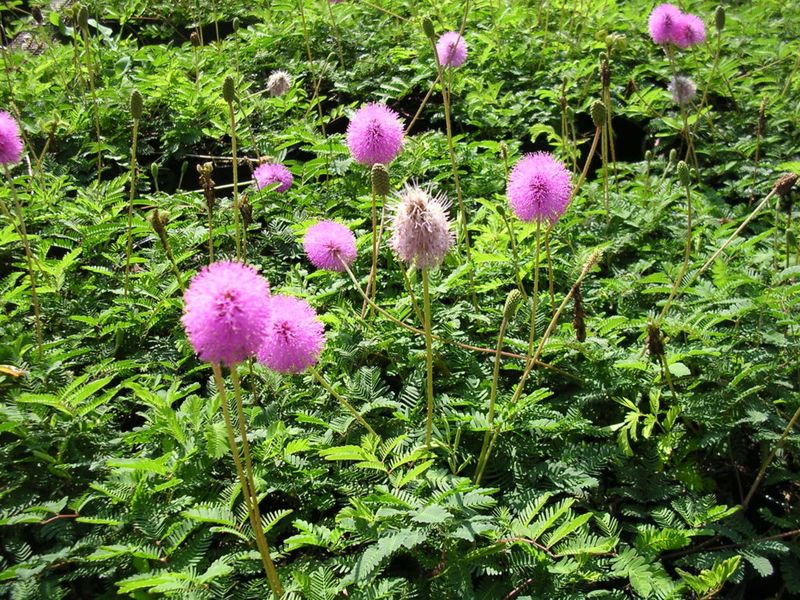
Pink powder-puff blooms give sunshine mimosa a cheerful look that gravel cannot match. The fernlike leaves fold when touched, which makes this groundcover especially fun near a walkway.
It also spreads into a fairly low mat, so it suits a sunny border where taller plants would block a window or crowd a hose bib.
This Florida native grows well in warm weather and can handle sandy soil after its roots settle in. Water new plants while they establish, then check the soil before adding more.
Its spreading stems can travel farther than expected, so place it where you can edge the bed without much trouble.
Along a wall, let the plant fill the outer part of the former gravel strip, not the space directly against the building. Keep an open lane for checking the foundation and sweeping up fallen leaves.
A living mat is not a scorpion barrier: dense, neglected growth can shelter small creatures too. Regular edging, quick debris cleanup, and sealed openings around the house matter more than the plant itself.
3. Twinflower
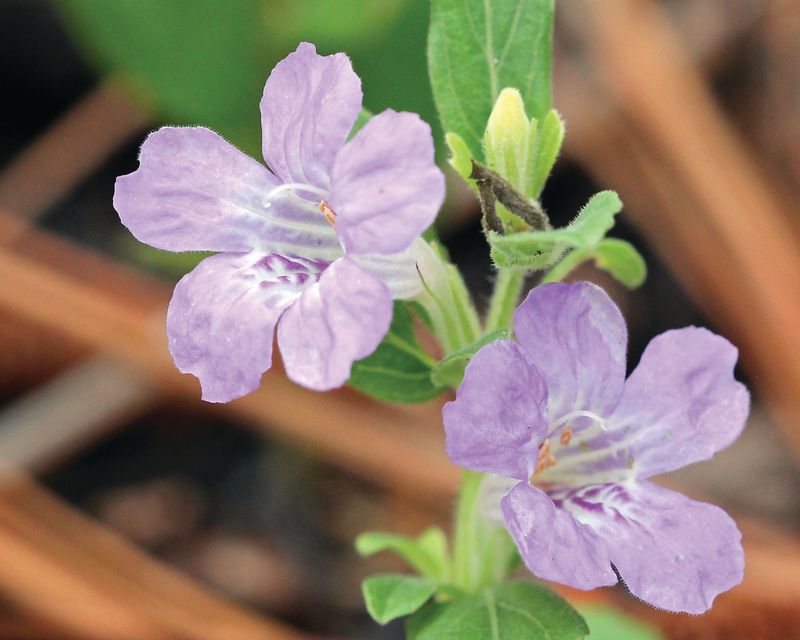
Not every wall gets all-day sun. Twinflower gives gardeners a low-growing option for a spot with morning light or partial shade, where some sun-loving groundcovers may thin out.
Its little lavender flowers add color without making the border look busy.
Twinflower grows naturally in parts of Florida and works best when matched to the right site rather than forced into deep, dry shade. Check the plant label for its scientific name, Dyschoriste oblongifolia, since common names can overlap.
Set plants in well-drained soil, water them through establishment, and allow enough space for their low stems to spread.
Its modest height makes a practical difference beside siding or stucco: you can see over it while looking for fallen branches, cracks, and other possible scorpion shelter. Still, do not tuck stems behind downspouts or let them press against the wall.
Leave an accessible inspection strip and keep irrigation aimed at the planting area instead of the foundation. If the spot stays damp from a leaking faucet, fix the leak before planting anything there.
4. Beach Sunflower
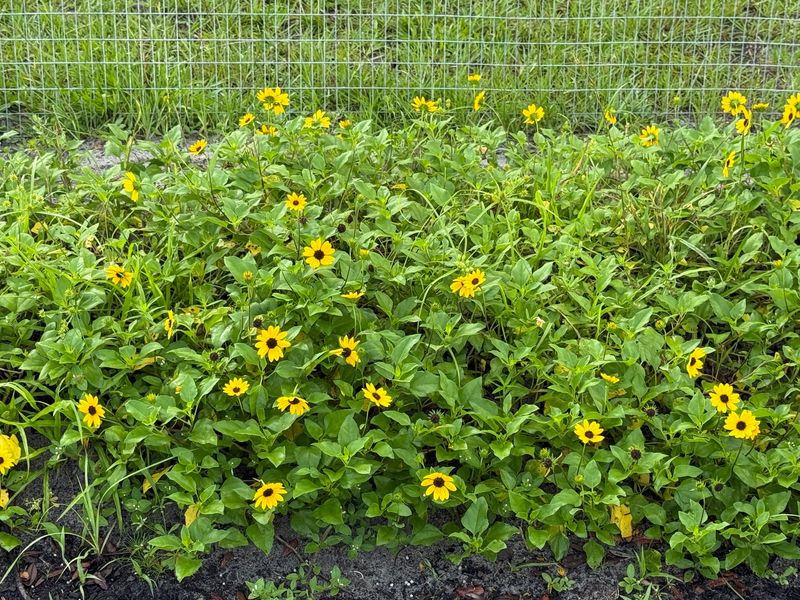
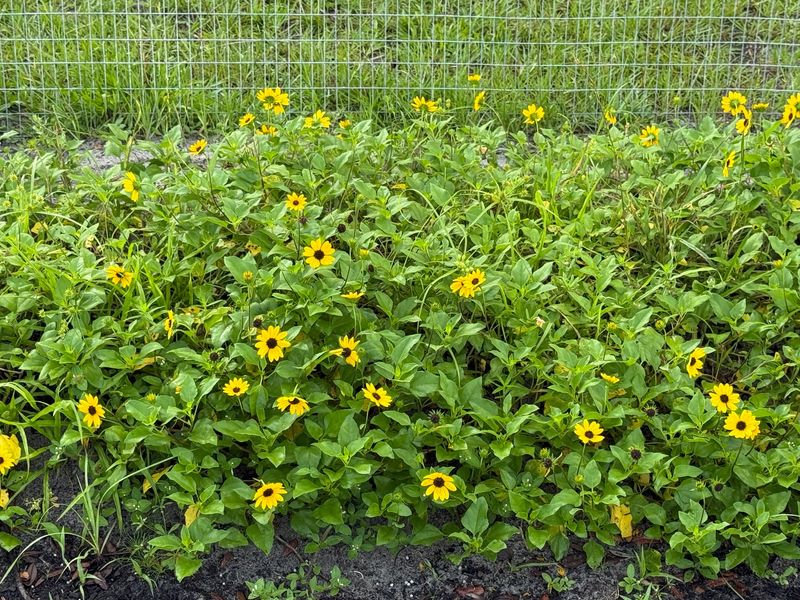
A hot, sandy strip beside the house can look surprisingly lively with beach sunflower. Its yellow, daisy-like blooms bring color for much of Florida’s long growing season, and the flowers attract pollinators.
Where gravel reflects heat and offers little to look at, this native gives a sunny side yard a clear purpose.
Beach sunflower, Helianthus debilis, is best for a roomy, well-drained location with plenty of sun. It spreads and can become untidy if squeezed into a tiny bed.
Plant it toward the outer edge of a wide border, then cut back wandering stems before they cross the maintenance lane or cover a vent. Confirm that the plants sold near you are an appropriate native selection for your part of Florida.
The upkeep is simple but not zero: remove dead stems and fallen leaves instead of leaving a thick layer beneath the plant. That helps keep the bed easier to inspect for scorpions and other pests.
Beach sunflower does not drive scorpions away; it works here because a gardener can replace loose, debris-filled gravel with a planted area that has a clear edge and regular care.
5. Coontie
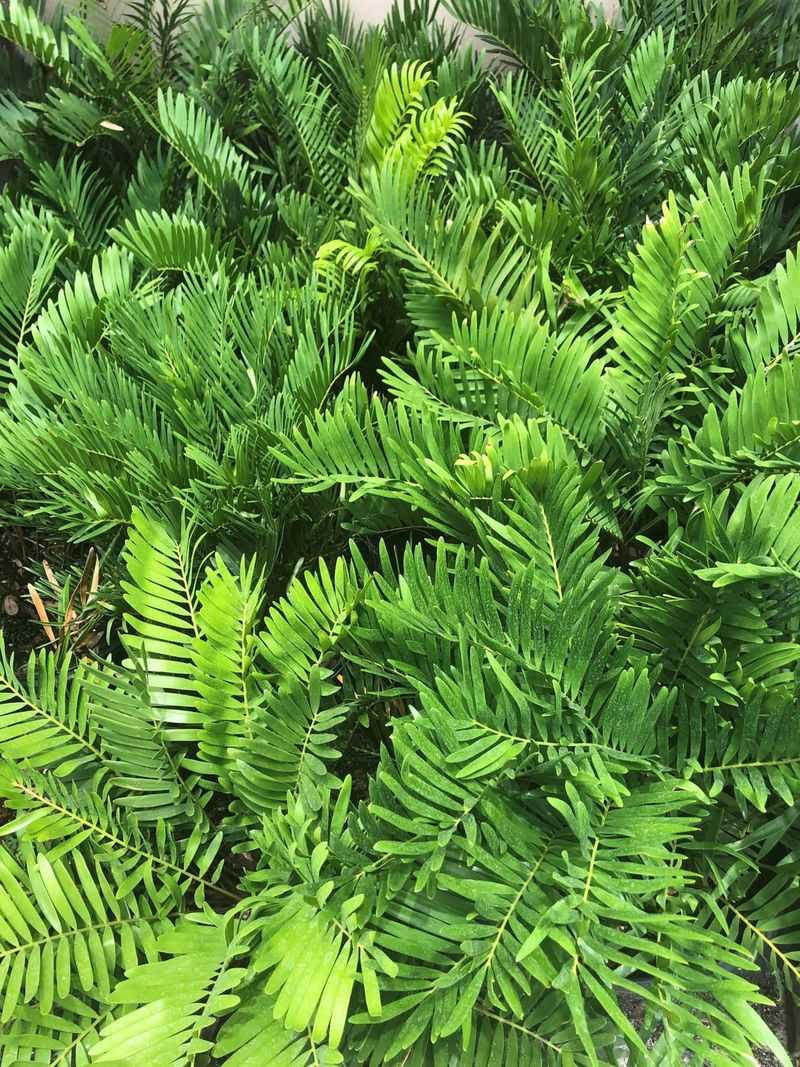
Coontie brings a completely different shape to a former gravel bed. Its sturdy, arching leaves stay green and give a Florida house a neat, settled look.
Despite its palm-like appearance, coontie is a cycad, and it serves as a host plant for atala butterfly caterpillars.
Use coontie where the bed is wide enough for its mature spread. It grows slowly, so small plants may look far apart at first, but packing them tightly against the wall creates a hard-to-check thicket later.
Coontie tolerates sun to partial shade and generally suits well-drained Florida sites. Water during establishment, then avoid keeping the crown constantly wet.
For easier pest checks, group the plants beyond a clear strip next to the foundation and remove dead fronds rather than letting them pile up at the base. Leave access to utility boxes, vents, and outdoor faucets.
Coontie’s payoff is structure with relatively little pruning, not pest control. If scorpions are entering the house, also check door sweeps, screens, and gaps around pipes; a handsome border cannot close those entry points.
6. Muhly Grass
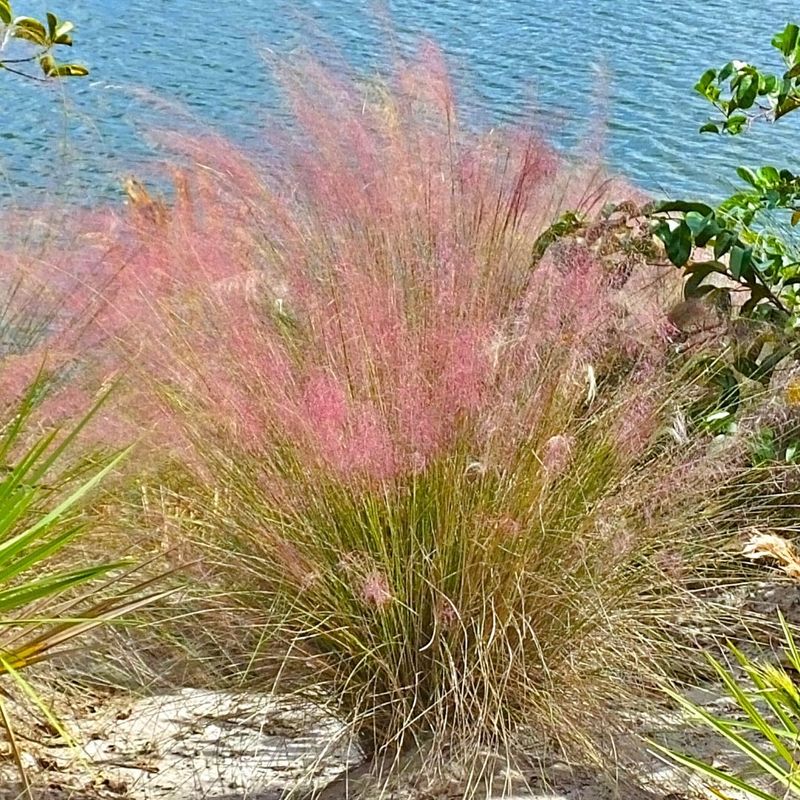
When fall arrives, muhly grass turns an ordinary border into a soft pink display. The airy plumes look striking against a plain wall, while the plant grows in clumps rather than running across the whole bed.
That makes it a strong pick for homeowners who want a tidy row with space between plants.
Give muhly grass full sun and well-drained soil. It is well suited to many sandy Florida yards and needs less attention once established, though new plants still need regular watering at first.
Check its mature width before planting; a line of tiny nursery pots can grow into much larger mounds. Set the clumps far enough from the building that their leaves will not sweep the siding.
Open spaces between clumps can make it easier to spot debris than a continuous blanket of rocks or overgrown vegetation. Cut away old growth when needed and pick up trimmings promptly, rather than leaving a pile where scorpions might hide.
Keep the foundation lane clear, too. Muhly grass offers seasonal color and an orderly layout, but the real pest benefit comes from removing cover and staying able to inspect the area.
7. Sea Purslane
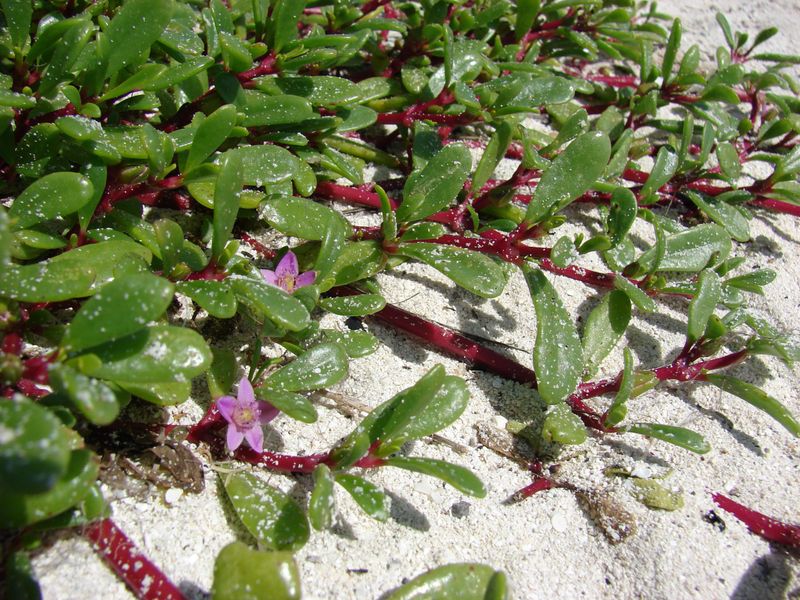
Salt spray rules out many plants near Florida’s coast, but sea purslane is built for it. This low, spreading native has fleshy leaves and small flowers, giving a bare sandy border a greener look without demanding rich soil.
It is especially useful where a seaside home gets strong sun and salty wind.
Sea purslane, Sesuvium portulacastrum, spreads readily, so plan for its reach before placing it near a walkway or foundation. Use it in a well-drained coastal bed rather than a shaded, soggy spot.
Once established, it can handle dry conditions, but young plants need attention while their roots grow. Clip stems that cross the bed’s edge and collect the cut pieces.
Do not mistake a low plant for a pest-proof surface. Scorpions can shelter beneath vegetation as well as beneath stones, especially when debris is allowed to gather.
Keep sea purslane back from the wall, leave a visible inspection lane, and clear away driftwood, stacked pots, and loose materials nearby. For a coastal yard, the appeal is a salt-tolerant replacement for gravel that still lets you maintain a clean, watchable border.