
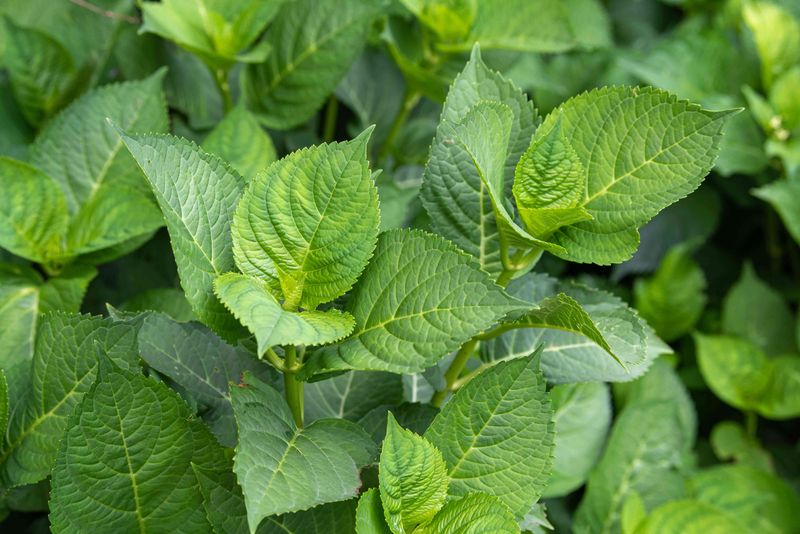
A hydrangea full of big green leaves looks like it should be ready to flower. Yet many Southern gardeners watch summer arrive with no blooms at all.
Leaves and flower buds respond to different things, so a healthy-looking shrub can still come up short. Here is how to narrow down what may be going on in your yard.
Green growth can return after flower buds are lost
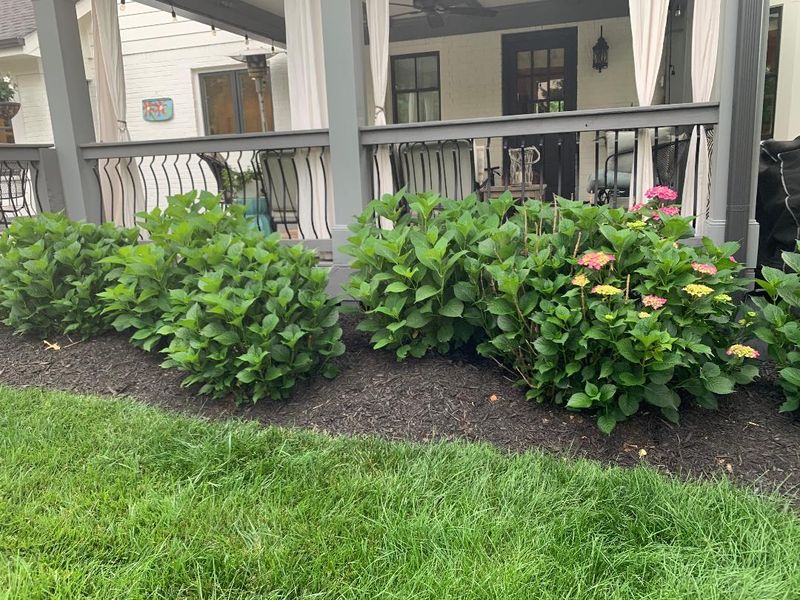
Leaves are the easy part. A hydrangea can push out plenty of fresh green growth even after its flower buds were cut off or damaged, so a lush shrub does not prove the buds survived.
Several causes are possible. According to UMass Extension, bigleaf hydrangeas may miss blooms because of pruning, winter or late-frost damage, too much or too little sun, moisture stress, or too much nitrogen.
No single one applies to every yard.
Young plants may simply need time, a point covered by Iowa State Extension. Weather and your plant’s type matter too.
Before you change anything, figure out which kind of hydrangea you have. The right fix for one type could cost another type its flowers.
What kind of hydrangea is growing in your yard?
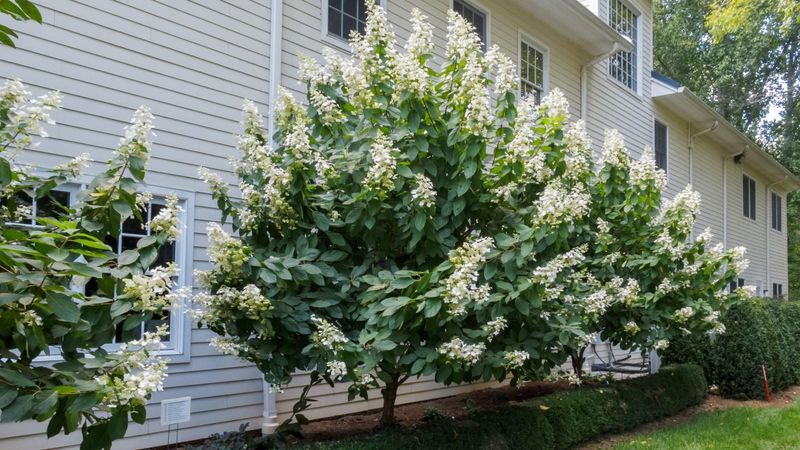
Hydrangeas do not all flower the same way. Bigleaf and oakleaf types generally bloom on old wood, which means stems grown last season.
Smooth and panicle types bloom on new wood, which grows this season.
Some bigleaf and mountain cultivars rebloom on both old and new wood, according to University of Maryland Extension. Even then, flowers on old wood can still be lost.
So the old-wood rule is too broad to apply to every plant.
Look for clues. Leaves shaped like oak leaves point to oakleaf hydrangea.
Cone-shaped flower clusters suggest a panicle type. Round mopheads or flat lacecaps often mean bigleaf.
These clues will not settle every case, and habit can vary by cultivar. Check the plant tag, a photo from the nursery, or a local Extension office if you are unsure.
A poorly timed cut can remove next season’s flowers
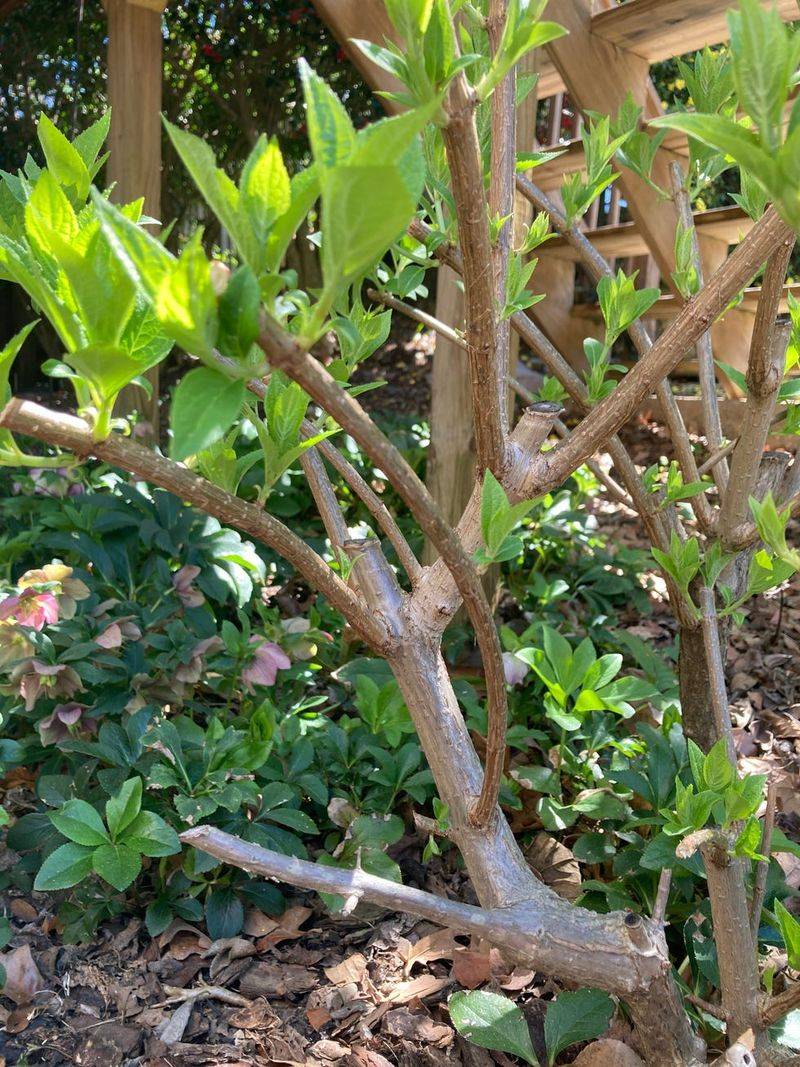
Pruning shears can quietly erase a year of flowers. On bigleaf and oakleaf hydrangeas, which bloom on old wood, cutting in fall, winter, or spring can remove the buds already waiting on those stems.
Smooth and panicle types work differently. They flower on new wood, so the usual pruning window is late winter or early spring, as described by University of Maryland Extension.
If you cannot tell which type you have, skip hard pruning for now. Waiting a season costs far less than cutting off buds.
Deadheading is optional and not needed for plant health. If you like a tidy look, snip off only the spent flower head instead of cutting far down the stem.
Cold can damage buds while leaves grow back
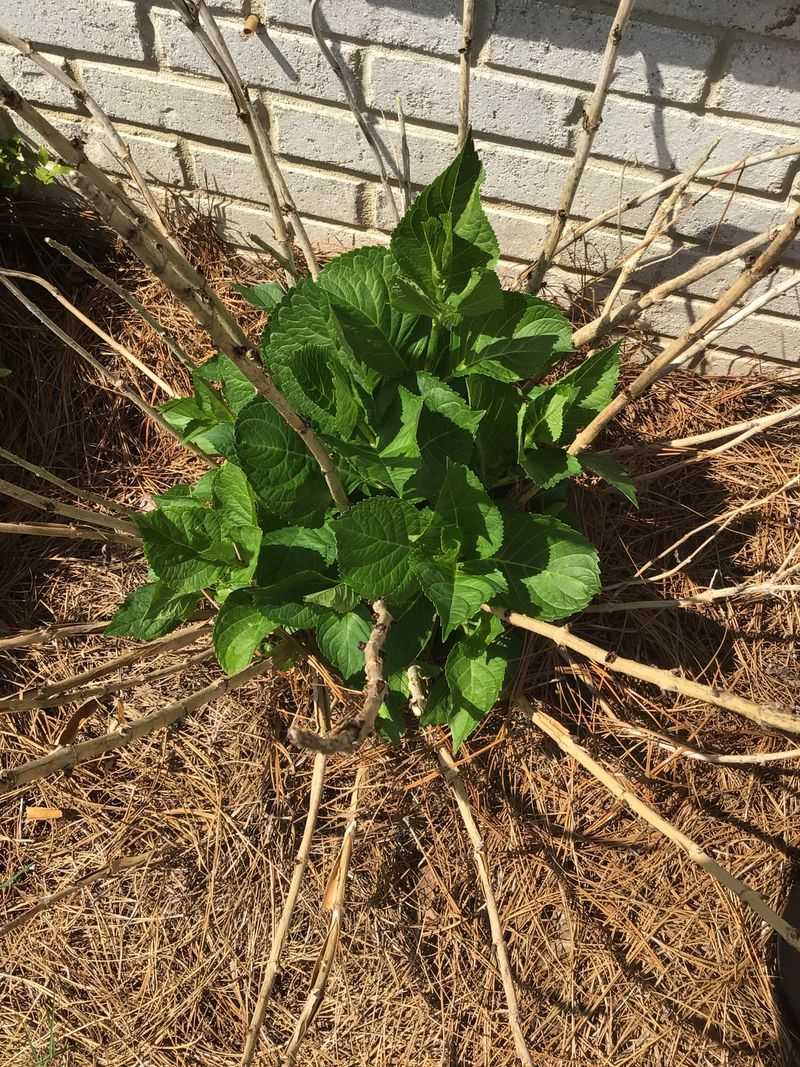
Picture a mild spring after a rough winter. The shrub leafs out nicely, but the flower buds that formed on last year’s stems may be gone.
As UMass Extension explains, cold, swinging temperatures, or a late freeze can damage bigleaf buds even though leaves grow later. Leaves and buds do not suffer the same way.
Reblooming cultivars may still flower on new growth. That is not guaranteed, though, especially if the season is short or stressful.
Winter injury is a particular challenge in colder regions, and advice from there does not automatically fit the South. How much risk you face depends on your plant, cultivar, and location.
Note when late freezes hit your area and compare that with your bloom history.
Check light and moisture before changing the soil or feeding
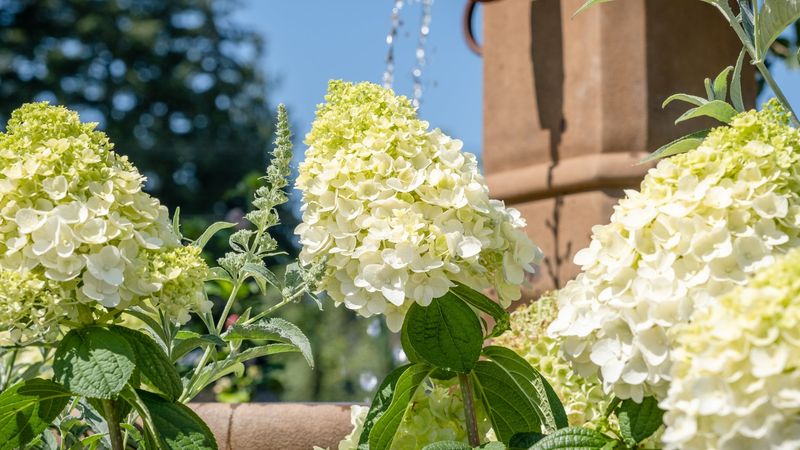
Walk out to the plant at different times of day and notice where the sun lands. Bigleaf hydrangeas generally do best with morning sun and dappled afternoon sun or partial shade, based on UMass Extension guidance.
Too much shade may reduce flowering. Harsh afternoon sun can stress the plant.
Either one could be a factor, but neither is a guaranteed cause.
Water habits count too. Drought stress can affect flowering even when leaves look fine, and overwatering may also play a role.
Push a finger a few inches into the soil to see whether it stays soggy or dries out hard between rains.
Soil pH is a different matter. It can affect flower color in some hydrangeas, but it is not a general fix for missing flowers.
Lush foliage may point to excess nitrogen
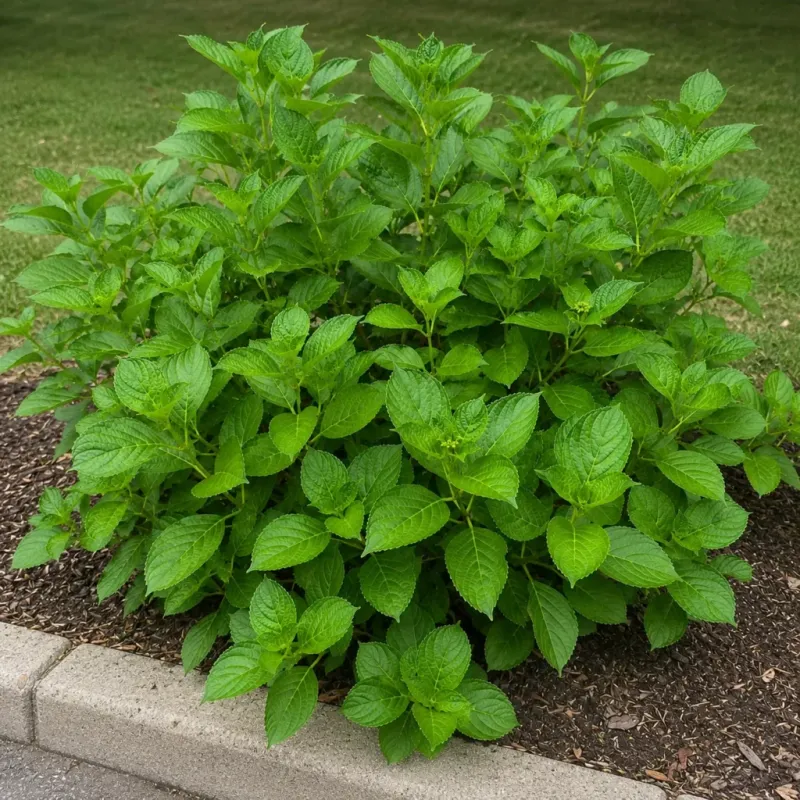
Very deep green, bushy growth can be a hint that the plant is getting more nitrogen than it needs. Too much nitrogen can favor leaves over flowers, according to UMass Extension.
Think about where fertilizer travels. Lawn feed spread nearby can reach the shrub’s roots too.
Treat lush growth as a clue, not proof. Other causes can look the same.
Hold off on adding fertilizer or a bloom booster until you know what the shrub is already getting. Check the product label on anything used nearby, and follow a soil test or your local Extension office’s advice before feeding.
Plant age and Florida conditions can change the picture
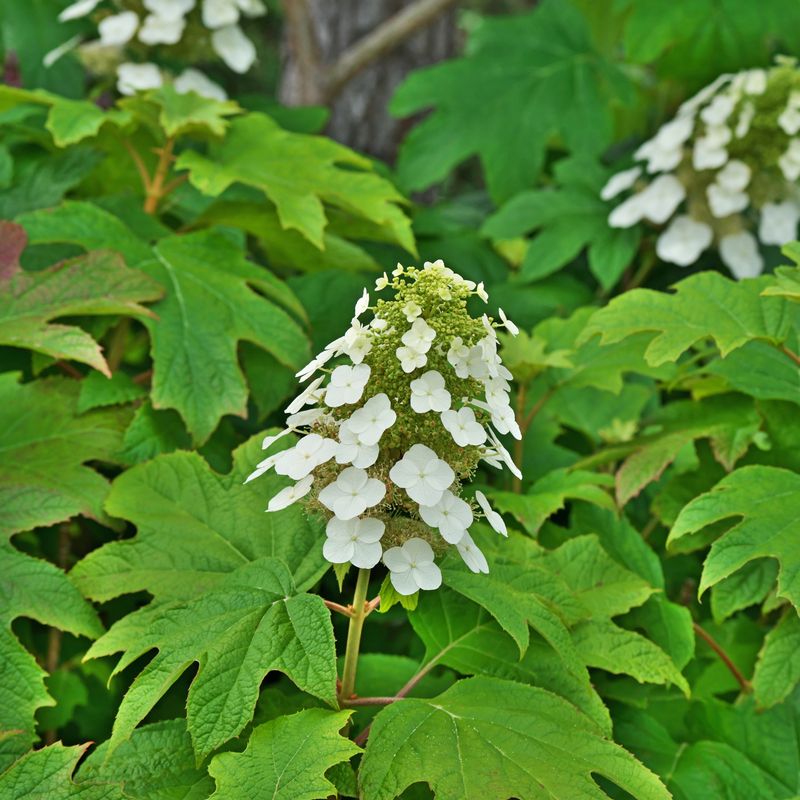
A new shrub may not be failing at all. Hydrangeas may not flower for their first two to three years, especially climbing hydrangeas, according to Iowa State Extension.
Not every young plant follows that timeline. A mature shrub that skips bloom year after year deserves a closer look at the other causes.
Florida-specific guidance: UF/IFAS says French or bigleaf hydrangeas are best suited to North and Central Florida. They need shade, moist fertile soil, and cool winters.
UF/IFAS also suggests shaping them after flowering and keeping productive older stems.
Oakleaf hydrangea needs some shade in Florida too, as noted by UF/IFAS. This guidance is for Florida only.
It should not be assumed to apply to Texas or the rest of the South.
Diagnose first, then make one careful adjustment
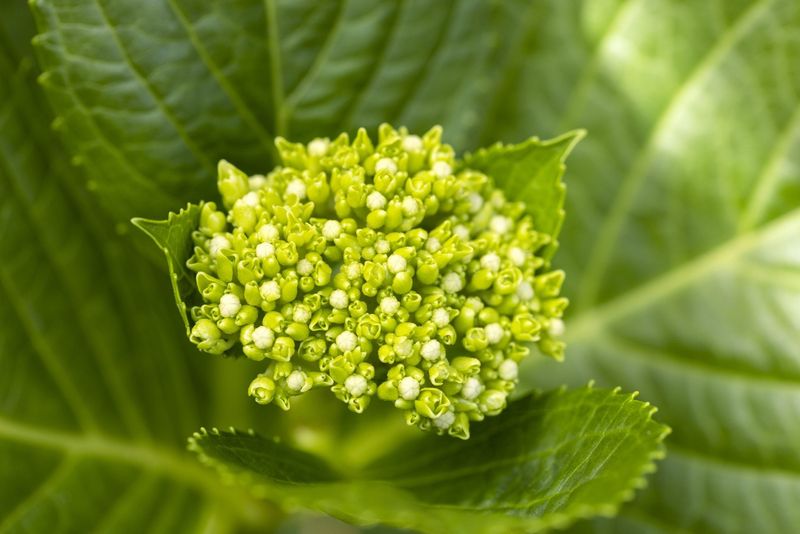
Work through the list in order. Identify your hydrangea, then ask whether pruning or weather could have cost it buds.
Next, review light, moisture, and nitrogen, using the guidance from Maryland and UMass Extension.
Change one thing at a time, and give a young plant patience. No single fix guarantees flowers next season.
A hydrangea that stays quiet is often giving you clues, if you take time to read them.