
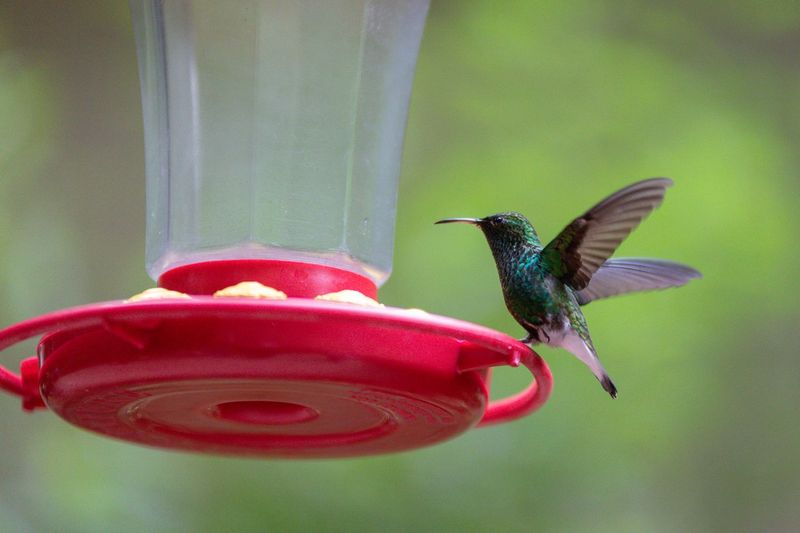
A hummingbird zips past your window in October, and you wonder if it is time to bring the feeder in. Many Southern gardeners worry that leaving nectar out will cause trouble for birds heading south.
The real answer depends on where you live and what you see in your own yard. Here is how to decide with confidence.
Does a feeder delay migration?
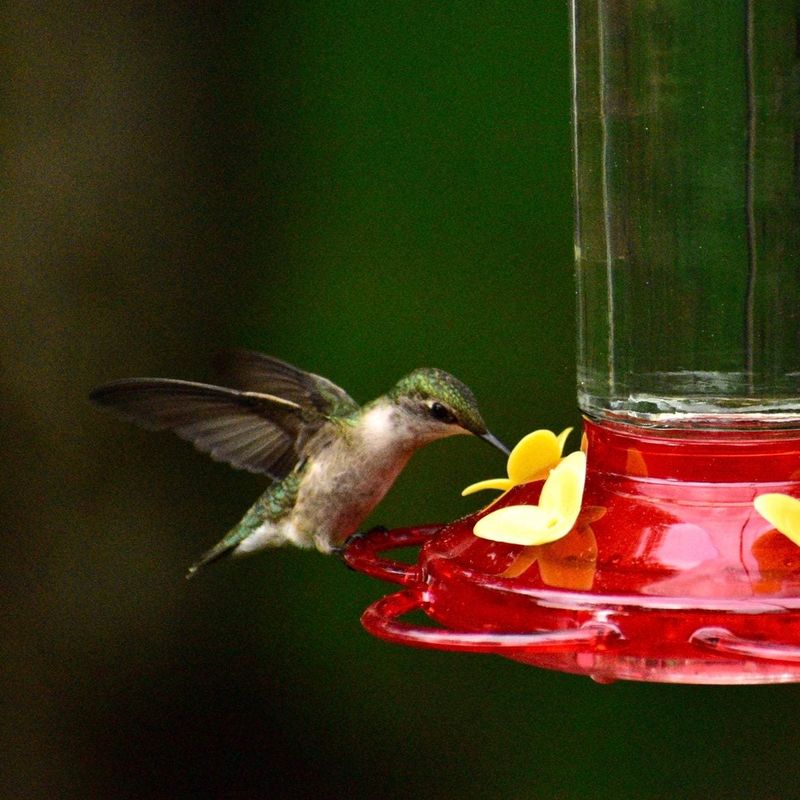
Plain answer first: a feeder does not hold migrating hummingbirds back. Day length is a major migration cue, and birds leave when their bodies and the calendar tell them to.
A clean feeder simply gives a late bird a spot to grab some supplemental energy.
Texas Parks and Wildlife Department suggests leaving feeders up for two weeks after the last hummingbird you see. That is a handy rule of thumb, not a promise that no later bird will show up.
Cornell Lab of Ornithology, in its fall feeding guidance, recommends keeping feeders up for several weeks. Neither source says a feeder guarantees a bird will finish its trip.
Taking yours down early will not push birds along either, so you can skip the guilt and focus on keeping the nectar fresh.
October timing depends on where you live
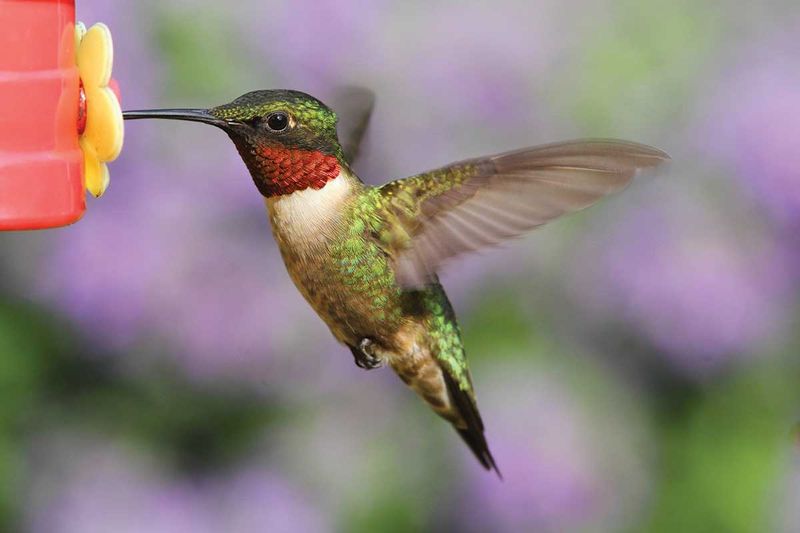
Calendars make poor hummingbird guides across the South. On the coast of Texas, fall movement is strong in September, and TPWD describes the passage winding down in early November.
A Galveston or Rockport gardener may still be hosting visitors well into October.
North Florida runs on a different clock. UF/IFAS guidance for Nassau County generally treats October as the last month hummingbirds are seen at feeders there.
So what should you watch? Your own yard.
Jot down the date of each sighting on a calendar near the kitchen window. Local sightings tell you far more than a statewide date, though no source can promise a bird will visit any particular yard.
A late visitor is not always headed farther south
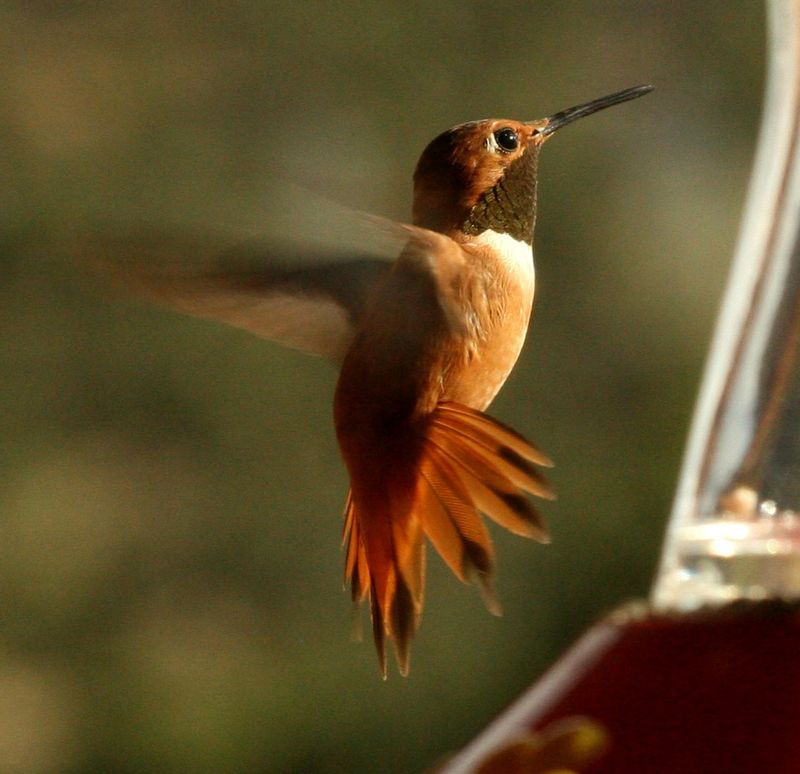
Spotting a hummingbird in late fall does not mean it is a straggler racing toward Mexico. Some hummingbirds spend the winter in the southern United States.
Cornell’s range information notes Ruby-throated Hummingbirds wintering in parts of the Gulf Coast, the southern Atlantic coast, and Florida.
Texas has its own example. A TPWD winter study near Victoria documented several hummingbird species there, though those counts came from one study site and period.
In Florida, a 2026 UF/IFAS Extension article says Rufous and Black-chinned Hummingbirds may turn up in winter, and some hummingbirds stay year-round in South Florida. Audubon adds that late or out-of-range birds can appear into early winter.
A late arrival alone cannot tell you its species, its destination, or whether it is migrating at all.
Keep nectar safe while the feeder stays up
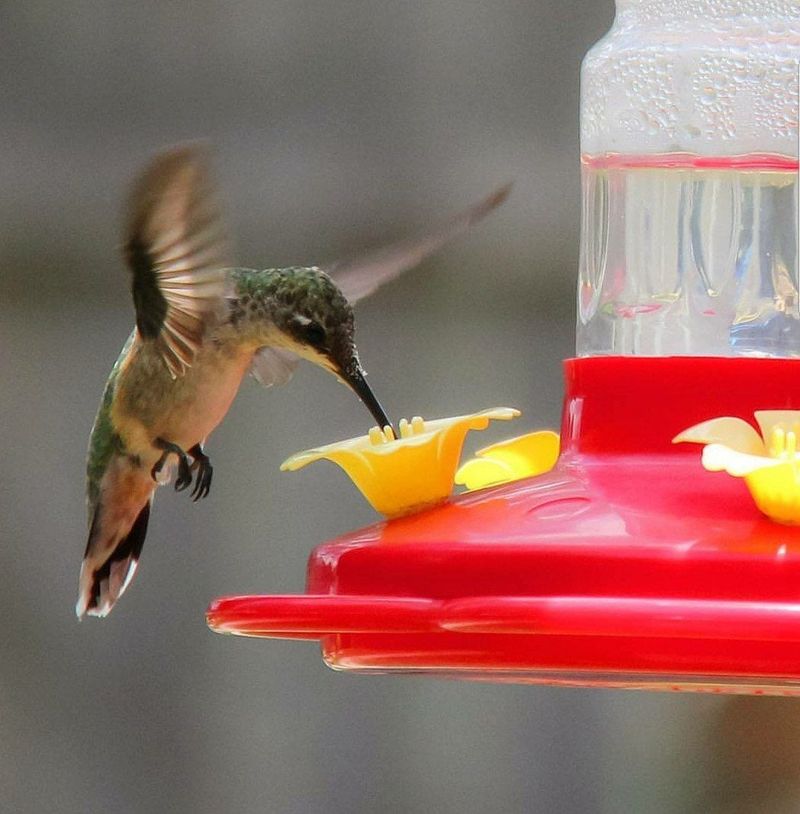
Fresh nectar matters more than how long the feeder hangs. Mix one part refined white sugar with four parts water.
Skip red dye, honey, artificial sweeteners, and any other sweetener.
Cleaning depends on the weather, based on Audubon’s feeding advice. In hot weather, discard the nectar and clean the feeder every day or every other day.
In temperate weather, about every three days works.
Warm October afternoons in Houston or Tampa count as hot, so lean toward the shorter schedule.
If you see mold or the nectar looks cloudy, stop and clean right away. Hanging the feeder in shade can slow spoilage, a tip also found in Audubon’s hummingbird-friendly yard guide.
If you cannot keep up this routine, taking the feeder down is the safer choice.
Flowers and insects remain the foundation
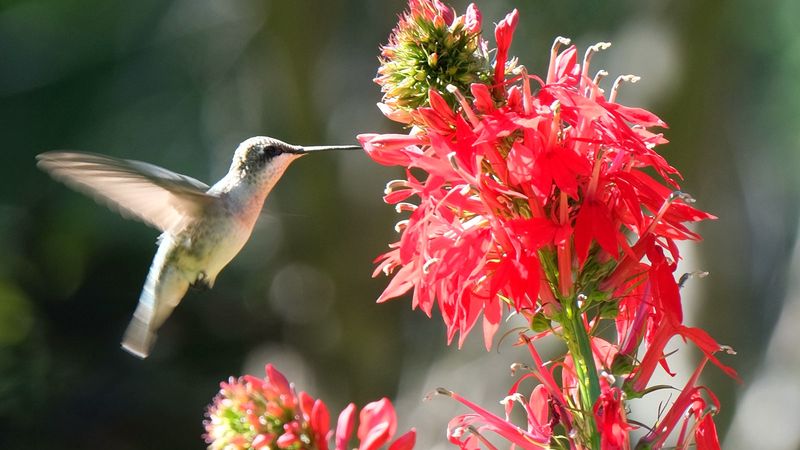
Think of the feeder as a snack stand, not the whole meal. Audubon points to native flowering plants as the best nectar source, and the hummingbird-friendly yard guidance encourages gardeners to build habitat around them.
Hummingbirds also eat insects and spiders, which supply protein that sugar water cannot. A yard with a few untidy corners and plenty of small bugs works in the birds’ favor.
Here is a simple yard takeaway: before winter, note which native blooms in your garden are still flowering in October, such as coral honeysuckle or salvia in many Southern yards. Then plan to add more next season.
Flowers and feeders together give a visiting bird more options. Still, no plant or feeder can promise a hummingbird will stop by.
Make a local, last-sighting-based decision
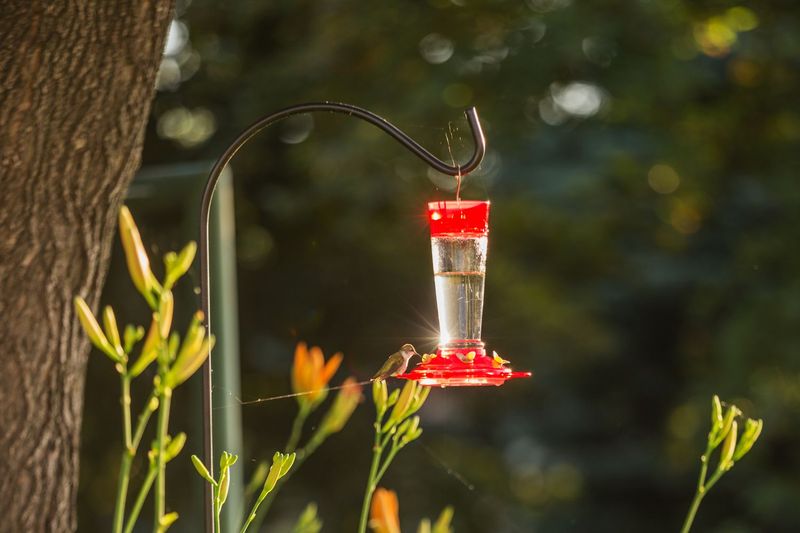
Here is the whole plan in a few steps. Note the day you last see a hummingbird, then keep a clean feeder available for about two weeks afterward.
Stretch that to several weeks if you can maintain it and your area still sees late visitors, as TPWD and Cornell both suggest.
Your location shapes the timeline. Coastal Texas can see movement into early November, while North Florida usually wraps up sooner.
Do not leave a feeder out year-round just because a neighbor does, since local species and winter patterns vary.
A late bird can still appear after you pull the feeder, and that is okay.
The feeder offers food and the birds keep their own schedule.