
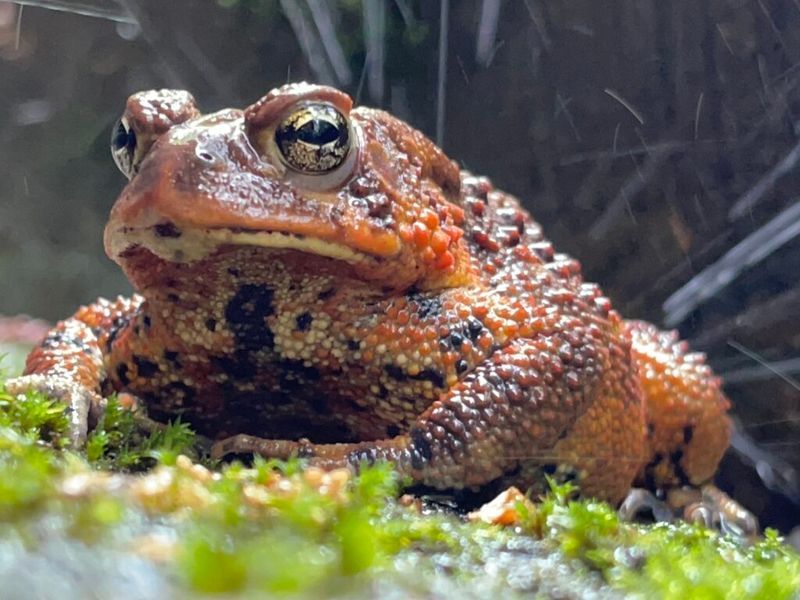
You lift the porch light on a cool evening and spot a toad tucked beside the steps. Is it settling in for winter, or just passing through?
Nobody can tell from a single glance, and that is exactly why a quiet, hands-off approach works so well. A little patience can keep a useful bit of cover in place for the wildlife that shares your yard.
A toad beneath the steps may not be hibernating
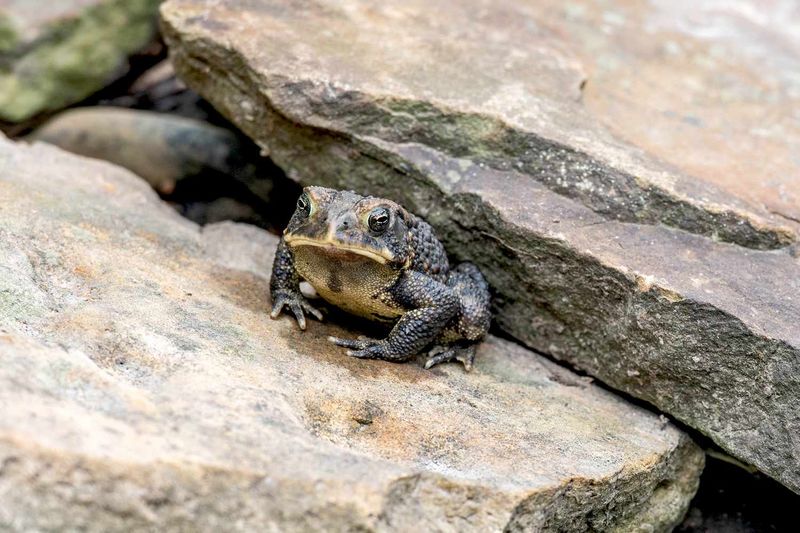
Spotting a toad under your porch steps tells you the animal is using that spot right now. It does not tell you why, and it does not tell you how old the toad is.
Age is impossible to guess from a quick look, so there is no reason to assume you have a seasoned resident.
Winter habits also depend on the species. North Carolina has four native true toads: American, Southern, Fowler’s, and oak toads, and they should not all be lumped together.
NC State Extension’s backyard reptile and amphibian guide is a handy place to start learning who might be visiting.
According to the state’s amphibian reference, American toads generally overwinter underground, below the frost line, and they must avoid freezing. The same reference notes that toads in North Carolina presumably burrow less deeply than northern populations.
A space beneath steps could be a short stop on the way to a deeper spot.
Southern toads play by looser rules. The Southern toad account lists burrows, mammal holes, rock or debris piles, and leaf litter as cover during cold weather.
For that species, a sheltered gap by the porch is more believable as a cold-weather hideout.
So the honest answer is that you cannot be sure what this toad is doing. What you can do is keep the shelter as it is when that is practical.
Protected cover costs you nothing, and it gives a wild animal options.
Intact cover can provide useful shelter
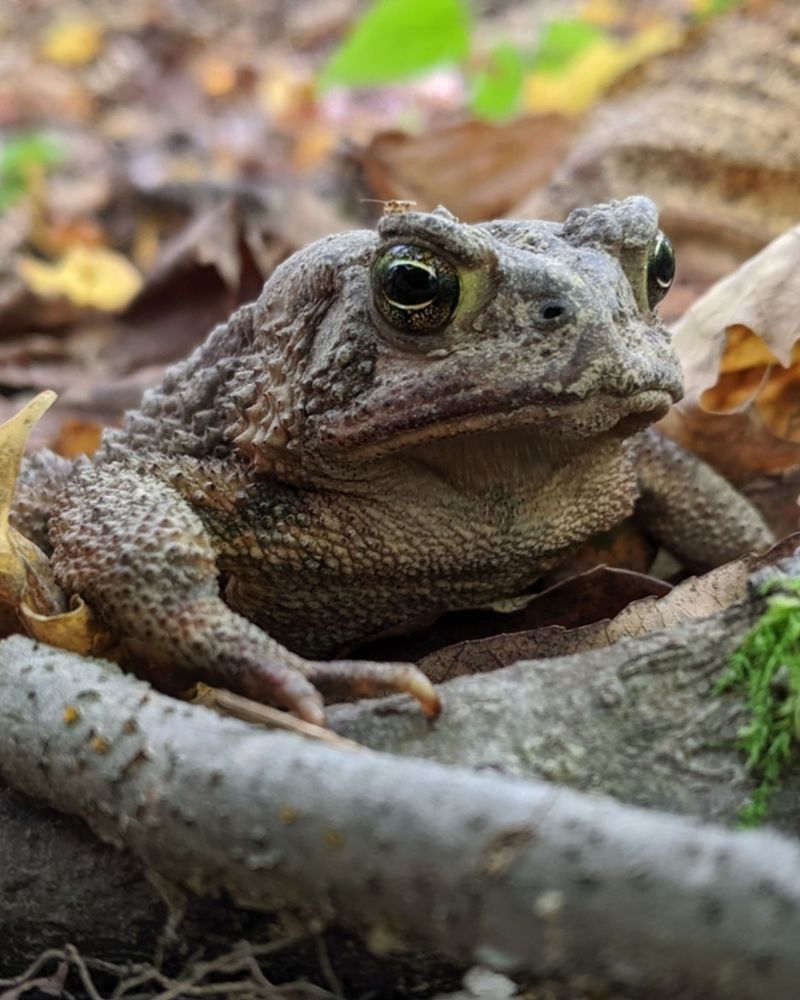
Ground-dwelling amphibians lean on simple materials: leaf litter, loose soil, rocks, and fallen logs. These things hold moisture, soften temperature swings, and hide small animals from hungry birds and snakes.
NC State Extension’s amphibian habitat guidance points to this kind of protective cover as part of what terrestrial amphibians need.
Your porch steps may offer a similar setup by accident. The gap, the soil beneath, and the stray leaves can work like a ready-made shelter.
That makes the area worth leaving alone rather than raking out or digging up.
A good rule is simple. Skip the urge to clear, dig, or take apart a spot where a toad is sheltering just to peek inside or neaten the yard.
NC Wildlife advises against moving backyard animals, noting in its backyard amphibian and reptile brochure that relocated wildlife can become more vulnerable and have a harder time finding food.
Keeping cover in place is a sensible, low-cost choice. It is not proof that this particular toad needs this exact spot all winter.
Think of it as protecting a good option rather than guarding a guaranteed bedroom.
Leaf litter also fits the Leave the Leaves approach promoted by Cooperative Extension, which makes a lazy fall cleanup a wildlife-friendly one.
A refuge is not a lifelong address
It is tempting to picture a toad living its whole life beneath one set of steps. A single sighting cannot back that up.
You do not know how long the toad has been there, where it was last week, or where it will go next.
Amphibians vary a lot. NC State Extension notes that some stay in one small area while others travel or disperse.
Toads can return to familiar places, but how much they do depends on the species and the setting.
That means you should not count on seeing the same toad at the same spot next spring. A refuge is a place a toad uses, not a promise it will stay or come back.
Think of the shelter as a good stop on a toad’s route rather than a permanent address.
Research on moving amphibians adds a reason for care. A study of artificial displacement in Fowler’s toads found that being moved changed how the animals traveled, and homing behavior showed up too.
Keep that finding in perspective. It supports caution, but it cannot tell you what would happen if one unidentified toad were carried a short distance from your porch.
The sensible takeaway is that moving a toad is not a harmless shortcut, so leaving it be is the safer default.
Slug patrol is a bonus, not a promise
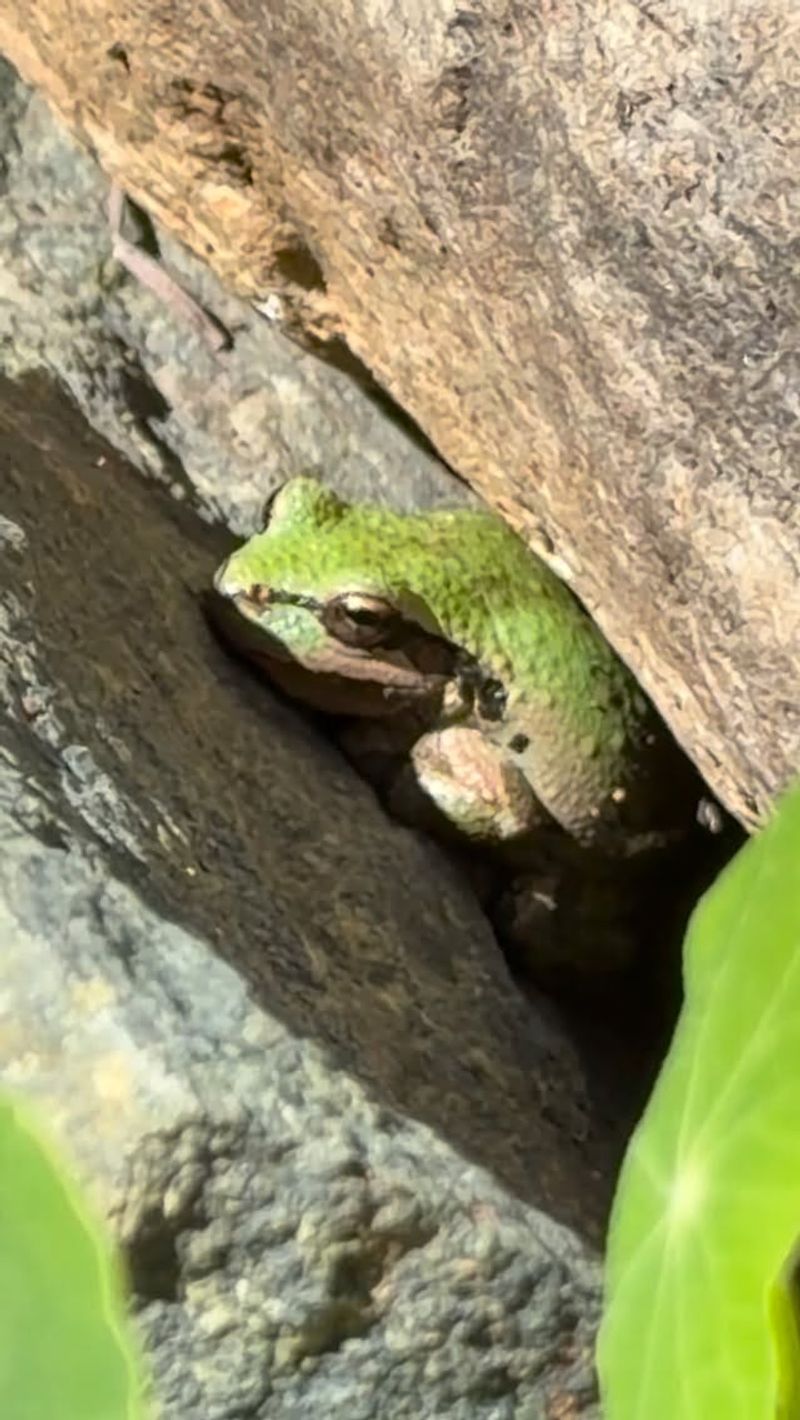
Gardeners who dislike slugs may be glad to see a toad. Toads eat many kinds of small invertebrates, and slugs are among the prey that turned up in studies of American toad diets, as described by NC State Extension’s backyard wildlife guide.
On the farm side, NC State Extension’s slug guidance says that providing toad habitat can help control slugs in fields. That is a hopeful sign for home gardens too.
Still, slugs are only one item on a varied menu. A toad also eats beetles, ants, worms, and whatever else fits in its mouth.
One toad is unlikely to clear your hostas on its own.
So treat slug patrol as a modest bonus. If a toad hangs around, it may add a little natural pressure on slugs.
It is not a complete pest plan, and nothing says this animal will be back next year.
If slugs are chewing your seedlings, keep using your usual tools, like tidy watering habits and traps. Then let the toad’s shelter be one small piece of a wildlife-friendly yard.
Preserve cover without handling the toad
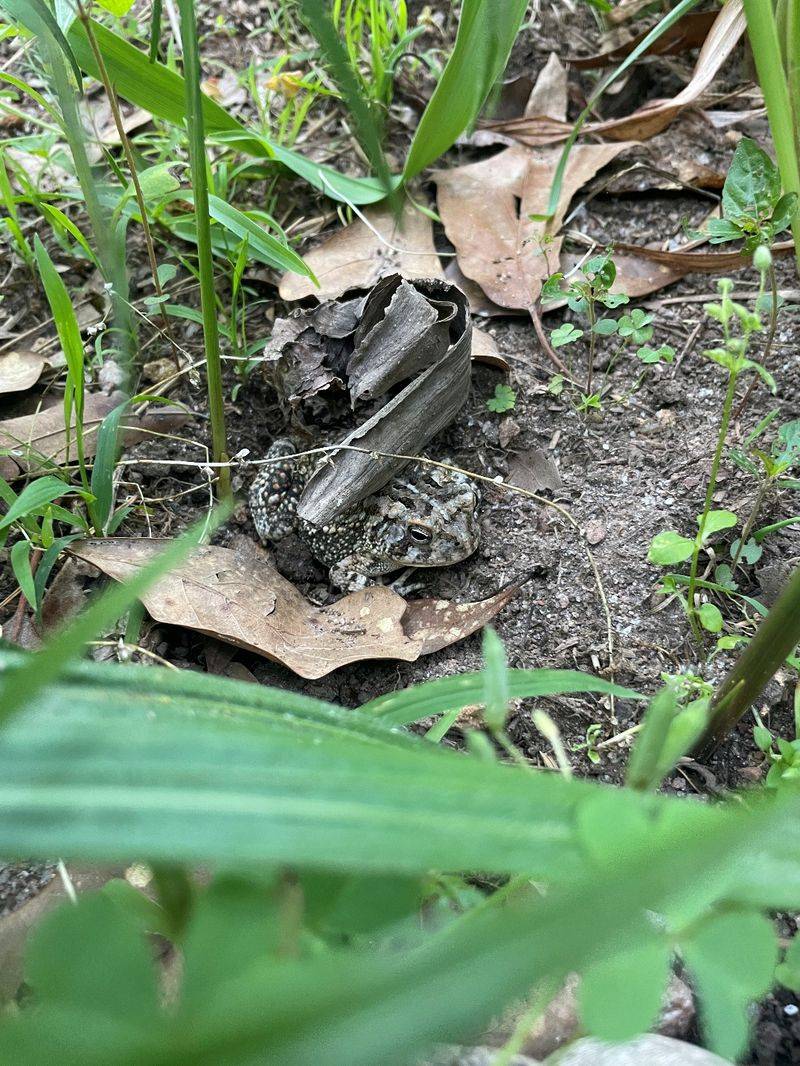
The easiest way to help is to do less. Leave the steps and the soil around them alone where you can.
Skip the raking, digging, and lifting that would disturb whatever is tucked underneath.
Resist the urge to check on the toad, too. Handling can injure amphibians, and NC State Extension warns that residues on your hands, like soap, lotion, or insect repellent, can harm them.
You do not need to confirm whether the toad is hibernating. Your job is just to keep the cover in place.
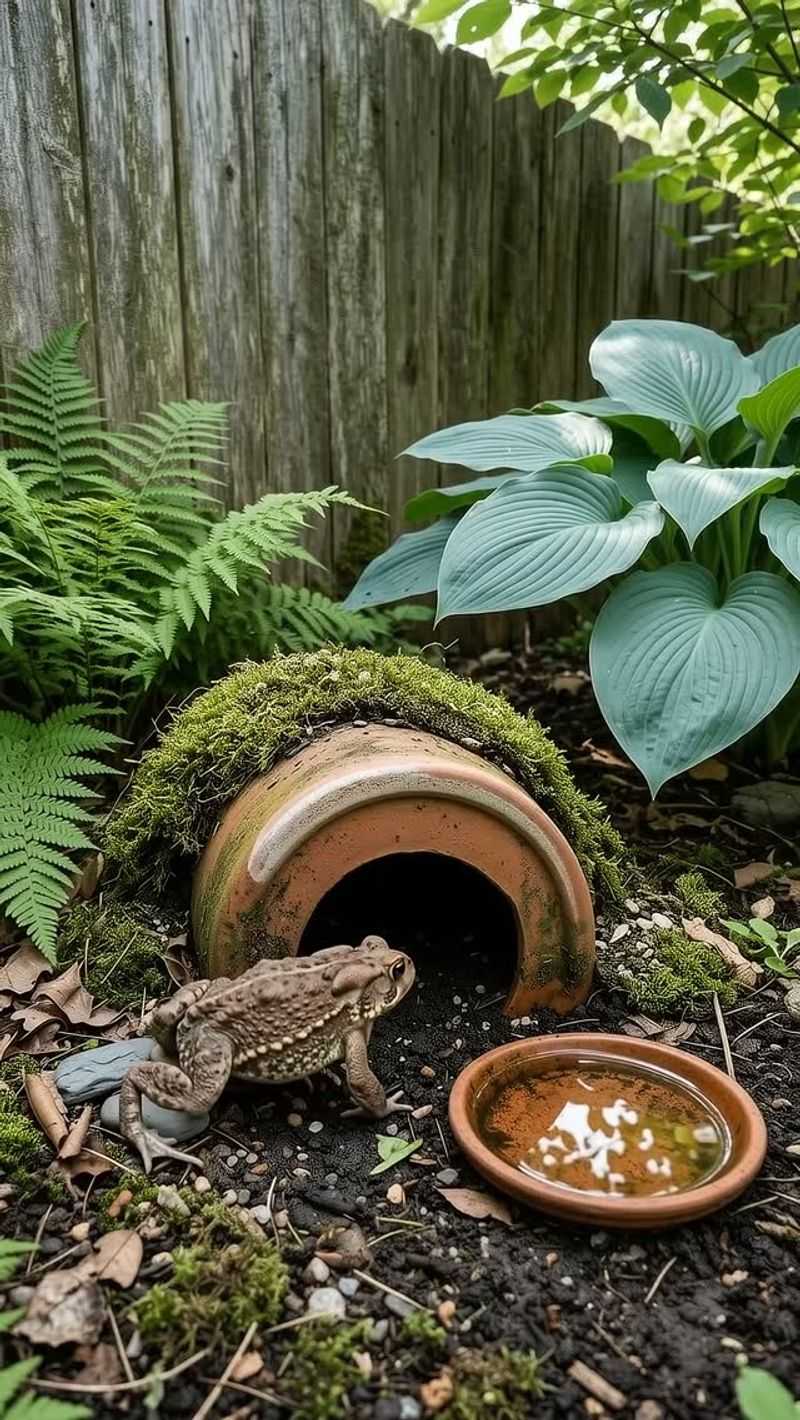
If you would like to add habitat, start small. Keep a patch of fallen leaves in a quiet garden bed rather than bagging them all, a simple idea explained in Chatham County Extension’s Leave the Leaves article.
You can also stack sticks and branches into a loose brush shelter. Choose a spot away from walkways, the mower route, and any place you dig often.
A back corner or fence line works well.
NC Wildlife also recommends against moving backyard wildlife, as its backyard brochure explains. Adding cover nearby gives toads more choices without asking you to carry or relocate anything.
For necessary repairs, get specific advice
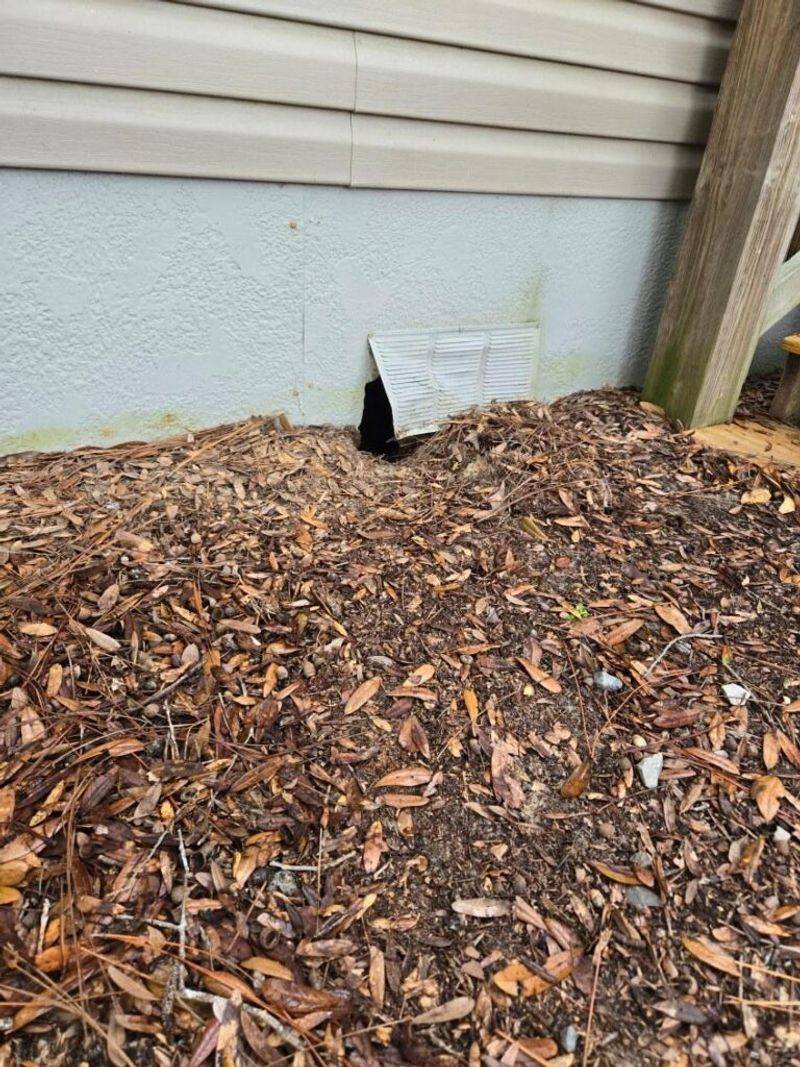
Sometimes a repair cannot wait. Cracked steps, a failing foundation, or a safety problem may mean disturbing the space where a toad is sheltering.
That is a fair reason to act.
Before you start, avoid casual fixes like scooping the toad up and dropping it somewhere else. Moving it is not automatically harmless, and the outcome depends on the species, the season, and where it ends up.
Instead, reach out to a wildlife professional for advice that fits your situation, and start with the NC Wildlife Resources Commission or your local Extension office. NC State Extension’s backyard guide also helps with identifying what you have.
If the timing is flexible, ask whether the work can wait until the toad has moved on. When it cannot, an expert can tell you the safest way forward.
Whenever you can, keep a quiet patch of leaves or brush somewhere in the yard. It will not guarantee a permanent porch resident or a slug-free garden.
Still, a toad that finds good cover usually finds its own way.