
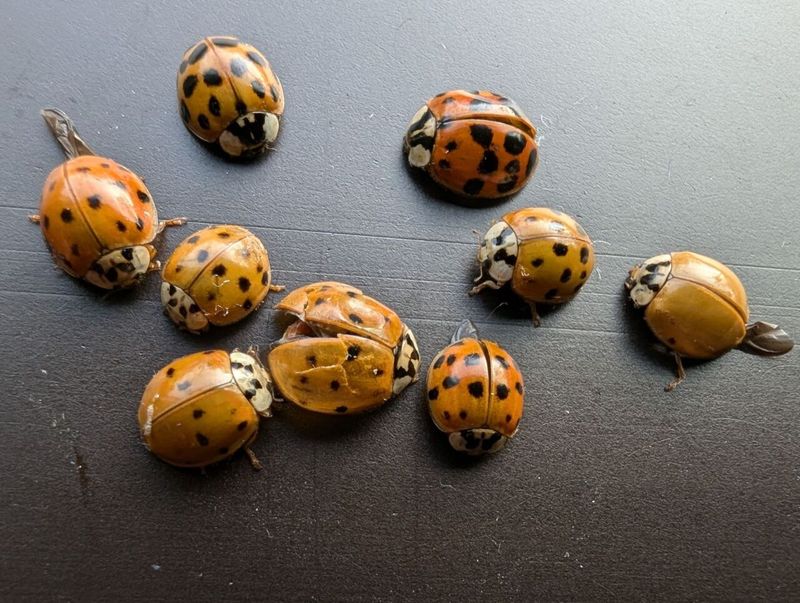
Warm autumn afternoons can turn a sunny wall into a crawling mass of small orange beetles. Many of them are looking for a place to wait out the winter, and your house looks like a good option.
You cannot stop every one, but a little prep work can cut down how many end up in your living room. Here is how to spot them, time your repairs, and handle the ones that slip through.
Why do they crowd sunny windows?
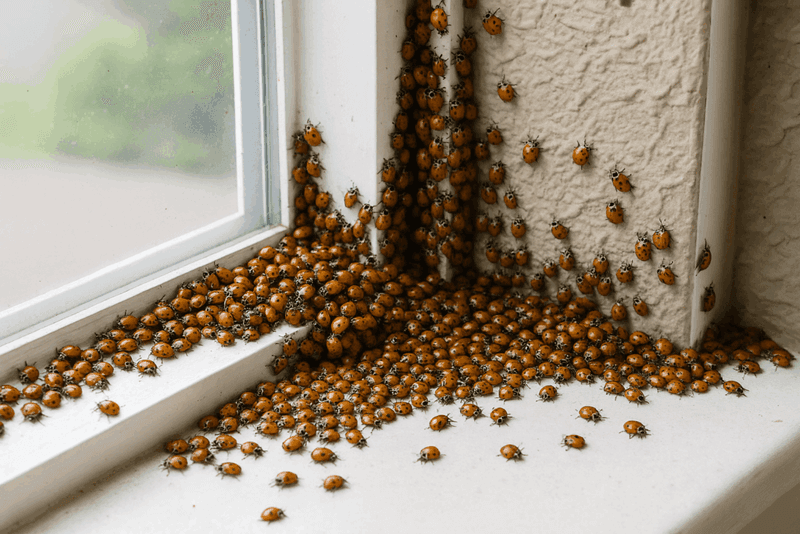
Come fall, multicolored Asian lady beetles start looking for sheltered spots to spend the winter. Sunny, light-colored exterior walls and the areas around windows attract them, so you often see clusters there on warm days.
According to University of Missouri Extension, some beetles find gaps, damaged screens, vents, and other openings and slip inside.
Timing and numbers are not the same everywhere. Some neighborhoods see big gatherings, while others see only a few beetles, and weather changes the picture from one year to the next.
A Texas Panhandle yard and a Florida Gulf Coast yard will not follow the same calendar.
Indoors, the beetles are a nuisance and not much more. University of Minnesota Extension notes they are not known to damage wood, fabrics, or stored food, and they do not reproduce inside during winter.
Outdoors, they hunt aphids and other soft-bodied insects, which is useful on plants but does not make them welcome in your den.
Check the markings before you act
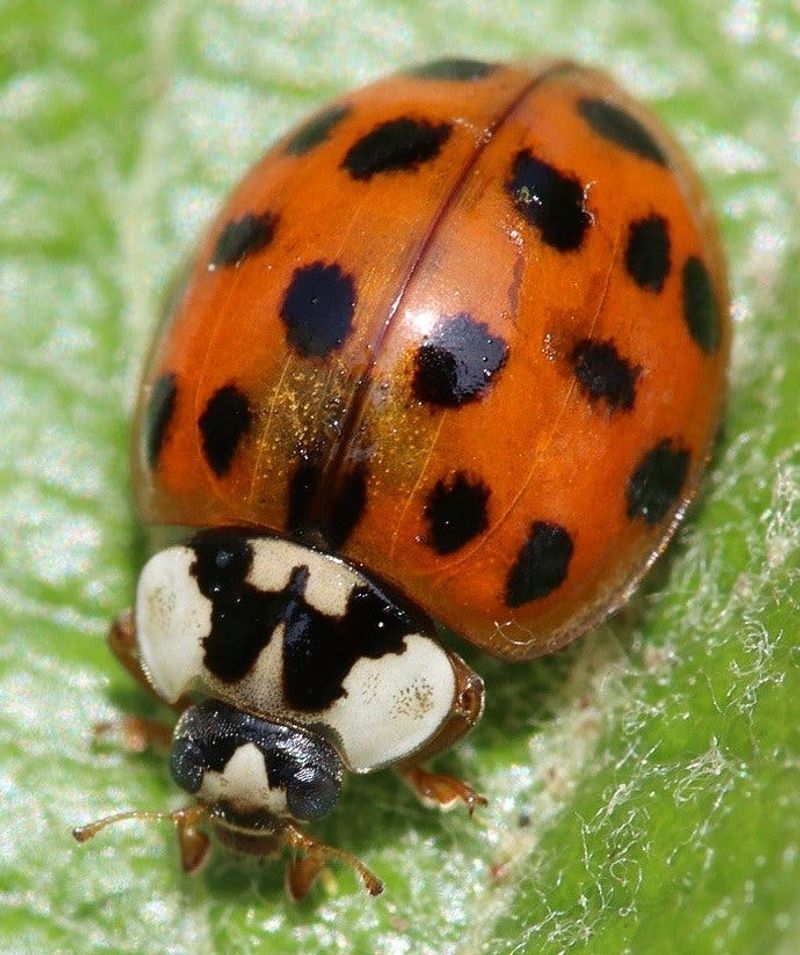
Before you plan a big cleanup, take a close look at what is actually on your wall. Multicolored Asian lady beetles vary a lot.
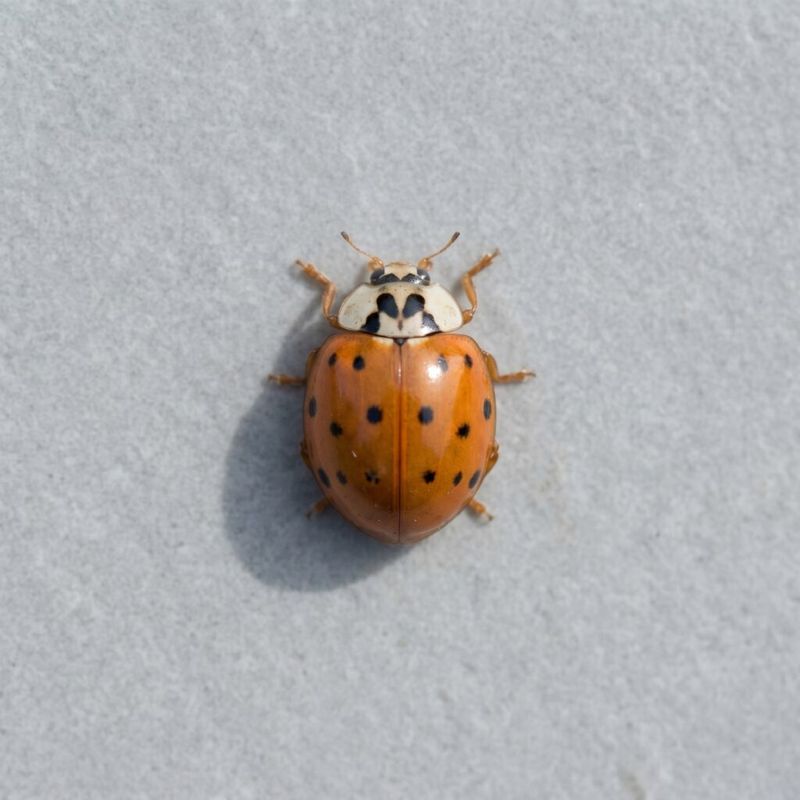
Their color can run from pale tan to deep red-orange, and they may have many spots, a few spots, or none at all.
One helpful clue is a dark M-shaped or W-shaped marking on the white area just behind the head, as described by University of Missouri Extension. A magnifying glass or a phone camera zoom makes it easier to see.
Even so, color or spot count alone does not settle the question. Plenty of orange, spotted lady beetles are native species, and appearance varies enough that University of Minnesota Extension treats identification with care.
If you are unsure, a photo sent to your county extension office can help. Knowing what you have keeps you from fretting over a harmless garden resident.
Time preparation to local fall activity
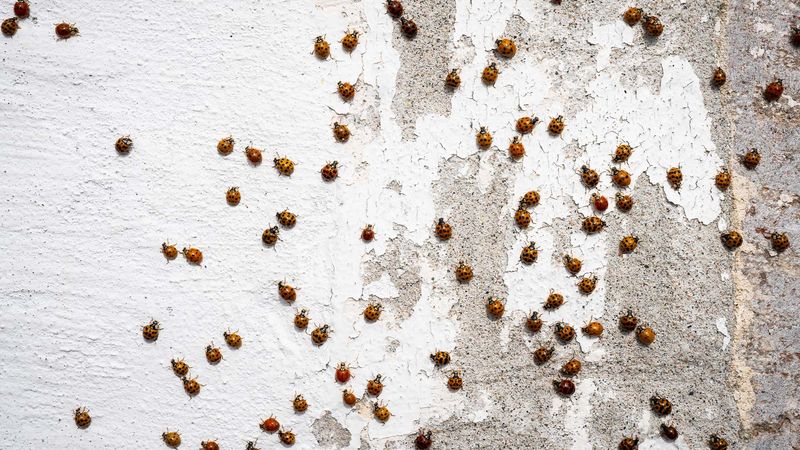
Repairs work best when they are finished before beetles start gathering. The tricky part is that there is no single date for the whole South.
Minnesota Extension suggests having exclusion work done by the end of September, but that is a northern example and not a rule for Houston or Tampa.
University of Florida IFAS reports that flights begin around October in Michigan and stretch to November through January in north Florida, depending on weather. You can read the details in the IFAS publication on this beetle.
That window describes north Florida only, so it should not be copied onto south Florida or Texas.
A practical approach is to watch your own area. Note when beetles first show up on your sunny walls last year, and aim to finish repairs a few weeks earlier.
Cool snaps followed by warm, sunny days often trigger activity. Your county extension office can tell you what usually happens near you.
Inspect and seal suitable entry gaps
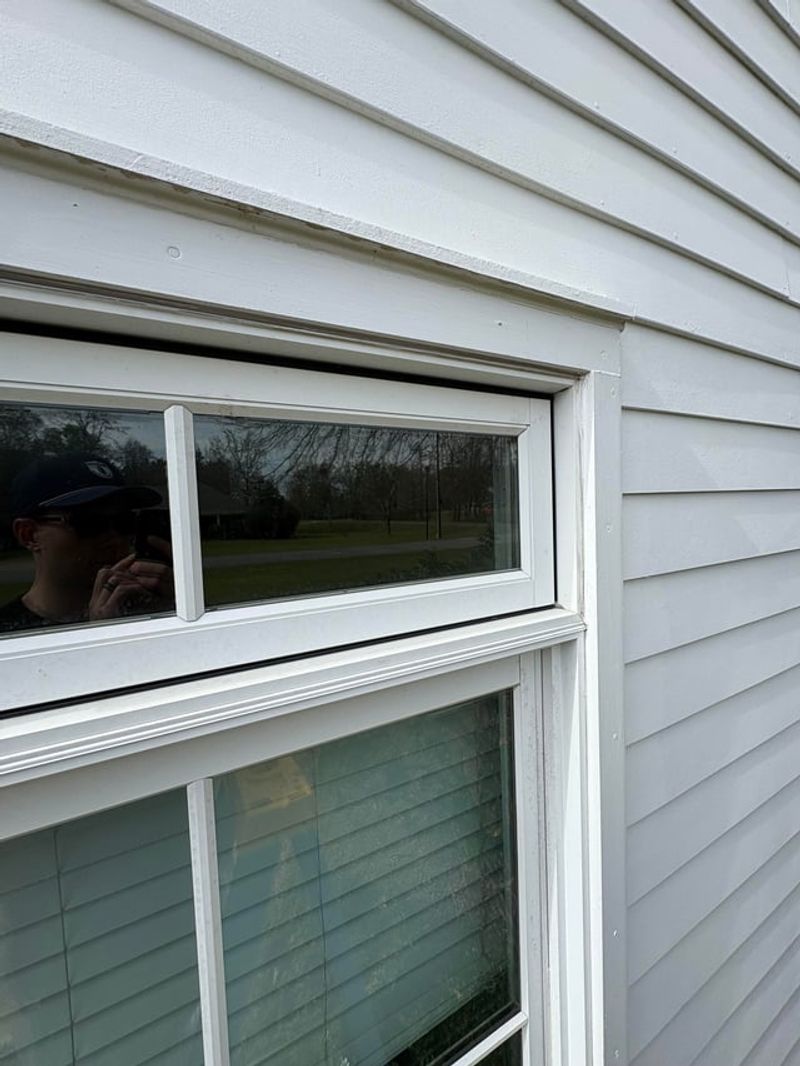
Walk the outside of your house on a dry day and look closely at the usual weak spots. Check window and door frames, siding and fascia joints, utility lines and pipes, and screened vents.
Beetles can squeeze through gaps as small as 1/8 inch, according to University of Minnesota Extension.
Start with repairs that are simple. Patch or replace torn window screens, and tighten up loose weatherstripping around doors.
Seal suitable cracks and gaps with a sealant made for exterior use, and pay extra attention to the sunny sides of the house.
Not every opening should be closed, though. Attic vents, soffit vents, weep holes, and drainage gaps do jobs your house depends on.
Mississippi State Extension cautions against sealing so extensively that ventilation is lost. If an opening looks like it serves air flow or water, leave it open, cover it with a suitable fine screen, or ask a qualified contractor.
Even careful sealing reduces entry and does not stop every beetle, so expect a few stragglers.
Vacuum beetles that have already made it inside
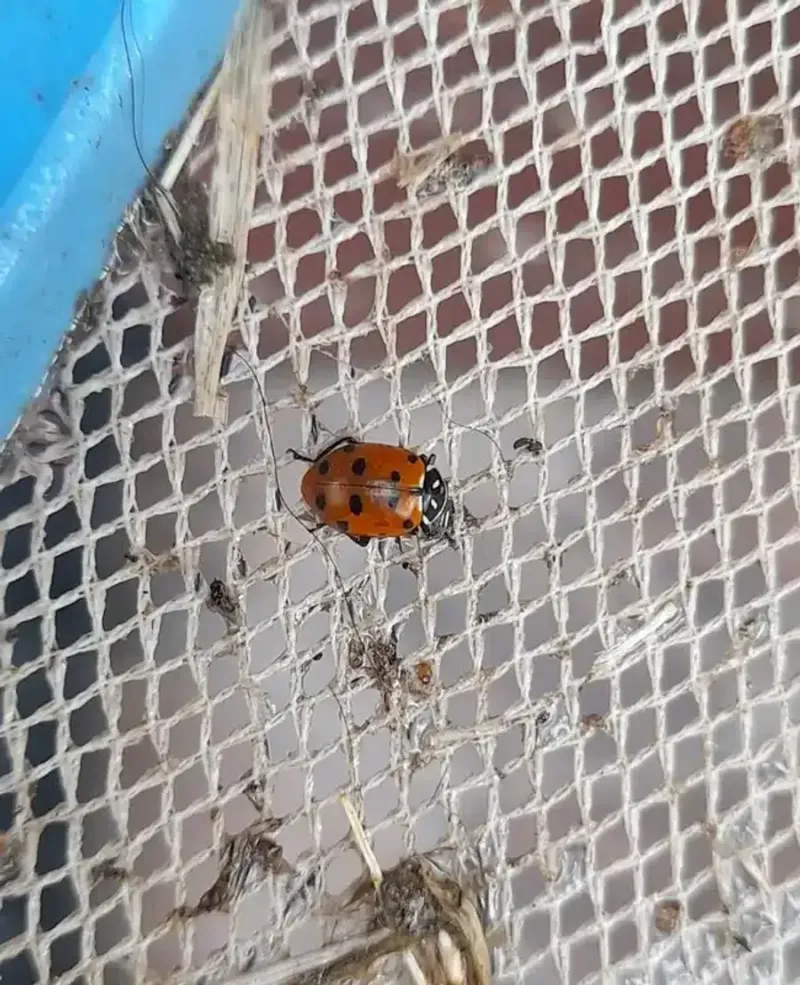
A few beetles will find their way in no matter what, and a vacuum is usually the easiest answer. Vacuuming or sweeping them up is generally more practical than spraying, as noted by Penn State Extension.
You can work through windowsills and curtain edges in a few minutes.
Try not to crush them. When disturbed, the beetles release a defensive fluid that can smell unpleasant and stain walls and fabrics, a point also made by University of Missouri Extension.
Two tricks keep the cleanup tidy. You can empty or clean the vacuum soon afterward so the beetles do not linger inside it.
Or you can put a removable stocking inside the hose, secured with a rubber band, so the beetles collect in the stocking and not the machine.
Once collected, carry them outside and release them well away from your doors, or drop them in a bucket of soapy water. Repeat on warm days when they become active.
Treat pesticides as an optional backup
Pesticides come after repairs, not instead of them. An exterior treatment applied before beetles move in may be considered as a secondary step.
Penn State Extension says foggers do not stop later emergence and treating wall voids is not advisable, so indoor spraying and wall void treatments are not reliable long-term control.
If you decide to use a product, check that its label covers your intended pest and site. Pesticide labels are legally enforceable, as explained in the EPA guide to pesticide labels.
Follow the directions and precautions, and review the EPA pesticide safety tips before you start. No single product or ingredient suits every home.
Treatments have limited value once beetles are already inside walls, so timing and sealing matter more than spraying. As University of Minnesota Extension says, exclusion will not eliminate every lady beetle.
Timely repairs can reduce how many beetles get inside, but they cannot promise a beetle-free house. Think of it as turning a flood into a trickle.