
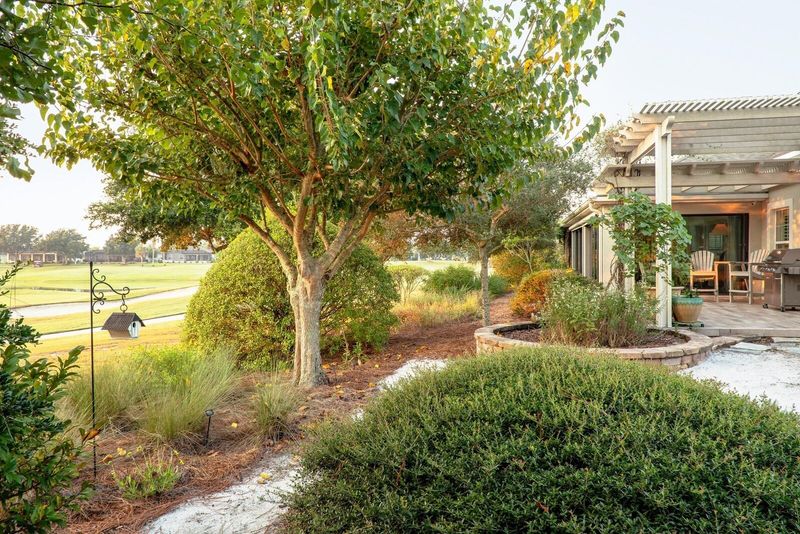
Picture a letter from your homeowners association about your front yard. Maybe you want fewer thirsty plants, more shade-friendly beds, or a lawn that needs less fuss.
Florida has a law that protects your right to use Florida-Friendly Landscaping on your own land, but it has limits too. Here is what it covers, what your HOA can still review, and how to build a plan that gets a fair look.
What Florida law protects on an owner’s property
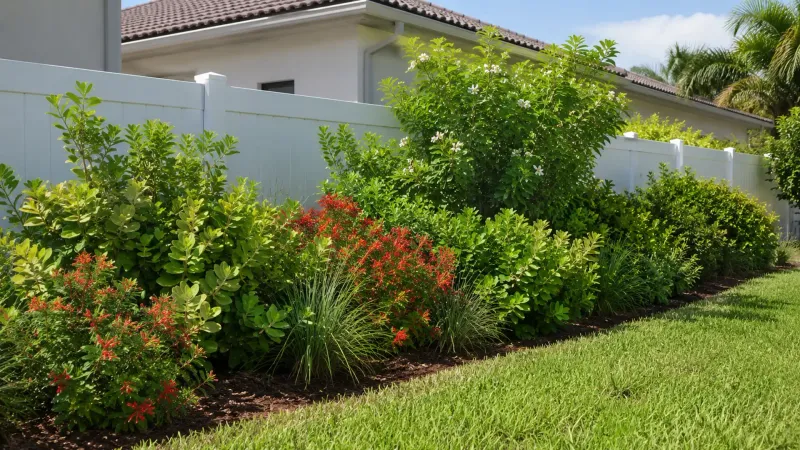
Start with the core rule. Under Florida Statutes section 720.3075, HOA documents may not prohibit an owner from implementing Florida-Friendly Landscaping, and they may not be enforced in a way that does so.
That is a real protection, and it gives you solid footing when you plan a yard that uses water and fertilizer wisely.
The protection has a boundary, though. It applies to an owner implementing Florida-Friendly Landscaping on his or her own land.
Association-owned common areas, such as entrance medians, retention pond banks, or shared green spaces, are not yours to redesign. UF/IFAS notes in its legislative question and answer guide that the law does not address HOA-owned common property, and it encourages associations to follow Florida-Friendly principles there.
Protection from a ban is also different from winning every design argument. Your community may still have rules about plant heights, front-yard appearance, upkeep, or review steps.
Whether a particular rule conflicts with the statute can depend on your plan, your site, and the exact wording of your governing documents.
Think of the law as a door that stays open, not a green light for any design. You still need to walk through it with a thoughtful plan, and the next sections show how.
What counts as Florida-Friendly Landscaping?
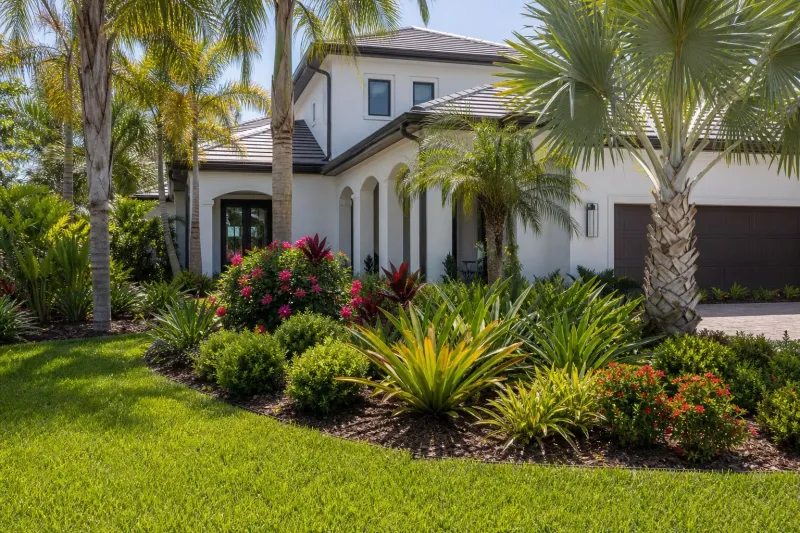
Many people hear Florida-Friendly and picture a yard full of native wildflowers and no grass at all. The definition is wider than that.
Florida Statutes section 373.185 describes it through goals and habits: saving water, protecting the environment, adapting to local conditions, and choosing plants that handle drought.
The practices are down to earth. They include putting the right plant in the right place, watering efficiently, fertilizing only as needed, using mulch, creating habitat for wildlife, managing pests responsibly, recycling yard waste, and reducing runoff.
Yards near water also get extra care to protect the shoreline.
Plant origin is not the test. UF/IFAS explains in its Florida-Friendly Landscaping Q and A that these landscapes can include both native and nonnative plants.
What matters is that the plants suit the site and are maintained with sound practices.
Turf fits in this picture too. A lawn can qualify when the grass suits the spot and does not rely on excessive irrigation, pesticides, or fertilizer.
A neglected or nuisance yard, on the other hand, would not count, whatever plants it holds.
So the real question is not lawn versus no lawn. It is whether each part of the yard matches its conditions and is cared for responsibly.
Can an HOA require turf?
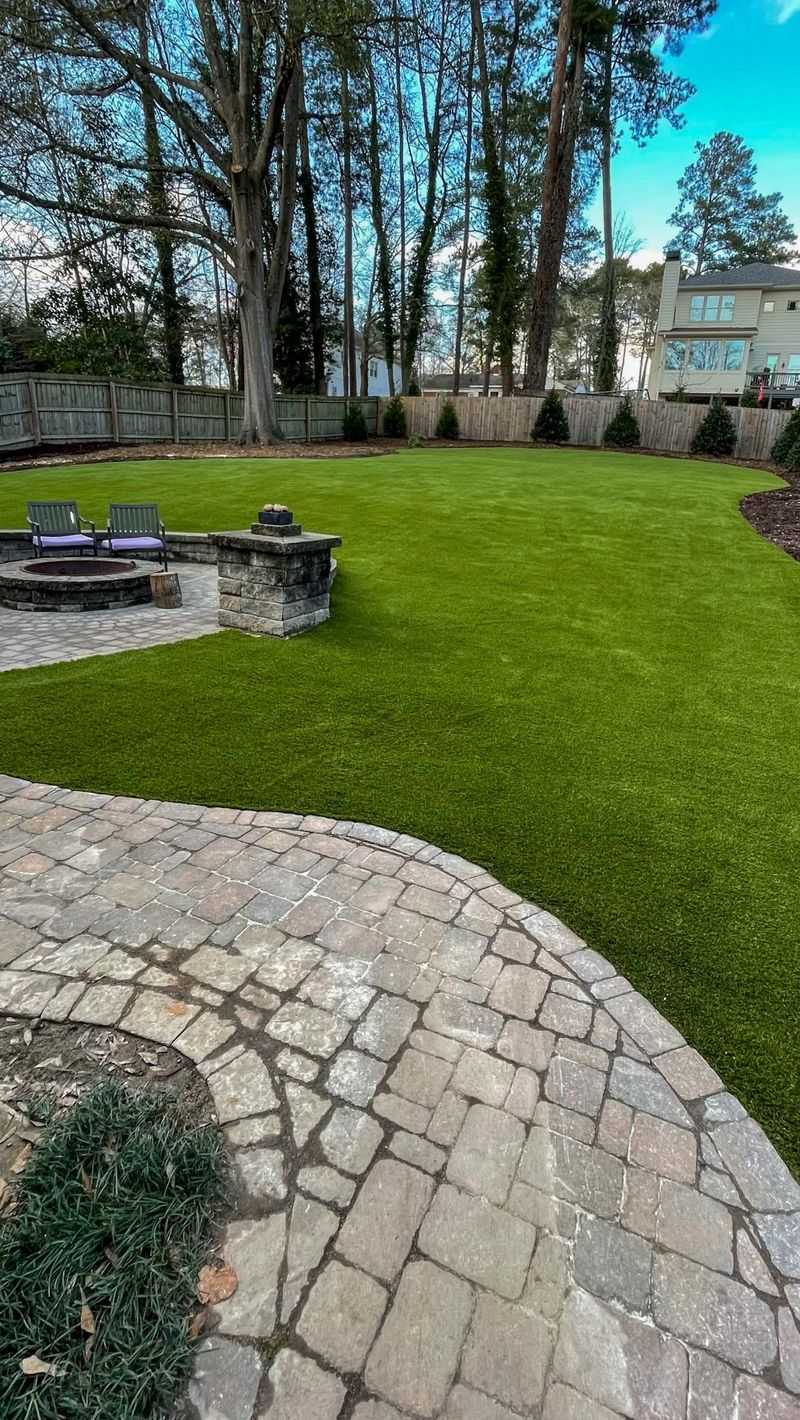
The honest answer is that it depends. The statute protects implementing Florida-Friendly Landscaping, and suitable turf can be Florida-Friendly.
Nothing in the sources we reviewed says every turf requirement is lawful, or that every one is unlawful.
Three things shape the outcome. One is your proposed landscape: what you plan to plant, where, and how you will maintain it.
Another is your site, including sun, soil, drainage, and slope. The third is your governing documents, since the wording of your declaration and landscape rules matters a great deal.
A rule that simply requires a lawn in the front yard, for example, could look different from a rule that bans a well-designed bed of suitable plants. Which side of the line a given requirement falls on is a legal question, and I cannot answer it for your community.
Courts have not settled all of this either. A Florida Bar Journal analysis describes the case law as relatively undeveloped and points to ambiguity when the statute is applied to specific disputes.
That means broad claims in either direction deserve caution.
Meanwhile, UF/IFAS makes the same point in its legislative Q and A: turf can qualify, so a plan that keeps some grass is not automatically at odds with the law. Read your documents closely, and consider legal advice before you rely on any one reading.
Follow the landscape-review process
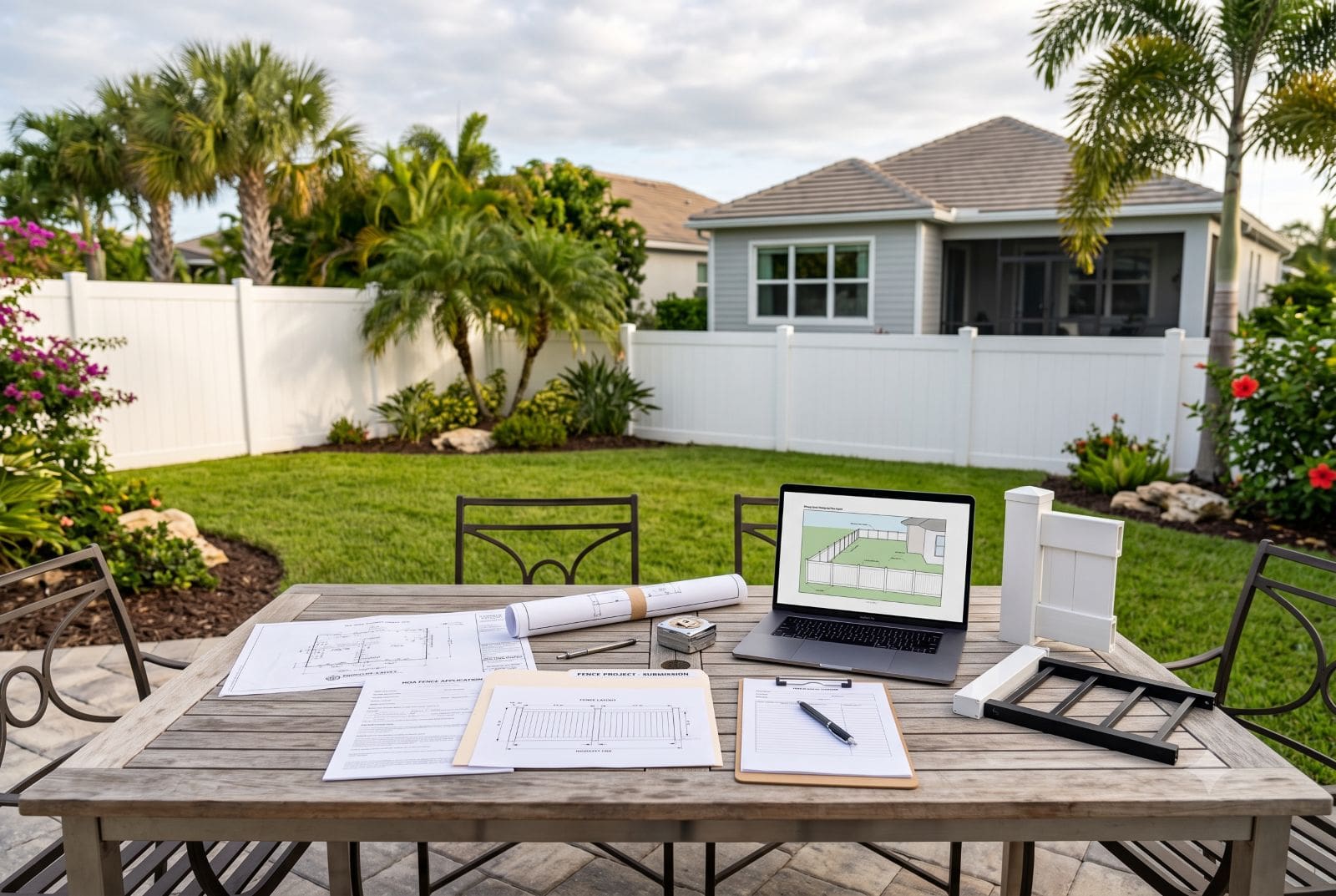
Here is where many good projects stumble. Having the right to use Florida-Friendly Landscaping is not the same as skipping the association’s review.
UF/IFAS says in its legislative Q and A that existing approval procedures still apply when your governing documents require them.
Begin by reading your declaration, architectural guidelines, and any landscape rules. Look for what counts as a change that needs approval, what the application must include, and how long the committee has to respond.
Some communities have a form, a fee, or a meeting schedule worth knowing about early.
Next, submit the application before you dig, pull sod, or buy a truckload of plants. Starting work first can create a violation notice and make a friendly conversation harder.
Keep a copy of everything you send, along with the date.
The protection also does not automatically bypass architectural review or authorize work before approval. A protected design still goes through the same door as any other project.
If anything in the rules is unclear, ask the manager or committee for clarification in writing. A calm, organized approach shows you are working with the process, and it keeps the focus on your plan instead of on procedure.
Build a proposal around your yard’s conditions
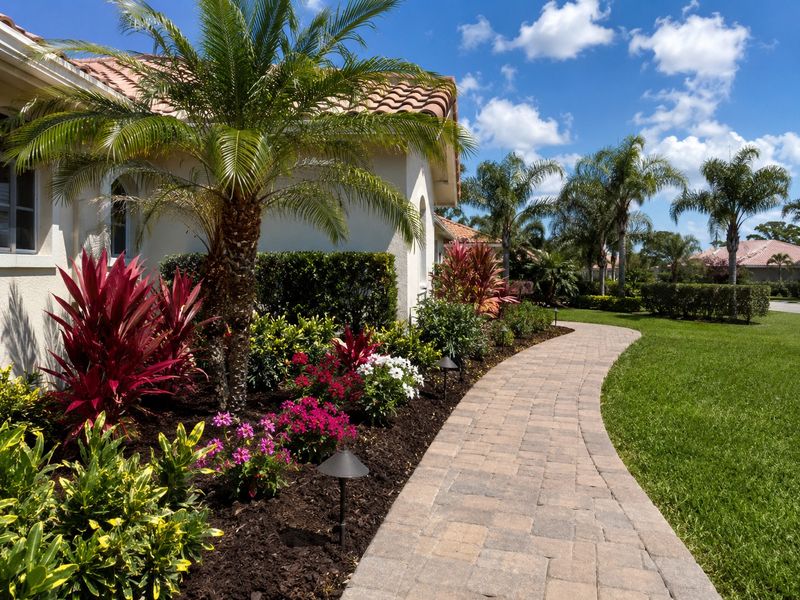
A strong proposal starts with your actual yard. Walk the property at different times of day and note where the sun is full, where shade lingers, and where the ground stays soggy or dries out fast.
Florida soils are often sandy and drain quickly, so jot down anything you notice about soil and drainage too.
Then put the plan on paper. List each plant by name, show where it will go, and give the quantity.
Mark the turf areas, beds, mulch, and any hardscape such as walkways or edging. A simple, neat sketch is often enough, and it lets reviewers see exactly what will change.
Plant choices should match what you recorded. UF/IFAS offers resources on right plant, right place, which can help you match species to light, soil, and moisture.
Explaining why each choice suits your spot helps the committee judge the plan on its merits.
It also helps to know how others have handled the conversation. UF/IFAS shares strategies for working with your homeowner association on a Florida-friendly yard, including ideas for communicating clearly with the board.
There is no single correct design. A yard that keeps a smaller patch of suitable turf with generous beds may suit one lot, while another lot calls for something different.
Let your site guide the mix.
If the board denies your plan

A denial is frustrating, but it is not the end of the road. Ask for the decision and the reasons behind it in writing.
Keep your application, plans, emails, and meeting notes in one folder so you have a clear record.
Then compare the stated reasons with your governing documents and your plan. Did the board cite a specific rule?
Does that rule address something you actually proposed, such as plant height or upkeep? Sometimes a small revision, like adjusting a bed size or adding a maintained edge, answers the concern.
UF/IFAS can supply technical landscaping information, such as plant suitability. It does not decide legal disputes between owners and associations, so its guidance is not a ruling on whether a restriction is lawful.
The UF/IFAS legislative Q and A is a good place to see how the agency frames its role.
When the disagreement turns on how to read the statute or your documents, a Florida HOA attorney is the right person to ask. A Florida Bar Journal article shows why: the law is still being worked out in practice.
The law gives meaningful protection, not automatic approval. A patient, well-documented plan is still your best tool.