
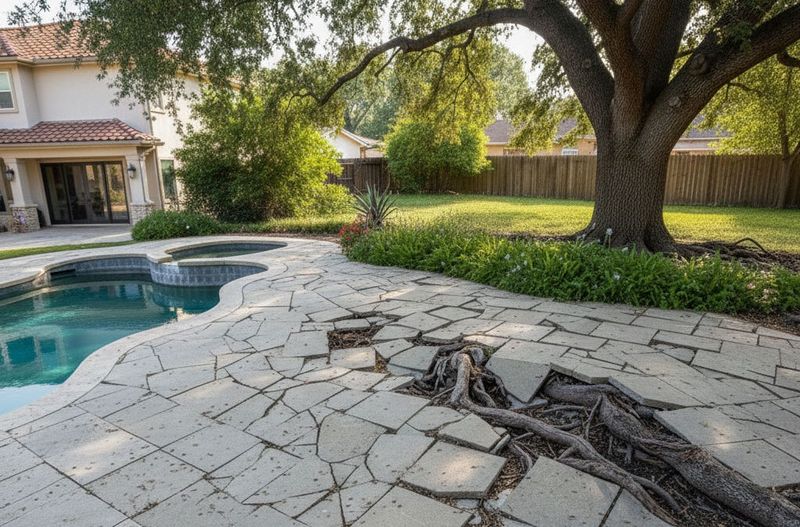
Tree roots have a way of going wherever they please, and when they slip under the fence into a neighbor’s yard, things can get tense fast. Many California homeowners assume the fence settles the question: whatever is on your side is yours to deal with.
But the actual legal answer is more complicated, and getting it wrong can cost you a healthy tree or land you in court.
The Fence Does Not Decide Who Owns the Tree
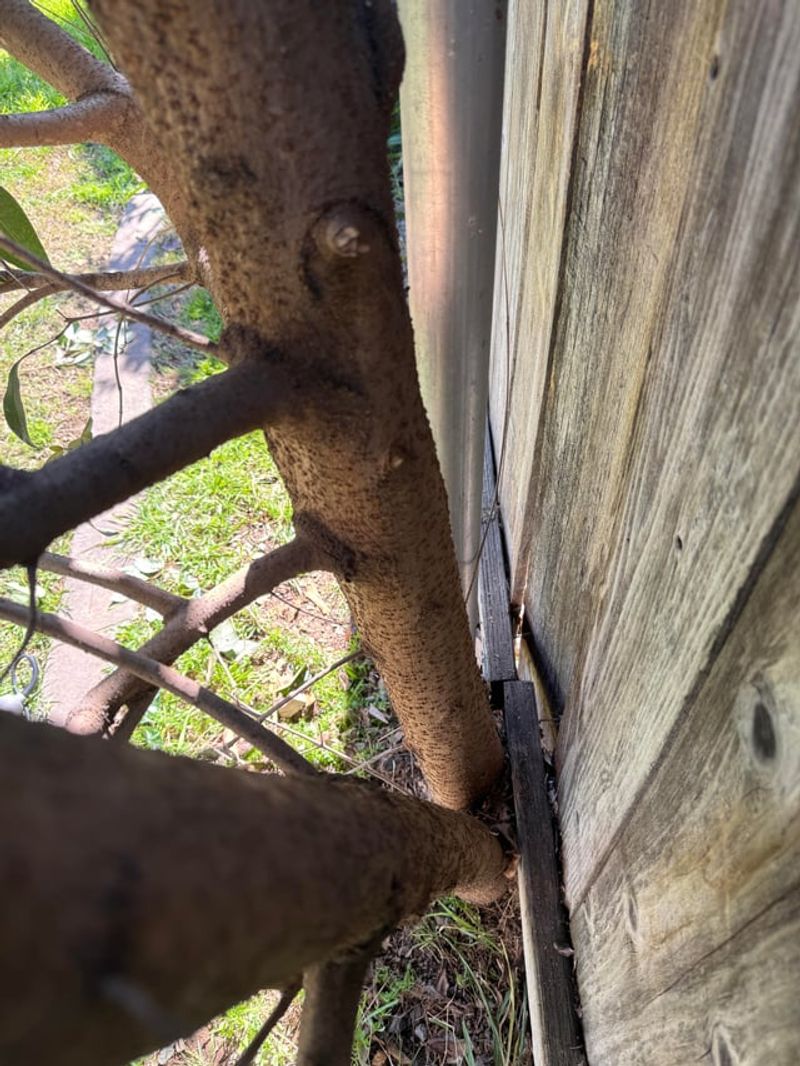
Property fences feel permanent and authoritative, but a fence is not a legal document. The UC Agriculture and Natural Resources guide to tree disputes in California makes clear that the trunk’s position at the soil line is what generally determines tree ownership, not where the fence sits.
A tree whose trunk sits entirely on one property belongs to that owner, even when its roots spread deep into the neighbor’s yard and its branches shade the neighbor’s patio.
Things get more complicated when the property line runs directly through the trunk where it meets the ground. In that situation, the tree may be jointly owned by both neighbors, giving each of them a legal interest in the tree’s health and survival.
Joint ownership means neither party can unilaterally destroy or seriously damage the tree without the other’s consent.
Fences are sometimes built years or decades after a tree was planted, and they don’t always follow the surveyed boundary precisely. A fence could sit several feet inside or outside the true legal line, which matters enormously when someone is deciding where roots begin and where cutting rights end.
Ownership of the tree and the question of encroaching roots are two separate issues. A neighbor may have roots crossing onto their property from a tree that clearly belongs to the person next door, or from a tree that is technically co-owned.
Sorting out which situation applies is the first step, because the legal rules that follow depend entirely on getting that answer right. Before anyone picks up a saw, a survey and a title check are far more useful than eyeballing the fence line.
California Generally Allows Limited Root Removal
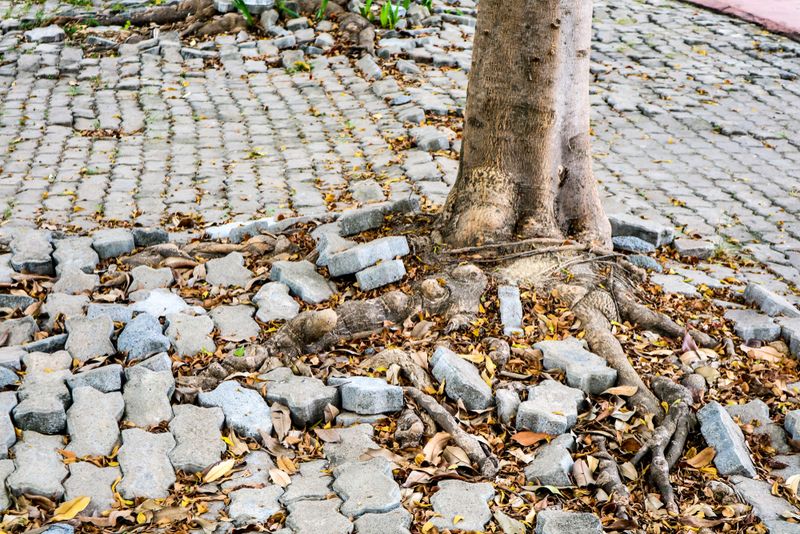
California’s traditional common-law baseline gives an adjoining property owner a limited ability to address tree roots that have crossed onto their side of the legally established boundary. Bonde v.
Bishop, a foundational California appellate decision, recognized that a landowner may remove encroaching branches and roots to the extent they intrude onto that owner’s property. The key phrase is “to the extent” – the work must stop at the legal boundary, and the adjoining owner has no authority to enter the tree owner’s property to do it.
Root presence alone does not automatically create a legal problem. California’s tree-dispute guidance explains that encroaching roots generally become a nuisance when they injuriously affect the neighbor’s property.
Actual, demonstrable harm carries far more legal weight than the mere fact that roots crossed the line. Damage to paving, foundations, utility lines, drainage systems, or established landscaping puts a dispute on much firmer legal footing than a neighbor simply objecting to root presence.
Local rules add another layer that many homeowners overlook entirely. The common-law baseline does not override city or county ordinances, permit requirements, protected-tree designations, easements, or court orders.
Los Angeles, for example, requires a permit for root pruning near street trees, and many other California jurisdictions have their own requirements that apply to private trees as well.
Treating the baseline permission as a broad license to cut whatever is inconvenient misreads what the rule actually does. The traditional rule creates a limited, conditional starting point, not a blank check.
Any neighbor planning root work needs to know where the legal line actually falls, what damage the roots are genuinely causing, and what local requirements apply before a single root is severed.
Booska v. Patel Rejects a Risk-Free Right to Cut
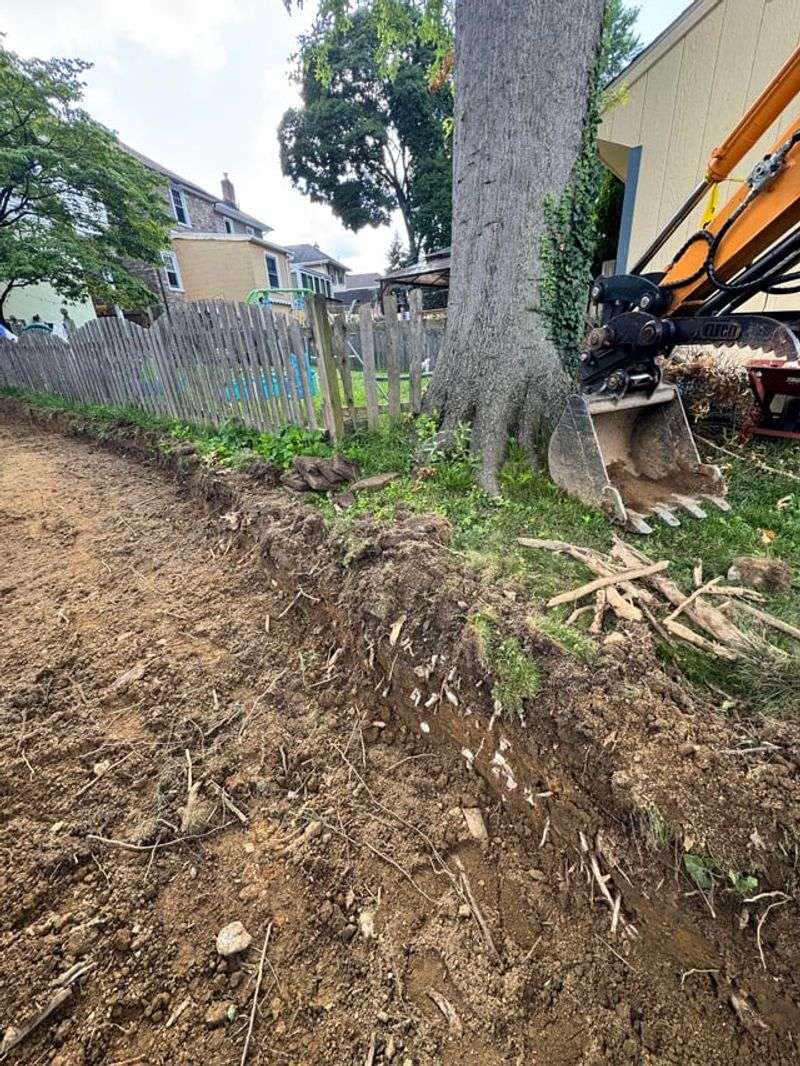
The most important California case on this topic arrived in 1994, and it changed the legal landscape significantly. Booska v.
Patel involved excavation work that severed roots roughly three feet deep, allegedly rendering a Monterey pine structurally unsafe and unable to survive. The neighbor performing the work argued they had an absolute right to remove any roots on their side of the property line.
The California Court of Appeal rejected that argument directly.
The court held that property owners must act reasonably and may face liability when their conduct foreseeably injures a neighboring tree. Negligent excavation or root cutting that predictably harms the tree crosses a legal line even when the physical work occurs entirely on the cutter’s own property.
The location of the roots on the neighbor’s side is not a complete defense when the foreseeable result is serious tree damage.
What Booska does not do is equally worth understanding. The case does not guarantee that every person whose tree is damaged by a neighbor’s root cutting will win a lawsuit.
It does not say that cutting any root at any depth automatically produces liability. The facts mattered: the work involved excavation, the depth was significant, and the alleged harm was severe enough to threaten the tree’s survival.
Different facts produce different analyses.
The practical lesson is that “I was on my side” is a starting point for the legal analysis, not the ending point. A neighbor who hires an excavation crew to trench along the property line without any assessment of root depth, root function, or likely tree impact is taking a real legal risk.
Reasonable care before cutting, including getting a qualified arborist’s input when the work is substantial, is both good stewardship and a meaningful step toward reducing legal exposure.
Root Damage Can Surface Long After the Cutting
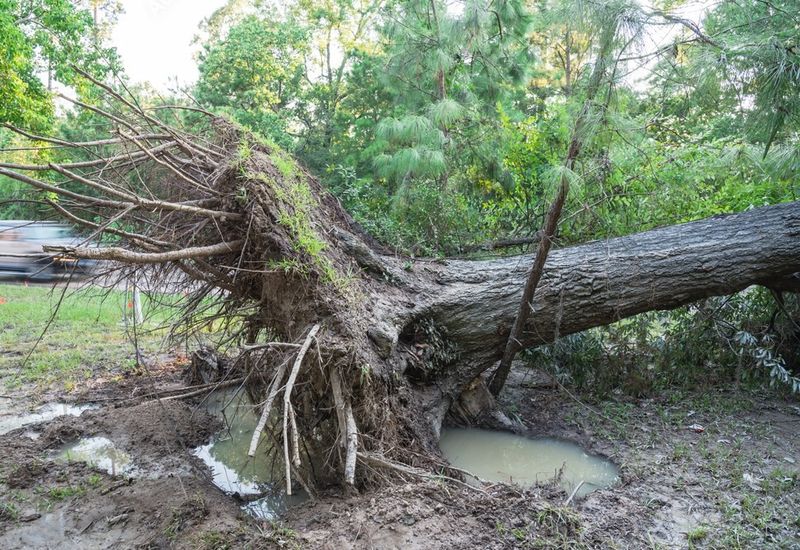
One of the trickier aspects of root cutting disputes is that the consequences often do not show up right away. UC Agriculture and Natural Resources guidance on root cutting explains that a tree may show no immediate symptoms after roots are severed yet go on to decline or fail months or even years later.
Some trees never show serious consequences; others collapse without obvious warning. The delayed timeline makes it difficult to connect cause and effect after the fact, which is one reason documenting the work promptly matters so much.
Large roots close to the trunk are especially critical because they anchor the tree structurally as well as transport water and nutrients. Trenching or excavation that severs several of these roots at once can remove a substantial portion of the tree’s structural support system, increasing the likelihood of the tree leaning or failing during a windstorm or after heavy rain.
A tree that looks healthy in summer may topple the following winter under conditions it would have handled easily before the root work.
The variables that determine actual risk are specific to each tree and site. Species matters, because some trees tolerate root disturbance better than others.
Root location and the amount removed both factor in, as does soil type, recent weather, and the tree’s existing health before cutting began. There is no universal California rule that cutting a certain fraction of the root system is always safe.
The International Society of Arboriculture’s root management best practices emphasize site-specific assessment rather than any simple numerical threshold.
Warning signs worth monitoring after any significant root disturbance include reduced foliage, premature leaf color change, dieback in the upper canopy, leaning, and unusual cracking at the root flare. TreesAreGood’s hazard management guidance recommends watching these indicators carefully and getting a professional evaluation when any of them appear, rather than waiting to see whether conditions worsen on their own.
Before Cutting, Verify the Problem and the Local Rules
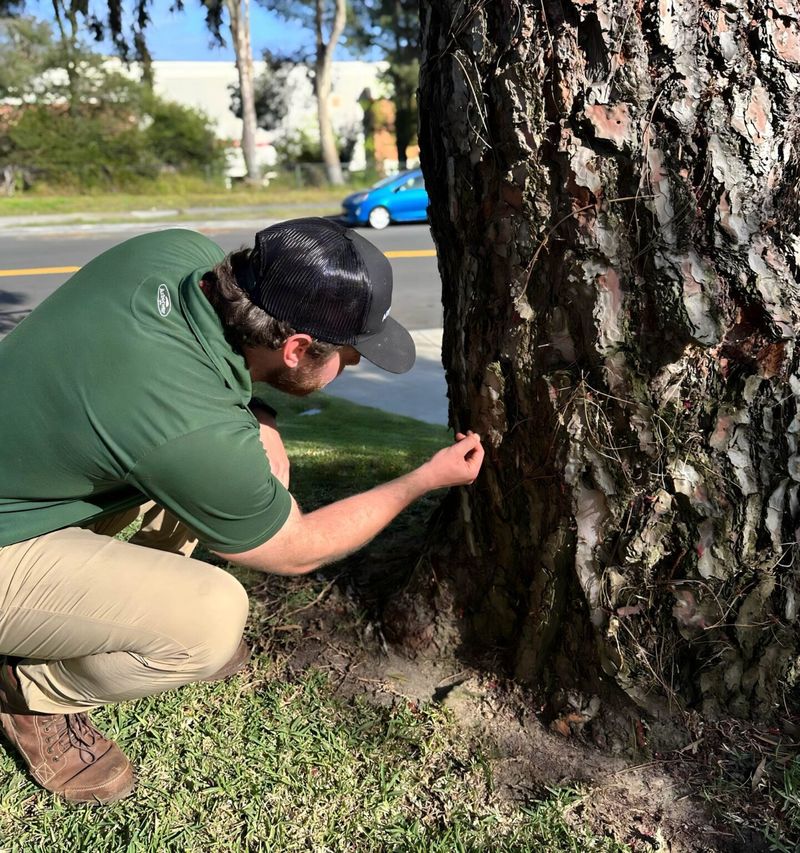
Getting a survey done before any root work begins is not overcaution – it is basic risk management. California’s real property management standards emphasize verifying the legally established boundary before taking action that affects neighboring property.
A licensed surveyor can confirm where the line actually falls, which prevents the embarrassing and legally costly situation of cutting roots that were never on your side to begin with.
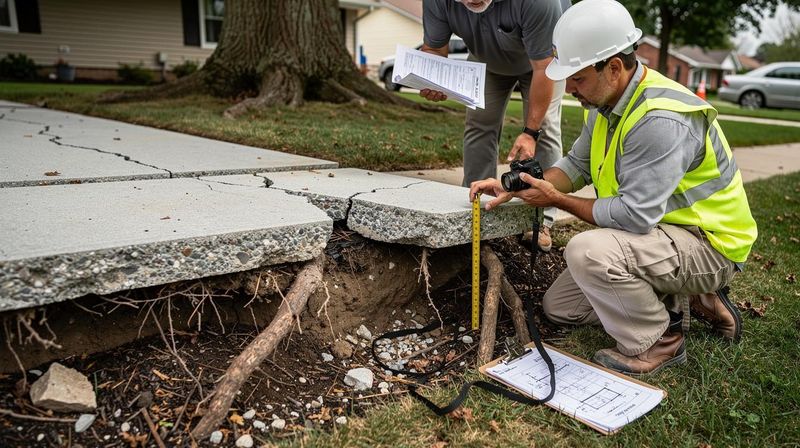
Equally important is documenting the actual harm the roots are causing. Photographs of cracked pavement, lifted foundations, damaged utility access, or affected plantings create a factual record that supports a nuisance or damage claim if one becomes necessary.
Vague complaints about root presence carry far less weight than a clear visual record of what the roots have physically done to the property.
Local tree-protection rules vary enormously across California jurisdictions and must be checked before any work begins. Los Angeles requires a permit for root pruning near street trees.
Morgan Hill has its own tree removal and pruning permit requirements. Palo Alto protects certain trees and has specific rules about work near them.
San Bruno addresses pruning and removal requirements separately. Assuming no permit is needed is a mistake that can result in fines, required replanting, or worse.
When the situation involves mature trees, major roots, trenching, excavation, trees leaning toward structures, or any root close to the trunk, a qualified arborist’s assessment before work begins is the single most effective way to reduce risk for both neighbors. Less destructive alternatives – rerouting a structure, installing a root barrier, tunneling under roots rather than cutting them, or limiting pruning to smaller feeder roots – may resolve the conflict without threatening the tree’s survival.
An arborist’s findings are practical guidance, not legal advice, and complex disputes may still benefit from an attorney’s review.
If the Roots Were Already Cut, Preserve Evidence First
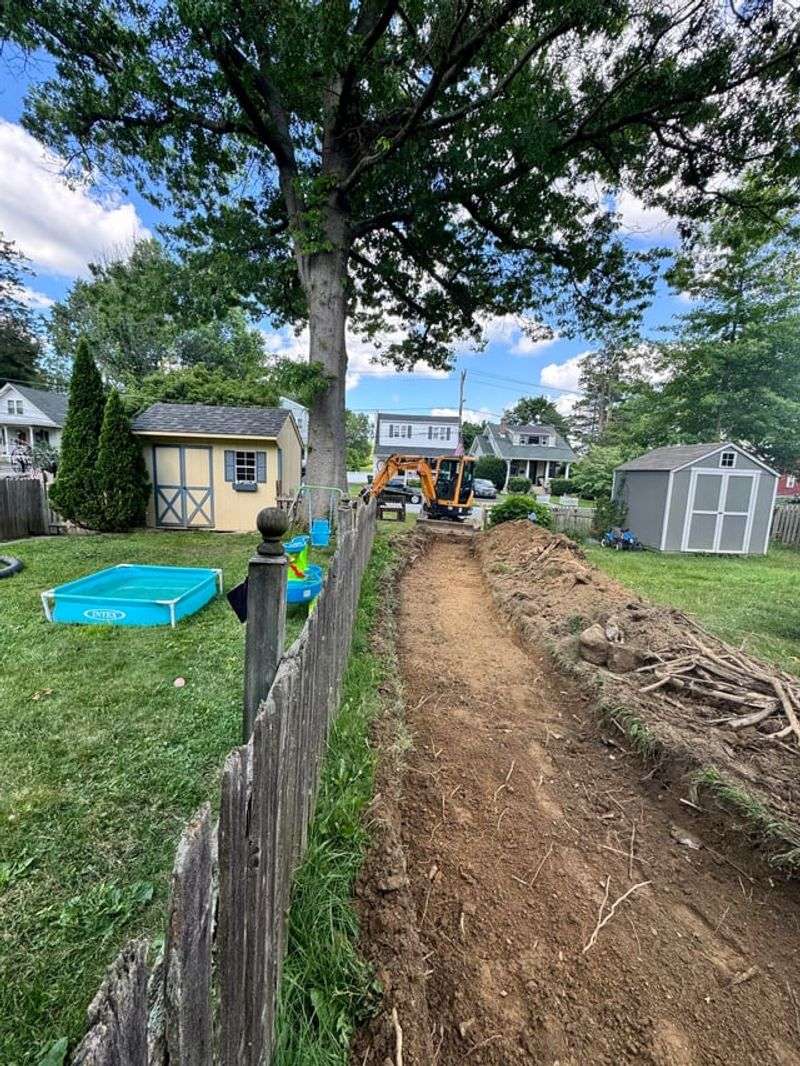
Discovering that a neighbor already cut your tree’s roots calls for a specific sequence of actions, and the first one is documentation rather than confrontation. Photograph the cut roots, the trench or excavation area, the location relative to the fence or boundary markers, and the tree’s overall condition.
Record the date and note any details about when the work appeared to occur. These records become the foundation of any future arborist assessment or legal claim.
Preserve any communications with the neighbor about the work, including texts, emails, or notes from conversations. If a contractor performed the cutting, try to identify who hired them and whether any permits were pulled.
UC IPM’s guidance on mechanical injury to trees notes that root damage is often hidden underground and may require careful excavation or air excavation techniques to fully diagnose. A qualified arborist can determine the extent of the damage and assess what the tree’s prognosis looks like.
One common instinct after root loss is to thin or reduce the tree’s canopy to compensate for the reduced root system. TreesAreGood specifically advises against aggressively thinning or reducing the crown after root damage – this response can weaken the tree further rather than helping it recover.
Maintain adequate watering without overwatering and monitor carefully for signs of decline.
UC guidance on root cutting consequences identifies several signs that warrant prompt professional evaluation: reduced foliage density, early leaf drop, premature color change, canopy dieback, visible leaning, or any new cracking near the root flare. Acting quickly after suspected damage gives you better evidence, a better prognosis, and more options.
The Remedy Depends on the Conduct and the Damage
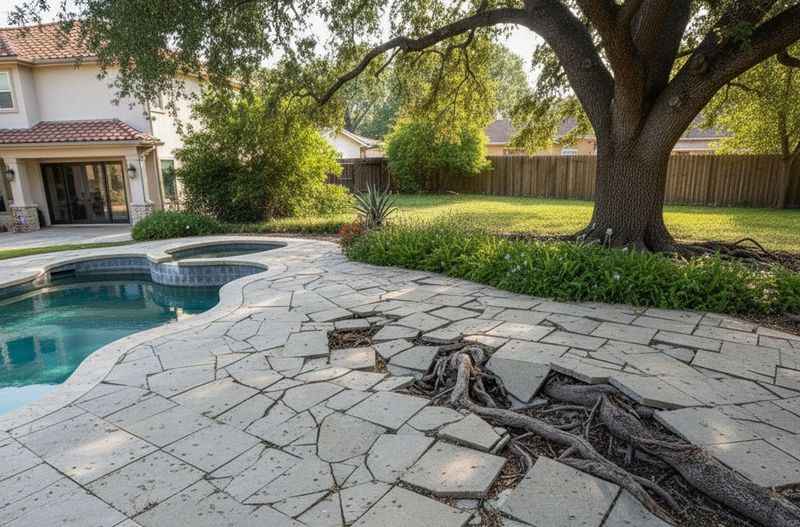
Both neighbors in a root dispute may have legal options, and which ones apply depends heavily on the specific facts. California’s tree-dispute guide notes that a neighbor whose property is injuriously affected by encroaching roots may pursue a civil action seeking damages or an injunction to abate the nuisance.
The tree owner, on the other side, may have negligence, nuisance, or property-damage claims if careless root cutting seriously harms the tree. Neither set of claims is automatic.
California law does provide for enhanced damages in some timber-trespass situations. Civil Code section 3346 provides double damages for certain casual or involuntary trespasses on trees and triple damages in other wrongful-injury situations.
Code of Civil Procedure section 733 addresses unauthorized cutting, girdling, or injury to another’s tree. These statutes are real, but they are not a guaranteed multiplier in every neighbor dispute.
The California Supreme Court’s decision in Scholes v. Lambirth Trucking limits an overly broad reading of Civil Code section 3346, explaining that the statute targets particular forms of timber trespass and does not automatically impose enhanced damages for every negligent act that damages trees.
The facts, the legal theory, the intent behind the cutting, and the proof of actual damage all matter to how these statutes apply.
Civil Code section 1714 establishes the general negligence standard in California, which supports a claim when someone fails to use reasonable care and that failure causes harm. Anyone facing substantial losses or threatened root work should gather boundary records, photographs, arborist findings, permit records, and local-rule information before consulting a licensed California attorney.
The strength of a claim rises and falls with the quality of the evidence behind it.
The Safe Bottom Line Is Narrower Than “My Side of the Fence”
California’s traditional rule gives an adjoining owner limited authority to address roots located on the neighbor’s side of the legally established boundary – but that location is a starting point, not a complete defense. Booska v.
Patel made clear that foreseeable tree damage creates potential liability regardless of which side of the fence the cutting happened on.
The practical checklist before any significant root work is short but non-negotiable: verify the actual legal boundary with a survey, confirm who owns the tree, document real harm the roots are causing, and check city or county tree-protection rules before assuming no permit is needed. California tree-dispute guidance consistently treats all four of those steps as prerequisites, not optional extras.
For work involving mature trees, major roots, trenching, or any root close to the trunk, a qualified arborist’s assessment before cutting is the most effective protection for both the tree and the person holding the saw. Local permit requirements vary enough across California that checking with your city or county is always worth the call.
The fence line is a useful landmark, but in California tree law, it rarely tells the whole story.