
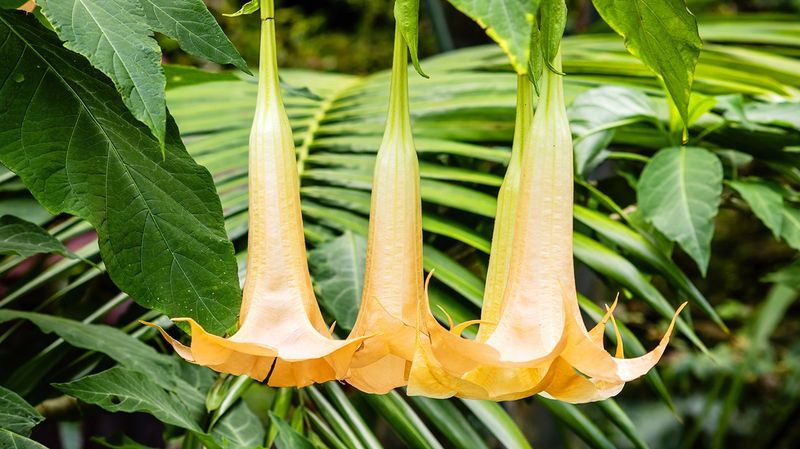
A snake in the yard gets attention fast, but some common Florida shrubs can cause trouble before you even know what happened. A broken stem, a curious child, or a pet chewing leaves can turn a pretty planting into a real problem.
The good news is that you do not have to panic or rip out every dramatic plant. You just need to know which shrubs deserve gloves, distance, and a smarter spot in the yard.
1. Oleander
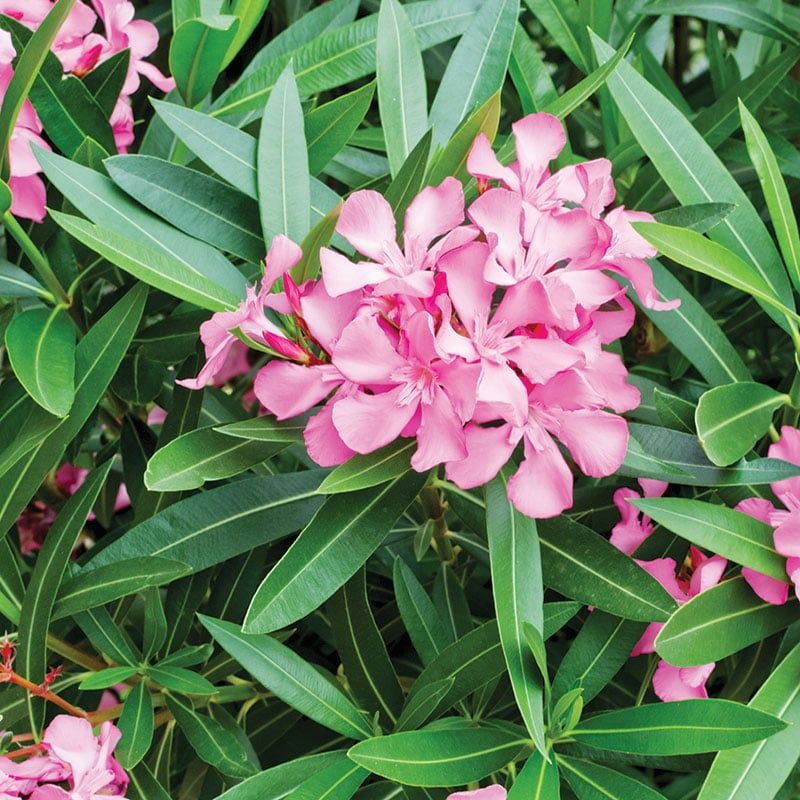
Few shrubs look as cheerful while carrying such a serious warning label. Oleander is common in warm Florida landscapes because it handles heat, salt spray, drought, and roadside conditions with very little fuss.
The problem is that every part of the plant is toxic, including leaves, flowers, stems, and even dried clippings. Oleander contains cardiac glycosides, which can affect the heart if swallowed, and that makes it especially risky around children, pets, and livestock.
Yard work is where many homeowners run into it. Pruning can put sap on your hands, and burning trimmings is a bad idea because smoke from toxic plant material can be dangerous.
Bag cuttings instead, wear gloves and eye protection, and wash tools afterward.
Oleander earns its place on this list because it is both tough and tempting. It blooms beautifully in spots where other shrubs struggle, so people often forget how hazardous it can be.
If you keep it, use it away from patios, play spaces, dog runs, and vegetable gardens, and never treat the clippings like harmless brush.
2. Yellow Allamanda
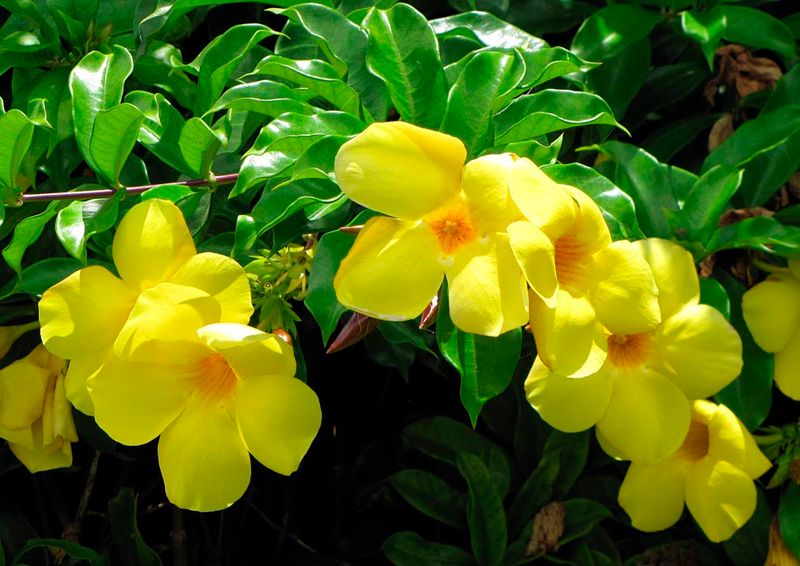
That sunny yellow flower can fool you into thinking the plant is all charm. Yellow allamanda, often trained as a shrub or vine-like screen in South Florida, brings tropical color fast, especially in warm, bright sites.
Its hidden issue is the milky sap. When stems or leaves are snapped, the sap can irritate skin and eyes, and swallowing plant parts can cause stomach upset.
Gardeners who prune it without gloves may feel the sting long before they finish cleaning up the bed.
Allamanda is different from oleander because the biggest everyday risk is contact during trimming. A quick snip, a brush against bare arms, or a child picking flowers can be enough to cause irritation in sensitive people.
If you use it, give it room so you are not constantly pushing past it on a walkway. Plant it where its flowers can show from a distance, not where guests or kids will handle it.
After pruning, wash your hands, avoid touching your face, and keep cut pieces away from pets that like to mouth leaves.
3. Angel’s Trumpet
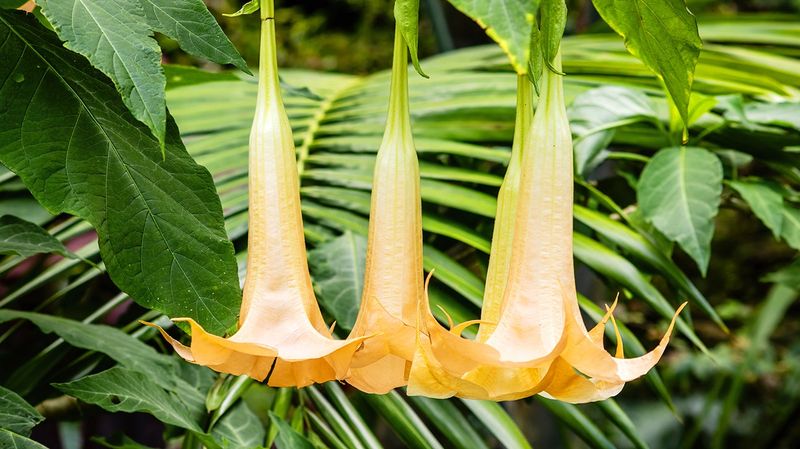
At dusk, angel’s trumpet can feel almost magical. The huge hanging blooms look dramatic near lanais and garden gates, and the fragrance can drift across a warm Florida yard.
Behind that beauty is a plant that should be handled with real care. Brugmansia species contain toxic alkaloids that can affect the nervous system if plant parts are swallowed.
Leaves, flowers, seeds, and stems are all a concern.
What makes angel’s trumpet stand apart is its showiness. The flowers are large, soft-looking, and easy for curious hands to notice.
In a yard with children or pets, that visual pull can be the problem.
Even routine cleanup deserves attention because spent blooms may drop where dogs, toddlers, or barefoot gardeners can reach them. Wear gloves when pruning, gather fallen flowers, and do not compost pieces where animals may dig.
For many Florida gardeners, the safest choice is to skip it in family spaces and use it only in controlled, low-traffic ornamental beds. If you want that tropical look with less worry, ask your local UF-IFAS Extension office about safer flowering shrubs suited to your part of Florida.
4. Jatropha
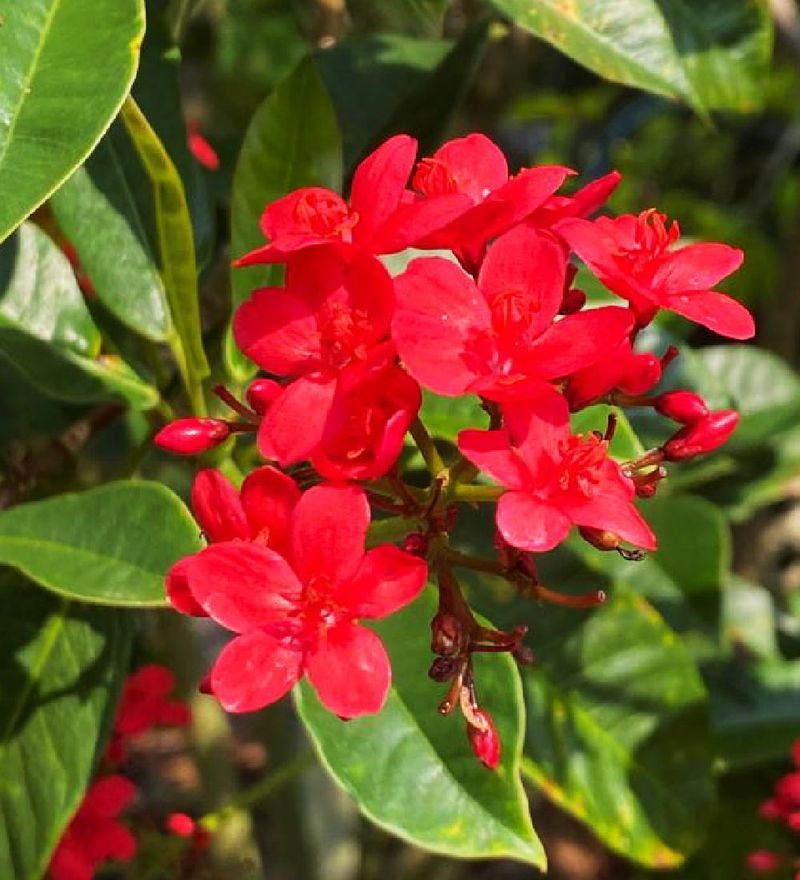
Butterflies love jatropha, and that is exactly why many Florida gardeners plant it near porches and sunny borders. It blooms for a long stretch in warm areas and keeps a neat, tropical shape with regular pruning.
The catch is in the plant parts people do not always notice. Jatropha seeds and sap can be toxic, and contact with the sap may irritate skin.
The seeds are especially concerning because they can look interesting to children.
Unlike some shrubs that mostly cause trouble when eaten in quantity, jatropha can create a risk because it fits so neatly into busy living areas. It is often planted near walkways, pool cages, and butterfly beds where people pass by often.
Keep it out of play zones and do not place it where fallen seeds collect on patios. When pruning, use gloves, bag debris, and wash pruners before moving on to edible plants.
Jatropha is not a villain in every landscape, but it needs a thoughtful location. If your goal is a pollinator-friendly Florida yard with fewer safety worries, consider native options that support wildlife without putting shiny seeds within easy reach.
5. Crown of Thorns
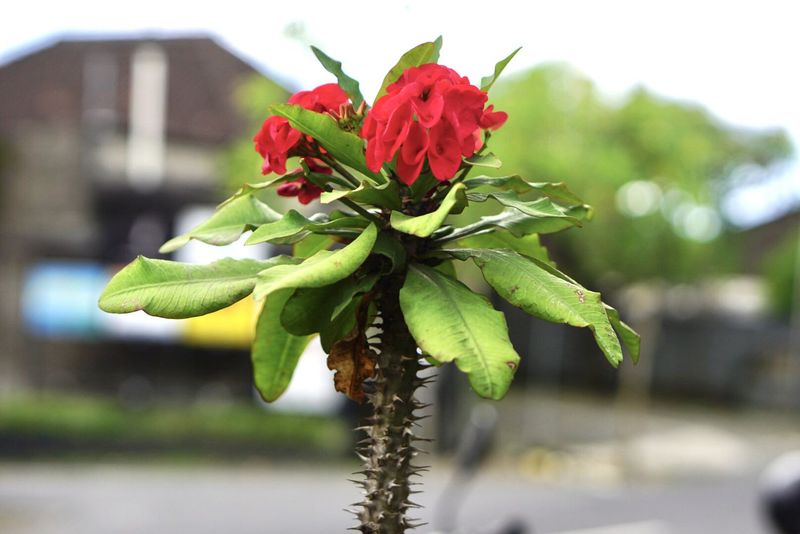
A crown of thorns plant does not hide its attitude. The spiny stems make it clear that this is not a shrub to grab with bare hands, yet its bright flowers keep it popular in hot, dry Florida beds.
The danger comes in two ways. First, the thorns can puncture skin quickly, which is no small matter in humid weather when cuts can get dirty fast.
Second, the milky sap can irritate skin and eyes, especially during pruning or when a stem breaks.
Its best use is in a place where nobody needs to brush against it. That means not along narrow side yards, mailbox paths, pool steps, or the edge of a driveway where legs and arms will meet the stems.
Because crown of thorns handles drought and reflected heat so well, gardeners sometimes tuck it into harsh spots near pavement. That can work, but only if the bed has enough space and a clean border.
Use thick gloves, long sleeves, and eye protection when trimming it. For a household with young kids, playful dogs, or frequent barefoot traffic, this shrub is usually better admired in a container placed out of reach or replaced with a less punishing heat-tolerant plant.
6. Lantana
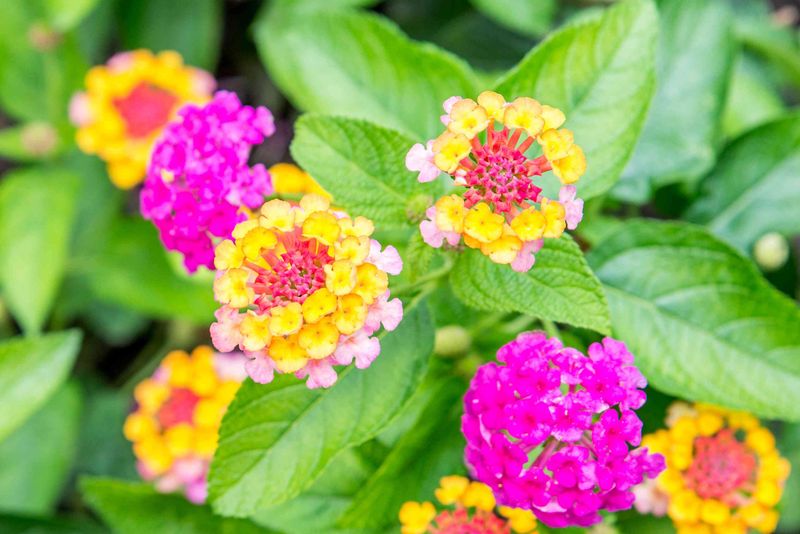
Lantana looks like a pollinator party in plant form. Butterflies visit the flower clusters, the colors are bright, and the shrub can shrug off heat that wilts fussier plants.
Still, lantana belongs on a safety list because the leaves and unripe berries can be toxic if eaten. Skin irritation can also happen for some people after handling the rough foliage.
Pets and children are the main concern in home landscapes, especially where berries form.
Florida gardeners also have another reason to be careful. Some lantana types have invasive behavior in parts of the state, so plant choice matters.
UF-IFAS guidance can help homeowners choose sterile or less problematic selections when lantana is appropriate.
What makes lantana different from the others here is the mix of wildlife value and risk. It may bring butterflies, but it can also bring berries at nose level for a small dog or toddler.
If you keep lantana, prune after flowering to reduce seed set, wear gloves, and avoid planting it next to play areas or pet paths. For native-leaning beds, ask about Florida-friendly alternatives that feed pollinators while fitting your county’s recommendations.
7. Brazilian Pepper
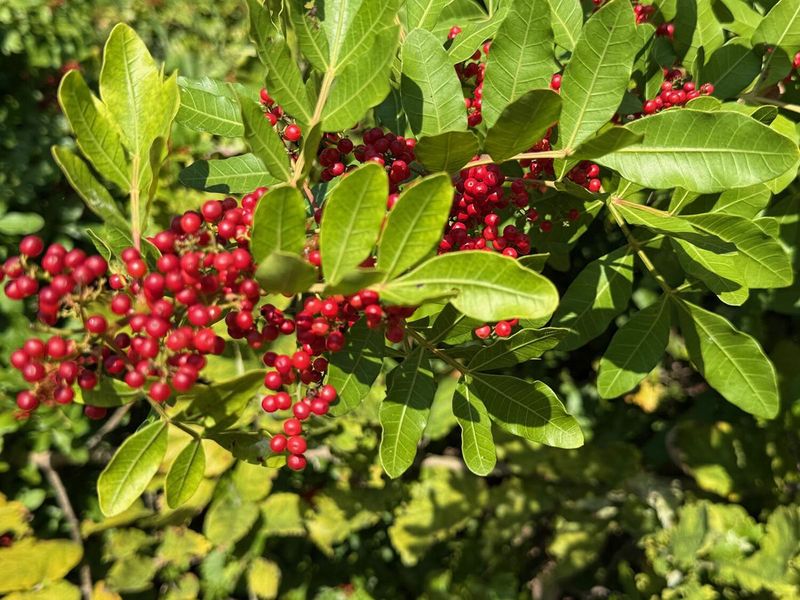
Red berries in winter might look festive, but Brazilian pepper is not a friendly holiday decoration for Florida yards. It is a major invasive plant in the state, spreading into natural areas and crowding out native vegetation.
For homeowners, the fast problem is contact. Brazilian pepper is related to poison ivy and poison oak, and sensitive people can develop skin irritation after touching leaves, sap, or debris.
Cutting it back without protection can turn a weekend cleanup into an itchy lesson.
Birds eat the berries and spread the seeds, which is one reason this shrub moves so easily from yards into hammocks, preserves, and drainage edges. That makes it both a personal nuisance and a neighborhood problem.
Do not plant it, and if it appears on your property, handle removal carefully. Wear gloves, long sleeves, and eye protection, and avoid working on it when you are sweaty and more likely to smear plant oils on your skin.
Because mature plants can resprout, removal may take follow-up treatment. Your local UF-IFAS Extension office can point you toward current control advice for your county.
Replacing it with native shrubs gives your yard better habitat value without the rash risk or invasive spread.