
One frosty morning can turn a lush Florida yard into a patchwork of brown leaves. The right native plants can handle that chill with far less fuss than tender tropicals.
These seven choices bring lasting structure, wildlife value, or reliable spring growth to your landscape. Some stay green while others rest for winter, so you can plan a yard that still works after the temperature drops.
1. Yaupon Holly
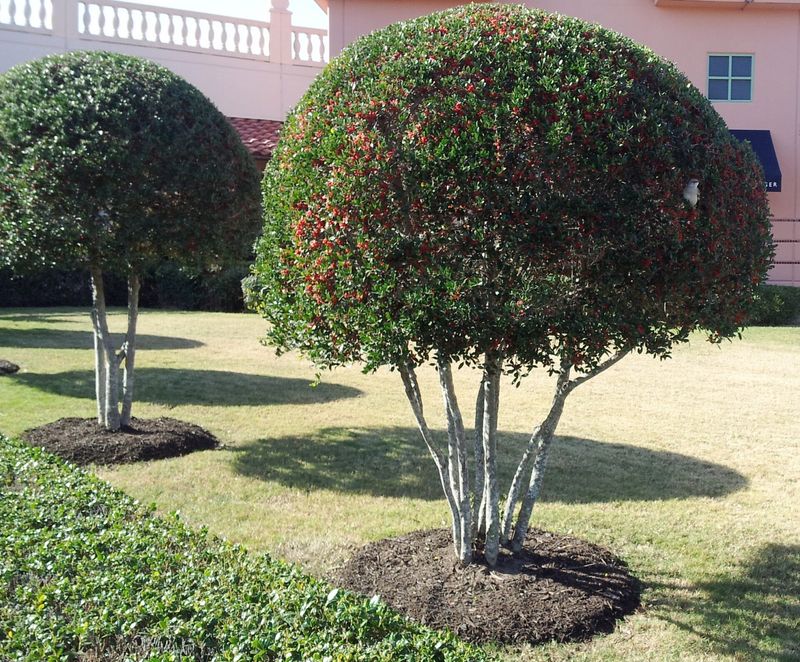
A green shrub dotted with red berries looks especially welcome when nearby tropical leaves have gone limp. Yaupon holly, Ilex vomitoria, supplies that winter backbone, and established plants tolerate freezes well across Florida.
Its small evergreen leaves give beds a tidy look without demanding constant clipping.
Choose the form before you buy. Standard yaupons can become large shrubs or small trees, while dwarf selections suit lower foundation beds and walkways.
Allow room for the plant’s listed mature width rather than planning to shear it into submission.
Full sun produces dense growth and usually the best berry display, though partial shade works too. Plant in well-drained soil and water regularly during establishment; settled plants handle Florida’s sandy conditions and dry spells well.
For fruit, select a female plant and make sure a male yaupon grows nearby for pollination. Many dwarf landscape selections are male and will not provide berries.
Leave fruiting branches available for birds, and avoid late-season pruning that encourages tender new growth just before a cold snap.
2. Wax Myrtle
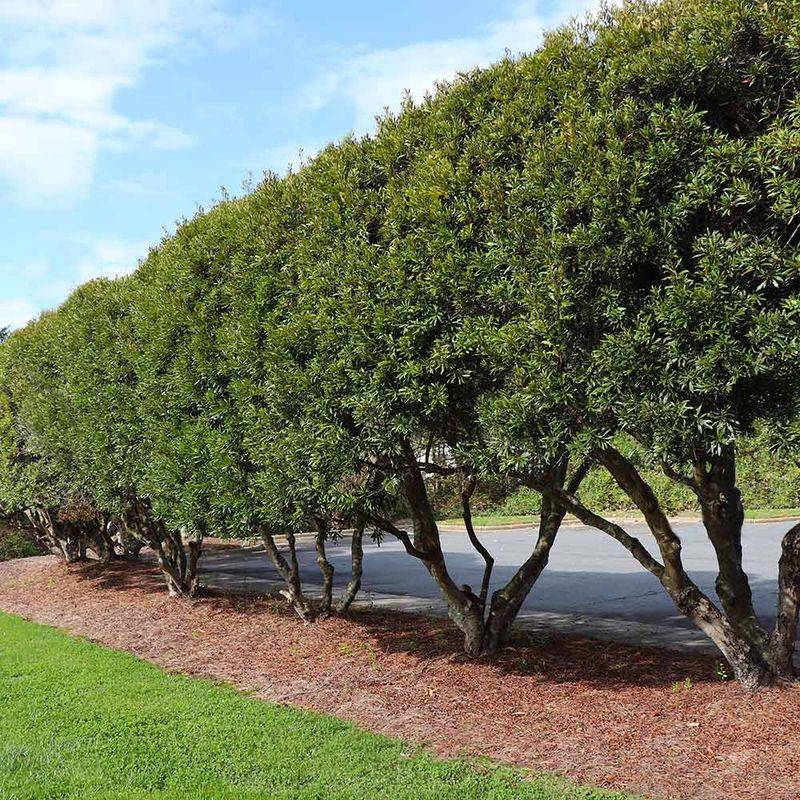
Privacy should not disappear the first time the forecast mentions frost. Wax myrtle, Morella cerifera, creates a leafy screen that handles ordinary Florida winter cold much better than many tropical hedge plants.
Its loose, airy branches also feel less stiff than a tightly clipped wall of greenery.
Give it space along a property line or behind a mixed planting. Depending on conditions, it can grow roughly 10 to 20 feet tall and spread widely.
Selective pruning helps maintain access and shape without stripping away its natural character.
One useful difference is its tolerance for both moist ground and drier soil once established. Sun to partial shade suits it, making it handy where light changes along a fence.
Avoid treating a newly planted hedge as drought-proof, since roots still need regular moisture while they spread.
Female plants bear small, waxy fruits when pollinated by a nearby male, providing food for birds. Cold may rough up exposed tips during an unusually harsh freeze, but established plants generally recover well.
Keep this large shrub away from walls where its eventual size would become a yearly pruning problem.
3. Muhly Grass
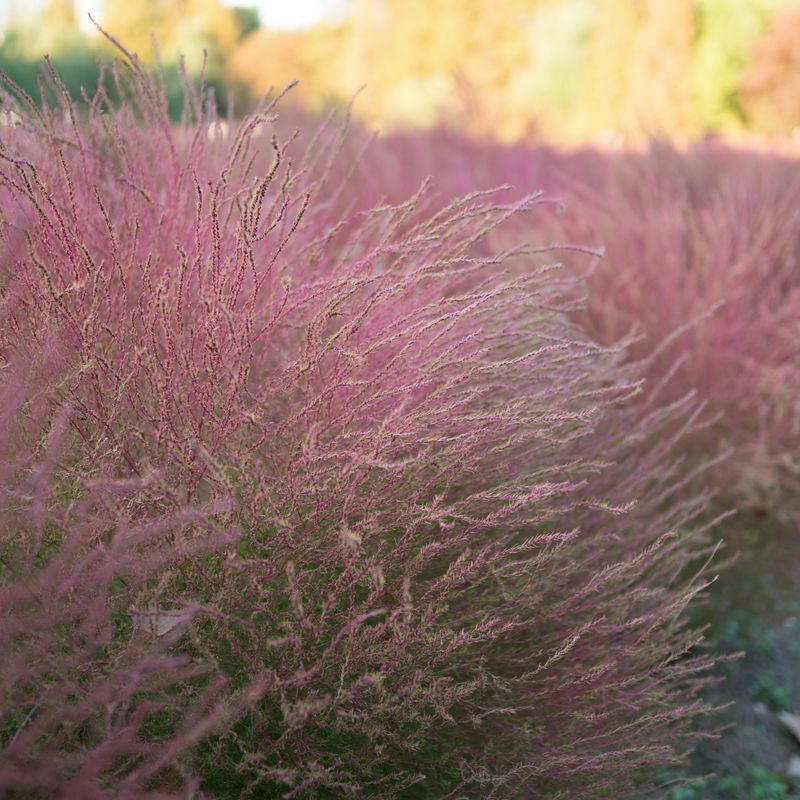
Those pink fall clouds do not have to vanish from the garden’s story when cold weather arrives. Muhly grass, Muhlenbergia capillaris, trades fresh flower color for soft winter texture.
Its fine blades and fading seed heads keep a sunny border interesting after frost flattens more tender neighbors.
Expect a clump roughly 2 to 3 feet tall, with flower stalks rising higher. Plant several together where low sunlight can shine through the plumes.
A single cramped specimen tucked behind shrubs misses most of the effect.
Excellent drainage matters more than rich soil. Choose full sun, leave space between clumps, and avoid low spots that stay soggy after rain.
Once established, this native is well suited to many sandy Florida yards without heavy feeding.
Winter browning is not proof that the plant has died. Leave the foliage standing through the cold season, then trim in late winter before fresh growth gets underway if the clump looks worn.
Do not repeatedly cut it like lawn grass; its fountain shape is part of the appeal, and unnecessary trimming removes useful cover for small wildlife.
4. Dwarf Palmetto

Want a tropical-looking leaf without the tropical-level cold worry? Dwarf palmetto, Sabal minor, delivers broad fans on a remarkably cold-hardy native palm.
It is especially useful in North Florida, where winter freezes can make tender palms a frustrating investment.
Unlike a towering cabbage palm, this species usually keeps its trunk underground or close to ground level. Leaves commonly stand about 3 to 6 feet tall, creating bold texture beneath trees or beside a shaded patio.
Growth is slow, so buy a size you can enjoy now rather than expecting instant coverage.
A naturally moist, partly shaded site is a good starting point. Established plants can tolerate a range of conditions, but a hot, dry sand bed will require more attention while roots develop.
Give the fans room so they do not brush against a narrow walkway.
Routine frost generally leaves established plants standing, although severe conditions can mark exposed foliage. Remove only dead or badly damaged fronds, not healthy green ones.
Its flowers attract insects, and its dark fruits feed wildlife, giving this compact palm a job beyond simply looking good through winter.
5. American Beautyberry
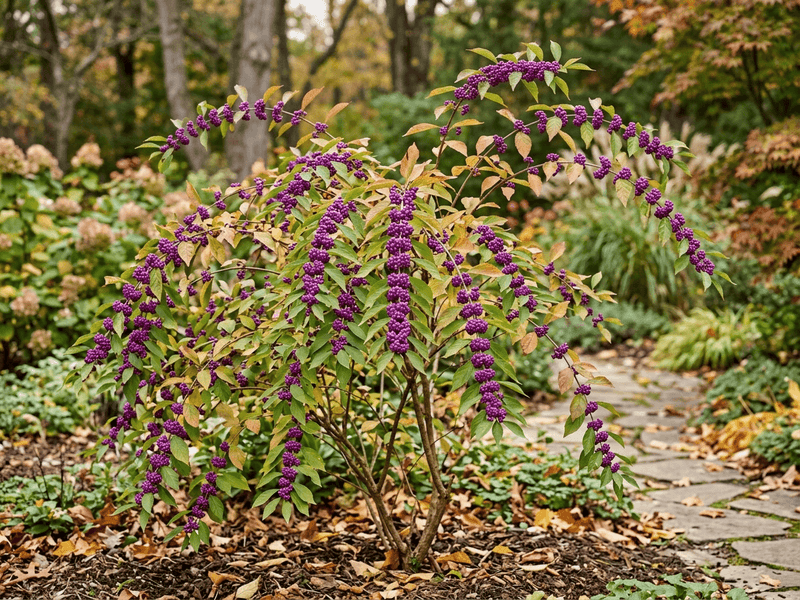
Bare branches can be part of the plan, not a gardening failure. American beautyberry, Callicarpa americana, often drops its leaves for winter, especially in North Florida.
Its cold tolerance comes from surviving the season and growing back strongly, rather than keeping every leaf spotless.
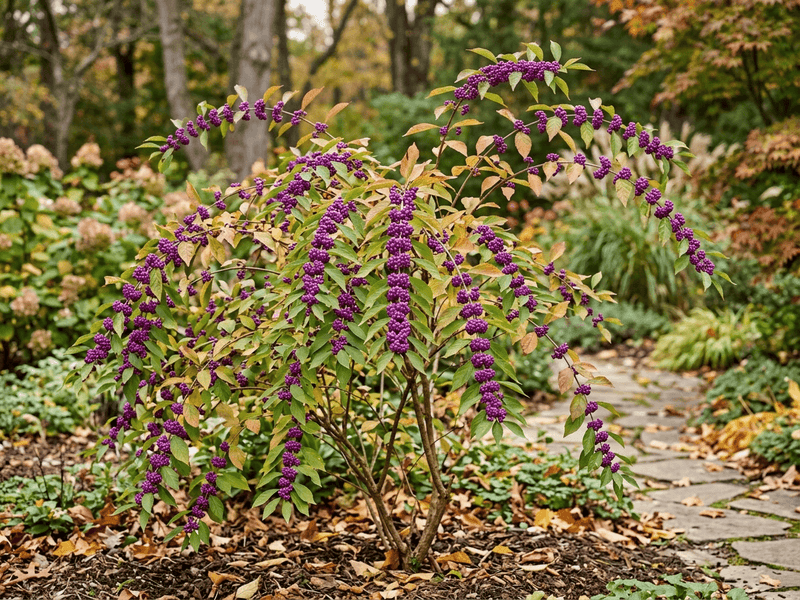
The payoff arrives earlier, when tight clusters of purple berries wrap around arching stems. Birds visit the fruit, and the shrub brings color to woodland edges where a formal flower bed might feel out of place.
Berry persistence varies with weather and how quickly wildlife eats the crop.
Allow about 4 to 8 feet of space for a mature shrub, depending on growing conditions. Sun to partial shade works, with more sun generally encouraging heavier fruiting when moisture is adequate.
Water during establishment and during extended drought rather than assuming a native never gets thirsty.
For a compact shape, prune in late winter before spring growth begins. Flowers and fruit form on new growth, so this timing preserves the coming display.
Place beautyberry behind evergreen plants if winter privacy matters; it is a seasonal wildlife shrub, not a year-round screen.
6. Walter’s Viburnum
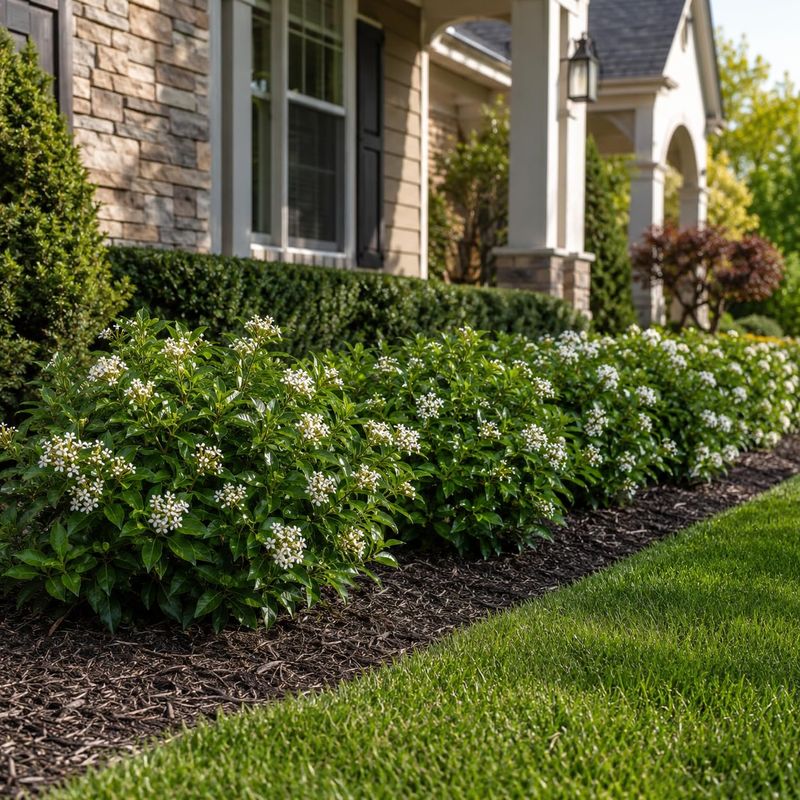
A neat foundation bed needs something dependable after the colorful annuals fade. Walter’s viburnum, Viburnum obovatum, offers dense branching, small leaves, and strong cold tolerance.
It is evergreen to semi-evergreen, with some leaf loss possible during colder weather.
Size is the detail that can make or break this choice. The species can become a large shrub or small tree, while compact selections fit smaller residential beds.
Read the mature dimensions on the nursery label instead of assuming every plant sold under this name stays low.
Use it for a screen, a backdrop, or a more restrained alternative to tender tropical foundation shrubs. Sun to partial shade is suitable, and the plant tolerates moist conditions as well as some drought after establishment.
Newly installed plants still need consistent watering while their roots settle in.
Clusters of small white flowers bring a spring bonus and attract visiting insects. If shaping is needed, prune after flowering rather than repeatedly shearing away potential blooms.
Some forms produce suckers, so check around the base occasionally and remove unwanted shoots where a crisp bed edge matters.
7. Saw Palmetto
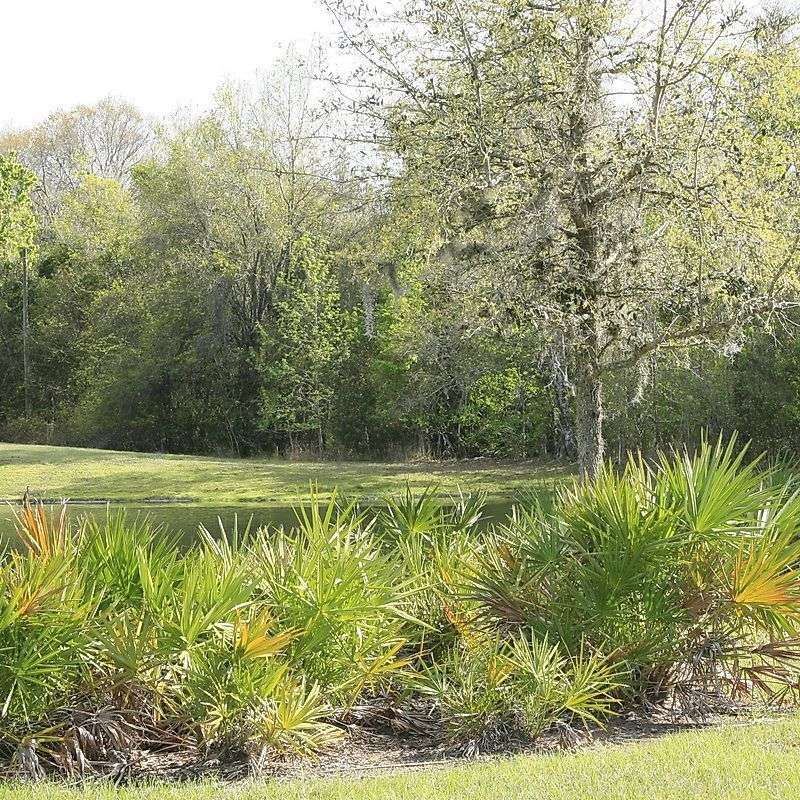
For a sunny, sandy patch that keeps defeating thirsty ornamentals, think tough rather than tender. Saw palmetto, Serenoa repens, brings broad evergreen fans and excellent tolerance of ordinary Florida frost.
Both green and silvery forms can make a strong landscape feature.
This is not a tiny accent palm, even when the nursery pot looks manageable. Mature plants often reach about 5 to 10 feet tall and can spread into broad colonies.
Use them in an open bed or naturalistic border, not squeezed beneath a window.
Well-drained soil is a sensible choice for a home landscape. Established plants handle drought and coastal exposure well, but young transplants need water until rooted.
Container-grown plants are generally a better purchase than large specimens dug from the wild, which can be difficult to establish.
Keep the leaf stalks away from play areas and paths because their edges carry sharp teeth. Wildlife uses the flowers, fruit, and shelter, adding value to that generous footprint.
Even hardy natives can suffer in exceptional freezes, so match plants to your local conditions and protect vulnerable new installations rather than expecting instant toughness.