
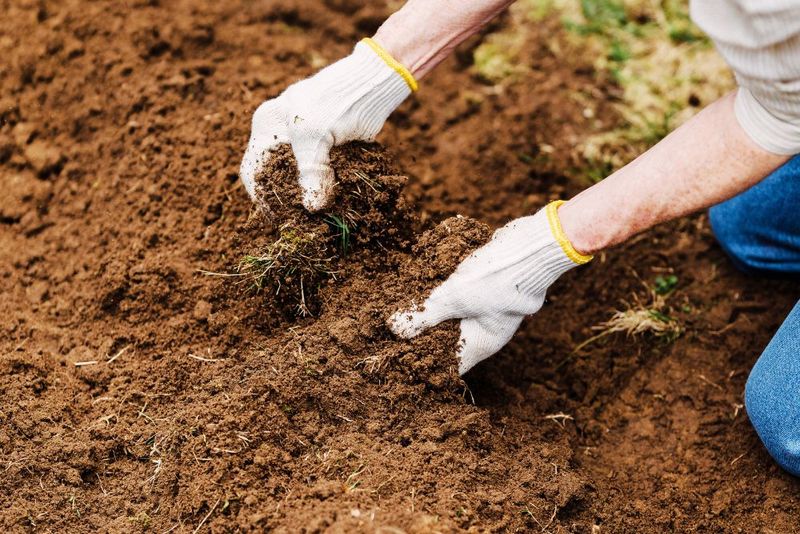
If you garden in North Carolina, you know the red clay that turns to brick in July and glue in March. Many homeowners grab bags of topsoil and dump them on top, hoping for a quick fix.
The truth is that only one of these choices actually changes how clay behaves before spring planting time. Here is what works, why it works, and how to use it in your own yard this season.
1. Why Bagged Topsoil Sits on Clay Instead of Fixing It
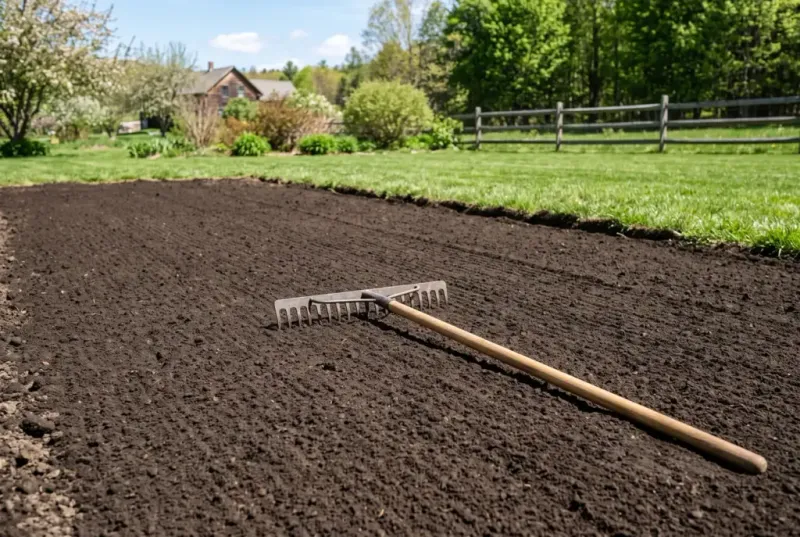
Picture a sponge resting on a dinner plate. Pour water on it, and the sponge fills up while the plate underneath stays slick and hard.
That is roughly what happens when you spread bagged topsoil over Piedmont red clay.
Most bagged topsoil is a blend of screened soil, fine bark, and sometimes sand. Laid on top of clay, it creates a sharp boundary where water can collect, a problem soil scientists sometimes call a perched water table.
Roots tend to stay in the loose upper layer and may struggle to reach deeper moisture once summer heat arrives.
Bagged soil is not useless. It can top off a raised bed or fill low spots.
It just does very little to change the clay itself, which is the real issue in most North Carolina yards.
2. Compost: The Clay Breaker That Actually Works
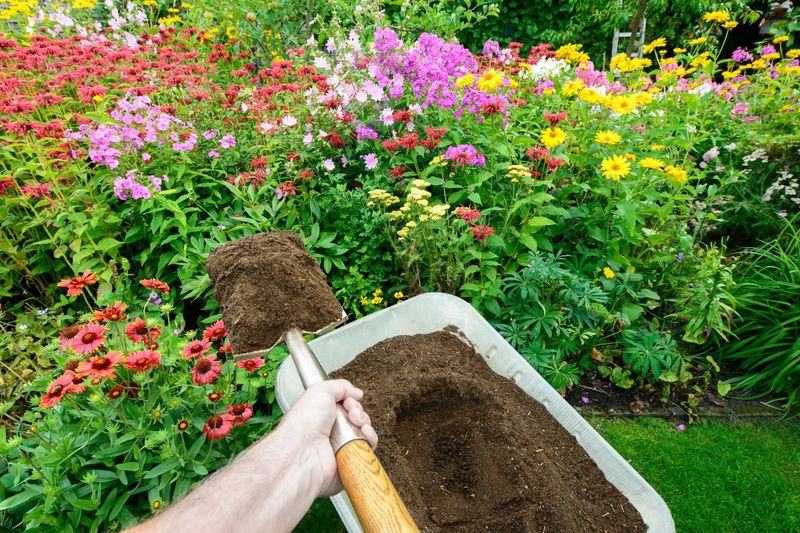
Ask any Extension agent from Asheville to Wilmington what clay needs, and you will hear one word over and over: organic matter. Compost is organic matter in its most useful form.
Clay particles are tiny and flat, so they pack together tightly. Compost works its way between them and feeds soil life like earthworms and fungi, which help glue particles into small crumbs.
Those crumbs leave room for air and water, and roots can push through more easily.
Results show up faster than most people expect. Work two to three inches of compost into the top six to eight inches of soil, and many gardeners notice a softer, more workable bed within one season.
Adding compost each year keeps that progress going, so your beds keep improving instead of slowly packing back down.
3. Timing Your Clay Work for a North Carolina Spring
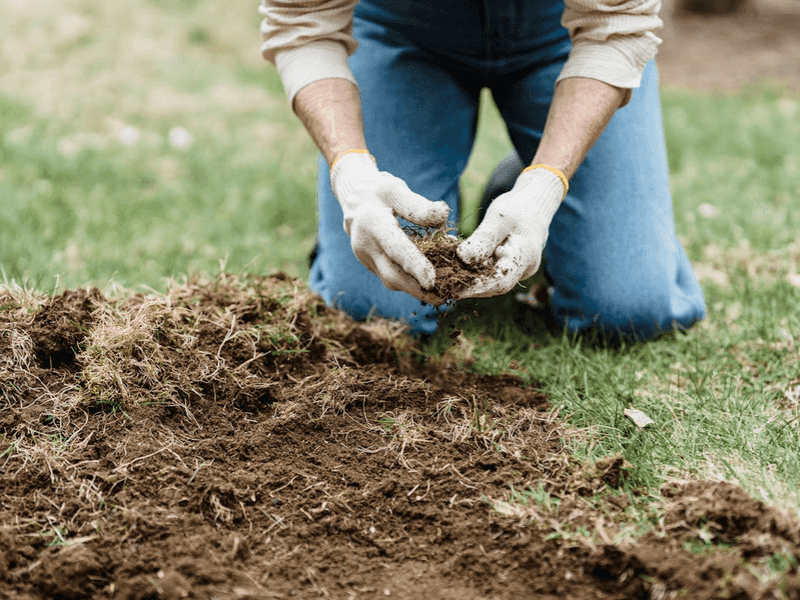
Here is a mistake almost every new Piedmont gardener makes once. A warm February afternoon arrives, the shovel comes out, and the wet clay gets turned into slick clods that dry like pottery.
Try the squeeze test first. Grab a handful of soil and press it into a ball, then poke it.
If it crumbles, you are ready to dig, but if it smears or holds a shiny shape, wait a few dry days.
For most of the Piedmont, late February through March is the sweet spot for mixing in compost before planting in April. Coastal plain gardeners can often start a bit earlier, while mountain gardeners usually wait until April.
Fall work is even better, giving compost the whole winter to settle in.
4. Choosing a Good Compost Without Overspending
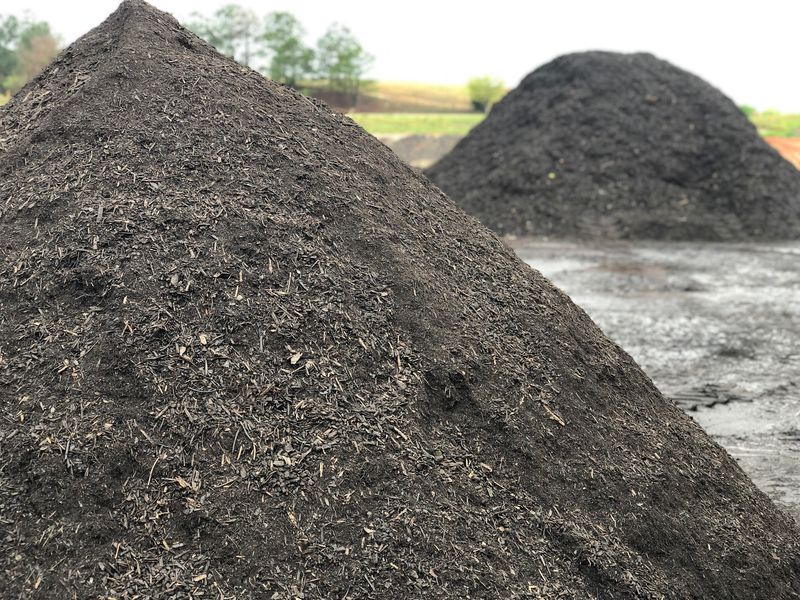
Bulk beats bags almost every time. Many North Carolina towns and counties sell or even give away leaf compost from their yard waste programs, and a truckload covers far more ground than a pile of small bags.
Look for compost that smells earthy, not sour or like ammonia. It should be dark and crumbly with no big chunks of wood.
Mushroom compost and leaf mold both work well in clay, though mushroom compost can run salty, so mix it in rather than using it straight around young plants.
If you do buy bags, read the label. Products marked compost or soil conditioner are what you want, while anything labeled simply topsoil is usually not going to do the same job.
5. Skip the Sand Trap
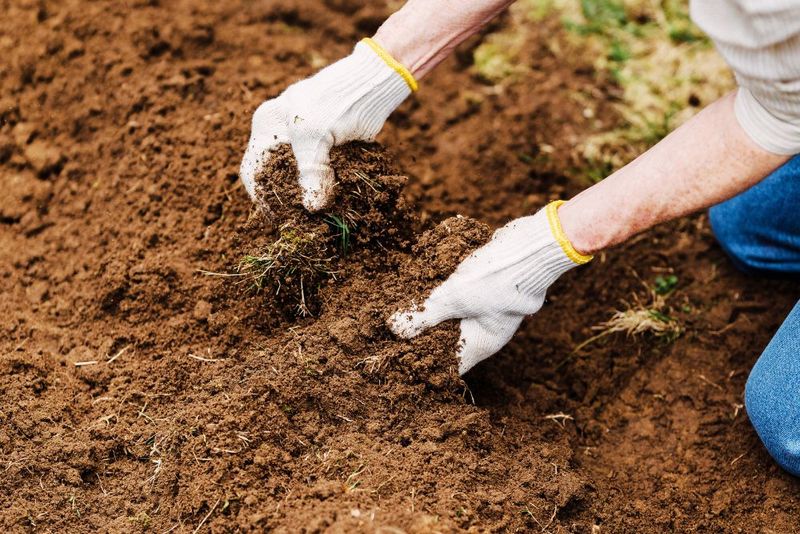
Sand sounds logical. Clay is too tight, sand is loose, so mix them and meet in the middle, right?
Unfortunately, small amounts of sand blended into clay can create something closer to concrete than garden loam. You would need enormous volumes, often half the bed or more, to change the texture in a good way.
That gets expensive and backbreaking fast.
Compost does the loosening job without the risk. Save the sand for patio pavers and stick with organic matter in your beds.
6. Living Soil Brings Backyard Allies
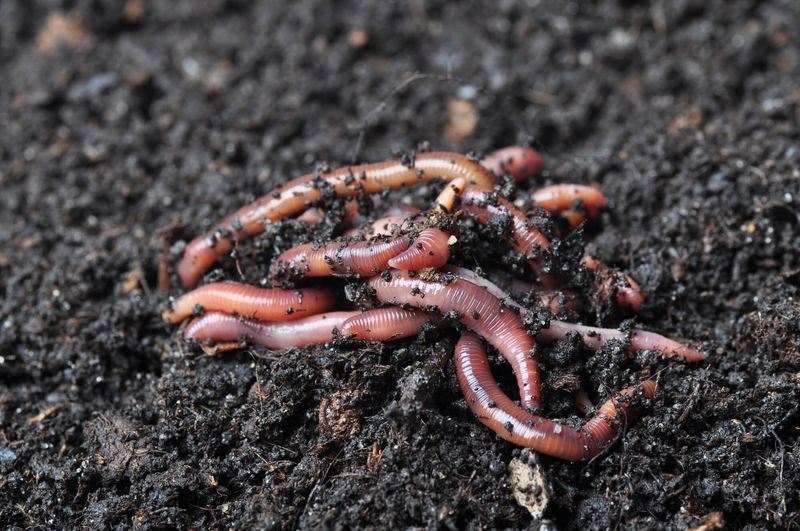
Turn over a compost-rich bed in April and you will likely find earthworms wriggling everywhere. That is a good sign, and it ripples out into the rest of the yard.
Healthy soil supports insects, worms, and grubs that feed native birds like eastern bluebirds, robins, and Carolina wrens. Stronger plants in loose soil may also handle stress better, which can mean fewer weak spots for pests.
Firefly larvae, which live in moist, leafy soil, may benefit from beds that are not bare and baked.
Bagged topsoil alone usually carries far less biological life. Compost gives your yard a head start on becoming a place native wildlife wants to visit.
7. A Simple Weekend Plan for Spring Beds
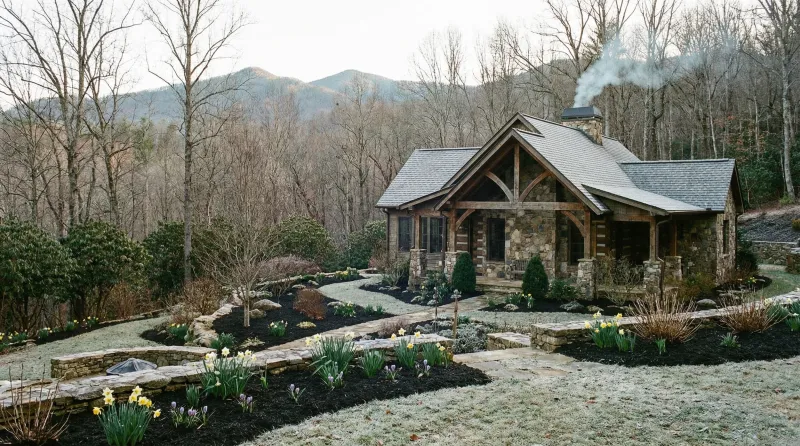
Ready to get started? This plan fits into a single weekend for an average-sized bed.
First, clear weeds and check that the soil passes the squeeze test. Spread two to three inches of compost across the bed, then fork or till it into the top six to eight inches.
Rake it level, plant, and finish with two inches of shredded leaf or pine straw mulch.
Natives like purple coneflower, black-eyed Susan, and butterfly weed settle nicely into amended Piedmont clay. Each fall, add another inch of compost on top and let worms pull it down for you.
Keep a bag of topsoil around for patching holes if you like. For changing the clay itself, compost is the clear winner.