
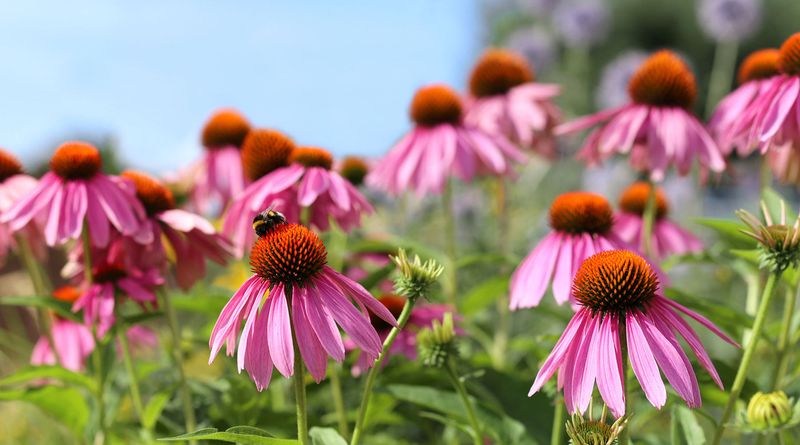
Purple coneflower is one of the most cheerful plants you can grow in a Southern yard, but plenty of gardeners end up staring at a short, sparse plant and wondering what went wrong. Before you dig it up or write it off, the answer may be simpler than you think – and it starts with taking a closer look at where you put it.
Location does play a real role in how well Echinacea purpurea grows, but it is only one piece of the puzzle alongside cultivar, plant age, and regional climate.
A small coneflower is not automatically a failing coneflower
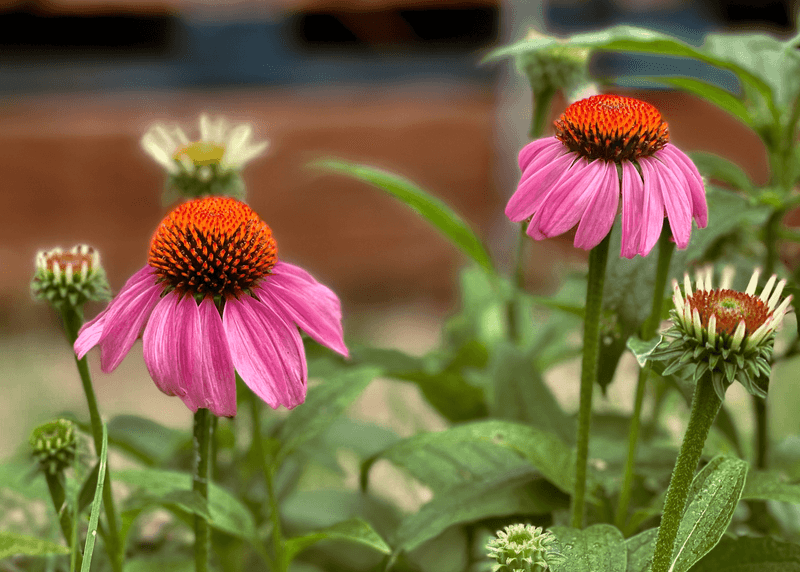
Worry is easy to come by when your purple coneflower barely clears your knee after a full growing season. Before rearranging your whole bed, though, it helps to know that published size ranges for Echinacea purpurea vary considerably depending on where you look and where you garden.
Illinois Extension guidance lists a mature height of roughly 2 to 4 feet, while UF/IFAS guidance for Florida describes the plant reaching closer to 1 to 3 feet. Those differences reflect real variation in climate, cultivar, age, and growing conditions – not contradictory advice.
Cultivar genetics matter more than many gardeners realize. Chicago Botanic Garden cultivar trials found considerable variation in habit and mature size across selections, with some staying naturally compact while others grew substantially taller and wider than expected.
A plant that remains short may simply be doing exactly what its genetics allow.
Plant age is another factor worth checking before drawing conclusions. A coneflower in its first season, or one recently divided and replanted, has not yet had time to develop the root system that supports its full above-ground growth.
Pull the plant tag, check your planting records, and give a young or recently transplanted coneflower at least one full season before treating its current size as evidence of a problem.
Start with the light reaching the leaves
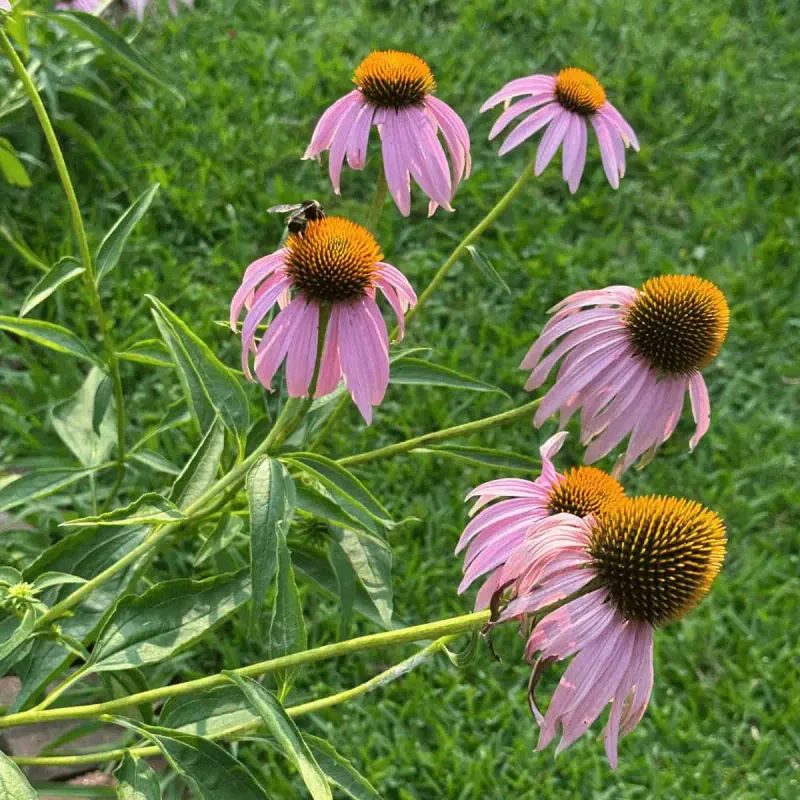
Sunlight is the most common placement problem, and it is also one of the easiest to underestimate. A garden bed can look bright and cheerful while the actual plant receives only a couple of hours of direct sun before a fence, tree canopy, or neighboring structure cuts the light off.
What matters is the direct light hitting the leaves, not the general brightness of the surrounding area.
For most sites, at least six hours of direct sun daily is the standard target for purple coneflower. Illinois Extension recommends full sun as the preferred condition, and UMass Extension notes that perennials in shade can stretch toward available light, producing weaker stems and fewer flowers than the same plants would in an open, sunny location.
That stretching is a real clue: a coneflower leaning noticeably toward one direction may be chasing light it cannot quite reach.
Filtered or indirect light is not the same as full sun, even when it feels pleasant to stand in. A plant sitting under the dappled shade of a large shrub or receiving morning light for only two or three hours is not getting what an open prairie-style planting provides.
Iowa State Extension defines full sun as six or more hours of direct sunlight per day, which is a useful benchmark when you are deciding whether to reposition a struggling plant or leave it where it is.
Persistent wetness can weaken the root zone
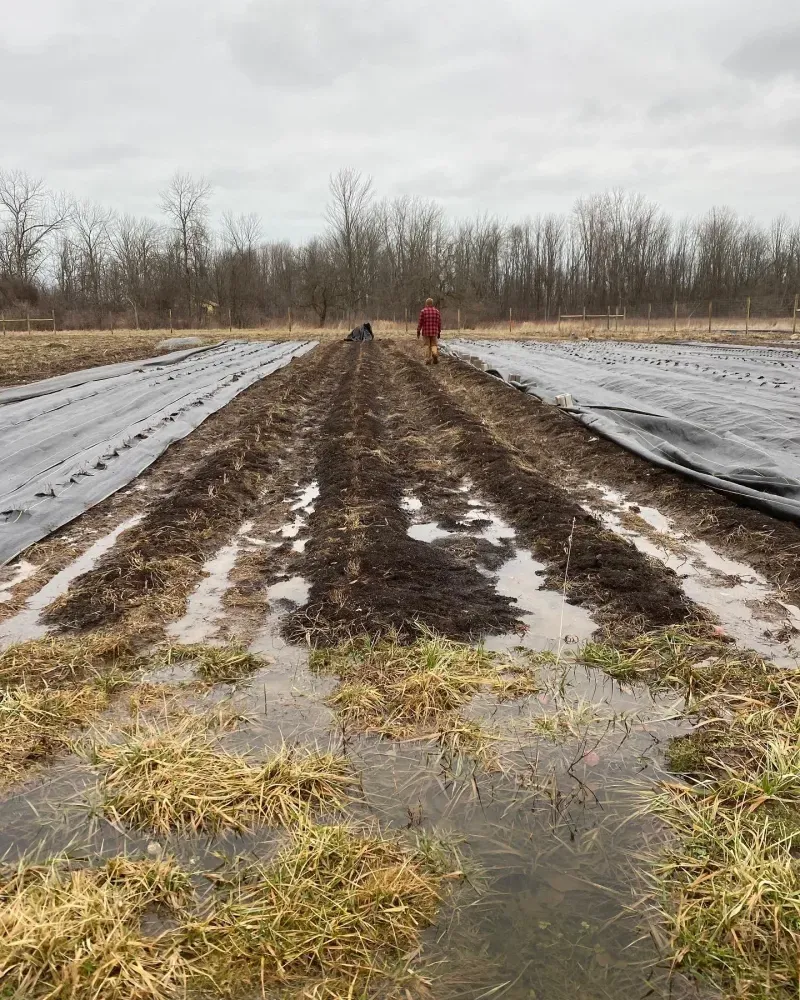
Standing water is not always obvious unless you check the bed after a normal rain or a regular irrigation cycle. If the soil around your coneflower stays visibly puddled, feels squishy underfoot, or looks dark and saturated well after the weather has moved on, that is a drainage warning worth taking seriously.
Purple coneflower roots need oxygen, and soil that stays waterlogged for extended periods can deprive them of it.
Illinois Extension explains that roots in persistently saturated soil can suffer oxygen deprivation and become vulnerable to rot and crown problems. Missouri Extension similarly notes that good drainage is important for most perennials, not because the soil must be dry, but because prolonged waterlogging causes real root damage over time.
The concern is not a brief wet spell after heavy rain – it is a planting area that simply never seems to dry out.
It is also worth knowing that purple coneflower is more adaptable than its reputation for drought tolerance sometimes suggests. UF/IFAS notes that the plant tolerates clay and occasional wetness, so ordinary garden moisture is not the enemy here.
The red flag is persistent saturation – the kind of low spot that collects water and holds it, leaving roots unable to breathe even between rain events.
Crowded roots and excess fertilizer can create weak growth
Even when light and drainage look fine, a coneflower squeezed between vigorous neighbors may never perform the way you expect. Nearby plants with aggressive root systems can quietly compete for water and nutrients, leaving your coneflower with less than it needs to fill out.
UF/IFAS recommends spacing purple coneflowers approximately 18 to 24 inches apart to give roots and foliage enough room to develop without constant competition.
That spacing is a practical guideline, not a rigid formula, but it reflects a real principle: coneflowers do better when they are not fighting for resources from the moment they go in the ground. Dense seedling colonies from self-seeding plants can create the same problem even within a single species planting.
Chicago Botanic Garden trial data highlights how much habit and vigor vary among cultivars, which means crowding effects can show up differently depending on which selection you are growing.
Fertilizer is a place where good intentions can backfire. Illinois Extension cautions that excess fertilizer can push tall, soft growth that becomes leggy and falls over rather than standing upright.
Iowa State Extension similarly warns that too much water and fertilizer together can encourage more growth than the stems can support. A coneflower that flops over in midsummer may not need a better location – it may need you to ease up on the feeding and watering.
Improve the planting position instead of adding sand
When drainage really is the issue, the temptation is often to grab a bag of sand and work it into the clay. Skip that step.
Illinois Extension explains that mixing small amounts of sand into clay soil can actually worsen its structure rather than improve it, producing a dense, concrete-like mix that drains even more poorly than the original clay. The fix sounds logical but creates a new problem.
More effective approaches focus on addressing the root cause of the drainage issue. Correcting compaction by aerating or loosening the soil mechanically, improving soil structure by working in organic matter such as compost, and adjusting grading to redirect water away from the planting area are all more defensible options.
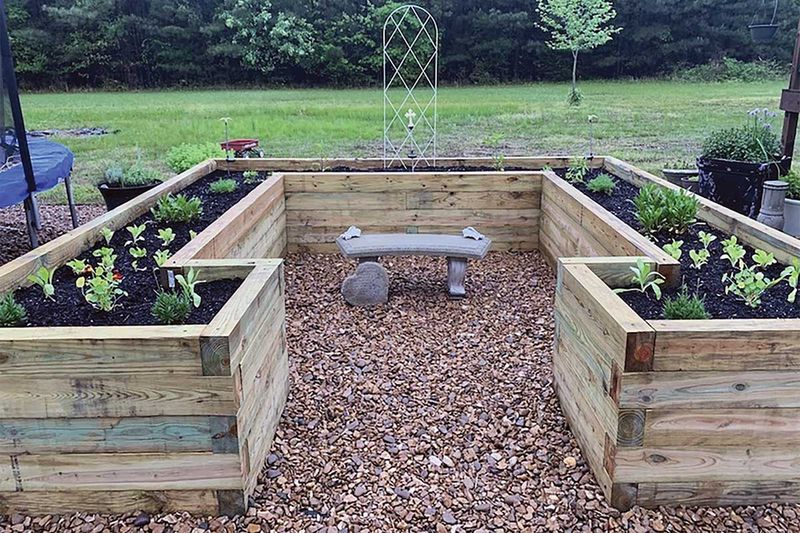
Virginia Cooperative Extension guidance on soil drainage supports raised beds and berms as a practical way to elevate root zones above the wettest soil in a problematic site.
A raised bed or berm works by physically lifting the planting area so roots are not sitting in the lowest and most saturated zone. Illinois Extension notes that raising the root zone is a practical site remedy when persistent saturation cannot be corrected by grading or compaction relief alone.
Keep in mind that improving the site creates better conditions – it cannot promise a particular mature height for any individual plant.
Southern heat changes what the best sun spot looks like
Standard full-sun advice was largely written for northern and midwestern gardens where six hours of direct sun rarely means six hours of punishing afternoon heat. In Florida and across much of the South, that same sun can stress plants in ways that a gardener in Illinois would not encounter.
Purple coneflower is not immune to that pressure, and a placement that works well in one part of the country may not be the right call in another.
UF/IFAS describes purple coneflower as adaptable from part shade to full sun, which is a notably wider range than many northern sources suggest. UF/IFAS Gardening Solutions notes that light shade can help protect foliage and flower color from the harshest afternoon sun in Florida conditions.
Sarasota County Extension also lists purple coneflower among low-maintenance forbs suited to Florida landscapes, suggesting it can perform well when sited thoughtfully rather than pushed into the most intense exposure available.
Texas gardeners face a different challenge because conditions vary dramatically from humid East Texas to arid West Texas, and no single placement rule covers the whole state. It is also worth noting that native range research for Echinacea angustifolia, a different species, cannot be used to prescribe conditions for Echinacea purpurea across Texas.
Match your site to your local heat level, moisture pattern, and soil type rather than following a one-size-fits-all prescription. In hotter, drier areas, morning sun with some afternoon protection may serve the plant better than an unshielded western exposure.
Some symptoms point away from a placement fix
Not every struggling coneflower has a location problem. Some symptoms are telling you something entirely different, and moving or fertilizing the plant will not help – and in some cases may make things worse.
Learning to read the difference between ordinary short growth and genuine disease or injury signals can save you a lot of unnecessary digging.
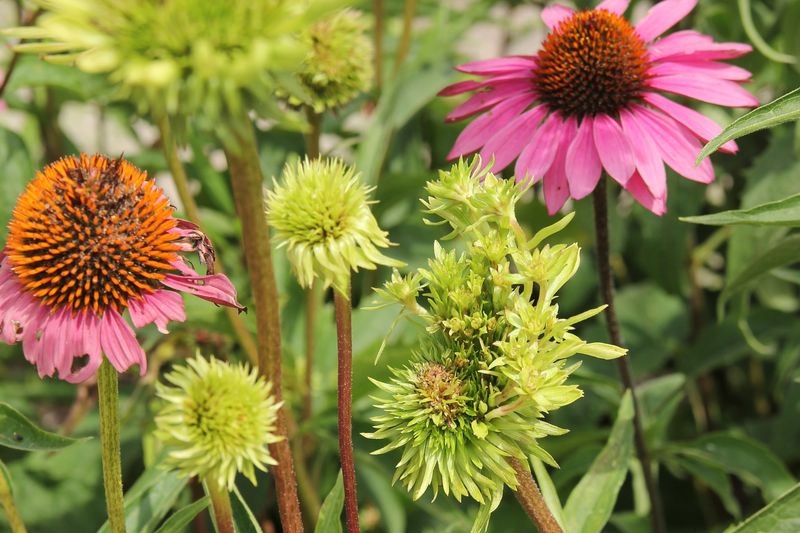
Green or malformed flowers, yellowing foliage, distorted new growth, witches’-broom clusters of small stunted stems, and unusual stunting that does not match the rest of the plant are classic warning signs of aster yellows, a systemic phytoplasma disease spread by leafhoppers. Penn State Extension identifies aster yellows as a serious concern for Echinacea, and University of Maryland Extension explains that the infection is systemic, meaning it has spread throughout the entire plant.
Clemson’s Home and Garden Information Center and Iowa State Extension both recommend removing the entire infected plant and disposing of it – not cutting off individual affected flowers, not relocating it to a sunnier spot, and not applying fertilizer to encourage new growth.
Other non-placement problems include drought stress, waterlogging injury, root damage from nearby digging or construction, pest feeding, and the possibility that a plant was mislabeled at the nursery and is actually a different species or cultivar than expected. Before assigning any symptom to shade or soil, rule out these possibilities.
A healthy plant in a poor location looks different from a diseased plant in a good one, and the right diagnosis changes everything about how you respond.
Give the plant a fair site test before you give up
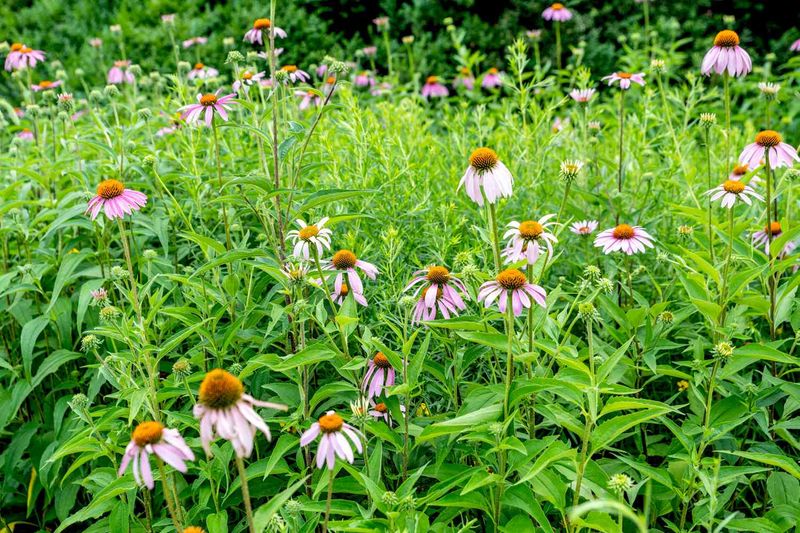
Running through a quick checklist before deciding to relocate can save you the effort of a move that does not solve anything. Start by verifying the cultivar and checking how long the plant has been in the ground.
A compact selection in its first season is not a candidate for emergency relocation – it is a plant that needs more time and a fair assessment.
Next, observe the actual direct light hitting the plant during the sunniest part of the day, not just the general feel of the bed. Check the soil after a normal rain or irrigation cycle and look for puddling or persistent saturation.
Illinois Extension guidance on waterlogged roots is a useful reference if you find the ground stays wet for extended periods. Scan the surrounding plants for aggressive competitors crowding the root zone, and pull back on heavy feeding if you have been applying fertilizer regularly.
Relocate only when the site clearly fails those tests and the plant itself looks otherwise healthy – no distorted growth, no green flowers, no unexplained yellowing. UF/IFAS and Illinois Extension both support a well-drained, adequately sunny site as the goal, but neither promises a specific height in return.
Illinois Extension also notes that leaving seed heads through the season can provide food for birds, while selective deadheading can encourage continued flowering if that matters more to you. A sturdy, flowering coneflower in the right spot is the real target – whatever height it reaches when it gets there.