
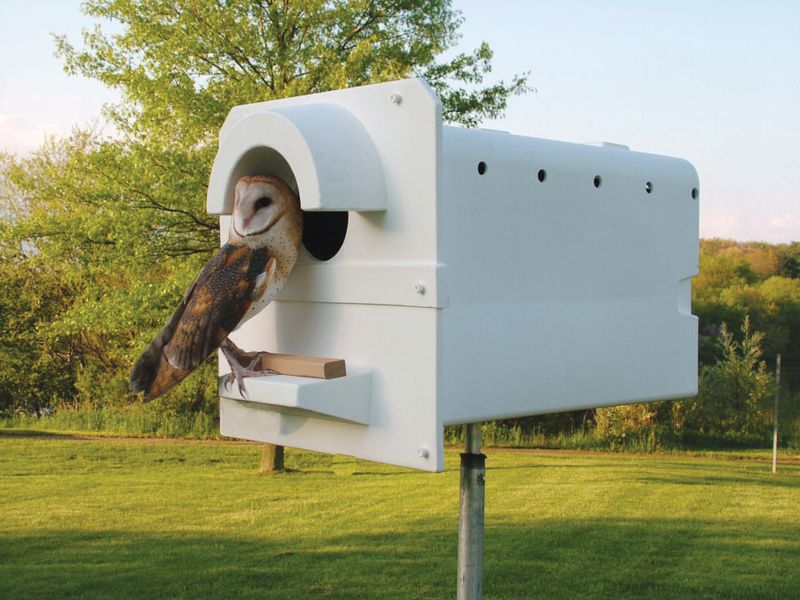
Rats in the shed and chewed plants in the garden make many North Carolina homeowners reach for poison bait. A barn-owl nest box sounds like a gentler idea, since these native owls hunt small mammals at night.
The truth is more mixed, because a box may help wildlife in the right spot but it will not fix a rat problem by itself. Here is what a box can and cannot do, and what to do about rodents right now.
A nest box cannot promise a rat-free shed
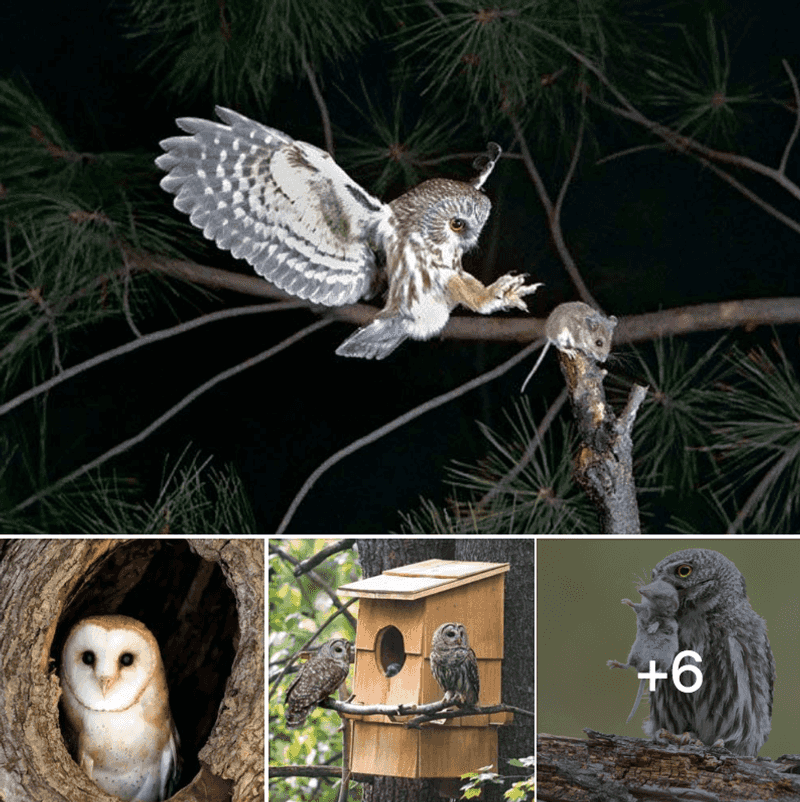
A barn-owl nest box gives a native predator a place to raise young. That is a real benefit for wildlife.
It is not a guarantee, though, because NC Wildlife notes that owls do not show up just because a box has been installed.
Even when owls do move in, nobody can say they will go after the rats at your shed. Research from farms shows mixed, site-specific results.
In a Napa Valley vineyard study, mouse numbers dropped during peak owl hunting, but the drop was not significantly tied to whether a nest box was present.
A newer vineyard study, published in 2026, found lower rodent numbers where owls hunted more. Those results come from large vineyards in California.
They do not tell us what one box would do in a backyard garden in Raleigh, Asheville, or Wilmington.
So think of a box as a possible long-term habitat project, and treat an active rodent problem as something to handle directly. The next sections cover how to judge your yard, seal up the shed, and choose safer control methods.
Barn owls hunt small mammals over open ground
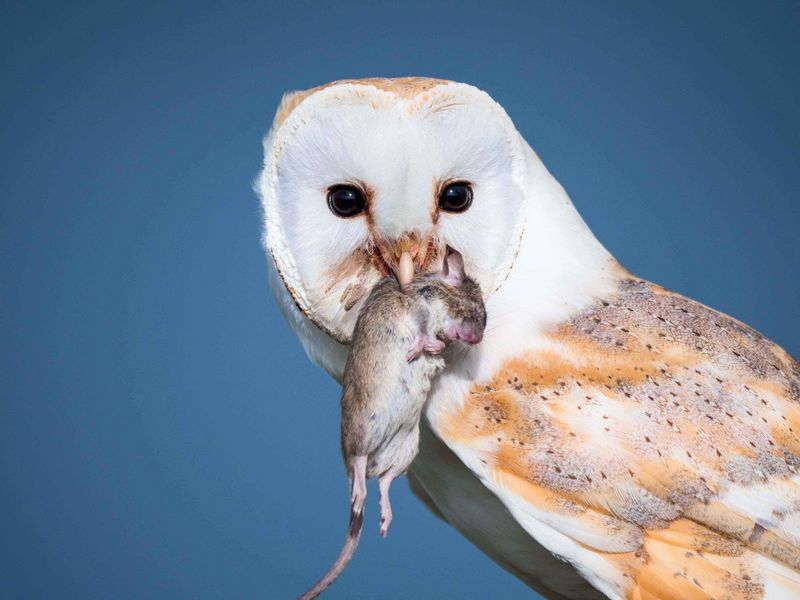
Picture a pale, heart-faced bird gliding just above a hayfield after sundown. That is how barn owls work.
According to NC Wildlife, they live across the state and hunt small rodents by flying low over open areas.
A closed shed is not hunting ground, and neither is a tight, wooded lot. Owls need open or semi-open land nearby, such as fields, pastures, or wide meadow edges.
Also, rodents and rats are not the same thing. In a Georgia pellet study not far from North Carolina, prey changed from site to site.
Hispid cotton rats were common, while true Rattus rats were scarce in the Piedmont sample.
A USGS study found something similar, with Norway rats and house mice making up only a small share of the prey at its sites.
Neither study can tell you what an owl near your home would eat. Voles, cotton rats, and mice may be on the menu long before the rats under your shed floor.
Will your yard give an owl room to hunt?
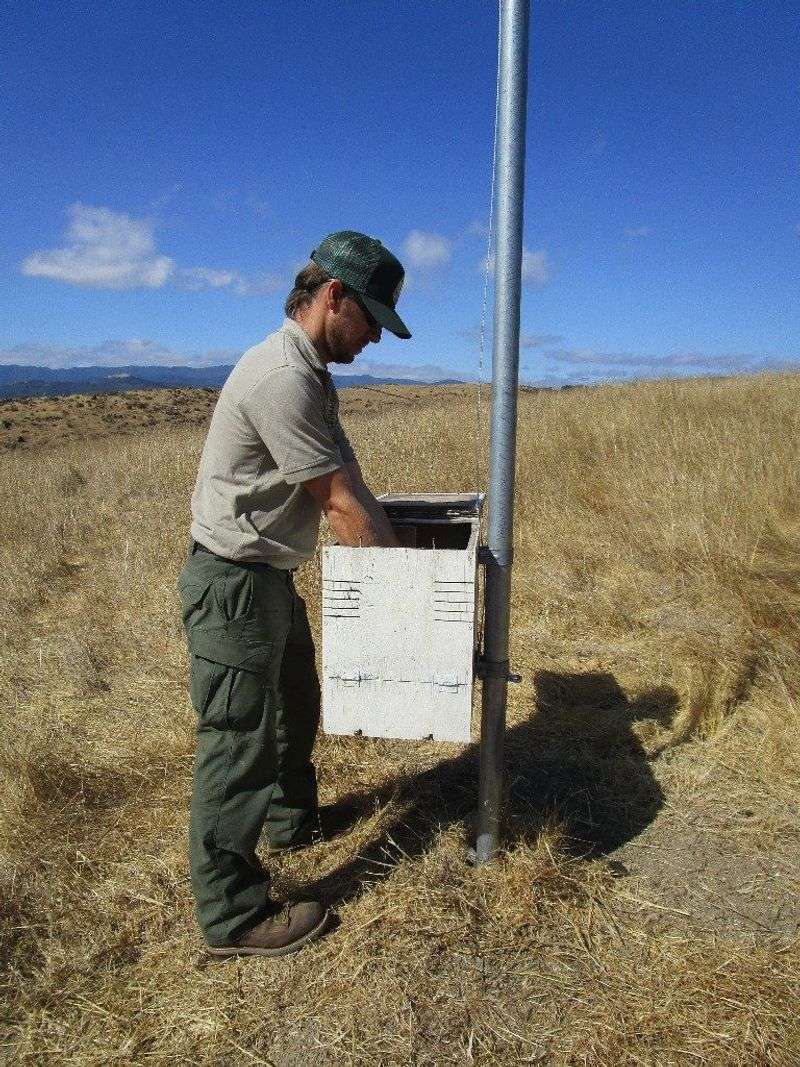
Before building anything, walk your property and the land around it. Look for open ground such as hayfields, pastures, or large meadow areas where an owl could cruise low.
A small, shady yard surrounded by trees is a poor match.
Cornell NestWatch gives a general placement range of 8 to 25 feet off the ground and recommends open habitat like agricultural fields. Treat that as a starting point.
Follow a species-appropriate North American barn-owl plan and check with local guidance, since no single height or setup fits every site.
Think about the neighbors, too. Hungry owlets can be quite noisy, so avoid putting a box right outside a bedroom window.
Also, placing it away from busy roads and human activity makes sense.
Maintenance matters as well. NestWatch advises cleaning a box only when owls are not nesting.
If you are unsure whether anyone is using it, watch from a distance and wait.
Even a perfect site is no promise, as NC Wildlife points out. If your land is mostly woods or tight lots, your effort may be better spent on native plantings and rodent-proofing.
Seal the shed and remove what attracts rats
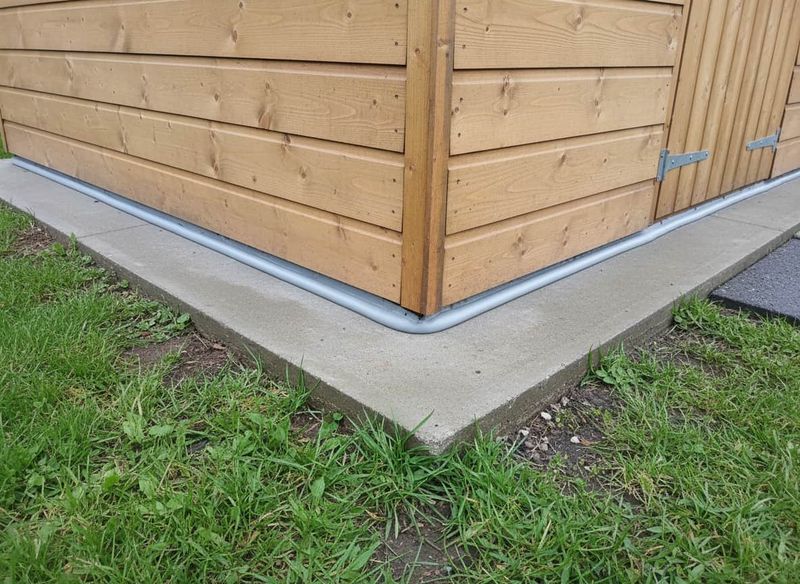
Rats move in where there is food, cover, and an easy way inside. Start with the doorway.
The CDC recommends sealing gaps, storing food and feed in tightly closed containers, and keeping garbage contained.
Walk the shed with a flashlight and look for holes around pipes, door bottoms, and where siding meets the foundation. Patch them with sturdy materials like metal flashing or hardware cloth.
Chewable stuff like foam or plastic will not hold.
Next, check what is feeding them. Bird seed, pet food, compost with scraps, and fallen fruit all draw rodents.
Move seed and feed into metal or heavy lidded bins and lift clutter off the floor so there are fewer places to nest.
Outside, trim dense brush and stacked debris near the walls. That removes hiding spots.
This work pays off because, as NC State Extension explains, killing rodents without changing the conditions that sustain them may give only short-term control. New rats can simply fill the gap.
Fix the setup first, and every other method works better.
Use rat traps for rats inside structures
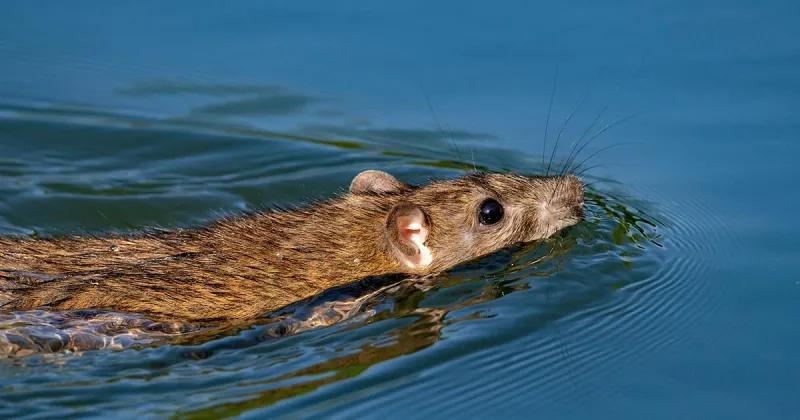
If rats are already living in your shed or garage, closing the holes is necessary but may not be enough on its own. Animals trapped inside need to be dealt with, and that is where traps come in.
NC State Extension describes exclusion as essential and recommends appropriately sized rat traps.
Size is the catch. Mouse snap traps generally are not effective for managing rats.
They can miss, injure without killing, or simply get dragged off, so pick traps made for rats.
Placement counts as much as the trap itself. Set them along walls and runways where you see droppings or gnaw marks, and keep them where children and pets cannot reach them.
A covered box or station is a smart choice for a yard with dogs, cats, or curious kids.
Check traps often and wear gloves when handling carcasses. Seal entry points once activity stops so new animals cannot move in.
Keep this job separate from any owl project. A nest box is a slow habitat measure that may or may not ever be used.
Active rats need a response now.
Poison bait can expose wildlife beyond the shed
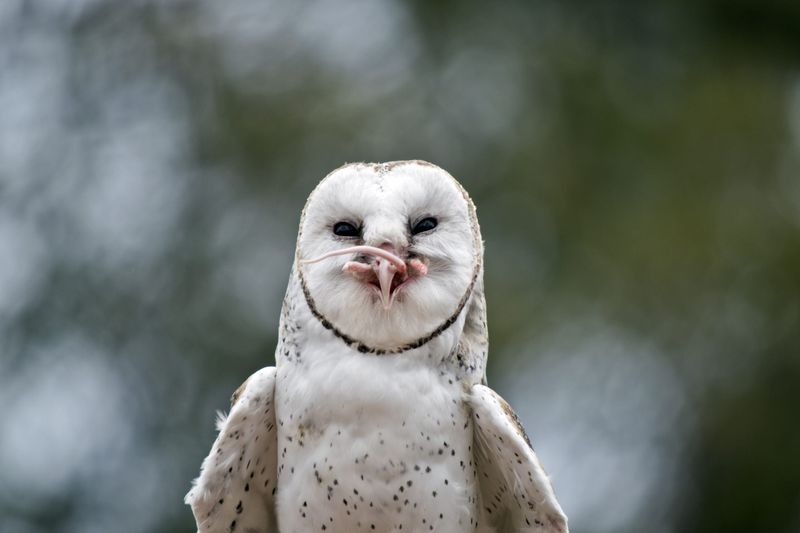
Poison bait looks like the quick answer, but it can travel further than you expect. The EPA’s review explains that rodenticides can expose pets and wildlife that eat the bait directly.
Some poisons can also affect animals that eat poisoned rodents.
That does not mean every bait use harms owls or that every product carries the same risk. It does mean that a poisoned rat wandering out of your shed could become a meal for a hawk, owl, fox, or neighborhood cat.
EPA requires consumer products to be used in bait stations. Read the label from start to finish, and follow the directions on placement, quantity, and cleanup.
The label is the rule, not a suggestion.
Where it is practical, consider options that do not rely on poison. Sealing entry points, cleaning up food sources, and using rat-sized traps are good places to begin.
They will not be the right fit in every situation, but they lower the chance that bait ends up where it should not be.
If you are weighing a nest box for the long run, keeping poison out of the neighborhood food chain is part of being a good host.
Leave an occupied box and nest undisturbed
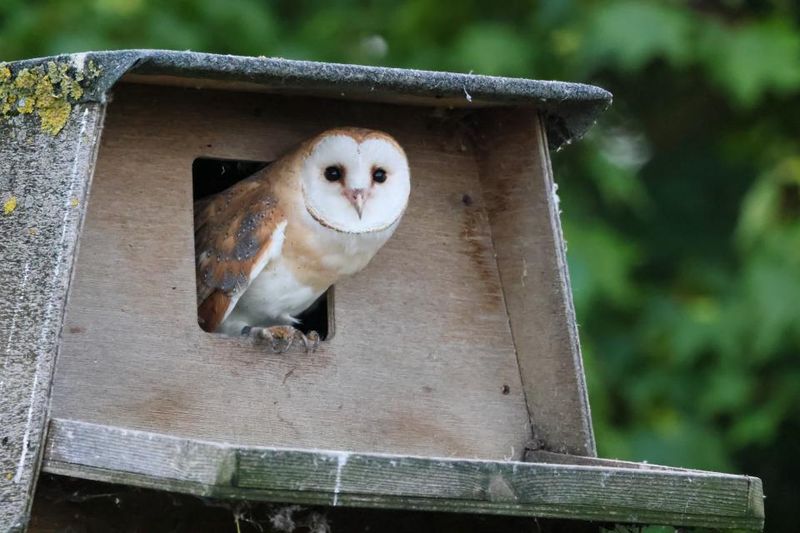
If owls do move in, let them be. Barn owls and their nests are protected under federal and North Carolina law, and NC Wildlife says it is illegal to injure, harass, kill, possess, or remove a bird of prey or its nest.
Do not open, clean, move, or tap on an occupied box.
Watch from a distance and enjoy the evening show.
A box may support wildlife where the habitat is right, while sealing, sanitation, and proper trapping remain the answer for rats at home.