
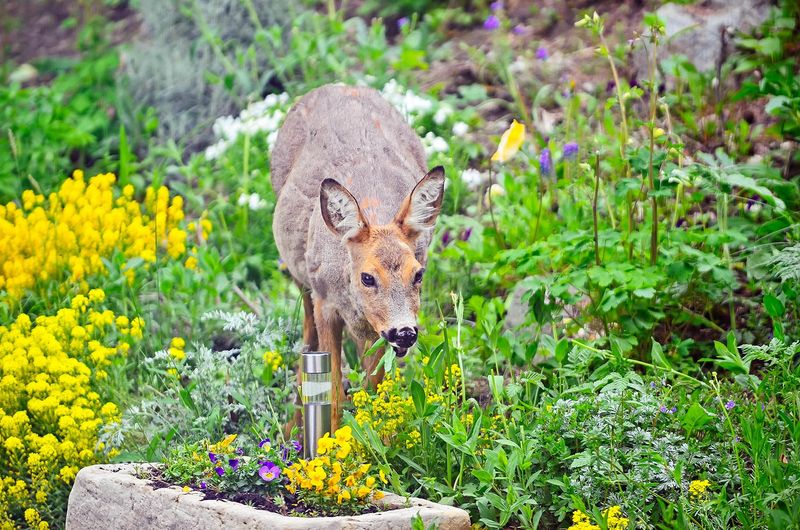
Deer can hit backyard gardens hard during late summer and fall, especially when heat and drought reduce the natural browse available nearby. Southern gardeners in Texas and Florida are often caught off guard when plants that looked fine in spring suddenly show ragged, chewed-off stems and missing foliage.
The good news is that an egg-based repellent may help slow the damage, but knowing when and how to use it correctly makes all the difference.
Why fall browsing may increase in some Southern yards
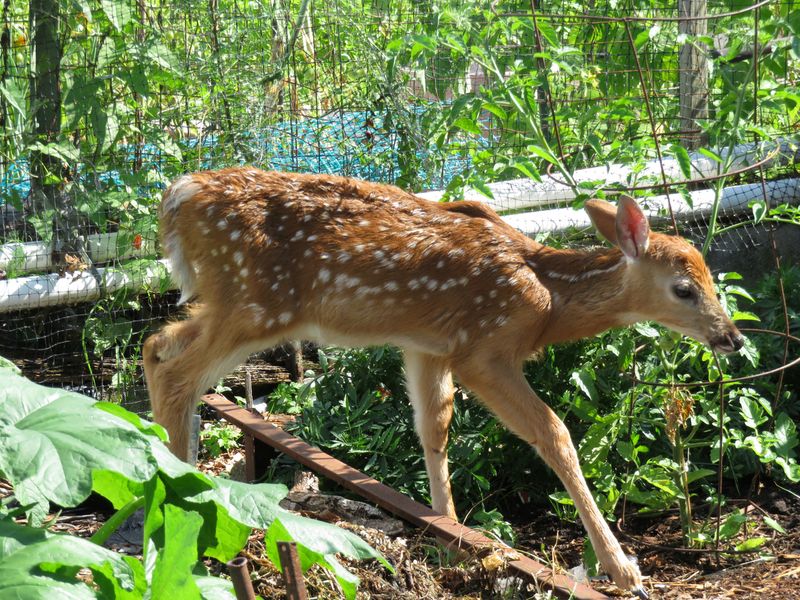
Deer are browsers by nature, favoring tender leaves, young shoots, flowers, fruits, forbs, and woody growth over mature grass. That preference puts vegetable beds and ornamental borders squarely in the crosshairs whenever other food becomes harder to find.
As Florida Fish and Wildlife Conservation Commission guidance confirms, white-tailed deer rely heavily on leaves, shoots, flowers, and fruits, which is exactly what most home gardens offer.
In parts of Texas, heat and summer drought can reduce available browse by late summer, pushing deer toward irrigated yards and garden beds. However, that pressure does not appear everywhere or every year.
Texas A&M AgriLife Extension research on deer in urban landscapes notes that browse remains a meaningful part of fall deer diets while acorns and other mast also become important, meaning some deer may have plenty of alternatives close by.
Florida conditions differ further still. The state’s longer growing season, agricultural areas, and varied habitats can keep high-quality forage available well into fall, so a dramatic seasonal forage gap is not a given for every Southern gardener.
The practical takeaway is straightforward: deer pressure may rise when local forage declines, but that is a conditional pattern, not a universal rule. Before spending money on any deterrent, look at what is actually happening in your yard and nearby habitat rather than assuming the worst-case scenario applies.
What egg-based repellents can and cannot do
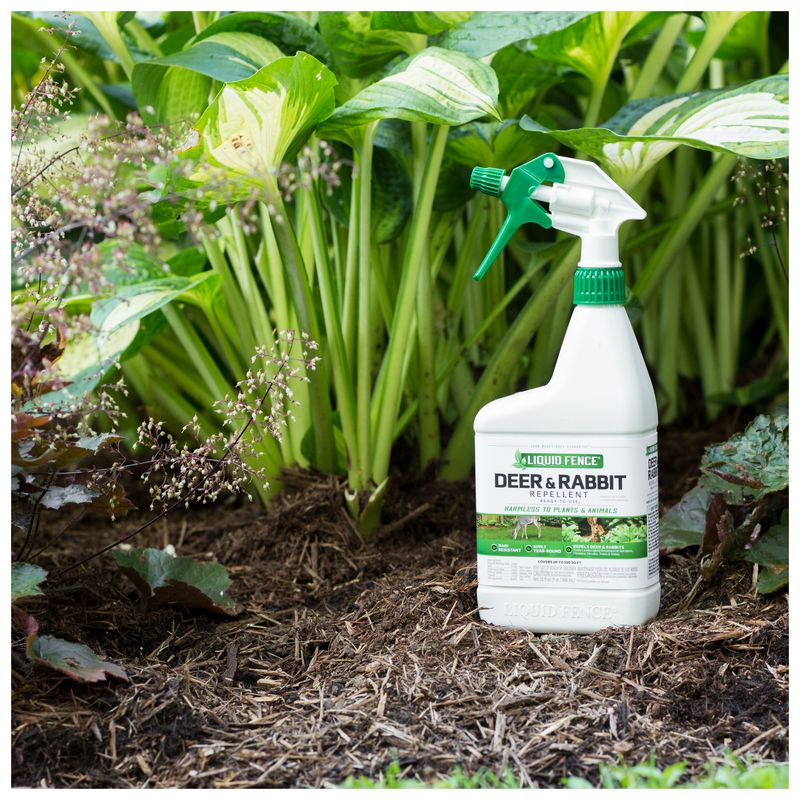
Among scent-based deterrents, egg-derived repellents have the strongest practical backing. Research by Kimball and colleagues on deer responses to repellent stimuli found that topical irritants and animal-based products produced stronger avoidance than odor-only options such as meat-and-bone meal, which lost effectiveness quickly through habituation.
That distinction matters: a putrescent-egg product applied directly to foliage works through both smell and taste, while an area repellent placed near the garden relies on odor alone and may lose its effect as deer grow accustomed to it.
Commercial putrescent-egg products and homemade whole-egg sprays are not the same thing. Registered products go through formulation and approval processes that a kitchen mixture does not.
Using the two interchangeably, or assuming that evidence for one validates the other, is a mistake worth avoiding before you spray anything near food plants.
Garlic, perfume, soap bars, human hair, and predator urine show up on many DIY lists, but none of these carries the same level of support as egg-based formulations. Deer can habituate to persistent odors, and a smell that works for a week may be ignored entirely by the second month.
An appropriately labeled egg-based product is worth a monitored trial when damage is light to moderate, but no scent-based approach should be treated as a guaranteed fix or a substitute for physical protection.
How to trial an egg-based deterrent safely
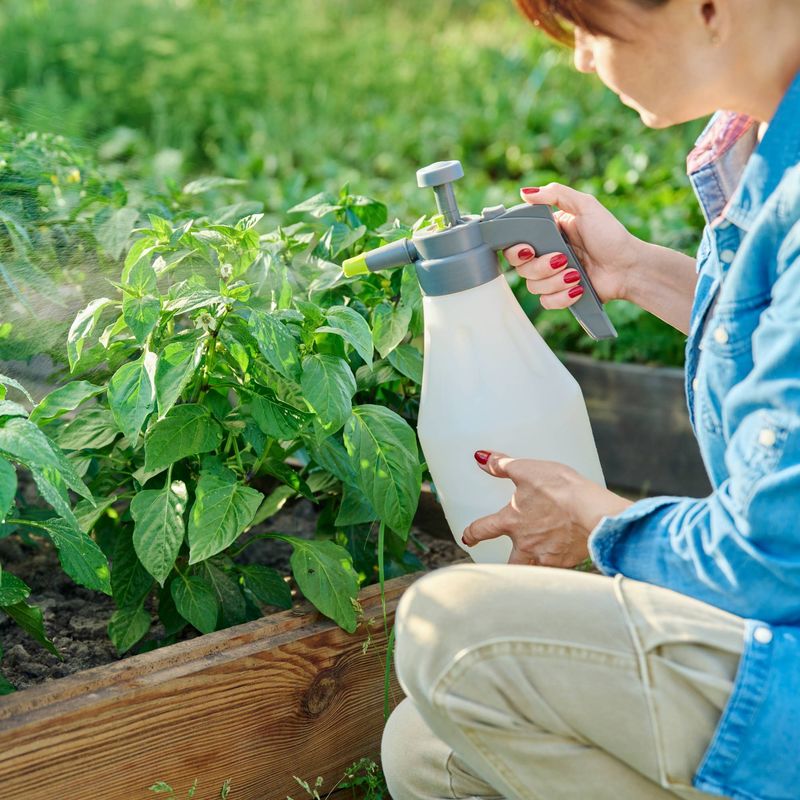
Starting with a labeled commercial putrescent-egg product is the safer path for most gardeners, particularly those growing vegetables or fruit. These products list approved crops, application rates, and pre-harvest and reentry intervals on the label, which removes guesswork.
A homemade whole-egg spray is a different formulation with different odor intensity, coverage behavior, and no regulatory review for crop safety, so the two should not be swapped freely.
University of Minnesota Extension guidance on protecting plants from deer references a mixture of roughly three eggs per gallon of water, applied thoroughly to new growth and reapplied after rain or about every two weeks. Colorado State University Extension identifies a 20% whole-egg spray as an option, with reapplication around every 30 days.
These are different reference points from different climates and formulations, not a single validated recipe you can follow exactly. Treat them as starting guidance for a monitored trial rather than a precise formula.
Whichever formulation you choose, test it on a small section of foliage first and wait a day or two to check for any leaf injury before treating the whole bed. Apply only to dry foliage when the directions call for it, and focus on tender new growth where deer tend to browse first.
Watch both plant condition and deer activity over the following week to judge whether the approach is actually working.
Time applications before damage becomes severe
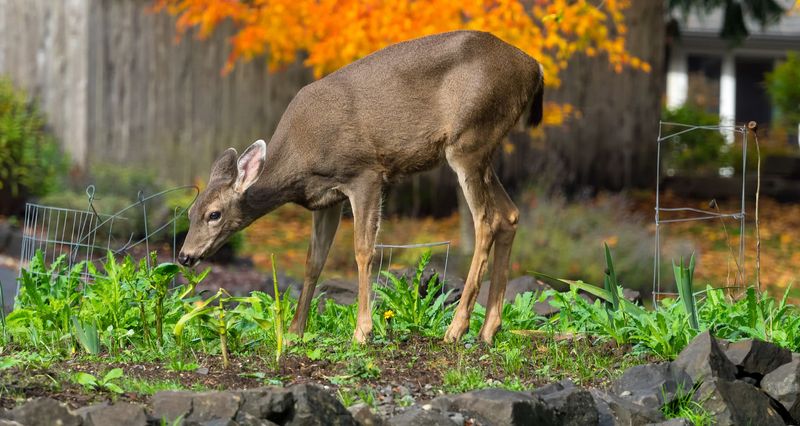
Repellents work better as a preventive measure than as a rescue after deer have already settled into a feeding routine. UF/IFAS Extension guidance on stopping nuisance wildlife damage is direct on this point: repellents are most effective under light to moderate feeding pressure, and hungry deer with limited alternatives may push through an unpleasant scent or taste without hesitating.
Getting product on vulnerable plants before deer establish a regular pattern gives the deterrent a better chance of working.
Protection fades for several reasons beyond habituation. Rain and irrigation wash product off foliage, new plant growth emerges unprotected, and odor concentration drops over time.
University of New Hampshire Extension notes that many repellents wash off or lose effectiveness and require consistent reapplication to stay useful. Check the product label or your formulation guidance for the recommended reapplication interval, and inspect plants after heavy rain or irrigation rather than waiting for the next scheduled treatment.
Build a simple monitoring habit: walk the garden every few days and note which plants show new browse damage, whether the damage is worsening or holding steady, and whether recent weather may have reduced coverage. A repellent that appeared to be working can quietly fail after a single hard rain.
Catching that early lets you reapply before deer re-establish a feeding habit rather than starting over from scratch.
Protect edible crops with label-first decisions
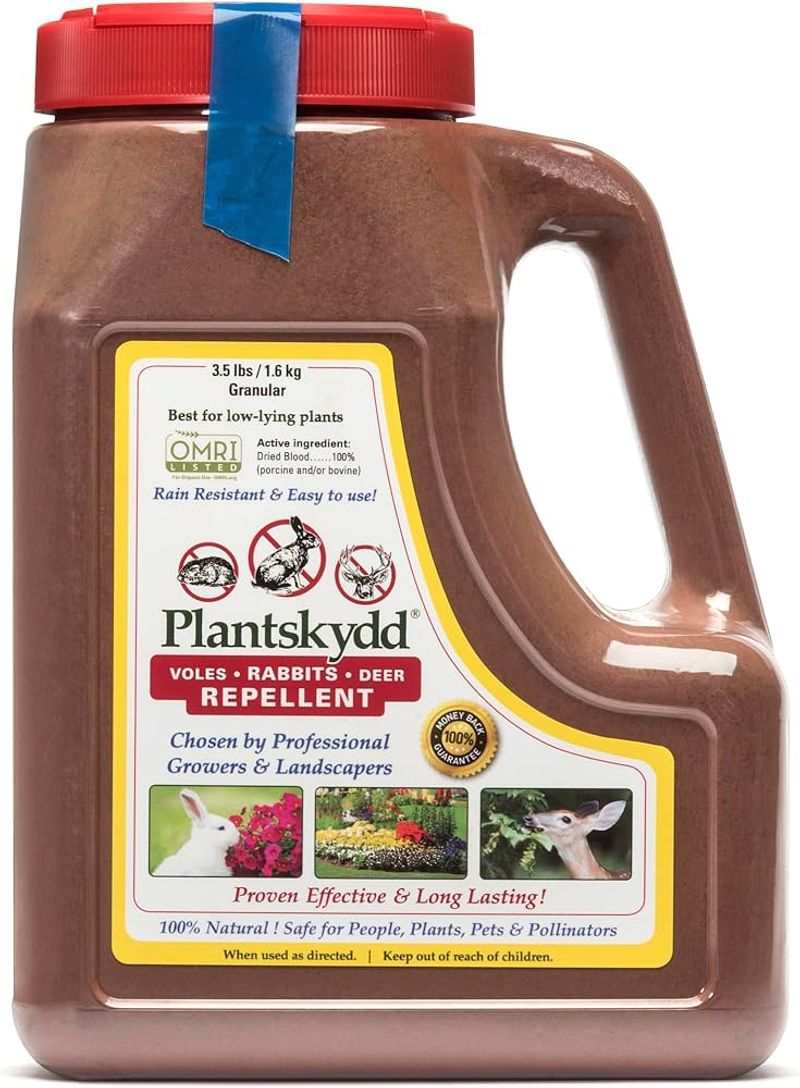
Vegetable and fruit growers face a different set of considerations than ornamental gardeners. A homemade egg spray that seems harmless on a rose bush is not automatically appropriate, safe, or legal on food crops close to harvest.
The odor can become strong and objectionable, and no kitchen-made mixture carries regulatory approval for use on edibles. EPA pesticide label guidance is clear: a pesticide product may only be used on the crops and sites listed on its label, and ignoring that restriction creates both a legal problem and a potential food-safety issue.
Commercial repellents differ significantly in what they cover. Some are approved only for ornamentals.
Others list specific vegetables, fruit trees, or orchard crops with defined pre-harvest intervals and reentry restrictions. Read the entire label before purchasing, not just the front panel, because the crop list and timing restrictions appear in the fine print.
Test a small area for foliage injury before treating an entire bed, especially on sensitive plants like peppers or leafy greens.
Improvised sprays made with household soaps, dish detergents, essential oils, or hot peppers carry their own risks. Some of these can damage foliage or lack any approval for use on food crops.
UF/IFAS guidance on natural pest-management products in Florida highlights that even naturally derived ingredients can injure plants or create residue concerns on edibles. For vegetable beds close to harvest, a labeled product or a physical barrier is the more defensible choice.
Use fencing when browsing persists
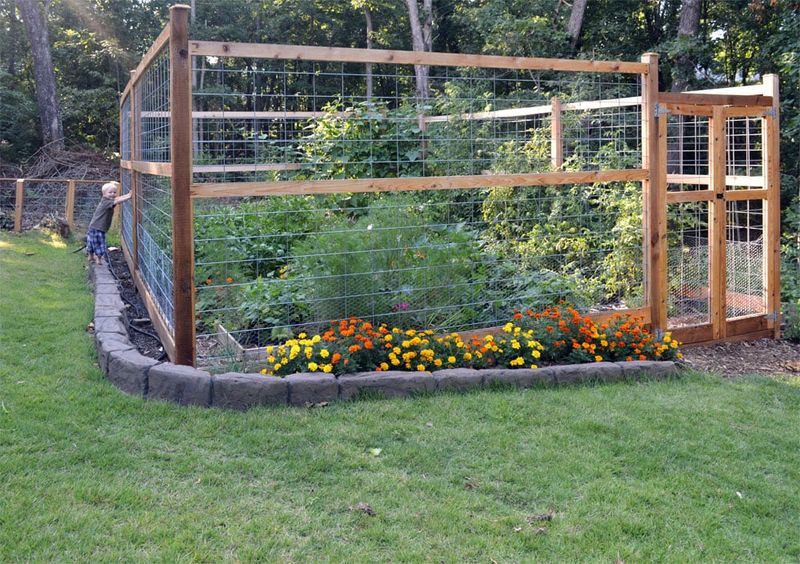
Scent-based deterrents have real limits, and those limits become apparent when feeding pressure climbs or damage keeps returning despite reapplication. At that point, exclusion becomes the more dependable answer.
Colorado State University Extension guidance on preventing deer damage positions fencing as the backbone of protection for recurring or severe situations, while repellents serve better as a lower-cost supplemental measure for smaller or lightly pressured spaces.
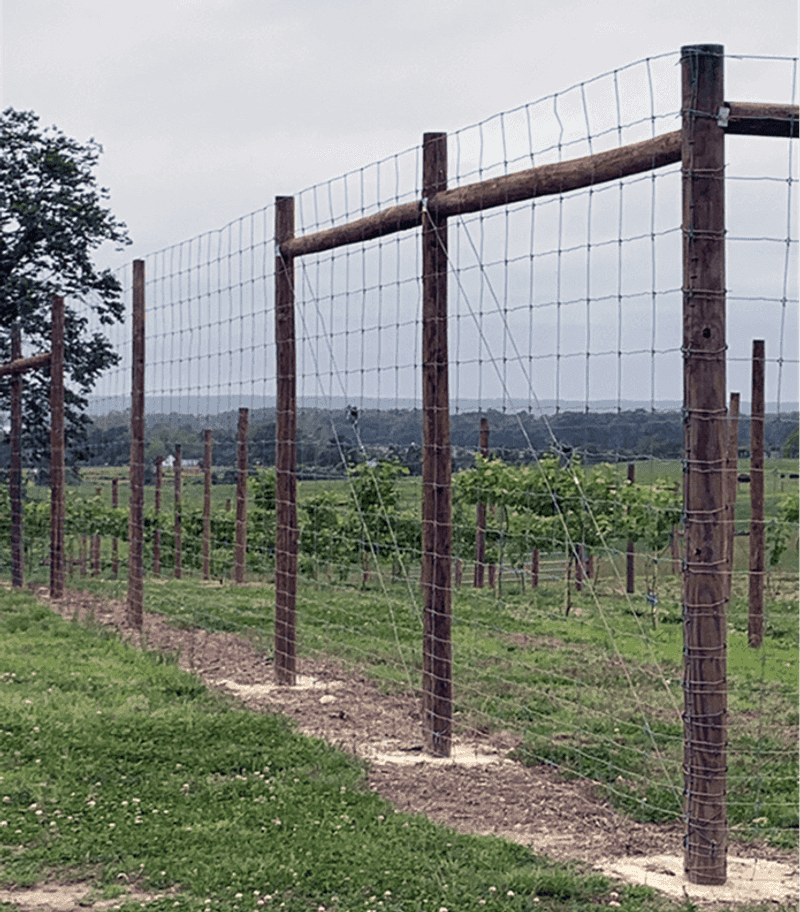
A well-built deer fence should stand roughly 8 feet tall and be secured close to the ground to prevent deer from pushing underneath. University of Georgia Cooperative Extension fencing guidance covers construction details for garden enclosures, including materials and anchoring methods that hold up under real-world conditions.
Woven wire, high-tensile wire, and polypropylene mesh are all common choices; the right one depends on budget, yard size, and how long you need the fence to last.
Smaller-scale options work well for limited areas. A single raised vegetable bed can be enclosed with a simple hoop-and-mesh cage.
Individual fruit trees or ornamental specimens can be ringed with wire cylinders. Electric fencing with two or three strands at different heights has also proven effective for garden perimeters when installed and maintained correctly.
None of these require committing to a full-property fence, which makes them practical starting points for gardeners dealing with persistent damage in a defined area.
Reject unsafe and unreliable shortcuts

Mothballs are one of the most commonly suggested deer deterrents online and one of the most clearly wrong. National Pesticide Information Center guidance on mothballs states plainly that they are not intended for outdoor animal control, have little or no dependable repellent effect on wildlife, and can expose people, pets, and wildlife to pesticide vapors when used outside.
Using mothballs in the garden is an unsafe practice, not a minor shortcut.
Deer-resistant plant lists are useful planning tools, but no plant is deer-proof. Mississippi State University Extension guidance on discouraging deer makes this point clearly: plant preferences shift with season, individual animal behavior, and food availability.
A plant that deer avoided all summer may get browsed in fall when alternatives thin out and hunger overrides normal preferences.
Feeding deer to draw them away from the garden is another approach that backfires. USDA APHIS guidance on not feeding wildlife warns that supplemental feeding can create wildlife-damage problems and reduce animals’ natural wariness around people, making future conflicts more likely, not less.
Area repellents based on odor alone, including predator urine, soap bars, and human hair, can also fade quickly through habituation and should not be relied on as stand-alone controls when real garden damage is at stake.
Build a layered response to seasonal deer pressure
Start by looking honestly at conditions in your own yard. If nearby browse appears stressed by heat or drought and deer are actively visiting, begin an appropriately labeled egg-based deterrent before browsing becomes heavy.
Colorado State University Extension and UF/IFAS guidance both reinforce that repellents perform best early, under light pressure, and with consistent reapplication after rain and new growth.
Judge results by whether browsing actually decreases, not by whether deer disappear entirely. If damage continues or feeding pressure stays heavy, add physical protection: a cage over a raised bed, a cylinder around a prized shrub, or a full perimeter fence for the whole garden area.
University of Minnesota Extension frames this well: repellents and barriers work best together rather than as competing options.
Egg-based scent may reduce browsing in some Southern gardens when conditions are right, but a well-built fence remains the more reliable answer when deer pressure persists. The best defense is a layered one, matched honestly to the damage you are actually seeing.