
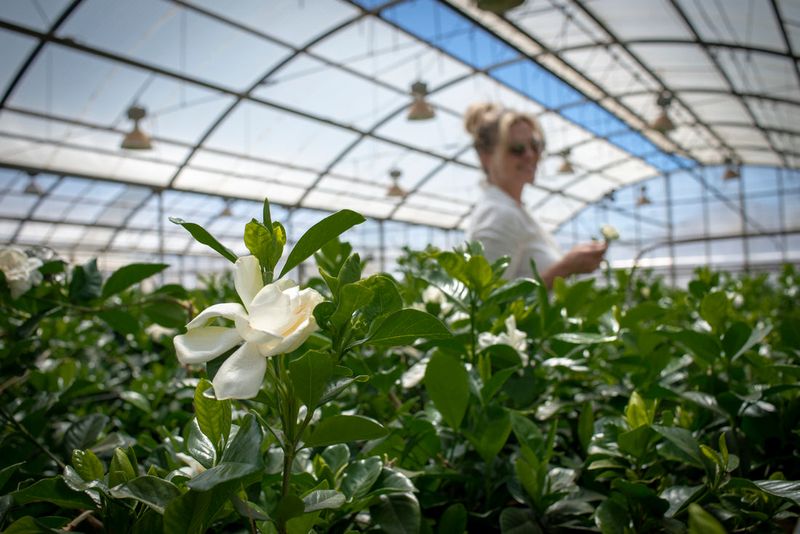
Gardenias are famous for their creamy, sweet-smelling flowers, and many California gardeners count the days until they open. Here is the catch: many gardenias build buds for a later bloom in late summer or fall, right when the urge to tidy up hits.
A few snips at the wrong time can remove flowers you never got to see. Here is how to protect those buds, and how to handle wet-weather prep as a separate job.
Fall pruning can remove potential flower buds
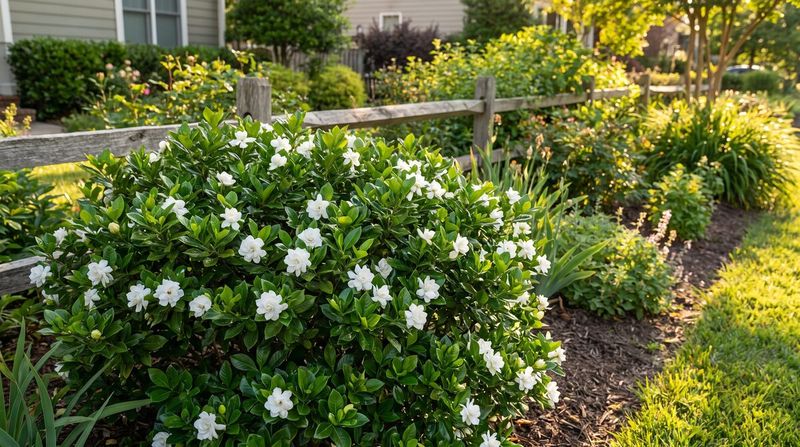
Picture a gardener out on a cool fall morning, shears in hand, ready to neaten a leggy gardenia. It feels like good garden care, but timing matters a lot here.
Many gardenias form their flower buds in late summer or fall, so a haircut during that stretch can take off flowers that are already on the way.
Extension horticulturists back this up. LSU AgCenter guidance says gardenias set buds in late summer and should be pruned promptly after they finish blooming.
Arkansas Extension also warns that fall pruning can remove much of the next summer’s bloom.
Notice the careful wording: many gardenias, not all of them. Cultivars differ, and sources do not say exactly where on the branch the buds sit, so you cannot count on a safe spot to cut.
The simplest way to protect potential flowers is to hold off on routine shaping once buds could be developing.
Winter rain is not the villain in this story. The bloom risk here comes from the pruning shears, and that is a choice you control.
Rain preparation is a separate job, and the sections below cover it on its own.
Prune after the main bloom, not by a statewide date
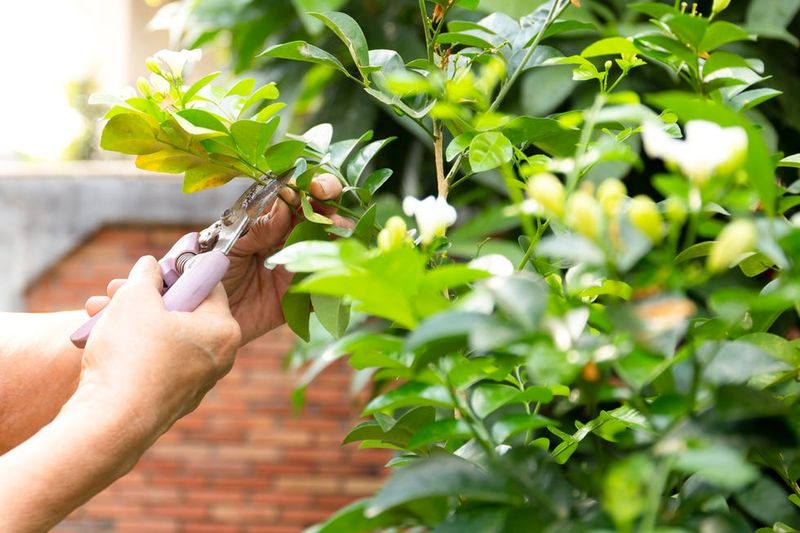
A single calendar date for pruning gardenias across California would not work. A coastal garden near San Francisco, a warm inland valley, and a foothill yard all see flowers open at different times.
So the rule that travels best is about the plant, not the date: wait until the main flowering period ends, then do your routine pruning.
That is the advice in Arkansas Extension’s gardenia guide, and it fits your own shrub’s habits. Watch your plant for a season.
Note when the first blooms open and when the last ones fade, and jot it on your calendar for next year.
Bloom habits are not identical from one gardenia to the next. Clemson Extension lists cultivars that rebloom in summer or fall, and Arkansas Extension notes that some varieties also flower on current-season growth.
If yours is one of those, a late trim may not erase every flower, but it can still cost you some.
Here is a practical example. If your gardenia finishes its big flush in early summer, that is your window for shaping.
If it throws a few flowers into autumn, make only light cuts, such as removing a dead or broken branch, and save the bigger shaping for after the main show.
Check in-ground drainage for your site and forecast
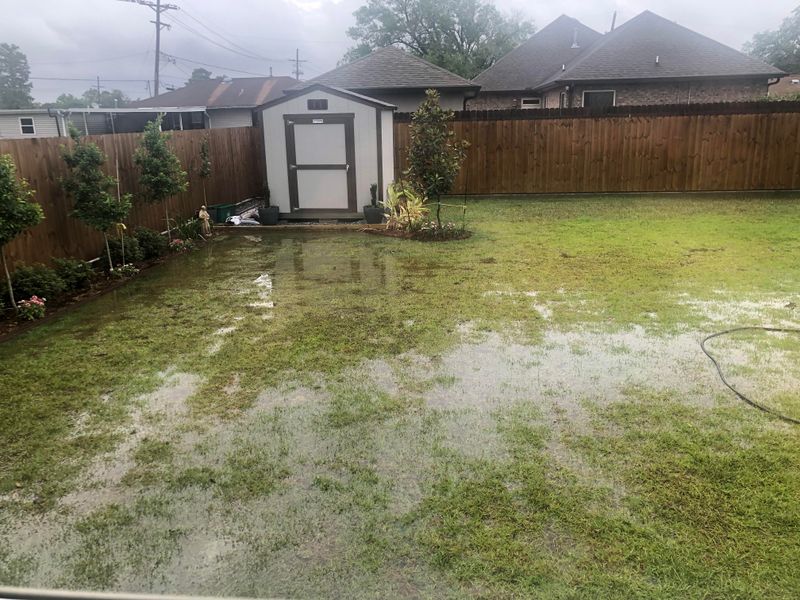
Gardenias like well-drained soil, a point made clearly in UC IPM’s gardenia page, which also notes the plant’s vulnerability to root and crown rot. That makes your planting spot worth a quick look before wet weather arrives.
The goal is root health, not a bloom guarantee.
Start with a simple test. After a good rain or a long soak with the hose, walk out a few hours later and look at the bed.
Puddles that linger, soil that stays soggy for days, or a low spot where water gathers are warning signs for a gardenia.
Also check how the shrub sits. Its crown, where the trunk meets the roots, should not be buried or sitting in a dip.
Gardeners with heavy clay sometimes improve things by planting slightly high or by working organic matter into the bed.
How much this matters depends on where you live. California’s rainfall varies widely, and the National Park Service’s climate summary for the Presidio of San Francisco shows how much conditions differ across the state’s coasts, valleys, and mountains.
Read your own local forecast and your own soil instead of assuming a statewide rain date.
An established gardenia in well-drained ground may need nothing at all. A newer plant in a slow-draining corner deserves a closer look.
Keep container drainage holes clear
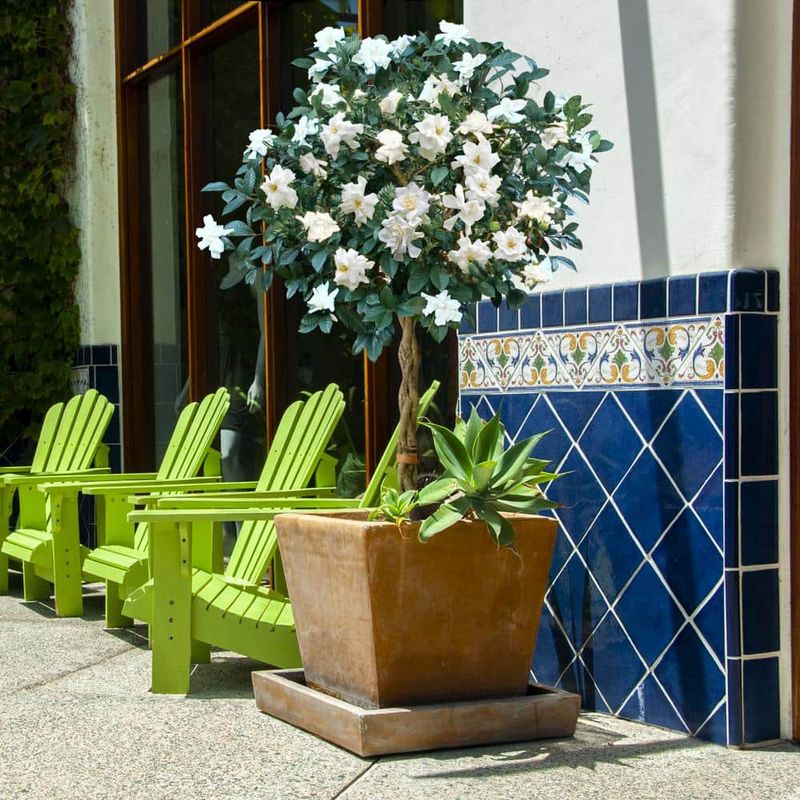
Pots play by different rules. A gardenia in a container cannot send extra water down into native soil, so everything depends on those small holes in the bottom.
Before a wet stretch, tip the pot slightly and check that each hole is open and not packed with roots or soil.
The UC Master Gardeners of Contra Costa County caution that heavy winter rain can overwhelm container drainage, and they suggest looking for standing water and clearing drain holes. That is a good habit for any potted plant on a patio.
Next, look at what the pot sits on. A saucer that fills with rain keeps the bottom of the root ball wet for days.
Empty it, or lift the pot onto small feet so water can escape.
You can also move containers. A spot under an eave takes the brunt off a downpour, while a bare open patio gets the full dose.
Not every container or every California yard faces the same exposure, so judge by your own setup.
A quick diagnostic clue: if the pot feels heavy days after the last rain and the soil smells sour, drainage is probably the issue. Lift the plant out, check the roots, and repot into fresh, free-draining mix if needed.
Keep soil moist without leaving it waterlogged
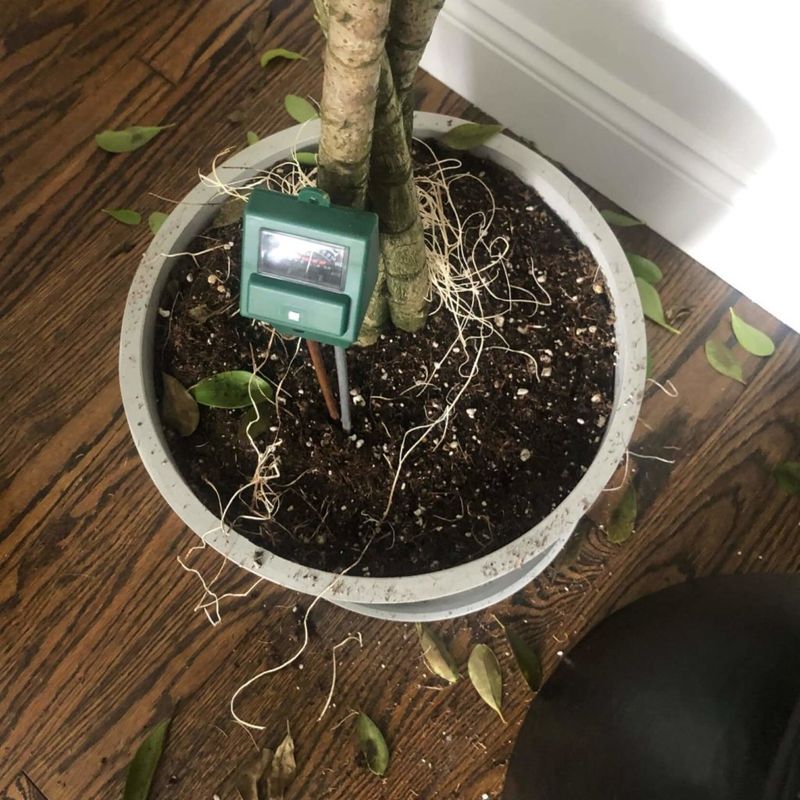
Gardenias want a steady supply of moisture, but they do not want to sit in swamp-like soil. Clemson describes them as preferring moist, well-drained, acidic soil.
Both halves of that phrase count.
The finger test is the easiest tool. Push a finger a couple of inches into the soil near the plant.
If it feels damp and cool, hold off on watering. If it feels dry, water slowly and deeply.
Do not shut off the water for the whole winter just because the season changed. California’s wet months can include long dry spells, and soil under eaves or in containers may get little rain at all.
Check the soil instead of the calendar.
Poor drainage is the real trouble. UC IPM’s gardenia guidance ties the plant to root and crown rot, and a UF/IFAS publication lists poor drainage among the things that can contribute to bud drop.
Warning signs of too much water include yellowing leaves, soft or dropping buds, and soil that stays wet long after watering. If you see them, adjust before you change anything else.
Let the top layer dry slightly, improve drainage, and keep a loose layer of mulch to even out moisture.
Make fertilizer a considered choice, not a fall habit
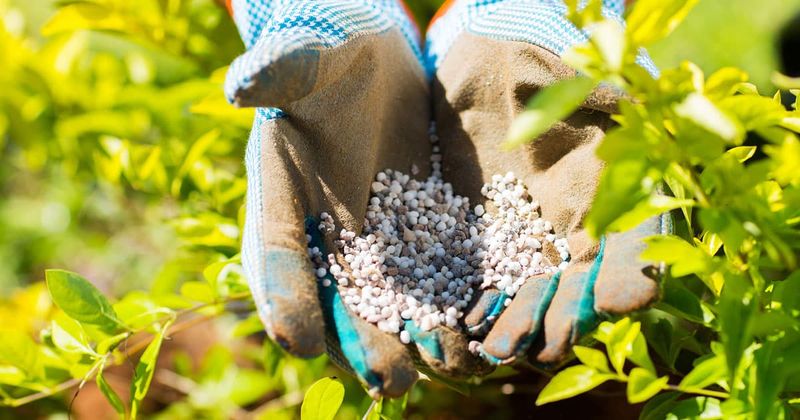
Reaching for the fertilizer bag every autumn is a habit worth pausing. A better starting point is the plant itself.
Glossy green leaves and steady growth suggest your gardenia is doing fine, while pale new leaves may point to a nutrient or soil pH problem worth investigating.
The UC Marin Master Gardeners recommend basing feeding decisions on plant health and soil analysis, and they advise stopping in late fall as soil temperatures drop. A soil test takes out the guesswork.
More is not better. A UF/IFAS publication cautions that excessive fertilizer can contribute to bud drop.
That does not mean any fall feeding automatically costs you spring flowers, only that heavy or unneeded feeding adds risk without a clear payoff.
Regional advice shows why one California calendar will not work. An older El Dorado County Master Gardener publication describes feeding through a long growing season, while Marin guidance points to a late-fall stop.
Florida schedules differ again. Your microclimate decides.
If your plant and soil test do call for feeding, choose a product made for acid-loving plants and follow the label on amount and timing. Skip the extra handful.
A gardenia often rewards patience more than effort, and the best care sometimes means leaving the shears and the fertilizer bag on the shelf.