
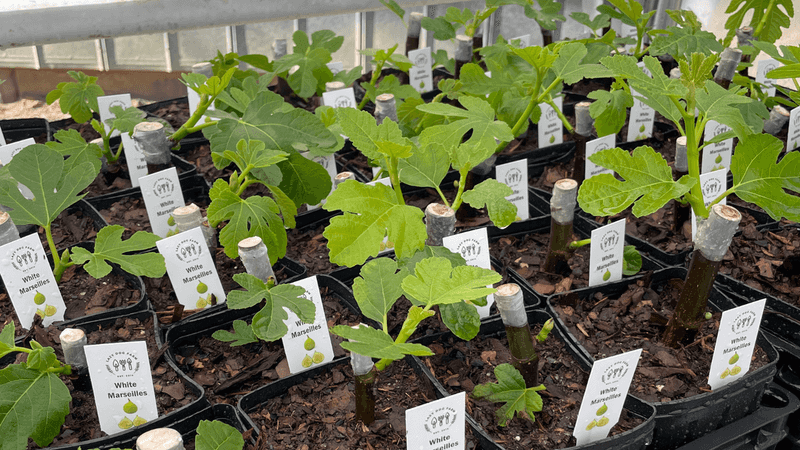
Got a fig tree you love? You may be able to turn a few pieces of its wood into brand new plants that grow on their own roots.
The trick is using the right kind of wood at the right time, and being patient while roots form. Here is how Southern gardeners can try it without overpromising what a cutting will do by spring.
Wait for dormancy, not just fall pruning
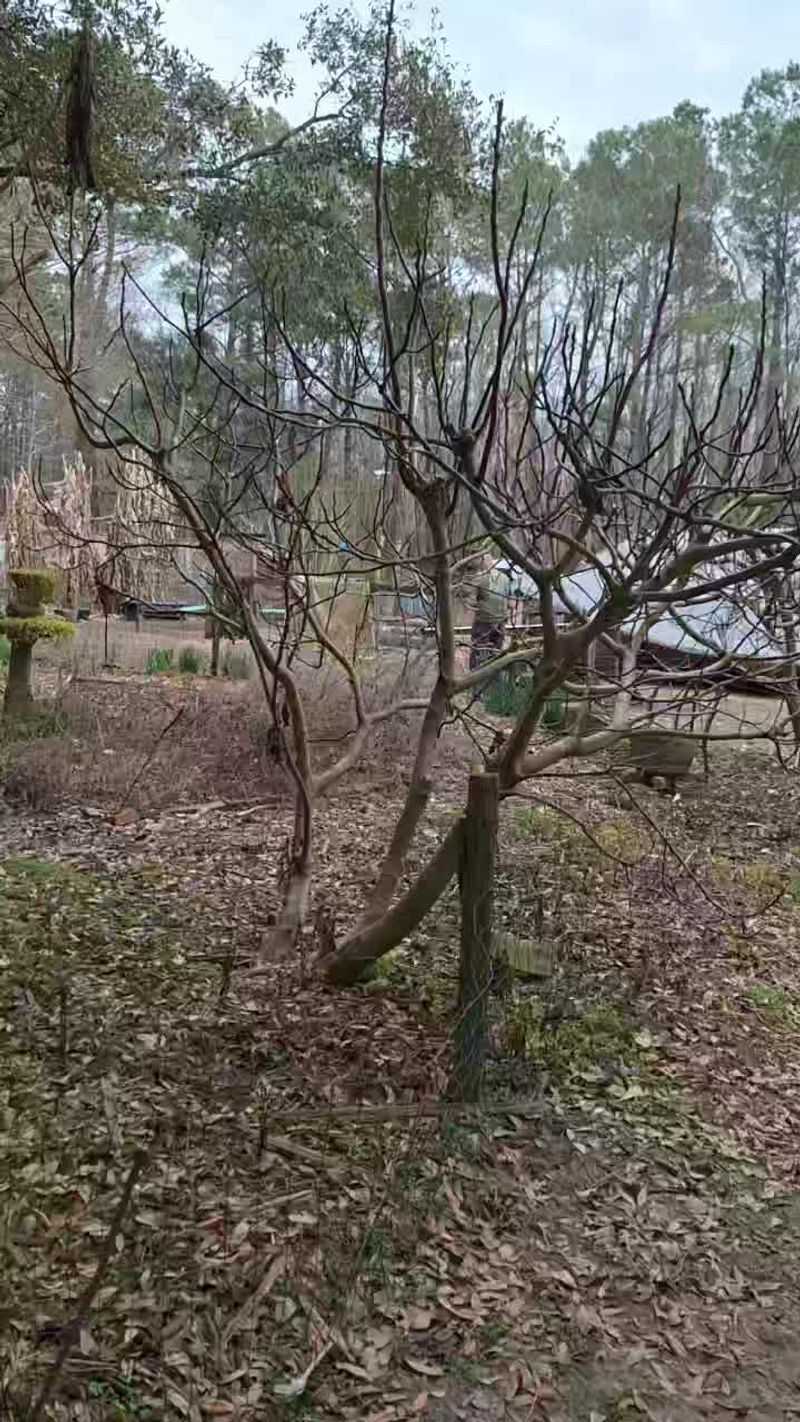
Fall on the calendar does not always mean fig wood is ready. The best cuttings come from dormant, leafless wood, and the date when a tree reaches that point changes a lot across the South.
A tree in the Texas Panhandle may be bare weeks before one near the Gulf Coast.
Florida adds another twist. UF/IFAS notes that figs there often are not cold-conditioned before winter, so a branch that looks mature in October may not be dormant at all.
Let the tree’s own condition guide you, such as dropped leaves and slowed growth, rather than a date.
Please do not prune healthy limbs just to collect material. UF/IFAS says figs do not need pruning to be productive, and heavy winter pruning can wipe out the next year’s crop.
Instead, use wood from cuts you were already planning, and Texas A&M guidance points to dead, diseased, and weak limbs as the right candidates during dormancy.
Choose sound wood and keep its orientation clear
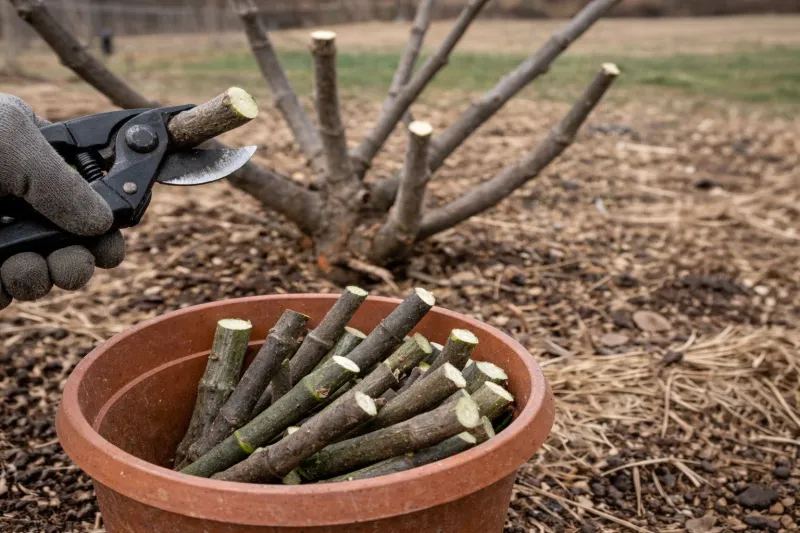
Cutting sizes vary by source, so treat them as examples rather than a rule. UF/IFAS suggests a piece about 6 inches long and under 1 inch thick, with a base section of two-year-old wood.
Georgia Extension describes a different working size: 8 to 10 inches of previous-year growth.
Either way, pick firm, healthy, leafless wood without signs of disease or dieback. Make the bottom cut just below a node, the bump where a bud or leaf was attached.
Cuttings look the same at both ends once they are off the tree, so mark the top. A slanted cut on the bottom and a flat cut on top, or a dab of paint on the top, works well.
Planting one upside down is a common reason for failure.
Fig latex can irritate skin, so wear gloves and long sleeves as Texas A&M recommends when handling figs.
Choose a rooting schedule that fits your climate
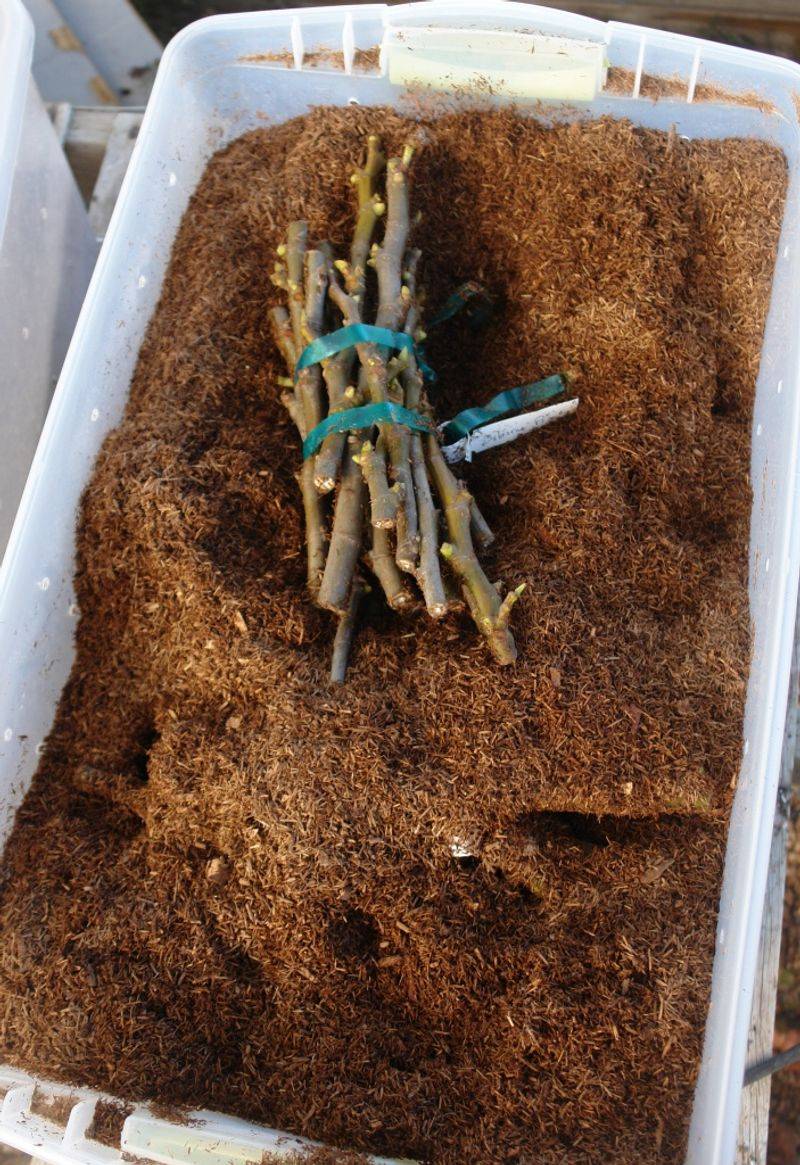
Collecting a cutting is one step, and rooting it is another. Picking up wood in fall does not mean it must go into a pot that same afternoon.
Published advice describes several different approaches, and none fits the whole South.
UF/IFAS describes placing dormant cuttings into a rooting medium. A Texas A&M propagation post says to collect only after plants have entered rest, then use a callus box before potting.
Alabama Extension recommends leafless cuttings in late winter or early spring.
Which one suits you depends on your winters. A Florida gardener with mild weather may follow a different timetable than someone in north Texas or Alabama.
Check with your county Extension office, and follow only the instructions your chosen source gives rather than improvising storage tricks.
Set the cutting in a moist, well-drained medium
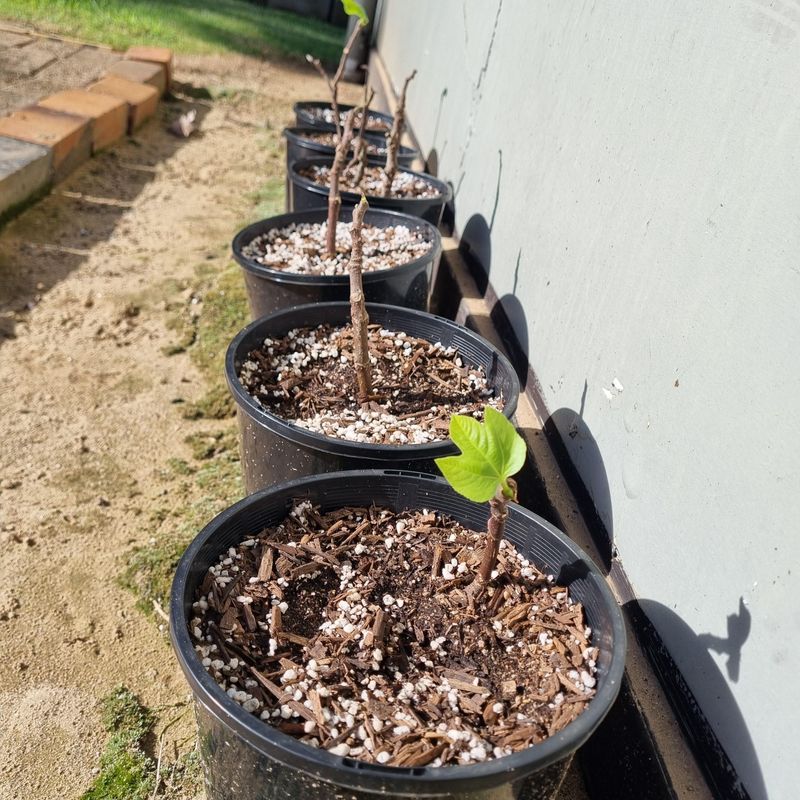
Once your timing is settled, the planting itself is simple. Place the cutting right side up, with the bottom cut down, and bury at least half its length in the rooting medium.
Firm the mix gently around it.
UF/IFAS names perlite as one option and says to keep the medium moist but not wet. A soggy mix can rot the cutting before roots appear.
Rutgers likewise recommends a well-drained medium and keeping cuttings moist, so drainage holes matter.
A simple check is to squeeze a handful of mix. A few drops of water is about right, while a steady stream means it is too wet.
Placement depends on the method. Alabama Extension advises a warm, bright but not sunny spot for its rooting approach.
Treat that as guidance for that method, not a setup every approach needs.
How can you tell the cutting has rooted?
Callus and roots are not the same thing. Callus is a pale, bumpy tissue that forms over the cut end, and it is only a first step.
UF/IFAS says callus can form in two to three weeks under the conditions it specifies. That is not a rooting timeline, and it does not mean the plant is ready to go outside.
Leaves can fool you too. Alabama Extension cautions that new leaves alone do not prove a cutting has roots, since the cutting can leaf out on stored energy.
Real evidence is roots you can see, such as through a clear cup or drainage holes, or a cutting that resists a very gentle tug. Avoid pulling it up often to check.
For a sense of pace, Georgia Extension’s nursery schedule plants dormant cuttings in late February or March and digs rooted plants the following winter. Patience pays.
Move it outdoors only when roots and weather are ready
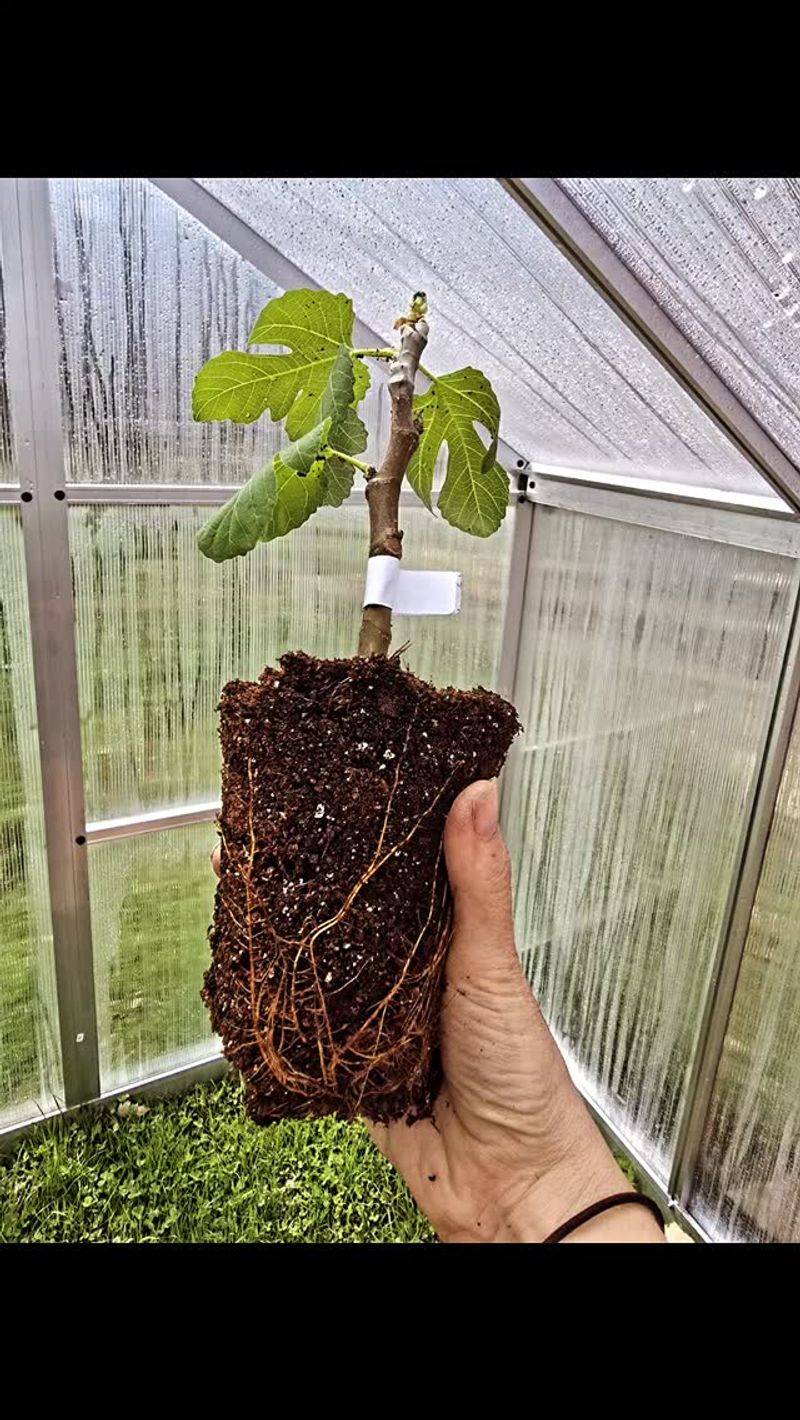
A rooted cutting is not automatically a plant for the ground. UF/IFAS says to transfer a cutting only after sufficient roots have formed.
If the roots are thin or few, keep it in its pot a while longer.
Weather matters just as much. Texas A&M notes that new fig trees there are generally planted in late winter or early spring.
Cold-protection needs vary across the state, especially in northern and western areas, while the warmer Gulf Coast faces less risk.
That means no single planting date works for every Southern reader. Watch your local forecast and last frost patterns, and have frost cloth or a sheltered spot ready for tender young plants.
Water and protection needs depend on your site, so adjust as you go. A well-rooted plant that waits a little longer is usually better off than a rushed one.
A cutting can start a new fig, but spring is no guarantee
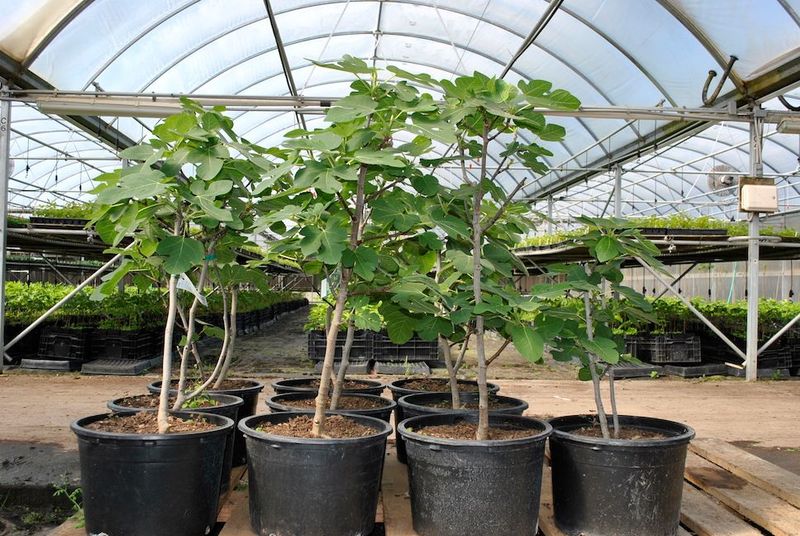
The real payoff of cuttings is a fig growing on its own roots. Because it comes from your tree’s wood, you are copying a plant whose fruit you already know.
A NMSU Extension handout notes that seed-grown figs do not reliably grow true to type, so seeds are a gamble if you want fruit like the parent.
Results still vary by variety, method, and climate. A Texas A&M propagation post and Georgia Extension’s schedule both show that approaches and timelines differ, and no source guarantees a tree ready by spring.
Some cuttings will fail, so it helps to start a few from wood you already have.
Success rests on dormant wood, a sensible method, real roots, and your local weather. A cutting is a patient bet, and the fig tree usually rewards those who wait.