
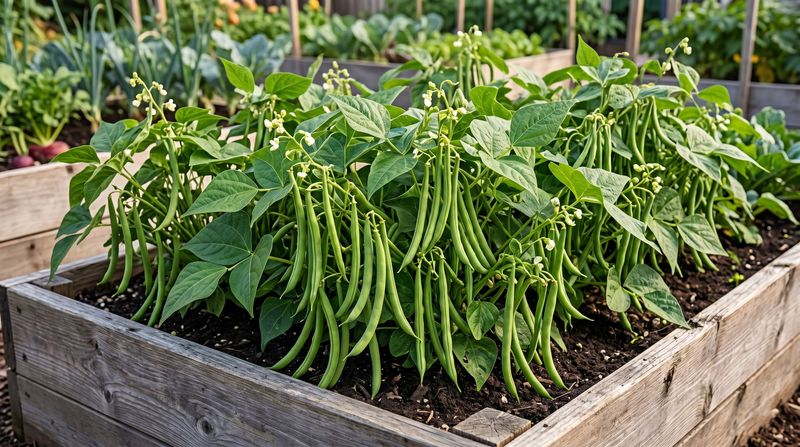
Your fall bush beans are covered in blooms, yet the pods never show up. That can feel like a trick, especially when frost is on the calendar.
Warm Southern nights are one possible reason, but they are not the only one. Here is how to check the likely causes and what you can do right now.
Heat is one possible cause of poor pod set
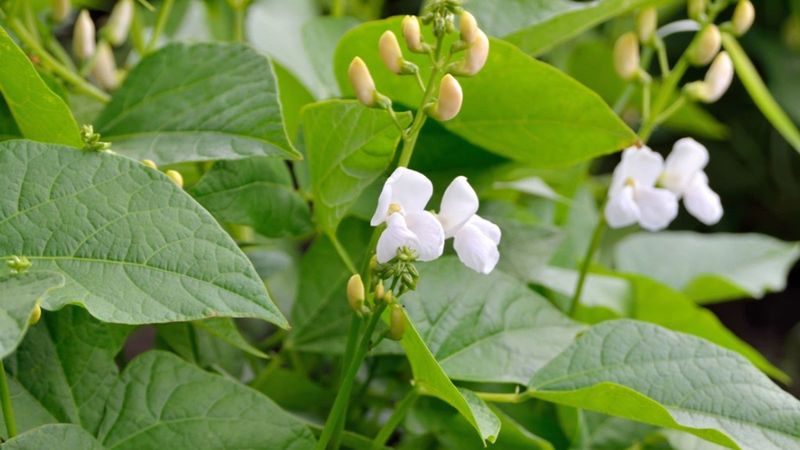
Warm weather can interfere with how common beans make pods. In a controlled common bean study, researchers found heat sensitivity at several stages before the flowers even opened.
Which stages mattered most varied by variety and by treatment.
That makes warm nights a believable lead when your beans bloom but never produce. It does not make them a confirmed cause in your garden.
Heat may harm pollen, but it can also affect other parts of the flower, and it may contribute to flowers or very young pods dropping off.
Because the damage can start before a bloom opens, the flowers you see today may already have been affected days earlier. Cultivar matters too, so one variety may struggle while another nearby does better.
Treat heat as a strong suspect to investigate, and keep reading before you decide. University of California snap bean guidance also lists heat among the factors that shape bean production.
Check daytime and nighttime conditions during flowering
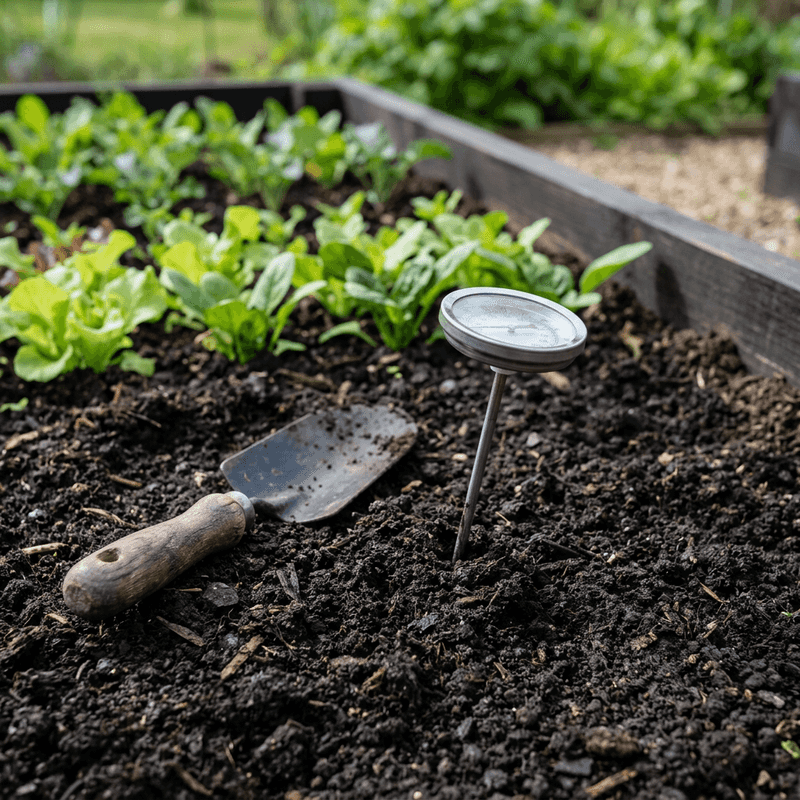
One thermometer reading will not tell you much. Note the afternoon high and the overnight low for a week or two while your plants are in bloom.
A cheap min-max thermometer in the bed makes this easy.
Sources tie bean flower drop to hot spells. Utah State Extension describes days above 90°F combined with nights around 75°F, plus low humidity or soil moisture stress, as conditions that favor flower drop.
That mix is common in early fall across much of Texas and Florida.
You may also run across Delaware Extension guidance that points to nights above about 68°F as a threshold linked to snap bean pollen and anther damage. Read that as guidance from one source, not a cutoff for every cultivar or yard.
If your readings run well above those numbers, heat is a reasonable suspect. If they do not, look elsewhere.
Either way, a temperature log is a clue, not a diagnosis.
Inspect other conditions that can limit pod set
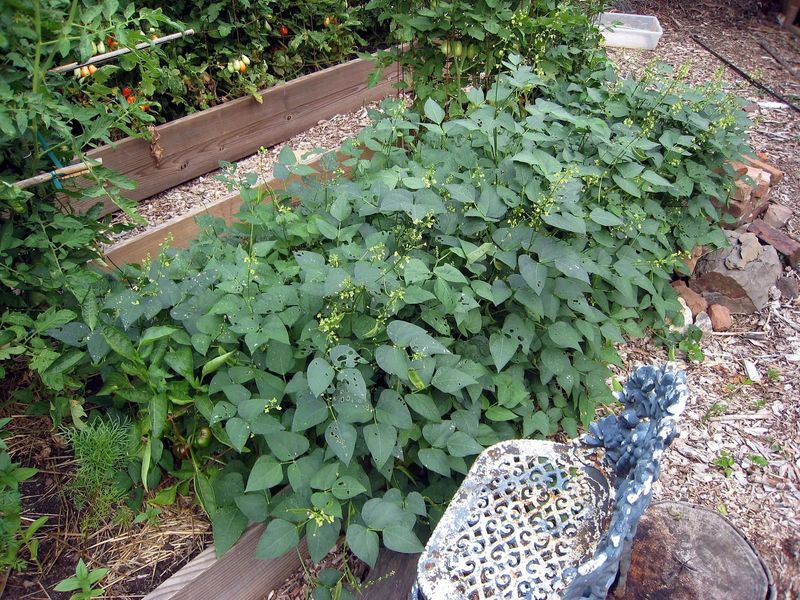
Flowers without pods is a symptom, and several things can cause it. Walk the bed with a few questions in mind before you change anything.
University of Maryland Extension lists temperature, soil moisture, shade, and nitrogen among the possible reasons vegetables bloom without setting fruit. Each is worth a quick look.
Poke a finger into the soil. Has it swung between bone dry and soggy lately?
Check the light too, since fall sun angles drop and a fence or tree may now shade the row for much of the day.
Then think about feeding. Oklahoma State Extension names excessive fertility, along with heat, as a reason beans can flower without podding.
Very lush, dark green growth with plenty of blooms is a clue.
You may find one cause or several. Not every garden will have all of these problems, so use what you see to narrow things down.
Keep soil moisture steady, not saturated
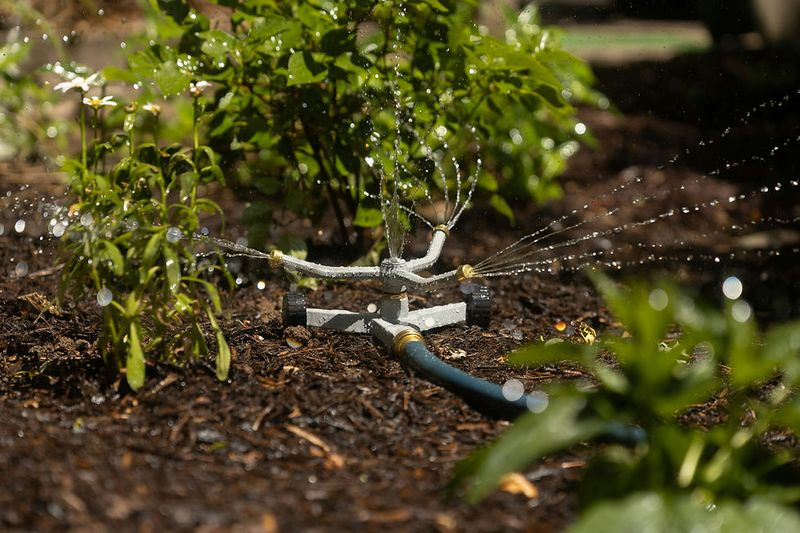
Aim for soil that stays evenly damp, like a wrung-out sponge. Dry stretches can contribute to blossom and pod drop, as noted by UC Statewide IPM, which links bean blossom drop to temperature and low soil moisture.
Hot spells make this more pressing. Utah State Extension counts moisture stress among the conditions that favor flower drop, and Maryland Extension lists both prolonged dry and wet soil as possible contributors.
A two-inch layer of mulch and a slow soak at the base of the plants can help you stay steady. Check with a finger a couple of inches down before watering again.
Skip the urge to flood the bed, since saturated soil can lead to root problems.
Better watering may reduce ongoing stress on the plants. It is not a proven way to undo heat damage to flowers already affected, so think of it as protecting the blooms still to come.
Avoid unnecessary fertilizer and pollination fixes
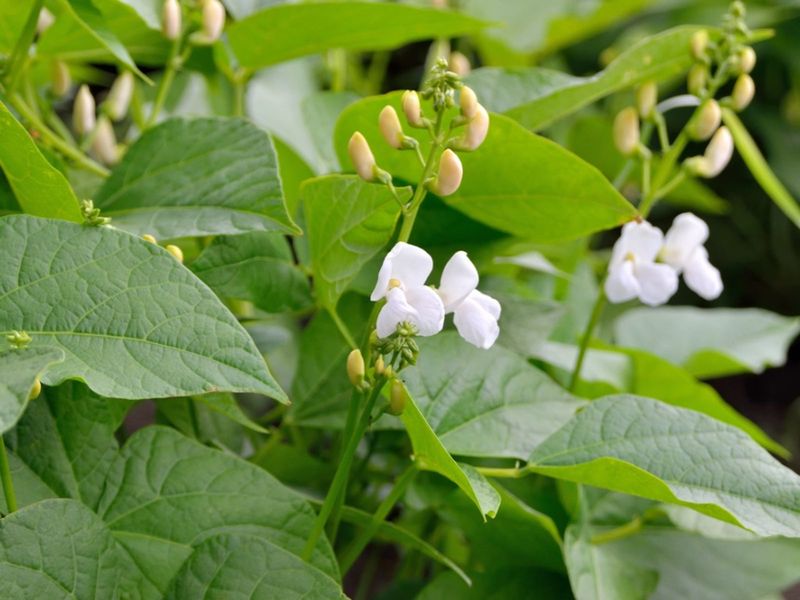
When plants bloom but do not produce, many gardeners reach for a fertilizer bag. Hold off.
Oklahoma State Extension lists excessive fertility as one documented reason beans flower heavily without setting pods.
Nitrogen deserves special caution. California fertilization guidelines for beans flag excess nitrogen, which can push leafy growth ahead of timely fruiting.
If your plants already look big and deep green, extra feeding may work against you.
The same goes for pollination fixes. Snap beans commonly self-pollinate, and University of Georgia Extension notes that seed set is generally good with or without bees.
Few visiting bees is rarely the best first explanation, and hand-pollinating is not a default fix.
Holding back on fertilizer or skipping the paintbrush will not bring back flowers that are already affected. It simply avoids adding new problems.
Recovery may happen, but a fall harvest is not guaranteed
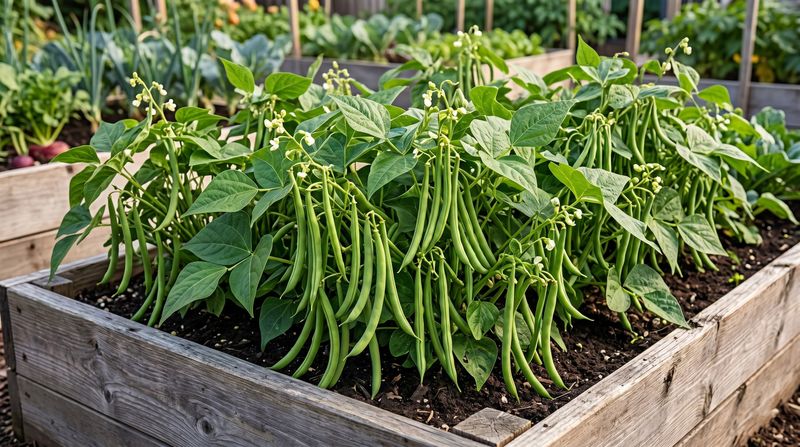
Some beans do bounce back. If your plants are otherwise healthy and temperatures start easing, they may begin setting pods again, as described by University of Minnesota Extension, which links bean set to heat and notes the bush bean flowering period is fairly short.
That short window is the catch. A bush bean puts most of its effort into one burst of flowering and podding, so a stalled stretch can eat up much of the time you have.
Beans are also frost-susceptible, as University of California guidance points out.
So keep the goals separate. Steady water, good light, and no extra fertilizer may reduce stress.
None of that promises pods, and none of it can promise a harvest before cold arrives.
Watch for tiny pods forming behind faded blossoms over the next couple of weeks. If you see none and your local frost date is close, it is reasonable to plan the next planting instead.
Plan future sowings around local frost risk
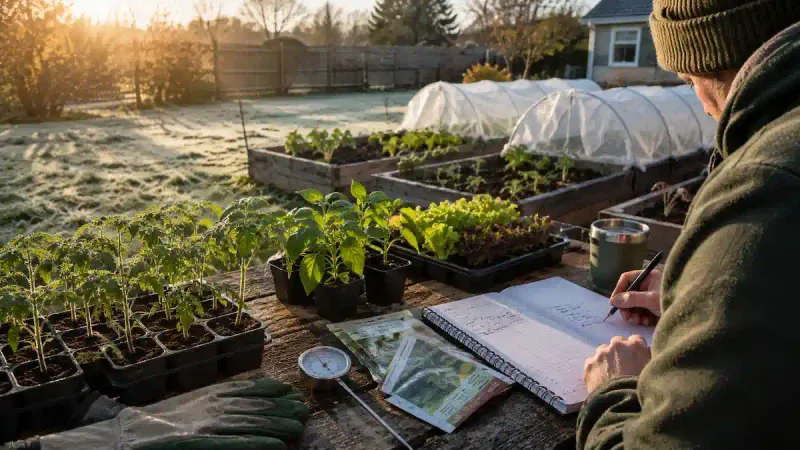
Next year, count backward from frost. Texas A&M AgriLife recommends planting snap bush beans 8 to 10 weeks before the first freeze and lists 45 to 60 days to harvest.
Use that as a planning reference, since actual timing depends on your weather and variety.
Texas is not one planting zone. The Fall Vegetable Gardening Guide for Texas gives planting windows by region, so look up yours rather than copying a neighbor in another part of the state.
Florida works the same way. UF/IFAS gives different planting dates for different parts of the state and also lists bush beans at 45 to 60 days to harvest.
Those days are a guide, not a promise that every planting will mature on schedule.
Keeping a note of when blooms opened and how hot the nights ran will help you tune your timing. Beans like to flower when the weather is kind, so give them that window.