
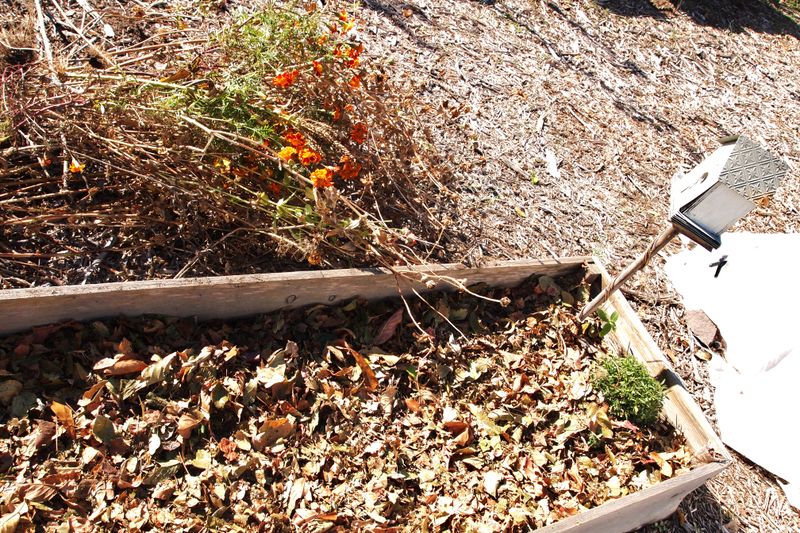
Every fall, Southern yards fill up with leaves that most of us bag and send to the curb. Those leaves can do something useful in a vegetable bed, because as they break down they add organic matter to the soil.
That can help a bed hold water and stay loose, which matters a lot for peppers. But leaves are not fertilizer, and how and when you use them makes a big difference.
Leaves can build soil, but they cannot promise a pepper harvest
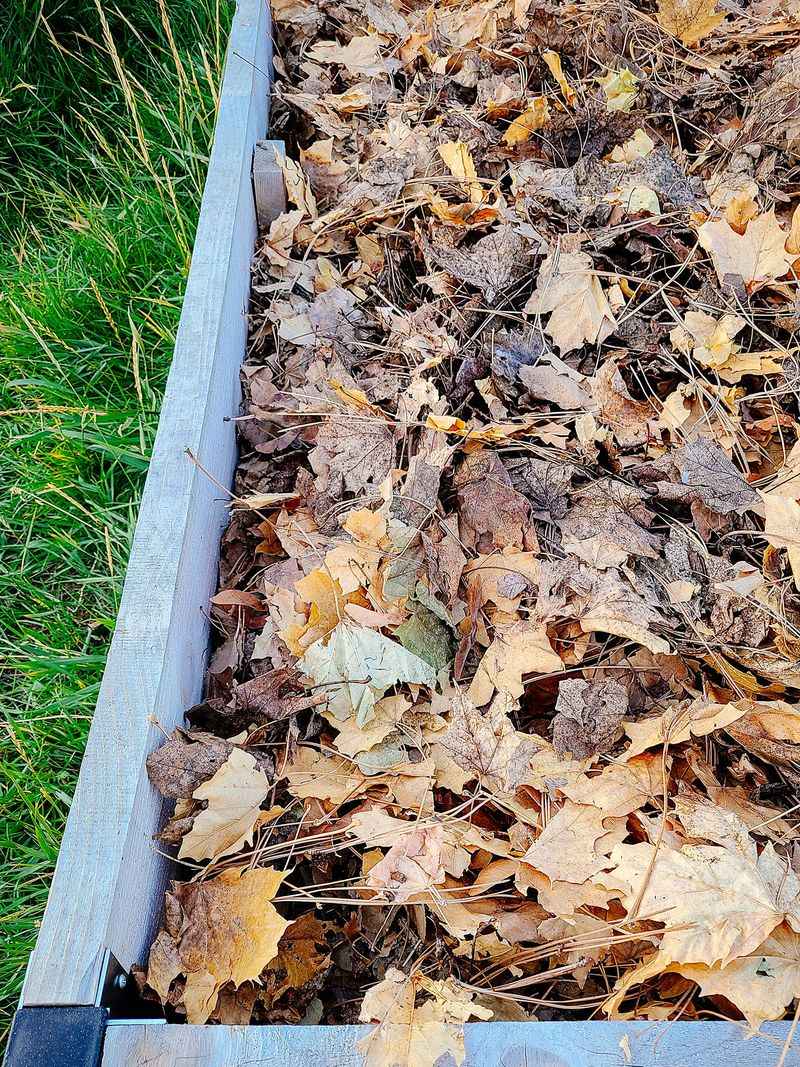
Decomposing leaves add organic matter, and UF/IFAS soil guidance says that organic matter helps soil hold water and nutrients and improves its structure. That is a real perk in Florida, where sandy soils naturally hold little water.
A better bed does not automatically mean stronger peppers or a bigger harvest, though. In a field study on peppers, plots given leaves in fall had the lowest yields, while plots given mature leaf compost had the highest.
A separate bell pepper study found that compost improved soil organic matter and some leaf nutrient measures, yet fruit yield did not go up. So think of leaves as a way to build and protect the bed, not as a yield booster.
Check whether your pepper bed is actually available
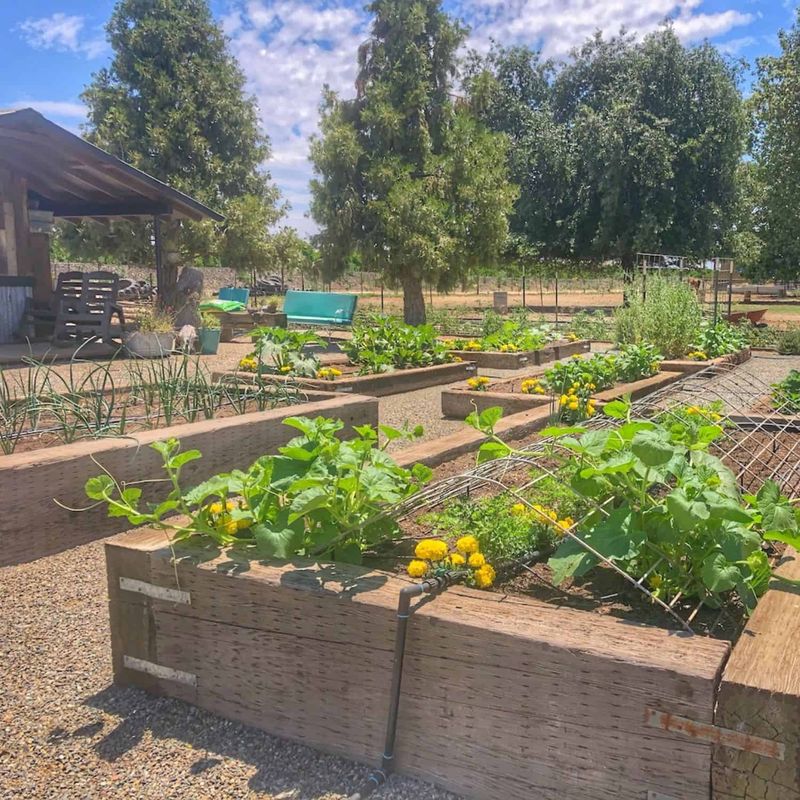
Before you grab a rake and shovel, look at your calendar. In the South, fall is not always the off-season for peppers, and a bed with plants in it is not empty soil.
Florida timing varies by region. UF/IFAS lists fall pepper planting starting in July or August in North Florida and in August in Central and South Florida, where planting can run into February.
Texas works differently. Texas A&M guidance says fall transplants should generally go in about 90 to 100 days before the average first frost.
Match leaf work to your own bed. Digging leaves into a bed with living peppers disturbs roots, so save that job for a bed that is truly resting, and keep the leaves for another spot until then.
Shred leaves and choose how to use them
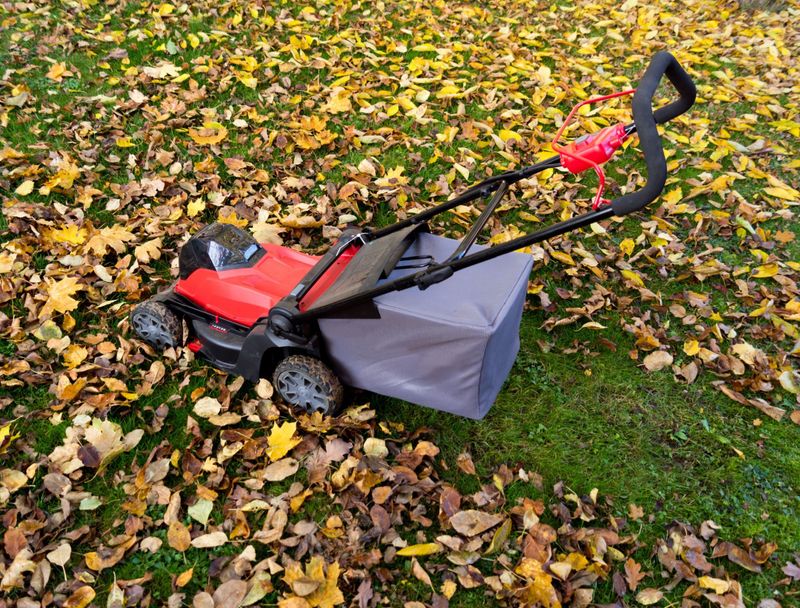
Whole leaves tend to pile up in soggy layers. Shredding them with a mower or a leaf shredder makes them easier to handle, and Illinois Extension notes that shredded leaves are less likely to mat.
Next, pick a job for them. Digging shredded leaves into the soil is one practice.
Spreading them on top as mulch is another, and whole leaves are not a good mulch for every bed. For surface use, see UGA guidance on mulching vegetables.
Walnut leaves come up often. Claims that they harm nearby plants are disputed.
WSU Extension says the evidence does not back many popular claims, while other extension advice says walnut material can be composted. Fresh walnut residue may not be harmless in every situation, so composting it first is a cautious choice.
Give fresh leaves time to break down
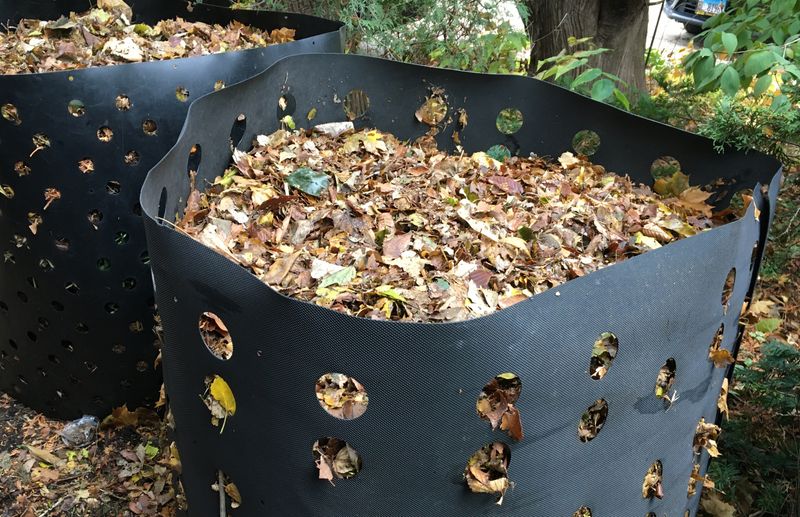
For a bed that is not in use, you have two choices. You can work shredded leaves into the soil in fall, well ahead of spring planting, or you can compost them first.
Illinois Extension suggests fall incorporation so decomposition has time to happen, and UGA Extension says leaves can go into a fall vegetable garden.
Those are general soil-preparation tips, not a pepper-specific promise.
The catch is nitrogen. As leaves decompose, microbes can compete with roots for soil nitrogen, which may cause deficiency and poor growth, according to UGA Extension.
Skip burying a big load of fresh leaves just before transplanting. Composting first lowers that risk, though compost alone may not meet all of a crop’s nutrient needs.
Let a soil test guide fertilizer and pH decisions
Guessing at fertilizer is a quick way to waste money. A soil test tells you what your bed actually has, and it should drive both pH and fertilizer choices rather than any assumption that leaves supply what peppers need.
Timing helps. UGA Extension recommends testing several months before the growing season, which leaves room to adjust the bed before transplants go in.
For peppers, UF/IFAS pepper guidance also ties fertilizing to soil test results. Your local county extension office can explain how to collect a sample and read the report.
Use the results to set amounts, rather than a number from a bag label or a neighbor. Leaves and compost can improve the bed, but the test shows what is still missing.
Keep diseased foliage out of the bed and ordinary compost
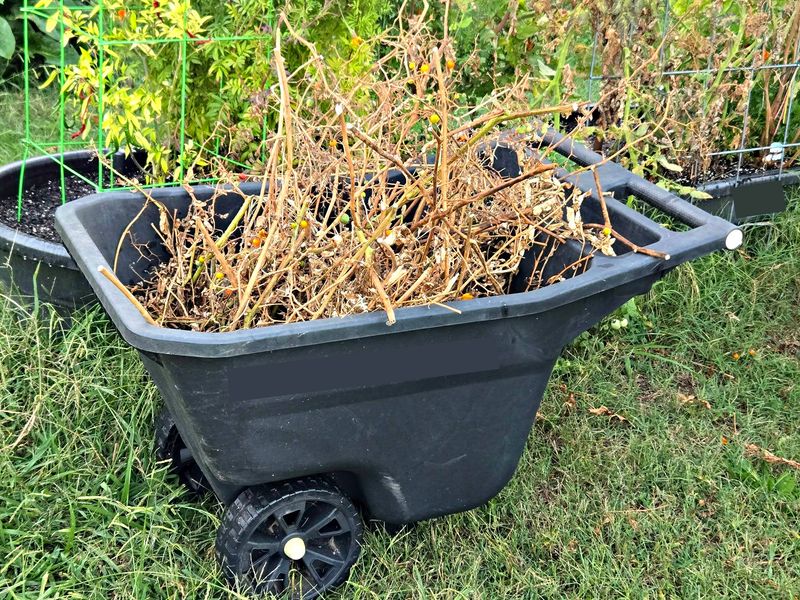
Leaves with spots, mold, or other signs of disease do not belong in your soil-building plan. Rake them out and bag them instead of digging them into the bed or leaving them on the surface.
Ordinary backyard compost piles usually do not get hot enough to be trusted with sick plant material. Illinois Extension advises dealing with diseased leaves rather than recycling them in the garden, and UGA Extension says disease organisms may survive unless a pile is managed hot enough to expose the material to the needed temperatures.
If you are not sure a leaf is healthy, keep it out. Only clean leaves go into the bed or the compost bin.
A few minutes of sorting now can save a pepper bed from carrying trouble into spring.