
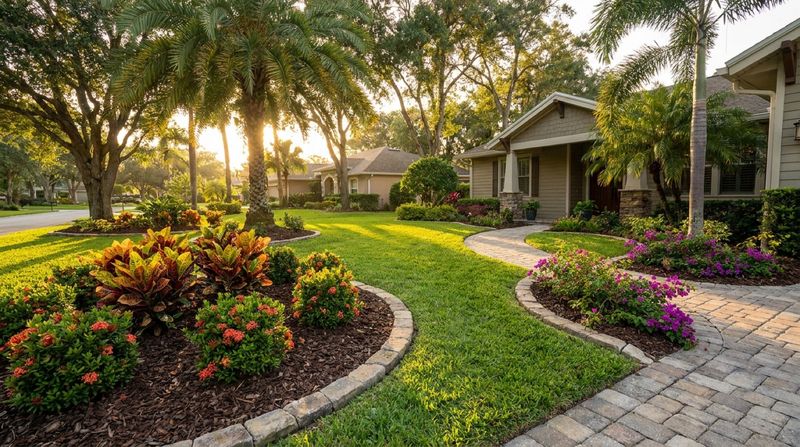
Plenty of Florida homeowners look at a thirsty lawn and wonder if a yard of native plants could replace it. State law does give you some protection when you want a Florida-Friendly yard, but it is not a free pass to rip out all your grass.
Your HOA may still want to review your plan first. Here is what the law covers, what it leaves open, and how to make a request that gets a fair look.
The law protects Florida-Friendly landscaping, not every native-yard plan
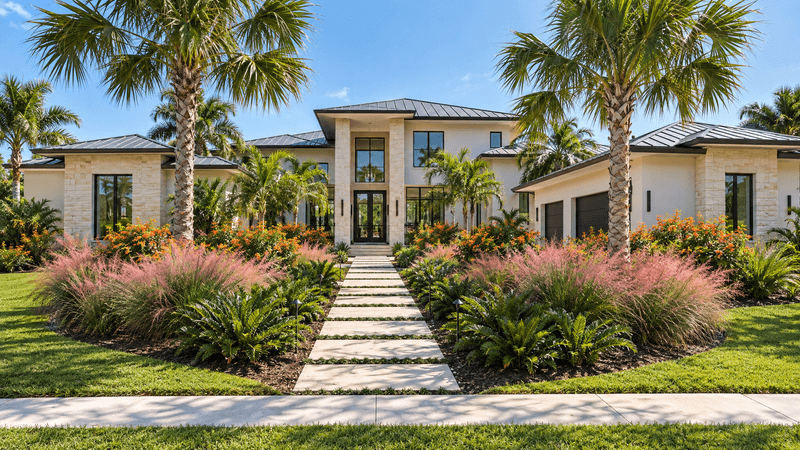
Florida law says a homeowners’ association cannot prohibit you from implementing Florida-Friendly Landscaping on your property. That rule appears in Florida Statutes section 720.3075, and it means a covenant cannot simply ban the approach outright.
The key words are Florida-Friendly Landscaping. The state defines it in section 373.185 as a landscape that conserves water, protects the environment, fits local conditions, and tolerates drought.
That is a specific set of practices. It is not a promise that you can plant any native species you like.
The protection also is not a right to remove every blade of turf, and it does not erase your HOA’s approval process. UF/IFAS Hillsborough Extension notes that approval may still be required under your governing documents, and that a community can apply design or maintenance standards that fit with Florida-Friendly practices.
Think of the law as a real safeguard against a flat ban, not as automatic approval. Your declaration and your specific circumstances still shape what you can do.
Florida-Friendly is a landscape approach, not a native-plant label
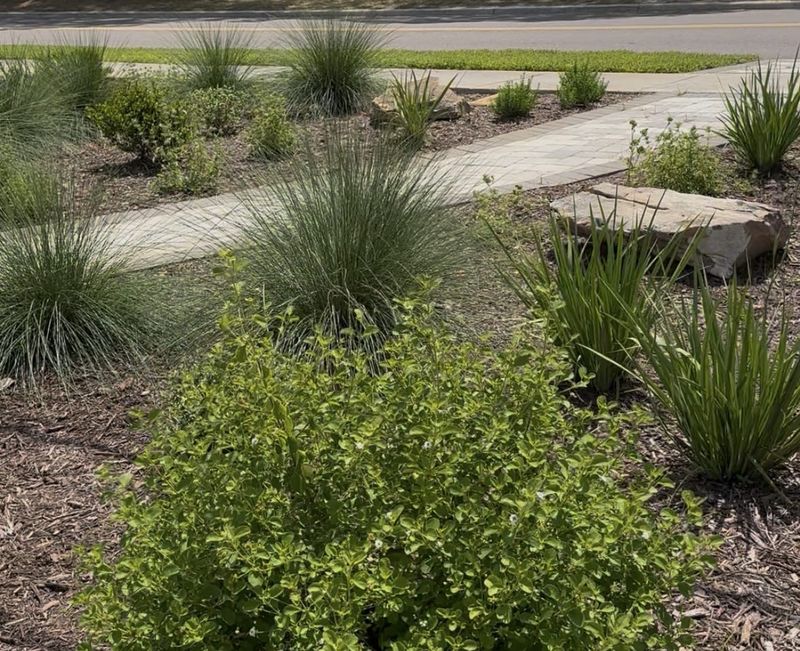
A Florida-Friendly yard is defined by what it does, not by a plant list. The state’s definition centers on saving water, protecting the environment, and fitting local conditions.
The nine UF/IFAS principles turn that into habits: right plant, right place, efficient watering, proper fertilizing, mulching, attracting wildlife, managing pests responsibly, recycling yard waste, and reducing runoff.
Suitable native plants fit well, but so do suitable non-native plants. Turfgrass can stay too.
UF/IFAS Duval Extension clears up this myth, and it also means a yard full of natives is not automatically Florida-Friendly.
Start with your site. Check how many hours of sun each spot gets, whether your soil is sandy and fast-draining or holds water, how much water a plant needs once established, and how big it grows.
A shrub that reaches eight feet wide does not belong under a window. Also steer clear of invasive plants, even ones sold at garden centers.
The available evidence does not establish a statewide shift
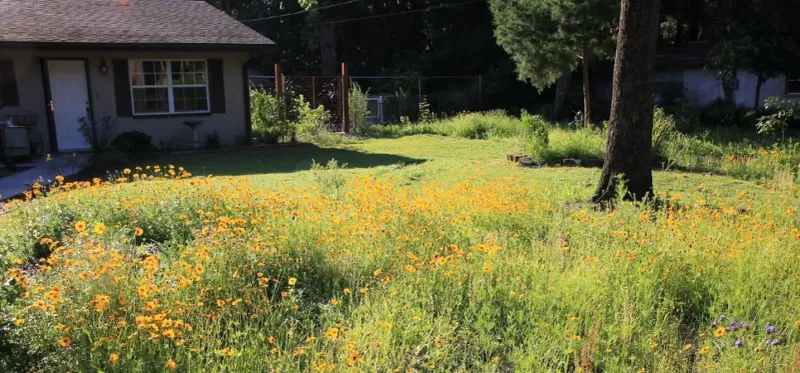
Despite the buzz, nothing reviewed shows that Florida HOAs are quietly or increasingly letting natives replace turf. What exists is limited and mixed.
A 2022 UF/IFAS survey collected self-reported answers from roughly 600 HOA residents. About 44% said their community allowed pollinator gardens, and 42% were unsure.
That uncertainty is the real story: many residents simply do not know what their HOA permits.
The survey asked about pollinator gardens, not full lawn conversions. It also cannot tell us whether anything has changed recently across the state.
Stories like the one from a Broward County resident who added native plants in her HOA community are encouraging. Still, that is one person’s experience.
Your own community may handle requests very differently.
Review the approval rules before changing your yard
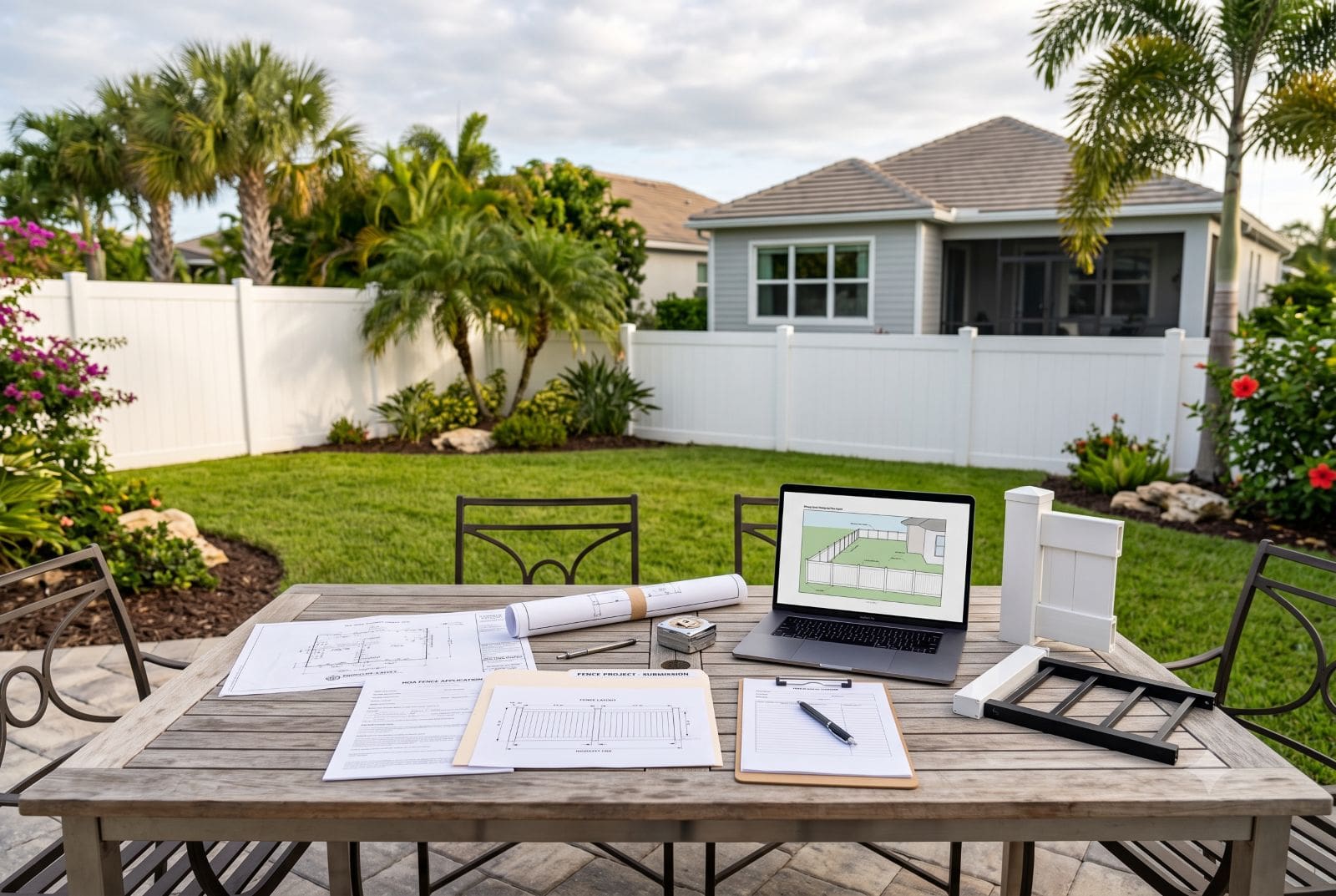
Before you pull up a single square of sod, read your paperwork. Find your declaration, any landscaping rules, and the description of the architectural-review process.
These documents tell you what needs approval and who decides.
Next, ask the HOA or its management company what application materials it requires. Some want a simple form and a sketch.
Others ask for plant lists or photos. Getting this answer early saves weeks of back-and-forth.
If your rules require approval, UF/IFAS advises getting it before you change the landscape. Starting first and asking later can lead to enforcement problems, even for a yard that follows Florida-Friendly ideas.
Look for practical limits too. Some communities cap the size of beds or groundcover areas, set height limits, require edging, or provide approved plant lists.
Florida-Friendly protections do not wipe out these procedures, so build them into your plan from day one.
Give reviewers a clear, site-specific plan
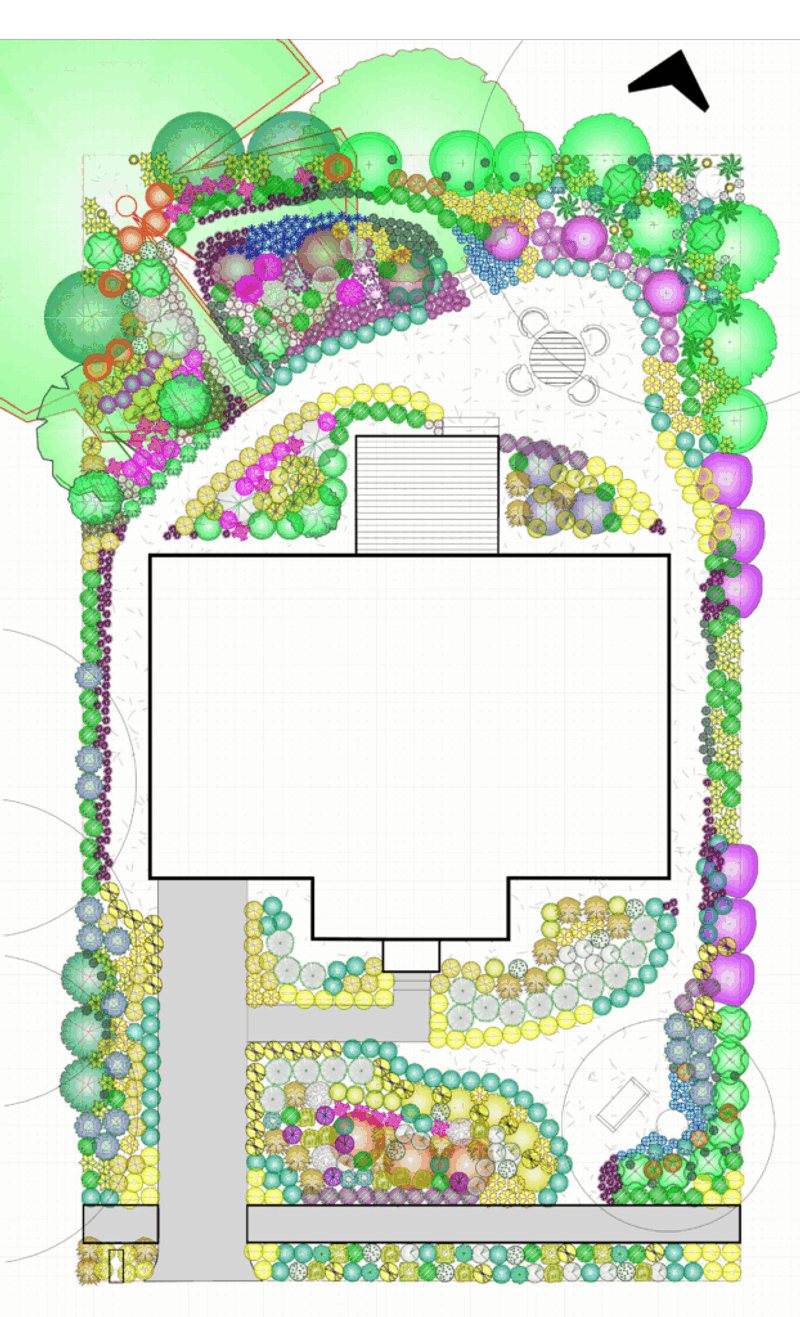
Reviewers say yes more easily to what they can picture. UF/IFAS guidance on working with your HOA recommends making the proposal simple to evaluate.
Start with a basic plan of your yard. Mark where each plant will go, and list plant names and quantities.
Show which areas will stay turf and which will become beds or other surfaces such as mulch or pavers.
Add photos of the plants, ideally at mature size. Then write a short note describing how the yard will look, how you will maintain it, how it fits with neighboring homes, and what practical benefits you expect, such as using less water.
A tidy edge, defined beds, and a maintenance routine speak to the most common worry, which is a yard that looks neglected. A clear proposal gives you the best shot at a fair review, but it does not guarantee approval.
A denial should explain the rule and the part that does not conform
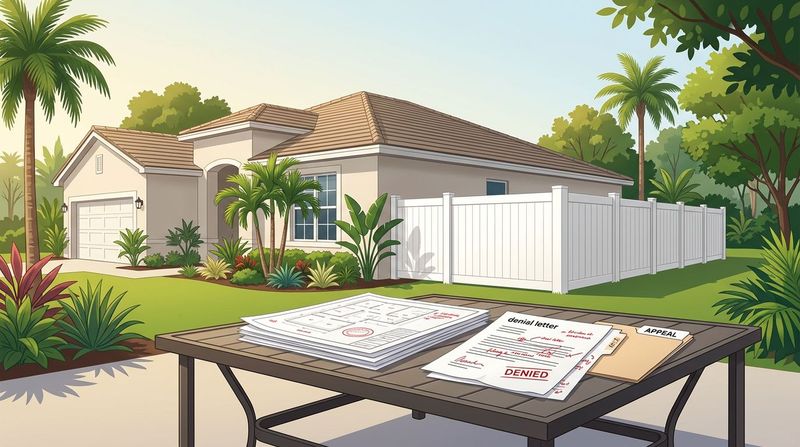
If the architectural-review body denies your application, it has to tell you why in writing. Under Florida Statutes section 720.3035, the notice must identify the rule or covenant relied on and the specific part of your proposal that does not conform.
The same law says the authority to review must be stated or reasonably inferred from the declaration or authorized published standards. It must also be applied reasonably and equitably.
These provisions do not automatically settle every landscaping dispute. A denial letter is not proof the HOA is wrong, and it does not prove you are right.
Use the stated reasons to find out what the objection really is. Maybe it is bed size, plant height, or one species on a prohibited list, and a revised plan could fix it.
UF/IFAS Extension can offer horticultural information, but it notes there is no state enforcement agency for Florida-Friendly Landscaping, and disputes are between you and the HOA. If the disagreement stays serious, consider advice from a Florida attorney.
Start with the documents, the site, and a written request
Begin with your governing documents and confirm what your community requires. Then plan around your real sun, soil, and water conditions.
Finally, follow the UF/IFAS proposal tips and submit a written request before work starts.
Florida law protects Florida-Friendly Landscaping, but it does not guarantee a yes for every native planting or turf conversion.
A good plan makes the answer easier, and a yard that is tidy, suited to its site, and free of invasive plants makes it easier still.