
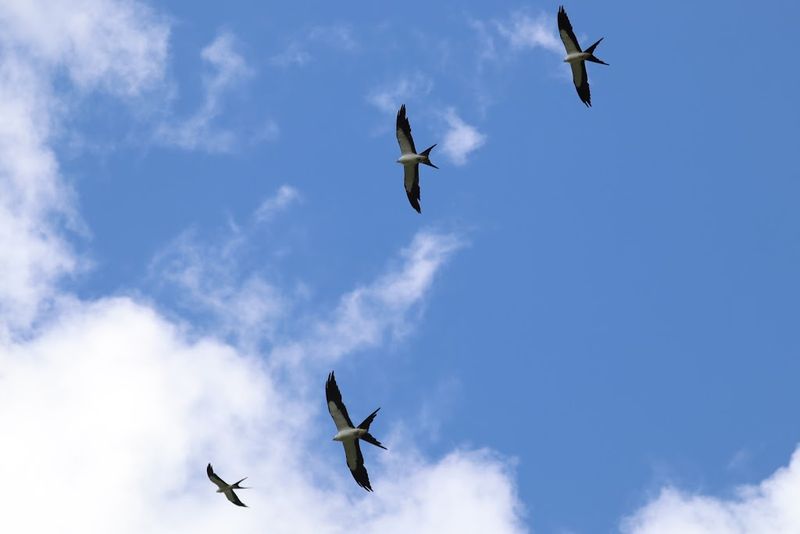
Fall brings big bird movements across Florida, and kites are some of the most graceful fliers in the sky. But the calendar matters, because one famous kite is already gone by October.
Another has a small, local chance of showing up in the Florida Keys. Here is what to expect, plus simple yard steps that help migrating birds of all kinds.
Swallow-tailed kites leave before October
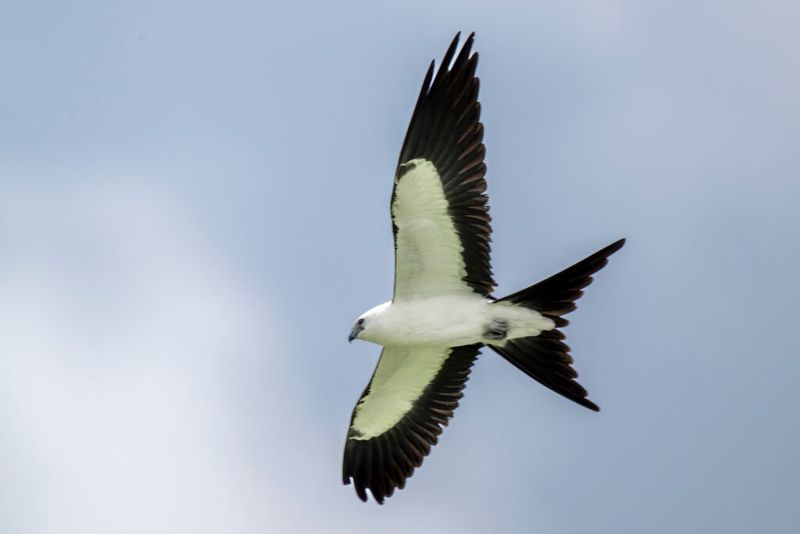
If you were hoping for one last swallow-tailed kite swoop this month, the timing is against you. These black and white raptors spend the winter in South America, and Florida wildlife officials note that they begin gathering for the trip south as early as July.
By the time October 2026 rolls around, most are long gone. Audubon puts their Florida departure in August and September, so the main exit happens well before this month.
That also means the idea of a dramatic October send-off for this species does not hold up. The birds slip away quietly over late summer, often after groups form over favorite wooded areas and wetlands.
They do come back. For swallow-tailed kites specifically, the return is typically February through March, with early March arrivals common in Florida.
That spring timing belongs to this species only, and it is not a promise about any single bird.
So if you are scanning the sky in October, you are probably not looking for a swallow-tailed kite. A different kite has a narrower and more interesting October story, and it plays out in one part of the state.
An October kite possibility in the Florida Keys
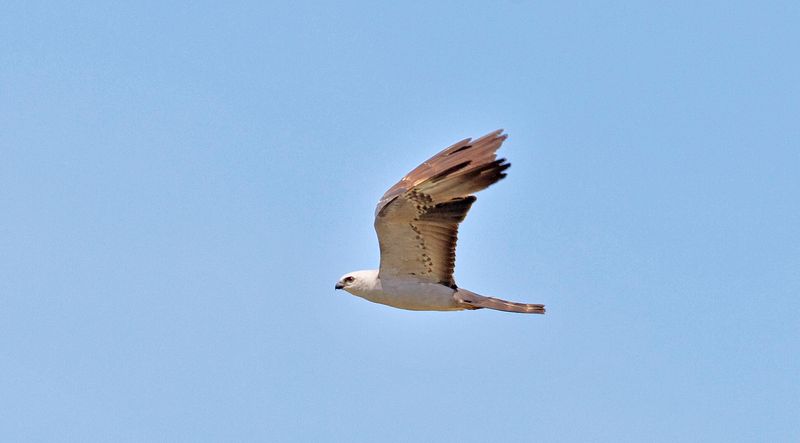
The Mississippi kite is the better October candidate, but only with a big asterisk about place and time. A Florida Keys Hawkwatch report on the 2019 fall season described the detection peak for this species as mid-September through the first week of October.
That is a historical record from one hawk-watching location. It does not mean Mississippi kites are streaming over every Florida neighborhood this October, and it says nothing about what happens in a given backyard in 2026.
The Keys do act as a funnel for migrating birds. The National Weather Service calls September and October peak migration months there.
That is a broad statement about birds overall, so treat it as context rather than proof that Mississippi kites are common right now.
If you live in or are visiting the Keys, early October is a reasonable time to look up on a clear day. Anywhere else in Florida, a Mississippi kite sighting this month would be a pleasant surprise, not something to plan around.
There is also no exact spring return date to give for this species. Instead of guessing, it is better to focus on what you can control, which is the habitat around your own home.
Kites hunt on the wing, not at feeders
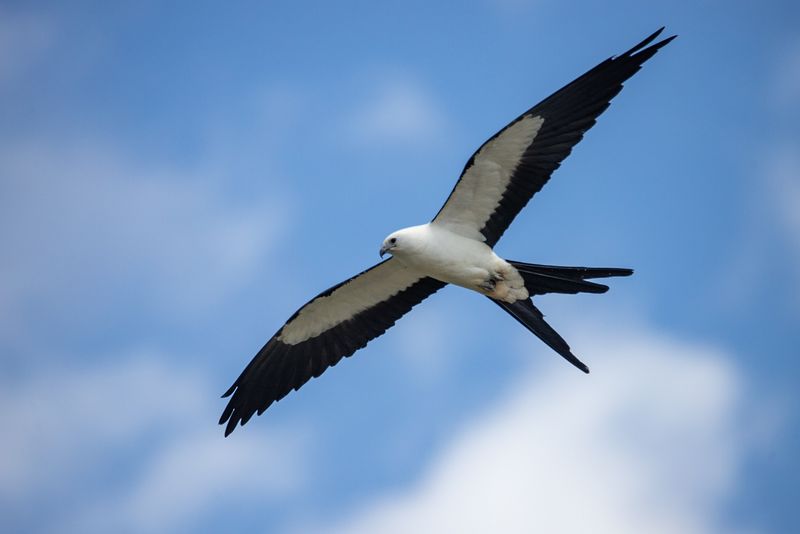
Kites do their hunting in the air, which is why a seed feeder or flower bed is not on their menu. Swallow-tailed kites cruise over treetops grabbing insects and small animals, and Florida’s wildlife agency links them to tall nesting trees in prey-rich woodland, swamp, and savanna.
Mississippi kites work in a similar way. Audubon describes a long-distance migrant that winters in South America and catches much of its insect prey while flying.
In the Southeast, the American Bird Conservancy associates them with groves along rivers or swamps and open surroundings.
Notice what is missing from those accounts: any mention of feeders, ornamental plants, or backyard setups that draw kites in. The sources describe wild habitat and hunting style, and that is not the same as a recipe for luring one to your lawn.
So skip any advice that promises a kite if you plant a certain flower or hang a certain feeder. A better payoff comes from making your yard helpful to migrating birds in general, which is the next step.
Retain vegetation for migratory birds generally
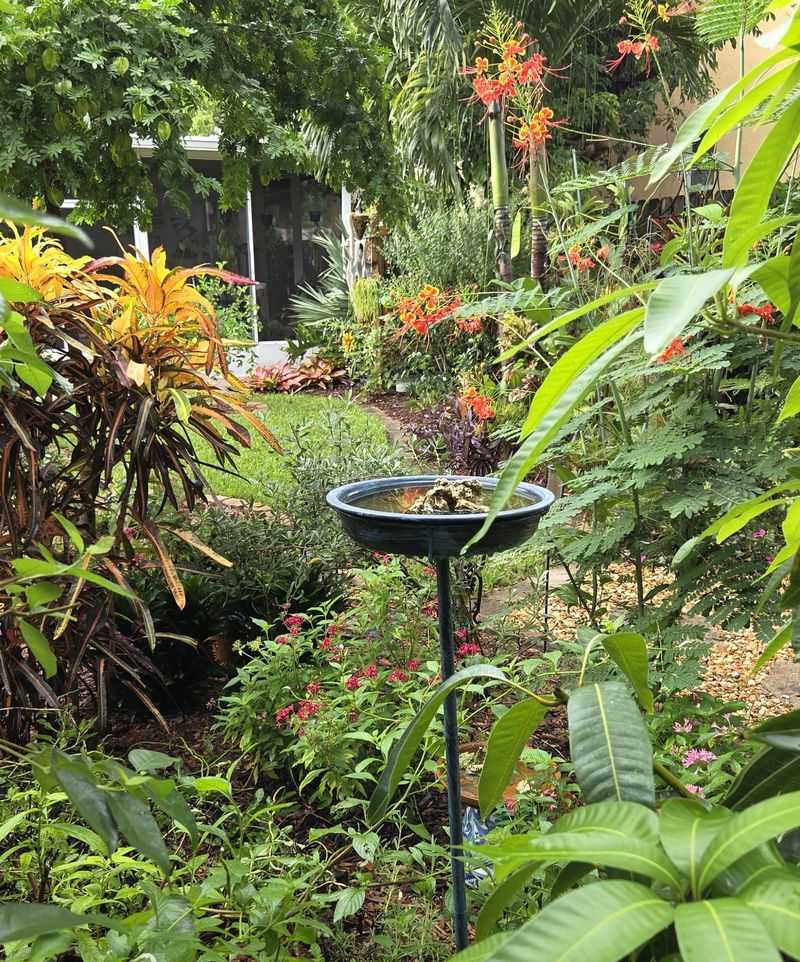
Trees and plants at different heights give tired migrants cover, perches, and food. That is the practical advice from University of Florida researchers, and it is a realistic yard benefit for migratory birds as a group.
A UF/IFAS study in Gainesville compared residential yards with forest fragments. It found greater bird abundance and diversity in more vegetated residential areas, and it recommends keeping trees and vegetation at multiple heights.
There is a catch. Some species in that study preferred forest fragments over yards, so a yard is not a stand-in for woods.
The results also come from one Florida city, so they do not automatically describe every region of the state.
They also do not say that any particular migrant, or either kite, will use your property.
What you can do is simple. Keep your mature trees when it is safe to do so, leave native shrubs and understory plants in place, and avoid clearing every bit of cover down to bare lawn and mulch.
If you are adding plants, favor Florida natives that suit your sandy, fast-draining soil, and layer them: canopy trees, mid-height shrubs, and low groundcover. It is a low-effort approach that also tends to cut down on watering and upkeep.
Reduce common hazards around the home
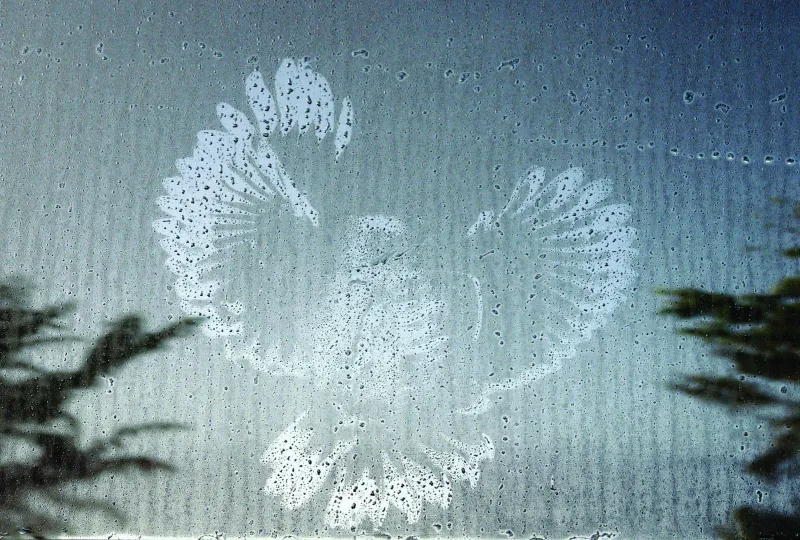
Habitat helps most when the yard is also safe. Windows are a good place to start, since birds often cannot tell glass from open sky.
Put markers on the outside of the glass, not the inside. The U.S.
Fish and Wildlife Service toolkit says exterior markers should be spaced no farther apart than 2 inches vertically and horizontally. If a feeder sits near a window, keep it within 3 feet of the glass.
Lighting is next. Turn off unneeded lights at night, or switch to shielded, motion-activated fixtures.
Migrating birds often travel after dark, so a dimmer yard is easier on them.
Pesticides deserve a second look as well. Audubon’s yard guidance favors cutting back on pesticide use and keeping native plants for food and cover.
Spraying to boost insects is not the answer.
Finally, keep cats indoors. UF/IFAS advises this to protect birds.
None of these steps are kite-specific, and none guarantee a visitor. They simply remove common dangers for the birds that do pass through your neighborhood.
Watch with realistic expectations
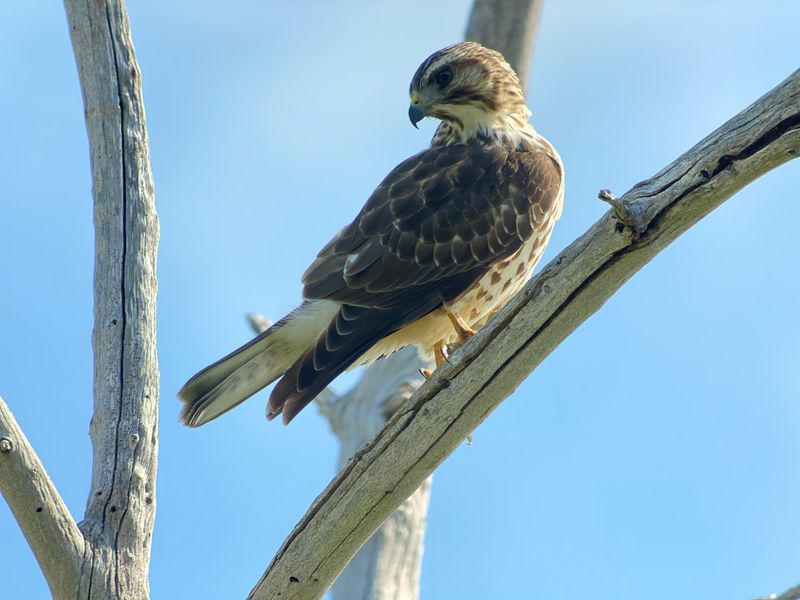
Swallow-tailed kites generally head out in August and September, so October is not their send-off. Mississippi kites have a narrower story, tied to a historical Florida Keys record of detections into the first week of October.
If you are in the Keys, a sky-watching session is worth your time, with no sighting guaranteed. Elsewhere, the lasting win is a safer yard with layered plants, as the Gainesville study supports for migratory birds as a group.
Some of the best bird moments arrive without warning.