
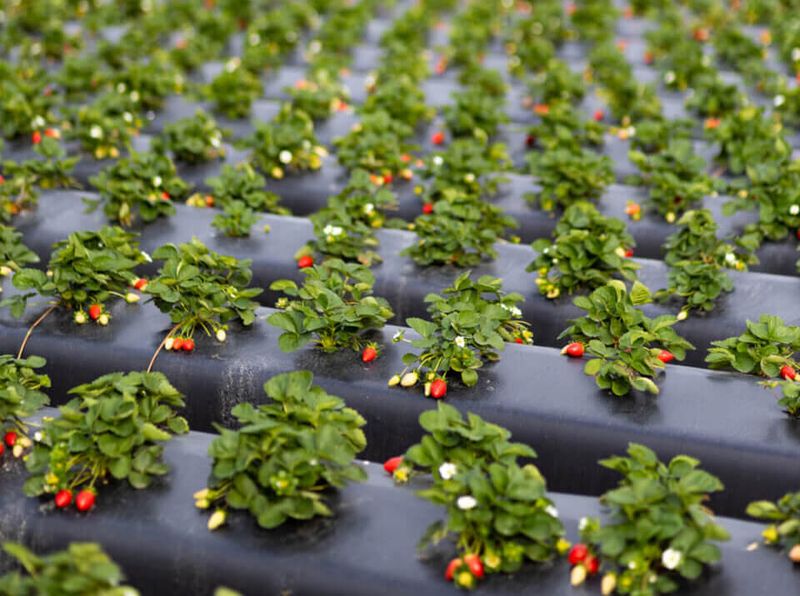
Strawberries in Florida grow on a different calendar than many gardeners expect. Instead of waiting for spring, Florida growers set out young plants in fall so they can bloom and fruit during the cooler months.
The right date depends on where you live, and in late October that window looks very different from Pensacola to Miami. Here is how to figure out what is still possible in your yard.
Florida’s planting window varies by region
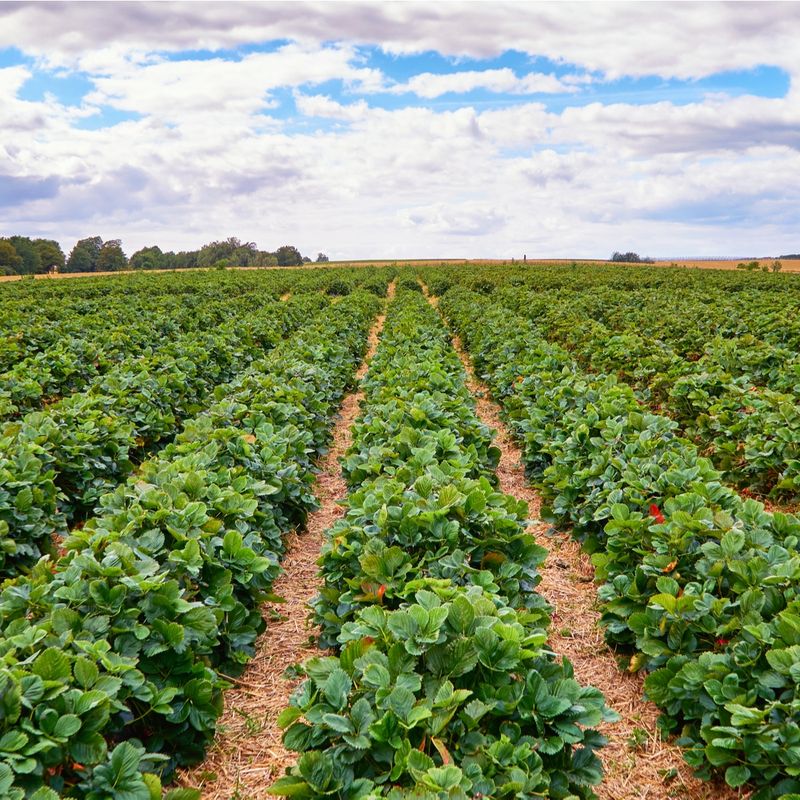
Not every Florida gardener should plant strawberries on the same day. As of October 24, 2026, the regional calendar in the UF/IFAS strawberry production chapter lists a planting window through October 15 in North Florida, through October 25 in Central Florida, and from October 1 through November 1 in South Florida.
Put simply, the listed window has passed in North Florida, is almost over in Central Florida, and is still open in South Florida. That calendar was written for commercial production, so treat it as regional guidance rather than a firm deadline for your backyard.
Your town, your soil, and even the warm spot beside a south-facing wall can shift the best date.
Home gardeners get a wider target in UF/IFAS home-garden guidance, which describes a general Florida planting period from late September to early November. That broader range is a better fit for small beds and containers, where you can react quickly to weather.
So check where you live first. A North Florida gardener who missed the commercial window may still be able to plant a few transplants, with a bit more risk from cold.
A South Florida gardener has room to prepare the bed carefully. Your local county extension office can help you fine-tune the timing.
Fall planting can bring fruit during Florida’s cooler months
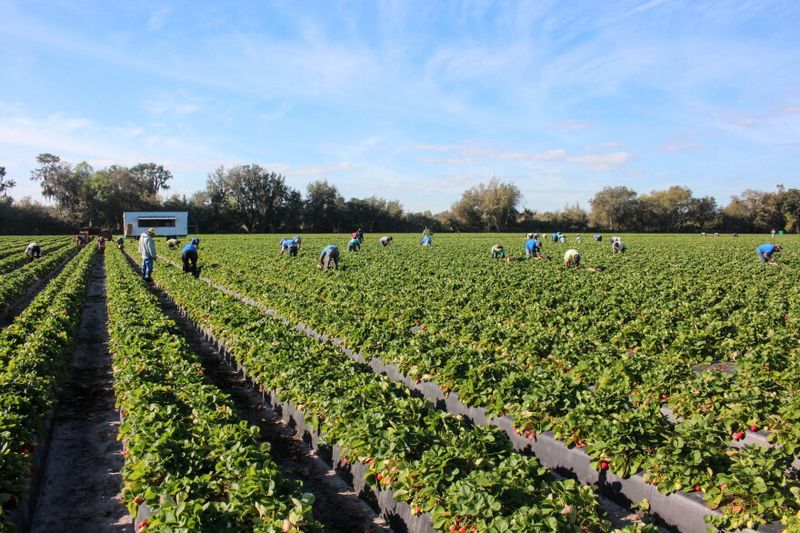
Florida strawberries follow a cool-season rhythm. According to UF/IFAS, plants go in from late September to early November, then flower and fruit from November into April or May.
Summer heat is too harsh for the plants, so the fall start gives them time to settle in before the best berry weather.
A common estimate is about 90 to 110 days from planting to first harvest, as noted in a Pasco County extension post. Count forward from your planting date and you can picture a harvest around late winter.
Treat that as a rough guide, not a promise.
Planting date, plant type, and freezes can all change the schedule. A cold snap may pause flowering, and later planting usually means later fruit.
Some plants will give you berries sooner than others.
Other places run on different calendars, too. University of Georgia Extension describes fall planting in middle and south Georgia, with harvest the next spring.
Climate decides the schedule, so use Florida guidance for a Florida bed.
Choose transplants suited to your Florida region
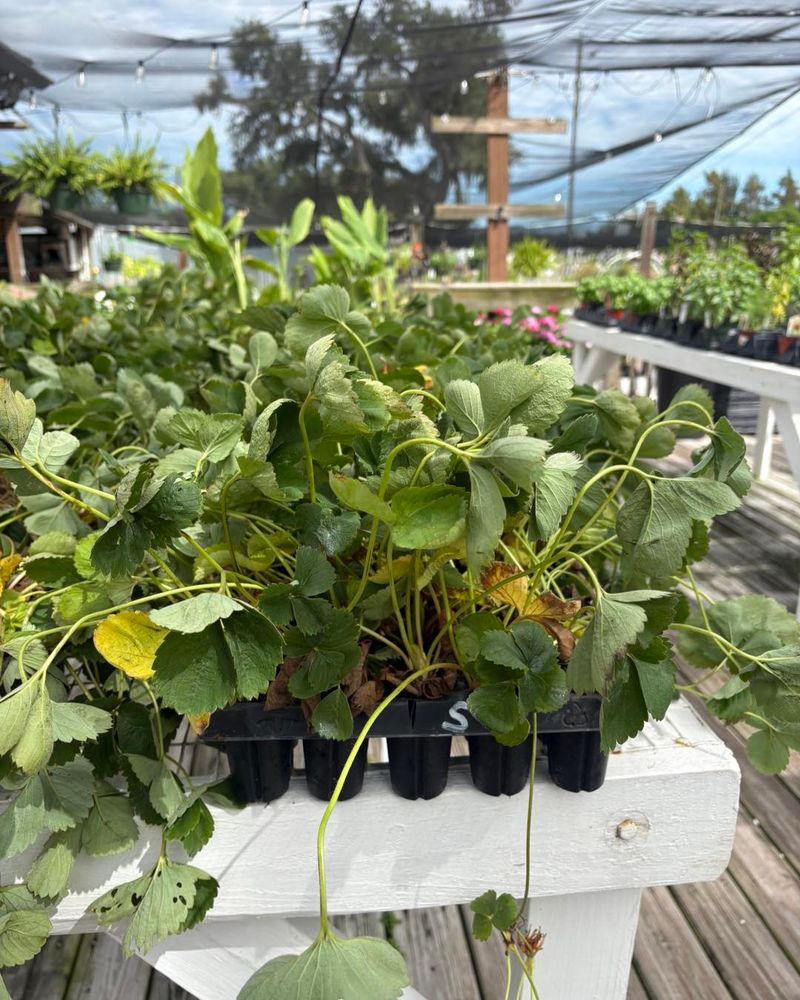
Start with healthy transplants from a reputable nursery or garden center. Seeds are slow and unreliable for a home bed, and a grocery-store berry is not a shortcut to a plant.
Look for sturdy green leaves, firm crowns, and roots that are not dried out.
Variety matters, and the advice is regional. UF/IFAS home-garden recommendations name ‘Camarosa’ for North Florida.
For Central Florida, the same guide lists ‘Florida Brilliance’ and Sweet Sensation ‘Florida127’.
That list does not include a South Florida pick, so South Florida gardeners should ask a local extension office or a trusted nursery what is available and working nearby. Do not assume a Central or North Florida variety is the best choice for every yard in the state.
Timing and variety work together. If you are planting near the end of your region’s window, shop early, since good transplants can sell out.
Ask the nursery when the plants arrived and how long they have been sitting. Fresh, well-cared-for plants get off to a stronger start.
Give strawberry crowns a sunny, well-drained start
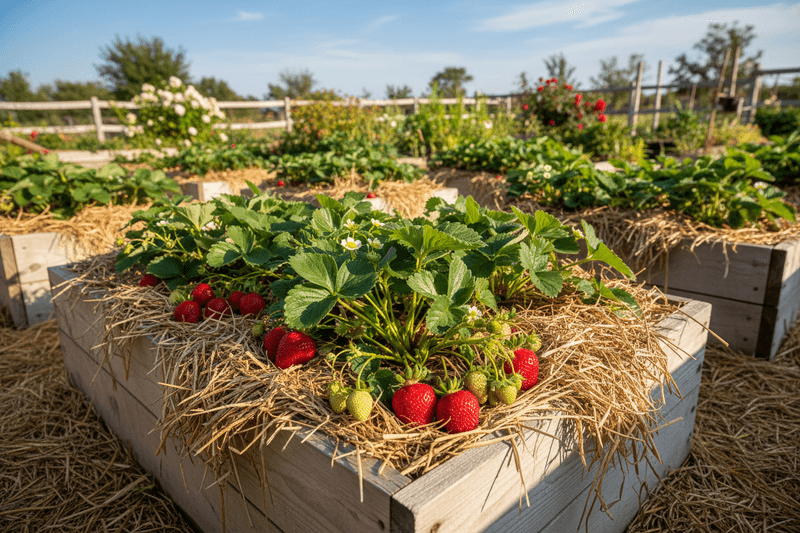
Pick the sunniest spot you have. Strawberries need at least eight hours of direct sunlight each day, and shade usually means fewer berries.
Walk your yard at different times to find a place that stays bright.
Drainage is just as important. UF/IFAS recommends well-drained, slightly acidic soil with a pH between 5.5 and 6.5.
Florida’s sandy soil drains quickly, but low spots can still hold water after a storm.
If water lingers in your yard, try a raised bed. Containers are another option for patios and small spaces, and they let you move plants if needed.
Planting depth is the detail that trips people up. Set each transplant so the crown, the thick part where leaves meet roots, sits right at the soil surface.
Burying it can cause rot, and leaving roots exposed lets them dry out.
Spread the roots down into a hole, firm the soil gently around them, and water right away. Space plants so air can move between them.
Water consistently and prepare for freezes

New transplants have shallow roots, so keep the bed evenly moist while they establish. Check the soil with your finger every day or two, especially in sandy ground that dries fast.
Soggy soil is a problem too, so aim for damp rather than wet.
Once plants are established, UF/IFAS describes drip irrigation or soaker hoses as good options. Both put water at the roots and keep leaves drier.
Water needs go up as plants grow and the weather warms, so plan to adjust through the season.
Cold nights are the other chore. Temperatures below 32 degrees Fahrenheit can damage flowers and fruit, as Pasco County extension staff explain.
Before a freeze, cover plants with a frost cloth or similar cover, and anchor the edges so wind cannot pull it away.
Keep an eye on the forecast from December through February. Remove the cover when temperatures climb the next day so plants get light and air.
Strawberries are not a plant-and-forget crop, but a few small habits go a long way.
Harvest often and plan to replant next fall
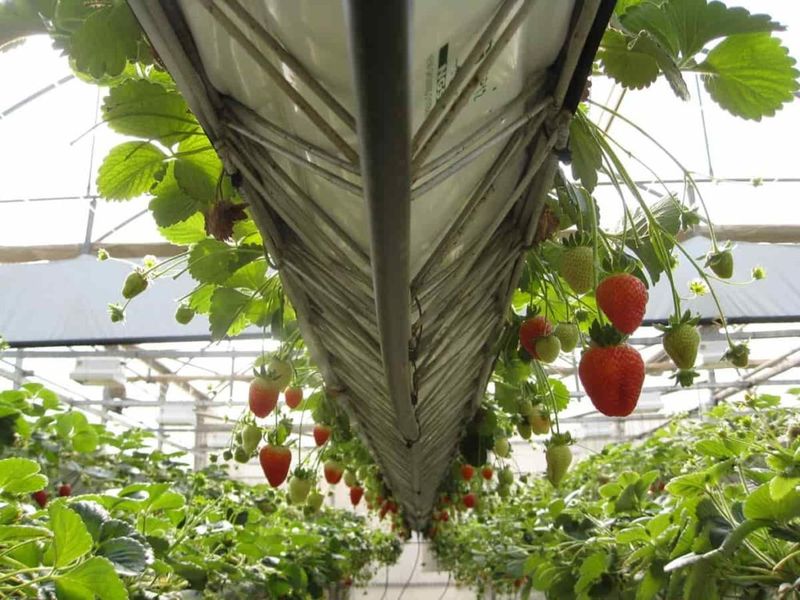
Pick when about three-quarters of the berry is red. Fully red fruit goes downhill fast, so UF/IFAS Pasco County suggests checking plants generally every two to four days.
Snip or pinch the stem instead of pulling the berry.
Regular picking also keeps overripe fruit from sitting in the bed. Gather what you find, even if a few berries are imperfect.
Florida strawberry beds are generally seasonal. UF/IFAS says plants are usually removed after the fruiting season and replaced the following fall.
Do not count on the same plants to come back strong next year.
Plan your next bed while this one is still producing. Note what worked, where the sun was best, and how your timing matched the weather.
Then you can shop for fresh transplants when your region’s window opens again.
No one can promise the exact date or amount of fruit. Careful watering, freeze cover, and steady picking give you a fair shot at a bowl of berries when winter fades.